上海家化

Search documents
化妆品板块8月14日跌2.33%,拉芳家化领跌,主力资金净流出2.34亿元
Zheng Xing Xing Ye Ri Bao· 2025-08-14 08:40
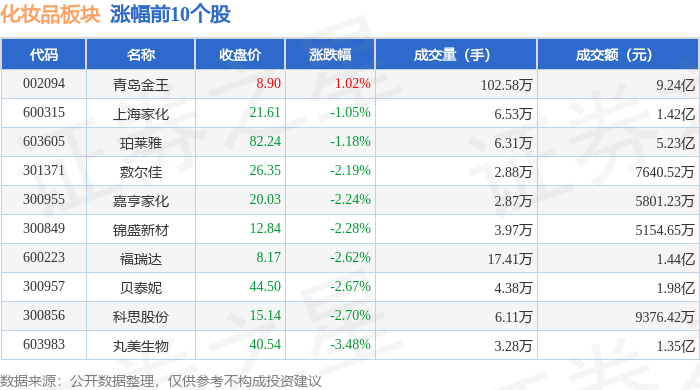
证券之星消息,8月14日化妆品板块较上一交易日下跌2.33%,拉芳家化领跌。当日上证指数报收于 3666.44,下跌0.46%。深证成指报收于11451.43,下跌0.87%。化妆品板块个股涨跌见下表: 从资金流向上来看,当日化妆品板块主力资金净流出2.34亿元,游资资金净流入6184.65万元,散户资金 净流入1.72亿元。化妆品板块个股资金流向见下表: | 代码 | 名称 | 主力净流入(元) | 主力净占比 游资净流入 (元) | | 游资净占比 散户净流入 (元) | | 散户净占比 | | --- | --- | --- | --- | --- | --- | --- | --- | | 002094 青岛金王 | | 2182.18万 | 2.36% | -144.86万 | -0.16% | -2037.33万 | -2.20% | | 600849 | 锦盛新材 | 469.55万 | 9.11% | -141.55万 | -2.75% | -328.00万 | -6.36% | | 600315 上海家化 | | 117.88万 | 0.83% | -926.29万 | -6.52% | 8 ...


低价防晒霜工厂调查:成本仅3元,能获取约9倍利润
Cai Jing Wang· 2025-08-14 03:21
Core Insights - The sunscreen market in China is experiencing significant growth, with a wide price range for products, from as low as 0.99 yuan to several hundred yuan, indicating a disparity in quality and production practices [1][3][14] - Many low-priced sunscreens achieve their low costs through questionable practices, such as underdosing active ingredients and mislabeling SPF values, leading to potential consumer safety concerns [4][5][6] - The industry faces challenges with regulatory compliance, as some manufacturers exploit loopholes to produce and market sunscreens without proper certifications [2][8][11] Price Discrepancy - Sunscreens with SPF 50 are available at various price points, with many low-cost options selling over 100,000 units despite their questionable quality [3][4] - The core cost of sunscreen primarily comes from the active ingredients, with some manufacturers offering raw materials at prices as low as 60 yuan per kilogram, significantly impacting the final product cost [3][4] - High-quality sunscreens typically range from 50 to 200 yuan, which accounts for over 50% of the total market value, while cheaper alternatives often compromise on ingredient quality [3][14] Production Practices - Some manufacturers engage in practices such as diluting active ingredients during mass production, which allows them to pass initial quality tests while delivering subpar products to consumers [4][5] - The lack of stringent enforcement of regulations has led to a culture of risk-taking among manufacturers, with some believing they will not be caught during inspections [5][6] Regulatory Environment - The production of sunscreens requires special certifications, which can be costly and time-consuming, leading to practices like "certificate borrowing" where companies use existing certifications for new products [6][8] - Despite recent regulatory efforts to curb these practices, some manufacturers still claim to offer "certificate borrowing" services, indicating ongoing compliance issues within the industry [8][11] Consumer Guidance - Experts suggest that consumers should prioritize brands that maintain control over their production processes and choose products based on their specific skin needs and usage scenarios [16] - The importance of selecting sunscreens with proper certifications is emphasized, as these products are more likely to meet safety and efficacy standards [16]
中国消费关联_在线品牌追踪_淡季分化;白色家电_受RVC 驱动;美妆_运动品类因基数降低加速增长-China Consumer Connection_ Online Brand Tracker_ divergence into low season; White goods_RVC led; Beauty_Sports accelerated on easier
2025-08-14 01:36
Summary of Key Points from the Conference Call Industry Overview - The report focuses on the **China Consumer Market**, particularly in the **cosmetics**, **sportswear**, and **infant milk formula (IMF)** sectors, analyzing performance across major e-commerce platforms like Tmall, Taobao, and JD. Key Highlights 1. Category Performance - **White Goods**: Grew by **15% year-over-year (yoy)** in July, outperforming other categories. - **RVC/Small Kitchen Appliances**: Recorded growth of **14%** and **10% yoy**, respectively. - **Sports Shoes/Sportswear**: Achieved **11%** and **7% yoy** growth. - **Declines**: Categories such as **IMF, Beer, Pet Products, and Beauty** saw declines, with **Women's Clothing, Condiments, and Dairy** lagging at **15%**, **17%**, and **24% yoy** declines, respectively [1][13][12]. 2. Domestic vs. MNC Brands in Cosmetics - **Local Brands**: Mass/local brands regained market share from premium/MNC brands, reversing trends from the previous period. - **Shanghai Jahwa, Marubi, and KANs** led with growth rates of **58%**, **51%**, and **48% yoy**. - **Giant, Perfect Diary, and Botanee** grew by **24%**, **7%**, and **2%** respectively. - **MNC Brands**: - **LGHH** was the only MNC to show positive growth at **9% yoy**. - **L'Oreal** declined by **2%**, while **Estee Lauder** and **Shiseido** faced declines of **MSD to HSD% yoy**. - **Kose** and **Amore** underperformed with declines of **19%** and **49% yoy** [2][23]. 3. Sportswear Market Insights - Both MNCs and local brands experienced positive online growth in July, attributed to a favorable base. - **Anta** reported improved performance in mid-July, expecting recovery in Q3. - **Xtep** noted retail sales acceleration, while **Li Ning** faced pressure with deeper discounts yoy. - The divergence in brand performance is attributed to product and fashion cycles, with brands executing omni-channel strategies [3]. 4. Infant Milk Formula (IMF) Performance - **Sales Growth**: On Tmall/Taobao, IMF sales grew by **11%** in July, an improvement from **-4%** in June. - **Top Brands**: Local brand **Yili** (including Pro-Kido) showed strong momentum with **33%** growth in July, while **Feihe** slowed to **6%** growth. - Among MNCs, **Biostime, Mead Johnson, and Wyeth** outperformed with growth rates of **48%**, **42%**, and **32%** respectively [17][18]. 5. Brand Performance Summary - **Outperforming Brands**: Included **Herborist, Collgene, Marubi, KANs, HR, Uniqlo, Gree, Ecovacs, Roborock, Fila, Lululemon, and Pop Mart**. - **Underperforming Brands**: Included **Timage, QuadHA, Yili, and Cha cha** [4]. Additional Insights - The report indicates a shift in consumer preferences towards local brands, particularly in the cosmetics sector, as they regain market share from MNCs. - The performance of various categories suggests a mixed recovery in consumer spending, with some sectors experiencing robust growth while others face significant declines. - The analysis highlights the importance of omni-channel strategies in capturing market share and responding to changing consumer behaviors [2][3][23].
低价防晒霜调查:成本仅3元,凭啥敢卖几十元?
Mei Ri Jing Ji Xin Wen· 2025-08-13 12:29
Core Insights - The sunscreen market in China is experiencing a significant surge in demand, particularly during the peak UV exposure season, with a wide price range for products, from as low as 0.99 yuan to several hundred yuan per unit [1][4] - The disparity in pricing is attributed to various factors, including the quality of raw materials, production processes, and brand positioning, leading to a situation where some products are sold at a fraction of the cost of others [4][17] Pricing Discrepancies - The price of SPF 50 sunscreen products varies greatly, with some low-cost options selling for as little as 0.99 yuan, while higher-end products can exceed 200 yuan, with the latter accounting for over 50% of the total GMV in the category [4][17] - Manufacturers can produce low-cost sunscreens by using cheaper raw materials and cutting corners in production, resulting in a cost as low as 3 yuan per unit, even when sold at a price of 30 yuan [3][5] Production Practices - Some manufacturers engage in practices such as underfilling products and misrepresenting SPF values, leading to products that do not meet the advertised effectiveness [3][6] - The production of sunscreens can be done without the necessary certifications or technical expertise, as some companies offer services to help brands circumvent regulatory requirements [8][10] Regulatory Environment - The Chinese regulatory framework requires special certification for sunscreen products, which can be costly and time-consuming to obtain, leading to the prevalence of "certificate swapping" practices in the industry [8][9] - Despite stricter regulations and enforcement, some manufacturers still claim to provide services that allow for the circumvention of these requirements, indicating ongoing issues within the industry [10][14] Consumer Guidance - Experts suggest that consumers should consider the brand's control over product quality, the suitability of the product for their skin type, and the specific use case when selecting sunscreens [19] - It is recommended to choose products with official certifications and to be cautious of exaggerated claims regarding effectiveness, as many low-cost options may not provide adequate protection [18][19]
防晒霜调查:成本3元,敢卖几十元,工厂老板:这行水太深,几倍利润算少的
3 6 Ke· 2025-08-13 11:08
Core Viewpoint - The investigation reveals significant price discrepancies in sunscreen products, with low-cost options often lacking adequate active ingredients and falsely advertising their SPF values. This raises concerns about consumer safety and product efficacy in a market that is currently experiencing high demand due to seasonal UV exposure [1][2][5]. Industry Insights - The price range for sunscreen products varies widely, with some priced as low as 0.99 yuan and others reaching several hundred yuan. The average price for popular products on e-commerce platforms is above 60 yuan, while low-cost options have sold over a million units [2][5]. - Manufacturers can produce sunscreen at a very low cost, with some claiming that the raw material cost for a 50ml tube can be as low as 3 yuan. Even when sold at 30 yuan, manufacturers can achieve a profit margin of approximately 9 times [2][5][6]. - Common practices in the industry include diluting active ingredients and mislabeling SPF values. Some manufacturers take advantage of regulatory loopholes, believing that their products will not be subject to random inspections [6][7]. Regulatory Environment - The sunscreen industry is subject to strict regulations, requiring special registration for products with sun protection claims. However, some companies still engage in practices like "certificate swapping" to bypass these regulations [9][10]. - Despite the existence of regulations, some manufacturers continue to offer services that facilitate the creation of brands without the necessary certifications, indicating ongoing compliance issues within the industry [10][11]. Consumer Guidance - Experts suggest that consumers should prioritize brands with stringent quality control and comprehensive oversight of their production processes. The effectiveness of sunscreen is not solely determined by its SPF rating; the quality of ingredients and manufacturing processes also play crucial roles [19][20][22]. - Recommendations for selecting sunscreen include considering the brand's reputation, the specific use case, and individual skin sensitivity. It is advised to choose products with official certifications to ensure safety and efficacy [22][23][24].
防晒霜调查:成本3元,为何敢卖几十元?
Hu Xiu· 2025-08-13 09:33
Core Insights - The investigation reveals significant price disparities in sunscreen products, with low-cost items often lacking adequate active ingredients and falsely advertising their SPF values [1][4][6] - The sunscreen market is currently experiencing a peak in sales, coinciding with the highest UV exposure period of the year [2][4] Price Discrepancies - Sunscreen prices vary widely, with some products priced as low as 0.99 yuan, while others can reach several hundred yuan [4][9] - The average price for high-selling sunscreens on e-commerce platforms is above 60 yuan, yet low-cost options have sold over 100,000 units [9][10] - Manufacturers can produce a 50ml tube of sunscreen for as little as 3 yuan by diluting active ingredients and cutting corners [6][11] Industry Practices - Common practices in the industry include underreporting the amount of active ingredients and using cheaper materials to reduce costs [7][11] - Some manufacturers engage in "certificate buying" and "certificate bundling," allowing companies without proper certifications to market their products [8][19] - The regulatory environment has tightened, but some manufacturers still claim to offer "certificate bundling" services [20][21] Consumer Guidance - Experts suggest that consumers should prioritize brands with stringent quality control and avoid low-cost sunscreens that may cause skin issues [1][35][36] - The effectiveness of sunscreens is influenced by the quality of active ingredients and production processes, with higher prices often reflecting better quality [31][35] - Recommendations for selecting sunscreens include checking for proper certifications and considering individual skin types and exposure scenarios [40]
2025年全球功能性护肤品行业发展现状及趋势概况
Qian Zhan Wang· 2025-08-13 09:09
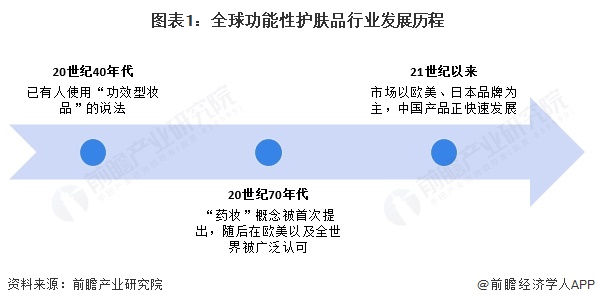
Core Insights - The global functional skincare market is projected to reach approximately $180.5 billion in 2024, with China accounting for about 27% of the global skincare market [6][8]. - The market for functional skincare products is expected to grow at a compound annual growth rate (CAGR) of 5%, potentially exceeding $240 billion by 2030 [10]. Industry Overview - The concept of "functional cosmetics" emerged in the 1940s, with the term "pharmaceutical cosmetics" introduced in the 1970s by dermatologist Albert Kligman, leading to widespread acceptance in Western countries [6]. - The functional skincare market is currently dominated by brands from Europe, Japan, and the United States, with significant players including L'Oréal, Estée Lauder, and Shiseido [3]. Market Competition - The global functional skincare market exhibits a moderate level of concentration, with numerous brands competing, although leading companies like L'Oréal and Estée Lauder hold significant market shares [4]. - China's Betaini has a notable competitive advantage in the dermatological skincare segment [3]. Future Projections - The global functional skincare market is expected to grow at a faster rate than the overall skincare market due to the increasing prevalence of sensitive skin issues in major countries [10].


化妆品板块8月13日涨0.32%,华业香料领涨,主力资金净流出6627.05万元
Zheng Xing Xing Ye Ri Bao· 2025-08-13 08:37
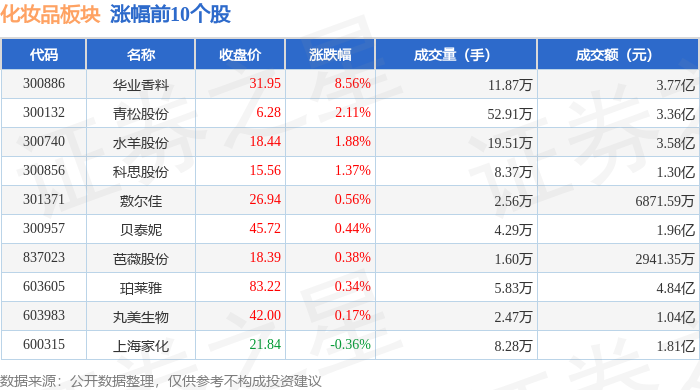
Market Overview - On August 13, the cosmetics sector rose by 0.32% compared to the previous trading day, with Huaye Fragrance leading the gains [1] - The Shanghai Composite Index closed at 3683.46, up 0.48%, while the Shenzhen Component Index closed at 11551.36, up 1.76% [1] Individual Stock Performance - Huaye Fragrance (300886) closed at 31.95, with an increase of 8.56% and a trading volume of 118,700 shares, amounting to a transaction value of 377 million yuan [1] - Qingsong Co. (300132) closed at 6.28, up 2.11%, with a trading volume of 529,100 shares and a transaction value of 296.6 million yuan [1] - Shuiyang Co. (300740) closed at 18.44, up 1.88%, with a trading volume of 195,100 shares and a transaction value of 358 million yuan [1] - Other notable performances include Kesheng Co. (300856) up 1.37%, and Beitaini (300957) up 0.44% [1] Capital Flow Analysis - The cosmetics sector experienced a net outflow of 66.27 million yuan from institutional investors, while retail investors saw a net inflow of 41.45 million yuan [2] - The main capital inflow was observed in Huaye Fragrance, with a net inflow of 42.14 million yuan from institutional investors [3] - Conversely, Jincheng New Materials (300849) saw a net outflow of 6.41 million yuan from institutional investors [3]

低价防晒霜调查:成本3块钱,敢卖几十元!工厂老板:这行水太深,几倍利润算少的
Mei Ri Jing Ji Xin Wen· 2025-08-13 07:46
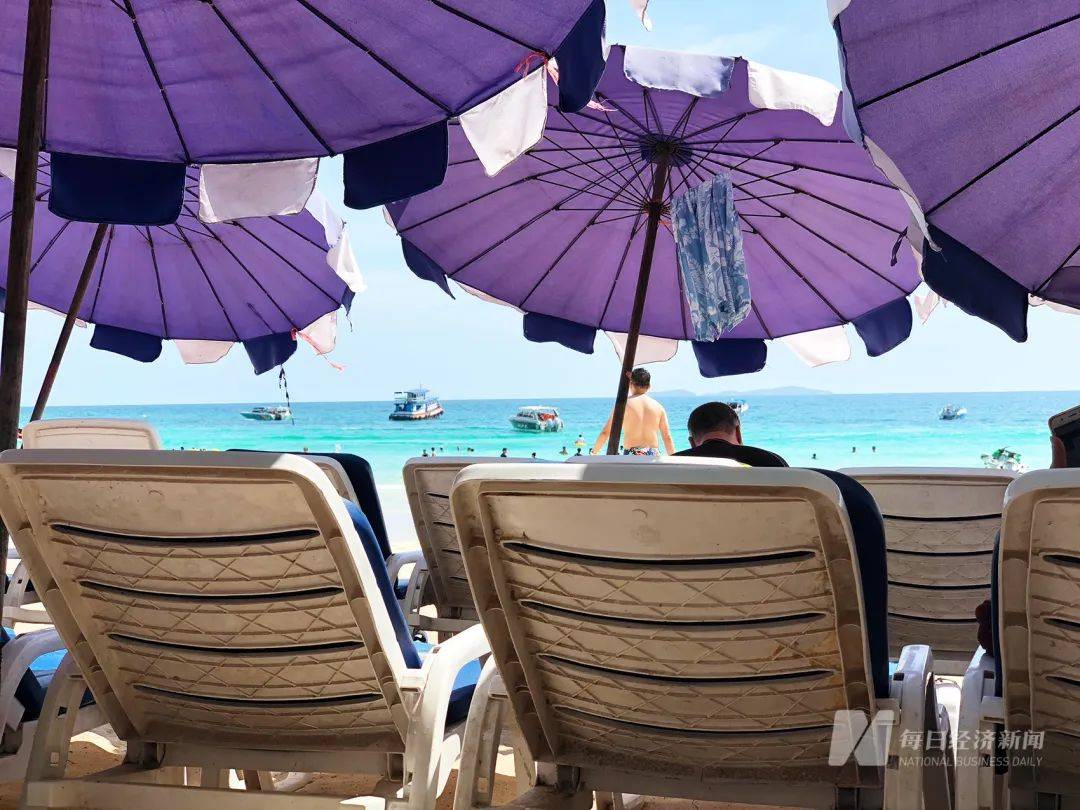
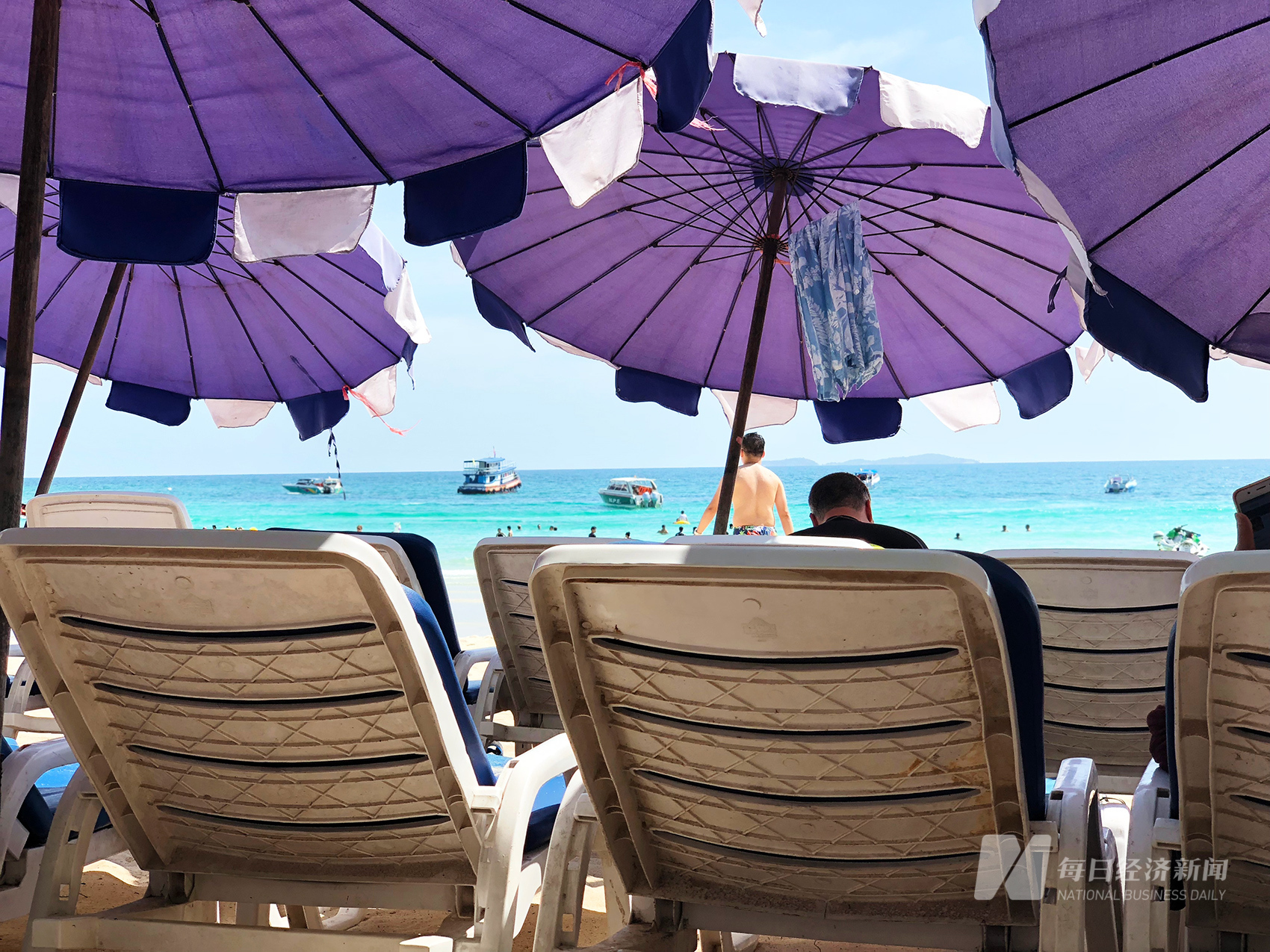
每经记者|范芊芊 舒冬妮 每经编辑|文多 8月7日已立秋,但国内大部分地区仍处于一年中紫外线最强的时间段,作为越来越多人的刚需,防晒霜正值销售旺季。 图片来源:每日经济新闻 程鹏 摄 电商平台上有着各种品牌和价位的"防晒霜",仅以防晒系数(SPF)50的产品为例,其价格就从几十元到几百元不等。在短视频平台和批发平台,有的防晒 霜甚至低至每支0.99元、2.99元,这些价廉的防晒霜累计销量超过百万支。 为何同样防晒系数的产品价格差距如此之大?为何有的产品每支低至不到1元?7月21日——8月12日,《每日经济新闻》记者就此对多家防晒霜生产工厂展 开调查。 调查中,有从业人士直言行业"水太深",一些厂家通过防晒剂"缺斤少两"等方式控制成本,让一支50ml软管防晒霜的原料成本可能只需几元,即便加上包装 等支出,每支成本也仅3元多。厂家即便以30元的价格出售这些"缺斤少两"的产品,也能获得约9倍利润。 防晒值虚标、"挂羊头卖狗肉"也是常见套路,不少产品标示防晒系数50,但实际无法达到效果,因为工厂送检时是合规品,但真正量产时,却抱着"抽检不 到"的侥幸心理对产品偷工减料。 记者在调查过程中还发现,无技术、无"特殊化妆品 ...
化妆品板块8月12日跌0.02%,上海家化领跌,主力资金净流出5287万元
Zheng Xing Xing Ye Ri Bao· 2025-08-12 08:28
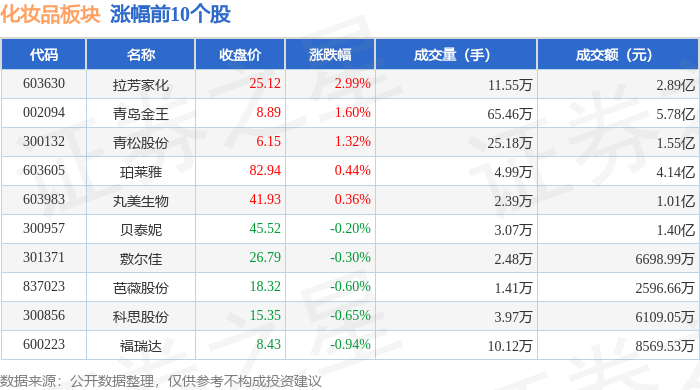
证券之星消息,8月12日化妆品板块较上一交易日下跌0.02%,上海家化领跌。当日上证指数报收于 3665.92,上涨0.5%。深证成指报收于11351.63,上涨0.53%。化妆品板块个股涨跌见下表: | 代码 | 名称 | 主力净流入(元) | 主力净占比 游资净流入 (元) | | 游资净占比 散户净流入(元) | | 散户净占比 | | --- | --- | --- | --- | --- | --- | --- | --- | | 603630 拉芳家化 | | -2328.54万 | 8.07% | 1048.31万 | 3.63% | -3376.86万 | -11.70% | | 603605 | | 1580.14万 | 3.82% | -930.55万 | -2.25% | -649.59万 | -1.57% | | 300132 青松股份 | | 891.73万 | 5.74% | 1094.90万 | 7.05% | -1986.64万 | -12.79% | | 603983 丸美生物 | | 741.71万 | 7.38% | -407.62万 | -4.06% | -334.09 ...