Character.AI

Search documents
马斯克、蔡浩宇带火的AI陪伴赛道,热闹背后是真需求还是泡沫?
AI研究所· 2025-07-25 10:15
Core Viewpoint - The article discusses the emergence of AI companionship as a controversial yet rapidly growing sector, particularly highlighted by Elon Musk's xAI and its chatbot Grok, which has introduced a "companions" feature based on the Grok4 model [1][2]. Group 1: AI Companionship Market Dynamics - The AI companionship market is gaining attention, with Musk's project aiming to compete against OpenAI, indicating a significant shift towards emotional engagement in technology [2]. - The launch of the gothic character Ani has quickly captured social media interest, demonstrating the potential for AI companions to fulfill emotional needs and create user engagement [4]. - The contrasting approaches of different projects, such as Musk's Grok and Mihayou's game "Whispers From The Star," highlight the diverse user demands within the AI companionship space [6]. Group 2: Software Innovations and User Engagement - The success of Character.AI in 2022 showcased a previously overlooked market where users are willing to pay for virtual emotional connections, combining large model technology with role-playing [9]. - Replika, established in 2016, emphasizes the identity of an "AI friend" rather than just role-playing, adapting to user interactions to create a personalized experience [10]. - Character.AI is projected to have over 28 million monthly active users by 2025, with revenue expected to rise from $15.2 million in 2023 to $32.2 million in 2024, reflecting a growth rate exceeding 100% [13]. Group 3: Hardware Developments and Challenges - As software competition becomes saturated, hardware innovations like AI companion toys are emerging as new avenues for growth, with products like "Ah Beibei" and "Loona" designed to provide emotional support and interaction [16][17]. - The Japanese brand LOVOT focuses on creating emotional attachment through non-verbal interactions, achieving significant sales despite a high price point [19]. - The entry of major players like Musk into the AI companionship market raises questions about the sustainability and depth of emotional engagement that technology can provide [20]. Group 4: Regulatory and Ethical Considerations - Content regulation remains a critical issue, with concerns about the effectiveness of filtering mechanisms in AI companions like Grok, particularly regarding sensitive content [20]. - The potential for user data from intimate conversations to be included in training datasets raises privacy and compliance issues, especially in light of EU regulations [20]. - The current limitations in AI's emotional understanding highlight the need for technological advancements and a balance between innovation and regulation for the market to mature [21].


72小时瓦解200亿独角兽
投中网· 2025-07-18 06:10
Core Viewpoint - The article discusses the dramatic acquisition of the AI coding startup Windsurf, which was valued at $3 billion (approximately 21 billion RMB), highlighting the rapid changes in ownership and the implications for its employees and the industry [1][3][10]. Group 1: Acquisition Details - Windsurf was initially targeted for acquisition by OpenAI for $3 billion, but negotiations fell through due to Microsoft's interference regarding intellectual property rights [3][4]. - Google subsequently acquired key personnel from Windsurf for $2.4 billion, gaining non-exclusive rights to some of Windsurf's technology while allowing the company to remain independent [5][6]. - Within 72 hours of the Google acquisition, Cognition swiftly acquired Windsurf's remaining assets, including intellectual property and client contracts, for an undisclosed amount [7][16]. Group 2: Employee Impact - The departure of Windsurf's founder and key engineers to Google has left the company in a precarious position, with remaining employees feeling abandoned [10][12]. - Cognition's acquisition plan includes ensuring that all Windsurf employees receive economic benefits from the deal, contrasting with the situation at Google [17]. - Windsurf's previous investors, including Kleiner Perkins and General Catalyst, had invested a total of $243 million, with expectations of significant returns following the acquisition [10][11]. Group 3: Industry Context - The article notes a growing trend among tech giants like Google and Microsoft to acquire talent from startups without full acquisitions, indicating a competitive landscape for AI talent [11][12]. - The acquisition of Windsurf reflects the intense competition in the AI sector, with companies like Meta also engaging in similar talent acquisition strategies [11][12][13]. - The situation raises questions about the sustainability of startup ecosystems when key personnel leave, as seen with other companies like Inflection AI and Scale AI [12][13].

Thinking Machines Lab获20亿美元种子轮融资,人才成为AI行业最重要的要素
3 6 Ke· 2025-07-17 23:56
Core Insights - Thinking Machines Lab, founded by former OpenAI CTO Mira Murati, has raised $2 billion in seed funding led by a16z, achieving a valuation of $12 billion, marking it as the largest seed funding round in tech history [1][2] - The initial funding target was $1 billion with a valuation of $9 billion, but the final amount increased significantly over a few months [1] - The company currently lacks specific product offerings and revenue, with only a high-profile founding team and vague technological direction publicly available [1] Company Overview - Mira Murati has been with OpenAI since 2016, serving as CTO and leading the development of groundbreaking technologies like GPT-3, GPT-4, DALL-E, and ChatGPT [2] - The founding team includes notable AI experts such as John Schulman, Barret Zoph, Bob McGrew, Alec Radford, Alexander Kirillov, Jonathan Lachman, and Lilian Weng, all of whom have significant contributions to AI advancements [4][5][7][9][12][13][15] Talent Acquisition in AI Industry - The competition for top AI talent has intensified, with companies like Anthropic, Safe Superintelligence, and Thinking Machines Lab emerging as key players, all led by elite AI researchers [17] - The trend indicates that talent is becoming the most critical factor in the AI industry, surpassing computational power and data [17] - Major tech companies are aggressively acquiring talent, as seen in Meta's recruitment efforts, which include significant investments and hiring from various AI firms [18][19][20] Future Product Development - Thinking Machines Lab plans to release its first product within months, focusing on open-source components and AI solutions tailored to business KPIs, referred to as "reinforcement learning for businesses" [16] - The company emphasizes multimodal capabilities and effective safety measures for AI systems, aligning with industry trends towards responsible AI development [16]

闪电收购
Hu Xiu· 2025-07-15 01:37
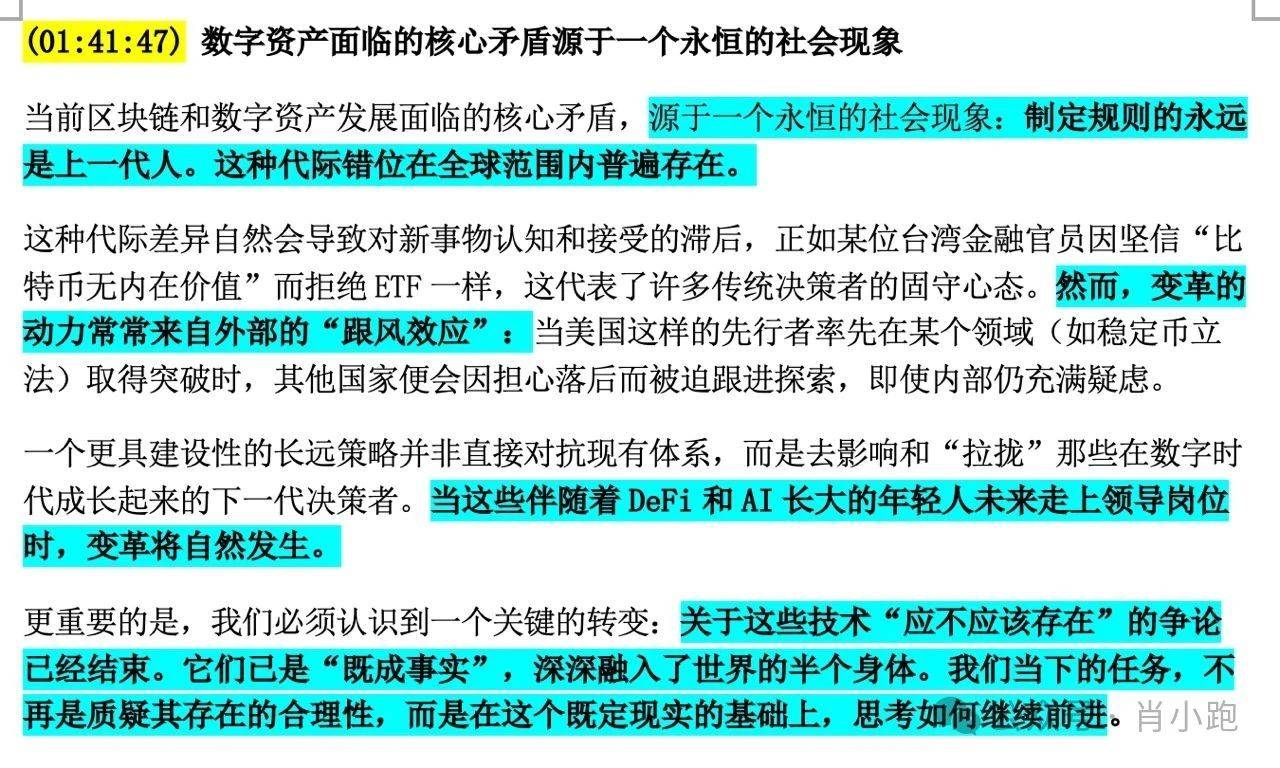
Core Idea - The article discusses a new acquisition method in the AI industry called "Blitzhire Acquisition" or "acqui-hire," where large companies acquire the employees and technology of target companies while allowing the acquired companies to continue operating independently [1][2]. Group 1: Acquisition Method - "Blitzhire Acquisition" differs from traditional acquisitions as it allows the acquired company to appear as if it is still operational [2]. - This method is driven by the urgent pace of the AI industry, where delays can be detrimental, necessitating a faster acquisition process [3][4]. Group 2: Operational Steps - The acquisition process involves several steps: securing investors, negotiating with the founding team, retaining remaining employees, and distributing funds [5][6]. - The first step is to secure investors, followed by making offers to the founding team and core employees to join the acquiring company [6]. - Remaining employees are compensated to ensure they continue operating the "shell" company, which must appear to be functioning normally [6]. Group 3: Financial Considerations - The financial structure includes tax obligations, such as corporate income tax and taxes on distributions to investors, which complicates the process [7]. - The acquiring company must maintain a non-exclusive IP licensing agreement with the target company to satisfy regulatory scrutiny [6][7]. Group 4: Challenges and Implications - The method presents challenges, including high legal costs, complexity of the structure, and potential dissatisfaction among retained employees who may feel like mere props [7]. - There is a broader commentary on the generational gap in rule-making, suggesting that the current acquisition strategies reflect a disconnect between established norms and the fast-evolving AI landscape [7].
AI商业化:一场创新投入的持久战
经济观察报· 2025-06-24 11:10
Core Viewpoint - The efficiency revolution driven by AI is a long-term battle requiring continuous investment and innovation, with companies needing to explore maximizing technology utilization within limited resources while seeking deep integration with business needs [1] Group 1: AI Commercialization and Challenges - The concept of AI was formally introduced in 1956, but its commercialization progressed slowly due to limitations in computing power and data scale until breakthroughs in deep learning and the advent of big data in the 21st century [2] - The commercialization of AI faces multiple challenges, including technological, commercial, and social ethical dilemmas [3] - Early AI applications were concentrated in specific verticals, enhancing industry efficiency through automation and data-driven techniques [5] Group 2: Investment Trends and Market Dynamics - The efficiency revolution has led to a surge in capital market financing, with significant investments such as Databricks raising $10 billion and OpenAI achieving a valuation of $157 billion after a $6.6 billion funding round [8] - In the domestic AIGC sector, there were 84 financing events in Q3 2024, with disclosed amounts totaling 10.54 billion yuan, averaging 26 million yuan per deal [8] Group 3: Industry Ecosystem and Fragmentation - The fragmented nature of application scenarios poses a challenge for AI technology to transition from laboratory to large-scale implementation [9] - Variations in manufacturing conditions can lead to model failures, increasing development costs, but advancements in AI capabilities are gradually addressing these challenges [10] - The lack of unified industry standards and data silos further complicates the situation, necessitating the establishment of an open technical ecosystem and data sharing [10] Group 4: Resource Concentration and Market Effects - The release of ChatGPT has led to a significant number of AI-related companies being registered and subsequently facing closure, indicating a concentration of resources among leading firms [11] - The capital is increasingly flowing towards top companies, creating a positive cycle of financing, research, and market presence, while smaller firms face systemic challenges [13] - A layered support system is needed to maintain the international competitiveness of leading firms while preserving innovation among smaller enterprises [14] Group 5: Data Privacy and Ethical Considerations - Data has become a core resource driving innovation in AI, but privacy issues are emerging as a significant concern [17] - AI companies face a dilemma between needing vast amounts of data for model training and the risks associated with data privacy breaches [18] - The rapid increase in sensitive data uploads by employees highlights the urgent need for ethical governance in AI development [19] Group 6: Future Directions and Innovations - AI technology is entering the market as an efficiency tool, but high costs and slow commercialization progress pose challenges [32] - Major players are engaging in price wars to stimulate market demand, with price reductions reaching over 90% [34] - Innovations like DeepSeek demonstrate that performance can be achieved at a fraction of the cost through algorithmic innovation and limited computing power [36] - The establishment of open-source ecosystems can foster cross-industry collaboration and spur innovation [37]

速递|C.AI CEO大换血,前Meta产品VP空降,顶替被谷歌挖走的创始人
Sou Hu Cai Jing· 2025-06-24 02:51
Group 1 - Character.AI has appointed Karandeep Anand, former VP of Commerce Products at Meta, as the new CEO during a critical transformation period for the company [2][4] - The company is facing legal pressure regarding minor safety, particularly after a lawsuit linked one of its chatbots to the suicide of a 14-year-old boy in Florida [2] - Anand's primary task is to improve content filtering mechanisms, ensuring that harmless content is not unnecessarily blocked while maintaining user safety as a core value [4] Group 2 - Anand has a strong background in product leadership, having previously led advertising products for billions of users at Meta and managed user experience design for Microsoft Azure [5] - The leadership change follows the departure of co-founder and former CEO Noam Shazeer, who was recruited by Google, raising concerns about potential regulatory issues related to "reverse acquihire" practices [5] - Character.AI has raised over $150 million in funding, primarily from top Silicon Valley venture capital firm Andreessen Horowitz (a16z) [5] Group 3 - Character.AI is a leading player in the generative AI entertainment chat sector, with 66% of its users aged 18 to 24 and 72% being female [6] - The commercial potential of Character.AI is being redefined as generative AI expands from tool-based applications to companionship and entertainment [6] - Anand's leadership is expected to bring new growth opportunities and governance balance to the company [6]

AI商业化:一场创新投入的持久战
Jing Ji Guan Cha Wang· 2025-06-20 23:40
Group 1: AI Commercialization and Challenges - The concept of artificial intelligence (AI) was officially proposed in 1956, but its commercialization faced slow progress due to limitations in computing power and data scale until breakthroughs in deep learning and the advent of big data in the 21st century [2] - Early commercial applications of AI were concentrated in specific verticals, enhancing industry efficiency through automation and data-driven techniques [3] - AI applications in customer service and security, such as natural language processing for handling customer inquiries and AI-assisted identification of suspects, exemplify early use cases [4][5] Group 2: Investment Trends and Market Dynamics - The efficiency revolution driven by AI has led to a surge in capital market financing, with significant investments in companies like Databricks and OpenAI, which raised $10 billion and $6.6 billion respectively in 2024 [6] - In the domestic AIGC sector, there were 84 financing events in Q3 2024, with disclosed amounts totaling 10.54 billion yuan, indicating a trend towards smaller financing rounds averaging 26 million yuan [6] Group 3: Industry Fragmentation and Competition - Fragmentation of application scenarios poses challenges for AI technology to transition from laboratory settings to large-scale deployment, increasing development costs due to non-standard characteristics across different manufacturing lines [7] - The concentration of resources in leading companies creates a "Matthew effect," where top firms benefit disproportionately from funding, talent, and technology, while smaller firms face systemic challenges [8] Group 4: Data Privacy and Ethical Concerns - Data has become a core resource for innovation in AI, but privacy issues are emerging as a significant concern, with companies facing dilemmas between data acquisition and user privacy protection [9] - The frequency of employees uploading sensitive data to AI tools surged by 485% in 2024, highlighting the risks associated with data governance [9] Group 5: Regulatory and Ethical Frameworks - The need for a balanced approach between innovation and privacy protection is critical for the long-term development of AI companies, as evidenced by legal challenges faced by firms like DeepMind and ChatGPT [10][11] - Establishing a collaborative governance network involving developers, legal scholars, and the public is essential to maintain ethical standards in AI development [11] Group 6: Future Directions and Innovations - AI technology is being integrated into various sectors, with companies like General Motors shifting focus from robotaxi investments to enhancing personal vehicle automation due to high costs and slow commercialization [17] - The emergence of competitive pricing strategies among leading firms aims to stimulate market demand and foster rapid application of large models, with price reductions reaching over 90% [17] - Innovations like DeepSeek-R1 demonstrate that performance can be achieved at significantly lower costs, indicating a potential path for sustainable development in AI [18]


After trying to buy Ilya Sutskever's $32B AI startup, Meta looks to hire its CEO
TechCrunch· 2025-06-20 15:32
Group 1 - Meta is actively pursuing AI talent, attempting to acquire Safe Superintelligence, a $32 billion AI startup co-founded by Ilya Sutskever [1] - Although Sutskever declined the acquisition, Meta is in discussions to hire Safe Superintelligence's CEO, Daniel Gross, and former GitHub CEO Nat Friedman [2] - The addition of Gross and Friedman could enhance Meta's AI superintelligence lab, leveraging their experience in AI research and investment [3] Group 2 - Meta is also reportedly investing in Friedman and Gross's joint venture firm, NFDG, which has backed notable AI startups like Perplexity and Character.AI [2] - Earlier this month, Meta announced the hiring of Scale AI CEO Alexandr Wang and several executives from a data labeling startup [3]


涉低俗擦边,AI虚拟陪伴平台“筑梦岛”被网信部门约谈
Nan Fang Du Shi Bao· 2025-06-19 12:53
Group 1 - The "Zhu Meng Dao" App, developed by the female-oriented online literature platform Xiaoxiang Shuyuan under the ownership of Yuewen, was summoned by the Shanghai Cyberspace Administration due to concerns over AI-generated content that poses risks to minors' mental and physical health [1] - The app focuses on AI companionship, allowing users to interact with virtual AI characters, and is operated by Shanghai Zhu Meng Dao Artificial Intelligence Technology Co., Ltd. [1] - The app has completed a new round of financing exceeding $10 million, with investments from strategic partners including SenseTime Guoxiang Fund and Yuewen Group [1] Group 2 - A tragic incident in 2024 involving a 14-year-old boy who became obsessed with an AI companionship app led to his suicide, prompting legal action against the company Character.AI by the boy's mother [2] - The incident raised concerns regarding the protection of minors in relation to AI companionship products, highlighting the safety risks associated with providing AI Q&A services to minors [2] - The Shanghai Cyberspace Administration emphasized the importance of regulating AI technology applications to protect the legitimate rights and interests of minors, urging internet platforms to fulfill their responsibilities and balance innovation with compliance [2]
苹果Siri升级被曝难破局,投资者对下周WWDC不抱期望;Meta正就或超100亿美元的大规模AI投资谈判丨AIGC日报
创业邦· 2025-06-09 02:58
扫码订阅 AIGC 产业日报, 精选行业新闻,帮你省时间! 此外,如果您还想 查公司、找项目、看行业,深入了解人形机器人、商业航天、AGI等热门赛道 ,欢迎加入睿兽分析会员,解锁相关行业图谱和报告等。 (活动期间加入会员可免费获赠一份 产业日报) 1.【苹果Siri升级被曝难破局,投资者对下周WWDC不抱期望】据报道,苹果公司在升级iPhone人工 智能语音助手Siri方面正面临困难,投资者对其在下周的全球开发者大会(WWDC)上能否发布重大 AI相关消息感到悲观。一些已离职的苹果员工表示,苹果在尝试使用前沿的大语言模型来提升Siri对 语音指令的理解和回应能力时遇到了技术方面的挑战。有前高管指出,在现有架构基础上进行功能整 合导致了不少Bug,这与从零开始构建生成式AI语音助手的竞争对手(如OpenAI)相比,并不具备优 势。(光明网) 2.【外媒:AI聊天机器人被控"教唆"14岁男孩自杀,谷歌与Character.AI发言人最新回应】 据英国 《每日电讯报》当地时间7日报道,美国佛罗里达州一名女子正起诉谷歌公司和由两名前谷歌员工创 办的Character.AI平台,指控该平台人工智能(AI)聊天机器人"教 ...