飞船

Search documents
马斯克回应从月球发射飞船到火星
Jin Rong Jie· 2026-02-15 01:01
Core Viewpoint - A proposal has been made to establish a permanent base on the Moon for launching spacecraft to Mars, but challenges in fuel production on the Moon have been highlighted by Elon Musk [1] Group 1: Moon Base Proposal - A suggestion was made by netizens to create a permanent base on the Moon [1] - The intention behind the proposal is to facilitate the launch of spacecraft to Mars from the Moon [1] Group 2: Challenges in Fuel Production - Elon Musk commented on the difficulties of producing fuel on the Moon, specifically the challenges in obtaining hydrogen and carbon to synthesize methane (CH4) [1] - He noted that it is significantly easier to produce methane on Earth due to abundant reserves [1] - Musk suggested that the situation might change once a city on the Moon becomes operational [1]
马斯克:是时候大规模重返月球,SpaceX已将重心转移到在月球上建造城市
Ge Long Hui· 2026-02-09 03:25
Core Viewpoint - Elon Musk announced on social media that it is time for a large-scale return to the Moon, indicating a shift in SpaceX's focus towards building a self-sustaining city on the Moon within the next decade, while Mars colonization will take over 20 years [1] Group 1: Moon Mission - SpaceX is recruiting engineers in Austin and Seattle to develop AI satellites and a space data center, confirming the company's commitment to lunar exploration [1] - Musk emphasized that the Moon offers a quicker turnaround for city construction, with travel time of 2 days compared to 6 months for Mars, allowing for faster iterations in building a lunar city [1] Group 2: Mars Mission - Despite prioritizing the Moon, SpaceX will still work towards establishing a city on Mars, aiming to initiate efforts in approximately 5-7 years [1] - Musk reiterated that the overarching mission of SpaceX remains to expand consciousness and life into the cosmos [1]
先是中国制造走向世界,再是中国制造领先国际,奇迹,正在发生
Sou Hu Cai Jing· 2025-12-18 06:18
Group 1 - Ancient China dominated global manufacturing with silk, porcelain, and tea, leading to significant wealth and trade surplus, while Western countries faced trade deficits [1] - The resurgence of China as a manufacturing powerhouse in 2010 is attributed to advanced technology and cultural qualities, including a strong agricultural heritage and emphasis on self-sufficiency [3][5] - China's historical manufacturing strength has influenced its modern economy, supporting the development of various industries through agricultural advancements and technological innovations [3][5] Group 2 - The transformation from an agricultural nation to an industrial power is a result of accumulated agricultural knowledge and economic management wisdom over thousands of years [5] - China's willingness to work harder than other nations has been a key factor in its success, as evidenced by its ability to produce complex products like engines and spacecraft [7] - The structural contradictions in the U.S. manufacturing sector, such as workers demanding reduced hours while seeking higher wages, contrast with China's efficient production capabilities [9] Group 3 - The resilient national character of the Chinese people has historically driven progress in manufacturing, with a focus on deepening and broadening production capabilities [11] - Western attempts to suppress Chinese manufacturing have inadvertently provided opportunities for China to advance from low-end to mid-to-high-end manufacturing [11] - The cultural work ethic in China, exemplified by the "996" work culture and the spirit of companies like Huawei, reflects a commitment to overcoming challenges and achieving goals [11]

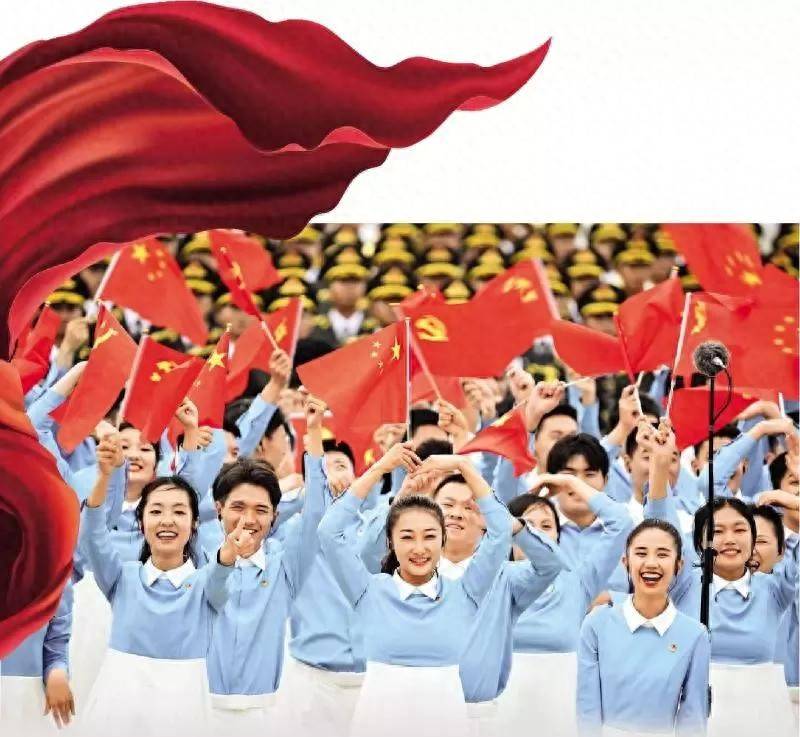
飞船舷窗突现裂纹 应急20天 中国航天第一次应急发射的背后故事
Yang Shi Wang· 2025-11-30 17:52
Core Viewpoint - The article discusses China's response to an emergency situation involving a crack in a spacecraft window, highlighting the efficient handling of the incident through a 20-day emergency launch protocol [1] Group 1: Emergency Response - The Chinese space industry entered an emergency launch mode due to the discovery of a crack in the spacecraft window [1] - The response involved a comprehensive plan that transitioned from preparation to practical execution, showcasing the industry's ability to adapt to unexpected challenges [1] - A special interview with the chief engineers of five major systems in the aerospace sector provided insights into the effective management of the situation [1] Group 2: Operational Efficiency - The 20-day period of emergency response was marked by high efficiency and coordination among various teams within the aerospace industry [1] - The article emphasizes the importance of pre-established protocols in managing crises and ensuring the safety and success of space missions [1] - The experience gained from this incident is expected to enhance future operational readiness and response strategies in the aerospace sector [1]
马斯克、蔡浩宇带火的AI陪伴赛道,热闹背后是真需求还是泡沫?
AI研究所· 2025-07-25 10:15
Core Viewpoint - The article discusses the emergence of AI companionship as a controversial yet rapidly growing sector, particularly highlighted by Elon Musk's xAI and its chatbot Grok, which has introduced a "companions" feature based on the Grok4 model [1][2]. Group 1: AI Companionship Market Dynamics - The AI companionship market is gaining attention, with Musk's project aiming to compete against OpenAI, indicating a significant shift towards emotional engagement in technology [2]. - The launch of the gothic character Ani has quickly captured social media interest, demonstrating the potential for AI companions to fulfill emotional needs and create user engagement [4]. - The contrasting approaches of different projects, such as Musk's Grok and Mihayou's game "Whispers From The Star," highlight the diverse user demands within the AI companionship space [6]. Group 2: Software Innovations and User Engagement - The success of Character.AI in 2022 showcased a previously overlooked market where users are willing to pay for virtual emotional connections, combining large model technology with role-playing [9]. - Replika, established in 2016, emphasizes the identity of an "AI friend" rather than just role-playing, adapting to user interactions to create a personalized experience [10]. - Character.AI is projected to have over 28 million monthly active users by 2025, with revenue expected to rise from $15.2 million in 2023 to $32.2 million in 2024, reflecting a growth rate exceeding 100% [13]. Group 3: Hardware Developments and Challenges - As software competition becomes saturated, hardware innovations like AI companion toys are emerging as new avenues for growth, with products like "Ah Beibei" and "Loona" designed to provide emotional support and interaction [16][17]. - The Japanese brand LOVOT focuses on creating emotional attachment through non-verbal interactions, achieving significant sales despite a high price point [19]. - The entry of major players like Musk into the AI companionship market raises questions about the sustainability and depth of emotional engagement that technology can provide [20]. Group 4: Regulatory and Ethical Considerations - Content regulation remains a critical issue, with concerns about the effectiveness of filtering mechanisms in AI companions like Grok, particularly regarding sensitive content [20]. - The potential for user data from intimate conversations to be included in training datasets raises privacy and compliance issues, especially in light of EU regulations [20]. - The current limitations in AI's emotional understanding highlight the need for technological advancements and a balance between innovation and regulation for the market to mature [21].

高微重力、高精度时频、超冷原子,从零开始到国际首创……航天人讲述把核心关键技术掌握在自己手中的生动实践
Mei Ri Jing Ji Xin Wen· 2025-06-17 14:07
Core Viewpoint - The meeting highlighted China's commitment to developing manned spaceflight, with plans to achieve manned lunar landing by 2030, showcasing the collective efforts and advancements in space technology over the past 30 years [1][4]. Group 1: Achievements in Manned Spaceflight - China has made significant achievements in manned spaceflight, establishing a national-level "space laboratory" and creating internationally leading scientific experiment cabinets [4][5]. - The development of these technologies is a result of self-reliance and innovation, with a focus on optimizing systems and avoiding past mistakes [5][6]. Group 2: Spirit and Culture of Space Exploration - The spirit of perseverance and dedication among Chinese astronauts is emphasized, reflecting a legacy of hard work and commitment to overcoming challenges in space exploration [5][6]. - The culture of rigorous training and preparation is crucial for astronauts, ensuring they are well-equipped to handle the demands of space missions [6][7]. Group 3: International Collaboration and Breakthroughs - The use of scientific experiment cabinets has led to breakthroughs in various fields, including genetics and materials science, demonstrating China's capability to achieve results on par with international standards [4][5].
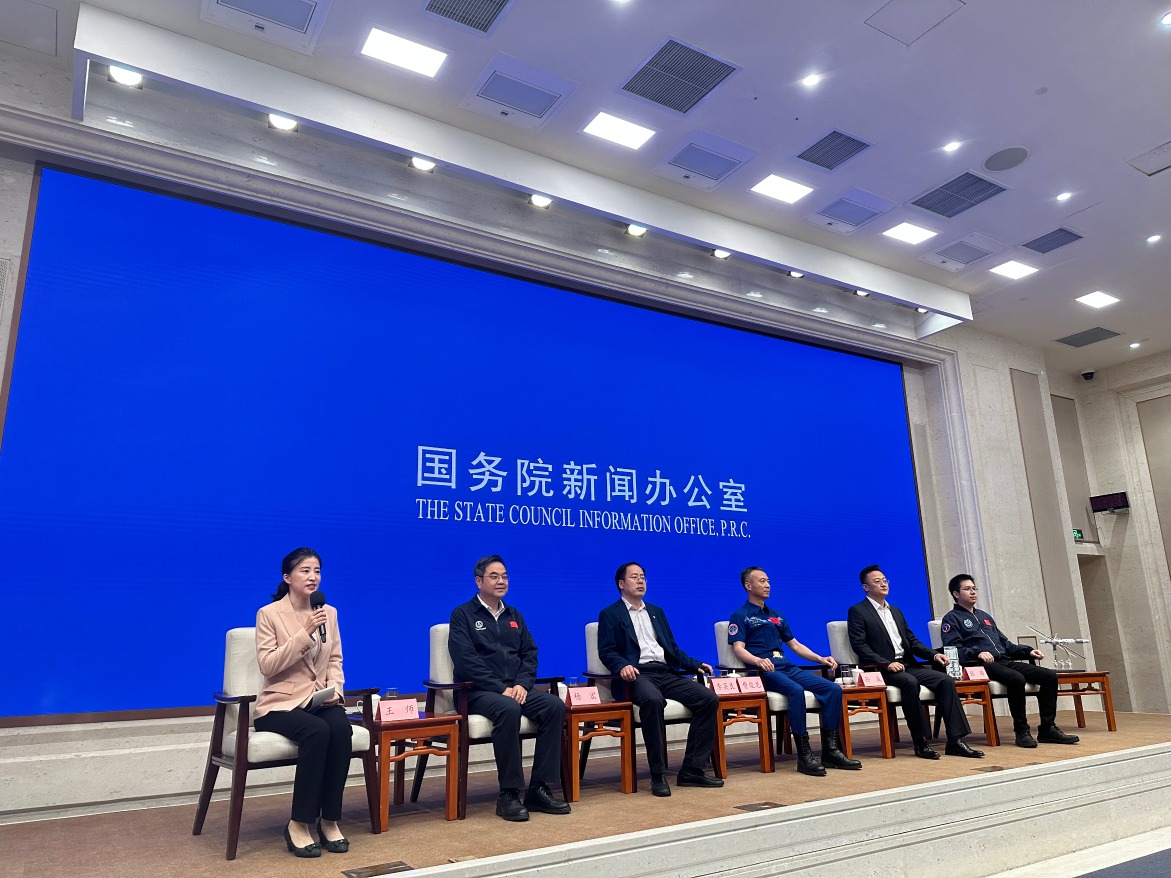
两度飞天!费俊龙亮相国新办讲述航天员“感觉良好”背后底气
Nan Fang Du Shi Bao· 2025-06-17 13:27
Core Viewpoint - The event highlighted the achievements and experiences of Chinese astronaut Fei Junlong, emphasizing the rigorous training and preparation that underpin successful space missions [2][4][5]. Group 1: Astronaut Experience - Fei Junlong is one of China's first astronauts, having completed two significant missions: Shenzhou 6 in 2005 and Shenzhou 15 in 2022, the latter marking China's first "space rendezvous" [2]. - During missions, astronauts maintain a busy schedule, focusing on operations, equipment monitoring, and living conditions, which leaves no time for fear [4]. Group 2: Training and Preparation - The confidence of astronauts stems from extensive ground training, where each action and procedure is practiced multiple times, sometimes hundreds or thousands of times [5]. - Achieving muscle memory through repetitive training is crucial for astronauts, allowing them to perform tasks instinctively without needing to look [5]. Group 3: Global Perspective - Fei Junlong expressed a desire for international collaboration, inviting people worldwide to visit the Chinese space station, Tiangong, highlighting the shared human connection to Earth [5].