iRobot

Search documents
A short-seller who bet against now-bankrupt iRobot for a decade unpacks how he identifies his bearish targets
Yahoo Finance· 2025-12-17 23:33
Core Insights - iRobot, the maker of Roomba, filed for Chapter 11 bankruptcy, marking a significant decline that has been developing over the past decade [1][2][6] - The company's stock experienced a dramatic drop into penny-stock territory following the bankruptcy announcement, attributed to a failed deal with Amazon and shifts in the consumer tech landscape [2] Company Performance - iRobot's stock surged by 70% shortly before the bankruptcy filing, leading to speculation about a potential short-squeeze, but ultimately, short-sellers prevailed [1][2] - The company faced multiple challenges, including warnings about its financial position and increased competition from cheaper robotic vacuums [2][5] Short-Selling Insights - Spruce Point Capital has been shorting iRobot stock since 2015, highlighting concerns over management's compensation practices despite poor performance [3][5] - The firm has published over 100 short reports and has targeted both small-cap and well-known companies, indicating a broad approach to identifying short-selling opportunities [3][4] Market Perception - The founder of Spruce Point Capital noted that iRobot was perceived as an innovative leader in robotics by retail investors, which contributed to a misunderstanding of its market position [5][6] - iRobot's popularity among retail investors, particularly on platforms like Reddit, played a role in the initial short thesis, as the firm believed the stock was trading at a premium compared to other consumer electronics [5][6]
美国知名机器人公司倒下,被中国厂商“卷”到破产,负债36亿元
Sou Hu Cai Jing· 2025-12-17 20:13
Core Insights - iRobot filed for bankruptcy protection on December 14, 2025, with plans to complete delisting by February 2026, transitioning to a privately held company controlled by a Chinese firm [1] - Once a leader in the robotic vacuum market with over 80% global market share, iRobot's market position has drastically declined, with its market capitalization shrinking from over $4 billion to approximately $24.19 million [1] Company Background - Founded in 1990 by Rodney Brooks and his students, iRobot initially focused on a broad range of robotics applications, including advanced products for various sectors [3] - The company gained prominence with the launch of the Roomba vacuum in 2002, which sold 50,000 units in its first year and surpassed 2 million units by 2005 [5] Market Dynamics - iRobot's revenue peaked at over $1 billion in 2018, but faced significant competition from Chinese manufacturers that adopted advanced technologies, leading to a decline in market share [5][7] - In 2022, iRobot's revenue fell by 24% year-over-year to $1.1834 billion, resulting in a net loss of $286.3 million, with significant declines in key markets [7] Recent Developments - In March 2025, iRobot launched its largest product line update in 30 years, introducing new models with laser navigation technology, but market share continued to decline [9] - By the third quarter of 2025, iRobot's market share dropped to 7.9%, and it was pushed out of the top tier of competitors, with significant losses reported over consecutive quarters [9] Financial Status - As of September 2025, iRobot's cash reserves were down to $24.8 million, with total assets of $481 million and liabilities of $508 million, indicating insolvency [9] - Over 70% of iRobot's debt is owed to its largest Chinese manufacturing partner, Picea Robotics, which has a significant production capacity and market presence [10]


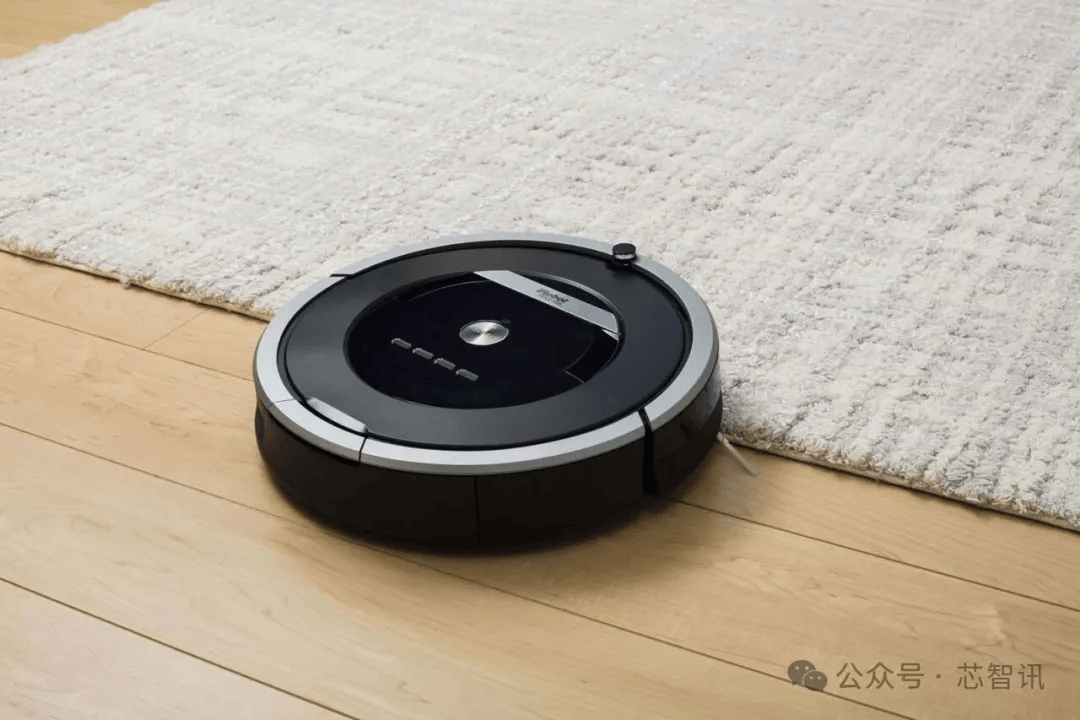
美国扫地机器人鼻祖破产,被中国代工厂“反向收购”了!
Sou Hu Cai Jing· 2025-12-17 17:14
Core Viewpoint - iRobot has filed for bankruptcy protection and will be acquired by its main contract manufacturer and creditor, Picea Robotics, leading to a significant drop in its stock price and market value [2][5]. Company Overview - iRobot was founded in 1990 by members of MIT's AI lab and is headquartered in Bedford, Massachusetts, with 274 employees [5]. - The company initially focused on defense and aerospace technology, later launching the Roomba series in 2002, which became a household name [5]. - iRobot's market value peaked at $3.56 billion in 2021 due to strong demand during the pandemic [5]. Financial Performance - iRobot's revenue declined by 24% in 2022 to $1.1834 billion, with a net loss of $286.3 million [5]. - In 2024, total revenue further dropped to $682 million, a 23.4% year-over-year decline, with a net loss of $145.5 million [6]. - By Q3 2025, revenue was only $146 million, down 24.6% from the previous year, with a significant loss of $9.9 million [6]. Market Position - iRobot once held over 80% of the U.S. market share for robotic vacuums, but its global market share has fallen to 7.9% [7][8]. - The company faces intense competition from Chinese brands, which have rapidly gained market share due to advantages in product innovation and cost control [6][7]. Bankruptcy Details - iRobot's bankruptcy filing was prompted by ongoing financial struggles, including a debt of $508 million and a significant loss of market share [9][10]. - The company has reached a restructuring support agreement with Picea Robotics, which will acquire 100% of iRobot's equity and relieve it of $191 million in loans and $162 million in overdue manufacturing fees [10][11]. - iRobot's cash and cash equivalents were only $24.8 million, with negative cash flow from operations of $104 million [10]. Future Outlook - iRobot anticipates that the bankruptcy process will not affect its application functionality, customer plans, or supply chain relationships [11]. - Picea Robotics, established in 2016, is a leading provider of mobile robot technology and has a strong production capacity, which may benefit iRobot post-acquisition [12].
杉川首次回应收购iRobot
Di Yi Cai Jing Zi Xun· 2025-12-17 14:00
Core Viewpoint - iRobot has filed for bankruptcy and will be acquired by Sijia, leading to a significant drop in its stock price and market value, marking a dramatic decline from its position as a leader in the robotic vacuum industry [2][3][4]. Group 1: Company History and Market Position - iRobot was founded in 1990 and gained fame with its Roomba vacuum cleaner, achieving over 60% market share globally and 80% in the U.S. at its peak [3][4]. - The company reported a revenue of $1.565 billion in 2021, but began to incur losses in 2022, leading to a failed acquisition by Amazon due to antitrust issues [3][4]. - By 2025, iRobot's market share in the global robotic vacuum market had fallen below 8%, with significant revenue declines reported across various regions [4][6]. Group 2: Financial Decline - iRobot's financial situation deteriorated, with a cash balance of only $24.8 million and a net loss of $240.4 million in 2022 [4][6]. - The company faced a 33% decline in U.S. revenue and a 13% decline in Europe, the Middle East, and Africa in the third quarter of 2023 [4][6]. - By the end of 2025, iRobot's revenue was reported at $375 million, a year-on-year decrease of 26.47%, with net losses increasing by 90% to $130 million [6]. Group 3: Reasons for Decline - iRobot's failure to integrate sweeping and mopping functions into a single product, while competitors adopted this approach, contributed to its decline [5][6]. - The company relied on visual navigation technology, while competitors in China advanced with laser navigation, leading to a competitive disadvantage [5][6]. - Increased operational costs due to U.S. tariffs on imports from China and Vietnam further strained iRobot's financial health [5][6]. Group 4: Acquisition and Future Prospects - Sijia, the acquiring company, aims to leverage iRobot's brand value and technological expertise to expand its market presence [7][8]. - Sijia has already secured the regional agency rights for iRobot in China and plans to enhance local operations to drive growth [7][8]. - The acquisition could reshape the competitive landscape in the North American robotic vacuum market, where iRobot still holds a 20%-30% market share [9].
杉川首次回应收购iRobot
第一财经· 2025-12-17 13:21
Core Viewpoint - iRobot, once a leader in the robotic vacuum industry, has filed for bankruptcy due to continuous losses and market share erosion, with its stock value plummeting significantly following the announcement of its acquisition by Sijia [3][6]. Group 1: Company History and Market Position - iRobot was founded in 1990 and gained fame with its Roomba vacuum cleaner, achieving over 60% market share globally and 80% in the U.S. by the mid-2010s [4][5]. - The company reported a revenue peak of $1.565 billion in 2021, but began to incur losses in 2022, leading to a failed acquisition by Amazon due to antitrust issues [5][6]. - By 2025, iRobot's market share fell below 8%, and its financial situation deteriorated, with a cash balance of only $24.8 million [5][6]. Group 2: Factors Leading to Decline - iRobot's failure to integrate sweeping and mopping functions into a single product, unlike competitors, contributed to its decline [8]. - The company relied on visual navigation technology while competitors adopted laser navigation, which became the industry standard [8]. - Increased operational costs due to U.S. tariffs on imports from China and later from Vietnam further exacerbated its financial struggles, leading to significant losses [9]. Group 3: Acquisition by Sijia - Sijia, iRobot's largest creditor, aims to leverage iRobot's brand and technology to expand its market presence, particularly in overseas markets [11][12]. - The acquisition is seen as an opportunity to revitalize iRobot's brand and technology, with Sijia planning to maintain operations in both China and international markets [11][12]. - Analysts suggest that if the acquisition is successful, it could reshape the competitive landscape of the North American robotic vacuum market, where iRobot still holds a 20%-30% market share [13].
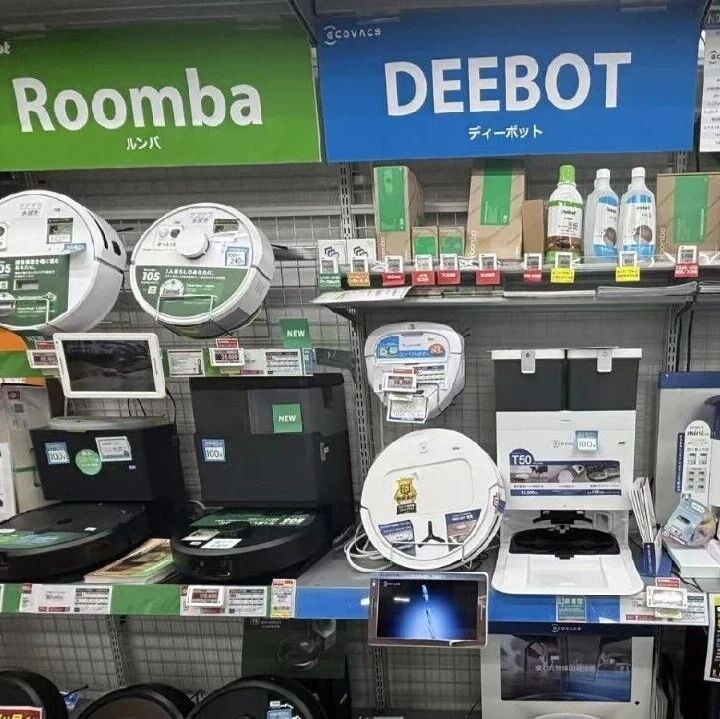
杉川首次回应收购iRobot:将保留原有品牌,中国业务同步推进
Di Yi Cai Jing Zi Xun· 2025-12-17 11:57
Core Viewpoint - iRobot, once a leader in the robotic vacuum industry, has filed for bankruptcy and will be acquired by Sijia, leading to a significant drop in its stock price and market value [2][3][5]. Company History and Performance - Founded in 1990, iRobot initially developed technology for NASA and military applications before launching the Roomba vacuum in 2002, which dominated the market [3]. - iRobot's revenue peaked at $1.565 billion in 2021, but it began to incur losses in 2022, leading to a failed acquisition attempt by Amazon for $1.7 billion due to antitrust issues [3][4]. Market Dynamics - iRobot's market share has plummeted, with IDC reporting it fell out of the top five global robotic vacuum brands by Q3 2025, holding less than 8% market share [4]. - The company's revenue in the U.S. dropped by 33% year-over-year in Q3 2025, with significant declines in other regions as well [5]. Financial Struggles - iRobot's financial situation worsened, with a cash balance of only $24.8 million and liabilities exceeding assets, leading to its bankruptcy filing in December 2025 [5][6]. - The company reported a net loss of $130 million in the first three quarters of 2025, a 90% increase compared to the previous year [7]. Strategic Missteps - iRobot's failure to integrate sweeping and mopping functions into a single product, along with reliance on visual navigation technology, hindered its competitiveness against Chinese brands that adopted laser navigation and combined functionalities [6][7]. - Trade tariffs imposed by the U.S. increased operational costs, further straining iRobot's profitability [6]. Acquisition and Future Plans - Sijia, the acquiring company, aims to leverage iRobot's brand and technology to expand its market presence, particularly in overseas markets [8][9]. - Sijia has already secured the regional agency rights for iRobot in China and plans to enhance local operations to drive growth [8][9]. Market Outlook - If the acquisition is successful, Sijia could reshape the competitive landscape in the North American robotic vacuum market, where iRobot still holds a 20%-30% share [10]. - The integration of Sijia and iRobot is expected to create a new player in the global cleaning appliance market, combining Chinese manufacturing strength with an established brand [10].
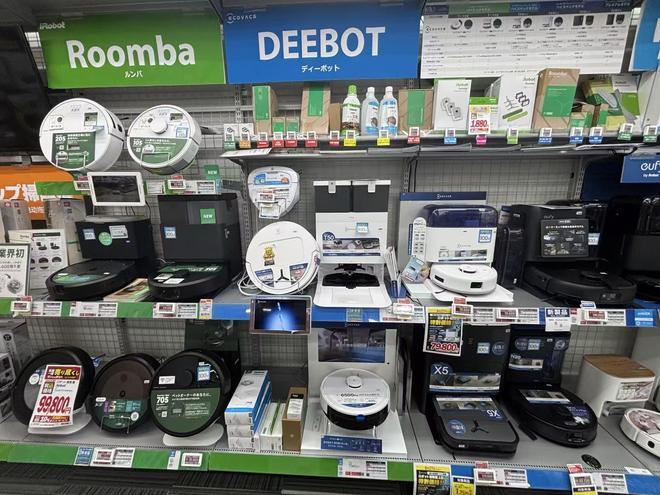
China cements global lead in smart vacuums as Picea acquires Roomba maker iRobot
Yahoo Finance· 2025-12-17 09:30
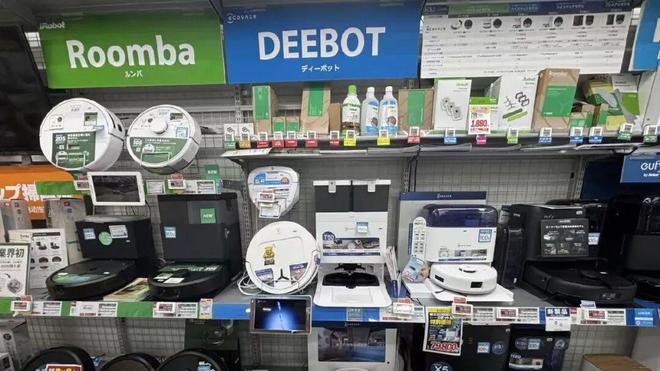
Chinese robotics manufacturers are set to cement their dominance in the global smart vacuum market with Picea Robotics' acquisition of Roomba maker iRobot, after the US firm's proposed sale to Amazon.com last year fell through due to regulatory hurdles. China-based suppliers held the top five spots for worldwide smart robotic vacuum shipments in the first three quarters of 2025, led by Roborock with a 21.7 per cent market share, equal to 3.8 million units, according to data from research firm IDC. Ecova ...
iRobot Co-Founder Questions Lack of Outcry Over Company’s Sale to China
Bloomberg Television· 2025-12-17 07:54
iRobot, the maker of the Roomba robotic vacuum, has filed for a prepackaged Chapter 11 bankruptcy, and the fallout has reached Wall Street. Carlyle Group has lost more than $100 million on a loan to the firm, recovering just 39 million. Carlyle eventually sold the remaining debt at a steep discount to a subsidiary of China based Pickett Robotics, which is now set to acquire iRobot through a court supervised restructuring.Since its 22 debut, iRobot has sold over 50 million units of the Roomba and remains a h ...
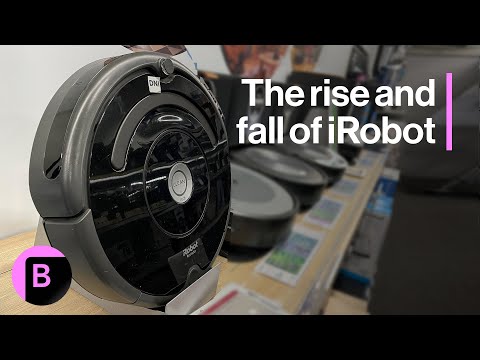
iRobot Co-Founder Questions Lack of Outcry Over Company's Sale to China
Youtube· 2025-12-17 07:54
Core Insights - iRobot has filed for prepackaged Chapter 11 bankruptcy, leading to significant financial losses for Carlyle Group, which lost over $100 million on a loan to the company [1] - The acquisition of iRobot is set to be completed by Pickett Robotics, a subsidiary of a Chinese firm, through a court-supervised restructuring [1] Company Performance - Since its debut in 2002, iRobot has sold over 50 million Roomba units but has struggled to compete effectively against Chinese rivals, resulting in a loss of market share [2] - Regulatory challenges, such as the blocking of Amazon's $1.7 billion acquisition in 2024, and external pressures like tariffs imposed by the Trump administration on Vietnam have contributed to the company's financial difficulties [2] Technology and Innovation - iRobot's failure to adopt LIDAR technology has been criticized, likening the situation to Nokia's decline in the mobile phone market [6] - The company has historically manufactured Roombas in China and Vietnam, citing the challenges of low-cost labor and intricate construction in the U.S. [11][12] Competitive Landscape - The robotics industry is witnessing a shift, with Chinese companies gaining ground and succeeding in the field, particularly in humanoid robotics, often at lower price points due to manufacturing efficiencies [17][18] - The current state of competition between the U.S. and China in robotics is characterized by a significant transfer of technology and innovation to China, raising concerns about national security implications [19][20][22] Future Outlook - The robotics field is expected to see growth in various sectors, including warehouses and manufacturing, although the immediate future for humanoid robots remains uncertain [24]

卷死扫地机器人鼻祖只需5年,债主深圳杉川收编
阿尔法工场研究院· 2025-12-17 04:09
Core Viewpoint - iRobot, once a dominant player in the robotic vacuum market, has filed for bankruptcy, primarily due to competition from Chinese manufacturers and significant debt to its Chinese contract manufacturer, Shenzhen Shanjun Robotics [4][6][11]. Group 1: Company Overview - iRobot, founded in 1990 and known for its Roomba vacuum, had a peak market value of $4 billion and held over 80% of the global market share [5][6]. - The company has seen a drastic decline, with its market share dropping to 7.9%, unable to compete with Chinese brands like Roborock and Ecovacs [19][24]. Group 2: Financial Situation - As of Q3 2023, iRobot reported a cash balance of $24.8 million against total liabilities of $508 million, indicating severe insolvency [11]. - Over 70% of its debt is owed to Shenzhen Shanjun Robotics, which has taken control of the company through debt acquisition [11][14]. Group 3: Competitive Landscape - The global robotic vacuum market is growing, with shipments reaching approximately 17.42 million units in the first three quarters of 2025, a nearly 19% year-on-year increase [15]. - Chinese manufacturers have innovated with features like automatic dust collection and self-cleaning capabilities, which have set new standards in the market [19][20]. Group 4: Product and Technology Differences - iRobot's focus on traditional vacuuming technology contrasts sharply with the multifunctional approach of Chinese competitors, who have rapidly adopted advanced technologies like laser navigation and AI [20][21]. - The speed of product iteration in China, with companies releasing multiple models annually, has outpaced iRobot's slower development cycle [20][23]. Group 5: Market Position and Strategy - iRobot's brand power is diminishing in the face of aggressive pricing and innovation from Chinese brands, which offer similar or superior functionality at lower prices [21][24]. - The company's decision to relocate parts of its supply chain from China to Malaysia has further distanced it from the competitive advantages of the Chinese market [23][24]. Group 6: Future Outlook - Following the bankruptcy, Shenzhen Shanjun plans to continue operating iRobot, but the brand will no longer resemble its former self [25]. - The narrative of iRobot's decline serves as a cautionary tale about the necessity of speed and adaptability in the current market landscape [25][26].