vivo

Search documents
大厂抢占硬件入口!继手机之后 字节AI眼镜或将跟上
Xin Lang Cai Jing· 2025-12-05 01:21
Core Viewpoint - The competition in the AI sector is shifting from large model parameters to the application of AI hardware and software, with major companies vying for the next generation of hardware entry points, particularly AI glasses [1][2]. Group 1: AI Hardware Competition - Major companies like Alibaba, ByteDance, and Baidu are rapidly developing AI glasses to establish a foothold in the AI hardware market, indicating a strategic shift towards integrating AI capabilities into consumer electronics [1][2]. - The AI glasses are seen as the next critical terminal after smartphones, with various startups and major firms entering the market to capture user engagement [2][6]. - The collaboration between ByteDance and ZTE on the "Doubao AI Assistant" smartphone exemplifies the trend of integrating AI capabilities into hardware, aiming to create a closed-loop system with smartphones and AI glasses [2][6]. Group 2: Challenges and Limitations - Current technological limitations prevent AI glasses from functioning independently of smartphones, necessitating a reliance on mobile devices for most operations [2][6]. - The integration of AI assistants with popular applications like WeChat faces significant regulatory hurdles, as seen with the restrictions imposed on the "Doubao AI Assistant" when interacting with WeChat [7][10]. - The competitive landscape is complicated by the need for hardware manufacturers to navigate the interests of app developers, which can lead to conflicts over user data and application access [11][12]. Group 3: Market Dynamics and Future Prospects - The entry of internet giants into the hardware space raises questions about their long-term sustainability, especially given the high R&D costs and the potential for low returns on investment [12]. - Despite skepticism regarding their hardware capabilities, companies like ByteDance and Alibaba leverage their existing user bases to drive hardware sales, potentially offsetting some of the risks associated with hardware development [12][13]. - Baidu's strength in search capabilities positions it uniquely in the AI glasses market, as it can enhance the functionality of these devices through superior information retrieval [13].

21社论丨打造世界级展会,链接全球创新力量
21世纪经济报道· 2025-12-05 00:29
Core Viewpoint - The 2025 Global Intelligent Machinery and Electronic Products Expo (AIE) is held in a groundbreaking "dual-city" model in Macau and Zhuhai, showcasing over 1,000 enterprises across a total exhibition area of 70,000 square meters, highlighting the significance of the intelligent machinery and electronics industry as a key driver of future economic development [1][3]. Group 1: Industry Context - The global technological revolution and industrial transformation are reshaping competitive landscapes, with the intelligent machinery and electronics sector being a core engine for future development [1]. - China is the largest manufacturing country and consumer market for the intelligent machinery and electronics industry, with Guangdong province being a hub for consumer electronics, smart home appliances, high-end equipment, and new energy vehicles [1]. - Guangdong produces 40% of the world's smartphones, 70% of consumer-grade drones, one-third of industrial robots, one-quarter of new energy vehicles, and one-fifth of integrated circuits [1]. Group 2: Exhibition Significance - The AIE aims to fill the gap of a major international exhibition platform in China, which lacks a globally influential large-scale exhibition despite being the largest manufacturing base and consumer market for electronics and home appliances [2]. - The success of international exhibitions like CES and IFA is attributed to the strong industrial foundation and historical advantages of Western countries, which have established these events as key platforms for defining industry futures and accelerating technological evolution [2]. Group 3: AIE's Unique Model - The AIE's "dual-city" model enhances its functionality, with the Macau venue focusing on trade connections and international exchanges, while the Zhuhai venue emphasizes manufacturing implementation and application scenarios [3]. - This design aligns with AIE's positioning as a "technology barometer, global meeting place, and industry accelerator," serving as a hub for supply chain communication and rapid marketization of technologies [3]. Group 4: Future Prospects - The establishment of a world-class exhibition brand like AIE requires long-term industrial accumulation, market cultivation, and brand building, which China is now poised to achieve [4]. - AIE is positioned to leverage the strong momentum of the Guangdong-Hong Kong-Macao Greater Bay Area, aiming to become a globally influential professional platform that leads technological trends [4].





豆包不造手机,“华米OV”也不会交出“灵魂”
阿尔法工场研究院· 2025-12-05 00:07
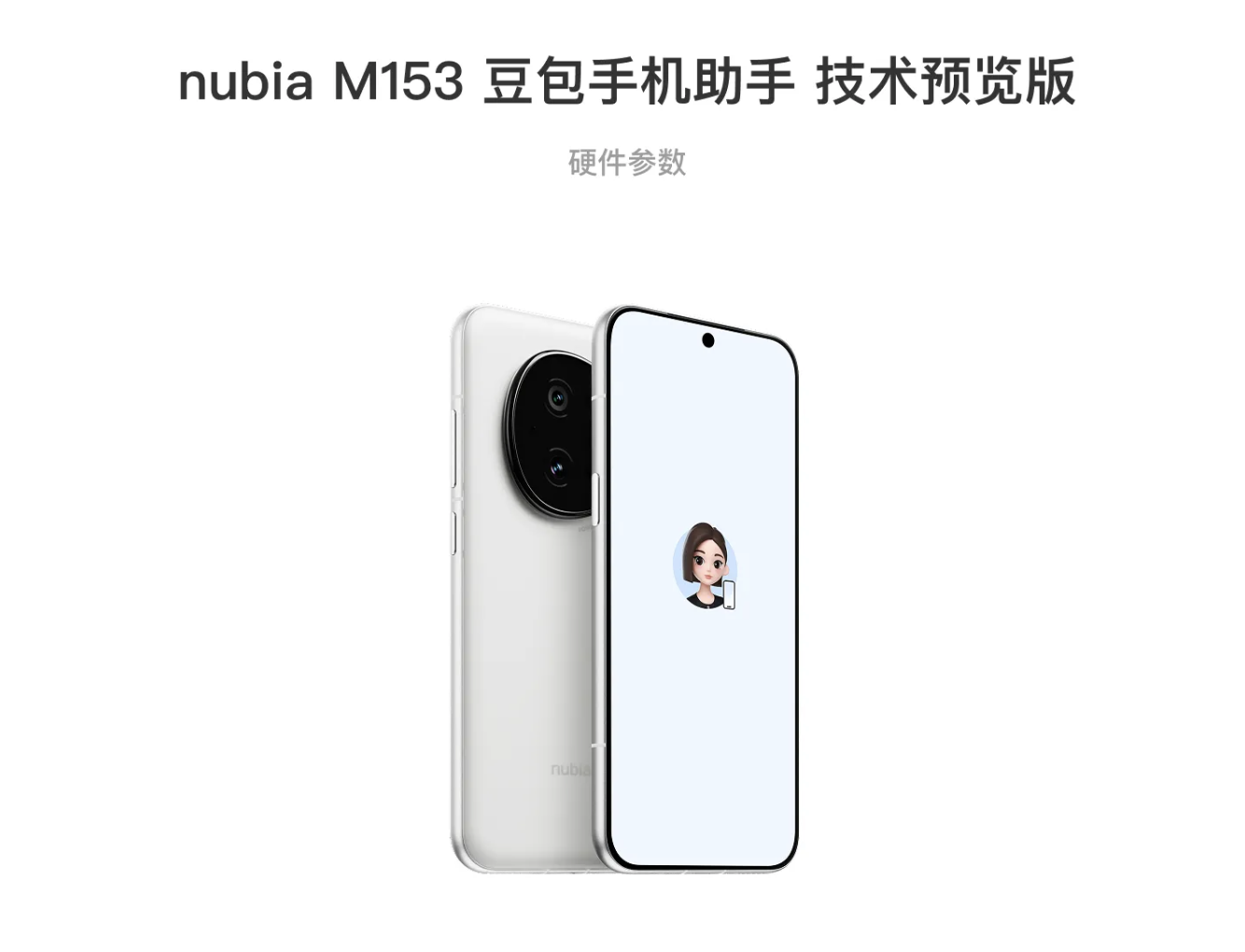
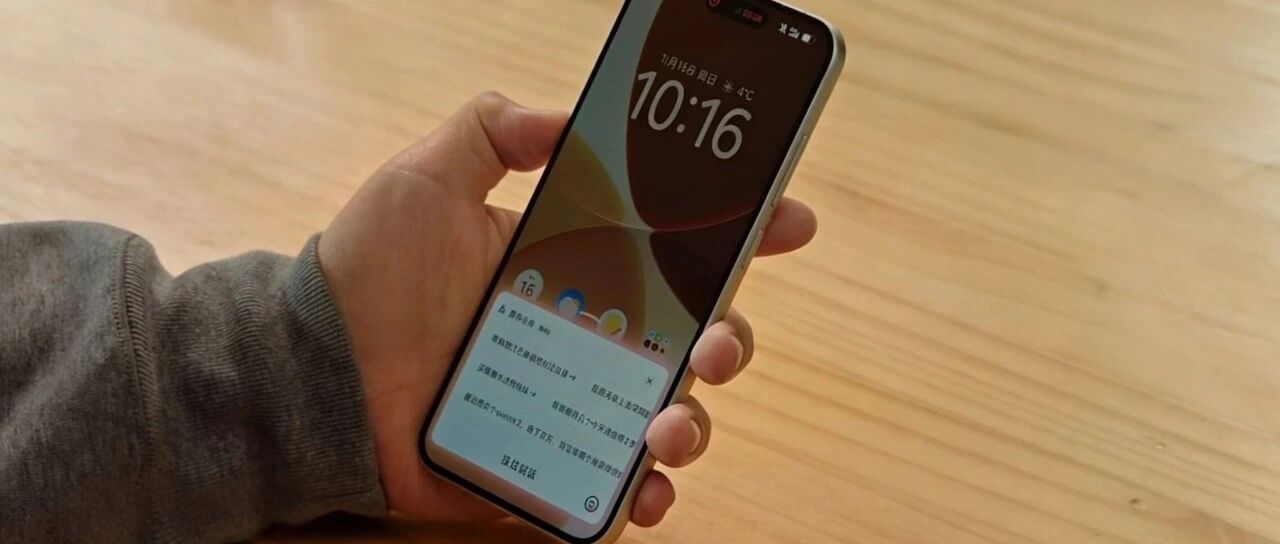
Core Viewpoint - The launch of the "Doubao Phone Assistant" by ByteDance marks the beginning of a transformative era in the consumer electronics industry driven by AI capabilities, significantly impacting the market and technology landscape [3][4]. Product Overview - The "Doubao Phone Assistant" is built on the Doubao app and collaborates with smartphone manufacturers at the operating system level, offering enhanced user interaction and experience through advanced AI capabilities [5]. - The first device featuring this technology, the Nubia M153, is priced starting at 3499 yuan and is positioned as a limited release for developers and tech enthusiasts, with an initial stock of 500,000 units [11][14]. User Interaction Redefined - The Doubao Phone Assistant redefines human-computer interaction by enabling complex task execution across applications autonomously, moving beyond traditional passive AI assistants [5][9]. - It features a unique Pro mode that utilizes personalized memory to generate solutions based on user preferences, evolving from mere command execution to proactive need anticipation [7]. Market Dynamics - The introduction of the Doubao Phone Assistant shifts the user interface paradigm from a matrix of apps to a centralized AI-driven service hub, enhancing operational efficiency [9][10]. - This innovation blurs the lines between an assistant and an operating system, positioning the Doubao Assistant as a potential core component in the AI-driven future of mobile technology [10][25]. Industry Implications - The collaboration between Doubao and Nubia represents a new model of cooperation between AI algorithm developers and hardware manufacturers, potentially accelerating the development of AI smartphones [20]. - The entry of Doubao into the AI smartphone market challenges existing players like Apple and Google, who are also integrating AI capabilities into their operating systems to maintain their market dominance [21][26]. Competitive Landscape - The Doubao Phone Assistant's launch allows smaller manufacturers like Nubia to leverage AI technology for competitive advantage, while larger firms may need to enhance their own AI capabilities to avoid becoming mere hardware providers [22]. - The evolving landscape suggests that traditional operating system providers will need to adapt by embedding AI functionalities deeply into their systems to counter the rise of third-party AI assistants like Doubao [26].
打造世界级展会,链接全球创新力量
2 1 Shi Ji Jing Ji Bao Dao· 2025-12-04 22:56
Group 1 - The 2025 Global Intelligent Machinery and Electronic Products Expo (AIE) is being held in a groundbreaking "dual-city" model in Macau and Zhuhai, featuring an exhibition area of 70,000 square meters and over 1,000 participating companies from various countries and regions [1] - The intelligent machinery and electronics industry is a core engine of the new technological revolution and industrial transformation, with China being the largest manufacturing and consumer market globally, particularly in Guangdong, which is a hub for consumer electronics, smart home appliances, high-end equipment, and new energy vehicles [1][3] - Guangdong produces 40% of the world's smartphones, 70% of consumer drones, one-third of industrial robots, one-quarter of new energy vehicles, and one-fifth of integrated circuits, housing major companies like Huawei, BYD, Midea, GAC, TCL, OPPO, and vivo [1] Group 2 - The success of international exhibitions like CES and IFA is attributed to the industrial foundation, historical opportunities, clear positioning, and open ecosystems, which China currently lacks despite being the largest manufacturing base and consumer market [2] - AIE's innovative "dual-city" model enhances the exhibition's functionality, with Macau focusing on trade connections and international exchanges, while Zhuhai emphasizes manufacturing implementation and application scenarios, providing an efficient platform for companies to communicate with the global supply chain [3] - The establishment of a world-class exhibition brand requires long-term industrial accumulation, market cultivation, and brand building, and AIE is positioned to become a leading professional platform leveraging the strong momentum of the Guangdong-Hong Kong-Macao Greater Bay Area [4]
21社论丨打造世界级展会,链接全球创新力量
2 1 Shi Ji Jing Ji Bao Dao· 2025-12-04 22:40
Core Insights - The 2025 Global Intelligent Machinery and Electronics Products Expo (AIE) is being held in a groundbreaking "dual-city" format in Macau and Zhuhai, featuring over 1,000 companies and covering an exhibition area of 70,000 square meters [1] - The intelligent machinery and electronics industry is a key area for future development, with China being the largest manufacturing and consumer market globally, particularly in Guangdong, which is a hub for consumer electronics and high-end equipment [1][3] - Guangdong produces 40% of the world's smartphones, 70% of consumer drones, one-third of industrial robots, a quarter of new energy vehicles, and one-fifth of integrated circuits, housing major companies like Huawei, BYD, and TCL [1] Industry Context - Historically, major global electronics exhibitions like CES and IFA have set industry trends, but China lacks a similarly influential platform despite being the largest manufacturing base [2] - The success of these exhibitions is rooted in the strong industrial foundation and innovative companies in their host countries, which provide content and vitality to the events [2] - A top-tier exhibition serves as an extension of a country's industrial cluster, creating a positive feedback loop that enhances both the exhibition and the industry [2] AIE's Strategic Positioning - AIE's location in the Guangdong-Hong Kong-Macau Greater Bay Area positions it as a leader in intelligent machinery and electronics, with local companies integrating into global supply chains [3] - The innovative "dual-city" model of AIE enhances its functionality, with Macau focusing on trade and international exchange, while Zhuhai emphasizes manufacturing and application scenarios [3] - AIE aims to be a technology trendsetter, a global meeting place, and an industry accelerator, facilitating communication within the global supply chain and promoting rapid marketization of technologies [3] Future Prospects - The success of CES and IFA is attributed to a combination of industrial foundation, historical opportunity, clear positioning, and an open ecosystem [4] - China has the necessary conditions to create a world-class exhibition brand, and AIE is poised to become a leading platform for technological trends with global influence [4]
富士免费开放LUT方案,“富士味”烂大街后,手机影像何去何从?
3 6 Ke· 2025-12-04 10:26
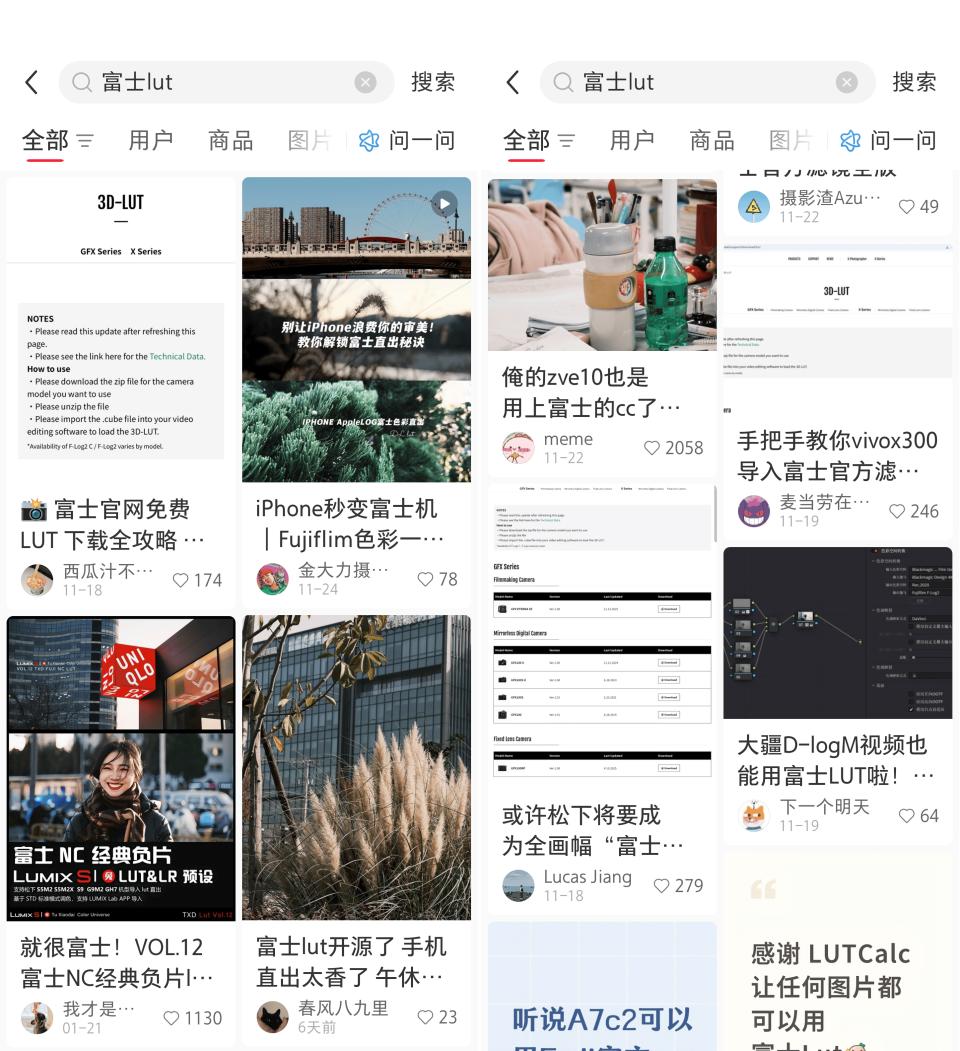
Core Insights - Fujifilm has decided to release its classic film simulation LUTs for free, allowing users to apply these color profiles to various cameras and editing software, thus expanding its influence beyond just hardware [1][3] - This move challenges smartphone manufacturers who have previously relied on "film modes" and similar marketing tactics, as Fujifilm's authentic LUTs provide a direct comparison to smartphone filters [3][4] Group 1: Impact on Smartphone Industry - The release of Fujifilm's LUTs may diminish the relevance of smartphone filters that mimic Fujifilm's style, pushing smartphone manufacturers to focus on improving their fundamental imaging capabilities [4][20] - Current flagship smartphones already possess advanced imaging features, such as 10-bit Log video recording and LUT import capabilities, which can produce results closer to Fujifilm's original output [4][11] - The marketing success of smartphone filters has been based on user perception rather than technical accuracy, leading to a noticeable gap when compared to professional LUTs [7][12] Group 2: Evolution of User Expectations - Users are now more aware of the differences between smartphone filters and professional LUTs, leading to higher expectations for smartphone imaging quality [12][20] - The smartphone industry must shift its focus from superficial marketing to enhancing user experience through improved color accuracy, dynamic range, and detail retention [12][19] - As smartphone manufacturers adapt to these changes, they can redefine their roles in the imaging ecosystem, focusing on ease of use and integration with social media [14][19] Group 3: Future Directions - The future of imaging may involve a collaborative ecosystem where cameras focus on high-quality output while smartphones cater to quick and convenient sharing [19][20] - Smartphone manufacturers are encouraged to develop more professional features, such as reliable LOG previews and advanced editing tools, to meet the needs of both casual users and aspiring creators [19][22] - Ultimately, the goal for smartphones should be to establish their unique identity in the imaging space, moving away from imitation towards defining their own visual style [22][23]
“豆包手机”初战遇阻,AI打不破互联网生态壁垒
3 6 Ke· 2025-12-04 09:29
Core Insights - The "Doubao AI Phone" faced significant issues shortly after its launch, with users reporting problems with WeChat and other applications, leading to a halt in operations [1][2][3] - The phone, developed in collaboration with Nubia, aimed to automate daily app operations but encountered traditional internet ecosystem challenges [2][10] Group 1: Product Launch and Initial Reception - The Doubao Phone Assistant was officially launched on December 1, priced at 3499 yuan, and quickly sold out, sparking a resale market with prices reaching up to 5000 yuan [2] - Users reported issues with WeChat and Alipay, indicating a broader problem with app compatibility and functionality [2][10] Group 2: Technical Challenges and Responses - Following user complaints, the Doubao development team suggested reverting to manual operations as a temporary solution [3][5] - The assistant's inability to perform WeChat operations was attributed to triggering WeChat's risk control measures [5][10] Group 3: Industry Context and Implications - The incident highlights the conflict between AI applications and traditional internet service ecosystems, particularly regarding user privacy and operational boundaries [10][11] - The Doubao Phone's approach challenges the established mobile market revenue model, which typically relies on software for profit rather than hardware sales [14]
不只理想夸克,我们还有7家大厂AI眼镜的最新消息|智能涌现独家
3 6 Ke· 2025-12-04 09:11
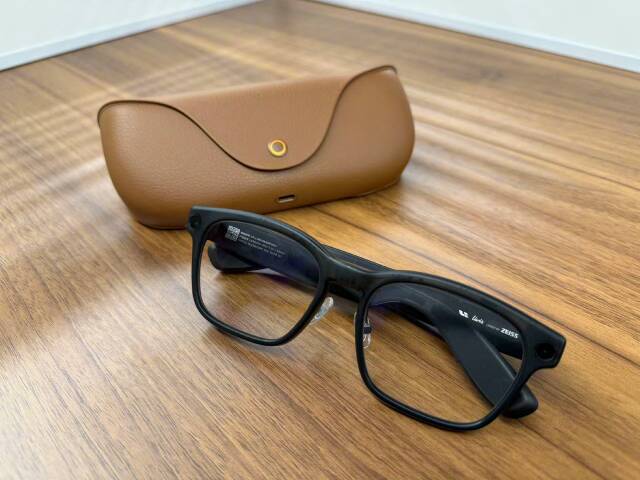
Core Insights - The AI glasses market is heating up with major players like Baidu, Alibaba, and Li Auto launching their products, with Li Auto's Livis glasses selling out within two hours of release at a price of 1699 yuan [1][3] - Various tech giants are entering the AI glasses space, including Google, which is in the POC stage for two products, and ByteDance, which has multiple projects underway [3][5] - The competition is not just about hardware but also about data collection and user interaction, positioning AI glasses as a critical entry point for future AI applications [11][12] Group 1: Major Players and Market Dynamics - Li Auto's AI glasses Livis were released without pre-sale, directly shipping to consumers, indicating a strong market demand [1] - Google is collaborating with Qualcomm, Samsung, and Foxconn for its AI glasses, aiming for a 2026 Q4 release [3] - ByteDance is pursuing multiple AI glasses projects, with one expected to launch in Q1 2024 and another in Q4 2024, focusing on optical display and spatial computing [5] Group 2: Strategic Importance of AI Glasses - For consumer electronics companies, AI glasses represent an extension of existing hardware experiences and a strategic defense move [6] - Internet companies view AI glasses as a necessary entry point to enhance their data capabilities and user engagement [7] - The competition among various players is intensifying as they all aim to capture the emerging AI glasses market [8] Group 3: Investment and Development Trends - Companies like Alibaba and Baidu are aggressively investing in AI glasses, with Baidu defining it as an S-level strategic product [15] - In contrast, traditional consumer electronics firms are more cautious, viewing AI glasses as a means to explore new growth avenues while protecting their existing hardware domains [17] - The lowering of hardware barriers has led to a surge in supply chain involvement, with companies like GoerTek and Luxshare Precision betting on AI glasses [20] Group 4: Challenges and Competition - The AI glasses market is characterized by a "comprehensive competition" where any flaw in product development can lead to significant setbacks [23] - Previous product failures, such as Xiaomi's high return rate for its first-generation AI glasses, highlight the challenges in this competitive landscape [24] - The industry's future will depend on how well companies can balance resource allocation and strategic patience in the face of intense competition [24]

让豆包手机“自动驾驶”靠谱吗?
Guan Cha Zhe Wang· 2025-12-04 09:05
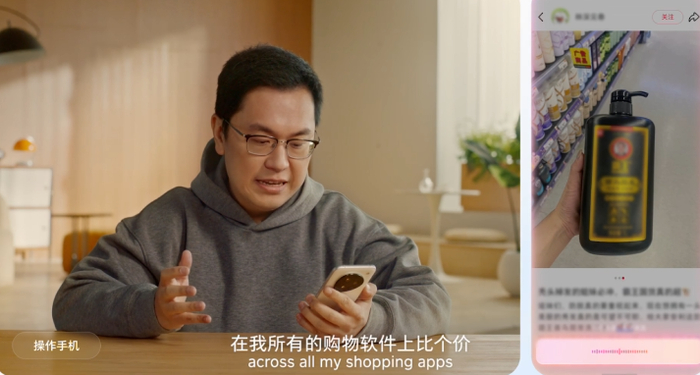
Core Viewpoint - ZTE Corporation's stock has declined nearly 1% after the initial excitement surrounding the launch of its "Doubao Assistant" smartphone, which sold out quickly and saw a price premium on second-hand platforms [1][4]. Group 1: Product Launch and Market Reaction - ZTE announced the limited release of the nubia M153 smartphone featuring the "Doubao Assistant" technology, priced at 3499 yuan, which led to a stock price surge and rapid sell-out [1][4]. - The "Doubao Assistant" is designed to enhance user interaction with smartphones by enabling multi-modal question answering and automatic price comparison across e-commerce platforms [1][4]. Group 2: Technology Comparison - The "Doubao Assistant" differs from traditional voice assistants by integrating deeply with the system, allowing for cross-application automation, akin to a "self-driving" mode for smartphones [4][5]. - Other major manufacturers like Honor and Vivo have also been exploring similar AI capabilities, indicating a competitive landscape in the smartphone AI assistant market [4][5]. Group 3: Privacy and Security Concerns - There are concerns regarding user data security and privacy, as the "Doubao Assistant" requires extensive permissions to function effectively, including reading user screens and accessing personal data [7][8]. - Doubao has stated that the assistant does not store user data on the cloud and requires user consent to access sensitive information, aiming to alleviate privacy concerns [8][10]. Group 4: Industry Dynamics and Challenges - The competition among smartphone manufacturers, AI model developers, and traditional app providers is intensifying, with a focus on controlling data access and user interactions [11][13]. - The current state of the "Doubao Assistant" is described as a "technical preview," indicating that it is still in the exploratory phase and not yet ready for mainstream consumer use [13][14].


中兴通讯携手豆包后三连跌,让手机“自动驾驶”靠谱吗?
Guan Cha Zhe Wang· 2025-12-04 08:44
Core Viewpoint - ZTE Corporation's stock price has declined nearly 1% after the initial market excitement surrounding the launch of its "Doubao Assistant" smartphone, which sold out quickly and even saw a price premium on second-hand platforms [1][4]. Group 1: Product Launch and Market Reaction - ZTE announced the limited release of the nubia M153 smartphone featuring the "Doubao Assistant" technology, priced at 3499 yuan, which led to a stock price surge and rapid sell-out [1][4]. - The "Doubao Assistant" is designed to enhance user interaction with smartphones by enabling multi-modal question answering and automatic price comparison across e-commerce platforms [1][4]. Group 2: Technology and Functionality - The "Doubao Assistant" differs from traditional voice assistants by integrating deeply with the system, allowing for cross-application automation, akin to "autonomous driving" for smartphones [4][5]. - Other major manufacturers, such as Honor and Vivo, are also exploring similar AI capabilities, indicating a competitive landscape in the AI assistant market [4][5]. Group 3: Privacy and Security Concerns - There are concerns regarding user data security and privacy, as the "Doubao Assistant" requires extensive permissions to function effectively, including reading user screens and accessing sensitive information [7][8]. - Doubao has stated that the assistant does not store user screen content in the cloud and requires user consent to access sensitive permissions, aiming to alleviate privacy concerns [8][10]. Group 4: Industry Challenges and Future Prospects - The integration of AI assistants into smartphones faces challenges, including the need for cooperation with third-party applications and the establishment of security standards [10][11]. - The current state of the "Doubao Assistant" is described as a "technical preview," indicating that it is still in the exploratory phase and not yet ready for mainstream consumer use [13][14].