
俄罗斯天然气工业股份公司

Search documents
中俄终于谈拢,普京大笔一挥,同意中国方案,对华天然气翻倍供应
Sou Hu Cai Jing· 2025-09-05 04:46
Core Viewpoint - The signing of the "Power of Siberia 2" gas pipeline cooperation agreement between China, Russia, and Mongolia marks a historic breakthrough in energy cooperation, with Russia committing to supply 50 billion cubic meters of gas annually to China for 30 years, bringing the total gas supply from Russia to China to over 100 billion cubic meters [1][10][12]. Group 1: Energy Cooperation Dynamics - The agreement is a response to the ongoing economic pressure on Russia due to Western sanctions and the need to pivot towards the East for energy exports [3][5]. - China, as the world's largest energy consumer, has seen a 14.7% year-on-year increase in pipeline gas imports in the first eight months of 2025, making Russian gas a timely solution for its energy needs [5][12]. - The "Power of Siberia 2" pipeline, approximately 2,600 kilometers long, will connect Russian gas fields to China's northeastern grid, overcoming various logistical and geological challenges [6][10]. Group 2: Strategic Implications - The agreement signifies a comprehensive upgrade in China-Russia energy cooperation, with existing pipelines also increasing their supply capacities [10][12]. - Russia's commitment to supply gas at prices lower than those for European customers provides China with a stable and cost-effective energy source, while also reducing Russia's dependency on European markets [8][12]. - The collaboration is seen as a strategic alliance against Western sanctions, enhancing both countries' positions in the global energy market [14][16]. Group 3: Future Challenges and Opportunities - The construction of the pipeline faces challenges such as complex terrain, long construction periods, and geopolitical risks stemming from the ongoing Ukraine crisis [16][18]. - Potential price fluctuations and supply-demand changes may lead to disputes, necessitating a flexible adjustment mechanism for long-term cooperation [18]. - Future expansions of energy cooperation could include joint gas storage facilities, clean energy technology collaboration, and electricity interconnections, further enhancing regional economic synergy [18][20].


俄媒:俄罗斯卖给“中国的天然气”仍有大优惠,可能是七折,便宜30%
Sou Hu Cai Jing· 2025-09-05 03:21
Core Points - The signing of a legally binding memorandum marks a significant step forward for the construction of a new natural gas pipeline system through Mongolia, with an annual capacity of 50 billion cubic meters, known as the "Power of Siberia 2" pipeline, which will connect to China [1] - The project is set against a backdrop of changing geopolitical dynamics, with Russia's gas supply to Europe sharply reduced, making China the largest buyer of Russian gas [1][7] - The negotiation process for the "Power of Siberia 2" project has faced challenges, particularly regarding pricing, but a balance has been found that maintains a price discount for China compared to European prices [1][6] Pricing Mechanism - The pricing for Russian gas supplied to China is based on a formula linked to oil prices, with a nine-month lag, ensuring stable and favorable prices for China [4][10] - In Q1 2021, the average price for Russian gas supplied to China was $121 per thousand cubic meters, compared to an overall export average of $171, indicating a discount of approximately 30% [2][4] - This pricing mechanism contrasts sharply with the spot market pricing used for European gas, which has been volatile [4][6] Strategic Importance - The "Power of Siberia 2" project is strategically significant for both Russia and China, as it provides China with a secure energy supply amid rising tensions with the U.S. and potential disruptions to maritime energy routes [8][10] - Russia's need for stable export revenue and a reliable market for its gas has made China a critical partner, enhancing China's negotiating power [6][8] - The project is expected to take 3 to 5 years to complete, with an estimated total investment of 1.5 trillion rubles, and it benefits from existing infrastructure, reducing development time and costs [10][12] Geopolitical Implications - The pipeline is seen as a key factor in reshaping the Eurasian energy landscape and will inject new momentum into the comprehensive strategic partnership between China and Russia [12] - As the project progresses, the deepening energy cooperation between the two countries is anticipated to have profound implications for the global energy market [12]
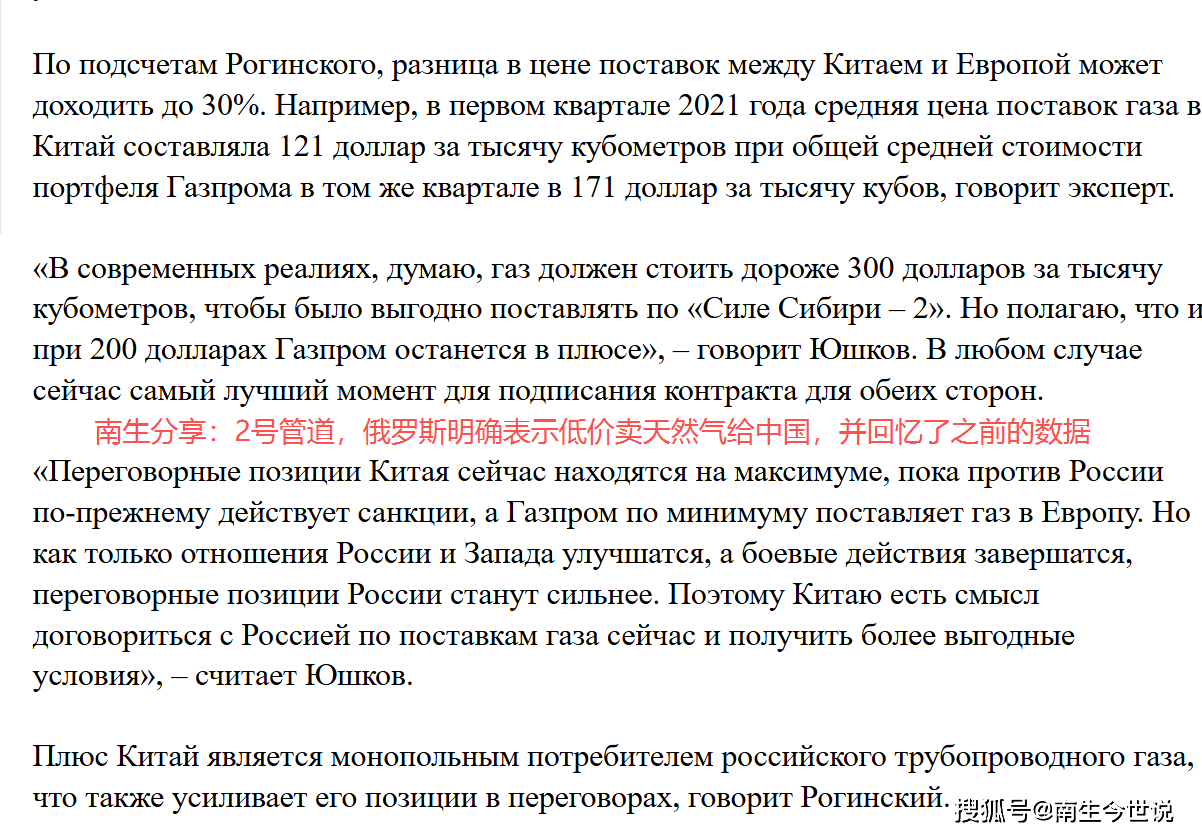
美媒关注中俄能源协议:将颠覆LNG市场,美国供应商要慌了
Sou Hu Cai Jing· 2025-09-04 23:46
Core Insights - The construction of the "Power of Siberia-2" gas pipeline between Russia, China, and Mongolia poses a significant challenge to the U.S. energy dominance strategy, as it indicates China's growing influence in the global energy market [1][5][13] - The agreement is seen as a mutual benefit for both Russia and China, allowing China to secure natural gas at competitive market prices while providing Russia with a crucial export channel amid Western sanctions [2][4][12] Group 1: Project Details - The "Power of Siberia-2" pipeline is expected to transport up to 50 billion cubic meters of gas annually from Russia to China, significantly increasing Russia's share of China's gas demand from approximately 10% to an estimated 20% by the early 2030s [4][5][12] - The agreement was described as a result of years of effort between Russia and China, with both parties expressing satisfaction with the outcome [2][4] - The pricing mechanism for the gas will be based on a specific formula rather than current market prices, ensuring a fair and objective pricing structure [4] Group 2: Geopolitical Implications - The project highlights China's disregard for Western pressure to limit cooperation with Russia, indicating a shift in energy geopolitics [5][13] - Experts suggest that the pipeline will disrupt the U.S. liquefied natural gas (LNG) market, as China signals a reduced need for U.S. LNG imports [6][7] - The agreement is viewed as a strategic move for Russia to diversify its energy export markets in light of the EU's plans to phase out Russian energy imports by 2027 [6][12] Group 3: Market Impact - The development of the "Power of Siberia-2" is expected to negatively impact ongoing LNG projects in the U.S., as it alters the competitive landscape for natural gas supply [6][7] - The pipeline's construction is crucial for Russia, which is seeking alternative buyers for its energy resources due to declining demand from Europe [6][12] - The collaboration between Russia and China in the energy sector is a significant aspect of their bilateral relations, with energy trade accounting for over one-third of total trade between the two nations [11]
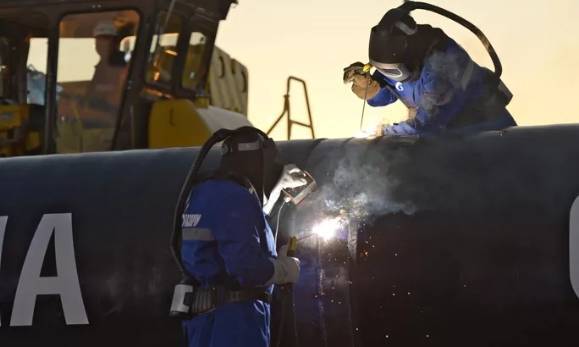
中俄签署500亿立方米天然气超级大单!30年能源协议直戳西方软肋,外媒:地缘政治重大转折!
Sou Hu Cai Jing· 2025-09-03 05:20
Core Points - Russia and China have officially signed a memorandum for the construction of the "Power of Siberia-2" gas pipeline, which will transport gas through Mongolia to China, with an annual capacity of 50 billion cubic meters and a contract duration of 30 years [1][3] Group 1: Project Details - The gas pipeline will have a significant annual gas supply capacity of 50 billion cubic meters [1] - The contract for the pipeline is set for a long duration of 30 years, indicating a strong commitment between the two nations [1] Group 2: Geopolitical Implications - The announcement of the project marks a significant turning point in energy geopolitics, showcasing China's disregard for Western pressures to reduce cooperation with Russia [3] - The project reflects China's increasing influence in the energy sector and its proactive stance in the relationship with Russia [3] - The collaboration is expected to reshape the Eurasian energy trade landscape and could be a key step in altering the global geopolitical balance [3] Group 3: Future Prospects - Although specific details regarding gas pricing, financing, and construction timelines are not fully finalized, the agreement highlights China's ongoing interest in Russian energy [3] - As the EU plans to completely phase out Russian energy by 2027, any new agreements are likely to be more favorable to China [3] - China is also accelerating its energy diversification and decarbonization strategies, further solidifying its energy independence goals [3]
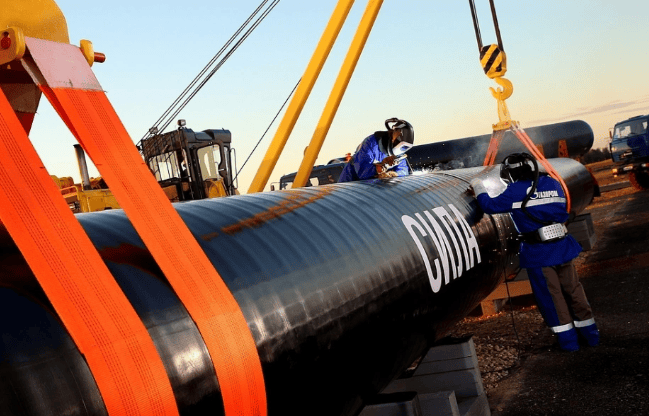
中俄蒙签天然气大单,“中国不在乎西方怎么想”
Guan Cha Zhe Wang· 2025-09-03 01:34
Core Viewpoint - The signing of the memorandum for the "Power of Siberia-2" gas pipeline between Russia and China marks a significant shift in energy geopolitics, indicating China's growing influence and its disregard for Western pressures to limit cooperation with Russia [1][2]. Group 1: Project Details - The "Power of Siberia-2" pipeline will transport up to 50 billion cubic meters of gas annually from Russia to China via Mongolia for a duration of 30 years [1]. - The project is seen as a potential replacement for the "Nord Stream 2" pipeline, which has been sidelined due to geopolitical tensions [2]. - The pipeline's construction has faced delays primarily due to unresolved issues regarding gas pricing and pipeline routing between Russia and China [6]. Group 2: Economic Implications - Russia is shifting its energy export focus towards China following the loss of the European gas market, which was previously a high-profit segment [2]. - The energy trade between China and Russia constitutes over one-third of their total trade volume, with Russia being China's largest source of crude oil and natural gas imports [4]. - The agreement to increase the annual gas supply through the existing "Power of Siberia" pipeline from 38 billion cubic meters to 44 billion cubic meters reflects the strengthening of energy ties between the two nations [7]. Group 3: Political Context - The cooperation between Russia, China, and Mongolia is supported by political agreements, with the leaders of the three countries agreeing to extend the economic corridor planning until 2031 [8]. - The recent agreements signed during the meeting of the three nations indicate a formal transition from political negotiations to commercial execution of the pipeline project [8].

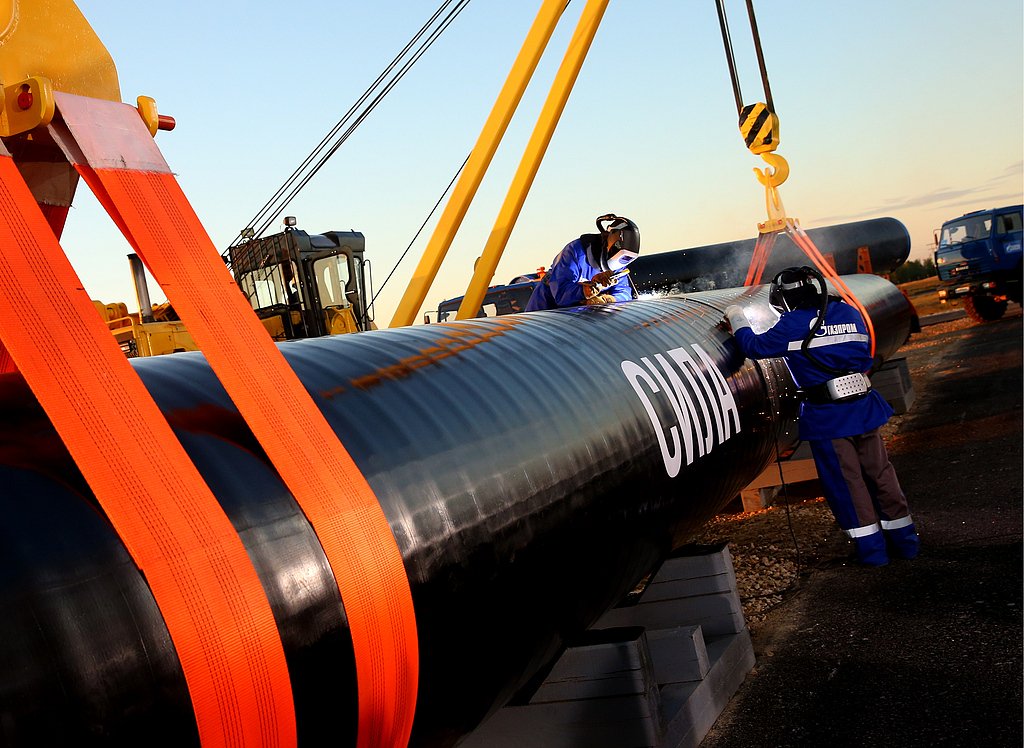
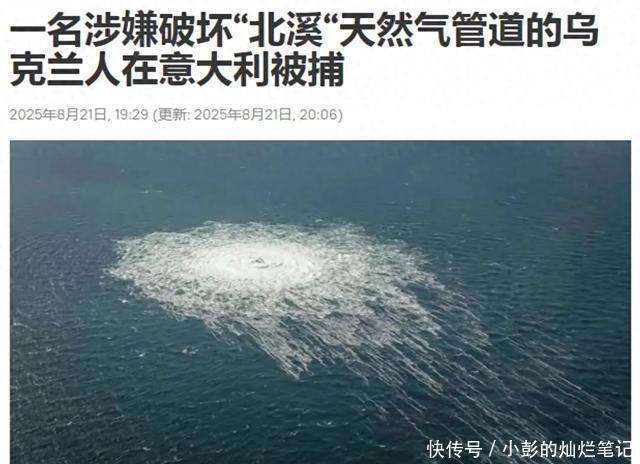
回旋镖来了。炸毁北溪管道的凶手是乌克兰人,德国这下坐不住了
Sou Hu Cai Jing· 2025-09-02 04:46
Core Insights - The explosion of the Nord Stream 1 and 2 pipelines in September 2022 has sparked intense discussions about energy security and geopolitical dynamics in Europe, with immediate blame directed at Russia by Western media [3] - The narrative that Russia would sabotage its own energy supply line is questioned, suggesting that Ukraine and the U.S. may be the true beneficiaries of the incident [3] - Recent developments indicate that a Ukrainian individual has been arrested in connection with the explosions, raising further questions about the involvement of state actors [5][7] Group 1: Incident Overview - The Nord Stream pipelines were destroyed by underwater explosives, leading to significant natural gas leaks and raising concerns about energy supply to Europe [3] - The incident has led to a shift in European energy sourcing, with a marked increase in reliance on U.S. liquefied natural gas, resulting in higher economic costs for European nations [8] Group 2: Arrest and Investigation - A Ukrainian man, Sergey Kuznetsov, has been identified as a key figure in the Nord Stream explosion, with reports suggesting a well-coordinated operation involving a team of specialists [7] - The operation reportedly cost around 300,000 euros, which has led to speculation about potential state support behind the execution of the attack [7][8] Group 3: Political Implications - The arrest and subsequent revelations put German Chancellor Merz in a difficult position, as public sentiment in Germany may turn against continued support for Ukraine if it is confirmed that Ukraine was involved in the pipeline destruction [8] - Russia has called for an emergency meeting of the UN Security Council to address the investigation's transparency, indicating its intent to challenge the narrative surrounding the incident [8]
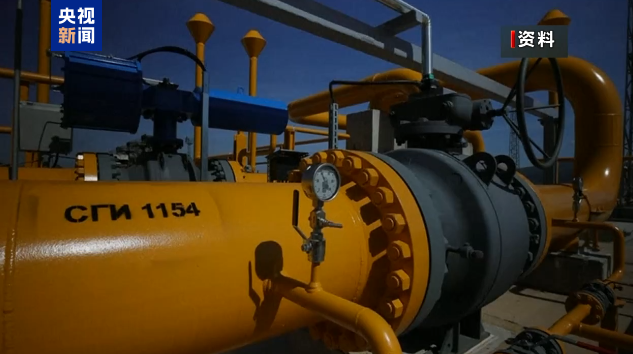
伊朗驻俄大使:伊朗希望在近期接收俄罗斯天然气
Yang Shi Xin Wen· 2025-08-25 05:43
Group 1 - Iran's ambassador to Russia, Kazim Jalali, expressed hope to start receiving Russian natural gas soon, with ongoing negotiations focused on pricing [1] - Iranian Oil Minister Paknejad discussed various economic cooperation projects with Russia during his visit, including the supply of natural gas and oil field development [3] - Russia may supply Iran with 1.8 billion cubic meters of natural gas within the year, as stated by Russian Energy Minister Sergey Cherezov [3] Group 2 - Iran possesses the world's second-largest proven natural gas reserves, following Russia, but faces challenges in domestic gas development due to U.S. sanctions [3]
“北溪”管道被毁细节曝光 遭至少4枚定时炸弹引爆
Yang Shi Xin Wen· 2025-08-23 07:12
Core Viewpoint - The "Nord Stream-1" and "Nord Stream-2" gas pipelines were reportedly destroyed by at least four timed explosives, allegedly transported by a sailing boat to the Baltic Sea [2] Group 1: Incident Details - German authorities disclosed that the explosions on the "Nord Stream-1" and "Nord Stream-2" pipelines were based on the "Siren" sailing boat [2] - The sailing boat had six crew members, including four divers who placed explosives at a depth of 70 to 80 meters underwater [2] - The explosives used weighed between 14 to 27 kilograms [2] Group 2: Arrest and Investigation - A Ukrainian man was arrested in Italy on suspicion of being involved in the sabotage of the Russian gas pipelines [2] - German authorities believe this individual planned and coordinated the attack that occurred in 2022 [2]

俄罗斯天然气:欧洲不要,龙国为何不全接?
Sou Hu Cai Jing· 2025-08-21 16:30
Core Insights - Russia is facing a significant challenge in finding markets for its excess natural gas after losing access to the European market, primarily due to pipeline transportation limitations [1][2][3] - The existing Power of Siberia pipeline, operational since 2019, has a maximum capacity of 38 billion cubic meters per year and is expected to reach full capacity by 2025, leaving Russia with a surplus of over 100 billion cubic meters of natural gas annually that cannot be exported [1][3] - Negotiations for a new western pipeline have been ongoing since 2014 but have yet to commence due to disagreements over pricing and market focus, with Russia prioritizing high-profit European sales over Asian markets [1][2][4] Pipeline and Market Dynamics - The Power of Siberia pipeline is currently the only major conduit for Russian gas to China, but its capacity is insufficient to cover the loss of European sales, which are projected to drop to 13% of the EU's gas supply by 2025 [2][3] - Russia's strategy to pivot towards Asia has been slow, with the western pipeline project stalled due to unresolved issues regarding routing and pricing, leading to a significant reduction in gas exports [2][4] - China is diversifying its energy sources, importing liquefied natural gas (LNG) from Australia and Qatar, which reduces its reliance on Russian gas and mitigates supply risks [2][3] Economic Implications - The shift in focus from Europe to Asia has resulted in a decline in overall Russian gas exports, with a reported 30% increase in exports to China not compensating for the 150 billion cubic meters lost from Europe [4] - Russia's gas production has decreased, and the country is now adjusting its export strategies to seek new markets in Turkey and India, although these markets are smaller and less profitable compared to Europe [3][4] - The economic pressure on Russia is mounting as it faces reduced revenues from gas exports, prompting restructuring within its gas companies and a reevaluation of its energy policies [4]
欧洲最高楼建得有讲究
Jing Ji Ri Bao· 2025-08-16 21:48
Core Points - The Lakhta Center is the tallest building in Europe, with a height of 462 meters including the spire, surpassing the previous record held by the Federation Tower in Moscow at 370 meters [2] - The building has won multiple prestigious architectural awards, including the Emporis Skyscraper Award and the Best Tall Building Award from the Council on Tall Buildings and Urban Habitat [2] - The design and construction of the Lakhta Center faced significant challenges due to extreme temperature fluctuations and strong winds in St. Petersburg, necessitating innovative engineering solutions [3] Group 1: Architectural Significance - The Lakhta Center features a unique twisting design, with each floor rotated at a certain angle relative to the one below, creating a "smooth twisting shape" [2] - The building's entrance arch has an impressive column-free span of 88 meters, utilizing glass as a load-bearing component, a first in architectural history [2] - The building's silhouette resembles a torch, symbolizing the Gazprom company, and its façade consists of over 16,000 "cold-bent glass units" [3] Group 2: Functional Aspects - Although primarily an office building, the Lakhta Center includes multifunctional halls, a 7,000 square meter educational center, and a spherical planetarium that can accommodate up to 140 people [4] - It features a panoramic restaurant at 320 meters, the highest dining venue in Europe, and an observation deck at 360 meters equipped with interactive telescopes for visitors [4] - The Lakhta Center has become a modern symbol of St. Petersburg, enhancing the city's tourism potential and urban environment quality [4]