MediaTek

Search documents
大摩闭门会-台积电与AI供应链;存储周期与利基型存储
2025-10-13 01:00
Summary of Conference Call Notes Industry and Company Involved - **Industry**: Semiconductor and AI Supply Chain - **Company**: TSMC (Taiwan Semiconductor Manufacturing Company) Key Points and Arguments TSMC's Market Position and Financial Outlook - TSMC's current P/E ratio is 18, which is relatively low compared to other regional stocks like Hynix, suggesting a buying opportunity before the upcoming legal week [3] - TSMC expects to achieve flat revenue in Q4 2025, with an annual revenue growth guidance revised up to approximately 33% [3] - AI revenue for TSMC is projected to grow steadily each year, driven by orders from NVIDIA and AMD [3] AI Demand and Capital Expenditure - Strong AI demand is anticipated, with AI server capital expenditures expected to increase significantly by at least 50% by 2026 [5] - The number of server racks for 2025 has been revised up to 28,000, with NVIDIA chips expected to enter a destocking phase in Q1 2026 [5] - TSMC's capacity is expected to meet customer demand by the end of 2026, potentially expanding to between 110,000 and 120,000 units depending on NVIDIA's forecasts [5] Storage Market Dynamics - The DRAM and NAND spot market is experiencing tight inventory, leading to price increases, with cloud customers actively replenishing stock [10] - A price increase of over 15% is expected in Q4, driven by strong demand for enterprise-level ESSD [10][4] - The overall pricing competition for commodity DRAM and HBM is expected to decrease in 2026 [2] Recommendations for Investment - Recommended stocks include TNC and wafer foundry KYEC, with a preference for Alchip in the third-party service sector [9] - For non-AI related stocks, Global Wafers and China SPE are favored, while EchoVue and MediaTek are advised to be avoided [9] Project Impacts - MediaTek has low order opportunities in the Meta project, relying heavily on a single customer, which poses risks [6] - Adobe's project mass production has been delayed until Q2 2026, but annual revenue is expected to remain around $170 million [6] - GUC is expected to see increased volume in Google CPU projects and has secured design service contracts with Meta and Kiosha, indicating strong growth momentum [6] Chinese AI Capital Expenditure - China's AI capital expenditure is projected to reach $5 billion, with training chips primarily relying on existing NVIDIA cards or overseas data [7] - RTS Pro 6,000D B40 chip demand remains high, with competitive pricing in inference applications [8] Future Supply and Market Trends - The supply of computing power in the next 10 months will increasingly depend on imported chips [9] - The semiconductor market is currently in an upward cycle, expected to last 4-6 quarters, with no significant price declines anticipated in 2026-2027 due to AI demand and traditional recovery [11] Specific Company Insights - NovaTech has introduced new products with positive customer feedback, leading to an optimistic outlook for the second half of the year [15] - Concerns regarding the production capacity of domestic AI chips and the impact of NVIDIA's new products remain [20][23] Conclusion - The semiconductor industry, particularly TSMC, is poised for growth driven by AI demand and strategic investments, while the storage market is experiencing significant price increases due to tight supply conditions. Investment recommendations focus on companies with strong growth potential and caution against those with high single-customer dependency.

KeyBanc Raises Broadcom (AVGO) PT, Keeps Overweight Rating
Yahoo Finance· 2025-10-11 13:35
Core Viewpoint - Broadcom Inc. (NASDAQ:AVGO) is recognized as one of the 10 most profitable stocks over the last five years, with an increased price target from $400 to $420 by KeyBanc Capital Markets, maintaining an Overweight rating [1]. Group 1: Supply and Demand Dynamics - KeyBanc has significantly revised its forecast for CowWos CoWoS (Chip on Wafer on Substrate) supply, expecting it to reach 190,000 units in 2026, which is an increase of over 160% compared to the previous year [2]. - This growth in supply is attributed to Broadcom maintaining a 100% share of Google's Tensor Processing Unit (TPU) franchise through 2026, as MediaTek's TPU7e has faced delays [2]. Group 2: Market Position and Future Prospects - TPU shipments are projected to more than double in 2026, as Google plans to expand the chip's availability for a broader range of workloads, which is anticipated to enhance Broadcom's position in the AI chip industry [3]. - Broadcom is identified as a multinational technology company that designs, develops, and supplies a variety of semiconductor, enterprise software, and security solutions [3].

How PS Link can transform Sony Interactive Entertainment and Sony Group
Medium· 2025-10-10 19:04
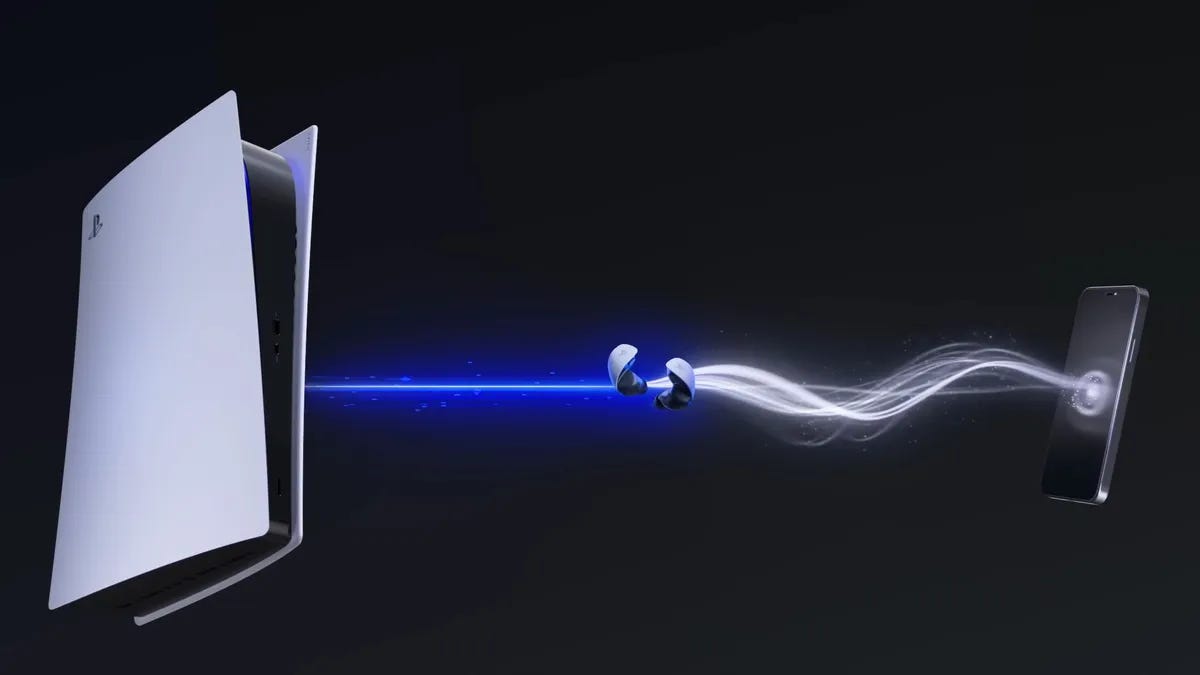
Core Insights - PS Link represents a significant opportunity for both Sony Interactive Entertainment and Sony Group, which should not be overlooked due to limited scope or poor execution [1] Product Quality and Integration - The rollout of PS Link has been mixed, with complaints regarding the quality of Sony's Pulse Elite and Explore headsets, particularly concerning connection issues [2] - Sony has successfully integrated PS Link into the PS Portal but failed to do so with the PS5 Slim and PS5 Pro, indicating a need for better integration across all SIE devices and peripherals [3] Rebranding and Strategic Partnerships - A recommendation is made for Sony to rebrand PS Link as Sony Link or S.Link, which could enhance its market perception and integration across various product lines [5][8] - It is suggested that Sony should partner with MediaTek to create an S.Link silicon solution, similar to Apple's H1/H2 chips, to facilitate easy device pairing and switching [5] Expansion into Other Devices - S.Link should be integrated into all Sony peripherals, including the new FlexStrike wireless Fight Stick and Pulse Elevate speakers, as well as popular headphones and smartphones [6][8] - The potential for S.Link to evolve into a premium alternative to Bluetooth is highlighted, with opportunities for licensing to third-party manufacturers, which could generate recurring revenue [9] Market Positioning and Revenue Potential - If Sony allocates sufficient resources and coordination, PS Link could revitalize its electronics business and differentiate it from competitors like Samsung and LG [10] - The successful implementation of S.Link could allow Sony to price the PS6 family of devices more competitively while increasing peripheral sales to offset costs [10]


人工智能供应链:台积电 CoWoS、Meta ASIC 和中国 GPU-Asia-Pacific Technology-AI Supply Chain TSMC CoWoS, Meta ASIC, and China GPU
2025-10-09 02:39
Summary of Key Points from the Conference Call Industry and Company Overview - **Industry**: AI Supply Chain, specifically focusing on semiconductor manufacturing and AI ASICs - **Key Companies**: TSMC (Taiwan Semiconductor Manufacturing Company), NVIDIA, Meta, Google, AWS, Alchip, MediaTek, GUC (Global Unichip Corp) Core Insights and Arguments 1. **CoWoS Capacity and Demand**: - TSMC's 2026 CoWoS capacity plan is currently under-supplying based on anticipated demand from key customers, particularly NVIDIA [2][10] - NVIDIA's RTX Pro 6000 forecast remains strong, indicating robust inference demand in China [1][2] - TSMC's current offering of 590k CoWoS-L wafers in 2026 is projected to be 20% below NVIDIA's demand [2] 2. **NVIDIA's AI ASIC Developments**: - The Rubin CPX GPU is expected to adopt TSMC's CoWoS-S packaging, with a performance of 30 PFLOPS and 128GB of GDDR7 memory [3][39] - NVIDIA's AI capacity costs are estimated at $50-60 billion per GW, with $35-40 billion allocated to NVIDIA, suggesting potential revenues of $350-400 billion starting in 2H26 [2][11] 3. **AI ASIC Volume Forecast**: - AI ASIC volumes could reach approximately 5.7 million units in 2026 and 8 million units in 2027, with Google and AWS being the primary players [47] - MediaTek's chances of winning the Meta MTIA project are diminishing due to strong competition from Broadcom and Marvell [57][58] 4. **Market Dynamics and Competitor Analysis**: - GUC is expected to benefit from increased demand for Google Axion CPUs, potentially contributing around $250 million to its revenue in 2026 [59] - Alchip is projected to generate approximately $1.8 billion in revenue from Trainium3 in 2026, despite a back-loaded shipment schedule [56] 5. **Capacity Expansion and Future Projections**: - TSMC's clean room space is ready for expansion to 110-120k if demand is confirmed, with a revised CoWoS capacity assumption of 100kwpm by 2026 [2][12] - The overall demand for CoWoS is expected to grow significantly, with NVIDIA's demand forecasted to increase by 61% in 2026 [20] Additional Important Insights - **NVIDIA's Strategic Positioning**: - NVIDIA's Rubin architecture is designed to optimize inference performance, potentially delivering a 30x to 50x return on investment [39] - The demand for NVIDIA's Blackwell GPU, including RTX Pro 6000, is strong among Chinese customers, with expected sales of 1.5 million to 2 million units in 2H25 [14] - **Competitive Landscape**: - SMIC is aggressively expanding its 7nm node capacity to meet domestic GPU and AI ASIC demand in China [14] - The competition in the AI ASIC market is intensifying, with various players vying for market share and technological advancements [57][58] This summary encapsulates the critical insights and projections regarding the AI supply chain, particularly focusing on TSMC and NVIDIA's roles within the semiconductor industry.

Broadcom: This Is the Biggest Risk the Stock Faces
The Motley Fool· 2025-10-05 08:44
Core Viewpoint - Broadcom has emerged as a key player in the AI infrastructure hardware market, particularly through its custom application-specific integrated circuits (ASICs), which are being adopted by hyperscalers to reduce costs in AI model training and inference [2][6]. Group 1: Company Overview - Broadcom is leveraging its expertise in custom chip design, particularly ASICs, to cater to the needs of large hyperscalers [2][4]. - The company has established strong partnerships with major tech firms, including Alphabet, Meta Platforms, and ByteDance, which are expected to represent a significant revenue opportunity [5][6]. - Broadcom's ASICs are preprogrammed for specific tasks, offering better performance and efficiency compared to general-purpose chips like GPUs, although they lack flexibility [3]. Group 2: Market Dynamics - The demand for Broadcom's ASICs is driven by the need for cost-effective solutions in AI, as hyperscalers seek to optimize their capital expenditures [9]. - Broadcom's close collaboration with Taiwan Semiconductor Manufacturing Company (TSMC) enhances its production capabilities and supports its custom chip offerings [4][11]. - The company is currently benefiting from a technical edge due to its proprietary intellectual property and expertise in low-power design [11]. Group 3: Risks and Challenges - Broadcom's reliance on a small number of large customers poses a significant risk, as losing any of these clients could substantially impact revenue and profits [7][10]. - There are indications that major tech companies, like Alphabet, are exploring alternative partnerships or in-house solutions, which could threaten Broadcom's market position [9][12]. - The long design cycles associated with ASICs mean that any shifts in customer strategy can render Broadcom's investments less valuable [10][13].
Exclusive: Qualcomm shifts chips to newer Arm tech as competition with Apple, MediaTek heats up
Reuters· 2025-10-01 13:01
Core Insights - Qualcomm has transitioned its flagship chips to the latest generation of Arm Holdings' computing architecture, enhancing AI performance capabilities [1] Group 1 - The new features introduced in Qualcomm's chips are specifically designed to improve AI performance [1]



MediaTek’s Foray into Smart TVs with the Pentonic 800
Medium· 2025-09-27 07:39
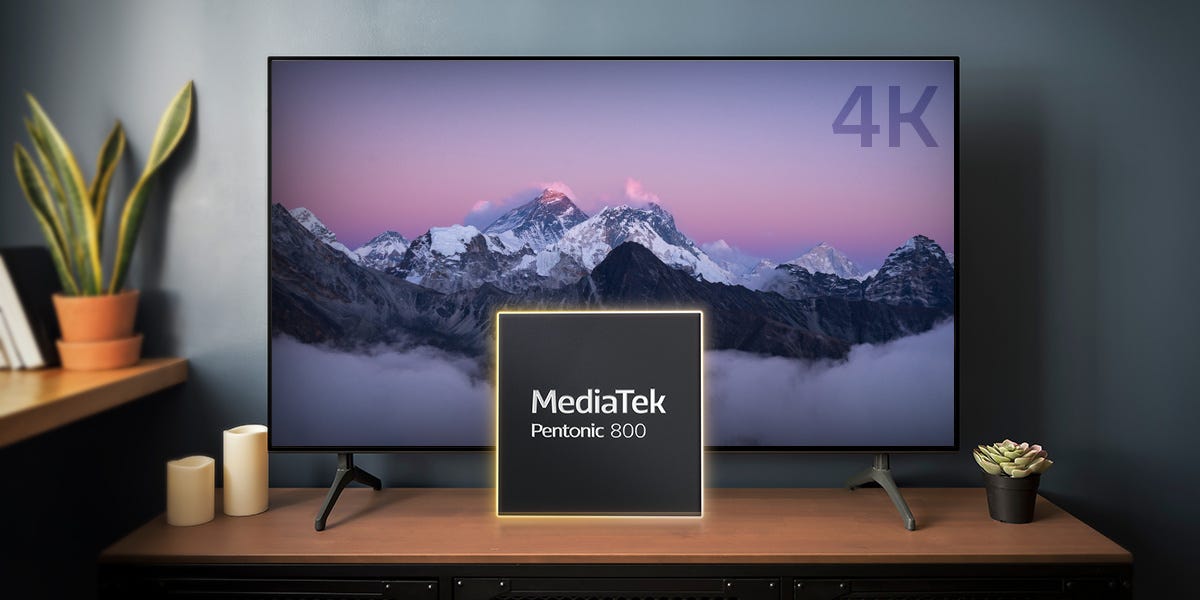
MediaTek’s Foray into Smart TVs with the Pentonic 800Benjamin3 min read·Just nowJust now--While I haven’t personally used a Smart TV powered by the MediaTek Pentonic 800, one of the most popular news pieces from IFA 2025 (tech industry exhibition) was that the new Hisense TVs would be powered by this SoC. And I haven’t used Hisense either (though you get them on Best Buy, I think).And this Mediatek SoC is also one of the first to support the new Dolby Vision 2 that has been released this month. As a home th ...
vivo宣布影像战略升级:预告多项影像新技术,X300系列将首发搭载
Xin Lang Ke Ji· 2025-09-26 12:47
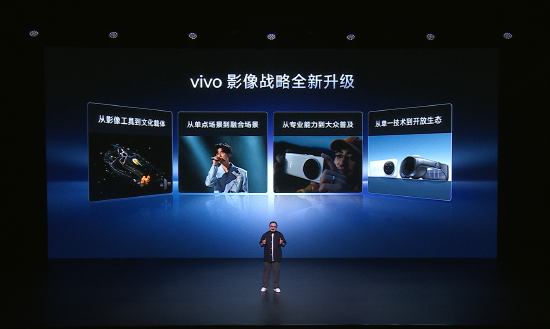
Core Insights - Vivo is upgrading its imaging strategy to create an open ecosystem centered around "scene solutions," aiming to evolve mobile imaging from a "tool" to a "cultural carrier" [1] - The upcoming Vivo X300 series will showcase this new strategy with enhancements in imaging quality, extreme scenarios, travel portrait, and video creation [1] Group 1: Imaging Technology Enhancements - The Vivo X300 Pro will feature a new 200MP APO super telephoto lens, a custom Samsung blueprint × HPB sensor, and a large 1/1.4-inch sensor [1] - The device will utilize advanced optical components, including a 1G+5P floating periscope lens group and low-dispersion glass, to improve image purity [1] - The NICE 3.0 optical reconstruction engine and MAGIC 2.0 image restoration engine will enhance the success rate of image capture by over 20% [1] Group 2: Scene-Specific Solutions - A new "Dynamic Portrait Algorithm" integrates zero-latency multi-frame capture with advanced imaging engines to capture facial details in low-light concert environments [2] - In sports scenarios, Vivo has developed a long-focus snapshot system that improves tracking stability by over 200% through collaboration with MediaTek [2] - The "AI Custom Beauty" feature allows for one-click batch retouching based on user preferences, enhancing portrait photography [2] Group 3: Video Capabilities - The X300 series will debut the blueprint × Sony LYT-828 sensor, enhancing performance in night and backlight conditions [3] - Vivo and MediaTek have collaborated to enable full 4K 120fps Dolby Vision HDR video recording with advanced stabilization features [3] - The series will support 4K 120fps 10bit log recording, marking a significant advancement in video capabilities for Android devices [3]
China's Xiaomi is planning a next-gen phone chip, but won't release one yearly like Apple
CNBC· 2025-09-26 10:18
Core Viewpoint - Xiaomi is set to launch its self-developed smartphone SoC, XRING 01, in late May, aiming to enhance its position in the high-end smartphone market, but it will not follow a yearly release schedule like Apple [1][5]. Group 1: Chip Development Strategy - Xiaomi plans to invest at least 50 billion yuan ($7 billion) over the next decade to develop its own chips, indicating a long-term commitment to semiconductor development [5]. - The company aims to produce 1 million units of the XRING 01 initially, but needs to reach 10 million units per chip release to break even, suggesting a cautious approach to scaling production [7][8]. - Xiaomi's strategy includes learning and planning for future chip generations, acknowledging the need for patience in achieving profitability [5][8]. Group 2: Competitive Landscape - Xiaomi's move to develop its own chips aligns with similar strategies from major competitors like Apple, Samsung, and Huawei, as it seeks to capture a larger share of the premium smartphone market [2]. - The company currently relies on Qualcomm and MediaTek for its smartphone chips but intends to continue this partnership while gradually introducing its own semiconductors [12][13]. Group 3: Technological Integration - The XRING 01 is based on a 3-nanometer manufacturing process, one of the most advanced technologies available, which positions Xiaomi competitively in the semiconductor space [3]. - Developing its own SoC allows Xiaomi to better integrate its hardware with its Android-based operating system, HyperOS, and its AI applications, HyperAI, enhancing user experience [9][11].

Futures Drop After Friday's Meltup, Gold Soars To New All-Time High
ZeroHedge· 2025-09-22 12:34
Market Overview - US futures are weaker after all major indexes closed at all-time highs (ATHs) on Friday, with S&P and Nasdaq futures down 0.3% as of 8:10 am [1] - The S&P is notably overbought, but bullish analysts suggest the overall uptrend may continue due to rising earnings expectations and market bets on two more rate cuts this year [1] - Pre-market trading shows Mag 7 stocks under pressure, with only TSLA and AAPL in the green [3] Corporate News - MediaTek is launching a new mobile processor aimed at competing with Qualcomm in handling agentic AI tasks [4] - BYD shares dropped following an investigation into Amer Sports due to environmental concerns related to a fireworks show [4] - Anywhere Real Estate shares soared 46% on a merger agreement with Compass Inc., while Compass shares fell 12% [4] - Cryptocurrency-exposed stocks, including Coinbase, are declining after over $1.5 billion in bullish bets were liquidated [4] - ASML shares rose 3% after receiving a third analyst upgrade in a month, indicating potential cyclical recovery [4] - Ionis shares increased 2% after a successful study announcement for its drug in treating Alexander disease [4] - Kenvue shares fell 5% after reports linked its drug's active ingredient to autism, which Kenvue disputed [4] - MBX Biosciences shares climbed 30% following positive Phase 2 clinical trial results [4] - Metsera shares surged 59% after Pfizer agreed to acquire the obesity startup for approximately $4.9 billion [4] - T-Mobile US shares slipped 1% after announcing a leadership change [4] Economic Indicators - The Federal Reserve's recent rate cut has led to a thin data calendar this week, with the main focus on the preferred inflation gauge release on Friday [6] - The upcoming payrolls report is anticipated to be a significant catalyst alongside the start of the earnings season next month [6] - Market sentiment is expected to drift this week due to the calm macro environment and the end of the earnings season [7] Precious Metals and Commodities - Gold prices hit a record high above $3,700, with ETF inflows reaching a three-year high, driven by expectations of further Fed rate cuts [12][19] - Silver prices also rose, reaching their highest level since 2011 [12] - Crude oil prices remained flat, while agricultural commodities mostly weakened [1][4] Global Market Movements - European stocks opened lower, with automobile and banking shares leading declines, while mining and technology stocks outperformed [14] - Asian stocks rose, supported by regional tech shares and a rally in Japan, with Samsung Electronics shares surging after passing Nvidia's quality test [15] - The MSCI Asia Pacific Index increased by 0.2%, led by gains in TSMC [15]