
Richemont

Search documents
Coach母公司赚翻了;历峰考虑出售积家 |二姨看时尚
2 1 Shi Ji Jing Ji Bao Dao· 2026-02-09 06:54
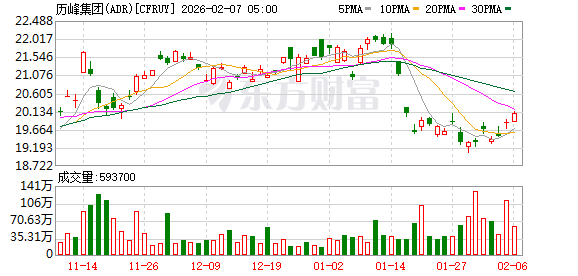
Group 1 - Several brands reported stable growth or exceeded market expectations, with DTC channels becoming the core growth engine, particularly in North America and China [2] - Under Armour's third-quarter performance exceeded expectations, with adjusted diluted earnings per share of $0.09, significantly better than the expected loss of $0.02 per share [3][4] - Canada Goose's third-quarter revenue grew by 14.2%, driven by strong performance in the Chinese market, which has become a key growth driver [7] Group 2 - Estée Lauder reported a net sales increase of 6% to $4.2 billion, returning to profitability with a net profit of $162 million, attributed to its transformation strategy [8] - Ralph Lauren's third-quarter net profit increased by 21.6% to $361.6 million, with net sales rising by 12% to $2.4 billion, driven by a significant increase in average unit retail price [9][10] - Tapestry's Coach brand saw a 25% increase in sales to $2.1 billion, contributing to record overall performance for the group [15][16] Group 3 - Capri Holdings reported a quarterly revenue of $1.025 billion, exceeding expectations, with a significant reduction in net debt to $80 million [19][20] - The luxury sector is witnessing strategic shifts, with brands like Pandora entering the platinum jewelry market to mitigate silver price volatility [17][18] - Bottega Veneta appointed Emilie Leblanc as the new global marketing and communications director, indicating a focus on stabilizing brand messaging during leadership transitions [22][23] Group 4 - The luxury watch sector is facing challenges, with Richemont considering the sale of Jaeger-LeCoultre due to ongoing performance issues in its watch division [11][12] - Zegna Group reported a slight revenue decline of 1.5% for the fiscal year, with DTC channels showing strong growth while wholesale channels contracted [23][24]


全球奢侈品_中国需求动态-Global Luxury Goods_ Chinese demand dynamics
2026-02-02 02:22
Summary of Global Luxury Goods Conference Call Industry Overview - The luxury goods industry is experiencing a shift in dynamics, particularly influenced by changes in Chinese consumer behavior and macroeconomic conditions. China remains a crucial market for luxury brands despite moderating demand growth and increased competition [1][2]. Key Insights Chinese Demand Dynamics - A recovery in Chinese demand is essential for the luxury sector to return to mid-single-digit (MSD) growth. Chinese nationals are projected to account for 23% of global luxury demand by 2025 [2][17]. - The luxury sector's growth is heavily reliant on the revival of Chinese consumer spending, as support from other regions (American, European, Middle Eastern) is insufficient to drive growth back to 6%+ organic levels [2][17]. Macroeconomic Challenges - The collapse of real estate values in China has led to broader economic woes, resulting in consumers feeling poorer and increasing their savings, which negatively impacts growth and employment [3][20]. - Younger consumers are particularly affected, with changing attitudes towards spending as they face diminished career prospects and are seeking more affordable lifestyles [4][25]. Consumer Behavior Changes - Older, wealthier consumers are less impacted by economic downturns and are beginning to increase their spending on luxury goods, aided by a stock market revival [5][26]. - The discretionary consumer demand is showing signs of improvement, particularly in the second half of 2025, with reports of increased traffic and revenues in retail spaces [7][33]. Competitive Landscape - The luxury market is becoming more competitive as consumers are more discerning, focusing their budgets on "must-have" brands. Brands like Hermes, Chanel, and Louis Vuitton are performing well, while others like Kering are struggling [9][41]. - Value for money is becoming a significant factor, with consumers willing to trade up to more desirable brands or down to more affordable options. Local Chinese brands are gaining traction in the lower price segments [10][46]. Investment Implications - The luxury sector is on a gradual recovery trajectory, but volatility remains due to underlying demand fluctuations and geopolitical tensions. Investors are advised to focus on high-quality brands like Hermès, Richemont, and LVMH, which are expected to perform well if positive trends continue [13][14]. - Brands with strong desirability and innovation will sustain consumer interest, while those lagging behind may face significant challenges [9][41]. Future Outlook - The luxury market is expected to see a U-shaped recovery, with improvements in both mass market and premium segments, although high-end luxury may lag behind [7][33]. - The long-term outlook suggests that crises do not last forever, and the Chinese luxury market will likely rebound as it has in the past [6][31]. Additional Important Points - The luxury sector's performance is closely tied to the economic health of China, with significant implications for global luxury brands if they fail to adapt to the changing landscape [11][50]. - The rise of domestic brands in China presents both a challenge and an opportunity for established luxury brands, as these local players are gaining market share and consumer loyalty [11][50]. This summary encapsulates the key points discussed in the conference call regarding the luxury goods industry, particularly focusing on the dynamics of the Chinese market and the implications for global luxury brands.
普拉达:25Q4 高基数下表现稳健,26 年范思哲并表开启新篇章-20260130
GUOTAI HAITONG SECURITIES· 2026-01-30 00:25
Investment Rating - The investment rating for the company is "Buy" [7] Core Insights - The company is expected to maintain stable performance despite high base effects, with currency fluctuations potentially causing short-term profit disturbances. The expansion of Miu Miu and the consolidation of Versace are anticipated to contribute new revenue streams in 2026. The overall customer base remains robust as the industry transitions into a new normal [2][11]. Financial Summary - Total revenue projections (in million euros) are as follows: - 2024A: 5,432 - 2025E: 5,716 (+5.2%) - 2026E: 6,162 (+7.8%) - 2027E: 6,640 (+7.8%) [4] - Gross profit estimates (in million euros): - 2024A: 4,337 - 2025E: 4,573 - 2026E: 4,935 - 2027E: 5,325 [4] - Net profit attributable to shareholders (in million euros): - 2024A: 839 - 2025E: 882 (+5.2%) - 2026E: 959 (+8.7%) - 2027E: 1,046 (+9.0%) [4] Market Outlook - The company is expected to achieve a retail sales growth of approximately high single digits in 2025, leading the industry. The retail growth rate for Q4 2025 is projected to be in the mid-single digits, slightly slowing from Q3. Miu Miu's retail growth rate for Q4 2025 is expected to be between 15-20% [11]. - The company plans to expand Miu Miu's retail space by 10%-15%, focusing on the Eurasian region and further penetrating the U.S. market by 2027. Prada aims to balance its strategic price points while enhancing its product offerings to attract both mass and high-net-worth customers [11]. Valuation Metrics - The company is projected to have a Price-to-Earnings (PE) ratio of: - 2025E: 20X - 2026E: 14.88 - 2027E: 13.65 [11] - The Price-to-Book (PB) ratio is expected to decrease from 3.24 in 2024A to 2.42 in 2027E [4].
LVMH shares plummet 7% as fourth-quarter results lag competitors
CNBC· 2026-01-28 08:23
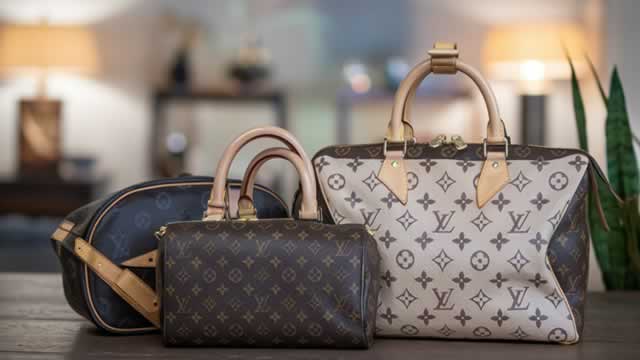
Core Viewpoint - LVMH reported mixed full-year earnings, leading to a significant drop in its share price by over 7% in morning trading [1][2] Financial Performance - Organic revenue growth was 1% in Q4, unchanged from the same period last year [1] - Full-year revenue declined by 1% [1] Market Reaction - Shares of LVMH were last seen down 7.7% [2] - Analysts noted that investors had anticipated stronger results, especially in light of positive performances from competitors like Richemont, Burberry, and Cucinelli [2]
LVMH beats earnings expectations as China recovery mounts
CNBC· 2026-01-27 17:13
Luxury conglomerate LVMH reported better-than-expected earnings after the bell on Tuesday and a second quarter of organic revenue growth, as the sector's recovering business in China starts to show up in balance sheets.Organic revenue grew by 1% in the fourth quarter, flat from the same period a year earlier. Over the full year, revenue decline 1%.The company reported fourth-quarter revenue of 22.7 billion euros, beating LSEG estimates of 22.2 billion euros. For the full year, revenue came to 80.8 billion e ...

宝洁一个季度销售222亿美元;名士表被历峰卖了 |看时尚
2 1 Shi Ji Jing Ji Bao Dao· 2026-01-26 06:16
Group 1: Luxury Goods Industry Trends - Companies in the luxury goods sector are focusing on mergers and acquisitions to optimize brand portfolios and enhance core business operations, as seen with China Duty Free Group's acquisition of DFS's Hong Kong and Macau operations and LVMH's investment [1] - The luxury watch market is witnessing consolidation, exemplified by the Swiss Watches of Switzerland Group's acquisition of Deutsch & Deutsch, reinforcing its position in the U.S. high-end watch market [4][5] - Richemont's sale of Baume & Mercier to Damiani reflects a strategic move to streamline its brand matrix and concentrate on higher-end watch brands [6][7] Group 2: Consumer Goods Performance - Procter & Gamble reported Q2 net sales of $22.208 billion, a slight increase of 1% year-over-year, with a net profit of $4.331 billion, down 7% [2] - The beauty segment of Procter & Gamble is a growth driver, with sales reaching $4.039 billion, up 5% year-over-year, supported by strong performance in markets outside the U.S. [3] Group 3: Market Adjustments and Leadership Changes - Nike is undergoing leadership changes in its Greater China region, appointing Cathy Sparks as the new General Manager to address declining sales, which fell 17% year-over-year in Q2 [8][9] - L'Occitane is considering an IPO in the U.S. after completing its privatization, aiming to align its market strategy with its business layout [10][11] Group 4: Regional Market Insights - Burberry's retail revenue reached £665 million, with a 1% year-over-year increase, driven by a 6% growth in the Greater China region [12][13] - The appointment of Daniele Zito as Chief Commercial Officer at Kering aims to enhance operational efficiency and retail value across its brands [14][15] Group 5: Strategic Investments - L Catterton's acquisition of a minority stake in EX NIHILO aims to bolster the brand's presence in the high-end perfume market, capitalizing on the growing demand for luxury fragrances [19][20]


Richemont Sells Loss-making Baume & Mercier to Italian Jeweler Damiani
Yahoo Finance· 2026-01-22 16:55
Core Viewpoint - Richemont has sold its Baume & Mercier watch brand to Italian jeweler Damiani, aiming to enhance the brand's long-term potential through Damiani's distribution network and market presence in Italy [1][2]. Group 1: Transaction Details - The sale of Baume & Mercier was a private transaction, with terms not disclosed [1]. - Richemont will provide operational services for Baume & Mercier for at least 12 months post-sale, expected to close in summer 2026 [3]. Group 2: Brand Performance and Strategy - Baume & Mercier has struggled for years and is considered one of the more commercial brands in Richemont's watch division, primarily relying on wholesale distribution [3][5]. - Kepler Cheuvreux noted that the brand has approximately 100 million euros in revenues and is currently loss-making [5]. Group 3: Future Plans and Market Position - Damiani plans to enhance Baume & Mercier's visibility by utilizing its multibrand distribution network and opening mono-brand boutiques in strategic locations over time [2]. - Despite the sale, high-end watches are expected to remain a key pillar for Richemont, and the exit is not seen as a major strategic shift [5].
Here are the European exporters most exposed if Trump’s Greenland tariffs kick in
CNBC· 2026-01-19 10:53
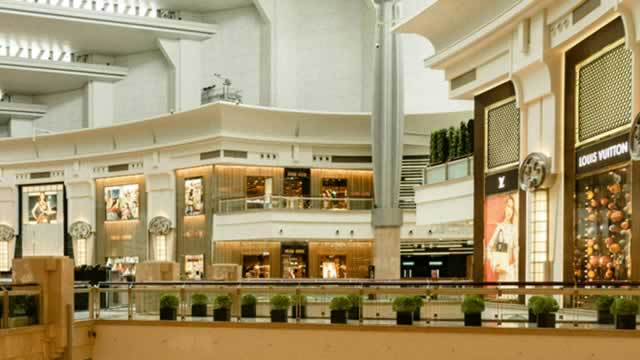
Tariff Threats and Economic Impact - U.S. President Donald Trump has announced plans to impose 10% tariffs on several European countries, escalating to 25% by June 1, as part of a strategy to acquire Greenland [2] - European political leaders are preparing for emergency talks to discuss potential retaliatory measures and broader economic policies in response to the tariffs [3] Affected Sectors Automotive - The automotive sector is highly vulnerable to the proposed tariffs due to globalized supply chains and reliance on North American manufacturing [4] - Major European car manufacturers, including Volkswagen, BMW, and Mercedes-Benz, experienced stock declines of over 2.5% following the announcement [5] - The tariffs are expected to negatively impact Germany's economic outlook, which is heavily reliant on the automotive industry [7][8] Luxury Goods - Luxury stocks, previously insulated from trade tensions, are now facing potential declines due to the tariffs, particularly affecting French companies like LVMH and Kering [9] - Shares of LVMH and Kering fell approximately 3.5% and 2.6%, respectively, following the tariff threats [10] Pharmaceuticals - The pharmaceutical sector could see significant repercussions, as it represents the EU's largest export to the U.S., with exports valued at €84.4 billion ($98.1 billion) in the first three quarters of the previous year [11] - Major pharmaceutical companies, including Novo Nordisk, Roche, and Sanofi, experienced slight declines in stock prices due to the tariff threats [12] Energy - The energy sector may be indirectly affected by the tariffs, with concerns over weaker global demand and lower crude prices impacting stock performance [13] - Energy stocks like Equinor, TotalEnergies, Shell, and BP saw declines ranging from 1% to 3.4% following the announcement [14] Broader Economic Implications - Analysts predict that the tariffs will have a widespread impact across various sectors, affecting oil prices, commodity prices, equity markets, and debt markets [16]

Richemont delivers double-digit sales growth in Q3
Yahoo Finance· 2026-01-16 14:14
Core Insights - Swiss luxury retailer Richemont, owner of Cartier, reported a 4% increase in group sales to €6.4 billion ($7.43 billion) for Q3 ended December 31, 2025, with an 11% rise at constant exchange rates [1][4] Group Performance - The Jewellery Maisons drove performance with a 14% increase in sales at constant rates, while the Specialist Watchmakers division saw a 7% revenue increase [2] - The 'other' business area remained stable, and Fashion & Accessories Maisons achieved a 3% sales increase [2] Geographic Performance - Sales in the Americas rose by 14%, supported by strong domestic demand across all segments [3] - Japan experienced a 17% increase, driven by sustained local demand and tourist spending [3] - The Middle East & Africa had the strongest regional growth at 20%, led by the UAE [3] - Europe saw an 8% increase in sales, supported by local consumption and tourist activity [3] - Asia Pacific reported a 6% growth, with gains in most markets offsetting weaker performance in China, Hong Kong, and Macau [3] Distribution Channels - Retail remained the largest distribution channel, with sales through directly operated stores rising 12% at constant exchange rates, accounting for 72% of total group revenue [4] - Wholesale and royalty income increased by 9%, while online retail sales grew by 5% [4] Financial Position - For the nine months ended December 31, 2025, group sales totaled €17 billion, reflecting a 10% growth at constant exchange rates and 5% at actual rates [4] - As of December 31, 2025, Richemont reported a net cash position of €7.6 billion, slightly down from €7.9 billion a year earlier [5]
历峰集团2026财年第三季度销售额同比增长11%,珠宝部门销售同比增长14%
Cai Jing Wang· 2026-01-16 04:04
Core Insights - Richemont reported a total sales increase of 11% year-on-year to €6.399 billion for the third quarter of the fiscal year 2026, ending December 31, 2025 [1] Sales Performance by Distribution Channel - Retail channel sales increased by 12% year-on-year [1] - Online sales grew by 5% year-on-year [1] - Wholesale and authorized channel sales rose by 9% year-on-year [1] Sales Performance by Region - Asia-Pacific sales increased by 6% year-on-year, with China market sales growing by 2% in the third quarter [1] - European sales rose by 8% year-on-year [1] - Americas market sales increased by 14% year-on-year [1] - Middle East and Africa sales grew by 20% year-on-year [1] Sales Performance by Department - The jewelry segment, led by Cartier, saw a sales increase of 14% to €4.785 billion [1] - The specialist watchmaking segment reported a sales increase of 7% to €0.872 billion [1]