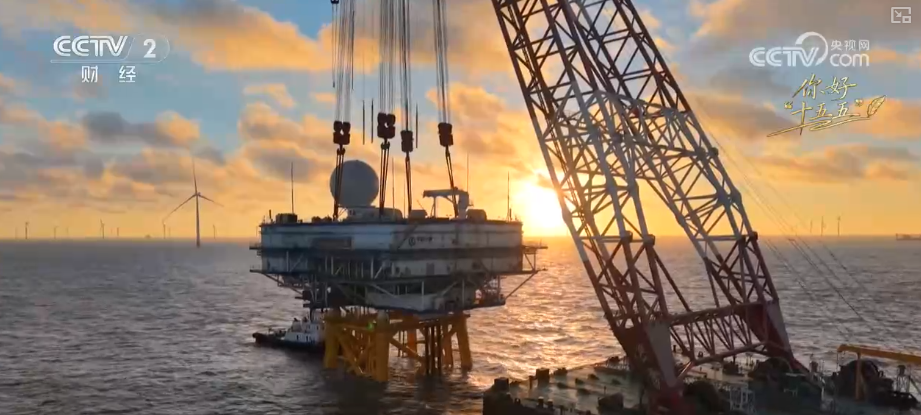
以绿制绿

Search documents
首批国家级零碳园区名单发布!52个园区如何拿到零碳建设入场券?
Yang Shi Xin Wen· 2026-01-04 09:21
Core Viewpoint - The announcement of the first batch of national-level zero-carbon park construction lists marks a significant step in China's systematic promotion and large-scale practice of zero-carbon parks, transitioning from preliminary planning to a national-level initiative [1][10]. Group 1: Definition and Standards - Zero-carbon parks aim to achieve extremely low carbon emissions through various technical and management measures, reaching a "near-zero" emission state [1]. - The construction list indicates that the selected 52 parks are in a "key class" for zero-carbon parks, with a construction period of 3 to 5 years to meet national "graduation" standards [2]. - The core standard for these parks is a stringent measure of carbon emissions per unit of energy consumed, aiming to reduce emissions to about one-tenth of the current national average [2]. Group 2: Specific Examples and Strategies - The Fuding Industrial Park in Fujian aims to create a zero-carbon manufacturing model by 2028, utilizing a "park within a park" model and focusing on green energy projects like offshore wind and solar power [3][5]. - The Ordos Mengsu Economic Development Zone in Inner Mongolia has already achieved a 67% clean energy consumption rate and plans to build additional renewable energy power stations to meet national requirements [5][6]. Group 3: Common Features and Economic Impact - All selected parks share a common strategy of "green electricity direct supply" and "green production," with at least 50% of their electricity consumption sourced from renewable energy projects [8]. - The total expected output value of the 52 zero-carbon parks upon completion is projected to exceed 3.54 trillion yuan, while significantly reducing carbon emissions, thus decoupling economic growth from carbon output [8]. Group 4: Long-term Significance - The construction of zero-carbon parks is seen as a crucial testing ground for accelerating the development of new energy and industrial systems, as well as a breakthrough for cultivating green productivity [9]. - These parks represent a commitment to a green transformation strategy and demonstrate confidence in addressing climate change [9][10].

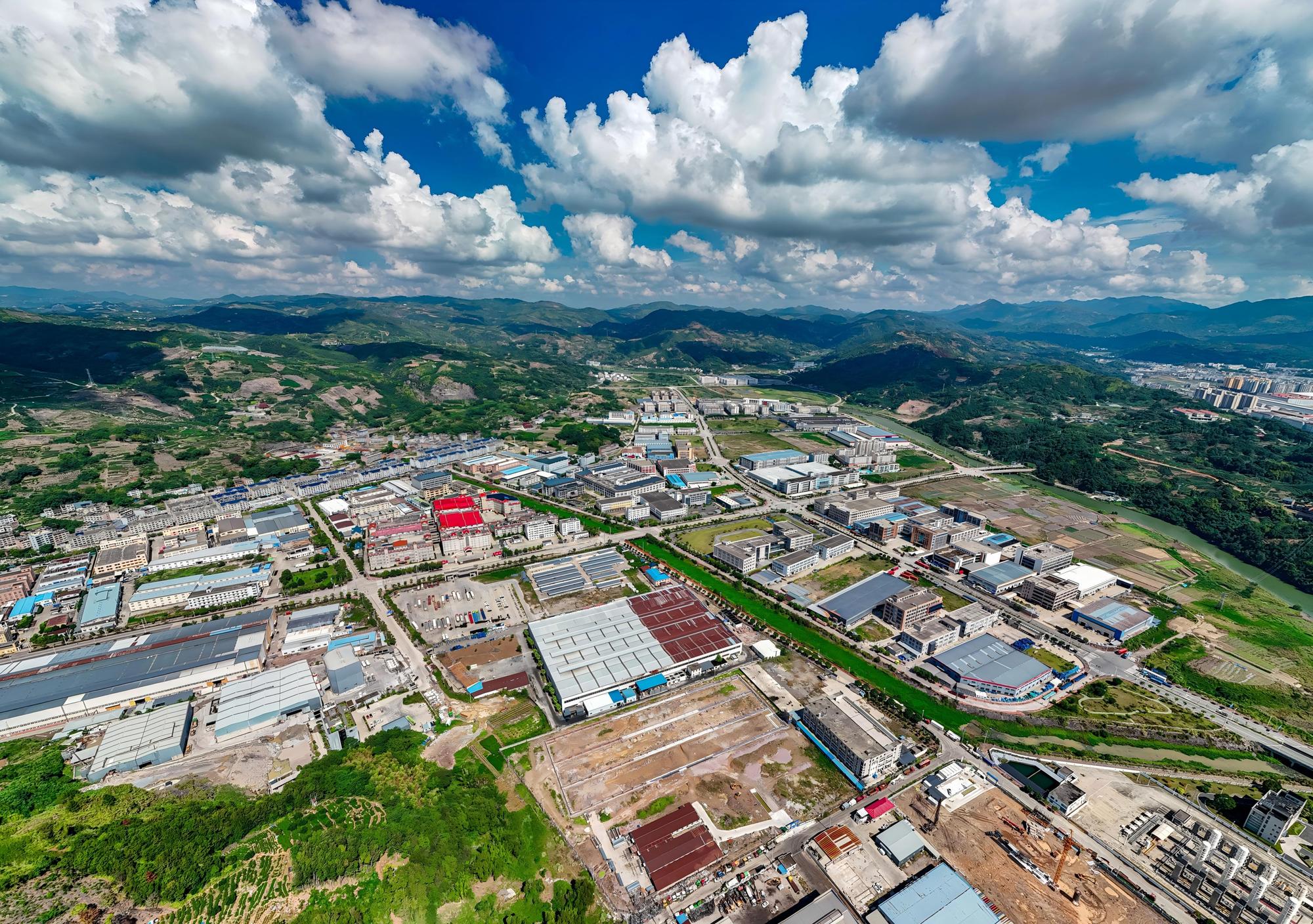
大丰港经开区溧阳高新区入选
Xin Hua Ri Bao· 2025-12-28 21:59
Group 1 - The National Development and Reform Commission, Ministry of Industry and Information Technology, and National Energy Administration announced the first batch of national-level zero-carbon park construction lists, with Jiangsu Yancheng Dafeng Port Economic Development Zone and Jiangsu Changzhou Liyang High-tech Industrial Development Zone successfully selected [1][2] - Dafeng Port Zero Carbon Industrial Park has established an ecological system of "green energy + zero-carbon industry + international certification," responding to the national "green production" directive and providing a replicable model for industrial and energy transformation in coastal areas [1] - The park has pioneered a green electricity direct supply model based on "State Grid framework + green electricity physical traceability," achieving an annual direct supply of approximately 20.33 million kilowatt-hours of green electricity, certified by the British Standards Institution (BSI) [1] Group 2 - Liyang High-tech Zone leverages its advantages in leading industries such as power batteries and smart grids to explore a zero-carbon development paradigm centered around a "two networks and one center" (smart energy network, intelligent transport network, zero-carbon scenario innovation center) [2] - The zero-carbon scenario innovation center acts as the "smart brain" of the two networks, utilizing AI algorithms to integrate comprehensive data on water, electricity, gas, and heat within the park, enabling precise energy perception and intelligent scheduling, which can reduce electricity costs by 0.2 yuan per kilowatt-hour [2] - The park aims to deepen the construction of the "two networks and one center," facilitating the local application of new technologies and products, and promoting the zero-carbon model from regional practices to nationwide dissemination [2]
首批国家级零碳园区开建 “以绿制绿”以极低排放水平支撑巨大产值增量
Yang Shi Wang· 2025-12-27 03:20
Core Viewpoint - China is entering a critical period for achieving carbon peak goals and comprehensive green transformation, with the establishment of national-level zero-carbon parks being a key initiative to address challenges such as increased pressure on renewable energy consumption and international green trade barriers [1] Group 1: Zero-Carbon Park Overview - The first batch of 52 national-level zero-carbon parks has been officially announced, selected from numerous national and provincial parks, aiming to create "green transformation highlands" rather than "policy lowlands" [1] - Zero-carbon parks are designed to reduce carbon emissions from production and living activities to "near-zero" levels, with a target of achieving a carbon emission level approximately one-tenth of the current average for similar parks [4][6] - The parks will rely on wind and solar resources, with a requirement that at least 50% of their electricity consumption comes from green power [6] Group 2: Economic Impact and Industry Focus - The first batch of zero-carbon parks is expected to generate an output value of 3.54 trillion yuan [8] - The parks will focus on low-energy, low-pollution, and high-value-added industries, primarily in renewable energy equipment manufacturing and advanced equipment manufacturing [6][8] - 24 of the parks are currently advancing major projects, while another 24 have initiated preliminary work, indicating significant progress in construction [8] Group 3: Funding and Support Mechanisms - Relevant departments are coordinating existing funding channels and encouraging policy banks to provide medium- to long-term credit, supporting a diversified financing mechanism for the parks [9] - The parks are also exploring "green production" methods, which will enhance the competitiveness of green products in the market [9][11] Group 4: Regional Development and Resource Utilization - The zero-carbon parks will leverage regional advantages, with central and western regions utilizing wind and solar resources for industrial transfer, while eastern regions will enhance the green competitiveness of export products through offshore wind power [11] - In Jiangsu, the zero-carbon industrial park is already implementing "green production" practices, with all electricity used in production sourced from green energy [11]
国家级零碳园区正式拉开“施工”大幕丨美丽中国·寻找零碳先锋
中国能源报· 2025-12-26 03:41
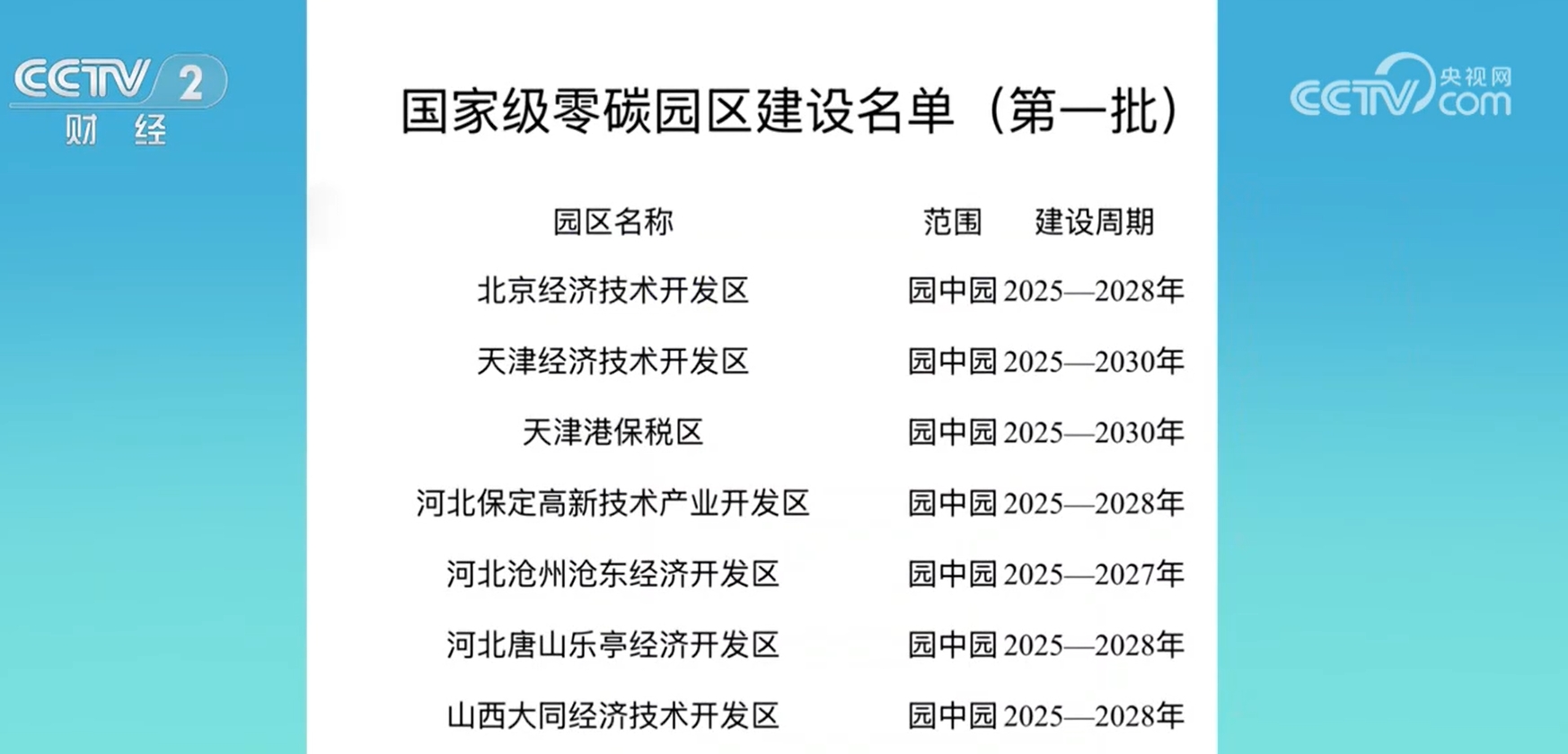
Core Viewpoint - The article emphasizes the ongoing transformation towards "zero carbon" in China, highlighting the commitment to green and low-carbon development as part of the "dual carbon" goals, which aims to reshape industrial structures and economic development models in response to global climate challenges [1]. Group 1: National Zero Carbon Park Initiative - The first batch of national-level zero carbon parks has been officially announced, with 52 parks covering 31 provinces and regions, marking the beginning of large-scale and systematic promotion of zero carbon park construction in China [2][10]. - The selection of these parks is characterized by "high standards, high participation, and stable construction cycles," indicating a strong foundation for the zero carbon initiative [3]. - The construction of these parks is expected to generate a total output value of approximately 3.54 trillion yuan, with energy consumption exceeding 60 million tons of standard coal and carbon emissions below 1.5 million tons [6]. Group 2: Regional Developments and Projects - In Fujian, significant projects such as a 1,400 MW offshore wind power project and a 390 MW photovoltaic project are underway, aiming to establish a zero carbon manufacturing model [4]. - Shanxi's Dazhong Economic and Technological Development Zone is adopting a "park within a park" model, with plans for 300 MW of photovoltaic capacity and 200 MW of wind power, targeting a comprehensive energy consumption reduction [4]. - Jiangsu's Liyang High-tech Industrial Development Zone is transitioning from planning to construction, with projects like a 400 MW photovoltaic power generation project expected to provide 500 million kWh of green electricity annually by 2026 [5]. Group 3: Policy and Market Dynamics - The construction of zero carbon parks is seen as a critical step in promoting green transformation and exploring low-carbon development paths, with a focus on "green electricity direct supply" as a core strategy [7][10]. - The initiative is supported by a series of policy documents from central and local governments, which clarify the top-level design and practical pathways for zero carbon park construction [6]. - The parks are expected to attract quality projects and capital, leveraging the growing market demand for green energy and carbon management solutions [6]. Group 4: Technical and Operational Standards - The zero carbon parks aim to reduce carbon emissions to "near zero" levels, with specific targets for energy consumption and carbon emissions set at 0.2 tons per ton of standard coal for parks consuming 200,000 to 1 million tons of coal annually [12][13]. - Additional guiding indicators include a clean energy consumption ratio of no less than 90% and a comprehensive utilization rate of industrial solid waste of no less than 80% [14]. - The parks will serve as experimental grounds for new energy systems and will play a significant role in promoting deep decarbonization of industries [9][11].
海南自贸港分步骤开展零碳园区建设
Hai Nan Ri Bao· 2025-12-22 02:18
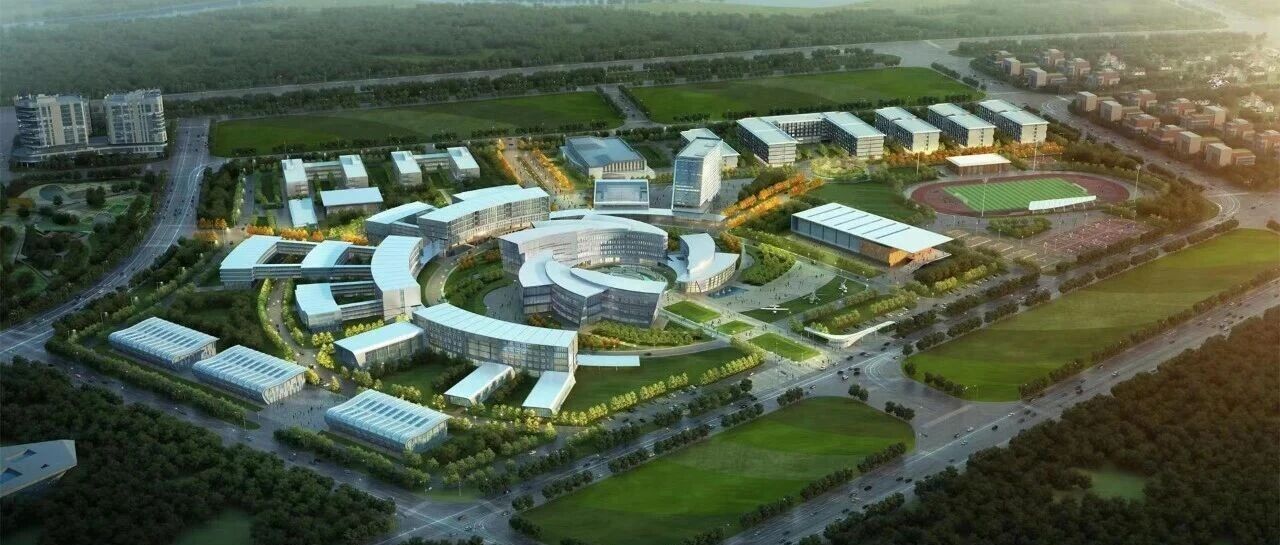
Core Viewpoint - Hainan Province is initiating a step-by-step approach to develop zero-carbon parks, focusing on six key tasks to promote low-carbon and zero-carbon transformations in various parks [2][3]. Group 1: Key Tasks for Zero-Carbon Park Development - The first task is to construct a new type of zero-carbon energy system, which includes integrating parks with surrounding renewable energy sources such as wind, solar, biomass, and nuclear energy, and promoting the development of zero-carbon energy projects [3]. - The second task involves creating new models for industrial carbon reduction, supporting research and demonstration projects in areas like CCUS and new materials, and encouraging traditional industries to transition to green low-carbon practices [3]. - The third task focuses on implementing new carbon reduction demonstrations in building construction, ensuring new buildings meet ultra-low energy consumption standards and promoting energy-saving renovations for existing structures [3]. Group 2: Transportation and Carbon Management - The fourth task aims to improve the transportation decarbonization system by upgrading green transportation infrastructure and supporting the use of new energy vehicles and vessels within the parks [4]. - The fifth task is to establish a smart carbon management system, while the sixth task explores long-term carbon management pathways [5]. - The notification emphasizes the need for coordinated efforts from local governments and financial support through various funding sources to facilitate the construction of zero-carbon parks [5].
我省将开展零碳园区建设
Xin Lang Cai Jing· 2025-12-21 17:39
Core Viewpoint - The Hainan Free Trade Port is set to advance the construction of zero-carbon parks through a structured and phased approach, focusing on low-carbon and zero-carbon transformations in various parks [1] Group 1: Zero-Carbon Energy System - The key task is to establish a new zero-carbon energy system by integrating parks with surrounding renewable energy sources such as wind, solar, biomass, and nuclear energy [1] - The initiative promotes the development of green electricity supply models and encourages participation in green certificate trading [1] - The implementation of smart microgrids is aimed at enhancing the flexibility and resilience of park distribution networks [1] Group 2: Industrial Decarbonization - Support for parks to engage in advanced technology research and demonstration projects in areas like CCUS, new materials, and future energy [2] - Encouragement for traditional industries to undergo green low-carbon transformations, including electrification and energy-efficient factory construction [2] - The establishment of a circular economy system within parks to optimize resource utilization and promote recycling of industrial waste [2] Group 3: Building Decarbonization - New buildings in parks are to be designed and constructed according to ultra-low energy, near-zero energy, or green building standards [2] - Existing buildings will undergo energy-saving retrofits, with a focus on enhancing electrification levels [2] - Adoption of technologies such as centralized cooling and heat recovery systems to reduce operational costs and carbon emissions [2] Group 4: Transportation Decarbonization - Upgrading green transportation infrastructure within parks, including charging stations and hydrogen refueling stations [3] - Promotion of green transport methods, including the use of new energy trucks and logistics vehicles [3] - Encouragement of interactive technology applications between vehicles and the grid [3] Group 5: Carbon Management Systems - Development of an energy and carbon emission management platform to monitor and optimize energy use in parks [3] - Support for carbon footprint accounting and resource utilization efficiency [3] - Encouragement for various stakeholders to participate in the construction of zero-carbon parks [3] Group 6: Financial and Policy Support - The provincial development and reform commission will coordinate efforts to enhance support for zero-carbon parks [4] - Local governments are tasked with establishing mechanisms to ensure the implementation of zero-carbon park initiatives [4] - Financial support will be sought from various sources, including central budget investments and green financing options [4]
国家能源局关于促进新能源集成融合发展的指导意见
国家能源局· 2025-11-12 08:58
Core Viewpoint - The article emphasizes the need for integrated and collaborative development of renewable energy in China, aiming to enhance energy security and support the country's green transformation by 2030 [4][5]. Overall Requirements - The development of renewable energy should align with Xi Jinping's thought and the new development philosophy, focusing on system integration, technological innovation, and multi-dimensional utilization [4]. Accelerating Multi-Dimensional Integrated Development of Renewable Energy - Enhance the complementary development of various renewable energy sources, optimizing energy structures and storage configurations [5]. - Strengthen the intensive and composite utilization of renewable energy development space, promoting co-construction of wind and solar projects [6]. - Promote distributed renewable energy integration across various sectors, including transportation and rural energy systems [7]. - Advance integrated operation of renewable energy, improving forecasting accuracy and operational efficiency [8]. Promoting Synergistic Development with Multiple Industries - Accelerate the green manufacturing of renewable energy equipment and establish competitive manufacturing bases [9]. - Optimize the collaboration between renewable energy and traditional industries, enhancing energy efficiency and reducing costs [10]. - Foster the integration of renewable energy with emerging industries, such as computing power and advanced manufacturing [10]. Promoting Diversified Non-Electric Utilization of Renewable Energy - Enhance the collaborative development of wind, solar, hydrogen, and storage technologies [11]. - Establish comprehensive industrial bases for green hydrogen and ammonia, focusing on resource-rich areas [12]. - Encourage the application of renewable energy in heating and cooling systems across various industries [13]. Strengthening Organizational Support - Organize and prioritize the construction of integrated renewable energy projects in regions with high penetration rates [13]. - Optimize project investment and management processes to facilitate the development of integrated projects [14]. - Improve power dispatch mechanisms to ensure the stability and efficiency of renewable energy integration [14].

国家能源局:促进新能源集成融合发展
Yang Shi Wang· 2025-11-12 07:40
Core Viewpoint - The National Energy Administration of China has released guidelines to promote the integrated development of renewable energy, aiming for significant advancements by 2030, enhancing reliability and market competitiveness, and supporting a green transition in the economy and society [1][3]. Summary by Sections Overall Requirements - The guidelines emphasize a systematic integration and unified development approach for large-scale renewable energy deployment and high-level consumption, enhancing supply reliability and system stability [3]. - The focus is on technological innovation, industrial collaboration, and expanding non-electric applications of renewable energy to improve market competitiveness and create new development models [3]. Accelerating Multi-Dimensional Integrated Development - The guidelines call for optimizing the energy structure and storage configurations of renewable energy bases, encouraging deep collaboration between renewable and coal power [4]. - There is a push for concentrated renewable energy projects to share infrastructure and enhance land use efficiency [5]. - Distributed renewable energy development is encouraged in transportation and rural areas to improve local energy supply and consumption [6]. Promoting Collaborative Development with Multiple Industries - The guidelines advocate for a green manufacturing approach in renewable energy equipment, enhancing the competitiveness of manufacturing bases [7]. - Traditional industries are encouraged to optimize their energy consumption processes and reduce carbon footprints through collaboration with renewable energy [8]. - New industries are to be integrated with renewable energy to foster a new ecosystem of industrial development [8]. Promoting Diverse Non-Electric Utilization - The guidelines highlight the importance of developing hydrogen storage technologies and establishing comprehensive hydrogen energy bases [9]. - There is a focus on utilizing renewable energy for heating applications in various industries, promoting a multi-energy coupling approach [10][11]. Strengthening Organizational Support - The National Energy Administration will prioritize support for regions with high renewable energy penetration for integrated project construction [12]. - The guidelines propose optimizing project management processes and encouraging local governments to support renewable energy integration projects [13].
国家能源局:加快推动新能源产业链“以绿制(造)绿”
Zheng Quan Shi Bao Wang· 2025-11-12 07:17
Core Viewpoint - The National Energy Administration has released guidelines to promote the integrated development of the renewable energy industry, emphasizing the need for a "green manufacturing" approach within the industry chain [1] Group 1: Industry Development - Accelerate the promotion of the renewable energy industry chain to achieve "green manufacturing" [1] - Enhance the application level of green electricity in renewable energy equipment manufacturing in resource-rich areas [1] - Create more competitive renewable energy manufacturing bases through improved spatial agglomeration efficiency [1] Group 2: Innovation and Collaboration - Strengthen collaborative innovation across the upstream and downstream of the industry chain [1] - Explore the construction of an integrated and fused renewable energy industry system [1] Group 3: Green Manufacturing Initiatives - Promote green transformation in the entire manufacturing chain, including raw material extraction, key component manufacturing, and product production processes [1] - Support new business models such as direct green electricity connections, smart microgrids, and incremental distribution networks for renewable energy [1] Group 4: Low-Carbon Goals - Build low-carbon and zero-carbon parks that are highly self-sufficient and capable of multi-energy complementarity [1] - Promote pollution reduction and carbon reduction synergies in industrial parks to achieve a higher proportion of "green manufacturing" [1]
探索“以绿制绿”新路径 大美“风光”助力零碳 钢筋丛林携手“碳”路新生
Yang Shi Wang· 2025-11-08 08:47
Group 1 - The "14th Five-Year Plan" emphasizes accelerating the comprehensive green transformation of economic and social development, aiming to build a beautiful China with carbon peak and carbon neutrality as the guiding principles [1] - China has established the world's largest and fastest-growing renewable energy system, with wind and solar installed capacity accounting for nearly half of the global total [1] - The challenge of integrating new energy and achieving deep carbon reduction in high-energy-consuming industries will be addressed during the "14th Five-Year" period [1] Group 2 - In Jiangsu Yancheng Dafeng sea area, significant progress is being made towards full-capacity grid-connected power generation by the end of November, with large wind turbine blades being precisely connected at heights of over 100 meters [4] - By 2025, nearly 200 sets of wind power main units have been dispatched from the port, supporting the construction of a 1.65 million kilowatt offshore wind farm [7] - The first quarter of 2025 will see China's wind and solar power installed capacity surpassing that of thermal power for the first time, raising questions about the consumption of rapidly growing new energy electricity [12] Group 3 - The plan includes the establishment of around 100 national-level zero-carbon parks during the "14th Five-Year" period, linking green electricity production with the Dafeng Port zero-carbon industrial park [14] - The wind power industry in China has a complete industrial chain and efficient production, supporting rapid domestic wind power installation growth and providing 70% of global wind power equipment [15] - The average production cycle for each wind turbine main unit is 7 to 9 days, showcasing the efficiency of the production process [15] Group 4 - The zero-carbon park is also focusing on the production of green hydrogen and ammonia, exploring pathways for "green production" [17] - A steel enterprise is participating in the zero-carbon park's planning, constructing a 135-megawatt supercritical generator set to replace outdated units and utilize waste heat and gas for power generation [19] - The collaborative carbon reduction approach is revitalizing the steel industry while addressing challenges related to emissions and waste disposal [21]