建筑垃圾资源化利用

Search documents
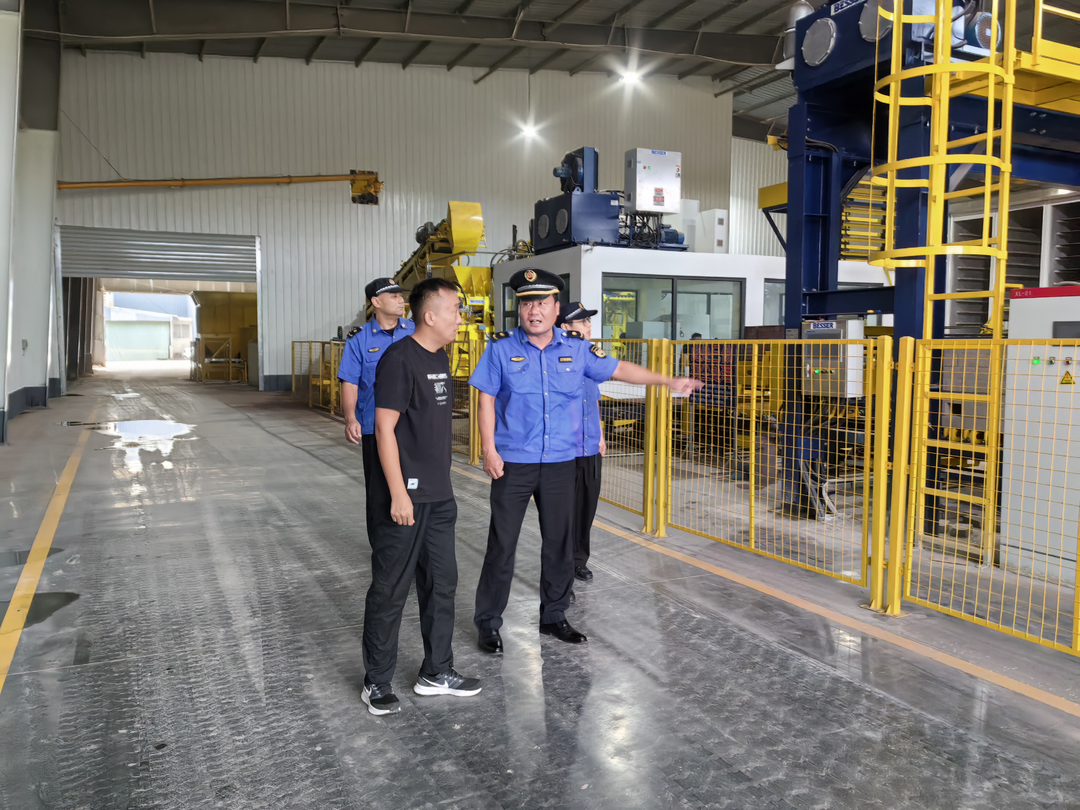
建筑垃圾去哪了?重庆璧山算好三本账
Ren Min Ri Bao· 2026-02-03 07:02
Core Viewpoint - The article highlights the successful transformation of construction waste management in Chongqing's Banan District, focusing on the resource utilization of construction waste to promote sustainable urban development and the concept of a "waste-free city" [1][6]. Group 1: Resource Utilization - Construction waste is sorted and processed into reusable materials, such as permeable bricks, which are then used in local infrastructure projects [1][4]. - The district has established a network for resource utilization, with an annual processing capacity of 200,000 tons and a resource utilization rate of 68.23% [5]. - The introduction of advanced sorting and processing technologies has improved efficiency, allowing for the production of recycled materials at a lower cost [4][5]. Group 2: Government Investment - The district has integrated construction waste reduction into its civil construction assessment system, promoting green practices in design and construction [6][7]. - The use of prefabricated components has reduced construction waste by nearly 40%, demonstrating effective source reduction strategies [6]. - The government has invested in monitoring and regulatory measures, including digital applications and drone surveillance, to prevent illegal dumping and ensure compliance [7][9]. Group 3: Economic and Social Impact - The resource utilization of construction waste not only reduces disposal costs but also contributes to economic development by creating jobs and lowering construction costs [8][9]. - The initiative aims to enhance public awareness and acceptance of recycled products, addressing challenges in market demand and product recognition [9]. - The government plans to encourage social capital participation and support the development of leading enterprises to stimulate market activity and achieve comprehensive social benefits [9].
重庆璧山算好三本账(美丽中国·关注地方生态治理)
Ren Min Ri Bao· 2026-02-03 05:27
Core Viewpoint - The article emphasizes the importance of improving waste classification and resource utilization in construction waste management, highlighting the successful implementation of a resource utilization network in Chongqing's Banan District, which aims to achieve economic, ecological, and social benefits simultaneously [1]. Group 1: Resource Utilization and Economic Impact - Chongqing's Banan District has established a network for the resource utilization of construction waste, with an annual processing capacity of 200,000 tons and a resource utilization rate of 68.23% [5]. - The introduction of Chongqing Ronglu Construction Engineering Co., which specializes in resource utilization, has significantly improved efficiency in processing construction waste, allowing for the production of recycled permeable bricks and other materials [4][5]. - The operational costs for resource utilization facilities exceed 10,000 yuan per day, but government support, including land provision and subsidies, has reduced production costs, leading to an annual output value of approximately 20 million yuan [5]. Group 2: Source Reduction and Regulatory Measures - Banan District has integrated construction waste reduction into its civil construction assessment system, promoting green practices in design and construction, which has led to a 40% reduction in waste generated from foundation excavation through the use of prefabricated components [7]. - The district aims for a 10% reduction in construction waste generation in 2024 compared to 2023, with a 15% decrease in engineering soil waste [7]. - Strict regulatory measures are in place to monitor the generation and transportation of construction waste, including the use of digital applications and drones for real-time monitoring [7][8]. Group 3: Social and Environmental Benefits - The resource utilization of construction waste not only reduces pollution and carbon emissions but also contributes to sustainable development by minimizing land use for waste disposal [9]. - There are challenges in market-driven mechanisms and public acceptance of recycled products, indicating a need for increased awareness and education regarding the benefits of resource utilization [9]. - The government plans to enhance social capital involvement and support policies to cultivate leading enterprises in the industry, aiming to stimulate market activity and achieve comprehensive social benefits [9].
推动建筑垃圾科学处置与资源化利用 重庆璧山算好三本账(美丽中国·关注地方生态治理)
Ren Min Ri Bao· 2026-02-02 22:21
Core Insights - The article discusses the implementation of a comprehensive waste management strategy in Chongqing's Banan District, focusing on the recycling and resource utilization of construction waste, aiming for economic, ecological, and social benefits. Group 1: Resource Utilization - Banan District has established a network for the resource utilization of construction waste, achieving an annual processing capacity of 200,000 tons and a resource utilization rate of 68.23% [5] - The introduction of Chongqing Ronglu Construction Engineering Co., which specializes in resource utilization, has significantly improved the efficiency of waste processing through advanced machinery [4][5] - The production of recycled permeable bricks from construction waste has been successfully integrated into local infrastructure projects, demonstrating the practical application of recycled materials [4][5] Group 2: Cost Management - The operational costs for resource utilization facilities exceed 10,000 yuan per day, but government support, including land provision and subsidies, has reduced production costs and expanded market reach [5] - The economic benefits of resource utilization include lower disposal costs and reduced land occupation for landfill, contributing to overall economic development in the region [8] Group 3: Source Reduction - Banan District has incorporated waste reduction into its construction assessment criteria, promoting green practices in design and construction to decrease waste generation by nearly 40% [7] - The district aims to reduce construction waste generation by 10% in 2024, with a 15% reduction in engineering soil waste compared to 2023 [7] Group 4: Social Impact - The resource utilization of construction waste contributes to reducing pollution and carbon emissions, highlighting the broader ecological and social benefits beyond economic gains [9] - Challenges remain in market-driven mechanisms and public acceptance of recycled products, necessitating efforts to enhance awareness and acceptance of these materials [9]
广州市珠江村旧改项目用科技点“泥”成金
Xin Lang Cai Jing· 2026-01-31 16:27
Core Viewpoint - The event showcased a new technology for on-site transformation of construction waste, emphasizing the importance of reducing building waste and enhancing resource utilization in urbanization efforts in China [3][4]. Group 1: Technology and Innovation - The project utilizes a "modified solidification" technology that transforms discarded soil and sludge into usable materials through a proprietary "modified adhesive material" [3]. - The modified solidified soil exhibits superior properties such as self-leveling and self-compaction, effectively filling irregular gaps and eliminating ground settlement risks [3]. Group 2: Environmental and Economic Benefits - The project achieved the on-site resource utilization of 12,000 cubic meters of waste soil, resulting in an 80% reduction in carbon emissions compared to traditional cement backfilling methods [4]. - Economically, the first phase of the project saved approximately 3.6 million yuan, with overall costs reduced by 20%-30% [4]. - The mechanized pumping method replaced manual and mechanical compaction, shortening the backfilling period by about 50%, thus allowing more time for subsequent processes [4]. Group 3: Future Applications - This low-carbon, economical, and efficient construction model is expected to be promoted in more municipal public works and underground space developments in Guangzhou, contributing to urban renewal with a focus on waste reduction and resource utilization [4].

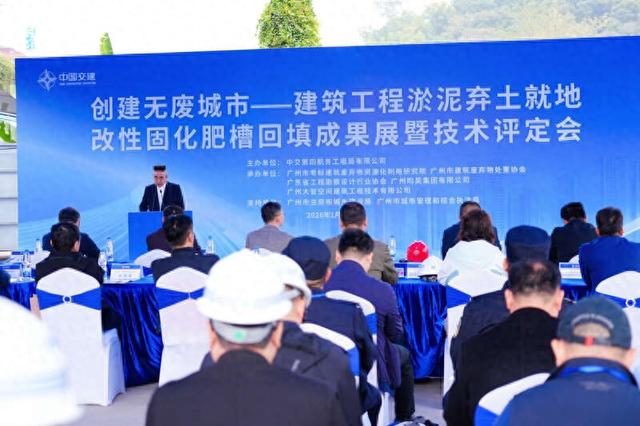
中交四航局举办建筑垃圾资源化利用现场会
Xin Lang Cai Jing· 2026-01-31 10:14
Core Viewpoint - The event showcased the successful application of on-site resource utilization of construction waste in the Pearl River Village project, emphasizing the importance of innovative technologies in urban construction waste management [1][2]. Group 1: Technology and Innovation - The core of the technology presented is the self-developed "modified adhesive material," which is created from various natural and artificial inorganic mineral raw materials, enhancing the reactivity between soil particles [1]. - The modified solidified soil can be pumped and directly poured into the filling trench, allowing for seamless integration and eliminating the risk of ground subsidence associated with traditional backfilling methods [1][2]. Group 2: Environmental Impact - The new process achieves up to 80% carbon reduction compared to traditional cement backfilling, significantly decreasing traffic congestion and dust pollution caused by the transportation of construction waste [2]. - The project successfully utilized 12,000 cubic meters of waste soil on-site, achieving a balance between excavation and filling [2]. Group 3: Cost and Efficiency - The new method reduced overall costs by 20%-30% by saving on soil transportation and purchasing, as well as labor and machinery costs [2]. - The use of mechanized pumping instead of manual and mechanical layer compaction shortened the backfilling period by approximately 50%, optimizing the construction site for subsequent processes [2]. Group 4: Policy and Future Development - The Guangzhou Municipal Bureau of Urban Management and Comprehensive Law Enforcement plans to strengthen collaboration among departments to promote the resource utilization of construction waste, aiming for high-quality development in this sector [3]. - The event was organized by multiple associations and companies, indicating a collaborative effort to advance the technology and practices in construction waste management [3].
六成建筑垃圾“变废为宝”助力城乡绿色发展
Xin Lang Cai Jing· 2026-01-12 19:03
Core Insights - The article highlights the transformation of construction waste into valuable resources through advanced processing techniques, contributing to urban green development [1][2][3] Group 1: Construction Waste Management - The city of Aral has established a comprehensive management system for construction waste, focusing on source classification, standardized disposal, and resource utilization, achieving a resource utilization rate of 60% [2] - The government-led, market-operated model enhances the efficiency of the construction waste management system, with fixed disposal points and regular monitoring to prevent illegal dumping [2] Group 2: Technological Innovation and Economic Impact - The use of recycled materials in construction products has reached approximately 40%, with a 30% reduction in production costs for aerated concrete blocks, potentially generating an additional revenue of over 15 million yuan by 2025 [3] - Effective sorting and processing of construction waste have led to the recovery of materials like wood and metal, reducing resource dependency and alleviating waste disposal pressure, thereby fostering a complete green industrial chain [3]
建筑垃圾暂存难、处置难、管理难问题怎么破解?
Zhong Guo Huan Jing Bao· 2026-01-08 05:52
Core Viewpoint - The article highlights the significant challenges faced in the legal disposal and management of construction waste, emphasizing the need for improved infrastructure and regulatory measures to address these issues [1][2][3]. Group 1: Challenges in Construction Waste Management - There are three main difficulties in managing construction waste: storage, disposal, and management [2]. - Storage challenges arise from the long construction cycles of projects, leading to difficulties in finding suitable temporary storage locations for construction waste [1]. - Disposal difficulties stem from insufficient capacity at compliant waste disposal centers and the high costs associated with resource recycling, which require significant investment from construction companies [2]. - Management issues include the lack of effective supervision over waste transportation, often due to the geographical separation of construction units and local transport companies, leading to accountability problems [2]. Group 2: Recommendations for Improvement - Local governments should invest in the construction of waste management facilities to address both existing and future waste disposal needs, taking into account local infrastructure projects and consulting with local construction companies [3]. - A coordinated regulatory approach is necessary to combat illegal disposal practices, requiring collaboration among various departments and the involvement of disciplinary inspection agencies to prevent corruption [3]. - The government should promote the resource utilization of construction waste, treating it as a valuable resource, and provide policy guidance and financial support to encourage market development for recycled products [3].
变废为宝!聊城创新建筑垃圾治理,打造绿色低碳城市新标杆
Qi Lu Wan Bao· 2025-11-27 07:35
Core Viewpoint - The article emphasizes the importance of construction waste management in urban management and ecological protection, highlighting the efforts made by Liaocheng City in promoting a "waste-free city" initiative through strict control and resource utilization of construction waste [1] Group 1: Construction Waste Management Strategies - Construction waste is categorized into five types: engineering soil, engineering slurry, construction waste, demolition waste, and renovation waste, with specific guidelines for their utilization and disposal [1] - The city has implemented a comprehensive management approach, including source control, transportation regulation, and disposal optimization, to ensure effective construction waste management [2] Group 2: Community Services and Convenience - To address the challenges of renovation waste disposal, 29 temporary storage points have been established in newly delivered residential areas, facilitating centralized collection and transportation [3] - Residents and businesses can schedule waste collection through a WeChat mini-program, ensuring proper disposal and preventing illegal dumping [3] Group 3: Technological Integration and Future Plans - The existing "Construction Waste Supervision Service Platform" has been upgraded to include a full-process management module, enhancing real-time monitoring of waste transportation and disposal [4] - The city plans to deepen special rectification of construction waste management, integrating ecological protection and urban management, while leveraging technology for better waste classification and disposal [4]
商机涌动东博会
Jing Ji Ri Bao· 2025-09-23 00:23
Core Insights - The 22nd China-ASEAN Expo and China-ASEAN Business and Investment Summit is a significant platform for enhancing trade and investment opportunities between China and ASEAN countries [1][2][3] Group 1: Company Highlights - Yuchai Machinery Group showcased its latest innovations in smart equipment, including a driverless system for agricultural machinery and large generator sets, with over 30,000 engines exported to ASEAN from January to August this year [1] - Meisida Group has participated in the expo for 14 consecutive years, successfully expanding its market presence in Indonesia, Thailand, Vietnam, Cambodia, and Laos through the event [2] - China State Construction Engineering Corporation (CSCEC) Guangxi demonstrated high-standard residential models and urban management platforms, expanding its business into Laos, Vietnam, and Thailand [2] Group 2: Industry Trends - The expo has enhanced cooperation between Chinese and ASEAN enterprises, with a focus on infrastructure connectivity and the increasing demand for smart construction and digital management in ASEAN countries [2] - The Thailand Tian Si Group announced a new investment project worth approximately 1.3 billion yuan for a Red Bull beverage production base in Guangxi, indicating further expansion of its business in China [3] - The expo featured 25 new product launches and utilized AI technology to match business needs, enhancing trade effectiveness and providing more opportunities for enterprises [3]
曲阜:点燃科技智慧引擎 赋能建筑垃圾治理
Qi Lu Wan Bao Wang· 2025-09-21 03:31
Core Viewpoint - Qufu City is enhancing its urban management through innovative thinking and technology, focusing on building waste management to improve the city's environment and livability [3][5]. Group 1: Building Waste Management Initiatives - Qufu City has implemented a comprehensive management service system for construction waste, addressing pollution and enhancing urban management efficiency [3]. - The city has established a registration and review system for construction waste disposal, ensuring that 13 transportation companies and over 50 vehicles comply with regulations [4]. - A total of 24 ongoing projects have completed waste classification disposal plans, and 54 residential communities have set up temporary storage points for renovation waste [4]. Group 2: Technological Integration - Over 50 construction waste transport vehicles have been upgraded with BeiDou positioning and blind spot monitoring systems, integrated into a digital urban management platform for real-time monitoring [4]. - This technological approach has improved the safety and efficiency of waste transport, preventing illegal dumping and ensuring compliance with designated routes [4]. Group 3: Resource Utilization Projects - Qufu City is advancing construction waste resource utilization projects, with one facility already operational, producing 400 tons of recycled aggregate and 200 cubic meters of precast concrete daily, generating a revenue of 100,000 yuan [4]. - Another project under construction is expected to process 300,000 tons of construction waste and 160,000 tons of renovation waste annually, increasing the resource utilization rate [4][5]. Group 4: Future Directions - Qufu City plans to continue enhancing its construction waste management efforts to further improve urban environmental quality, aiming for a cleaner and more beautiful city [5].