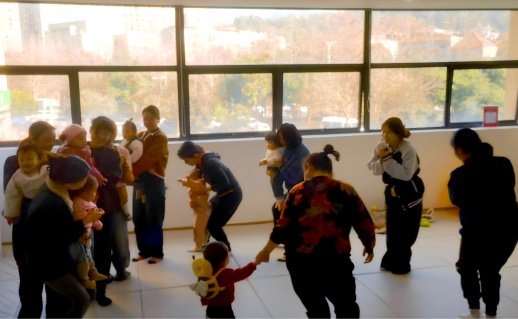
托幼一体化

Search documents
民生福祉 共绘新景
Xin Lang Cai Jing· 2026-02-11 00:11
Core Insights - The article emphasizes the importance of improving the quality of life for both the elderly and children in Beijing, highlighting various initiatives aimed at enhancing social welfare and community services [1][4][12]. Group 1: Elderly Care Initiatives - Beijing has established 2,950 elderly meal assistance points, achieving full coverage of meal services for seniors [4]. - The city has initiated the construction of community-level elderly service centers to provide convenient care for older adults [5]. - A new elderly care regulation will take effect on July 1, 2023, establishing a three-tiered elderly service network [5]. Group 2: Childcare and Education Improvements - The city has added 9 new kindergartens and 4 community-run childcare points in the past year, with a focus on integrated childcare services [6]. - By 2025, Beijing aims to add 8,897 affordable childcare spots, achieving a 96% enrollment rate for eligible children [6][7]. - The education landscape is evolving, with new schools being established and existing ones being upgraded to ensure quality education is accessible [8][9]. Group 3: Healthcare Enhancements - New hospitals and medical facilities are being built to improve healthcare access, including a new children's hospital and expansions of existing facilities [11]. - The establishment of regional medical alliances has improved healthcare service quality across the Beijing-Tianjin-Hebei region [11]. Group 4: Employment Strategies - The city has implemented various employment initiatives, including job fairs and training programs, to support job seekers, particularly recent graduates [12][13]. - In 2025, Beijing aims to create 330,000 new urban jobs and maintain a low urban unemployment rate of 4.1% [14]. - The government is focusing on skill enhancement and job security for workers in new industries, including ride-hailing services [13][14].

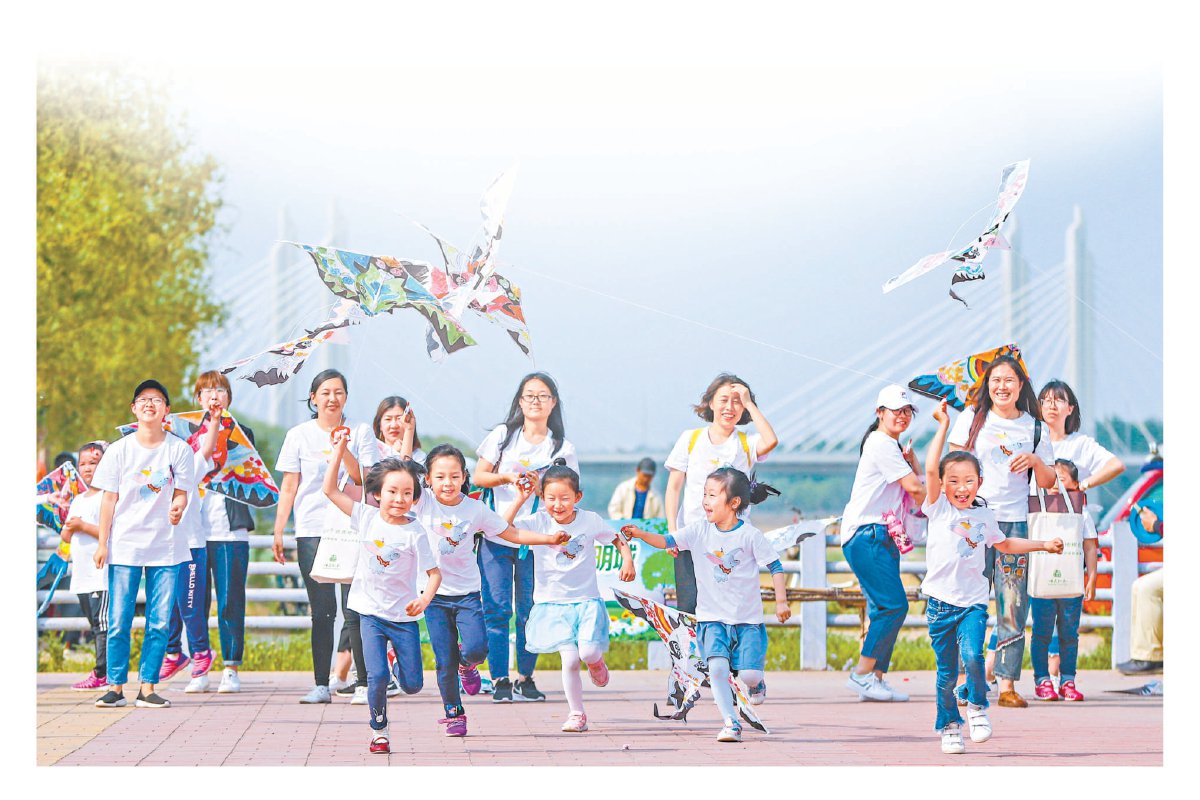
摘金揽银 盐城幼专交出师范教育高质量发展答卷
Xin Hua Ri Bao· 2026-02-10 23:29
Group 1 - The core achievement of Yancheng Preschool Teachers College is highlighted by winning 1 gold and 1 bronze medal at the World Skills Competition, along with 5 gold, 4 silver, and 9 bronze medals at the provincial level, and 3 first prizes in international competitions in 2025 [1] - The college emphasizes the integration of competition into education, aiming to enhance teaching and learning through participation in various skill competitions [1][3] - The college's strategic focus includes adapting to societal changes by optimizing its professional layout to meet the demands of the times, particularly in early childhood education and health services [3][4] Group 2 - At the 14th Jiangsu Provincial Teacher Training Basic Skills Competition, students achieved a record high of 5 first prizes, 4 second prizes, and 9 third prizes, showcasing significant improvement in quality [2] - Notable individual achievements include Chen Rong, who ranked first in the province and advanced to the Yangtze River Delta Teacher Training Competition, and Qu Liya, who made history by winning first prize in the elementary education category [2] - The college's international presence is marked by multiple first prizes in competitions related to skills development and innovation, reflecting the effectiveness of its integrated education model [3] Group 3 - The college is actively responding to challenges such as declining birth rates and aging populations by introducing new programs in areas like infant care and smart health management [3][4] - Collaboration with industry leaders like Huawei is aimed at aligning educational offerings with regional economic development needs, particularly in digital economy sectors [4] - The college's commitment to nurturing future talents is evident in its focus on both traditional teacher training and emerging fields, ensuring a well-rounded educational approach [4]
四川托幼行业发展和人才培养调研报告出炉:适龄人口递减,人才供需与适配待破局
Xin Lang Cai Jing· 2026-02-09 11:00
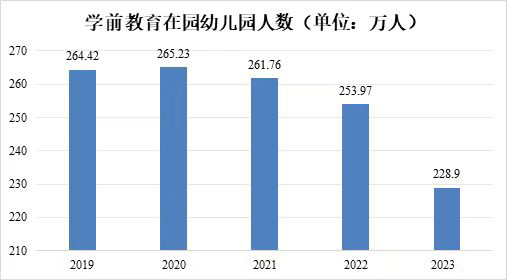
Core Insights - The report highlights the importance of early childhood care and education services in Sichuan Province, especially as the region enters a "super low birth rate" phase, necessitating a comprehensive understanding of the industry and talent development trends [1] Group 1: Industry Overview - The number of children aged 0-14 in Sichuan Province is 12.775 million, accounting for 14.50% of the total population, with 1.637 million children under 3 years old [2] - The number of childcare institutions in Sichuan is 5,785, with a total of 276,000 childcare places, resulting in a ratio of 3.3 places per 1,000 people [2] - The number of kindergartens in the province has decreased from 13,600 in 2019 to 12,400 in 2023, a reduction of 8.82% [3] Group 2: Workforce and Talent Development - As of June 2022, there are 37,995 employees in childcare institutions, with 28,468 being caregivers or teachers [6] - The average monthly salary for new graduates in childcare institutions is 2,152 yuan, while for kindergartens it is 2,326 yuan, indicating low overall salary levels [9] - The proportion of employees with relevant professional backgrounds in childcare institutions is 74%, with 84% of institutions requiring qualifications in early childhood education or related fields [7] Group 3: Educational Institutions and Programs - Sichuan has 349 vocational schools offering childcare-related programs, with 124 schools providing 125 specialized programs [10] - In higher education, 56 colleges offer childcare-related programs, with 67,693 students enrolled in 2023 [10] - The integration of early childhood education and healthcare training is being emphasized to meet industry demands [10]
2026年全市教育工作划重点
Zheng Zhou Ri Bao· 2026-01-29 00:51
Group 1 - Zhengzhou will ensure that primary and secondary school students engage in 2 hours of comprehensive physical activity daily as part of the "14th Five-Year Plan" [2] - The city will implement a series of educational special actions to promote high-quality development in education, including the "Six Major Action Plans" focusing on various aspects of student development [2][3] - A comprehensive governance approach will be adopted to optimize the educational environment, including the development of a scientific enrollment policy [2] Group 2 - The city will launch a pilot program for "integrated childcare" and implement a one-year free preschool education policy to enhance early childhood education [3] - Efforts will be made to improve the quality of basic education, including the establishment of quality schools and the promotion of urban-rural educational integration [3] - The city will accelerate the layout of smart education and promote artificial intelligence in education, enhancing teaching quality and reducing examination frequency [3] Group 3 - Zhengzhou will support local universities in optimizing their layout and enhancing their quality, particularly focusing on the development of Zhengzhou University and Henan University [4] - The city aims to expand high-quality higher education resources and support vocational education integration with industry needs [4] - Initiatives will be taken to strengthen vocational education and create industry-specific training bases in areas such as digital technology and artificial intelligence [4] Group 4 - Zhengzhou will promote lifelong education by creating a "15-minute citizen learning circle" and enhancing community college offerings [5][6] - The city will strengthen its "Study Abroad Zhengzhou" brand and promote international cooperation in vocational education [6] - Efforts will be made to explore cross-border education models that combine Chinese language and vocational skills, particularly in sectors like rail transportation and cross-border e-commerce [6]
首都教育下一步发展如何推进?北京市教委主任李奕详解
Xin Jing Bao· 2026-01-27 01:54
Core Viewpoint - The Beijing government aims to enhance education by increasing middle school enrollment by 10,000 seats, integrating artificial intelligence into education across all levels, and expanding vocational undergraduate admissions to improve talent cultivation and educational quality [1][2][8]. Group 1: Education Enrollment and Quality Improvement - The government plans to add 10,000 middle school seats, with 5,000 for junior high and 5,000 for senior high, to address ongoing enrollment pressures despite a peak in elementary school admissions [2]. - The focus is not only on increasing the quantity of school seats but also on improving educational quality, as parents demand better student training and educational methods [2][3]. Group 2: Talent Cultivation and Educational Reform - The integration of vertical group schooling reform aims to connect elementary, junior high, and senior high education, facilitating a continuous talent cultivation mechanism [3]. - The approach includes enhancing the quality of education through a seamless transition from early childhood to higher education, emphasizing collaboration with industries for practical training [3][4]. Group 3: Early Childhood Education and Care - By the end of the 14th Five-Year Plan, 51% of public kindergartens will have established care classes, with a goal of full coverage [4]. - The city will provide over 64,000 childcare seats, with 41,000 being affordable options, and will implement health monitoring for preschool children [4][5]. Group 4: Artificial Intelligence in Education - The government will implement AI education starting in 2024, with a focus on integrating AI into teaching methods and enhancing student learning experiences [6][7]. - A framework for "Capital Education AI+" will be developed, focusing on policy support, skill enhancement, and large-scale application of AI in education [6]. Group 5: Vocational Education Expansion - The government aims to expand vocational undergraduate admissions and improve the quality of vocational education, moving beyond merely increasing enrollment numbers [8][9]. - Collaborative programs between vocational and undergraduate institutions will be established to enhance talent cultivation and align education with industry needs [9].
北京如何建设全龄友好城市?
Bei Jing Qing Nian Bao· 2026-01-26 01:55
Group 1 - The core focus of the 2026 Beijing government work report is to optimize public service supply and enhance services for the elderly and children, aiming to build an age-friendly city [2][19][20] - The aging population in Beijing is projected to reach 5.14 million by the end of 2024, accounting for 23.5% of the total population, indicating a shift towards a heavily aging society [3][22] - Suggestions from representatives include improving meal assistance, transportation services, and social participation for the elderly, as well as establishing a systematic elderly care service framework [3][22] Group 2 - Meal assistance and transportation are identified as critical needs for the elderly, with current services facing issues of supply precision and facility gaps [4][23] - Recommendations include expanding meal subsidies to cover elderly individuals living alone and implementing a dynamic recognition mechanism for assistance eligibility [4][24] - The need for a comprehensive "travel connectivity project" for the elderly and disabled is emphasized to eliminate barriers in transportation [6][25] Group 3 - Safety and social participation for the elderly are highlighted as essential for their well-being, with a focus on protecting them from scams and enhancing their social engagement [7][26] - Proposals include tailored digital skills training for the elderly to prevent fraud, improving legal services, and establishing a specialized reporting hotline for elder fraud [7][26][27] - The importance of creating employment opportunities for the elderly in community settings is stressed, promoting volunteer services and flexible job arrangements [8][27] Group 4 - A high-quality elderly care service ecosystem is proposed, emphasizing the need for a three-tiered service network covering district, street, and community levels [9][28] - The establishment of a unified "smart elderly care service platform" is suggested to integrate various resources and streamline service applications [9][28] Group 5 - The integration of childcare services is identified as a key solution to address the challenges of child-rearing, with a focus on establishing nursery classes in public kindergartens [10][29] - The need to revitalize early childhood education resources and provide support for families is emphasized, particularly in light of declining birth rates and underutilized educational resources [11][30] - Recommendations include creating a unified qualification standard for childcare professionals and enhancing the training system for early childhood educators [13][33]

加强“一老一小”服务 代表委员建言献策 北京如何建设全龄友好城市?
Xin Lang Cai Jing· 2026-01-25 20:20
Group 1: Elderly Care and Services - The Beijing government aims to optimize public services for the elderly, focusing on meal assistance and transportation as part of building an age-friendly city [1][2] - By the end of 2024, the elderly population in Beijing is expected to reach 5.14 million, accounting for 23.5% of the total population, indicating a deepening aging trend [2] - Suggestions include expanding meal assistance subsidies to cover all elderly residents aged 60 and above, especially those living alone, and implementing a dynamic information update system for subsidy eligibility [3][4] - There is a need for a comprehensive transportation system for the elderly, addressing gaps in accessibility from residential areas to public services [4] Group 2: Safety and Social Participation - Proposals emphasize the importance of safeguarding the rights and safety of the elderly, particularly against scams targeting this demographic [5] - Recommendations include tailored digital skills training for the elderly to enhance their ability to recognize and prevent fraud [5] - The importance of social engagement for the elderly is highlighted, with suggestions for creating job opportunities that allow them to contribute to society and find fulfillment [6] Group 3: Integrated Childcare Services - The integration of childcare services is seen as crucial for addressing the challenges of child-rearing in Beijing, with a focus on establishing a comprehensive system for children aged 0-6 [8][10] - The government plans to promote the establishment of nursery classes in public kindergartens to meet the growing demand for childcare services [10][16] - There is a call for unified professional standards for childcare providers to ensure quality and consistency in early childhood education [12][13] Group 4: Policy Implementation and Development - The Beijing government is committed to implementing policies that support the integration of elderly care and childcare services, aiming for a holistic approach to family support [16] - Plans include enhancing the training and qualification standards for childcare professionals to improve service delivery and address the needs of families [14][15] - The introduction of technology in childcare services, such as an integrated health management system, is proposed to better meet the needs of families [16]
北京公办园托班应设尽设,普惠园托育亲子活动面向周边社区
Xin Lang Cai Jing· 2026-01-20 12:45
Group 1 - The core viewpoint of the article emphasizes the development of a public kindergarten-based system in Beijing to provide affordable childcare services, with a focus on optimizing supply by 2026 [1][5] - The Beijing Municipal Education Commission plans to implement the principle of "as needed, so established" to expand public kindergarten classes and organize community activities for parents and children aged 0 to 3 [5] - The establishment of a coherent system for children aged 2 to 6 in a public kindergarten is highlighted, showcasing the integration of various activities to support children's transition from home to kindergarten [3] Group 2 - The kindergarten has developed a professional team to provide health monitoring, developmental screening, dietary guidance, and parenting support, ensuring scientific and professional care for children [3][5] - The initiative includes the use of artificial intelligence to create a smart childcare service system, which will integrate health management and nurturing services for children aged 0 to 6 [5] - The article mentions the establishment of a dynamic allocation mechanism for childcare resources, aiming to meet the needs of a high-quality population development and a family-friendly society [5]
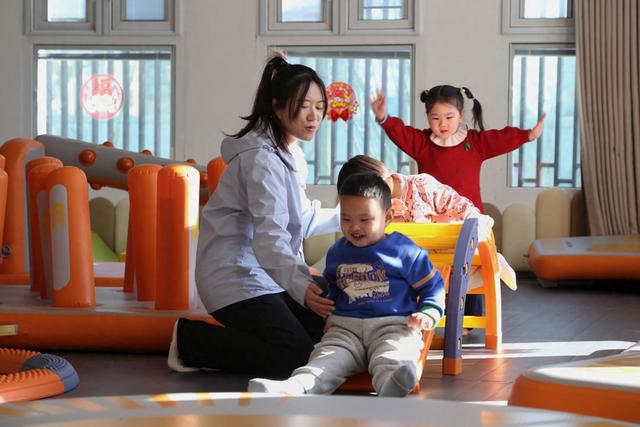
一座县城如何系统性破解“带娃难”
Zhong Guo Qing Nian Bao· 2026-01-20 02:56
Core Viewpoint - Shandong Province's Weifang City, Linqu County, is integrating childcare services into its 2025 livelihood projects to address four major challenges: lack of awareness, resource lag, weak quality, and insufficient trust in childcare services [1] Group 1: Integration of Childcare Services - Linqu County is adopting a four-dimensional collaborative model involving education, health, practical implementation, and family participation to address the challenges faced by young parents [2] - The county has established a working group led by the Education and Sports Bureau, involving multiple departments to clarify responsibilities and develop strategies based on local conditions [3] Group 2: Policy and Financial Support - The county has implemented a dual-track model of "policy promotion + practical guidance," providing a comprehensive manual for childcare integration and establishing an expert guidance team [5] - Currently, 45 kindergartens have completed childcare service registration, adding 900 new spots, with 90.9% of these being inclusive [5] Group 3: Quality of Care and Training - Linqu County has established a "training + sharing" mechanism to develop a professional care team, collaborating with renowned institutions to offer specialized training [8] - The county has achieved a 95% rate of childcare teachers holding dual qualifications (nanny and teacher certification) [8] Group 4: Building Trust with Parents - The county is enhancing trust in childcare services through medical-educational integration and family interaction, including regular health check-ups and guidance from pediatricians [10] - A "parent rotation supervision" system has been introduced, allowing parents to participate in monitoring and feedback on childcare services [11] Group 5: Community Engagement and Promotion - Linqu County is promoting its "warm-hearted childcare" brand through community events and media, increasing awareness and participation in childcare services [12] - The county aims to expand its childcare service coverage and improve the quality of care, making it a new hallmark of local livelihood services [12]
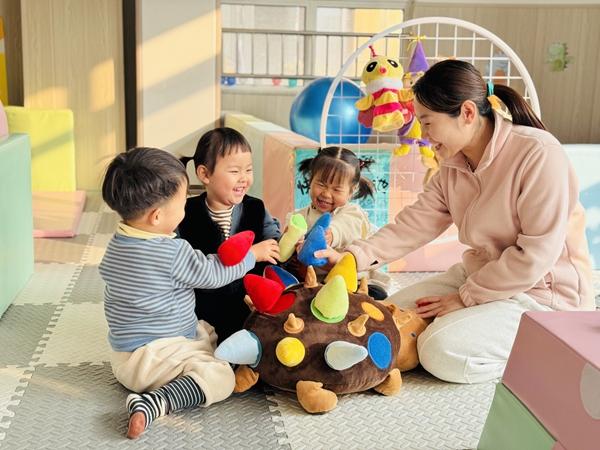
发“托育补贴”,尝试“老幼共托”
Xin Lang Cai Jing· 2026-01-17 16:38
Core Viewpoint - The article discusses the importance of inclusive childcare services in addressing family concerns and supporting a fertility-friendly society, emphasizing the need for accessible, affordable, and quality childcare options [2]. Group 1: Current Challenges in Childcare - There is a significant shortfall in childcare availability in Hunan, with a target of 4.53 childcare spots per 1,000 people by 2025, indicating a need for a comprehensive "intergenerational care" system [2]. - The "intergenerational care" model suggests that retired seniors can contribute to childcare, providing valuable resources and experiences while children bring joy and energy to the elderly [2]. Group 2: Financial Support for Families - The founder of the "One Two Three Childcare Center" highlights the government's substantial support for inclusive childcare institutions, including free venue provision to alleviate operational costs [4]. - To further reduce the financial burden on families, it is suggested that childcare subsidies be provided, similar to existing parenting subsidies, to directly assist families in need [4][5]. Group 3: Enhancing Service Quality and Brand Awareness - The establishment of the Changsha Childcare Comprehensive Service Center has created 120 childcare spots, with a focus on community-based, inclusive childcare models [6]. - There is a structural mismatch between parents seeking childcare and institutions recruiting staff, necessitating better information dissemination and branding efforts by childcare providers [6]. Group 4: Professional Talent Shortage - The lack of qualified professionals in the childcare sector is a significant issue, with suggestions to explore integrated childcare models that bridge early education and childcare [8]. - Recommendations include establishing partnerships between childcare institutions and educational institutions for "order-based training" to cultivate specialized talent [9]. Group 5: Legal and Regulatory Framework - There is a call for the development of specific laws and regulations governing the childcare industry to protect the rights of caregivers and families, as current guidelines are insufficient [10].