教育

Search documents
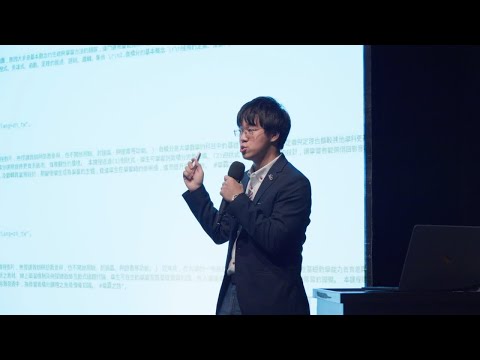
重新思考「跳脫框架」 | 顥天 呂 | TEDxNTHU
TEDx Talks· 2026-04-13 16:53
談及「跳脫框架」,許多人透過離開體制、轉換跑道,作為突破的證明。而在呂顥天的經驗中,框架不只是外在環境的限制,更多源自於他人眼中的標籤,甚至自己內心的懷疑。 仍身在體制內的國中小階段,呂顥天不斷以自學的方式,嘗試走出和同儕不同的路。進入實驗高中,已符合許多人對於「體制外」的定義,但呂顥天依舊選擇在課程之外另闢學習路徑。體制內外從不是絕對的二分,而是我們如何定義、如何使用。 呂顥天相信教育的價值,不在於給人標準答案,而是在於培養「製造釣竿」的能力。過程中,他也曾因年紀而遭到質疑,甚至被認為「還沒有資格」做研究,但呂顥天選擇繼續投入熱衷的領域。所謂的跳脫,不是一次性的動作,而是持續修正與累積的過程。 在本次的演講中,呂顥天希望分享的不只是自己的經歷,而是重新思考「跳脫框架」的意義:如果我們只是把框架換了一個名字,仍然困在自我設限裡,那就不是跳脫。真正的跳脫,是在面對他人的定義與社會的期待時,仍然保有選擇,並且勇敢為自己的目標找到新的路徑。對呂顥天而言,這是一場不斷摸索的過程,也是最值得堅持的理想。 呂顥天,現就讀臺北市立數位實驗高級中學,同時在 AIoT 公司擔任研發專案副理,將學術研究與實務應用相結合。自小展現 ...

AI越进化,教育越要守住“打基础”
经济观察报· 2026-03-26 10:49
Core Viewpoint - The article emphasizes the importance of maintaining foundational skills in education despite the rise of AI, arguing that these skills are essential for human autonomy and critical thinking in the future [1][6]. Group 1: Impact of AI on Education - The rapid advancement of AI has led to significant changes in society, with various interactive AI applications becoming integral to daily life within a short period [2]. - There is a pressing need for educational reform, as traditional methods of rote learning may become obsolete, and core competencies should be prioritized over mere academic performance [2]. Group 2: Importance of Foundational Skills - Basic skills such as writing, arithmetic, and reading are irreplaceable, as they form the basis for critical thinking and self-expression [4][5]. - Writing is not just about producing text; it is a process that helps organize thoughts and develop logical reasoning, which is crucial for effective communication [4]. - Arithmetic training fosters a disciplined thought process, emphasizing that the goal is not just to perform calculations but to cultivate a rigorous mindset [4]. Group 3: The Role of Reading and Memory - While AI can provide answers, the ability to ask meaningful questions relies on a solid knowledge framework, which is built through reading [5]. - Deep reading is essential for maintaining cognitive engagement and combating mental inertia, highlighting the need for traditional reading practices in an AI-driven world [5]. Group 4: Balancing Change and Tradition - The article advocates for a balanced approach to educational reform, where foundational skills are preserved while adapting to new technologies [6][7]. - Embracing new methods does not mean discarding the old; rather, foundational skills are necessary for developing higher-order thinking skills like creativity and critical analysis [6][7].

代表委员履职故事丨陆安慧:当好科研与产业的桥梁纽带
Xin Lang Cai Jing· 2026-02-26 22:50
Group 1 - The core viewpoint emphasizes the importance of proposals that align with national strategies while addressing practical issues, as highlighted by the ongoing preparations for the National People's Congress [1] - The proposal to support the construction of an integrated energy base in Liaoning, which includes wind, solar, fire, and nuclear energy, has received high recognition from the National Committee of the Chinese People's Political Consultative Conference [1] - The need for improved mechanisms for technology transfer and innovation in universities is identified, particularly in the context of the challenges faced by the local petrochemical industry in Liaoning [1] Group 2 - The integration of technology innovation with industrial innovation is seen as a strategic choice for the comprehensive revitalization of Northeast China, with universities playing a crucial role as sources of innovation and talent [2] - Collaboration between enterprises and research institutions is highlighted as essential for effective problem-solving, although challenges such as funding, personnel investment, and intellectual property protection need to be addressed through clearer national policies [2] - The commitment to bridging the gap between technology and industry, as well as between research and policy, is emphasized as a means to enhance the value of individual contributions to national development [2]
推进拔尖创新人才自主培养
Xin Lang Cai Jing· 2026-02-17 22:47
Group 1: Core Ideas - The article emphasizes the importance of cultivating top innovative talents through self-directed education, aligning with national strategic goals for technological advancement [1][5][12] - It highlights the integration of education, technology, and talent as a fundamental approach to fostering innovation and addressing key technological challenges [1][8][13] Group 2: Education as the Foundation - Education is identified as the cornerstone for nurturing top innovative talents, providing essential thinking skills and a solid foundation for knowledge and values [5][6] - The current educational framework in China has established a high-quality system that supports the development of specialized talents necessary for national modernization [5][6] Group 3: Direction of Talent Cultivation - The cultivation of innovative talents must focus on developing socialist builders and successors, ensuring that educational institutions guide students towards national needs and global trends [6][9] - A comprehensive approach to education is necessary, combining humanities and science to foster a well-rounded skill set in students [7][9] Group 4: Practical Potential through Technology - The article discusses the role of technological advancements in providing practical opportunities for innovative talent development, particularly in emerging fields like AI and quantum technology [8][10] - It advocates for the establishment of high-level research platforms to facilitate hands-on experience and growth for talents [8][10] Group 5: Collaborative Ecosystem for Talent Development - The need for a collaborative ecosystem involving universities, industries, and research institutions is emphasized to meet the growing demand for high-level composite talents [9][11] - This ecosystem should facilitate a two-way interaction where educational institutions adapt to industry needs while industries contribute to the educational process [9][11] Group 6: Evaluation and Support Systems - The article calls for an updated evaluation system that balances cognitive and non-cognitive skills, allowing for a more holistic assessment of innovative talents [12][13] - It stresses the importance of creating a supportive environment that encourages exploration and risk-taking among young talents [12][13]
用爱与相信 陪伴学生成长
Xin Lang Cai Jing· 2026-02-09 18:14
Core Viewpoint - The article highlights the dedication and impact of Li Zhenyuan, a teacher in Ningling County, who has transitioned from art to mathematics while emphasizing the importance of emotional support and moral education in his teaching approach [1][2][3]. Group 1: Teaching Philosophy and Approach - Li Zhenyuan believes that education is not just about knowledge transfer but also about awakening lives, demonstrating a commitment to nurturing students' emotional and intellectual growth [1]. - He emphasizes the importance of integrating local history and moral education into his lessons, making abstract theories relatable and impactful for students [1][2]. Group 2: Personal Engagement with Students - Since becoming a homeroom teacher in 2018, Li has actively engaged with students, greeting them every morning and providing support through communication with parents [2]. - A notable instance involved a student named Xiao Xuan, who faced family issues; Li's personal involvement helped the student regain confidence and happiness, illustrating the profound impact of teacher-student relationships [2]. Group 3: Recognition and Achievements - Under Li's guidance, his class received the "Civilized Class" title in Shangqiu City, and he has been recognized multiple times as an excellent homeroom teacher and awarded for his quality teaching [2][3]. - The principal of the school praised Li for transforming the classroom into a nurturing environment, highlighting his role in fostering students' growth through love and wisdom [3].
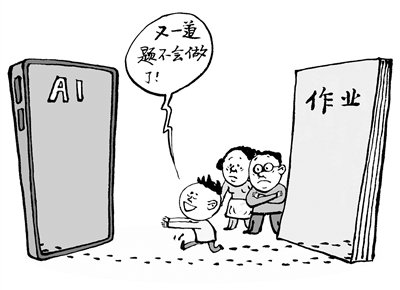
用AI写作业
Xin Lang Cai Jing· 2026-02-08 17:26
Group 1 - The article discusses the increasing reliance of students on AI for completing academic tasks, raising concerns among parents and teachers about the potential loss of independent thinking skills in children [1] - It highlights the ease with which AI can generate essays and solve math problems, prompting questions about the essential knowledge and skills that education should impart to students in the age of AI [1]
代表建言科技高中建设与普惠园转型
Xin Lang Cai Jing· 2026-02-04 22:38
Group 1: Education Development Insights - The core viewpoint emphasizes the need to accelerate the construction of technology high schools to strengthen the foundation for cultivating innovative talents in technology [1][2] - The development of technology high schools is seen as a crucial link between basic education and higher education, requiring systematic planning and guidance to avoid homogenization and fragmentation [1][2] - There is a call for a dual approach to address the teacher shortage in technology high schools, focusing on optimizing teacher training programs and expanding recruitment channels for diverse talents [2] Group 2: Early Childhood Education Challenges - The current challenges faced by high-quality private public welfare kindergartens include shrinking classes and operational difficulties, leading to a loss of quality teaching staff [3][4] - The suggestion is made for the government to recover and convert high-quality private public welfare kindergartens into public institutions to preserve valuable early childhood education resources [3][4] - A scientific evaluation mechanism is proposed to assess and develop reasonable compensation plans for converting private kindergartens to public ones, ensuring stable financial support and better implementation of free early childhood education policies [5]
全面推进教育、科技、人才一体融合发展
Xin Lang Cai Jing· 2026-01-29 00:06
Core Insights - The integration of education, technology, and talent is essential for the high-quality development of the sports industry, addressing the key issue of insufficient support during the "14th Five-Year Plan" period [1][4] - The collaboration among these three elements can transform the sports sector from scale expansion to quality enhancement, aligning with global trends in digitalization and smart technology [1][6] Importance of Integration - The synergy of education, technology, and talent is crucial for establishing a strategic foundation for high-quality sports development, enabling a shift from experience-driven to data-driven approaches [1][3] - This integration serves as a bridge between building a strong sports nation and enhancing education and technology capabilities, highlighting the multifaceted value of sports in modernizing the country [3][4] Current Challenges - There is a lack of a coordinated mechanism for the integration of education, technology, and talent in sports, leading to ineffective collaboration and a failure to realize the potential benefits [7] - The application of technology in sports education is limited, with significant disparities between urban and rural areas, and a reliance on traditional teaching methods persists [8][9] - The mismatch between sports education and market demands, along with an outdated talent selection mechanism, hampers the development of necessary skills and expertise in the industry [9] Proposed Solutions - Establish a national-level coordination mechanism for the integration of education, technology, and talent in sports, with clear departmental responsibilities and implementation plans [10] - Reform the talent selection process to facilitate the entry of outstanding athletes into educational institutions and enhance interdisciplinary programs in sports-related fields [11] - Focus on technological empowerment by initiating key research projects in sports technology and creating platforms for interdisciplinary collaboration [12] - Improve the talent ecosystem by implementing targeted training programs and fostering mobility between educational institutions and sports enterprises [13] Conclusion - The integration of education, technology, and talent in the sports sector is a systematic challenge that requires innovative reforms to enhance foundational support, technological advancement, and talent development, contributing to the construction of a strong sports nation and the overall modernization of the country [14]

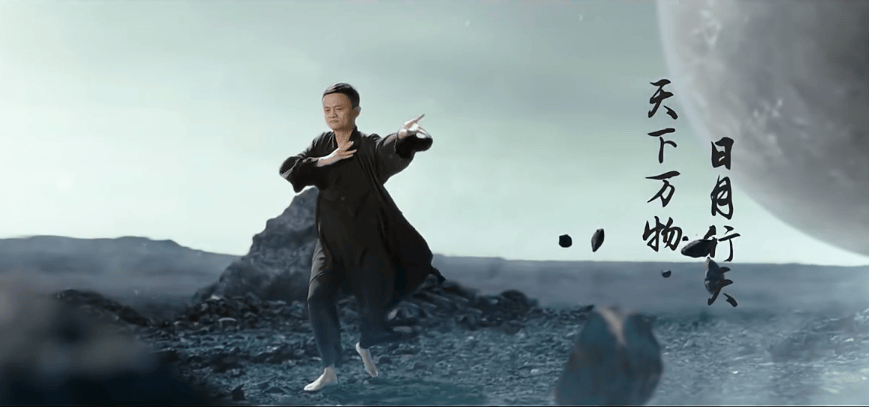
马云最新发声
程序员的那些事· 2026-01-28 15:43
Core Viewpoint - The relationship between AI and education presents both challenges and opportunities, particularly for rural education, emphasizing the need to focus on how to effectively teach children to utilize AI rather than whether to use it at all [1]. Group 1: AI and Education - AI poses a challenge to rural education but also offers a chance to return to the essence of education [1]. - The focus in the AI era should shift from competition in calculation and memory to fostering curiosity in children, as curiosity is the source of computational power [1]. - The gap in the AI era is not technological but rather in curiosity, imagination, creativity, judgment, and collaboration skills [1]. Group 2: Future of Learning - Future education should not prioritize rote memorization but rather encourage students to think in interesting, creative, and unique ways [1]. - The goal is for students to learn to ask a multitude of good questions rather than providing the same correct answer [1].
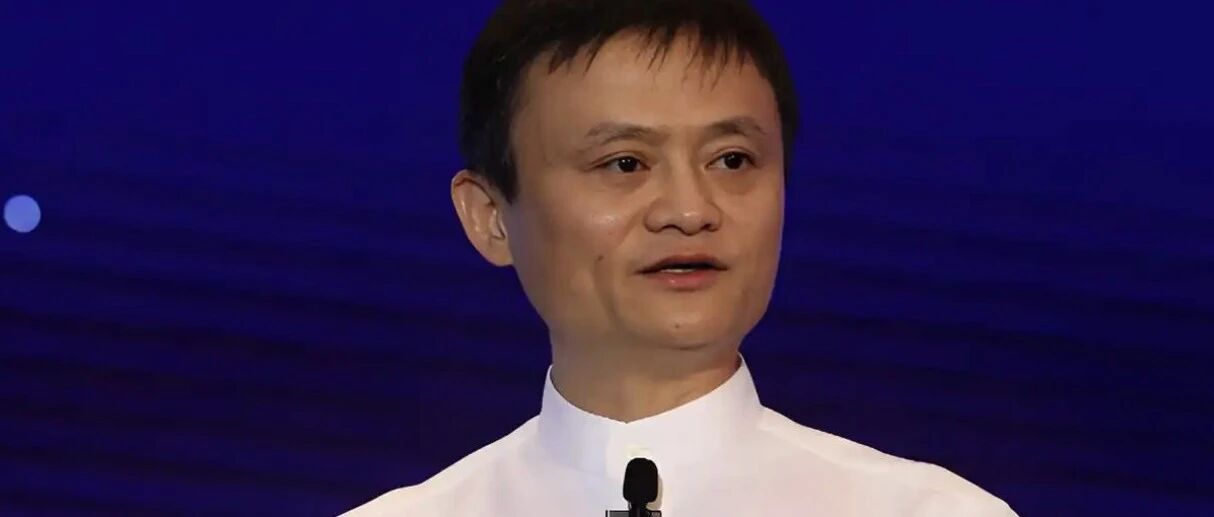
AI时代拼什么?马云最新发声,他对教育和个体竞争力的看法很犀利
Sou Hu Cai Jing· 2026-01-28 13:06
Group 1 - The core idea is that AI presents opportunities in education, particularly in rural areas, rather than just challenges [1] - The gap in the AI era is not technological but lies in curiosity, imagination, creativity, judgment, and collaboration skills [2] - Education should focus on fostering curiosity and creativity in children, rather than competing with AI in memory and calculation [2][4] Group 2 - The emphasis in the AI era is on asking the right questions rather than just answering them, highlighting the importance of imagination over knowledge [4] - There is a need for differentiated education to nurture curiosity and creativity, which are essential for success in the AI age [12] - The traditional education system, focused on standardized learning, must evolve to promote innovation and critical thinking [12] Group 3 - AI is expected to take over many standardized tasks, shifting human roles to problem definition and question formulation [9] - The rise of AI may lead to a widening gap in imagination and creativity, creating new forms of inequality [9] - The future of education may transform into social spaces, emphasizing interpersonal interactions rather than rote learning [9] Group 4 - The concept of "brain mines" suggests that the education of new generations will determine a nation's global standing [12] - The AI revolution is seen as a chance for humanity to iterate and improve itself, moving beyond mere knowledge competition [13]