智商税

Search documents
惊天骗局!水贝“投资铜条”遭紧急封杀,买的人血本无归?
Sou Hu Cai Jing· 2026-01-21 03:23
Core Viewpoint - The so-called "investment copper bars" are being exposed as a trap, with sellers refusing to buy them back, effectively rendering them as "dead assets" for consumers [1][4]. Pricing Scam - The price of one kilogram of copper bars is around 200 yuan, but to break even, the copper price would need to soar to 200,000 yuan per ton, while the current spot price is only about 100,000 yuan per ton [4]. Liquidity Trap - Unlike the established recycling systems for gold and silver, there is no formal recycling channel for copper bars, making them nearly impossible to liquidate [4]. Real Background - Although international copper prices are rising due to high demand from AI and power grid sectors, this does not correlate with the high premium prices of copper bars purchased by individuals [4]. Investment Misconception - The situation is characterized as a new form of exploitation, leveraging information asymmetry and social media hype, targeting individuals' fear of missing out [4].

2025年最坑爹的单品,没买过的人有福了
3 6 Ke· 2026-01-12 01:08
Group 1 - The article discusses the evolving consumer behavior where individuals are becoming more pragmatic in large purchases while still indulging in small, emotional spending [1] - There is a notable increase in health-related products, such as dynamic blood glucose monitors, which are marketed to address the rising anxiety around health among young consumers [3][4] - The price of gold has surged significantly, with spot gold prices reaching new highs, indicating a growing interest in gold as a fashionable investment among various demographics [6][9] Group 2 - The introduction of innovative health products like electronic coffee wristbands aims to provide energy without the side effects of traditional coffee consumption, appealing to the busy workforce [12][17] - Birch sap is emerging as a trendy health drink, marketed for its supposed nutritional benefits, despite scientific evidence suggesting its low nutritional value [18][20] - The rise of products like children's fingerprint water bottles reflects a trend towards high-tech solutions in everyday items, although they may not provide practical benefits [34][36] Group 3 - The market for eye health products, particularly those containing lutein, is expanding due to increased screen time and related vision concerns, despite limited clinical evidence supporting their efficacy [30][33] - The popularity of kombucha and turmeric drinks highlights a trend in health beverages that cater to urban consumers' desire for wellness, even if the underlying health claims are debated [25][27] - The demand for signal enhancement stickers for smartphones indicates a consumer willingness to invest in perceived technological improvements, despite the lack of clear scientific backing [39][45] Group 4 - The shift towards bladeless fans in home decor reflects a consumer preference for aesthetic design over traditional functionality, leading to higher price points in the market [46][49] - The article emphasizes the emotional and psychological factors driving consumer purchases, suggesting that many products are marketed more for their perceived value than their actual utility [1][3]

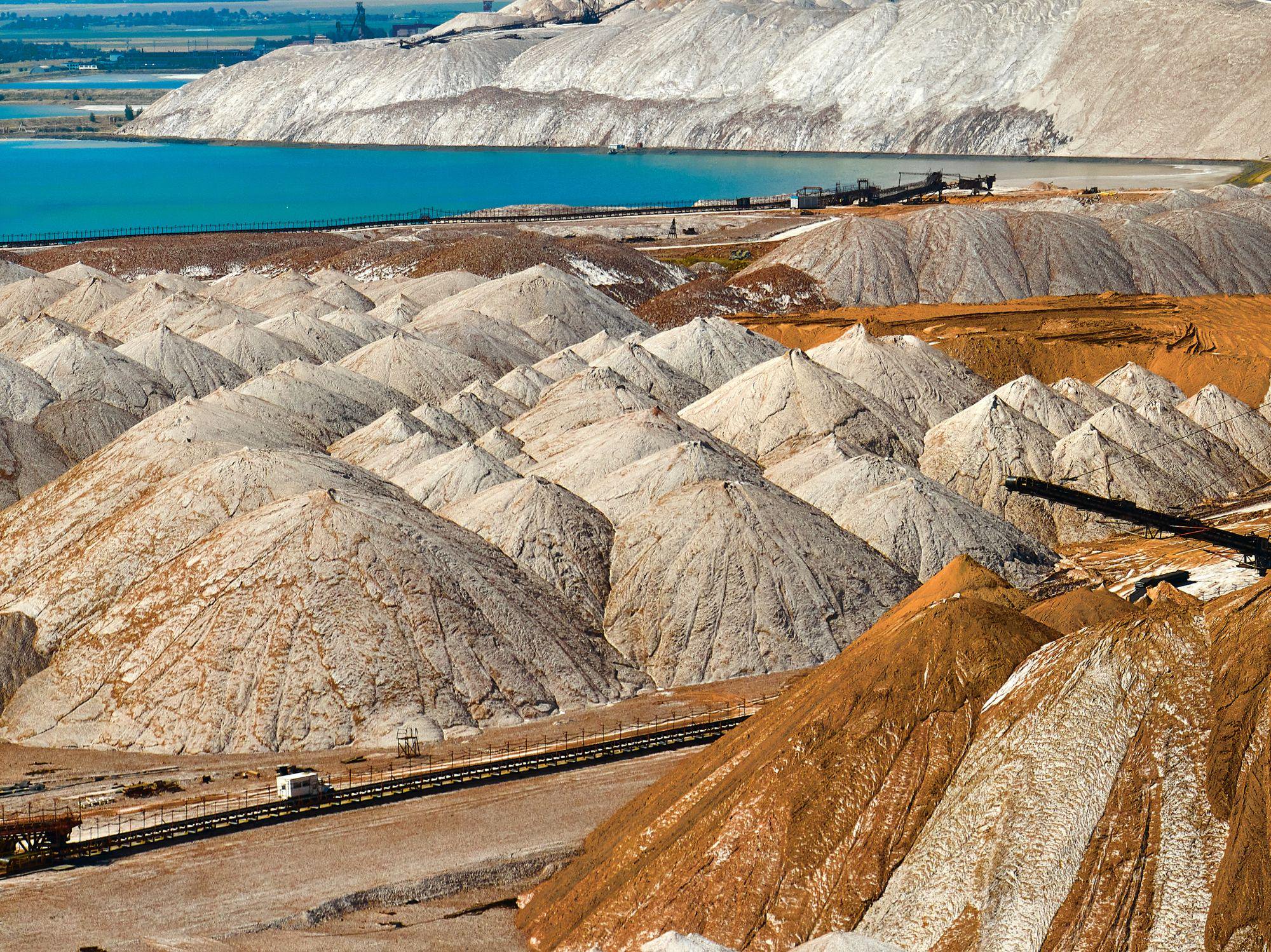
1斤240元的“盐中爱马仕”,既是颜值税,更是智商税
Xin Lang Cai Jing· 2025-12-22 11:05
Core Viewpoint - The article discusses the rising popularity of "rose salt," highlighting its marketing as a premium, healthy product while revealing underlying safety concerns and regulatory non-compliance [2][3]. Group 1: Product Characteristics - "Rose salt" is marketed as a natural, mineral-rich product with a visually appealing pink color, often referred to as the "king of salts" and "the most expensive salt" [2]. - It originates from the Himalayas and contains minerals like iron and magnesium, which contribute to its pink hue [5]. - The product does not meet national standards for edible salt in China, which require a white color and specific purity levels [6]. Group 2: Market Pricing and Consumer Behavior - Market data indicates that "rose salt" is sold at prices 6-10 times higher than regular salt, with some prices reaching up to 240 yuan per pound [4]. - The marketing strategy leverages the product's aesthetic appeal and perceived health benefits, leading consumers to pay a premium, referred to as "aesthetic tax" and "intelligence tax" [3][6]. Group 3: Health and Safety Concerns - Experts argue that the claimed health benefits, such as containing 84 trace elements, are largely exaggerated, as essential nutrients are better obtained from a varied diet [7]. - There are potential health risks associated with unrefined natural salts, which may contain harmful heavy metals like lead and arsenic [7]. - The article emphasizes the need for consumers to be aware of product standards and to critically evaluate marketing claims regarding health benefits [7]. Group 4: Regulatory and Consumer Recommendations - The article calls for stricter regulation of misleading marketing practices and encourages consumers to rely on established standards rather than marketing rhetoric [7]. - It advocates for a more informed consumer base that prioritizes quality over packaging and marketing gimmicks [7].
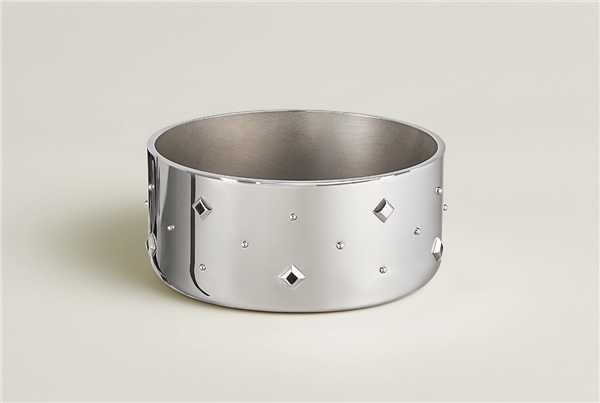
100%不锈钢、法国制造 爱马仕上架新款狗碗:售价超2万元
Xin Lang Cai Jing· 2025-11-25 10:22
Group 1 - The luxury brand Hermès has launched a dog bowl priced at 18,300 yuan for the small size and 20,600 yuan for the large size, highlighting the high price point of luxury goods that are often unattainable for average consumers [2][5] - The dog bowl is made of 100% stainless steel, manufactured in France, and features the "Clou de Forge" pattern along with the engraving "Hermès Sellier Paris," indicating a focus on premium materials and craftsmanship [2] - Hermès customer service noted that the dog bowl is a new product for the Spring 2026 collection, with the large size already sold out on the website, suggesting strong demand for luxury pet products [2][5] Group 2 - In addition to the dog bowl, Hermès offers a range of expensive pet products, including dog collars (priced between 8,000 and 29,700 yuan), dog beds (45,700 yuan), pet bags (25,150 yuan), and raincoats (8,600 to 10,850 yuan), further emphasizing the brand's positioning in the luxury pet market [5] - The high price of the dog bowl has sparked discussions online, with some consumers questioning the value and labeling it as a "smart tax," while others defend it as a legitimate luxury item, indicating the polarizing nature of luxury pricing [19]
“有毛用啊!” 柯洁怒批少儿编程是智商税。但有人却觉得“能打发时间就行”,你站哪边?
程序员的那些事· 2025-10-28 23:44
Core Viewpoint - The article discusses the criticism from Go champion Ke Jie regarding children's programming courses, labeling them as a "tax on intelligence" and suggesting they are largely ineffective for children [2]. Group 1: Parental Perspectives - Many parents enroll their children in programming classes due to anxiety about their children's future, rather than a genuine belief in the educational value of these courses [4]. - Some parents view these classes as a temporary daycare solution, allowing them to relieve stress while their children engage in activities [4]. - A segment of parents believes that programming classes can provide a shortcut for academic advancement through competitions, particularly in major cities [4]. Group 2: Educators' Opinions - Former and current programming instructors express agreement with Ke Jie, stating that many children's programming courses are misleading and do not provide real benefits to children [6]. - Instructors highlight that the focus on competition and the high costs associated with these courses contribute to the perception of them being a "tax on intelligence" [6]. - There is a consensus among educators that unless a child has a genuine interest and talent in programming, these courses may lead to disinterest and frustration [6]. Group 3: Broader Discussions - The controversy surrounding children's programming courses stems from a lack of clarity among parents about their motivations for enrolling their children, coupled with institutions capitalizing on parental anxiety [8]. - Some commentators suggest that children would benefit more from classes that enhance reading and logical expression skills rather than programming [9]. - The article concludes that investing in foundational subjects like language and mathematics, or fostering genuine interests, is more beneficial than enrolling children in potentially unproductive programming courses [9].

千亿市场只剩三百亿:净水器的黄金赛道哪去了
Xi Niu Cai Jing· 2025-09-29 09:56
Core Insights - The home water purifier market in China, once predicted to reach a scale of 1 trillion yuan, is now projected to only achieve 34.6 billion yuan in retail sales by 2024, indicating a significant shortfall from earlier optimistic forecasts [5][6] - Despite a 21.3% year-on-year growth in retail sales for water purification devices in the first half of the year, the overall market is expected to struggle to surpass 40 billion yuan for the entire year [5][6] - The market is experiencing a polarization effect, with major brands like Haier and Midea gaining market share while smaller brands face declining sales and market exit [7][8] Industry Overview - The water purifier industry was once seen as a "golden track" with high growth potential, but the reality has proven to be more challenging, with many consumers reluctant to invest in purifiers despite the emphasis on water quality and health [5][6] - The market concentration is increasing, with the top three brands holding over 50% of the market share, indicating a trend towards consolidation [5][6] - The average annual cost of replacing filters for mid-range purifiers can range from 8,000 to 20,000 yuan, which discourages many consumers from purchasing these products [7][8] Consumer Behavior - Consumers are increasingly skeptical of the marketing claims surrounding water purifiers, viewing them as a potential "intelligence tax" due to the high costs associated with ownership and maintenance [7][8] - Many households find that boiling tap water is sufficient for safe drinking, given that the quality of municipal water supply meets national standards [7][8] - Alternative solutions like bottled water and instant hot water dispensers are becoming more popular, especially among younger consumers and renters, further challenging the water purifier market [7][8] Marketing and Innovation - Some brands are attempting to innovate by introducing concepts like "filter ID" for traceability and community-based "shared filters" to reduce costs, moving away from flashy marketing towards more practical solutions [8] - The industry is urged to focus on creating real value for consumers rather than relying on extravagant marketing claims that can lead to distrust [8]
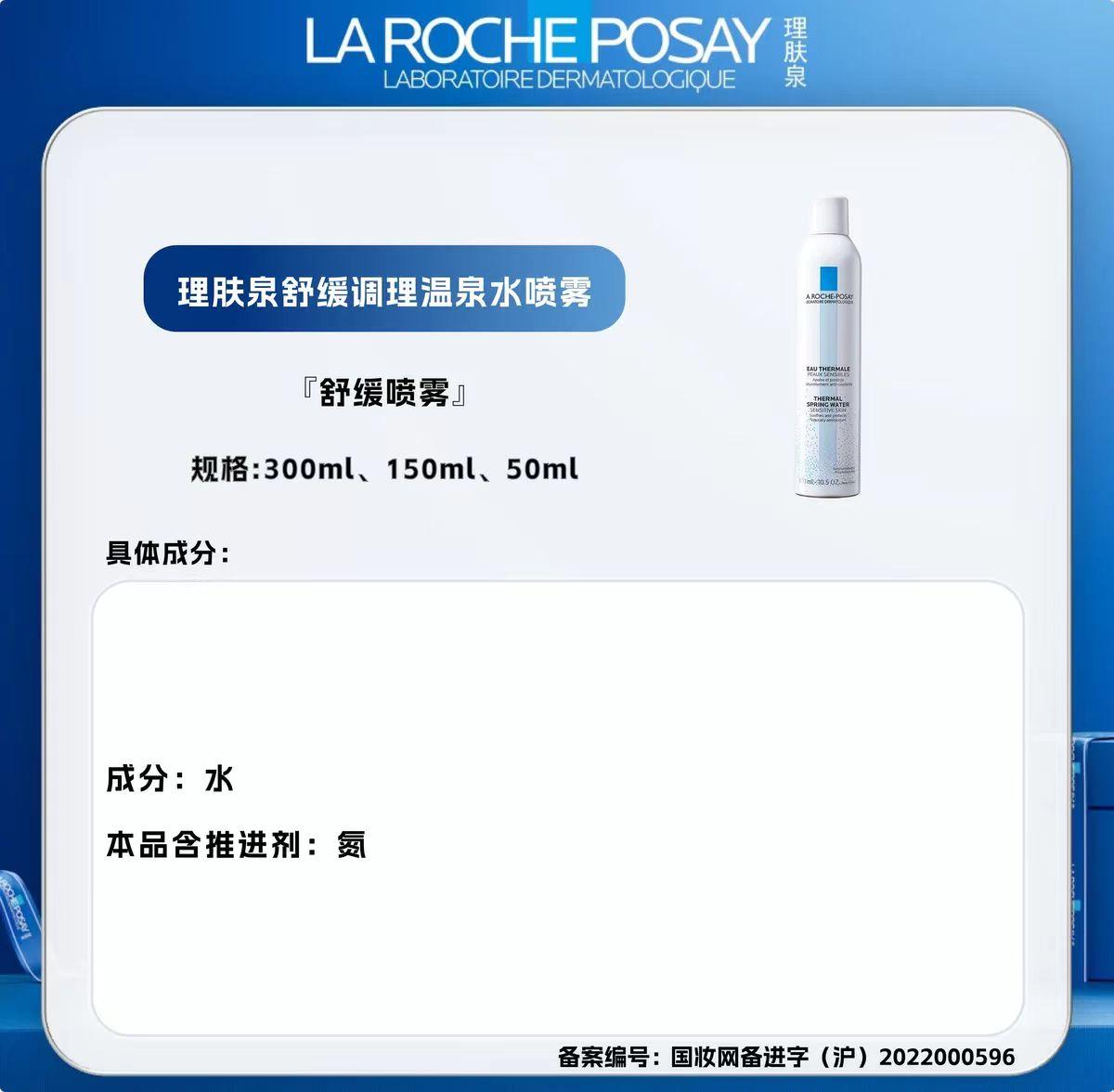
理肤泉回应“上百元喷雾成分只有水”
第一财经· 2025-09-02 13:58
Core Viewpoint - The article discusses the controversy surrounding La Roche-Posay's thermal water spray, highlighting consumer skepticism about its high price despite containing only water, which the company defends as being sourced from natural thermal springs in France and processed to retain beneficial minerals and elements [3][6]. Group 1: Product Details - La Roche-Posay's thermal water spray is priced at 119 yuan for 150ml and starts at 129 yuan for 300ml, with the company emphasizing that the cost is justified by production expenses and the quality of the spray nozzle [3]. - The spray is claimed to contain unique minerals and trace elements that can soothe and enhance skin resilience against external factors [3]. Group 2: Expert Opinions - A skin care expert from Tongji University noted that while the spray can provide instant hydration, its effectiveness depends on usage and skin absorption, and it should not be relied upon for long-term moisture retention [6]. - The expert cautioned against excessive use of the spray, which could lead to over-hydration of the skin's outer layer and potentially damage the skin barrier [6]. Group 3: Company Background - La Roche-Posay is a brand under L'Oréal Group, which has faced legal challenges, including over a hundred lawsuits related to contract disputes [6]. - L'Oréal has recently dealt with product recalls in the U.S. due to contamination issues, although these incidents have not affected the Chinese market [7].

成分只有水售价上百元!温泉水喷雾被指智商税,理肤泉回应
Nan Fang Du Shi Bao· 2025-09-02 11:01
Core Viewpoint - The controversy surrounding La Roche-Posay's "Soothing Thermal Water Spray" has sparked discussions online, with critics labeling it as a "smart tax" due to its ingredient list primarily consisting of "water" and questioning its high price point [1][3]. Company Overview - La Roche-Posay's thermal water spray is a flagship product under the L'Oréal Group, which has reported a sales revenue of €224.73 billion (approximately ¥1861.91 billion) in the first half of this year, reflecting a year-on-year growth of 3% [3][4]. - The product is available in three sizes: 50ml, 150ml, and 300ml, with the 300ml two-pack priced at ¥101.5 [3]. Financial Performance - In the first half of 2024, L'Oréal's sales reached €221.2 billion, marking a year-on-year increase of 7.5%, while operating profit grew by 8% to €45.99 billion, accounting for 20.8% of sales [4]. - The professional hair care division has emerged as a growth driver, achieving a 6.5% year-on-year increase in sales, with brands like Kérastase and Color Wow gaining consumer favor [4]. - The mass cosmetics division reported sales of €84.1 billion (approximately ¥697.8 billion), with a year-on-year growth of 2.8%, while the skin science beauty division saw sales of €38.6 billion (approximately ¥320.3 billion), growing by 3.1% [5].
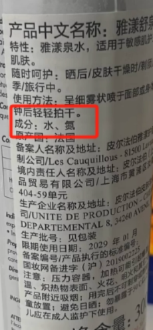
雅漾回应喷雾成分是“水”
新浪财经· 2025-09-02 09:07
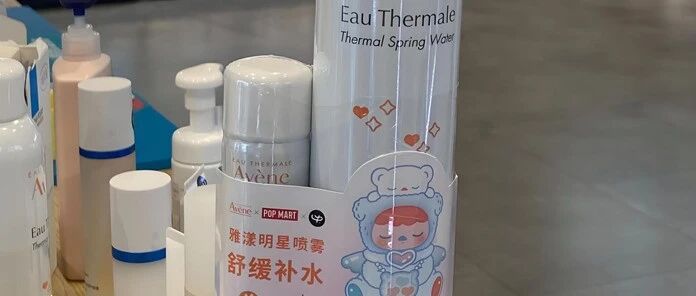
Core Viewpoint - The article discusses the controversy surrounding the effectiveness and pricing of Avene's thermal water spray, questioning whether it represents a "smart tax" for consumers due to its high price and minimal active ingredients [2][12]. Group 1: Product Composition and Effectiveness - Avene's thermal water spray is primarily composed of water and nitrogen, with no specific data on the mineral content of the thermal water provided by customer service [3][8]. - Industry experts express skepticism about the actual benefits of the spray, noting that its main function is to provide a temporary feeling of hydration and relief for sensitive skin [9][10]. - The spray's effectiveness is largely based on subjective user experiences, with limited objective data available to support its claimed benefits [9][10]. Group 2: Pricing and Market Position - The price of Avene's thermal water spray has significantly decreased, with current prices for a 300ml bottle dropping to double digits, compared to nearly 200 yuan in the past [3][12]. - Avene's spray is currently a best-seller on e-commerce platforms, reportedly selling 35 bottles per second and accumulating over 1 million orders [12]. - The article highlights consumer concerns regarding the value proposition of Avene's spray, suggesting that the cost may be more reflective of branding and marketing rather than actual product efficacy [13][14]. Group 3: Brand Background and Future Outlook - Avene, part of the Pierre Fabre Group, has been a prominent player in the Chinese market since its entry, with the thermal water spray being a key product for market penetration [13][14]. - The brand aims for double-digit growth in total sales across all channels for 2024, driven by a trend towards functional skincare products among Chinese consumers [14]. - The ongoing debate about the product's value and effectiveness raises questions about Avene's ability to maintain its reputation in the market [14].
雅漾回应喷雾成分是“水”
Xin Lang Cai Jing· 2025-09-02 08:52
Core Viewpoint - The article discusses the controversy surrounding the efficacy of Avene's thermal water spray, questioning whether it represents a "smart tax" for consumers due to its high price and minimal active ingredients [1][8]. Group 1: Product Composition and Efficacy - Avene's thermal water spray is primarily composed of water and nitrogen, with the official customer service stating that the water has low mineral content and matches the natural pH of human skin [3][5]. - The specific mineral content of Avene's thermal water is not disclosed, with only a mention of 266mg/L low mineral content and a calcium-magnesium ion ratio of 2:1 [3][5]. - Industry experts express skepticism about the actual benefits of the spray, suggesting that its primary function is to provide a temporary feeling of hydration and comfort rather than long-term skin care benefits [5][6]. Group 2: Market Performance and Pricing - Avene's thermal water spray is currently being promoted on e-commerce platforms, with prices significantly lower than in the past, indicating a drop in perceived value [8][9]. - The spray is reported to be a best-seller on Avene's official store, selling approximately 35 bottles per second and accumulating over 1 million orders [8]. - The parent company, Pierre Fabre, aims for double-digit growth in total sales across all channels for Avene in 2024, driven by a trend towards functional skincare products among Chinese consumers [9]. Group 3: Consumer Perception and Brand Positioning - There is a growing consumer sentiment questioning the value of high-priced sprays, likening them to bottled water with significant markup for branding and marketing [9]. - The article highlights the historical context of Avene's entry into the Chinese market, emphasizing its reputation as a pioneer for sensitive skin care since 1990 [9].