植物肉

Search documents
彻底退出了中国!欧美人造肉,在中国栽大跟头,千亿市值直接蒸发
Sou Hu Cai Jing· 2026-02-11 15:21
近年人造肉在欧美大火,植物基产品靠环保健康圈粉又吸金,不少海外大牌都想来中国市场分一杯羹,知名的别样肉客也满怀信心入局,想复刻欧美成功模 式。 可谁料,进入中国才短短几年,它不仅迟迟打不开市场,还陷入了重重困境,最后只能无奈宣布彻底退出,市值更是蒸发了上千亿人民币。 曾经的人造肉大牌,竟在国内市场折戟沉沙。 你觉得别样肉客折戟中国市场的原因是什么? 别样肉客成立于2009年,创始人伊桑·布朗原本是从事清洁能源的,他并非传统的食品行业背景,但他凭借着环保和健康的理念,以及对全球气候变化问题 的关注,创造了这家致力于植物蛋白替代肉类的公司。 他希望通过植物基肉类产品来减少温室气体的排放,改善全球环境问题。 别样肉客的成功引起了全球投资者的关注,除了比尔·盖茨和莱昂纳多·迪卡普里奥等知名人物的支持,公司还在2019年成功上市,市值一度突破150亿美元 (约合千亿人民币)。 在美国本土和欧美市场,植物肉凭借其环保、健康的形象以及对动物福利的关注,逐渐获得了消费者的认可和青睐。 尤其是美国快餐文化,接受度较高,植物肉产品逐步进入麦当劳、肯德基等连锁餐厅,成为餐桌上新的选择。 再加上许多消费者开始关注"绿色饮食",植物肉 ...

消费者不爱,资本退潮,植物肉在中国的故事讲不下去了?
Sou Hu Cai Jing· 2025-12-22 09:44
Core Viewpoint - Beyond Meat, known as the "first stock of plant-based meat," has ceased operations on Tmall and Pinduoduo, indicating a potential exit from the Chinese market [1][2]. Company Developments - Beyond Meat has closed its flagship stores and halted production at its factory in Jiaxing, with its official social media accounts last updated on October 1 [2]. - The company previously had successful collaborations with major brands like Starbucks and Yum China, launching plant-based products that gained consumer interest [2][3]. - Despite initial success, sales in retail channels have not met expectations, with the best-selling product, a plant-based burger patty, only achieving monthly sales of approximately 400 units [3][4]. Financial Performance - Beyond Meat's revenue has been declining, projected to drop from $419 million in 2022 to $326 million in 2024, with cumulative losses reaching $864 million [5]. - In response to financial pressures, the company has implemented significant cost-cutting measures, including a plan to suspend operations in China and reduce its workforce by 95% [5]. Market Trends - The plant-based meat sector has seen a significant decline in investment, with a 64% drop in global venture capital for plant-based companies in 2024 [7]. - Consumer feedback indicates a lack of interest in plant-based meat, with 74% of Chinese consumers stating they do not plan to repurchase these products due to taste and price concerns [9]. - Major food brands have stopped offering plant-based meat products, reflecting a shift in market strategy as consumer demand wanes [9][10]. Future Outlook - Experts suggest that while the plant-based meat market may have potential for recovery in the long term, short-term prospects remain challenging due to taste and price issues [10].

从风口到缺口:别样肉客的五年一梦
3 6 Ke· 2025-12-04 11:36
Core Insights - Beyond Meat, once hailed as the "first stock of plant-based meat," has exited the Chinese market within five years of its entry, marking a significant retreat for the brand [3][19] - The company faced challenges including high product prices, poor consumer reception, and a lack of taste compared to traditional meat, leading to a decline in sales and eventual withdrawal from the market [11][12][19] Company Overview - Beyond Meat entered the Chinese market in 2020, establishing a factory in Jiaxing, Zhejiang, and partnering with major food chains like Starbucks and KFC to promote its products [8][10] - Despite initial enthusiasm and significant investment, the company reported a decline in revenue from $4.19 billion in 2022 to $3.26 billion in 2024, with cumulative losses reaching $8.64 billion [14][19] Market Dynamics - The plant-based meat sector saw a surge in interest and investment from 2019 to 2020, with a 500% increase in investment events related to plant-based companies in China [5][6] - However, as consumer interest waned and product quality issues became apparent, investment in the sector decreased significantly, leading to the closure of several companies [13][14] Consumer Reception - Consumer feedback highlighted that Beyond Meat's products were priced higher than traditional meat, with a 454g pack of plant-based beef mince priced at 199 yuan, compared to 140 yuan for real beef [11][12] - A significant 74% of consumers indicated they would not repurchase plant-based meat products, primarily due to taste and texture issues [12][19] Industry Challenges - The plant-based meat industry is currently facing a "winter" phase, with many companies struggling to secure funding and maintain operations [13][14] - Experts suggest that the industry must focus on improving product quality, establishing standards, and finding a sustainable market position to survive [17][18][19] Future Outlook - Despite current challenges, there is potential for growth in the plant-based meat sector, particularly if companies can innovate and meet consumer expectations for taste and price [17][18] - The global market for plant-based meat is projected to grow significantly, with estimates suggesting a market size of approximately $7.6 billion in 2024, expanding to about $38.5 billion by 2033 [18]

人造肉第一股,已无法搜索
盐财经· 2025-12-02 10:07
Core Viewpoint - Beyond Meat, known as the "first stock of plant-based meat," has closed its flagship stores on major e-commerce platforms in China, indicating a significant retreat from the market [2][4]. Group 1: Company Performance and Market Presence - As of November 30, 2023, Beyond Meat's official flagship store on Tmall is no longer searchable, and its Pinduoduo store is also inaccessible, suggesting a complete halt in operations in China [2]. - The company has ceased production at its factory in Jiaxing, China, and is currently selling off existing inventory and imported products from the U.S. [4]. - Financial reports indicate a decline in revenue from $419 million in 2022 to $326 million in 2024, with cumulative losses reaching $864 million [12]. Group 2: Pricing and Consumer Perception - Beyond Meat's products are priced above local alternatives, with plant-based meat costing over 60 yuan per kilogram, comparable to domestic beef prices, which has deterred potential customers [5][10]. - A significant portion of consumers (approximately 74%) reported they do not plan to repurchase plant-based meat products, primarily due to unsatisfactory taste and texture [15]. Group 3: Market Trends and Future Outlook - The plant-based meat market in China is projected to grow from approximately $760 million in 2024 to about $3.85 billion by 2033, with a compound annual growth rate of around 20% [19]. - Despite the current challenges, industry experts believe that plant-based meat can complement animal protein sources, addressing the growing demand for sustainable food options [18].
人造肉第一股别样肉客被曝关闭天猫旗舰店 热度大不如前
Xi Niu Cai Jing· 2025-12-02 05:57
Core Viewpoint - The company "Beyond Meat," known for its plant-based meat products, is facing significant operational challenges, including plans to terminate its online store in China by November 2025 and a substantial decline in revenue and increasing losses over recent years [2][4]. Group 1: Company Overview - Beyond Meat, founded in 2009 and headquartered in El Segundo, California, is one of the earliest companies focused on the research and production of plant-based meat [4]. - The company went public on NASDAQ in 2019 and offers products such as plant-based beef patties, pork, and chicken [4]. Group 2: Financial Performance - Beyond Meat's revenue has been under pressure, with reported revenues of $419 million in 2022, $343 million in 2023, and projected $326 million in 2024, alongside net losses of $366 million, $338 million, and $160 million for the same years respectively [4]. - For the third quarter of 2025, the company reported revenues of $214 million, a year-over-year decrease of 14.37%, and a net loss of $193 million, which is an increase from a net loss of $115 million in the previous year [4]. Group 3: Strategic Decisions - In response to ongoing financial pressures, Beyond Meat announced a "cost-cutting" strategy, which included suspending operations in the Chinese market and reducing its workforce by 95% [4]. - The closure of its online channels in China appears to have been part of a premeditated plan due to the declining performance in the plant-based meat sector [4].

“页面找不到了”!知名品牌关店,退出中国
2 1 Shi Ji Jing Ji Bao Dao· 2025-12-02 00:51
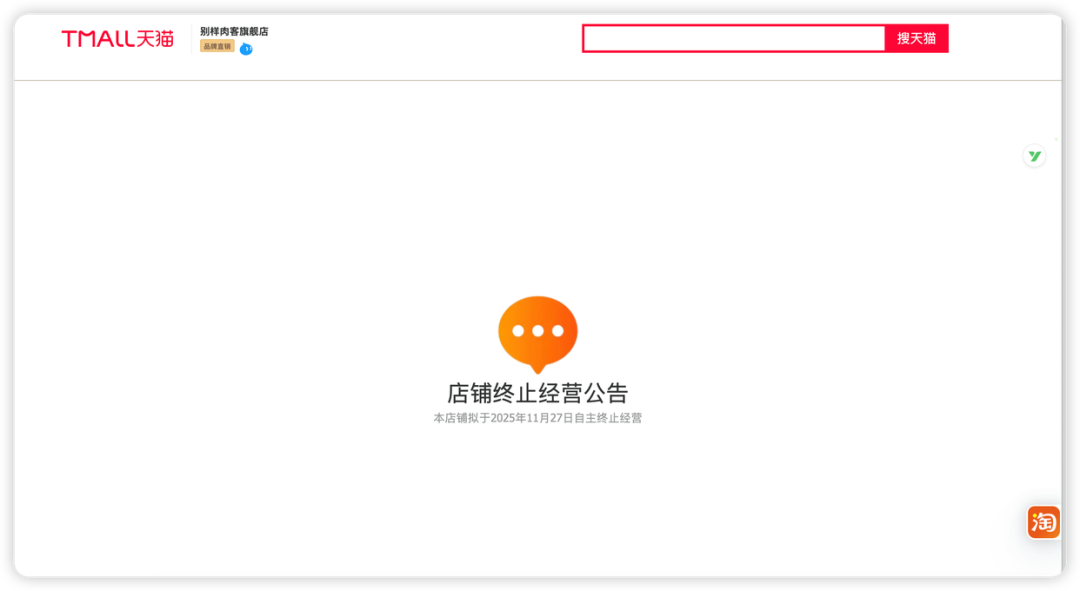
Core Insights - Beyond Meat, known as the "first plant-based meat stock," has terminated its Tmall flagship store operations as of November 27, 2023, and its Pinduoduo store is no longer selling any products [1][11] - The company had previously announced plans to suspend its operations in China by the end of June 2023, including a significant reduction of its workforce by 95% [3][9] - The decline in interest for plant-based meat in China has led to major partners like Starbucks, KFC, and Nestlé ceasing their plant-based meat offerings [12][16] Company Operations - Beyond Meat was founded in 2009 in California and went public on NASDAQ in May 2019, with an initial stock price surge of 163%, reaching a market cap of approximately $3.83 billion [4] - The company initially viewed China as a strategic market, launching products in collaboration with Starbucks in April 2020 and expanding partnerships with KFC and other brands [6][8] - Despite early optimism, the company announced in February 2025 that it would officially pause operations in China, citing the need to improve profit margins [9] Market Trends - The plant-based meat market in China has seen a significant decline, with major brands like Starbucks and KFC no longer offering plant-based products [12][18] - Beyond Meat's revenue has been on a downward trend since 2022, with projected revenues of $465 million in 2021, dropping to $327 million in 2024, and a net loss of $193 million in the first three quarters of 2023 [12] - The company's U.S. market also experienced a decline, with retail channel revenues down 18.4% and food service revenues down 27.3% in the latest quarter [12][13] Industry Challenges - The overall demand for plant-based meat in China is weak, as consumers still prefer traditional meat options, making it difficult for plant-based alternatives to gain traction [18] - Other major companies, including Nestlé and Unilever, have also scaled back or exited their plant-based meat initiatives in China, indicating a broader trend of reduced interest in the category [16][18]
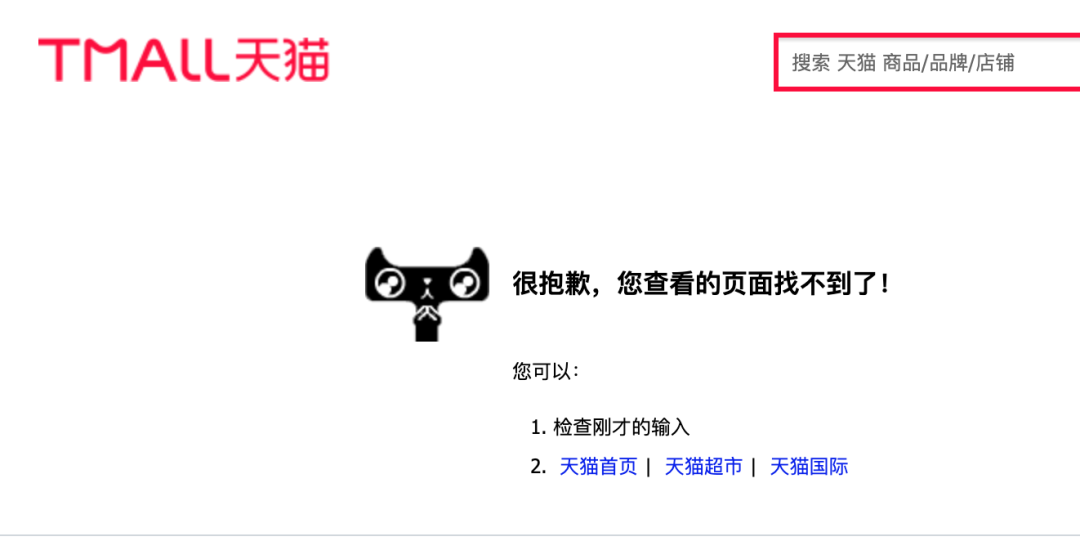
突然终止运营!曾宣布大裁员!很多深圳人吃过,有网友表示可惜
Sou Hu Cai Jing· 2025-12-02 00:36
Core Viewpoint - Beyond Meat, the first publicly traded plant-based meat company, has decided to suspend its operations in China, marking a significant retreat from a market it once viewed as strategic for growth [4][10]. Group 1: Company Operations - Beyond Meat's Tmall flagship store has ceased operations as of November 27, and its Pinduoduo store no longer sells any products [2][10]. - The company had previously announced plans to cut 95% of its workforce in China by the end of June 2023 to reduce operational costs [4][10]. - Despite inquiries about a potential return to the Chinese market, Beyond Meat has not provided any responses as of the latest report [4][10]. Group 2: Market Context - The demand for plant-based meat in China has significantly declined, with major brands like Starbucks, KFC, and Nestlé ceasing to offer plant-based products [10][11]. - Beyond Meat's revenue has been on a downward trend since 2022, with projected revenues of $4.65 billion in 2021, dropping to $3.27 billion in 2024, alongside increasing net losses [11]. - The company's U.S. market also reflects a decline, with retail channel revenues down 18.4% and food service revenues down 27.3% in the latest quarter [11][12]. Group 3: Industry Challenges - The overall market for plant-based meat in China is facing challenges, as consumer preferences lean towards traditional meat products, making it difficult for plant-based alternatives to gain traction [17]. - Other companies, including Nestlé and Unilever, have also exited or scaled back their plant-based meat operations in China, indicating a broader industry retreat [15][17].
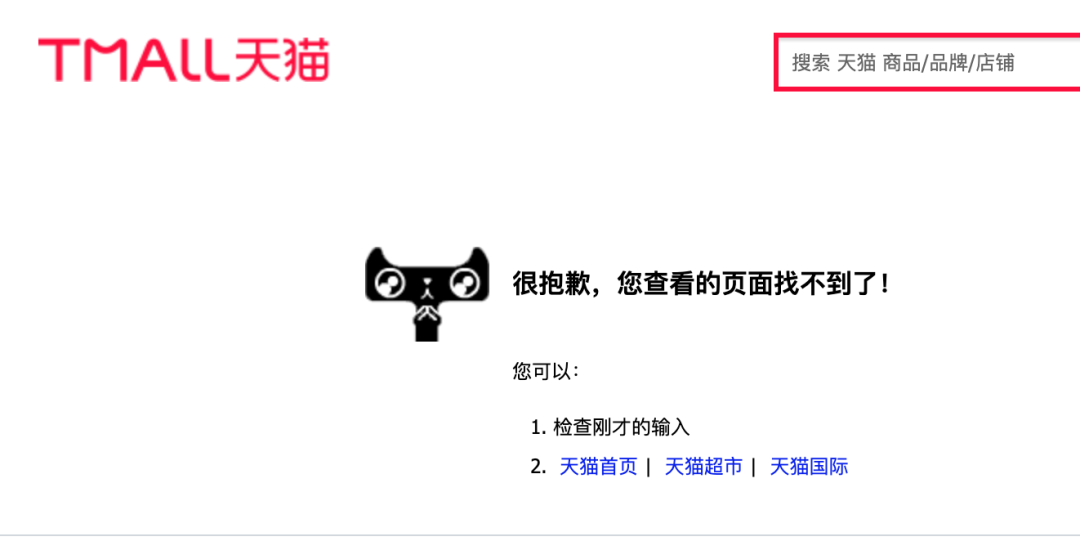
太突然!曾获比尔·盖茨投资,知名品牌退出中国,浙江工厂不到5年就停产,经销商称“现在卖的是库存和美国进口品”
新浪财经· 2025-12-01 12:07
Core Viewpoint - Beyond Meat, known as the "first stock of plant-based meat," has faced significant challenges in the Chinese market, leading to the closure of its flagship stores on major e-commerce platforms and the suspension of its production facility in Jiaxing, China [2][4][8]. Company Overview - Beyond Meat was founded in 2009 and went public in 2019, experiencing a stock price surge of 163% on its debut. The company has notable investors, including Bill Gates and Leonardo DiCaprio [6]. - The company launched its products in China in 2020 through partnerships with major food chains like Starbucks, KFC, and Pizza Hut, aiming to capture the B2B market [6][8]. Market Challenges - The plant-based meat market in China has not developed as expected, with limited consumer interest beyond the vegetarian demographic. Beyond Meat's products are priced higher than local alternatives, with prices exceeding 60 yuan per kilogram, comparable to beef prices [5][12]. - The company has struggled with declining sales, reporting a drop in revenue from $419 million in 2022 to $326 million in 2024, with cumulative losses reaching $864 million [14]. Consumer Perception - Consumer feedback indicates dissatisfaction with the taste and texture of plant-based meat products, with many describing them as inferior to real meat. Approximately 74% of consumers reported they do not plan to repurchase plant-based meat products, primarily due to taste issues [15][16][21]. Future Outlook - Despite the current challenges, the plant-based meat market in China is projected to grow, with estimates suggesting a market size of approximately $760 million by 2024 and $3.85 billion by 2033, with a compound annual growth rate of around 20% [20][21]. - The lack of standardized regulations for plant-based meat in China poses a challenge for consumer trust and product acceptance, which could hinder market growth [20][21].
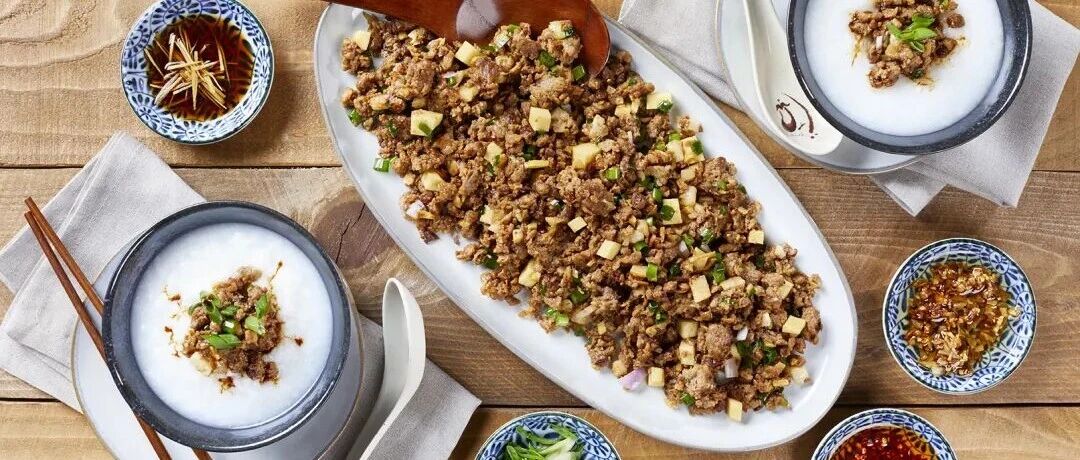
知名品牌退出中国,曾获比尔·盖茨投资,现在卖库存和美国进口品
Mei Ri Jing Ji Xin Wen· 2025-12-01 03:03
Core Viewpoint - Beyond Meat, known as the "first stock of plant-based meat" and previously backed by Bill Gates, has quietly closed its flagship stores on major e-commerce platforms in China, indicating a significant retreat from the market [1][19]. Company Overview - Beyond Meat was founded in 2009 and went public in 2019, experiencing a stock price surge of 163% on its debut. It has notable investors including Bill Gates and Leonardo DiCaprio [3][5]. - The company launched its first end-to-end production facility outside the U.S. in Jiaxing, Zhejiang, in 2021, aiming to cater to the Chinese market with localized products [5][10]. Market Performance - As of November 30, 2023, Beyond Meat's official flagship store on Tmall is no longer searchable, and its Pinduoduo store is also non-functional, indicating a complete withdrawal from the Chinese market [1][3]. - The company has faced declining revenues, with a drop from $419 million in 2022 to $326 million in 2024, and a cumulative loss of $864 million during the same period [10]. Product Pricing and Consumer Perception - Beyond Meat's products are priced above local alternatives, with plant-based meat products costing over 60 yuan per kilogram, comparable to domestic beef prices, which has deterred consumers [3][10]. - Consumer feedback highlights dissatisfaction with the taste and texture of plant-based meat, with many describing it as inferior to real meat [11][13]. Industry Trends - The plant-based meat sector in China has seen a decline in investment and interest since late 2021, with many startups facing financial difficulties and some brands going bankrupt [11][16]. - Despite the challenges, the market for plant-based meat in China is projected to grow, with estimates suggesting a market size of approximately $7.6 billion by 2024, potentially reaching $38.5 billion by 2033 [16].
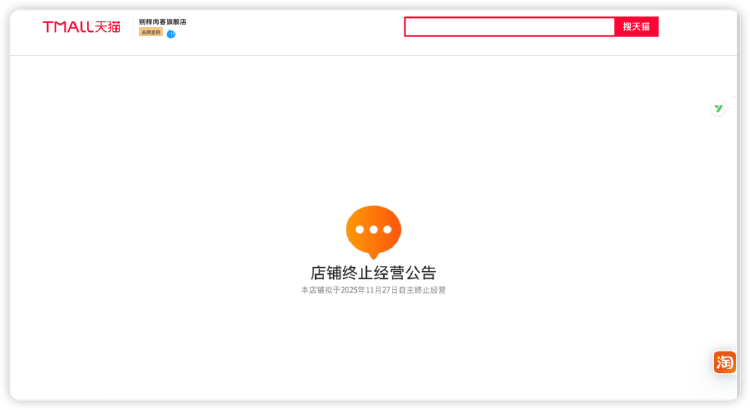
别样肉客退出中国,浙江工厂不到5年就停产,曾获比尔·盖茨投资
Mei Ri Jing Ji Xin Wen· 2025-11-30 22:20
Core Viewpoint - Beyond Meat, known as the "first stock of plant-based meat," has quietly closed its flagship stores on major e-commerce platforms in China, indicating a significant retreat from the market [1][3]. Company Overview - Beyond Meat was founded in 2009 and went public in 2019, experiencing a stock price surge of 163% on its debut day. Notable investors include Bill Gates and Leonardo DiCaprio [3][5]. - The company initially entered the Chinese market in 2020 through partnerships with major food chains like Starbucks, KFC, and Pizza Hut, aiming to capture the B2B market [5][11]. Market Performance - As of November 30, 2023, Beyond Meat's official flagship store on Tmall is no longer searchable, and its Pinduoduo store is also non-functional [1][3]. - The company has faced declining revenue, with a drop from $419 million in 2022 to $326 million in 2024, and a cumulative loss of $864 million during the same period [11]. Product Pricing and Consumer Perception - Beyond Meat's products are priced above local alternatives, with plant-based beef patties costing over 60 yuan per kilogram, comparable to domestic beef prices [3][11]. - Consumer feedback indicates dissatisfaction with the taste and texture of plant-based meat, with many describing it as inferior to real meat [12][15]. Industry Trends - The plant-based meat sector in China has seen a decline in investment since late 2021, with many startups facing financial difficulties or shutting down [12]. - Despite the challenges, the market for plant-based meat is projected to grow, with estimates suggesting a market size of approximately $760 million by 2024 and $3.85 billion by 2033, maintaining a compound annual growth rate of around 20% [15]. Stock Performance - Beyond Meat's stock has significantly decreased, trading at $0.982 per share as of November 28, 2023, with a total market capitalization of $445 million [16].