
水生态环境保护

Search documents
3个100%!大连“三水”共治,绘就碧水清流新画卷
Yang Guang Wang· 2026-01-18 00:12
Core Insights - Dalian City has achieved a 100% excellent rate for 13 national monitoring river sections and maintained a 100% excellent water quality rate for 14 drinking water sources since the "14th Five-Year Plan" [1][2] - The city has implemented a comprehensive approach to water management, focusing on pollution control, ecological restoration, and sustainable water resource utilization [2][4] Group 1: Water Quality Management - Dalian has established a management mechanism for water ecological environment protection, achieving expected goals in water protection, ecological restoration, and resource utilization [2] - The city has implemented precise pollution tracing and established a pollution source ledger for national monitoring rivers, leading to the development of targeted management plans [2][3] - A compensation mechanism for river water quality pollution has been introduced, promoting collaborative pollution control between upstream and downstream areas [2] Group 2: Pollution Control Initiatives - Dalian has completed the comprehensive remediation of 1,983 river discharge outlets, enhancing the management of pollutant discharges [3] - All 14 industrial parks in the city have established wastewater treatment facilities, ensuring proper treatment of industrial wastewater [3] - The city's sewage treatment capacity has doubled from 124.3 million tons per day in 2016 to 248.7 million tons per day, with a centralized treatment rate exceeding 98% [3] Group 3: Water Resource Optimization - Dalian has developed a modern water network plan focusing on maintaining ecological flow in key rivers, achieving a 100% compliance rate for ecological flow discharge in the Qiliu River reservoir [4] - The city has established facilities for reclaimed water reuse, achieving a utilization rate of over 35% [6] Group 4: Ecological Restoration Efforts - Dalian is advancing ecological restoration projects in rivers, enhancing self-purification capabilities and improving the ecological environment [7] - The city has implemented a monitoring and early warning plan for algal blooms in key lakes and reservoirs, ensuring proactive management [7] Group 5: Future Goals - Dalian aims to continue its efforts in beautiful river and lake protection, emphasizing precise, scientific, and legal pollution control to achieve higher standards in water management [8]
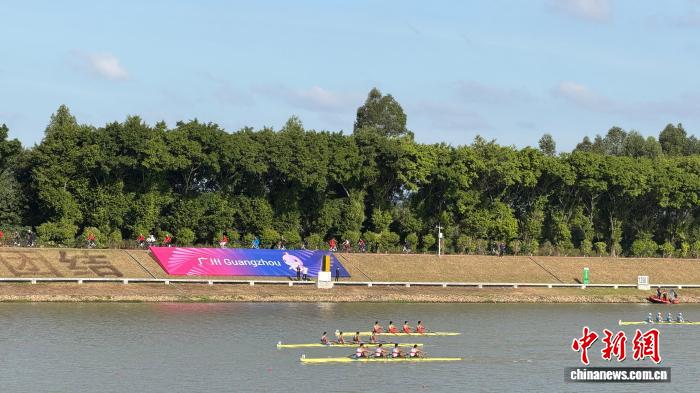
广州2025年建成100个美丽河湖
Zhong Guo Xin Wen Wang· 2026-01-13 13:07
Group 1 - The core objective is to establish 100 beautiful rivers and lakes in Guangzhou by 2025, focusing on water ecological environment protection [1] - Guangzhou aims for all national and provincial water quality assessment sections to meet annual assessment requirements by 2025, achieving a 100% excellent rate and maintaining zero sections of inferior V class water bodies [2] - The city emphasizes the protection of drinking water sources, implementing strict measures to ensure the safety of water sources, including optimizing protection areas in four districts [2] Group 2 - Guangzhou adopts a systematic approach to water management, integrating land and sea governance to address pollution in coastal and river areas [3] - The strategy focuses on reducing inorganic nitrogen in marine areas and total nitrogen emissions on land as key measures for coordinated river and sea governance [3]

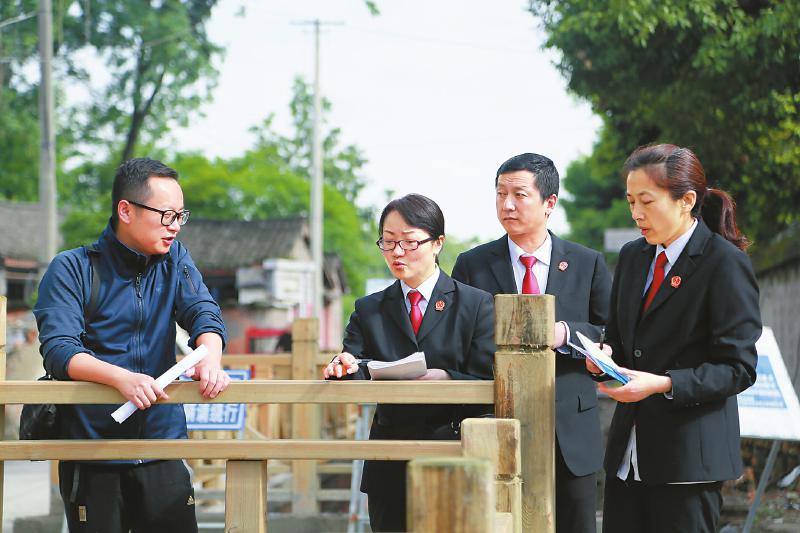
河长+法官 拉起水生态保护网 全省首个河长制办公室法官工作站成立三年多 当地环境类案件收案数和信访数“双降”
Si Chuan Ri Bao· 2026-01-04 03:59
Core Viewpoint - The establishment of the River Chief Judge Workstation in Chongzhou has significantly enhanced the collaboration between judicial and administrative bodies in protecting water ecological environments, leading to effective law enforcement and environmental governance [4][7][12]. Group 1: Operation of the River Chief Judge Workstation - The workstation consists of 15 judges who provide judicial assistance to river chiefs, facilitating evidence collection and legal advice for administrative enforcement [6][7]. - The collaboration platform allows for information sharing and joint investigations, improving efficiency among various departments [7][8]. Group 2: Impact on Water Ecological Protection - The workstation has played a crucial role in addressing water pollution cases, providing legal opinions that empower enforcement personnel to act decisively against violators [8][9]. - Since its establishment, over 20 water-related environmental disputes have been successfully resolved before litigation, demonstrating the effectiveness of preemptive conflict resolution [9][10]. Group 3: Initiatives for Ecological Restoration - The workstation has initiated ecological restoration activities, such as releasing 28,000 fish fry into local rivers, funded by penalties from illegal fishing cases [10][11]. - It has also developed a mechanism for ecological restoration in criminal cases, enhancing the scientific basis for environmental adjudication [10][11]. Group 4: Preventive Measures and Public Engagement - The workstation conducts regular river patrols and engages with local communities to identify and address environmental issues proactively [11][12]. - Legal education initiatives have been implemented, resulting in a decrease in environmental case filings and complaints, while achieving a 100% compliance rate for water quality standards in major rivers [12].
【商洛】持续做好水生态环境保护工作
Shan Xi Ri Bao· 2025-11-17 22:56
Core Viewpoint - The article highlights the efforts made by the Shandong region to protect water quality and ensure sustainable water supply through advanced monitoring and community engagement, particularly in the context of the South-to-North Water Diversion Project. Group 1: Water Quality Monitoring and Protection - The Shandong region employs drone technology for environmental monitoring, ensuring that no pollution sources are overlooked during inspections [2][3] - A three-tier river management system has been established, involving county, town, and village levels, with 1,696 river inspectors actively monitoring water quality [3] - The region has successfully reduced the number of tailings ponds from 16 to 5, with 93.1% of farmland using soil testing for fertilization, and 97.51% of livestock waste being recycled [3] Group 2: Infrastructure and Community Engagement - The region has implemented a comprehensive water protection strategy, including the establishment of 8 drinking water source protection areas and the construction of monitoring facilities [7][8] - The water quality in the Long River drinking water source protection area has maintained a 100% compliance rate, ensuring high standards for water quality [6] - Community initiatives have transformed previously polluted areas into ecological parks, enhancing local tourism and quality of life [3][8] Group 3: Economic and Cultural Impact - The clean water from the Long River has contributed to the production of high-quality local products, such as the renowned Longnan tofu, which is recognized as a national geographical indication product [7] - The local government has established dynamic archives for water sources and implemented a professional and grassroots inspection system to enhance river management efficiency [7][8]
目标引领,让群众感受到美丽河湖就在身边
Zhong Guo Huan Jing Bao· 2025-09-04 23:21
Core Insights - The article discusses the changes in water ecological environment protection work during the "14th Five-Year Plan" period, highlighting a shift in focus towards monitoring smaller water bodies and tributaries, as well as incorporating ecological indicators into water quality assessments [1][2][3] Group 1: Changes in Monitoring and Assessment - The national monitoring network will expand to include over 200 additional monitoring points for river tributaries and small water bodies, reflecting a more comprehensive approach to assessing local water conditions [1] - The shift from focusing solely on the "good III water quality ratio" to a more integrated "excellent water body ratio" indicates a deeper adjustment in the strategy for water ecological environment protection [1][2] - The monitoring network now includes 3,293 monitoring points across 1,824 rivers and 353 points in lakes and reservoirs, achieving near-complete coverage of significant water bodies [3] Group 2: Achievements and Ongoing Challenges - From 2015 to 2024, the proportion of national surface water quality in categories I to III has increased by 25.9 percentage points, with 89% of monitoring points meeting these standards in the first half of the year [2] - Despite improvements in overall water quality data, issues persist in unmonitored water bodies, particularly smaller rivers and water bodies, which still face pollution challenges [2][4] - The article emphasizes the need to address the pollution of small water bodies, which are often overlooked and face significant challenges in terms of monitoring and remediation [4] Group 3: Future Directions and Community Engagement - The future focus of water ecological environment protection will shift towards comprehensive water body management and overall quality improvement, rather than merely meeting specific monitoring standards [4] - Listening to community feedback is crucial, as improvements in water quality should translate into tangible benefits for local residents, such as reduced odors and cleaner waterways [4] - The article suggests that the changes in goal-setting will drive deeper solutions to water ecological environment issues, enhancing the quality of life for communities [4]
让每一条河流都成为靓丽风景线——我国水生态环境保护工作取得新成效
Xin Hua She· 2025-08-26 14:25
Core Viewpoint - China's water ecological environment protection efforts have achieved significant progress, with a focus on improving water quality and ensuring safe drinking water for the public [1][2][3] Group 1: Water Quality Improvement - In the first half of 2023, the proportion of national surface water quality monitoring points rated as good was 89%, an increase of 0.2 percentage points year-on-year [1] - By 2024, the goal is to reach a 90.4% good water quality rate, marking the first time this threshold is surpassed [2] - The Yangtze River and Yellow River have maintained Class II water quality for five and three consecutive years, respectively [2] Group 2: Pollution Control and Remediation - Over 230,000 pollution outlets have been identified and over 90% of these have been rectified in 11 provinces along the Yangtze and 9 provinces along the Yellow River [2] - The elimination rate of black and odorous water bodies in cities at the prefecture level and above is nearly complete, with over 90% of such bodies in county-level cities eliminated [2] Group 3: Water Source Protection - A total of 24,000 drinking water source protection zones have been designated, enhancing the safety of drinking water for the public [3] - Emergency response plans for 2,515 key rivers have been developed, allowing for effective management of water environmental risks [3] Group 4: Lake Water Quality Improvement - The proportion of good water quality in 210 key lakes and reservoirs has increased to 78% as of the first half of 2025 [4] - Specific lakes such as Baiyangdian have reached Class III water quality, while highland lakes like Fuxian Lake and Lugu Lake maintain good water quality [4] Group 5: Future Initiatives - The Ministry of Ecology and Environment aims to achieve a 40% completion rate for beautiful river and lake construction by 2027 [4] - Ongoing efforts will focus on comprehensive protection and governance of major rivers and small water bodies to ensure safe drinking water sources for the public [4]
生态环境部:“十五五”将增加江河支流、小微水体断面监测
Xin Jing Bao· 2025-08-26 07:14
Core Insights - The Ministry of Ecology and Environment reported significant improvements in national surface water quality, with 89% of monitoring points classified as good (Class I-III) in the first half of the year, exceeding the "14th Five-Year Plan" targets [1] - The proportion of good water quality monitoring points has increased from 64.5% in 2015 to an expected 90.4% by 2024, marking a 25.9 percentage point increase [1] - The ministry is focusing on the inspection and remediation of pollution sources, having identified 360,000 river pollution outlets with a remediation completion rate exceeding 90% [1] Water Quality Monitoring and Improvement - The Ministry plans to enhance monitoring by adding over 200 monitoring points for rivers and small water bodies with relatively poor water quality during the "15th Five-Year Plan" [2] - Continuous efforts are being made to address industrial water pollution, with over 2,700 centralized wastewater treatment facilities established in industrial parks along major rivers [1][2] - The ministry is implementing a comprehensive regulatory system for black and odorous water bodies, utilizing satellite remote sensing and public reporting to strengthen oversight [1] Ecological Protection and Risk Management - The ministry has introduced assessment criteria for water ecology in the Yangtze River basin and is expanding monitoring to other key river basins [2] - A total of 24,000 drinking water source protection areas have been designated, with ongoing actions to address environmental violations [2] - The ministry is developing emergency response plans for sudden water pollution incidents, promoting a collaborative mechanism for cross-province river basin management [2] Public Perception and Community Engagement - Despite improvements in water quality data, local pollution issues persist, as highlighted by community reports of garbage and wastewater in certain areas [2] - The ministry emphasizes the importance of public sentiment and feedback in evaluating water ecological protection efforts, indicating a shift towards a more comprehensive approach to water quality assessment [2]
苏州市领导调研阳澄湖蓝藻防控工作
Su Zhou Ri Bao· 2025-08-20 00:06
Core Points - The article emphasizes the importance of ecological protection and the need for effective blue-green algae control in Yangcheng Lake, highlighting the implementation of monitoring and emergency response measures [1] - The city government is actively involved in enhancing water quality management through various construction projects and environmental protection facilities [1] Group 1: Ecological Protection Measures - The city government is committed to implementing Xi Jinping's ecological civilization thought, focusing on problem-oriented and bottom-line thinking to strengthen water quality monitoring [1] - The construction site of the Yangcheng Lake Xingji Tunnel is equipped with professional devices to enhance water flow and monitor blue-green algae [1] - The government is taking comprehensive measures to improve emergency response capabilities and ensure stable water quality by increasing water discharge [1] Group 2: Construction and Monitoring - The construction site of the Tongsujiayong Railway in Xiangcheng District is equipped with protective facilities for mud discharge, blue-green algae aeration treatment, and water quality monitoring systems [1] - The city government emphasizes the need for scientific organization of construction activities to minimize the impact on water quality [1] - Continuous monitoring of water quality and algae conditions is essential, with a focus on implementing pollution prevention measures during construction [1]
绿水青山里的中国
Ren Min Ri Bao· 2025-08-14 22:10
Core Viewpoint - The article emphasizes the importance of water ecological environment protection in China, highlighting the government's commitment to improving water quality and promoting harmonious coexistence between humans and rivers [19]. Group 1: Government Initiatives - The Chinese government has prioritized water ecological environment protection as a key aspect of ecological civilization construction, addressing prominent water ecological issues as a priority for people's livelihoods [19]. - Major national strategies have been established, including the "Yangtze River Economic Belt Development" and "Yellow River Basin Ecological Protection and High-Quality Development" [19]. - Recent decisions, such as the April 2023 State Council meeting on beautiful river and lake protection and the June issuance of opinions on comprehensive river protection, aim to enhance water security and improve ecological conditions [19]. Group 2: Water Quality Improvement - The quality of water ecological environment in China has shown continuous improvement, with the proportion of national surface water quality monitoring points rated as good exceeding 90% for the first time [19]. - The article notes the transformation of local rivers from polluted to clear, contributing to a better living environment for citizens [19]. Group 3: Public Engagement - A public initiative called "I have a river in front of my house" has collected over 5,000 photographic submissions showcasing beautiful rivers and lakes, reflecting the positive impact of ecological improvements on community happiness and safety [20].
辽宁省生态环境厅召开2025年下半年水生态环境工作会议
Zhong Guo Fa Zhan Wang· 2025-07-29 07:11
Core Points - The meeting organized by the Liaoning Provincial Ecological Environment Department focused on water ecological environment work for the second half of 2025, emphasizing the need for effective water pollution prevention and control measures [1][2] - Key issues discussed included the status of river water quality, the need for thorough inspections of river discharge outlets, and the prevention of industrial park water pollution [1][2] Group 1 - The meeting conveyed the spirit of the Ministry of Ecology and Environment's meetings on beautiful rivers and lakes, highlighting the need for local governments to ensure water quality standards are met [1] - Emphasis was placed on the importance of daily management of river water quality, especially during flood seasons, and the need for timely reporting of any issues [2] - The meeting outlined specific tasks, including the comprehensive inspection of river discharge outlets and the rectification of problems in industrial parks [2] Group 2 - The meeting called for the promotion of beautiful river and lake construction and the planning of the "14th Five-Year" work [2] - It was stressed that local authorities must actively plan for special funding projects for water pollution prevention in accordance with new national policies [2] - The need for annual actions to address urban black and odorous water bodies was highlighted, with a focus on understanding the current situation in county-level cities [2]