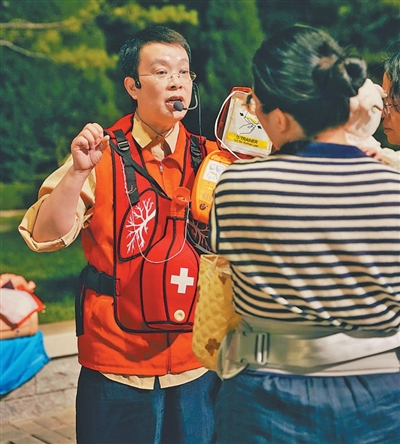
海姆立克急救法

Search documents
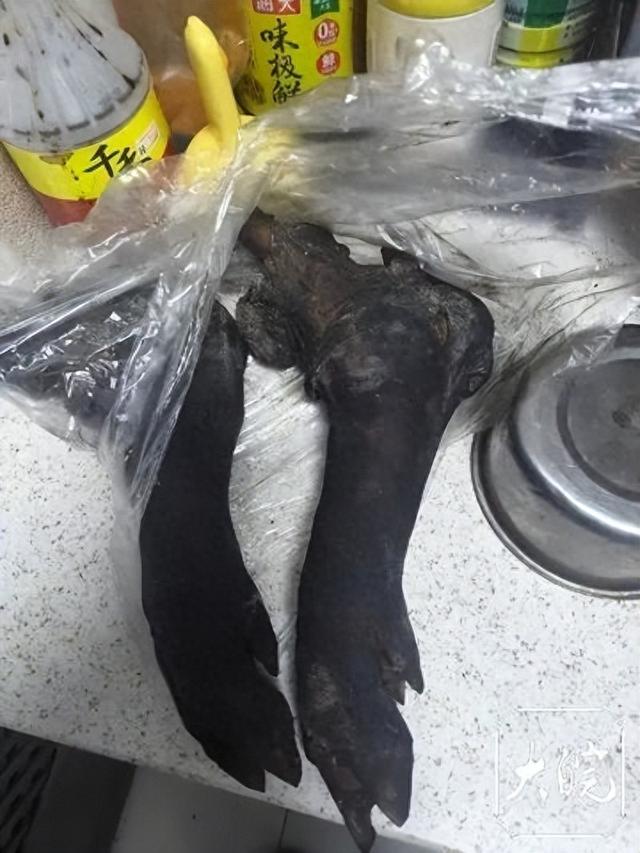
痛心!10岁男童吃猪脚卡喉身亡,母亲:为何一口肉要了他的命
Xin Lang Cai Jing· 2026-02-16 05:42
Core Viewpoint - A tragic incident occurred in Chengdu, where a 10-year-old boy named Xiaocheng choked on pig trotters, leading to his death after prolonged suffocation despite emergency medical efforts [1][2]. Group 1: Incident Details - On February 4, Xiaocheng was eating a piece of traditional Sichuan food, smoked pig trotters, when he choked and subsequently lost consciousness due to lack of oxygen [1][2]. - The family reported that Xiaocheng was playing on a tablet when he began to choke after consuming only a few bites of the meat, leading to vomiting and a purple complexion before being rushed to the hospital [1][3]. Group 2: Medical Insights - The medical community emphasizes the importance of recognizing "airway foreign body obstruction," which can cause severe hypoxia and be life-threatening within minutes [3]. - The Heimlich maneuver has been updated recently, with new guidelines suggesting that in cases of severe airway obstruction, rescuers should first perform five back blows before alternating with abdominal thrusts until the obstruction is cleared or the patient becomes unresponsive [4][5].

【帮帮】急诊科医生提醒:春节期间 警惕这些“节日杀手”
Nei Meng Gu Ri Bao· 2026-02-09 05:25
Core Viewpoint - The article emphasizes the health risks associated with certain medications and alcohol consumption during the festive season, particularly highlighting the dangers of disulfiram-like reactions and other medical emergencies that can arise from holiday indulgences [4][8]. Group 1: Health Risks from Medication and Alcohol - Patients taking antibiotics such as cephalosporins, metronidazole, and others should avoid alcohol for at least seven days after stopping the medication to prevent severe disulfiram-like reactions [4][8]. - A case is presented where a 30-year-old patient experienced a disulfiram-like reaction after consuming alcohol three days post-antibiotic treatment, leading to a medical emergency [4][6]. Group 2: Emergency Cases During the Festive Season - A 50-year-old patient suffered an acute myocardial infarction after excessive drinking and late-night activities, highlighting the risks of overindulgence during celebrations [6]. - An 80-year-old man faced choking during a family dinner, requiring immediate emergency response to clear the obstruction and save his life [7]. - A 38-year-old man developed acute necrotizing pancreatitis after consuming a mix of alcohol and fatty foods, illustrating the dangers of heavy eating and drinking [8]. Group 3: Recommendations for Health Safety - Individuals with pre-existing conditions such as hypertension or coronary heart disease should adhere to medical advice, avoid excessive stress, and maintain a balanced diet during the festive season [8]. - It is advised that older adults and children chew food thoroughly to prevent choking, especially on sticky or large pieces of food [8]. - The article stresses the importance of avoiding binge eating and drinking, particularly high-fat and high-protein foods, to prevent acute pancreatitis [8].
海姆立克急救法“升级”
Xin Lang Cai Jing· 2026-01-22 17:07
Core Viewpoint - The American Heart Association and the International Resuscitation Alliance have released the 2025 version of the "Cardiopulmonary Resuscitation and Cardiovascular Emergency Guidelines," which includes significant changes to the management of airway obstruction due to foreign bodies, emphasizing a process optimization based on the principle of "safety first, effectiveness second" [1][2]. Summary by Sections Misconception Clarification - The Heimlich maneuver is not synonymous with the airway obstruction emergency procedure; it is a specific abdominal thrust technique. The updated guidelines focus on a comprehensive process that includes back blows, chest thrusts, abdominal thrusts, and CPR, tailored to the patient's age, size, and specific circumstances [2]. Core Update: "Back 5 + Thrust 5" - The new universal treatment for conscious severe airway obstruction patients involves alternating between five back blows and five corresponding thrusts (abdominal or chest), applicable to all ages and body types, following the mnemonic "Back 5, Thrust 5" [3]. Targeted Rescue by Population - For infants under one year, back blows and chest thrusts are recommended, while abdominal thrusts are prohibited due to the risk of organ damage. The procedure involves positioning the infant face down on the forearm and delivering five gentle back blows [4][5]. - For children over one year and adults, the combination of back blows and abdominal thrusts is emphasized, with specific guidelines on force and positioning to enhance effectiveness [6][7]. - Pregnant women and obese individuals should avoid abdominal thrusts due to anatomical considerations, instead using back blows and chest thrusts [8][9]. Continuous Monitoring - After successfully expelling the foreign object, patients should be monitored for at least 15 minutes for any signs of complications, such as vomiting, and should seek medical evaluation to rule out residual foreign bodies or internal injuries [10].
惊险!用时30秒,执勤辅警用“海姆立克急救法”助小学生脱险
Xin Lang Cai Jing· 2026-01-13 06:22
Core Viewpoint - The article highlights the effective emergency response of a police officer in a critical situation, showcasing the importance of first aid training for law enforcement personnel [1] Group 1: Incident Overview - A police officer, Wei Huanle, successfully performed the Heimlich maneuver on a boy who was choking on candy, demonstrating quick thinking and emergency response skills [1] - The incident occurred during school dismissal time, indicating the potential risks children face in public spaces [1] Group 2: Training and Preparedness - The police department in Qiemu County has prioritized enhancing the emergency rescue capabilities of frontline officers through regular first aid training sessions with professional organizations [1] - The implementation of essential medical supplies, such as fast-acting heart-saving pills, has become standard for officers on duty, further improving their ability to assist the public in emergencies [1]
2025版海姆立克急救法有调整
Xin Lang Cai Jing· 2025-12-29 21:25
Core Viewpoint - The American Heart Association (AHA) and the International Liaison Committee on Resuscitation (ILCOR) have updated the Heimlich maneuver guidelines for 2025 to enhance safety and effectiveness in treating severe airway obstruction [1] Summary by Categories Updated Procedures - The initial step for severe airway obstruction is now to perform five back blows first [1] - For conscious children over one year old, the new method involves a cycle of "5 back blows + 5 abdominal thrusts" until the obstruction is cleared or the patient becomes unresponsive [1] - For infants under one year old, the procedure consists of five back blows followed by five chest thrusts using one hand, with abdominal thrusts strictly prohibited to prevent injury to delicate organs [1] Research Basis - The adjustments are based on a clinical study conducted in 2025 involving 709 patients, which demonstrated that starting with back blows improves the rate of obstruction relief and survival, while avoiding complications from unnecessary abdominal thrusts [1]
“剪刀石头布”关键时刻能救命 海姆立克法又立功
Yang Shi Xin Wen· 2025-11-07 09:52
Core Points - A recent incident in Taiyuan, Shanxi, where a university student performed the Heimlich maneuver to save a choking child, has gained significant attention online [3][4] - The event has sparked discussions on the importance of learning first aid skills among the public [4][14] Summary by Sections Incident Description - A child choked on candy while eating, prompting a university student working part-time to respond quickly and successfully perform the Heimlich maneuver, leading to the child expelling the candy within half a minute [3] Public Reaction - Many netizens praised the student for their quick action and called for more people to learn essential first aid skills [4] First Aid Techniques - The Heimlich maneuver involves specific steps for adults and children, including hand positioning and pressure application [6][7] - For infants, different techniques such as back blows and chest thrusts are recommended [7] Other First Aid Methods - The article also highlights the importance of CPR for patients who are not breathing or have stopped breathing, detailing the procedure of chest compressions and rescue breaths [8][12] - The use of Automated External Defibrillators (AEDs) is emphasized for cardiac arrest situations, with instructions on how to operate them [12]
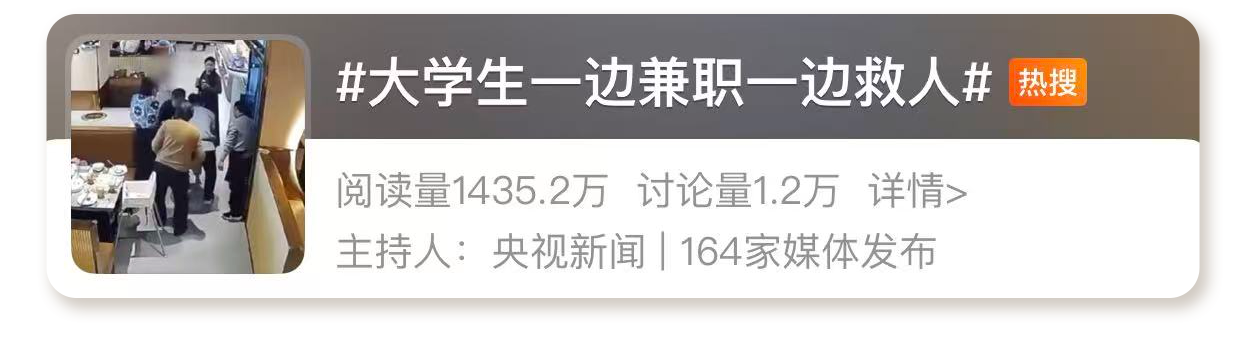
关键时刻“小孩哥、小孩姐”冷静出手!这些应急知识快告诉孩子
Yang Shi Xin Wen· 2025-09-25 23:09
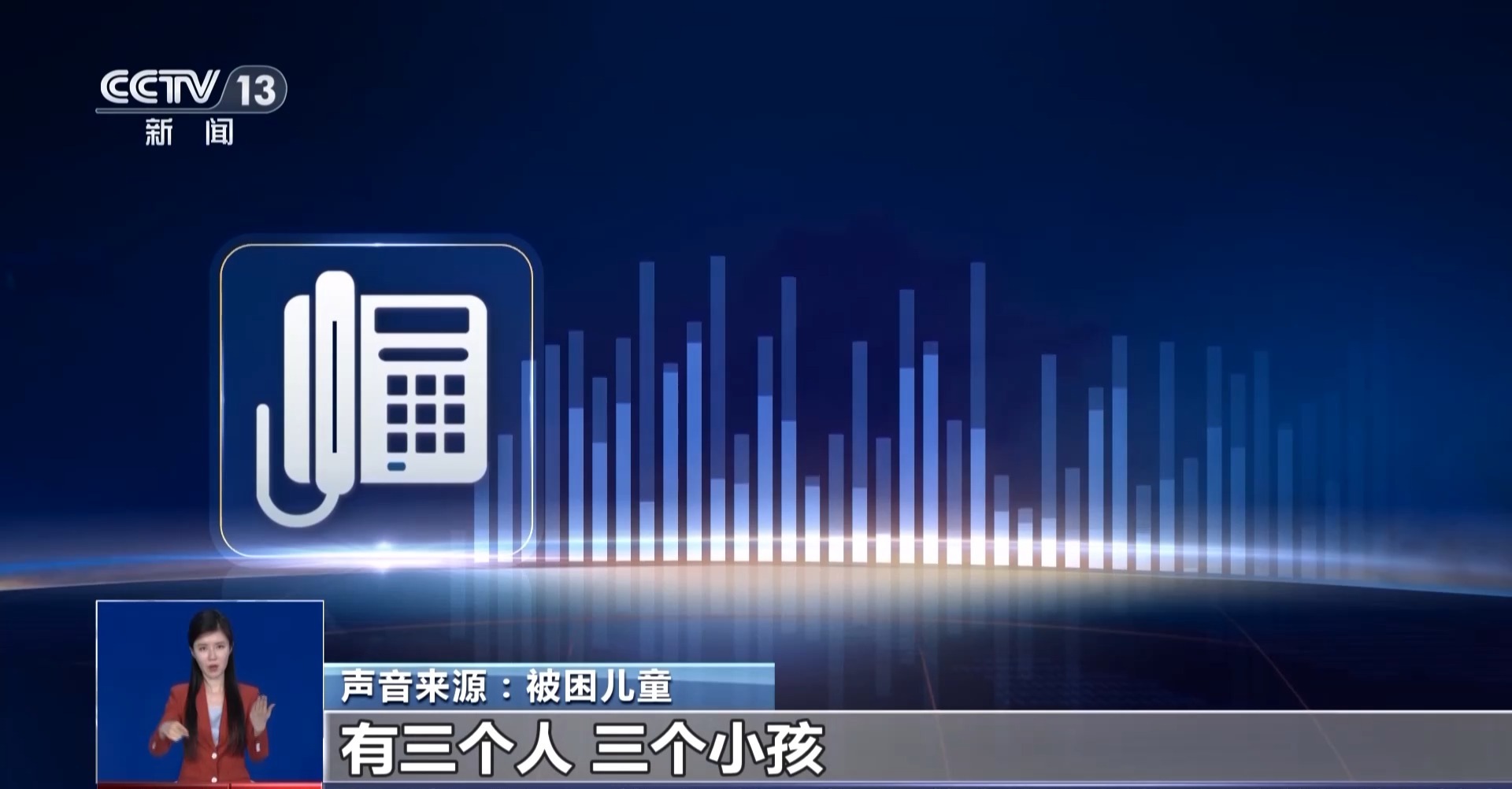
Core Points - The article highlights the importance of emergency response knowledge among children, showcasing instances where kids effectively handled dangerous situations, demonstrating calmness and quick thinking [1][6][9] Group 1: Emergency Situations - In a recent incident in Zhuhai, Guangdong, three children were trapped in a burning building, and the 13-year-old sister calmly communicated with emergency responders, providing critical information and following their guidance to protect her siblings [1][5][6] - Another case involved an 11-year-old girl, Hu Zihuan, who performed the Heimlich maneuver on a woman choking in a restaurant, successfully saving her life within 30 seconds [7][9] Group 2: Importance of Emergency Education - The article emphasizes the necessity of teaching emergency response skills to children, as demonstrated by the actions of the children in the reported incidents [9][12] - It suggests that familiarizing children with their environment and emergency procedures can significantly enhance their ability to respond effectively in crises [12][14]
朝“问”健康丨心脏骤停怎么办?扭伤可以热敷吗?解锁常见急救技能
Yang Shi Xin Wen· 2025-09-14 01:35
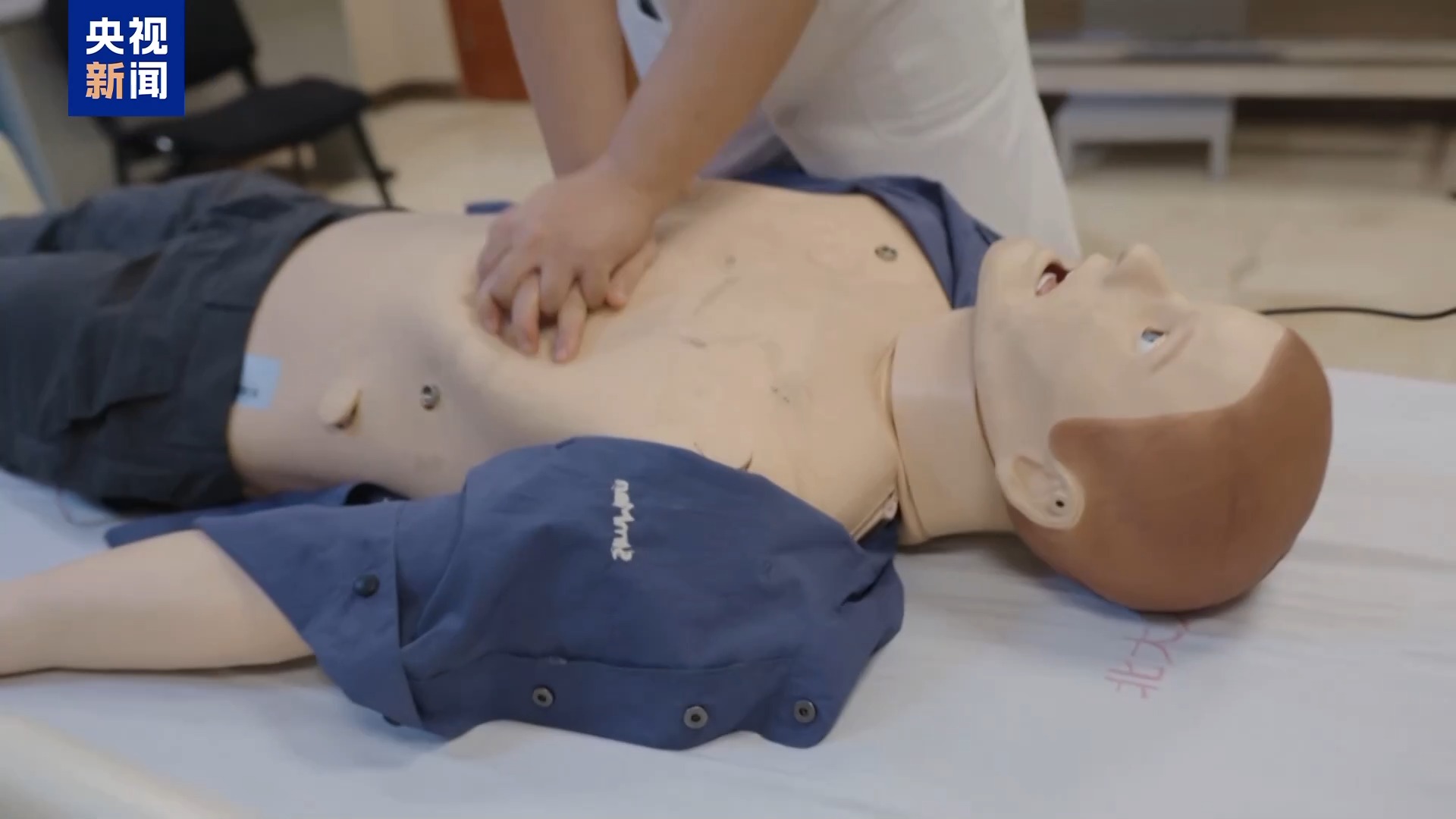
Core Insights - The article emphasizes the importance of first aid knowledge in saving lives during emergencies, particularly highlighting the high global death toll from accidental injuries, which reaches 5 million annually [1] Group 1: Emergency Situations - Cardiac arrest is identified as a critical emergency, where brain damage can occur within 4 minutes if not treated, making immediate action essential [2] - The combination of cardiopulmonary resuscitation (CPR) and the use of an Automated External Defibrillator (AED) significantly increases survival rates for cardiac arrest victims [6] Group 2: CPR Techniques - Key points for performing chest compressions include placing the heel of one hand on the midpoint between the nipples, interlocking fingers, and applying pressure to a depth of 5 to 6 centimeters at a rate of 100 to 120 compressions per minute [4] - A cycle of 30 chest compressions followed by 2 rescue breaths should be repeated continuously [4] Group 3: Heimlich Maneuver - The Heimlich maneuver is recommended for conscious adults and children experiencing choking, with specific techniques for different age groups [7] - For infants under 1 year, back blows and chest thrusts should be alternated instead of abdominal thrusts to avoid injury [9] Group 4: First Aid Misconceptions - Common misconceptions about first aid practices are addressed, such as the incorrect belief that sucking out venom from a snake bite is safe, which poses risks to the rescuer [15] - Another misconception is that heat application is beneficial for sprains; in fact, it can worsen the condition, and cold therapy is recommended instead [16]
这些急救知识,关键时刻可延长生命长度
Yang Shi Wang· 2025-09-14 00:49
Core Points - The importance of first aid knowledge is emphasized as it can significantly impact survival rates during emergencies, particularly in cases of cardiac arrest and stroke [1][3] - Timely intervention is critical, with a 10% decrease in survival rate for every minute of delay in rescue efforts [3][6] Group 1: Emergency Response Statistics - In China, there are approximately 550,000 cases of sudden cardiac death and over 13 million stroke patients annually [3] - The average response time for ambulances in Beijing is around 10 minutes, which is often insufficient for critical cases [5] Group 2: First Aid Techniques - The "golden 4 minutes" is crucial for brain health; irreversible damage begins after this period [6] - During emergencies, it is vital to keep the patient still and avoid unnecessary movements to prevent further complications [10][9] Group 3: Common First Aid Misconceptions - Many common first aid practices are actually dangerous and can worsen the situation, such as forcing objects into the mouth during a seizure [21][26] - Incorrect methods for treating choking, such as back blows, can exacerbate airway obstruction [15][17] - Misconceptions about treating heart attacks, like forceful coughing, can increase the risk of complications [22][24] Group 4: Specific Emergency Situations - For choking incidents, the Heimlich maneuver is recommended to clear the airway effectively [13][11] - In cases of fish bone obstruction, attempting to swallow food or drink can worsen the situation; medical assistance is advised [29][31] - For external bleeding, applying foreign substances like flour can lead to infections; proper wound care is essential [33][34]
“走到哪里,就把‘急救地摊’支到哪里”(暖心故事)
Ren Min Ri Bao· 2025-08-27 22:19
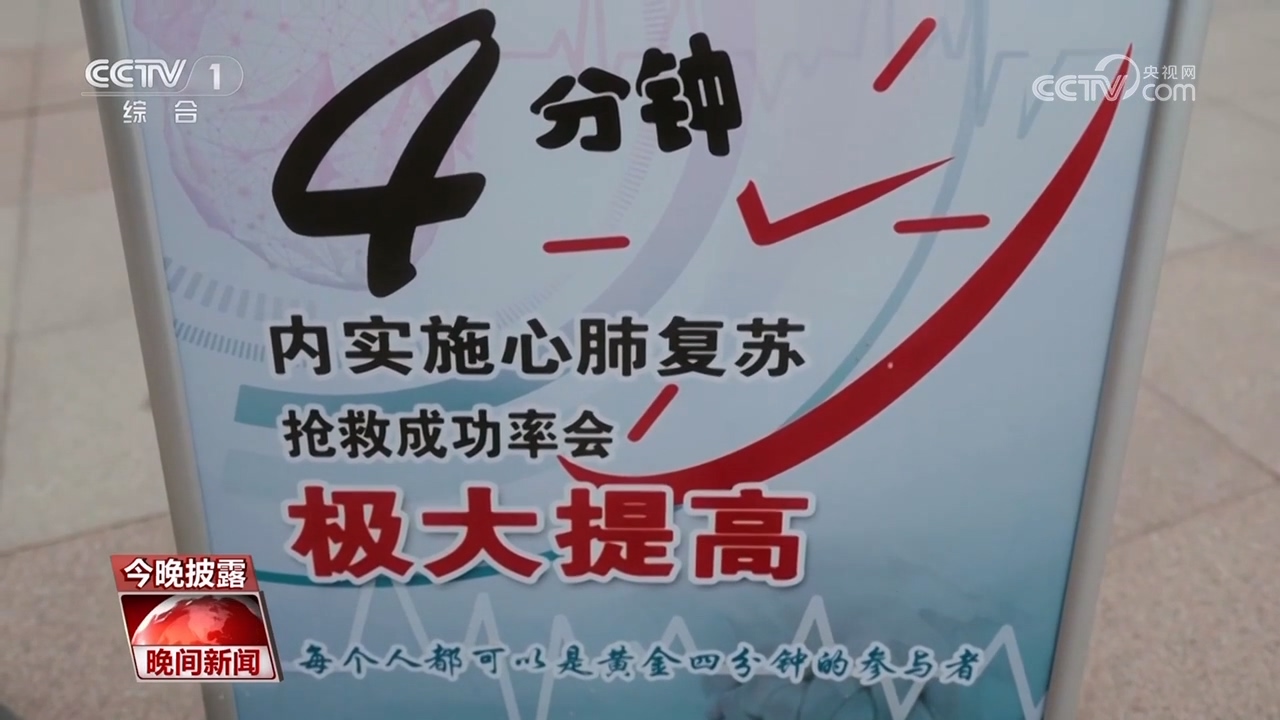
Core Viewpoint - The article highlights the efforts of a nurse, Fan Luxia, in promoting first aid knowledge in her community, emphasizing the importance of learning life-saving skills to prevent tragedies. Group 1: Background and Motivation - Fan Luxia began her first aid education initiative after witnessing a tragic incident where a 15-year-old boy died due to cardiac arrest, missing the critical "golden four minutes" for effective intervention [2] - Since 2011, she has dedicated her free time to teaching first aid skills to the public, motivated by the belief that many tragedies can be avoided if more people are trained in emergency response [2] Group 2: Teaching Approach and Community Engagement - Initially, her efforts faced skepticism, with many people mistaking her for a salesperson, but over time, interest in learning first aid grew significantly [2] - Fan Luxia actively updates her teaching materials and adapts her methods based on the audience's needs, using her clinical experience to provide relevant first aid techniques [4] - She has gained recognition in the community, often teaching until late at night and receiving invitations from various organizations to conduct workshops, all while maintaining a commitment to free public education [4] Group 3: Personal Commitment and Future Plans - Despite offers for compensation, Fan Luxia insists on providing her services for free, stating that charging would compromise her mission of spreading first aid knowledge [4] - As she approaches retirement, she plans to continue her outreach by traveling across the country to teach first aid wherever she goes [4]