
积极应对人口老龄化国家战略

Search documents
长护险谁能享受?享受多少?如何申请?解答来了→
新华网财经· 2026-03-26 04:36
Core Viewpoint - The article discusses the establishment of a long-term care insurance system in China, aimed at providing support for individuals with disabilities and addressing the challenges posed by an aging population [2][4][5]. Group 1: Overview of Long-Term Care Insurance - Long-term care insurance (LTCI) is a new social insurance type designed to provide services or financial support for basic living care and medical care for disabled individuals [4]. - The LTCI system is a crucial part of China's social security framework and is essential for implementing strategies to cope with population aging [4][5]. Group 2: Principles and Coverage - The establishment of the LTCI system will adhere to five key principles: universal coverage, urban-rural integration, fairness and uniformity, safety and regulation, and sustainability [6][9]. - All workers and residents will participate in the LTCI, ensuring that there is no distinction between urban and rural participants within the same pooling area [9]. Group 3: Eligibility and Benefits - Individuals who have paid into the insurance and have a long-term disability (generally lasting over six months) can apply for benefits [8]. - The LTCI will initially focus on providing support for individuals with severe disabilities, with plans to expand coverage as the system matures [10]. Group 4: Services and Reimbursement - The LTCI fund will cover expenses for 36 essential services, including daily living assistance and basic medical care, ensuring that funds are used specifically for the care of disabled individuals [11]. - There is no deductible for the LTCI, and reimbursement rates will vary based on the actual payment levels of urban residents and employees in different regions [12]. Group 5: Contribution Rates and Funding - The LTCI contribution rate is set to be around 0.3%, with costs shared between employers and employees for workers, while unemployed residents will have contributions supported by the government [13]. - Individuals under 18 will be covered under their parents' insurance without separate contributions [13]. Group 6: Service Delivery and Application Process - Care services for disabled individuals can be provided in three main settings: home care, community care, and institutional care, with a preference for home and community services [14]. - Applications for LTCI can be submitted online or at local healthcare service windows, requiring specific documentation for processing [15][17].


养老金涨了!月最低标准再提高20元
21世纪经济报道· 2026-03-05 12:14
Core Viewpoint - The government work report emphasizes the importance of improving and safeguarding people's livelihoods, with a focus on social security, education, and healthcare initiatives aimed at addressing urgent public needs [3][4][5]. Group 1: Social Security - The minimum standard for urban and rural residents' basic pension will be increased by 20 yuan per month, benefiting over 180 million elderly individuals [3][5]. - The central government will allocate 1.25 trillion yuan in subsidy funds to ensure timely and full payment of pensions [5]. - The report proposes to expand the coverage of occupational injury insurance to include platform workers in the delivery and ride-hailing sectors, ensuring better labor safety for these workers [5]. Group 2: Education - The report highlights a significant increase of 37.8% in funding for preschool education, continuing the policy of free education for the final year of preschool [4]. - Plans to increase the supply of ordinary high school places are outlined, particularly in areas experiencing population inflow, with specific targets set for new high school placements in provinces like Guangdong and Hunan [4]. Group 3: Healthcare - The report includes measures to enhance the accessibility of essential medications by improving the drug supply chain between primary healthcare institutions [5]. - Continued support for the development of innovative drugs is emphasized, with policies aimed at addressing challenges in the hospital admission process for these medications [5].

他们,将影响你的生意和生活|民政部部长陆治原
Jing Ji Guan Cha Bao· 2026-02-25 09:36
Core Insights - The article emphasizes the importance of addressing the challenges posed by an aging population in China, particularly through the implementation of the "15th Five-Year Plan" for social welfare and governance [2][5]. Policy Overview - The "15th Five-Year Plan" will focus on enhancing social assistance, welfare, and governance to effectively respond to population aging [2]. - There will be a systematic approach to implement policies that address aging, including improving care for the elderly, especially those with disabilities or dementia [3]. - The development of rural elderly care services will be prioritized, with measures to support mutual assistance in rural areas and address service gaps [3]. - The social assistance system will be optimized, including a dynamic monitoring platform to ensure effective support for vulnerable groups such as children and the disabled [3]. - Improvements in funeral service management will be made, emphasizing the public welfare aspect and promoting eco-friendly burial practices [3]. Additional Initiatives - The establishment of a marriage information database and the promotion of a positive marriage and childbearing culture will be pursued [4]. - The development of charitable activities will be encouraged, with policies to support community and internet-based charity initiatives [4]. Demographic Context - By the end of 2025, the population aged 60 and above is projected to reach 323.38 million, accounting for 23% of the total population, highlighting the urgency of addressing the implications of rapid aging [5]. - The aging population presents challenges to the social security system and the supply of elderly care services, necessitating a national strategy to address these issues [5]. - There is an expectation for increased pension benefits and the introduction of service consumption subsidies to alleviate the financial burden on families caring for elderly members [5].
提高民政工作服务民生水平
Xin Lang Cai Jing· 2026-02-17 04:56
Group 1: Key Insights on Social Welfare and Governance - The core idea emphasizes the importance of social welfare and governance in addressing the needs of vulnerable populations, including the elderly, children, and disabled individuals [3][8][12] - The implementation of a national strategy to actively respond to population aging is crucial, with projections indicating that by the end of 2025, the elderly population will reach 320 million, accounting for 23% of the total population [2][3] - The government aims to enhance the social security system and improve the quality of elderly care services, with targets set for the number of care facilities and beds by 2025 [3][5] Group 2: Social Assistance and Support Systems - The social assistance system is being reformed to cover a broader range of vulnerable groups, with a focus on dynamic monitoring and timely support for those in need [6][7] - The number of individuals receiving basic living assistance has reached approximately 39.4 million, with a significant increase in support for low-income families [6][7] - Efforts are being made to improve the quality and efficiency of social assistance, ensuring that resources are allocated to those who need them most [7] Group 3: Child Welfare and Support - Child welfare initiatives are being strengthened, with a focus on providing comprehensive support for vulnerable children, including orphans and those in difficult circumstances [9][10] - The government has set standards for the basic living conditions of orphans and other vulnerable children, with significant increases in support levels since 2020 [9][10] - There is a need to establish a multi-faceted support system for children, addressing their basic needs, education, and psychological well-being [9][10] Group 4: Charity and Social Organizations - The charity sector is recognized as a vital component of social governance, with over 16,000 registered charitable organizations as of 2025, reflecting a 70% increase since 2020 [20] - The government is working to enhance the transparency and regulation of charitable organizations to ensure effective use of donations and maintain public trust [20] - Initiatives are being introduced to encourage more individuals and businesses to participate in charitable activities, fostering a culture of giving [20]
陆治原在《求是》杂志发表署名文章:提高民政工作服务民生水平
Xin Lang Cai Jing· 2026-02-16 03:38
Group 1: Civil Affairs Work - The core viewpoint emphasizes the importance of civil affairs work in improving people's livelihoods and addressing their immediate concerns, as highlighted by Xi Jinping's important discourse on civil affairs [1] - The civil affairs system is urged to deeply learn and implement the spirit of Xi Jinping's important discourse and to address the most pressing issues concerning the people's interests [1] Group 2: Aging Population Strategy - The aging population is a fundamental national condition, with projections indicating that by the end of 2025, the elderly population (aged 60 and above) will reach 320 million, accounting for 23% of the total population [2] - The government is focusing on establishing a comprehensive social security system and enhancing elderly care services to ensure the well-being and rights of the elderly [3][5] Group 3: Social Assistance System - The social assistance system is crucial for ensuring basic living standards for vulnerable groups, with a focus on reforming the system to create a comprehensive and efficient safety net [6] - The number of individuals receiving basic assistance has reached 39.36 million, with a significant increase in the average standards for urban and rural assistance [6][7] Group 4: Child Welfare and Disability Services - Child welfare and services for disabled individuals are highlighted as essential responsibilities of civil affairs, with ongoing improvements in welfare systems and support services [8][11] - The number of children in need of welfare services is increasing, necessitating the establishment of comprehensive support systems for vulnerable children [9] Group 5: Marriage and Funeral Services - The civil affairs sector has made strides in marriage registration reforms and promoting healthy marriage practices, addressing issues such as high marriage costs and societal pressures [15][16] - The funeral service sector has seen improvements in public service offerings, with a focus on establishing a basic funeral service system to address existing challenges [17] Group 6: Social Governance and Charity - Enhancing social governance is essential for modernizing the governance system, with social organizations playing a key role in addressing poverty and promoting social harmony [18][19] - The charity sector has seen significant growth, with over 16,000 registered charitable organizations, but challenges remain regarding transparency and regulation [20]
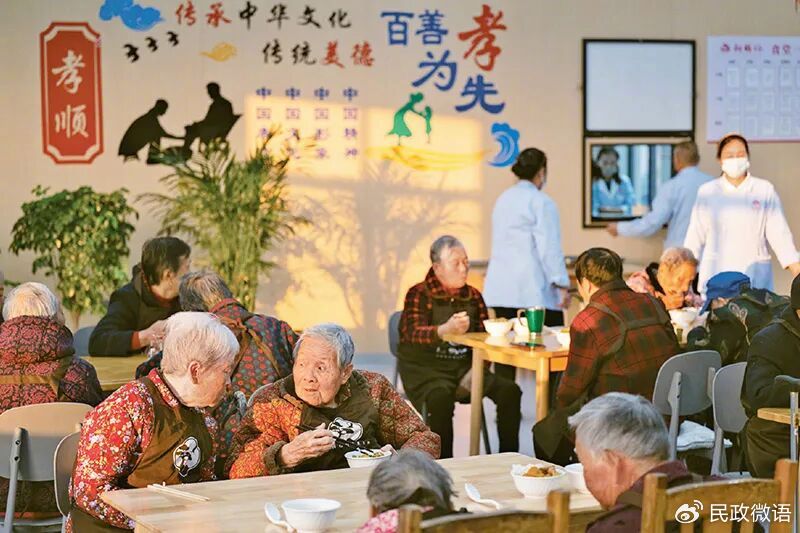
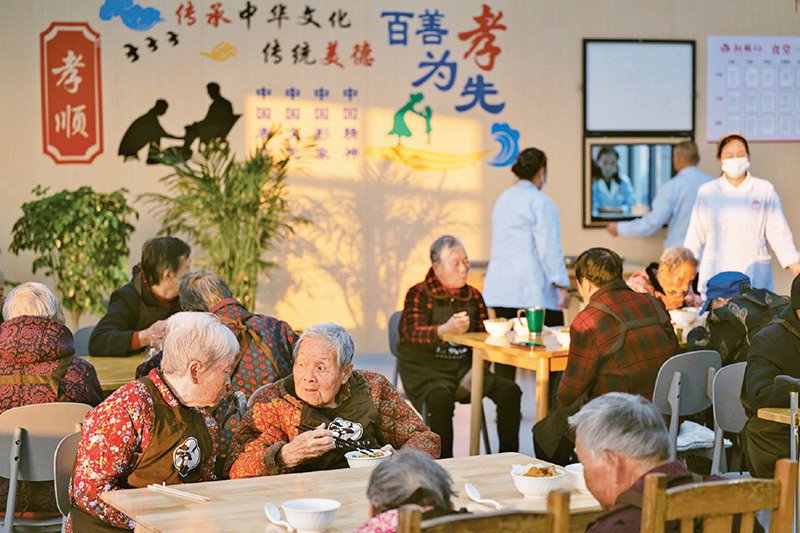
北京市民政局解读《北京市养老服务条例》 首次立法确立三级养老服务网络
Xin Lang Cai Jing· 2026-01-29 20:54
Core Viewpoint - The "Beijing Elderly Care Service Regulations" has been passed to address the challenges in elderly care services and aims to establish a comprehensive and accessible elderly care service system in Beijing [1][2]. Group 1: Establishment of a Three-Tier Elderly Care Service Network - The regulations establish a three-tier elderly care service network consisting of district elderly care guidance centers, street (township) elderly care centers, and community elderly care service stations [2][3]. - The district elderly care guidance centers will coordinate and provide industry guidance, while street centers will offer comprehensive services such as full-day care and home services [2][3]. Group 2: Addressing Key Challenges in Elderly Care - The regulations aim to solve issues such as the shortage of elderly care facilities and the lack of specialized care for elderly individuals with disabilities or dementia [3][4]. - Specific solutions include the renovation of idle industrial and commercial facilities into elderly care services and the establishment of specialized institutions for dementia care [4]. Group 3: Integration of Medical and Elderly Care Services - The regulations promote the integration of medical services within elderly care institutions and support the inclusion of eligible services into health insurance [5]. - It encourages medical institutions to provide home medical services for elderly individuals with disabilities [5]. Group 4: Support for Home-Based Care - The regulations emphasize the need for enhanced support for home-based care for elderly individuals with disabilities, ensuring they can receive professional care at home [6][7]. - It includes provisions for home modifications, smart device installations, and training for family caregivers to improve the quality of home care services [7].
民政局解读《北京市养老服务条例》,首次立法确立三级养老服务网络
Xin Lang Cai Jing· 2026-01-29 04:20
Core Viewpoint - The "Beijing Elderly Care Service Regulations" was passed on January 29, aiming to address various challenges in elderly care and establish a comprehensive service system for the elderly in Beijing [1][3]. Group 1: Establishment of a Three-Tier Elderly Care Network - The regulations establish a three-tier elderly care network consisting of district elderly care guidance centers, street (township) elderly care centers, and community elderly care service stations [2][3]. - The district-level centers will coordinate and provide industry guidance, while street centers will offer comprehensive services such as full-day care and home visits [2][3]. - Community service stations will act as extensions of the elderly care centers, linking families with social services and creating a "15-minute community elderly care service circle" [2][3]. Group 2: Addressing Key Challenges in Elderly Care - The regulations aim to solve issues such as the shortage of elderly care facilities and the lack of specialized care for elderly individuals with disabilities or dementia [4][3]. - Solutions include the renovation of idle industrial and commercial properties into elderly care facilities and the establishment of specialized institutions for dementia care [4][5]. - The regulations emphasize the importance of home-based care and support for elderly individuals with disabilities, including training for family caregivers [6][7]. Group 3: Integration of Medical and Elderly Care Services - The regulations promote the integration of medical services within elderly care institutions, encouraging eligible facilities to be included in health insurance [5][4]. - Support will be provided for medical institutions to offer rehabilitation and palliative care services, as well as home visits for elderly individuals [5][4]. - The regulations also aim to enhance the services provided by family doctors to cater to the common health issues faced by the elderly [5][4]. Group 4: Enhancing Support for Home-Based Care - The regulations will increase support for home-based care for elderly individuals with disabilities, recognizing it as a critical need [6][7]. - There will be a focus on improving home environments for elderly individuals, including the installation of smart devices and the provision of home care services [7][6]. - The regulations encourage the integration of domestic services with elderly care, providing assistance in meals, cleaning, and personal care to support families [7][6].
学习贯彻《习近平关于民政工作论述摘编》座谈会在京召开
Xin Hua She· 2025-12-23 12:45
Core Viewpoint - The meeting on the implementation of "Xi Jinping's Excerpts on Civil Affairs Work" emphasizes the importance of civil affairs in enhancing people's livelihoods and connecting with public sentiment, providing a fundamental guideline for the high-quality development of civil affairs in the new era [2] Group 1 - The meeting was attended by key officials from various departments, including the Central Party History and Literature Research Institute, National Development and Reform Commission, Ministry of Civil Affairs, and Ministry of Finance, as well as representatives from provincial governments and scholars [2] - The meeting highlighted the need to deepen the understanding of the significance of civil affairs work and to accurately grasp its fundamental position and basic attributes related to people's livelihoods [2] - There is a strong emphasis on promoting inclusive, foundational, and safety-net civil affairs construction, as well as implementing a national strategy to actively respond to population aging [2] Group 2 - The meeting called for enhancing the levels of social assistance, social welfare, social affairs, and social governance, while also deepening the reform and development of civil affairs [2] - It was stressed that the learning, promotion, and implementation of the "Excerpts" should be treated as an important political task, closely integrated with the spirit of the 20th Central Committee's Fourth Plenary Session [2] - The goal is to create a new situation for the high-quality development of civil affairs during the "14th Five-Year Plan" period [2]
放宽就业社保年龄限制,意味着什么?(这些新提法,写入“十五五”规划建议⑩)
Ren Min Ri Bao Hai Wai Ban· 2025-12-16 22:50
Core Viewpoint - The implementation of a gradual delay in the statutory retirement age in China aims to optimize employment and social security policies, addressing the challenges posed by an aging population and a shrinking labor force [4][6]. Group 1: Policy Implementation - The gradual delay in the statutory retirement age began on January 1, with male workers' retirement age increasing from 60 to 63 over 15 years, and female workers' retirement age increasing from 50 and 55 to 55 and 58 respectively [4][5]. - The principle of "flexible implementation" allows workers to retire between 60 and 62 years old, or even up to 65 years old, based on mutual agreement with their employers [4][6]. Group 2: Labor Market Impact - The new policies aim to eliminate unreasonable age restrictions in employment and social security, particularly for older job seekers, thereby enhancing their ability to sign labor contracts and contribute to social insurance [5][6]. - As of the end of 2024, the elderly population (60 years and older) in China is projected to reach 31.03 million, accounting for 22.0% of the total population, highlighting the urgency of integrating older workers into the labor market [6][7]. Group 3: Employment Opportunities - Many experienced older workers face age discrimination in hiring practices, with some industries previously imposing age limits that excluded workers over 45 or 55 [7][8]. - The gradual retirement policy is expected to encourage companies to relax age restrictions in hiring, aligning with the new labor market realities [7][8]. Group 4: Legal and Social Framework - The "14th Five-Year Plan" emphasizes the need for legal frameworks to protect the rights of older workers, including the establishment of written agreements that outline work conditions and social insurance [8][10]. - There is a call for increased legal protections against age discrimination and for the promotion of a positive view of aging in society to support the integration of older workers [10].
菏泽:五年累计投入各类救助补助保障资金104亿元
Qi Lu Wan Bao· 2025-12-12 14:46
Core Viewpoint - The news highlights the progress and initiatives taken by Heze City in promoting high-quality development in civil affairs during the "14th Five-Year Plan" period, focusing on improving social welfare and public services for the community [1] Group 1: Social Assistance System - The city has implemented 13 policy documents to reform and improve the social assistance system, continuously raising the support standards for nine categories of disadvantaged groups [2] - The number of individuals receiving basic living allowances has reached 182,000, with 47,000 special hardship individuals, and urban and rural minimum living standards have been increased to 939 yuan/month/person and 761 yuan/month/person respectively [2] - A total of 10 million children have been served through a three-dimensional service system for children in difficult situations, with cumulative funding of 10.4 billion yuan for various assistance programs over five years [2] Group 2: Elderly Care Services - The total number of elderly care beds has increased from 28,000 at the end of the "13th Five-Year Plan" to 37,000, with nursing beds accounting for 70% [3] - The city has launched the "Qingfeng Runlao" initiative to enhance the quality of elderly care services, resulting in the development of four brand-name chain elderly care institutions and three standardized demonstration sites [3] - A subsidy program for home modifications for the elderly has been initiated, distributing 18,700 consumption vouchers to severely disabled elderly individuals, stimulating over 50 million yuan in consumption [3] Group 3: Public Services Optimization - The city has promoted marriage and funeral customs reform, organizing over 500 collective wedding ceremonies with participation from more than 6,000 couples [4] - A comprehensive governance initiative for funeral services has been implemented, reducing 125 fee items and adding 21 new convenience measures [4] - The city has completed adjustments to eight township-level administrative divisions to support new urbanization efforts and has been recognized for its "Famous Rural Action" initiatives [4] Group 4: Social Governance Enhancement - The number of charitable organizations in the city has grown to 73, with 528 community charity funds established, raising 343 million yuan during the "14th Five-Year Plan" period [5][6] - The city has actively explored "charity+" initiatives, including the establishment of a charity cultural theme park and various community engagement activities [5] - A total of 21.5 billion yuan in lottery sales has been recorded, generating 680 million yuan in public welfare funds to support social welfare initiatives [6] Group 5: Social Organization Management - The city has strengthened the supervision and management of social organizations, identifying and penalizing 148 illegal organizations and 222 administrative violations [7] - The number of community social organizations has reached 14,000, with 147 incubation bases established to support grassroots governance and rural revitalization efforts [7] - Over 2,800 service activities have been conducted by various social organizations, benefiting more than 9 million residents [7]