
美国霸权

Search documents
美国欲对谷爱凌征税100%,可不是为了奥运金牌,而是争夺全球人才
Sou Hu Cai Jing· 2026-02-27 17:44
美国人为什么要对谷爱凌征税100%?为何一向怎么看重奥运会金牌的美国人,这次对谷爱凌代表中国队出战却如坐针毡呢?为何连美国副总统万斯、美国 财政部部长贝森特等等大人物都纷纷下场抹黑谷爱凌呢?为何22岁的谷爱凌竟然让美国上上下下都破防了呢? 这背后绝对不仅是奥运会金牌的争夺,更不是为了谷爱凌那一点点代言费跟奖金,而是中美之间对于全球顶级人才的争夺大战。 最新消息,美国田纳西州共和党众议员安迪・奥格尔斯提出的一项奥林匹克法案的提案,核心内容就是对美国公民 / 绿卡持有者,若代表中国、俄罗斯、伊 朗、朝鲜参加奥运会、世界杯等国际赛事,其比赛奖金、出场费、商业赞助费等相关收入,征收 100% 联邦税,也就是全部没收。 这个方案明显就是针对谷爱凌存在的。过去我们讲美国霸权,核心就是科技、军事、金融霸权。不过这三个霸权的根本都是文化霸权。美国通过不断对全球 输出美国文化,吸引全球顶级人才移民美国。 从80年代开始,多少中国精英的梦想就是去美国淘金。美国梦成为了多少人梦寐以求的梦想。最近20年,多少中国富豪赚到钱的第一件事情就是给自己弄一 个美国身份,然后把资产转移过去,再把妻子、孩子弄过去。 可是这几年中国却突然在人才争 ...


美国的无敌操作:先搞垮你,再“拯救”你,顺便把你的石油卖了
Sou Hu Cai Jing· 2026-02-27 09:47
另外,委内瑞拉海域那些浮仓储存的几百万桶原油也在慢慢卖掉。按照美方的说法,这是在拯救委内瑞拉,是美国强硬的"铁血政策"让委内瑞拉石油"重新 走向世界",不再只卖给中国。 这新闻乍一看挺提气,像是美国以"救世主"姿态帮委内瑞拉走出经济泥潭。可只要多问一句,就能发现事情没那么简单。 剥开那层包装,背后其实是美国霸权的掠夺和操控——先出手"制裁你、毁了你,再强行接手,帮助你,最后装好人"的戏码。每一步都透着双重标准和强权 逻辑,尽是虚伪嘴脸。 好一个"救世主"形象啊!美国能源部长克里斯·赖特在近期宣布:根据美国和委内瑞拉之间的石油供应协议,委内瑞拉本月的石油出口收入预计能达到20亿 美元。 赖特还透露:可能再过几个月,委内瑞拉的石油月销售收入就会突破50亿美元,创下十多年来的新高。据说不少亚洲和欧洲的客户正在积极洽谈进口,连中 国的独立炼油厂也可以在公开市场继续买委内瑞拉原油。 财政收入大跳水,通货膨胀失控,老百姓吃不上饭、买不起药,整个国家陷入危机——美国的算盘很清楚:把委内瑞拉经济打垮,逼着政府低头,然后把该 国的能源命脉攥在自己手里。 算盘打对了一半——经济确实垮了,可委内瑞拉总统马杜罗没低头。特朗普似乎是彻 ...

腿软的印度,最终还是屈服!莫迪这一跪,彻底告别大国梦
Sou Hu Cai Jing· 2026-02-17 05:40
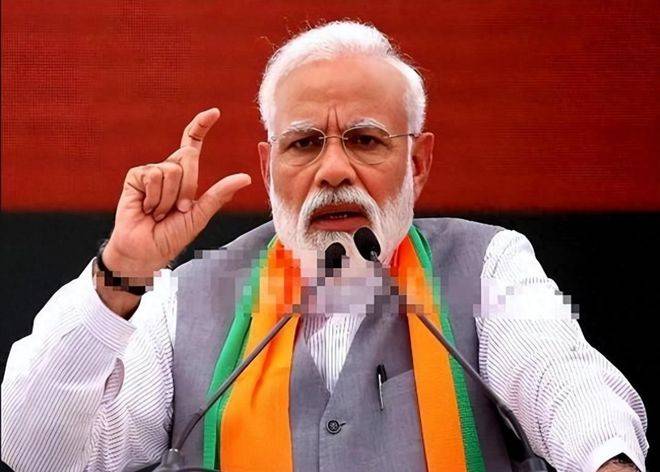
小时候,和人争执吵架,哪怕被打得鼻青脸肿,也得硬生生顶住,这叫面子。可现在呢?前几天,美国 又搞了个新政策——印度商品的进口关税,从原先的50%降到18%。你别以为美国这是在为印度好,没 人比美国更懂得斤斤计较。这降关税的背后,印度付出的可不仅仅是个面子问题,而是把国家的里子都 掏了出来:签下了超过5000亿的采购合同,大量购买美国武器、农产品,甚至将自己能源的命脉交给了 华盛顿。 最近,印度就上演了一出让人看得直摇头的戏。印度总理莫迪一度以左右逢源的外交手腕著称,尤其在 俄乌冲突爆发后,印度一方面享受俄罗斯油价优惠,另一方面通过炼油厂大发战争财。但谁能想到,美 国突然出手,一记阴招——特种部队袭击了加拉加斯,抓走了委内瑞拉总统马杜罗,顺便接管了委内瑞 拉的石油公司。看热闹的人都忍不住咋舌,接下来,美国就直接下达命令:印度必须停止购买俄罗斯的 石油,只能买拉美油,而拉美油,都是在美国的控制之下。 莫迪平时爱装硬汉,在镜头前总是摆出一副铁血的模样,可这回却乖乖听命,社交媒体上满口高兴说关 税降了,却悄悄把断俄油的事当作秘密掩埋。把自己的国家尊严踩进泥里,打碎的牙齿都得往肚子里 咽,这是什么样的场面?看着印度的尴 ...
俄将以军事手段 应对格陵兰岛“军事化”
Xin Lang Cai Jing· 2026-02-11 22:53
Group 1 - The core viewpoint of the article is that Russia will take sufficient countermeasures, including military means, if Greenland is militarized or if military capabilities against Russia are established there [1] - Russian Foreign Minister Lavrov stated that NATO has long attempted to turn the Arctic region into a battlefield, and the status of Greenland is unlikely to change the overall situation in the Arctic [1] - Lavrov emphasized that military activities are advancing and that Russia's indisputable rights in the Northern Sea Route are being challenged, indicating a response to provocations from NATO [1] Group 2 - The article mentions that U.S. President Trump has expressed interest in acquiring Greenland, claiming its importance to U.S. national security and plans to deploy the "Iron Dome" missile defense system there [1] - Russian Deputy Foreign Minister Ryabkov pointed out that all developments around Greenland stem from the U.S. desire for hegemony, and Russia will ensure its national security under any circumstances [1]
俄将以军事手段应对格陵兰岛“军事化”
Xin Lang Cai Jing· 2026-02-11 18:46
Core Viewpoint - Russian Foreign Minister Sergey Lavrov stated that Russia will take adequate countermeasures, including military means, if Greenland is militarized, particularly in response to U.S. intentions regarding the territory [1] Group 1: Military Concerns - Lavrov emphasized that any military capabilities established against Russia on Greenland would prompt a strong response from Russia, including military-technical measures [1] - The U.S. has expressed interest in Greenland, with President Trump claiming its strategic importance for national security and plans to deploy the "Iron Dome" missile defense system on the island [1] Group 2: Geopolitical Context - Lavrov noted that NATO has long sought to turn the Arctic region into a confrontation battleground, complicating the resolution of Greenland's status [1] - The ongoing militarization in the Arctic is seen as a challenge to Russia's undisputed rights in the Northern Sea Route, with NATO's provocations in the region being highlighted [1] Group 3: U.S.-Russia Relations - Russian Deputy Foreign Minister Sergey Ryabkov pointed out that developments around Greenland stem from U.S. desires for hegemony, asserting that Russia will ensure its national security under any circumstances [1]
特朗普再次喊话中国,赶紧向美国臣服,将得到3大好处!
Sou Hu Cai Jing· 2026-02-10 11:04
Core Viewpoint - The article discusses the strategic use of energy by the U.S. government under Trump to manipulate international trade relationships, particularly with India and China, by leveraging tariffs and energy supply agreements as tools for geopolitical influence [5][10][20]. Group 1: U.S. Trade Strategy - In July 2025, the Trump administration imposed a 25% additional tariff on Indian goods due to indirect imports of Russian oil, which was lifted in February 2026 in exchange for India's commitment to purchase U.S. energy products [3]. - The U.S. is using tariffs as a means to enforce compliance with its energy procurement strategies, creating a system where cooperation leads to benefits while non-compliance results in penalties [5][9]. - The U.S. aims to establish a "global energy camp" where countries aligning with U.S. energy policies can receive favorable trade terms, while those maintaining existing partnerships may face sanctions [7][10]. Group 2: Energy as a Political Tool - The U.S. military's actions in Venezuela, including controlling oil resources, are part of a broader strategy to reshape global energy supply chains and assert dominance over key geopolitical regions [12][20]. - The Trump administration's approach marks a shift from traditional pressure tactics to direct control over energy resources, aiming to reduce reliance on foreign supply chains and enhance domestic manufacturing [13][16]. - The U.S. plans to re-establish Venezuelan oil exports in U.S. dollars to counteract global de-dollarization trends and weaken OPEC+ influence, thereby creating a new energy landscape dominated by U.S. interests [20][23]. Group 3: China's Response - China is focusing on maintaining strategic stability and autonomy in its energy procurement, diversifying supply sources, and enhancing the use of the yuan in energy trade to mitigate risks associated with U.S. policies [25][27]. - The Chinese strategy emphasizes self-reliance and industrial upgrades, aiming to reduce dependency on U.S. energy supplies and counteract the effectiveness of U.S. sanctions [27][29]. - The ongoing geopolitical energy competition will ultimately depend on which nation can provide stability and certainty in the global market, with China positioning itself as a counterbalance to U.S. hegemony [29].
印度一边拿关税优惠,一边照买俄油——连盟友都在耍美国!
Sou Hu Cai Jing· 2026-02-10 07:51
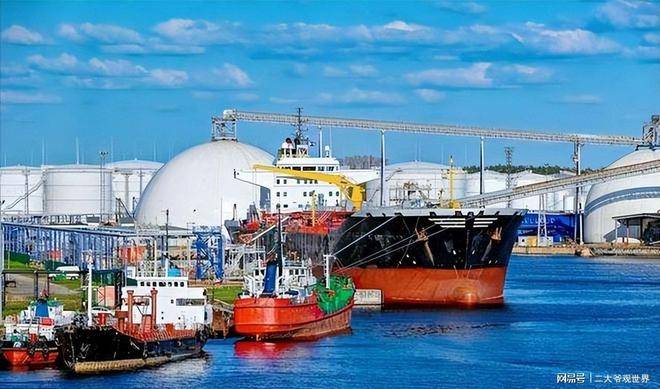
2025年年底,美国上演了一出令人咋舌的大戏。美军在委内瑞拉海域扣押了两艘油轮,直接夺走了上面 的石油,而特朗普则很快开始算计起如何高价出售这批油。美国试图以高出市场价格45%的价格,将抢 来的石油强卖给中国,认为中国会因为能源安全问题只能忍气吞声。然而,他们却没料到中方会做出如 此坚决的回应——立刻宣布暂停采购。这背后的原因是什么呢?为何美国敢如此肆无忌惮地进行这种离 谱的操作? 让我们把时间拨回到2025年12月。当时,美国海岸警卫队和军方联手,悄无声息地来到委内瑞拉周边海 域,毫不犹豫地拦下了两艘油轮,将它们扣押。这一举动引起了委内瑞拉外交部的强烈抗议,直言这是 国际海盗行为。但美国显然毫不在意,白宫新闻秘书莱维特甚至公开表示,这一行动是按照法律没收, 理由竟是这些油轮与受制裁的活动有关联。抢了船,抢了油,接下来的问题是,如何变现? 美国很快把目光锁定在中国眼上。美国认为中国是一个能源需求巨大的国家,必定急需这些石油,认为 石油的销路无忧。于是,一个荒唐的定价方案应运而生:委内瑞拉原本卖给中国的石油,一桶大约31美 元,但美国一接手,直接把价格抬高到了45美元。美国为这一涨价找了个冠冕堂皇的理由,称要纠 ...
刚对中国承诺没两天,被美国接管的委内瑞拉,开始将俄企扫地出门
Sou Hu Cai Jing· 2026-02-07 11:46
Core Viewpoint - The recent termination of the Venezuela-Russia oil cooperation agreement, which was expected to last until 2041, raises questions about Venezuela's policy stability and potential U.S. influence behind the scenes [1][4][24]. Group 1: Agreement Termination - Venezuela unilaterally terminated the oil cooperation agreement with Russia, which was signed just two months prior [3][7]. - The agreement was seen as a foundation for long-term collaboration, involving significant Russian investments estimated between $17 billion to $19 billion since 2006 [11][20]. Group 2: U.S. Influence and Control - The abrupt termination of the agreement has led to speculation about U.S. involvement, with suggestions that the U.S. aims to exert absolute control over Venezuela's energy resources [4][16]. - The U.S. has implemented a system to manage oil sales, where a significant portion of revenue is redirected away from the Venezuelan government, effectively limiting its financial autonomy [18][20]. Group 3: Implications for International Relations - The situation indicates a shift in Venezuela's sovereignty, with the new regime appearing to act as a proxy for U.S. interests, undermining previous international agreements [14][22]. - China's response to the situation, including a halt in oil purchases from Venezuela, signals a lack of trust in the new government and highlights the precariousness of foreign investments in the country [24][26]. Group 4: Broader Consequences - The developments in Venezuela reflect a broader trend of U.S. dominance in Latin America, where countries that resist U.S. influence may face similar fates [30][32]. - The situation serves as a cautionary tale about the fragility of international agreements in the face of shifting power dynamics and the potential for exploitation under the guise of aid and cooperation [32].
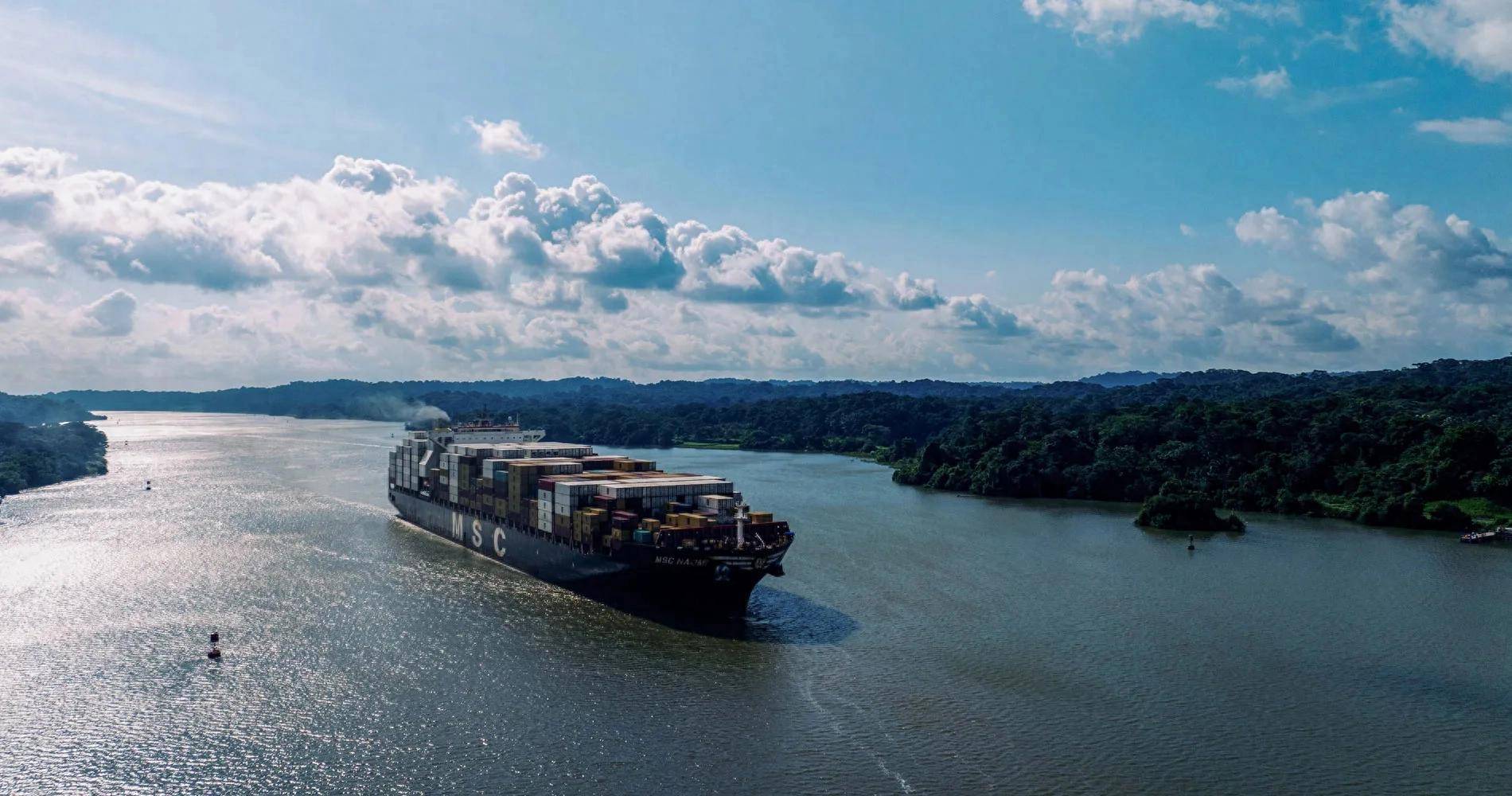
巴拿马这一刀,砍断了谁的退路?美国不再需要“李嘉诚式中介”
Sou Hu Cai Jing· 2026-02-06 01:48
Core Viewpoint - Panama's sudden decision to forcibly reclaim the operating rights of Li Ka-shing's CK Hutchison Holdings in the Panama Canal signals a shift in U.S. foreign policy, moving away from intermediary capital and directly asserting control over strategic assets [1][3]. Group 1: U.S. Policy Shift - The U.S. is no longer willing to maintain the "intermediary capital" model that has been effective during the peak of globalization, where reliable intermediaries facilitated relationships between major powers [1][3]. - Under Trump's administration, the U.S. has adopted a more direct approach, emphasizing control over strategic assets rather than relying on third-party intermediaries [1][5]. Group 2: Strategic Importance of Panama Canal - The Panama Canal is viewed by the U.S. as a critical asset for global shipping and national security, impacting military, energy, and supply chain considerations [3]. - The U.S. will not hesitate to eliminate any obstacles that stand in the way of its strategic goals, indicating that companies like CK Hutchison Holdings are no longer seen as reliable partners [3][5]. Group 3: Global Capital Implications - Similar changes are occurring in other key regions, with ports, energy, and communication sectors being redefined as "security assets" rather than mere commercial assets [5]. - The current geopolitical landscape suggests that businesses must adapt to a reality where hegemonic politics dictate commercial outcomes, rather than the other way around [5][7]. Group 4: Warning to Global Capital - The shrinking of gray areas in international business serves as a warning to global capital that the rules of engagement have changed under U.S. hegemony [7]. - Companies must either align with U.S. interests or risk being marginalized, highlighting the urgency for global capital to respond to these new dynamics [7].
伊朗革命卫队:欧盟敌对行为系追随美国霸权的卑劣行径
Yang Shi Xin Wen Ke Hu Duan· 2026-02-01 23:56
Core Viewpoint - The Iranian Revolutionary Guard Corps (IRGC) condemned the European Union's designation of it as a "terrorist organization," accusing the EU of losing political independence and becoming an agent of U.S. interventionist policies [1] Group 1: EU's Actions and Reactions - The IRGC's statement criticizes certain European countries for becoming havens for separatists and terrorist organizations, providing them with weapons, media, and logistical support [1] - The IRGC claims that the international community is disappointed with the EU's hypocrisy, as it fails to publicly condemn the actions of the Israeli government in Gaza, which have resulted in significant civilian casualties and destruction of infrastructure [1]