茶产业高质量发展

Search documents
工信部等五部门发布指导意见 推动茶产业高质量发展
Xin Lang Cai Jing· 2026-02-14 04:05
Core Viewpoint - The Ministry of Industry and Information Technology, along with four other departments, has issued the "Guidance on Quality Improvement and Upgrading of the Tea Industry (2026-2030)", aiming for significant advancements in the tea industry by 2030 [1] Group 1: Development Goals - By 2028, traditional tea-producing regions are expected to see steady progress, with local specialty tea industries optimizing quality and efficiency [1] - The modernization level of the industry chain is projected to increase significantly, with a continuous expansion of product varieties, consumption scenarios, and business models [1] - The goal is to cultivate over five tea industry clusters with annual revenues exceeding 10 billion yuan, alongside several leading enterprises in the entire tea industry chain with revenues surpassing 5 billion yuan [1] Group 2: Future Projections - By 2030, the development levels of digitalization, greening, and diversification are expected to continue improving [1] - The overall scale of the entire tea industry chain is anticipated to reach 1.5 trillion yuan, with a substantial increase in development quality and efficiency [1] - The revenue of the regulated refined tea processing industry is projected to exceed 200 billion yuan, aiming to establish a robust, green, intelligent, and internationally competitive tea industry system [1]
广东省推进茶产业高质量发展工作座谈会召开
Nan Fang Ri Bao Wang Luo Ban· 2026-02-11 07:13
Core Viewpoint - The Guangdong tea industry is focusing on high-quality development, aiming to enhance brand influence and market share while promoting local tea culture and increasing farmers' income [1][4]. Group 1: Industry Development - The Guangdong tea industry is set to expand, with projections indicating a tea garden area of 1.7659 million acres and a dry tea production of 203,500 tons by 2025, representing increases of 50.55% and 58.73% respectively compared to 2020 [2]. - Guangdong is recognized as a core hub for tea circulation in China, with a robust online and offline sales system, and is expected to see an increase in online sales proportion by 2025 [3]. Group 2: Brand and Market Strategy - The strategy emphasizes dual efforts in online and offline marketing to enhance brand visibility and market penetration, including participation in trade fairs and creating unique consumer experiences [4]. - Local brands are deeply integrated with Guangdong's unique tea resources, with notable products like the "奶茶爆品" achieving daily sales exceeding 800,000 cups [3]. Group 3: Technological and Cultural Integration - The tea industry is leveraging technology to improve production standards, with initiatives like the establishment of a tea industry research institute and the development of smart tea gardens [5]. - The integration of tea with cultural elements and new consumption trends is being explored, with products like "陈皮+" series being developed to enhance market appeal [7][10]. Group 4: Cross-Industry Collaboration - Companies are encouraged to explore "tea+" cross-industry collaborations, creating products that blend tea with various sectors such as food, health, and culture, thus expanding the market [8][10]. - The focus on storytelling and media engagement is seen as crucial for enhancing brand recognition and driving sales growth [10].
“年货消费”茶礼受热捧,新茶上市抢占春日茶饮市场先机|新消费观察
Xin Lang Cai Jing· 2026-02-08 09:18
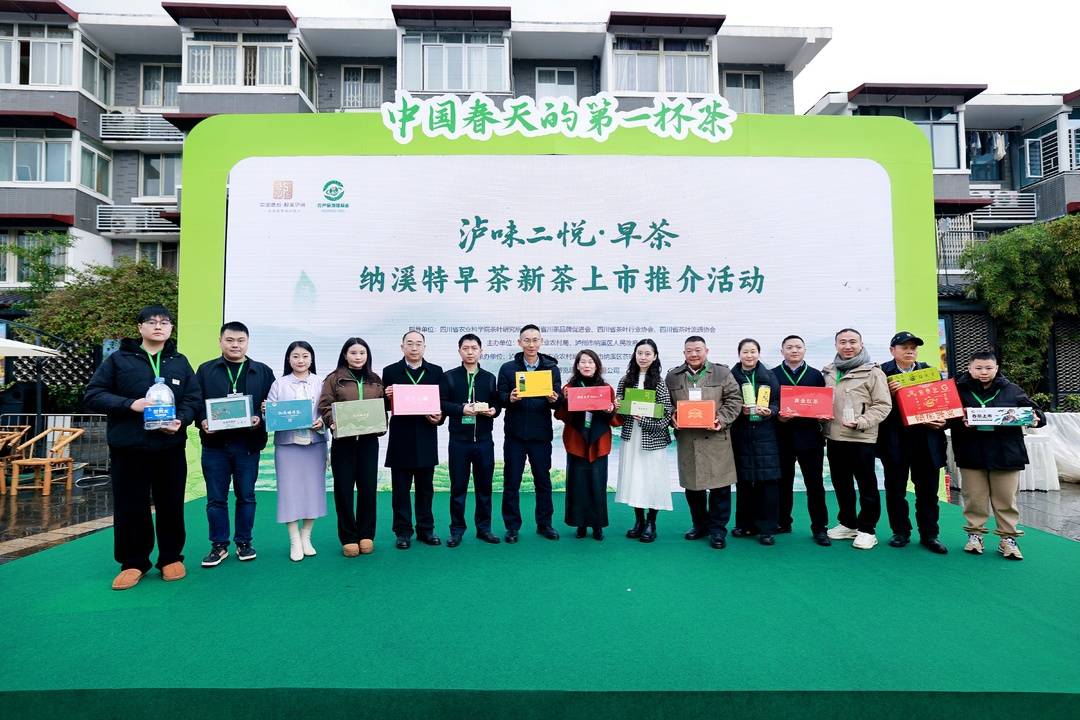
Core Insights - Sichuan is a major province for both tea production and consumption, with the Spring Festival being a peak season for tea sales, particularly for tea gifts [1][4] - New tea products are being launched by various tea companies to meet the growing consumer demand during this competitive period [1][3] Group 1: New Product Launches - The "Luzhou Flavor Early Tea" event showcased 11 new products from 10 quality tea companies, blending traditional craftsmanship with innovative concepts [1][3] - Notable new products include "Health Light Tea" combining ancient tree black tea with wild kudzu, and "Naxi Special Early Tea Wine" merging geographical indication tea with craft brewing [3][4] - Other innovative offerings include cup tea designs for convenience, and various types of oolong and white teas, catering to diverse consumer preferences [3][4] Group 2: Market Development and Sales Strategies - The promotional event served as a platform for product tasting and sales, connecting tea producers with over 30 buyers from across the country [4] - The Sichuan New Year Shopping Festival featured a dedicated tea gift exhibition area, showcasing local tea brands and products [5][7] - The provincial government is actively supporting the tea industry with policies aimed at high-quality development, targeting a gross tea output value of 400 billion yuan by 2025 [7] Group 3: Competitive Landscape - The Spring Festival is a critical sales period for tea, with companies launching unique tea gifts to enhance market competition [4][7] - The marketing strategies during this festive season focus on deep integration of tea into everyday life, emphasizing quality and innovation to maintain market presence [7]

以茶为笔,绘就富民“新画卷”——湄潭“十四五”茶产业高质量发展纪实
Xin Lang Cai Jing· 2026-01-24 09:18
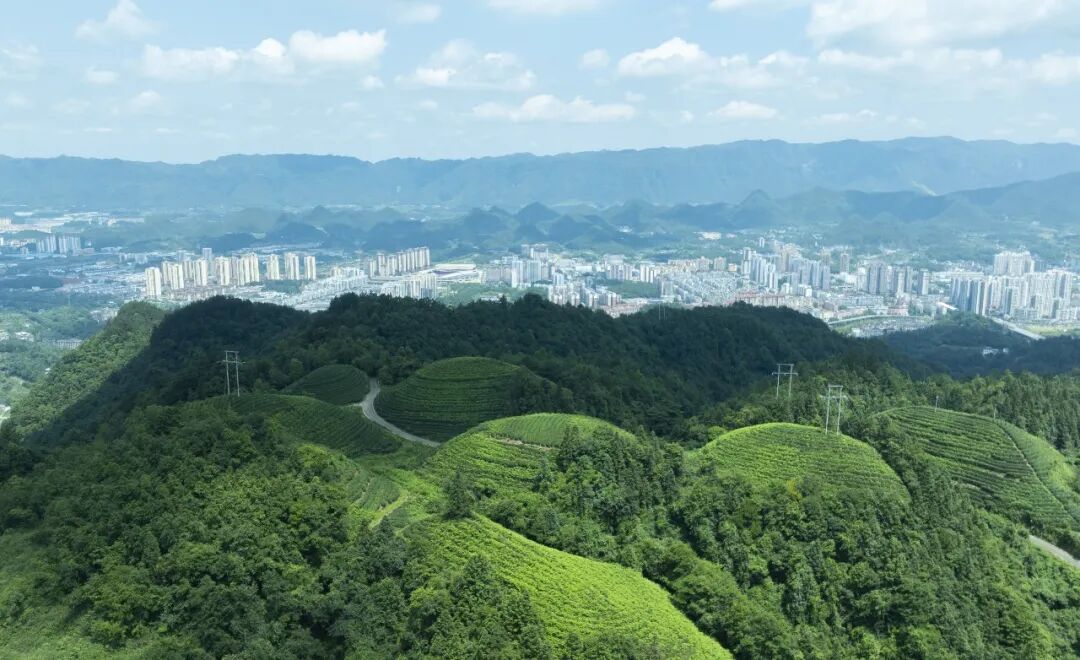
Core Viewpoint - The tea industry in Meitan County has become a significant driver of economic development, with a direct total output value exceeding 34 billion yuan and a comprehensive total output value reaching 85.9 billion yuan during the 14th Five-Year Plan period [3]. Strategic Leadership - Meitan County has positioned the tea industry as its primary and pillar industry, implementing a development strategy focused on "surrounding tea, maximizing tea, and breaking through tea" [3]. - The county has innovated its policy mechanisms, establishing a three-tier collaborative management system and the first "Tea Town Chief" system in the country, along with a dedicated environmental protection court for the tea industry [3]. Ecological Foundation - Meitan is located in the 27° north latitude tea-producing belt, with a forest coverage rate of 67.4% and excellent air quality [4]. - The county has stricter pesticide regulations than national standards, banning 129 types of pesticides and promoting green pest control technologies [4]. Technological Empowerment - Technological innovation is a core driving force for upgrading the tea industry, with rapid detection technologies reducing pesticide residue testing time from hours to minutes [6]. - Digital reforms have been integrated throughout the industry chain, enhancing traceability and reducing management costs through IoT and AI technologies [6]. Brand Building - Brand development is a key focus, with "Meitan Cuiya" and "Zunyi Red" gaining significant influence and forming a complete brand system [7]. - "Zunyi Red" was selected as one of the top 10 regional public brands of Chinese red tea, and "Meitan Cuiya" has a brand value exceeding 4.8 billion yuan [7]. Cross-Industry Innovation - The new tea beverage sector has emerged as a strong growth engine, with production value surpassing 458 million yuan in 2024, marking a 243% increase [9]. - New tea beverage companies have introduced over 120 innovative products, positioning Meitan at the forefront of the new tea beverage market [9]. Cultural Empowerment - Meitan has integrated tea culture with tourism, creating distinctive attractions and ranking its tea culture museum among the top 100 popular museums in Southwest China [10]. Talent Support - The county has developed a unique labor brand, "Meitan Tea Master," and has the highest number of national tea figures in the province [12]. - Local initiatives have successfully increased online retail sales, reaching 343 million yuan in 2024, with a 44% year-on-year growth in 2025 [12]. Wealth Creation - The tea industry serves as the main channel for income generation, with over 350,000 people engaged in tea-related work [13]. - The county has adopted an industrialization model that closely integrates farmers into the industry chain, significantly improving local residents' disposable income [13].
从茶园到茶杯,法护六堡见精微
Guang Xi Ri Bao· 2026-01-08 03:07
Core Viewpoint - The introduction of the "Guangxi Zhuang Autonomous Region Liubao Tea Development Regulations" on January 1, 2026, aims to provide robust legal support for the high-quality development of the Liubao tea industry, which has significant market potential and historical depth [1][2]. Group 1: Legislative Background and Objectives - The new regulations are a result of extensive research and multiple rounds of discussions, reflecting a consensus within the industry to address key challenges in the Liubao tea sector [2][3]. - The regulations consist of 29 articles and follow a "small cut" legislative approach, focusing on practical and operational aspects to enhance the industry [2][3]. Group 2: Industry Challenges and Solutions - The Liubao tea industry, with a total tea garden area of approximately 1 million acres and a comprehensive output value exceeding 300 billion yuan, faces challenges such as an incomplete industrial chain, weak infrastructure, and insufficient brand development [2][3]. - The regulations specifically address issues like unclear departmental responsibilities and weak quality control awareness, mandating the establishment of a quality safety traceability system for Liubao tea [3][4]. Group 3: Scientific and Technological Support - The regulations emphasize the protection of tea germplasm resources and encourage technological innovation, which is expected to enhance the quality and productivity of Liubao tea [4][5]. - The integration of traditional craftsmanship with modern technology is highlighted as a means to strengthen the industry's core competitiveness [4][5]. Group 4: Brand Development and Industry Integration - The legislative process involved extensive consultation with tea enterprises, farmers, industry associations, and experts to define "Liubao tea" and delineate core production areas, ensuring a comprehensive approach to brand building [5][6]. - The regulations support the dynamic adjustment of core production areas and promote the clustering development of Liubao tea industries in Wuzhou and other qualifying regions [6][7]. Group 5: Comprehensive Benefits and Future Outlook - The regulations aim to enhance the overall benefits of the tea industry by integrating tea culture, technology, and production, thereby establishing a quality safety and development guarantee system from "tea garden to tea cup" [7][8]. - The introduction of these regulations is expected to elevate the recognition, influence, and market competitiveness of Liubao tea, transforming it into a key driver for rural revitalization and economic growth in Guangxi [9].
贵州茶产业站稳全国第一方阵
Xin Lang Cai Jing· 2026-01-03 22:19
Group 1 - The core viewpoint of the articles highlights the transformation of Guizhou's tea industry from "scale expansion" to "value enhancement," aiming for a comprehensive output value target of 100 billion yuan [1][2] - During the 14th Five-Year Plan period, Guizhou will focus on developing a distinctive brand system based on its tea industry resources, maintaining a stable area of 7 million mu of tea gardens, and promoting ecological bases, standardized processing, and market branding [1] - Guizhou is implementing a green tea strategy, with the "Guizhou Green Tea" brand valued at 13.013 billion yuan, supported by 334 companies using geographical indications [1] Group 2 - Guizhou is leveraging the construction of Tongren as the "Matcha Capital of China" to develop the matcha industry, integrating it with food processing and daily chemical industries, and establishing the world's largest matcha refining workshop [2] - The matcha products from Guizhou are exported to 54 countries and regions, maintaining the highest market sales in China [2] - The changing consumer market is providing new opportunities for the tea industry, with Guizhou aiming to become a national new tea beverage supply chain center and fostering local new tea beverage brands [2]
“贵州绿茶”新年第一采普安开采
Xin Lang Cai Jing· 2026-01-01 22:55
Group 1 - The national early tea conference and the first picking event of "Guizhou Green Tea" in 2026 were held in Qianxinan Prefecture, highlighting the theme "China's First Picking・Qian's Early Tea Aroma" [1] - Guizhou is recognized as a major high-quality green tea production area due to its unique ecological environment and climate, allowing early tea picking approximately 20 days ahead of other regions in China [1] - The event saw the unveiling of a major tea export base in Puan County, with over 80,000 acres of registered tea gardens facilitating tea exports [1] Group 2 - The Guizhou tea industry has become a pillar of rural economic development, with 183,000 acres of tea gardens in Puan County benefiting over 70,000 people, resulting in an average annual income increase of over 17,000 yuan per household [2] - The value of Shiqian's early tea series products has exceeded 800 million yuan, benefiting 30,000 tea farmers, while Anlong County's tea production reached 1,146 tons with a value of 270 million yuan, covering over 5,000 tea farmers [2] - In 2026, Guizhou aims to transition from a "large tea province" to a "strong tea province," focusing on quality and promoting the "clean Qian tea" reputation while enhancing brand development [2]
绿茶第一采!2026年第一口茶的鲜爽,来贵州品鉴
Xin Lang Cai Jing· 2025-12-28 15:18
Core Insights - The "Guizhou Green Tea" first picking event will officially commence on January 1, 2026, in Puan County, Guizhou, with sub-venues in Anlong County and Shiqian County, aiming to promote Guizhou's early tea brand and boost local tea enterprises and farmers' income [1][3][5] Group 1: Event Overview - The event will feature cultural performances and activities centered around the theme "China's First Picking, Guizhou's Early Tea Aroma," showcasing Guizhou's tea quality and promoting market opportunities [1][3] - The event aims to create a buzz in the early tea market and support the high-quality development of the tea industry in Guizhou, marking a strong start for the new year [3][5] Group 2: Guizhou's Tea Industry - Guizhou is recognized as one of the best regions for tea cultivation in China due to its unique ecological environment, which contributes to the high quality of Guizhou green tea [5][8] - The "Guizhou Green Tea" first picking event has been successfully held for five consecutive years since its inception in 2021, further solidifying Guizhou's position as a key player in the early tea market [5][12] Group 3: Economic Impact - The tea industry is a pillar of rural economic development in Guizhou, with the first picking event contributing significantly to farmers' income and rural revitalization [5][8] - In 2025, Puan's early tea market achieved a total transaction volume of 3.8 billion yuan, benefiting over 18,000 households and demonstrating the economic impact of the tea industry [13] Group 4: Regional Highlights - Puan County is known as the "World Tea Source" and has a significant advantage in early tea picking, starting 15 to 20 days earlier than most regions in China [13] - Shiqian County, recognized as "China's Toad Tea Town," boasts a rich history and unique tea varieties, contributing to the region's tea culture and economic growth [15] - Anlong County, with its favorable climate for tea cultivation, has expanded its tea garden area to 75,000 acres, supporting local employment and economic development [16]
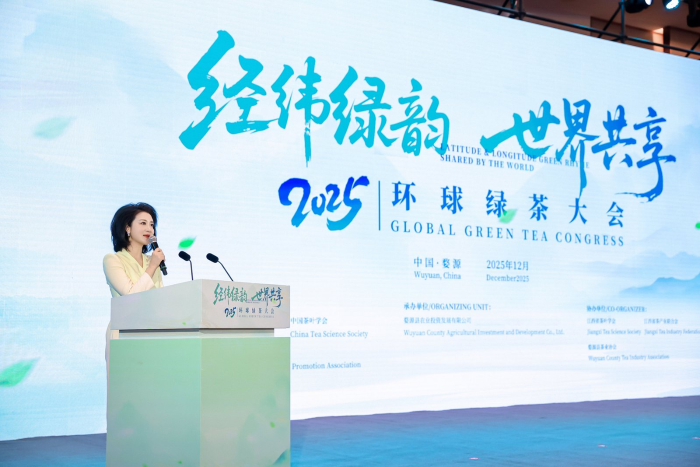
经纬绿韵世界共享——2025环球绿茶大会启幕 共绘产业发展新图景
Xin Lang Cai Jing· 2025-12-20 12:59
Group 1 - The 2025 Global Green Tea Conference opened in Wuyuan, Jiangxi, focusing on high-quality and sustainable development paths for the green tea industry [1][3] - Wuyuan has positioned tea as a key industry, aiming to transform tea areas into scenic spots and enhance the tea culture and technology to boost the industry [3][6] - The brand value of Wuyuan green tea was reported at 6.51 billion yuan, highlighting its significance in the tea market [4] Group 2 - The green tea export accounted for 87.9% of China's total tea exports in the first half of 2025, indicating a strong international market presence [7] - China's tea production exceeds 3.7 million tons, with a total output value surpassing 330 billion yuan, showcasing the industry's scale and economic impact [7] - Wuyuan's tea industry has created over 6 billion yuan in comprehensive output value, contributing significantly to rural revitalization [6][8] Group 3 - The conference featured the launch of new Wuyuan tea products, including green tea beverages and jasmine matcha skincare products, indicating innovation in product offerings [9][12] - A global tea industry map was released, providing insights into resource distribution and trade flows in the green tea sector [9] - High-level dialogues among tea industry experts focused on international standards, product innovation, and quality control, aiming to enhance the competitiveness of Chinese tea in global markets [13]
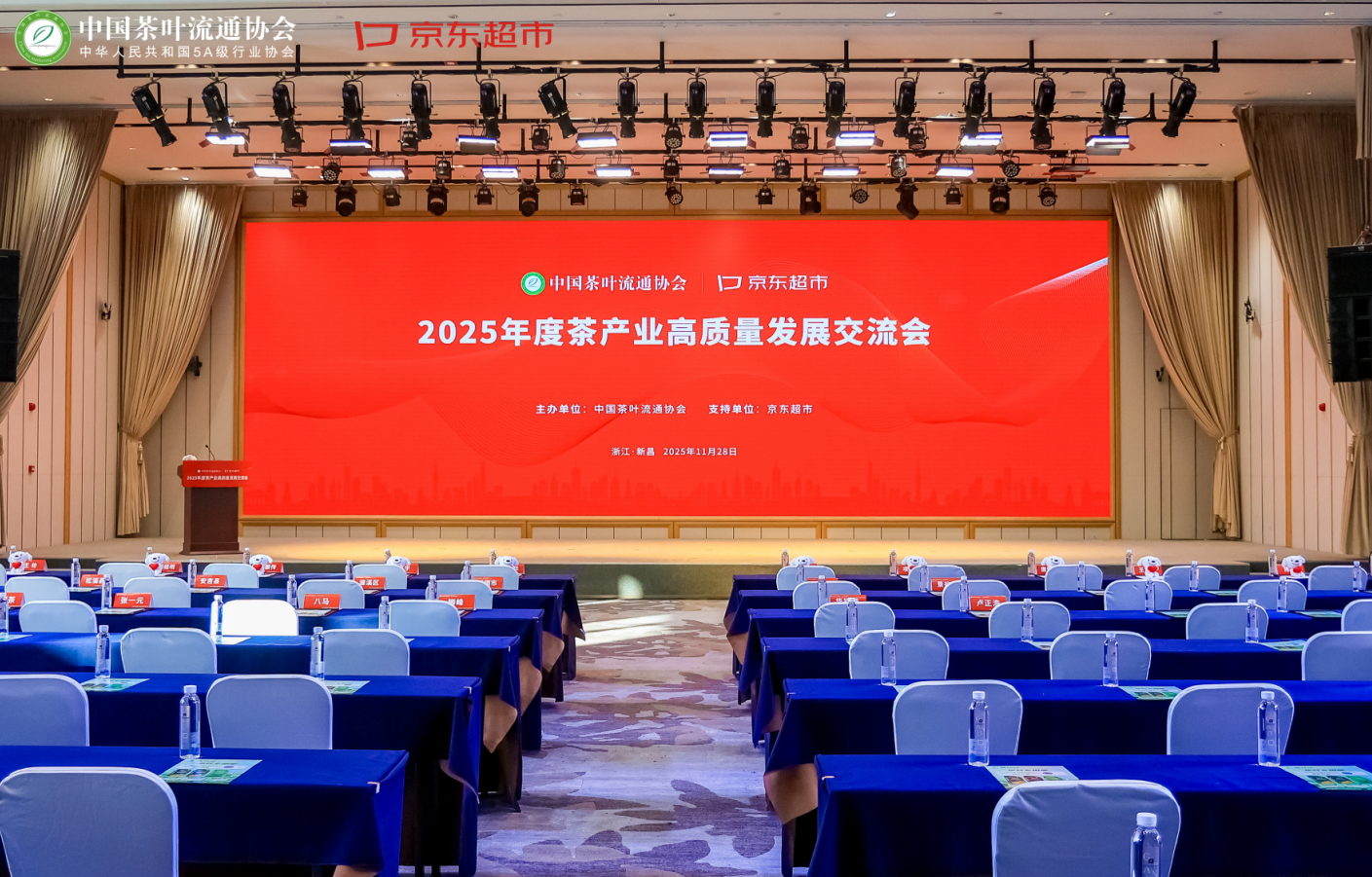
“京东超市”2025茶产业高质量发展交流会圆满举办
Zhong Guo Jin Rong Xin Xi Wang· 2025-12-09 09:04
Core Insights - The "JD Supermarket 2025 Tea Industry High-Quality Development Exchange Conference" was held in Zhejiang Province, focusing on the strategic cooperation between the China Tea Circulation Association and JD Supermarket [1][3]. Group 1: Conference Overview - The conference attracted over 300 representatives, including leaders from renowned tea-producing regions and major e-commerce brands [3]. - The theme of the conference was "Seeking Tea Fragrance, Promoting Revitalization," emphasizing high-quality development in the tea industry [4]. Group 2: Key Presentations - Representatives from Huaxiangyuan Tea Industry, Zhang Yiyuan, and Zhongnong Group shared insights on brand development, quality control, and service empowerment in the tea industry [4]. - JD Supermarket's tea category manager presented consumer trend insights and consumption hotspot data for the 2025 "Double 11" shopping festival, providing valuable references for tea companies [10]. Group 3: Regional Highlights - Four key tea-producing regions—Shaoxing, Xinchang, Tiantai, and Yanchuan—showcased their unique advantages in resources, culture, and innovation through presentations and case studies [12]. - These regions outlined their future development plans, contributing to a diverse and vibrant tea industry landscape [12]. Group 4: Future Collaboration - The China Tea Circulation Association and JD Supermarket plan to address industry pain points and integrate more tea-producing areas and companies into their service system, focusing on consumption stimulation, data analysis, and technological empowerment [17].