
轨道上的京津冀

Search documents
蓝图变通途 三地若比邻
Xin Lang Cai Jing· 2026-02-22 00:26
Core Viewpoint - The development of the railway network in the Beijing-Tianjin-Hebei region during the "14th Five-Year Plan" period has significantly improved transportation convenience, enhancing the integration of the region and supporting the capital's functional construction and collaborative development [1][2][3]. Group 1: Railway Network Development - The railway department has strengthened the connectivity between Beijing, Tianjin, and Hebei by increasing the frequency of intercity trains and launching new routes, forming four high-speed rail corridors between Beijing and Tianjin [1][2]. - The opening of the Beijing-Tianjin intercity and the introduction of new ticketing products have improved the public transport experience, making travel more convenient for residents [1][3]. - The completion of the Beijing-Tianjin ring high-speed rail has created a fast and efficient transportation loop, reshaping commuting and business travel patterns among the three cities [3][4]. Group 2: Impact on Residents - Residents like Yan Fusheng have experienced enhanced travel convenience, allowing for easier commuting between work and home, thus improving work-life balance [2][3]. - The opening of the Beijing-Tianjin intercity railway has increased travel options, enabling residents to return home more frequently and conveniently [2][3]. - The development of the railway network has led to a significant increase in the number of employees commuting from Beijing and Hebei to work in the Tianjin area, with high-speed rail commuting becoming a norm [5][6]. Group 3: Cultural and Economic Integration - The railway network is not only facilitating transportation but also serving as a platform for cultural exchange and tourism, as seen with the launch of special tourist trains like the "Starry Sky·Yanzhao" train [6][7]. - The railway department is promoting cultural activities at stations, enhancing the travel experience and fostering a sense of community among passengers [7]. - The ongoing development of the railway network is expected to further stimulate economic growth and innovation in the region, particularly in high-end manufacturing and future industries [5][7].
蓝图变通途,三地若比邻
Xin Lang Cai Jing· 2026-02-21 23:23
Core Insights - The "14th Five-Year Plan" period has seen the expansion of the "railway network in the Beijing-Tianjin-Hebei region," enhancing connectivity and supporting the development of the "dual-city" model between Beijing and Tianjin [1][19] - The introduction of new high-speed rail lines and commuter trains has significantly improved travel convenience for residents, facilitating better access to key urban centers and promoting regional collaboration [1][9] Group 1: Infrastructure Development - The railway department has increased the frequency of the Beijing-Tianjin intercity trains and launched new lines such as the Beijing-Binhai and Tianjin-Xing, creating four high-speed rail corridors between Beijing and Tianjin [1] - The opening of the Beijing-Tianjin-Hebei circular high-speed rail line on January 26 has connected major nodes like Beijing, Xiong'an, and Tianjin, enhancing commuting options and reshaping travel patterns [7][9] - By the end of the "14th Five-Year Plan," the total operating mileage of the National Railway Beijing Bureau is expected to reach 10,394.9 kilometers, with high-speed rail accounting for 2,795.6 kilometers, marking a significant increase in network scale and quality [19] Group 2: Economic and Social Impact - The improved railway network has transformed the commuting experience for residents, allowing for quicker travel times and more flexible work-life balance, as exemplified by individuals like Yan Fusheng, who can now easily return home to Xiong'an [8][9] - The introduction of the "Starry Sky·Yanzhao" tourism train has promoted cultural tourism in Hebei, enhancing the region's appeal and providing unique travel experiences for visitors [12][13] - The railway network's expansion has also supported local economies by facilitating business travel and attracting investment, as seen in the increased number of train services between key cities [11][19]

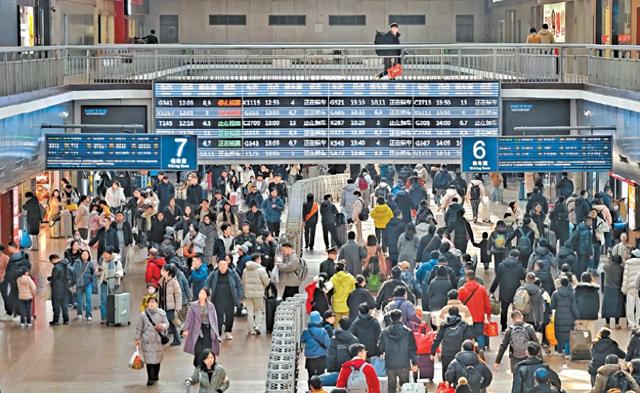
京津冀春节铁路出行体验:蓝图变通途,三地若比邻
Xin Lang Cai Jing· 2026-02-21 05:57
Core Viewpoint - The opening of the Beijing-Tianjin-Hebei circular high-speed railway has significantly improved commuting convenience, reshaping travel patterns and enhancing connectivity among key cities in the region [4][5][10]. Group 1: High-Speed Railway Developments - The new high-speed railway line connects Beijing, Xiong'an, Tianjin, and other important nodes, creating an efficient transportation network that facilitates commuting, business, and family visits [4][6]. - The G8859 train from Beijing West Station to Tianjin West Station marks the first operation of a circular high-speed train in the Beijing-Tianjin-Hebei region, enhancing travel options for residents [3][4]. - The introduction of the Beijing-Tongzhou station and the full operation of the Beijing-Tangshan intercity railway have improved travel times, with the fastest journey from Beijing to Tangshan taking only 55 minutes [6][8]. Group 2: Impact on Residents - Residents like Yan Fusheng have experienced a more convenient travel experience, allowing them to return home to Xiong'an every weekend, thanks to the new high-speed connections [3][5]. - The increased frequency of trains has made it easier for employees in the Beijing-Tianjin-Hebei area to manage work-life balance, with many commuting from nearby cities [7][8]. - The development of the Beijing-Tianjin-Hebei transportation network has led to a significant increase in the number of employees living in Beijing or Hebei, with high-speed commuting becoming a norm [7][8]. Group 3: Cultural and Economic Implications - The railway network improvements are not only enhancing travel convenience but also promoting cultural exchanges and economic development in the region [13][19]. - The introduction of special tourist trains, such as the "Starry Sky Yanzhao" train, aims to boost tourism and cultural experiences during the Spring Festival, showcasing local attractions [10][11]. - The ongoing expansion of the railway network supports the collaborative development of the Beijing-Tianjin-Hebei region, facilitating the growth of various industries and enhancing overall connectivity [13][19].
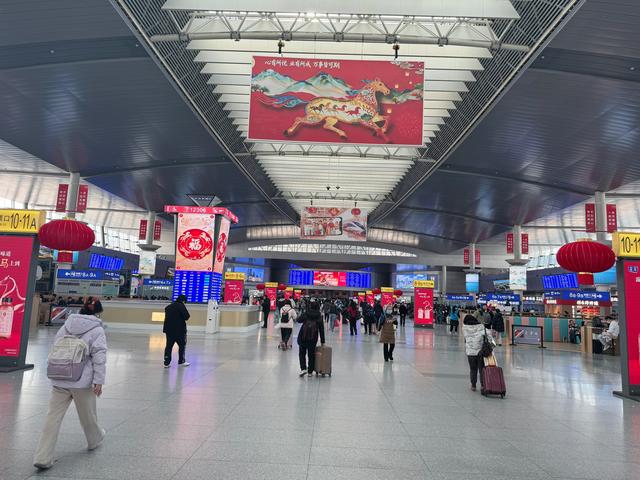
解码北京 八站两场
Xin Lang Cai Jing· 2026-02-05 11:04
Core Viewpoint - The opening of Beijing Tongzhou Station in December 2025 marks the completion of Beijing's comprehensive transportation hub, consisting of eight major railway stations and two international airports, enhancing connectivity and alleviating pressure on existing stations [1][3]. Group 1: Transportation Hub Development - Beijing's eight major railway stations will serve 266 cities, significantly improving travel options and reducing congestion at older stations [3][11]. - In 2024, Beijing's railway stations are expected to handle 336 million passengers, averaging 918,000 daily, indicating a high demand for rail travel [3]. - The new stations, including Tongzhou, will help distribute passenger traffic more evenly across the city, addressing the overload at older stations like Beijing Station and Beijing West Station [4][12]. Group 2: Enhanced Connectivity - The new stations will facilitate better connections to the national railway network, allowing for increased train services to various cities across China [4][11]. - The integration of the new stations into the existing network will create a more efficient transportation system, with specific stations designated for different travel directions [7][15]. - The development of the "Beijing-Tianjin-Hebei" intercity railway network will enhance commuting options, creating a 1 to 1.5-hour travel circle among major cities in the region [14][15]. Group 3: Airport Network Expansion - Beijing's two major airports, Capital International Airport and Daxing International Airport, are expected to handle 124 million passengers in 2025, reflecting a 6.5% year-on-year growth [5][6]. - The airports will provide a comprehensive global aviation network, improving both domestic and international travel options [5][6]. Group 4: Passenger Experience Improvements - The new stations will allow for more convenient access to high-speed rail services, enabling residents to travel to popular destinations with ease [8][16]. - Enhanced scheduling and service frequency will provide travelers with more options, making it easier to plan trips [12][14].
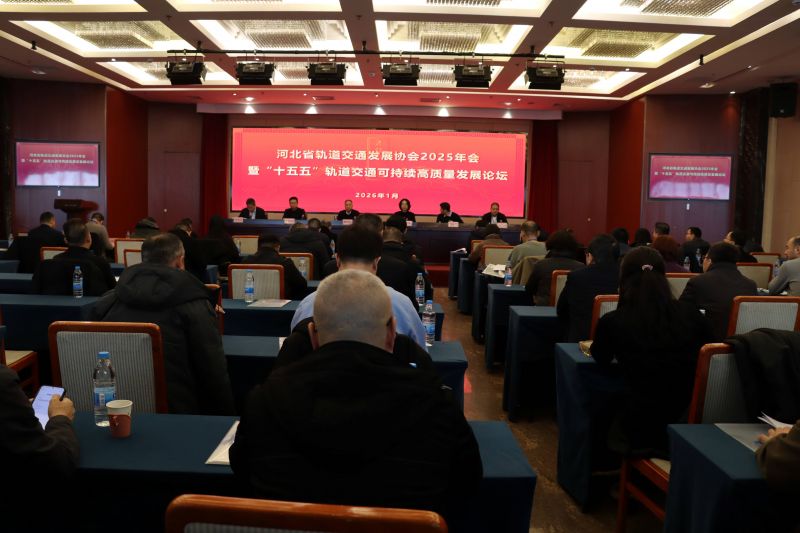
河北省轨道交通发展协会2025年会暨“十五五”轨道交通可持续高质量发展论坛在石家庄举行
Zhong Guo Fa Zhan Wang· 2026-02-05 07:27
Core Viewpoint - The conference focused on promoting sustainable and high-quality development of rail transit in Hebei Province, aligning with the national strategic goals and emphasizing the importance of collaboration among various stakeholders [1][3]. Group 1: Conference Overview - The Hebei Provincial Rail Transit Development Association held its 2025 annual meeting and the "14th Five-Year" forum in Shijiazhuang, summarizing the achievements of its initial phase and planning new paths for rail transit development during the "14th Five-Year" period [1]. - Key leaders from the Hebei Provincial Development and Reform Commission, major infrastructure planning centers, and various universities attended the meeting, highlighting the collaborative nature of the event [3]. Group 2: Leadership and Membership - The conference included the election of a new president, with Mi Xianwei being elected as the president of the Hebei Provincial Rail Transit Development Association [3]. - New member units, including Hebei Peizeng Construction Engineering Co., Ltd. and Wuxi Tongfang Artificial Environment Co., Ltd., were awarded membership certificates, indicating growth in the association [3]. Group 3: Strategic Goals and Initiatives - Mi Xianwei emphasized the need for the association to align with the spirit of the 20th National Congress and the decisions from the Central Economic Work Conference, focusing on high-quality development and the overall rail transit development strategy in Hebei [4]. - The forum encouraged discussions on the development concepts of "innovation, coordination, green, openness, and sharing," recognizing the critical phase of rail transit development in Hebei and the significant opportunities ahead [4]. - The association aims to enhance its role as a bridge among members, focusing on sustainable and high-quality themes, and to strengthen industry self-regulation and standardized construction [4].
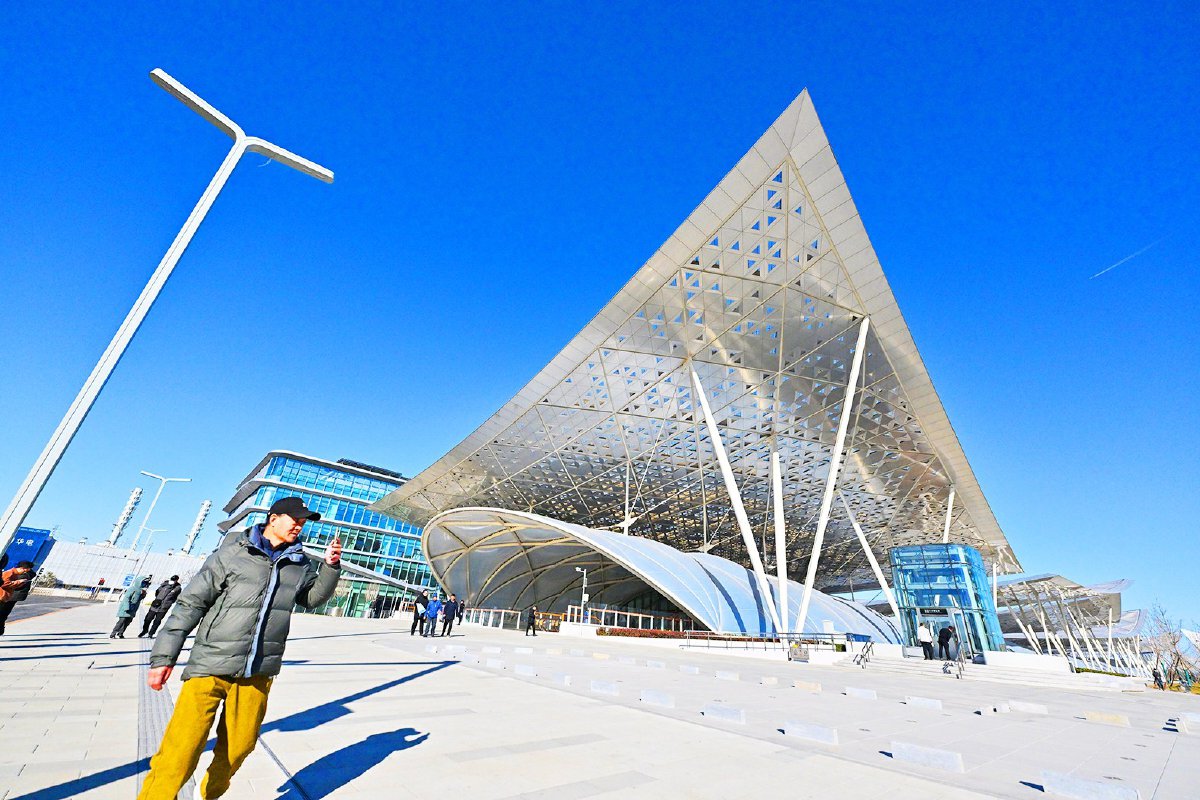
通州设6站!平谷线今年基本具备开通条件
Bei Jing Ri Bao Ke Hu Duan· 2026-02-05 02:39
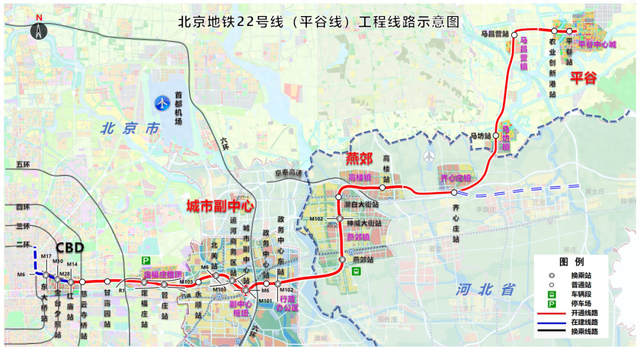
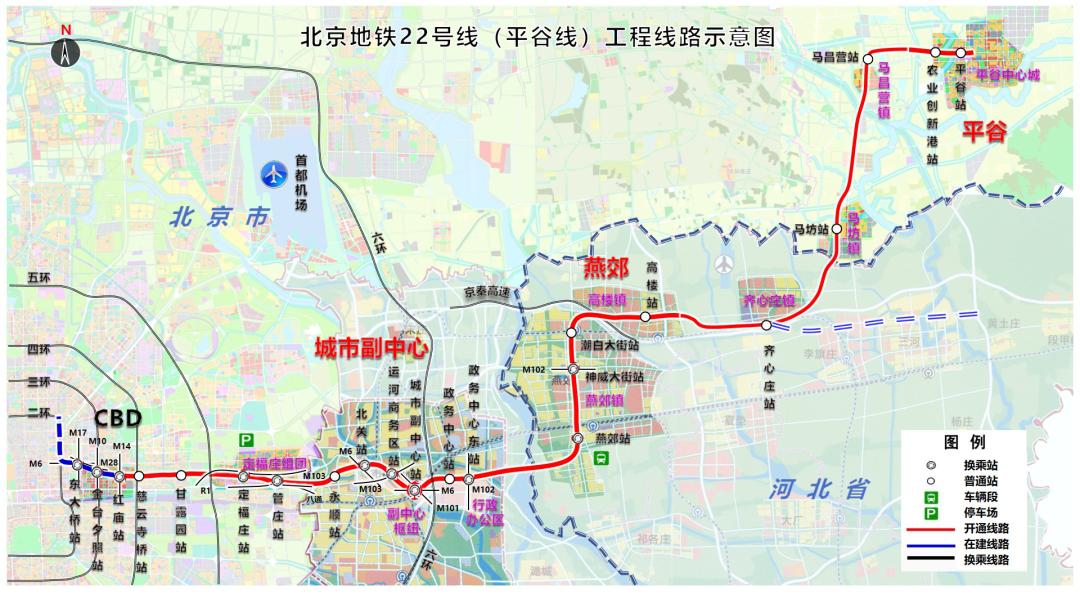
Group 1 - The core point of the article is the official release of the 2026 Beijing rail transit construction plan, highlighting the significant progress of the 22nd line and the overall enhancement of the suburban railway city sub-center line [1][5] - The 22nd line (Hongmiao-Pinggu) will be the first cross-provincial urban rail transit line in the Beijing-Tianjin-Hebei region, covering approximately 79.1 kilometers, with 20 stations, including 15 in Beijing and 5 in Hebei [1][4] - The line will connect key functional areas such as the CBD core area, urban sub-center, and new towns in Pinggu and Hebei, facilitating a one-hour transportation circle between the North Three Counties and the central urban area [4] Group 2 - The suburban railway city sub-center line enhancement project is the first collaboration between Beijing and the National Railway Group, focusing on integrated planning and project approval [5] - The project will add two new stations and upgrade three existing stations, significantly improving commuting capacity by optimizing the existing railway infrastructure [6] - In addition to the 22nd line, Beijing will continue to advance multiple rail projects, including the new airport line and several line enhancements, by 2026 [8]
300项重点工程当年投资超3000亿
Bei Jing Wan Bao· 2026-02-03 06:44
Group 1: Key Projects and Investments - Beijing's 2026 key project plan includes 300 major projects with an investment exceeding 300 billion yuan, focusing on technology innovation, infrastructure, and public welfare [1] - The 100 technology innovation and modernization projects will receive the highest investment of 142.8 billion yuan, including significant research infrastructure projects [1] - The 100 major infrastructure projects will have an investment of 67.4 billion yuan, covering railways, subways, highways, and urban roads [1] Group 2: Public Welfare and Urban Development - The 100 major public welfare improvement projects will receive an investment of 102.7 billion yuan, focusing on housing, education, healthcare, and cultural spaces [2] - Plans include enhancing urban living conditions and promoting high-quality public spaces, as well as optimizing educational and healthcare services [2] Group 3: Transportation Infrastructure - The plan includes the completion of 71 "broken road" projects and comprehensive renovations of major roads, enhancing urban connectivity [3] - Nine urban rail transit lines, totaling 150.6 kilometers, will be advanced, with two lines expected to open this year [5] - The 22nd line will connect Beijing and Hebei, creating a seamless transit experience and expanding the "one-hour traffic circle" [6] Group 4: Cultural and Tourism Development - The transformation of the Garden Expo Park into an international innovation bay area and the establishment of a 5A-level tourist attraction at Lugou Bridge are key initiatives [9][10] - The development will include a hotel product matrix and high-quality rural homestays to enhance tourism and local economy [11]
2026年北京平谷线或将开通
3 6 Ke· 2026-02-03 02:31
Core Insights - Beijing's major project office has released the city's rail transit construction plan for this year, highlighting the opening of the 22nd line and the overall enhancement of the suburban railway city sub-center line [1][3] Group 1: Key Projects - The 22nd line (Hongmiao to Pinggu) will be the first cross-provincial urban rail transit line between Beijing and Hebei, connecting key functional areas such as the CBD core area and the urban sub-center [1] - The 22nd line spans approximately 79.1 kilometers, with 20 stations, including 15 in Beijing and 5 in Hebei, facilitating seamless connectivity between Sanhe City and Beijing's urban rail network [3] - The suburban railway city sub-center line will enhance commuting capacity by adding two new stations and upgrading three existing ones, increasing the number of daily train pairs from 6 to 18 [6] Group 2: Additional Developments - Other ongoing projects include the new airport line, the first phase of Line 3, Line 12, Line 28, and several enhancement projects for existing lines, aiming to improve regional transportation [7] - The 14th line's Hongmiao station and several entrances will be made operational this year, further facilitating passenger transfers and enhancing local traffic circulation [7]
2条轨道线路今年开通运营
Bei Jing Ri Bao Ke Hu Duan· 2026-02-02 22:16
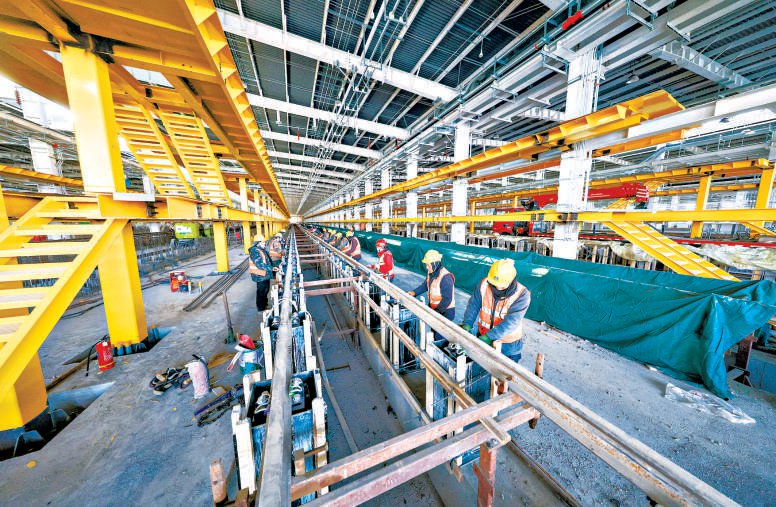
Core Viewpoint - Beijing is set to advance the construction of 9 urban rail transit lines totaling 150.6 kilometers and 2 suburban railway lines spanning 90.5 kilometers in 2023, with significant developments in the 22nd line and the suburban railway city sub-center line [1][2] Group 1: 22nd Line Development - The 22nd line (Hongmiao-Pinggu) will be the first inter-provincial urban rail transit line connecting Beijing and Hebei, enhancing the "one-hour traffic circle" for the northern three counties and Pinggu District [2][6] - The line will connect key areas such as the CBD core area, urban sub-center, and major functional zones in Hebei, facilitating cross-province commuting and boosting economic collaboration [2][7] - The line will feature 20 stations, with 15 in Beijing and 5 in Hebei, and is expected to be operational by the end of the year [1][7] Group 2: Suburban Railway City Sub-center Line - The suburban railway city sub-center line will also be ready for initial operations by the end of the year, marking a collaborative project between Beijing and the National Railway Group [2][4] - This line will enhance commuting capacity by adding two new stations and upgrading three existing ones, significantly improving transit efficiency for the southwestern regions of Beijing [2][4] Group 3: Future Expansion Plans - By 2026, Beijing plans to continue expanding its rail network with additional lines and upgrades, including the new airport line and several other key projects aimed at improving urban connectivity [5] - The ongoing projects will focus on urban renewal and enhancing the coverage and functionality of the rail network, contributing to economic vitality and improved travel quality [5]
北京今年将推进9条(段)150.6公里城市轨道交通线路建设
Zhong Guo Xin Wen Wang· 2026-02-02 11:46
Group 1 - The core viewpoint of the article is the announcement of Beijing's 2026 urban rail transit construction plan, which includes the advancement of 9 urban rail lines totaling 150.6 kilometers and 2 suburban railway lines totaling 90.5 kilometers [1] - The 22nd line (Hongmiao-Pinggu) will be the first inter-provincial urban rail transit line in the Beijing-Tianjin-Hebei region, connecting key functional areas such as Beijing's CBD and the Beijing sub-center [1] - The construction plan emphasizes the integration of rail networks and urban development, focusing on technological empowerment and green transformation to enhance the quality and efficiency of rail transit construction [1] Group 2 - The overall enhancement project of the suburban railway city sub-center line (Beijing West-Liangxiang) will add 2 new stations, renovate 3 existing stations, and increase the number of daily train pairs from 6 to 18, significantly improving commuting capacity [2] - In addition to new line construction, the plan includes efforts to address service gaps, with the aim of making the Hongmiao station on line 14 and 4 entrances of Wangjing South station operational this year to improve regional traffic microcirculation [2]