GUI Agent

Search documents
字节开源GUI Agent登顶GitHub热榜,豆包手机核心技术突破26k Star
量子位· 2026-02-08 07:11
Core Insights - The article highlights the success of ByteDance's self-developed technology, specifically the GUI Agent model UI-TARS, which has topped GitHub's trending list and surpassed 26k stars, outperforming OpenAI's official Skills [1][3]. Group 1: Technology Overview - UI-TARS is a multi-modal AI agent that can perform complex operations on various software through natural language commands, mimicking human interactions with screens [5][9]. - The core logic of UI-TARS is "purely vision-driven," allowing the AI to observe screens like a human eye, enabling it to operate regardless of whether APIs are available or interfaces are complex [11][12]. - The technology includes two main projects: Agent TARS, which operates in both web UI and server environments, and UI-TARS-desktop, a desktop application for local computer and browser operations [6][8]. Group 2: Development and Evolution - UI-TARS aims to equip agents with four key capabilities: perception, action, reasoning, and memory [21]. - The project began a year ago and has evolved significantly, with the initial version leveraging 6 million high-quality tutorial data to enhance its deep thinking capabilities [20][24]. - Subsequent iterations, such as UI-TARS-1.5 and UI-TARS-2, have improved the agent's performance, addressing data bottlenecks and enhancing its ability to integrate various functionalities [26][28]. Group 3: Market Impact and Future Prospects - The article notes that UI-TARS has become one of the most popular open-source multi-modal agents, with significant attention from industry leaders [30]. - The technology is positioned to revolutionize how AI interacts with users, as highlighted by industry figures who predict that products like UI-TARS will significantly impact the market by 2025 [32][34]. - The article concludes by emphasizing the potential of GUI agents to bridge the gap between AI capabilities and human tasks, suggesting a transformative effect on productivity and efficiency [37][38].

手机厂商、应用方如何看AI手机争议?A2A协作有望破局
第一财经· 2026-01-12 13:37
Core Viewpoint - The development of intelligent agents should focus on both "wisdom" and "execution," ensuring they understand user intent and act accordingly while maintaining safety and control in existing governance and commercial order [3][4]. Group 1: Current Trends in AI Agents - Various exploration paths have emerged in the past year regarding whether AI can effectively handle tasks traditionally performed by humans, with products like GUI Agents attempting to automate tasks such as video editing and ticket booking by simulating human operations [3][4]. - Experts suggest that while the current GUI-based approach allows for quicker integration into real-world applications, it has inherent limitations in stability, efficiency, and governance, making it more of a temporary solution [4][5]. Group 2: Industry Perspectives - Mobile manufacturers are exploring the implementation of intelligent agents, with OPPO highlighting that the current GUI-based solutions are not the final form of AI phones but rather a method to operate existing interfaces [5]. - The core value for mobile manufacturers lies not in the model parameters but in their long-term understanding of users, emphasizing that "memory" is the true essence of a smartphone [5][6]. Group 3: Challenges and Future Directions - The real challenge for intelligent agents is not just task completion but also defining operational boundaries and management challenges [5][6]. - Current GUI models can stimulate the industry, but the Chinese AI sector should not be limited to this route; it should explore safer and more advanced evolutionary paths, taking cues from Apple's collaborative mechanisms between intelligent agents and applications [6][7]. - The introduction of A2A (AI-to-AI) mechanisms is suggested to improve governance and market competition, addressing potential risks associated with disruptive innovation [6][7].

手机厂商、应用方如何看AI手机争议?A2A协作有望破局
Di Yi Cai Jing· 2026-01-12 12:24
Core Insights - The true challenge of intelligent agents is not just their ability to perform tasks but also their wisdom and execution capabilities, which require a deep understanding of user intent and actions [1] - The development of intelligent agents should not disrupt existing governance frameworks and commercial orders but should promote industry evolution through deep collaboration while ensuring safety and control [1] Group 1: Current Developments in AI Agents - Various exploration paths have emerged in the past year regarding whether AI can replace human tasks, with products attempting to operate through screen understanding and simulated actions, categorized as GUI Agents [3] - These products face significant challenges, including permission granting, accountability for errors, service invocation, and regulatory constraints [3] - Experts suggest that the authorization of intelligent agents should be scene-specific, with critical operations requiring secondary confirmation, and that not all scenarios should be authorized by third-party platforms [3] Group 2: Industry Perspectives on AI Implementation - OPPO's perspective indicates that while products like the Doubao phone positively impact the industry, they are not the final form of AI phones but rather a method to operate existing GUI interfaces [4] - The focus for phone manufacturers is on engineering and scalability, as any instability in system capabilities can lead to significant quality issues [4] - The future of intelligent agents is expected to shift towards A2A (Agent-to-Agent) collaboration models, with the core value for manufacturers lying in their long-term understanding of users rather than just model parameters [4] Group 3: Regulatory and Safety Considerations - The current GUI approach can activate the industry but should not be the sole focus; a more optimal evolution path that balances safety and development should be explored [5] - Apple's model is highlighted as a reference, establishing a collaborative mechanism between intelligent agents and apps through open APIs while ensuring safety boundaries [5] - The introduction of A2A mechanisms and market-based credit systems is suggested to improve authorization processes and manage potential risks associated with disruptive innovations [5]
从豆包手机谈起:端侧智能的愿景与路线图
AI前线· 2025-12-22 05:01
Core Viewpoint - The launch of Doubao Mobile Assistant by ByteDance signifies a significant shift in the application paradigm of large models, transitioning from "Chat" to "Action," establishing it as the first system-level GUI Agent in the industry [2][3]. Technical Analysis and Evaluation - The core technology of Doubao Mobile Assistant is the GUI Agent, which has evolved from an "external framework" to a "model-native intelligent agent" between 2023 and 2025. The early stage (2023-2024) relied on external frameworks that limited the agent's capabilities due to dependency on prompt engineering and external tools [4]. - The introduction of visual language models driven by imitation learning in 2024 marked a shift to model-native capabilities, allowing the agent to understand interfaces directly from pixel inputs, significantly enhancing adaptability to unstructured GUIs [5]. - By 2024-2025, reinforcement learning-driven visual language models became mainstream, enabling agents to autonomously execute tasks in dynamic environments. Doubao Mobile Assistant embodies this technological evolution [5][7]. Development History of GUI Agent - Previous GUI Agents were often limited to demo stages due to reliance on Android accessibility services, which had significant drawbacks. Doubao Mobile Assistant overcomes these issues through a customized OS that allows for non-intrusive system-level control [7][8]. - The model architecture of Doubao Mobile Assistant employs a collaborative end-cloud model, indicating a shift from experimental to practical applications of GUI Agents [8]. Limitations and Future Outlook - Doubao Mobile Assistant faces three major challenges: security risks associated with cloud-side model reliance, insufficient autonomous task completion capabilities, and limited ecological coverage [9][10][11]. - The assistant currently operates as a passive tool, lacking personalized proactive service capabilities. Future developments must focus on enhancing privacy, environmental perception, complex decision-making, and personalized service [12][13]. Evolution of End-Side Intelligence - The emergence of system-level GUI Agents presents a fundamental contradiction between the need for comprehensive operational visibility and user privacy concerns. A balance must be struck to ensure user data sovereignty while providing intelligent services [13][14]. - The future AI mobile ecosystem should adhere to the principle of "end-side native, cloud collaboration," ensuring that sensitive user data remains on-device while leveraging cloud capabilities for complex tasks [14][15]. Autonomous Intelligence and User Interaction - Doubao Mobile Assistant's current capabilities are based on extensive data training, but future autonomous intelligence must enable agents to learn and adapt in dynamic environments, overcoming challenges in generalization, autonomy, and long-term interaction [22][24][25]. - The transition from passive execution to proactive service is essential for personal assistants to reduce user cognitive load and enhance user experience [29][30][31]. Industry Trends and Future Predictions - In the short term (within one year), more mobile assistants are expected to launch, intensifying competition between application developers and hardware manufacturers [35]. - In the medium term (2-3 years), the concept of a "personal exclusive assistant" will solidify, with end-side models evolving to provide personalized experiences based on user data [36]. - In the long term (3-5 years), a new type of end-side hardware will emerge, integrating high privacy operations and lightweight tasks, ensuring data sovereignty and rapid response times [38].

豆包手机引发的思考:AgentVS超级App,AI公司VS手机厂商
新财富· 2025-12-16 08:22
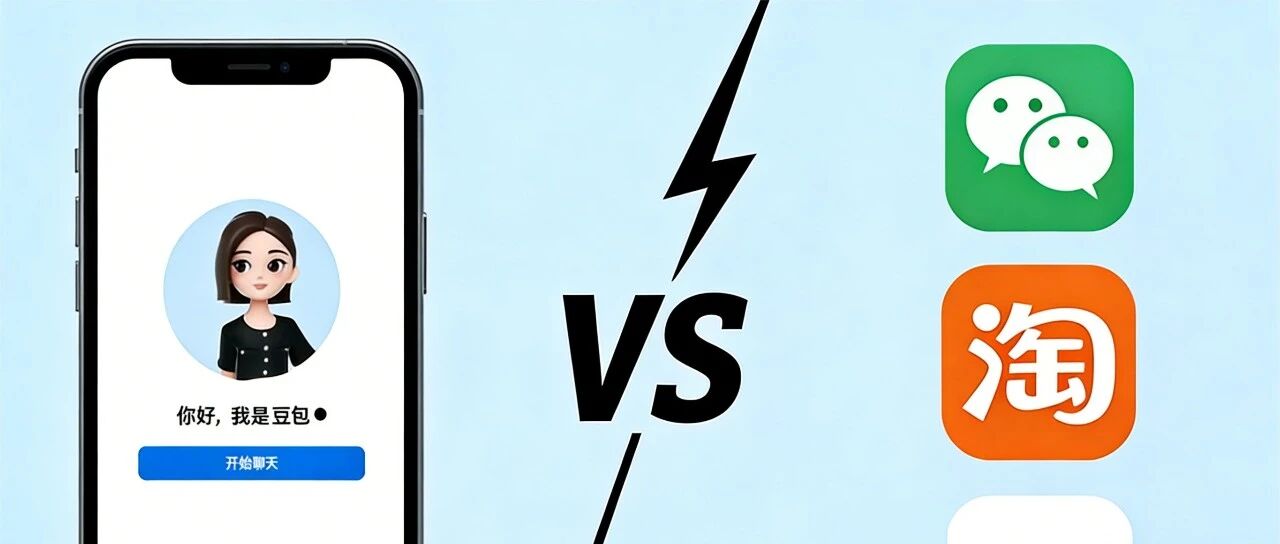
Core Viewpoint - The launch of the Doubao mobile assistant by ByteDance represents a significant step towards the realization of system-level AI agents, challenging the dominance of super apps like WeChat and Alipay in the mobile ecosystem [2][14][27] Group 1: Doubao Mobile Assistant Launch - On December 1, ByteDance's Doubao team released a technical preview of the Doubao mobile assistant, which collaborates deeply with phone manufacturers at the operating system level to enable cross-application automation [2] - The initial batch of 30,000 units sold out instantly, but within two days, major super apps like WeChat, Alipay, Taobao, and Meituan blocked the Doubao mobile assistant [3] Group 2: AI Agent Development - The Doubao mobile assistant demonstrates the feasibility of GUI agents, completing a closed-loop attempt for AI phones, but raises questions about its practical utility in real-world scenarios [5] - The evolution of AI agents has transitioned from fixed scripts and rule engines to a stage where GUI intelligent agents can understand and operate across applications, as seen with advancements from companies like Microsoft and Anthropic [6][7] Group 3: System-Level Agent vs. Super Apps - The system-level agent can understand user intent and orchestrate multiple apps, moving the focus from an app-centric model to a user-intent-centric model [8][10] - The core advantages of system-level agents include the ability to organize tasks across multiple apps and theoretical platform neutrality, alleviating long-standing issues like fragmented cross-app processes [11][12] Group 4: Industry Dynamics and Conflicts - The emergence of the Doubao mobile assistant has highlighted the conflict between system-level agents and super apps, with super apps responding defensively to protect their user entry points [14][15] - The long-term outcome may not be the elimination of one model over the other, but rather a redefinition of power boundaries and responsibilities between system-level agents and super apps [17] Group 5: Manufacturer Strategies - Different manufacturers are adopting varied strategies regarding AI agents, with Huawei integrating agents into its operating system, Xiaomi focusing on ecosystem integration, and Apple maintaining a single official agent [19][23][24] - The competitive landscape suggests a future where multiple agents coexist in the Android ecosystem, while iOS maintains a clearer structure with one official agent and several plugins [24][25]



豆包手机触碰了大厂APP的“逆鳞”
3 6 Ke· 2025-12-15 23:28
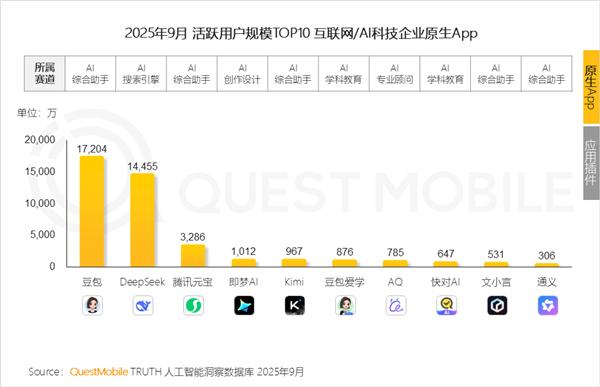
Core Viewpoint - The emergence of Doubao AI phone has sparked significant interest in the potential of AI agents as a new entry point in the internet ecosystem, but it faces immediate backlash from major internet companies due to security and operational concerns [1][2][3]. Group 1: Doubao AI Phone and Its Features - Doubao AI phone allows users to perform complex cross-application operations through an integrated AI agent, enhancing user experience [1]. - Users reported issues with accessing major applications like WeChat and Alipay shortly after the phone's launch, indicating a significant reduction in functionality [2]. - The phone's initial appeal diminished as it could no longer utilize its AI capabilities effectively with popular apps, leading to a decline in user experience [2]. Group 2: Industry Response and Competition - Industry insiders expressed a lack of surprise at the backlash against Doubao, with Tencent attributing the issues to existing security measures [3]. - The competition for the next generation of traffic entry points among internet giants is intensifying, with companies like Alibaba and Tencent scrambling to establish their AI applications [4][5]. - Doubao's rapid rise in daily active users (DAU) highlights its initial success, but subsequent declines in user engagement raise questions about its sustainability [6]. Group 3: The Shift in User Engagement and Advertising - The dominance of major apps like Taobao and WeChat has led to a high concentration of user traffic, creating a "traffic anxiety" among internet companies [4][5]. - The introduction of GUI agents, which can operate apps without user interaction, threatens traditional advertising revenue models by bypassing app usage [13][15]. - The growth of AI assistants among smartphone manufacturers indicates a shift in the value chain from internet companies to hardware manufacturers [16]. Group 4: Future Implications and Developments - The release of Doubao AI phone has prompted other companies to accelerate their development of AI agents, with a focus on creating competitive products [19][20]. - The open-sourcing of AI agent models could democratize access to this technology, potentially leading to a proliferation of personalized agents that challenge established players [21]. - The urgency for internet giants to adapt and innovate in response to the evolving landscape of AI applications is becoming increasingly critical [22].
豆包“撕裂”AI手机
投中网· 2025-12-13 06:49
Core Viewpoint - The emergence of the Doubao phone, a collaboration between Doubao and Nubia, has disrupted the AI smartphone market, showcasing advanced capabilities while sparking significant controversy and debate within the industry [6][7]. Group 1: Product Overview - The Doubao phone is technically a preview version of the Nubia M153, featuring deep integration of the Doubao assistant into its operating system, allowing for continuous operations beyond traditional voice assistants [6][7]. - The phone's market price surged from the original 3499 yuan to as high as 36,000 yuan, reflecting a split sentiment between excitement and skepticism among consumers [6]. - It has been praised for its ability to perform complex tasks across multiple applications, such as answering questions on Bilibili and making purchases, leading to comparisons with human-like interaction [6][9]. Group 2: AI Smartphone Landscape - The concept of "AI smartphones" gained traction in the second half of 2023, with major manufacturers like Samsung, Google, and Xiaomi emphasizing AI integration, but many offerings were criticized for lacking true innovation [8][9]. - Doubao's approach is more aggressive, enabling extensive cross-application operations that surpass the capabilities of existing AI smartphones, which are often limited to predefined tasks [9][11]. Group 3: Technical Pathways - The industry is divided into two main technical pathways for AI smartphones: traditional methods relying on SDK interfaces and the newer GUI Agent approach, which allows direct interaction with the screen [9][10]. - Doubao's implementation of GUI Agent technology enables it to autonomously handle tasks without relying on app-specific interfaces, a significant advancement over earlier AI assistants [10][11]. Group 4: Industry Conflict - The Doubao phone's capabilities have led to pushback from major apps like WeChat and Alipay, which have implemented restrictions to prevent automated operations, highlighting a clash between traditional app security measures and new AI functionalities [14][15]. - The core of the conflict lies in differing interpretations of user operation permissions, with apps prioritizing human-like interactions while AI systems advocate for user-authorized automation [15][16]. Group 5: Market Dynamics and Future Outlook - The AI smartphone sector is becoming a battleground for tech companies vying for dominance in the AI era, with the potential to redefine user interaction and data flow [22][23]. - The emergence of the Doubao phone has prompted major tech firms to reassess their AI strategies, leading to a competitive landscape categorized into three tiers based on integration capabilities and market responsiveness [24][25][26].

AI版「互联网协议」面世,豆包手机们再也不怕被「封禁」了?
3 6 Ke· 2025-12-12 08:36
Core Viewpoint - The article discusses the growing restrictions on the "Doubao Phone" (Nubia M53) applications, highlighting a significant conflict between AI-driven tools and established app ecosystems, particularly regarding user access and operational permissions [1][13]. Group 1: Doubao Phone and GUI Agent - The Doubao Phone is facing increasing bans on major applications like WeChat, Alipay, and various e-commerce platforms, limiting user access [1]. - The Doubao Phone Assistant employs a GUI Agent approach, allowing AI to interact with mobile interfaces without relying on official APIs, which raises concerns among major app providers [2][15]. - The conflict is not new; platforms like WeChat have previously opposed GUI-based AI interactions, indicating a broader resistance within the industry [13][15]. Group 2: MCP Protocol and Industry Standards - The Model Context Protocol (MCP) has emerged as a potential solution to the challenges posed by GUI Agents, aiming to establish a standardized interface for AI interactions across platforms [4][5]. - MCP is gaining traction as a de facto standard, with major tech companies like OpenAI and Google integrating it into their systems, indicating a shift towards a more interoperable AI ecosystem [7][8]. - The donation of MCP to the Linux Foundation signifies a move towards a neutral governance structure, enhancing its credibility and adoption across the industry [8][9]. Group 3: Future of AI Interaction - The article suggests that the future of AI will rely on a combination of GUI and MCP approaches, where GUI serves as a fallback in the current ecosystem while MCP establishes clearer operational boundaries for AI interactions [20][21]. - The transition to MCP will require significant changes in the internet ecosystem, but it promises a more structured and secure way for AI to interact with various platforms [19][20]. - Ultimately, the goal is to create a unified system where AI can operate seamlessly across different services while adhering to established rules and permissions [20][21].

00后大模型实习生「扒光」豆包手机,千字实测揭秘
3 6 Ke· 2025-12-10 06:50
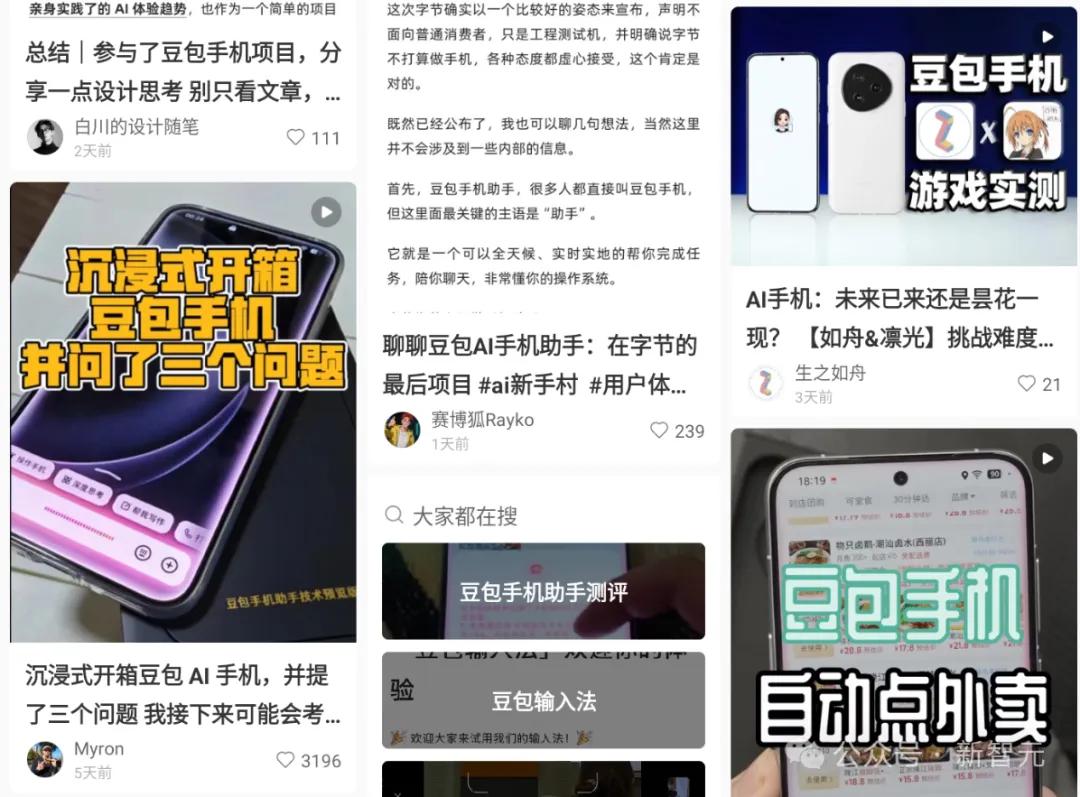
Core Insights - The "Doubao Phone" has gained immense popularity due to its advanced AI capabilities, allowing users to perform tasks like automatic price comparison, messaging, and travel planning within seconds [1][3][5]. Group 1: Technology and Features - The phone operates on a dual-mode system, distinguishing between a fast, intuitive mode (System 1) and a slower, more reasoning-based mode (System 2) [10][14]. - It utilizes a hybrid perception routing system to handle complex tasks in noisy environments, demonstrating advanced visual understanding [16][19]. - The architecture allows for parallel runtime, enabling the AI to perform tasks in the background without interrupting other phone functions [21]. - The design incorporates a heuristic engineering approach that introduces fixed delays to enhance success rates in task execution [22][25]. - Privacy is addressed through a physical isolation mechanism, ensuring that sensitive information is not recorded or monitored [26][28]. Group 2: Performance and User Experience - The AI exhibits resilience by adapting to failures and dynamically adjusting its approach to task completion [35][39]. - The phone's assistant is capable of executing complex operations, such as document processing and information retrieval, across multiple applications seamlessly [45][51]. - The rapid iteration of the UI-TARS model indicates a commitment to continuous improvement and adaptation to user needs [46]. Group 3: Industry Impact - The emergence of the "Doubao Phone" signifies a shift towards OS-level integration of AI capabilities in mobile devices, potentially redefining the future of smartphones [55][57]. - The phone represents a significant advancement in GUI agents, merging AI with user interface interactions to create a more intuitive user experience [48][58].
徐新成为张一鸣“新股东”,以3.4万亿估值拿下字节跳动部分股权;任正非强调AI重在应用;理想AI眼镜重量仅36g丨AI产业周报
创业邦· 2025-12-07 01:08
Core Insights - The article highlights significant developments in the AI industry, including new product launches, funding rounds, and strategic shifts among major companies [5][34]. Group 1: Company Developments - Midea Group officially announced its humanoid robot strategy, focusing on three categories: humanoid robots, full humanoid robots, and super humanoid robots, aiming for high efficiency and low cost [7]. - Huawei's CEO Ren Zhengfei emphasized the importance of AI applications, contrasting China's focus on practical solutions with the U.S. pursuit of general AI [8]. - Ideal Auto launched its AI glasses, weighing only 36 grams with an 18-hour battery life, showcasing advancements in wearable technology [9]. - The humanoid robot T800 was released by Zhongqing, featuring a height of 1.73m and a weight of 75kg, with a performance cost only one-third of human labor [13]. - JD.com announced that its digital human live streaming service will be free for all merchants, enhancing its e-commerce capabilities [17]. Group 2: Funding and IPOs - Qingwei Intelligent completed over 2 billion RMB in Series C financing, with plans to focus on next-generation reconfigurable chip development and initiate IPO preparations [18]. - Anthropic is preparing for a potential IPO, with a valuation expected to exceed 300 billion USD, indicating strong investor interest [12]. - HeShan Technology announced successful financing rounds totaling several hundred million RMB, with participation from 13 investors [20]. Group 3: AI Technology Advancements - ByteDance released Vidi2, a multimodal large language model for video understanding, capable of processing hours of raw footage and generating complete video segments [19]. - OpenAI is developing a new AI model codenamed "Garlic" to compete with Google's Gemini3, focusing on programming and logical reasoning tasks [29]. - Amazon unveiled its custom AI chip Trainium3, which is four times faster than its predecessor and can reduce AI model training costs by up to 50% [30]. Group 4: Regulatory and Ethical Developments - Eight major e-commerce platforms, including JD.com and Meituan, signed a commitment to regulate AI technology applications, aiming to establish self-regulatory standards [21]. - Doubao Mobile Assistant announced plans to standardize AI operations on mobile devices, including restrictions on certain applications to prevent misuse [9].