
国际法

Search documents
国际人士谴责美国袭击委内瑞拉
Yang Shi Xin Wen Ke Hu Duan· 2026-01-12 13:07
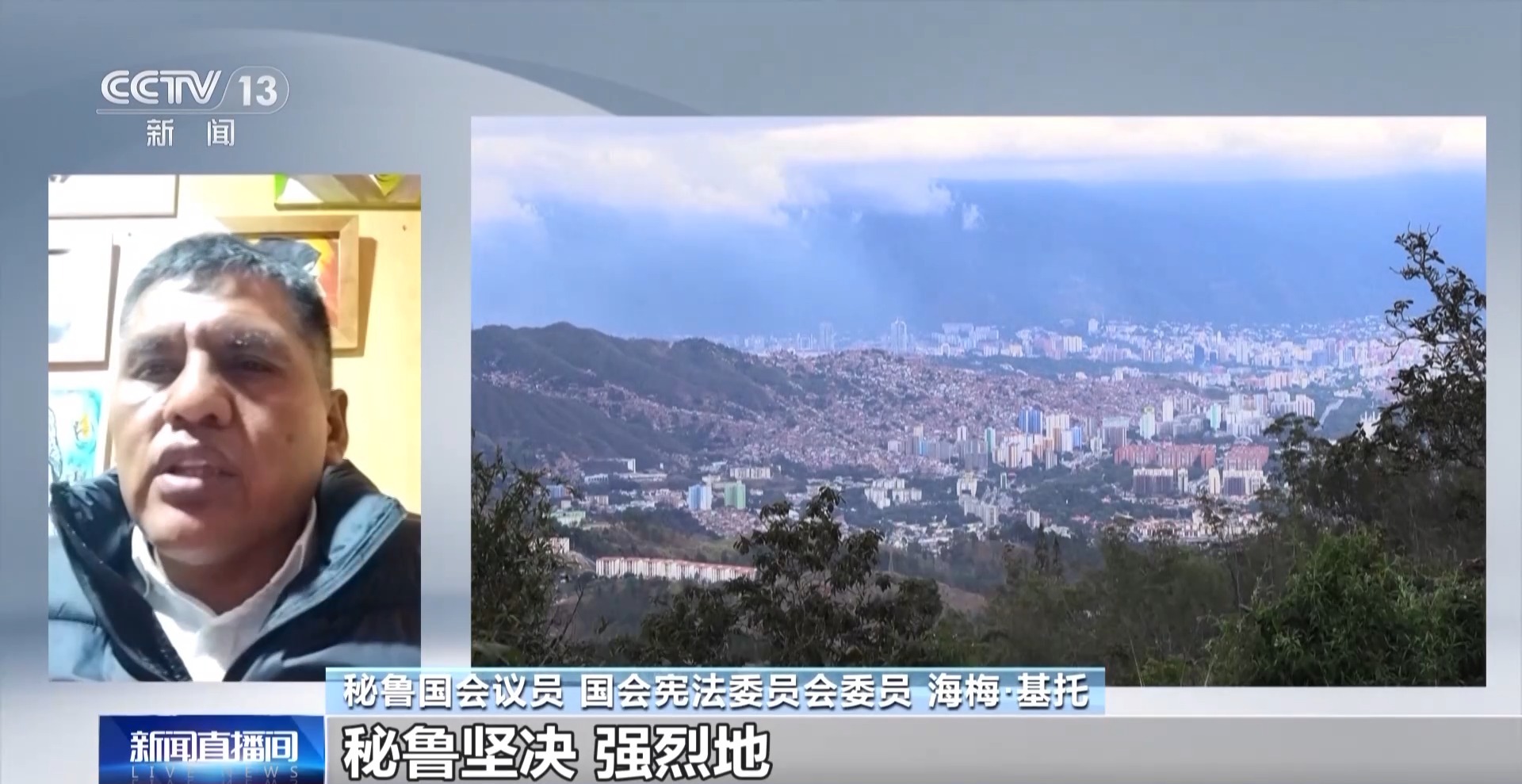
Core Viewpoint - The recent military action by the United States against Venezuela, involving the forced removal of President Maduro and his wife, has drawn widespread condemnation from multiple countries, emphasizing the need to respect national sovereignty and international law [1] Group 1: International Reactions - Experts and officials from various countries have condemned the U.S. actions as an invasion of a sovereign nation, highlighting the potential for increased global insecurity if such actions go unpunished [1] - Jaime Quito, a member of the Peruvian Congress, strongly denounced the U.S. for its actions, calling for respect for sovereignty and international law, and rejecting the notion of any nation acting as a global police force [1]

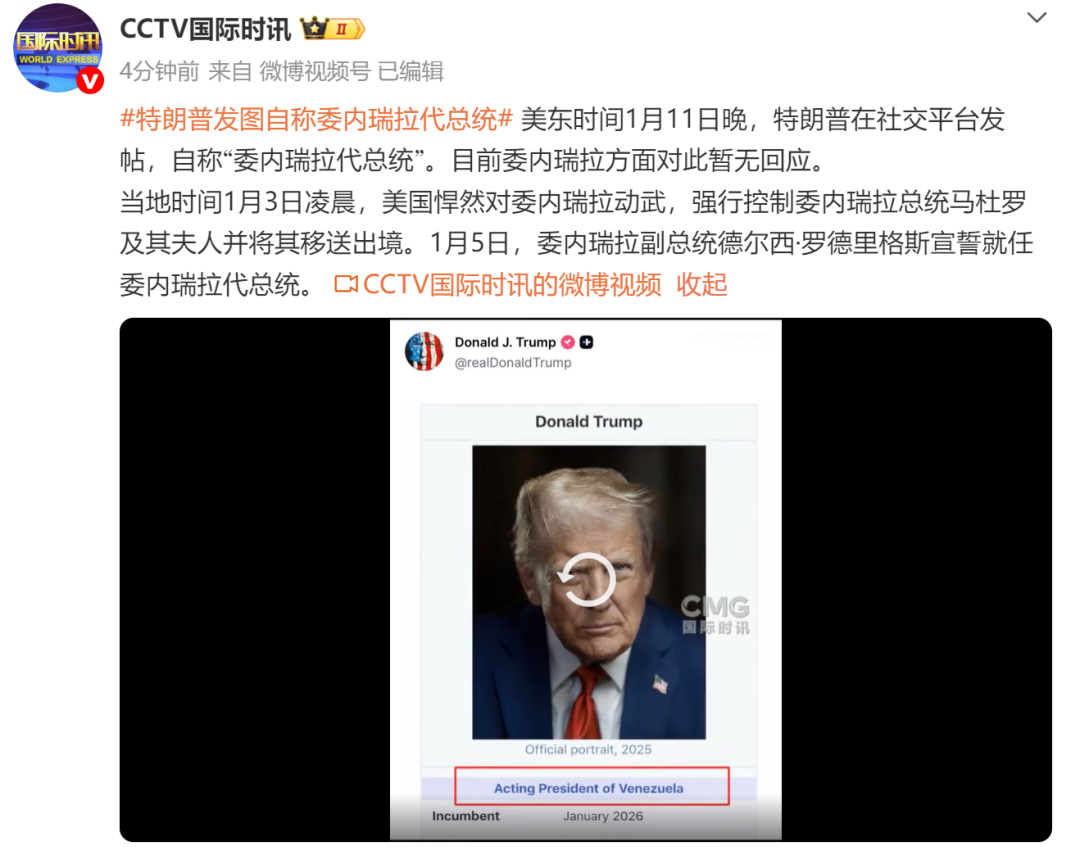
特朗普发文自称“委内瑞拉代总统”,他在“空军一号”上发表讲话:无论如何都要拿下格陵兰岛,如果影响到北约,那也没办法
Mei Ri Jing Ji Xin Wen· 2026-01-12 03:58
Group 1 - The U.S. has conducted a military operation against Venezuela, forcibly removing President Maduro and his wife from the country [1] - Venezuela's Vice President Delcy Rodriguez has assumed the role of acting president following the military action [1] - The Venezuelan government has condemned the military attack and described it as a serious violation of international law and a war crime [3] Group 2 - President Trump has indicated he may block ExxonMobil from investing in Venezuela, following comments from the company's CEO labeling Venezuela as "uninvestable" [7] - Trump has also mentioned ongoing arrangements for nuclear negotiations with Iran [6] - The U.S. administration is pursuing interests in Greenland, emphasizing long-term acquisition strategies [8]
“完善全球治理的重要参与者、坚定行动派”
Ren Min Ri Bao· 2026-01-12 02:47
Core Viewpoint - The global governance initiative proposed by President Xi Jinping aims to establish a fair, reasonable, and inclusive multilateral framework, contributing to world peace, stability, and prosperity [2]. Group 1: China's Role in Global Governance - China has actively proposed new ideas and initiatives in global governance, including the concept of shared governance, adherence to international law, and the practice of multilateralism [2]. - China's voting record on human rights issues at the United Nations reflects its positive role, particularly on resolutions concerning rights to peace, development, food, water, and health facilities, as well as the prohibition of unilateral coercive measures [2]. Group 2: Critique of Other Nations - Some countries are attempting to undermine the United Nations system and harbor irrational fears of China, labeling it as an "enemy" [2]. - The actions of the United States in Venezuela are viewed as an attack on the UN Charter, international law, and civilization, with predictions that the U.S. will face consequences for its exploitative actions [2]. Group 3: Principles of Global Governance - Respect for national sovereignty and territorial integrity must be upheld, and the fundamental principles established by the UN Charter must be followed [2]. - The global governance initiative aligns with the purposes and principles of the UN Charter, contributing positively to the development of a more just and reasonable global governance system [2]. Group 4: Multilateral Cooperation Platforms - The BRICS cooperation mechanism and the high-quality construction of the Belt and Road Initiative embody the principles of multilateralism, fostering cooperation consensus and injecting new momentum into regional development [3]. - The global governance initiative is seen as a means to bridge the gap between humanity's desire for peaceful coexistence and the current realities, moving towards a community with a shared future for mankind [3]. Group 5: International Law and Global Challenges - The timing of the global governance initiative is deemed appropriate, with the UN and international community welcoming China's contributions to addressing global challenges [4].
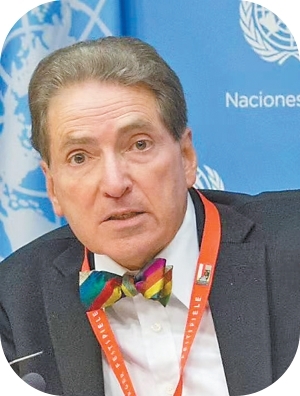
“完善全球治理的重要参与者、坚定行动派”——访瑞士日内瓦外交与国际关系学院教授德扎亚斯
Ren Min Ri Bao· 2026-01-12 01:28
Core Viewpoint - The global governance initiative proposed by President Xi Jinping aims to establish a fair, reasonable, and inclusive multilateral framework, contributing to world peace, stability, and prosperity [1][2] Group 1: Global Governance Initiative - The initiative promotes the democratization of international relations and calls for increased representation and voice for developing countries in UN institutions, reflecting the interests and demands of the majority [1] - The initiative aligns with the principles of the UN Charter, advocating for a multilateralism based on the equality of sovereign states, thereby enhancing stability and certainty in global governance [1] Group 2: China's Role in Global Governance - China has actively participated in global governance by proposing new ideas and initiatives, such as the concept of shared global governance, adherence to international law, and the practice of multilateralism [1] - The BRICS cooperation mechanism and the high-quality construction of the Belt and Road Initiative embody the principles of multilateralism, fostering cooperation consensus and injecting new momentum into regional development [2] Group 3: Critique of Unilateral Actions - There is a concern regarding certain countries attempting to undermine the UN system and imposing an irrational fear of China, which is seen as a threat to global peace and order [1] - The actions of the United States in Venezuela are viewed as an attack on the UN Charter, international law, and civilization, highlighting the need to respect national sovereignty and territorial integrity [1]
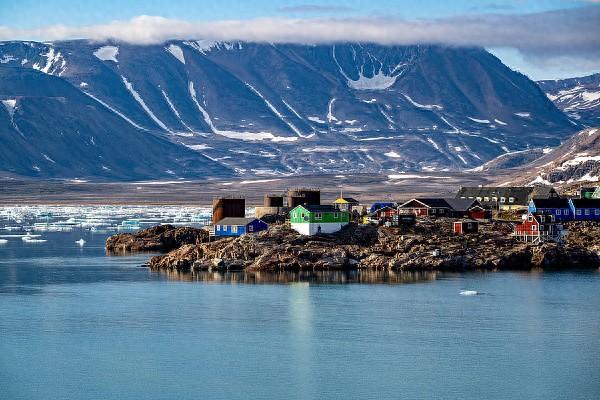
欧洲多国再发声,反对美国觊觎格陵兰岛
Xin Lang Cai Jing· 2026-01-12 00:27
Group 1 - European leaders, including Denmark, Sweden, and Germany, have strongly criticized the recent "threatening remarks" made by the U.S. regarding Greenland, a territory of Denmark [2][5][7] - Danish Defense Committee Chairman Rasmus Jarlov stated that a military conflict over Greenland would be "the dumbest war in history" and condemned President Trump's comments about acquiring Greenland as "the most illegitimate land claim in modern history" [2][7] - Swedish Prime Minister Ulf Kristersson expressed heightened criticism of the U.S. actions regarding Venezuela and its comments on Greenland, emphasizing that the rules-based world order is facing its most severe threats in decades [5][7] Group 2 - German Vice Chancellor and Finance Minister Lars Klingbeil stated that the U.S. should respect international law and territorial sovereignty, asserting that the future of Greenland is a matter for Denmark and Greenland to decide [7] - Klingbeil emphasized that principles of respect for sovereignty and territorial integrity apply to all countries, including the U.S., and called for NATO allies to strengthen security in the Arctic region rather than create divisions [7] - Danish Prime Minister Mette Frederiksen warned that any military action by the U.S. against NATO allies would lead to severe consequences [7]
为了石油收入,特朗普再度滥用“国家紧急状态”
Xin Hua Cai Jing· 2026-01-12 00:11
Core Viewpoint - The U.S. government, under President Trump, has declared a national emergency to protect Venezuelan oil revenues stored in U.S. Treasury accounts from being seized or subjected to legal proceedings, aiming to support U.S. foreign policy objectives in Venezuela [1][5] Group 1: National Emergency Declaration - President Trump signed an executive order to prevent the seizure of Venezuelan oil revenues, which he claims is crucial for stabilizing Venezuela's economy and politics [1] - The executive order ensures that the funds will be used within Venezuela to promote peace, prosperity, and stability [1] - The order states that the threats of seizure or legal proceedings primarily originate from outside the U.S., and that Venezuelan oil revenues held by the U.S. government are protected from private creditor claims [1] Group 2: Oil Investment and Corporate Response - Trump met with executives from about 20 oil companies, urging them to invest $100 billion in Venezuela to significantly increase oil production, but received little commitment from them [1] - Most oil companies did not publicly promise to invest quickly, and Trump expressed a desire for U.S. oil companies to deal directly with the U.S. government rather than negotiating with Venezuelan officials [1] Group 3: Historical Debt and Corporate Claims - Several companies, including ExxonMobil and ConocoPhillips, have longstanding claims against Venezuela, with ConocoPhillips stating it is owed $12 billion [4] - Trump indicated a willingness to forgive these debts, suggesting a fresh start without holding past losses against the companies [5] Group 4: Use of Emergency Powers - Trump has frequently declared national emergencies for various purposes, including military actions and economic policies, far exceeding the frequency of previous presidents [6] - Experts criticize the misuse of emergency powers to advance economic and foreign policy goals, arguing that many situations do not constitute true emergencies [6] Group 5: Trump's Global Authority Perspective - Trump has articulated a view that his moral standards and will are the only constraints on his exercise of power globally, dismissing the need to adhere to international law [7] - He believes that national strength should dictate actions in international conflicts rather than legal frameworks [7]
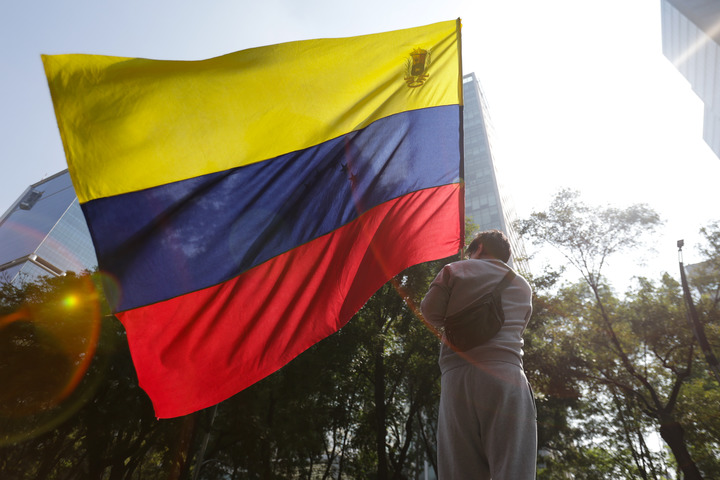
全球瞭望丨塞内加尔媒体:美国单边行径对国际秩序构成严峻挑战
Xin Hua She· 2026-01-12 00:00
Group 1 - The article highlights the unilateralism of the United States regarding Venezuela, which poses a serious challenge to the current international order [1] - Any military intervention without UN Security Council authorization and not meeting self-defense criteria violates the fundamental principles established by the UN Charter [1] - The U.S. attempts to reconstruct the rules of interpretation in international affairs under the guise of prioritizing domestic law, which has profound implications for the existing international governance system [1] Group 2 - There is a noticeable disparity in the international community's response to different sovereignty issues, raising questions about the consistency of international law application [2] - International law has long been viewed by many third-world countries, including those in Africa, as a crucial safeguard for their sovereignty against external interference [2] - Selective application of international rules undermines the stability of the principle of sovereignty and decreases trust in the international order among affected countries [2]
美国的霸权行径是对国际法的严峻挑战
Xin Lang Cai Jing· 2026-01-11 15:10
Group 1 - The core viewpoint of the articles highlights the illegality of the U.S. actions against Venezuelan President Maduro under international law, with experts asserting that such actions represent a severe challenge to international legal norms [1][2][5] - The U.S. justification for the "capture" of Maduro is based on not recognizing him as the legitimate president of Venezuela, which experts argue violates his sovereign immunity as a head of state [2][3] - The actions taken by the U.S. are seen as a dangerous precedent for military interventions and resource appropriation, indicating a shift towards a more aggressive and unilateral approach in international relations [3][4] Group 2 - The concept of "Monroe Doctrine" has evolved into what is termed "Trump Doctrine," emphasizing U.S. dominance in the Western Hemisphere and the right to intervene in Latin America to prevent foreign influence [4] - Experts warn that the U.S. actions could lead to the weaponization and fragmentation of international law, creating a scenario where legal principles are selectively applied to serve specific national interests [4][5] - The implications of these actions could severely undermine trust and cooperation within the international community, signaling a willingness to bypass international law for national gain [5]
塞内加尔媒体:美国单边行径对国际秩序构成严峻挑战
Xin Hua Wang· 2026-01-11 12:51
Core Viewpoint - The article emphasizes that the unilateralism of the United States regarding Venezuela poses a serious challenge to the current international order [1] Group 1: International Law and Sovereignty - Any military intervention without authorization from the United Nations Security Council and not meeting self-defense criteria violates the fundamental principles established by the UN Charter [1] - Allowing one country to impose coercive measures on another country's sitting head of state based on domestic law undermines the principle of sovereign immunity, increasing uncertainty in international relations [1] - The selective application of international rules can weaken the stability of the principle of sovereignty, leading to decreased trust in the international order among affected countries [2] Group 2: Global Reactions and Consistency - There is a notable disparity in the international community's responses to different sovereignty issues, as seen when European countries quickly reaffirmed the principle of inviolability of sovereignty regarding the U.S. proposal to "purchase" Greenland, while responses to Venezuela varied [1] - This inconsistency raises questions about the uniform application of international law [1][2]
全球瞭望|塞内加尔媒体:美国单边行径对国际秩序构成严峻挑战
Xin Hua She· 2026-01-11 12:51
Core Viewpoint - The article emphasizes that the unilateralism of the United States regarding Venezuela poses a serious challenge to the current international order [1] Group 1: International Law and Sovereignty - Any military intervention without authorization from the United Nations Security Council and not meeting self-defense criteria violates the fundamental principles established by the UN Charter [1] - Allowing one country to impose coercive measures on another country's sitting head of state based on domestic law undermines the principle of sovereign immunity, increasing uncertainty in international relations [1] - The selective application of international rules can weaken the stability of the principle of sovereignty, leading to decreased trust in the international order among affected countries [2] Group 2: Global Reactions and Consistency - There is a notable disparity in the international community's responses to different sovereignty issues, as seen when European countries quickly reaffirmed the principle of inviolability of sovereignty regarding the U.S. proposal to "purchase" Greenland, while responses to Venezuela varied [1] - This inconsistency raises questions about the uniform application of international law [1][2]