工业4.0

Search documents
龙溪股份跌2.01%,成交额5.73亿元,主力资金净流出5508.08万元
Xin Lang Cai Jing· 2026-01-07 06:14
Core Viewpoint - Longxi Co., Ltd. has experienced a decline in stock price and financial performance, indicating potential challenges in its operations and market conditions [1][2]. Financial Performance - As of September 30, 2025, Longxi Co., Ltd. reported a revenue of 1.067 billion yuan, a year-on-year decrease of 22.23% [2]. - The net profit attributable to shareholders for the same period was 117 million yuan, down 29.38% year-on-year [2]. - The company's stock price has dropped 3.52% year-to-date, with a 9.45% decline over the past 20 trading days [1]. Shareholder Information - The number of shareholders increased by 28.51% to 74,500 as of September 30, 2025 [2]. - The average number of circulating shares per shareholder decreased by 22.18% to 5,363 shares [2]. - Longxi Co., Ltd. has distributed a total of 876 million yuan in dividends since its A-share listing, with 109 million yuan distributed over the past three years [3]. Stock Market Activity - On January 7, 2025, Longxi Co., Ltd.'s stock price was 26.35 yuan per share, with a trading volume of 573 million yuan and a turnover rate of 5.35% [1]. - The net outflow of main funds was 55.08 million yuan, with significant selling pressure observed [1]. Business Overview - Longxi Co., Ltd. specializes in the research, production, and sales of joint bearings, tapered roller bearings, and gear/transmission systems, with bearing products accounting for 62.11% of its revenue [1]. - The company is classified under the machinery equipment sector, specifically in general equipment and metal products [1].

宸展光电跌2.02%,成交额1.43亿元,主力资金净流出903.97万元
Xin Lang Cai Jing· 2026-01-07 06:12
Company Overview - Company name: Xiamen Chanzan Optoelectronics Co., Ltd. - Established on April 14, 2015, and listed on November 17, 2020 - Main business involves R&D, design, production, and sales of customized commercial interactive display devices - Revenue composition: Interactive all-in-one machines 34.29%, smart vehicle displays 27.51%, interactive displays 27.15%, touch display modules and others 11.05% [2] Stock Performance - As of January 7, the stock price decreased by 2.02% to 33.41 CNY per share, with a trading volume of 143 million CNY and a turnover rate of 2.45% - Total market capitalization stands at 5.906 billion CNY - Year-to-date stock price change is a decrease of 0.21%, with a 5-day increase of 0.57%, a 20-day decrease of 0.86%, and a 60-day increase of 1.00% [1][2] Financial Performance - For the period from January to September 2025, the company achieved a revenue of 1.865 billion CNY, a slight decrease of 0.04% year-on-year - Net profit attributable to shareholders was 156 million CNY, down 4.16% year-on-year [2] Shareholder Information - As of December 19, the number of shareholders increased to 17,400, up by 3.69% - Average circulating shares per person decreased by 3.56% to 9,835 shares - Cumulative cash dividends since the A-share listing amount to 391 million CNY, with 278 million CNY distributed over the last three years [2][3] Institutional Holdings - As of September 30, 2025, Hong Kong Central Clearing Limited is the sixth largest circulating shareholder, holding 1.5237 million shares as a new shareholder [3]

机器人跌2.05%,成交额5.52亿元,主力资金净流出6722.46万元
Xin Lang Cai Jing· 2026-01-07 05:42
Core Viewpoint - The stock of Shenyang Siasun Robot & Automation Co., Ltd. has experienced a slight decline in price, with a current trading value of 18.18 CNY per share, reflecting a 2.05% drop during the trading session on January 7. The company is facing challenges with a significant decrease in revenue and net profit year-on-year [1][2]. Company Overview - Shenyang Siasun Robot & Automation Co., Ltd. was established on April 30, 2000, and went public on October 30, 2009. The company specializes in the design, manufacturing, and sales of industrial robots, logistics and warehousing automation equipment, automated assembly and testing production lines, and traffic automation systems [1]. - The company's revenue composition includes: automated assembly and testing production lines and system integration (44.52%), logistics and warehousing automation equipment (19.68%), industrial robots (16.24%), semiconductor equipment (16.21%), traffic automation systems (3.07%), and others (0.28%) [1]. Financial Performance - For the period from January to September 2025, the company reported a revenue of 2.218 billion CNY, representing a year-on-year decrease of 8.73%. The net profit attributable to shareholders was -160 million CNY, a significant decline of 59.96% compared to the previous year [2]. - Since its A-share listing, the company has distributed a total of 276 million CNY in dividends, with no dividends paid in the last three years [3]. Shareholder Structure - As of September 30, 2025, the number of shareholders for the company was 181,200, a decrease of 6.24% from the previous period. The average number of circulating shares per person increased by 8.41% to 8,636 shares [2]. - The top shareholders include: - Huaxia CSI Robot ETF (562500) with 34.4983 million shares, an increase of 6.4562 million shares from the previous period - E Fund National Robot Industry ETF (159530) with 29.7480 million shares, a new entry - E Fund Growth Enterprise Board ETF (159915) with 25.3364 million shares, a decrease of 427,030 shares [3].

柯力传感跌2.01%,成交额2.82亿元,主力资金净流出2552.69万元
Xin Lang Cai Jing· 2026-01-07 02:40
Core Viewpoint - The stock price of Keli Sensor has experienced fluctuations, with a recent decline of 2.01% on January 7, 2025, and a total market capitalization of 19.445 billion yuan. The company has shown mixed performance in terms of stock price changes over different time frames [1]. Company Overview - Keli Sensor Technology Co., Ltd. was established on December 30, 2002, and went public on August 6, 2019. The company specializes in the research, production, and sales of strain sensors and instruments, as well as providing system integration and various intelligent systems [2]. - The main revenue composition includes: mechanical sensors and instruments (48.70%), industrial IoT and system integration (41.12%), and other categories [2]. Financial Performance - As of September 30, 2025, Keli Sensor reported a revenue of 1.082 billion yuan, representing a year-on-year growth of 17.72%. The net profit attributable to shareholders was 254 million yuan, with a year-on-year increase of 33.29% [3]. - The company has distributed a total of 453 million yuan in dividends since its A-share listing, with 251 million yuan distributed over the past three years [4]. Shareholder Information - As of September 30, 2025, the number of shareholders decreased by 1.47% to 62,900, while the average circulating shares per person increased by 1.50% to 4,467 shares [3]. - Notable institutional shareholders include Hong Kong Central Clearing Limited, which increased its holdings by 1.3078 million shares, and new entrants such as E Fund National Robot Industry ETF [4].

科沃斯跌2.01%,成交额2.50亿元,主力资金净流出995.83万元
Xin Lang Cai Jing· 2026-01-07 02:33
Group 1 - The core viewpoint of the news is that Ecovacs Robotics has experienced fluctuations in its stock price and trading volume, with a recent decline of 2.01% in its share price [1] - As of January 7, the stock price is reported at 81.90 yuan per share, with a total market capitalization of 47.414 billion yuan [1] - The company has seen a net outflow of main funds amounting to 9.9583 million yuan, with significant selling pressure observed [1] Group 2 - Ecovacs' stock price has increased by 1.51% year-to-date, with a 2.46% rise over the last five trading days, but a decline of 15.99% over the past 60 days [2] - The company, established in March 1998 and listed in May 2018, specializes in the research, design, production, and sales of various household service robots and related smart home devices [2] - The revenue composition of Ecovacs includes 55.89% from service robots, 42.96% from smart home appliances, and 1.15% from other products [2] Group 3 - As of September 30, the number of shareholders for Ecovacs is 31,400, reflecting a decrease of 8.38% from the previous period, while the average circulating shares per person increased by 9.63% [2] - For the period from January to September 2025, Ecovacs achieved a revenue of 12.877 billion yuan, representing a year-on-year growth of 25.93%, and a net profit attributable to shareholders of 1.418 billion yuan, up 130.55% year-on-year [2] Group 4 - Ecovacs has distributed a total of 2.021 billion yuan in dividends since its A-share listing, with 944 million yuan distributed over the past three years [3] - Among the top ten circulating shareholders as of September 30, 2025, Hong Kong Central Clearing Limited is the fourth largest, increasing its holdings by 5.7539 million shares [3] - New shareholders include the E Fund National Robot Industry ETF, which is now the seventh largest circulating shareholder, holding 6.6393 million shares [3]

东华测试跌2.02%,成交额1.08亿元,主力资金净流出1624.36万元
Xin Lang Zheng Quan· 2026-01-07 02:33
Core Viewpoint - Donghua Testing's stock price has shown fluctuations, with a recent decline of 2.02% and a total market capitalization of 6.371 billion yuan. The company has experienced a slight increase in stock price year-to-date, but a mixed performance over the past 20 and 60 days [1]. Group 1: Financial Performance - For the period from January to September 2025, Donghua Testing achieved a revenue of 385 million yuan, representing a year-on-year growth of 8.70%. The net profit attributable to shareholders was 101 million yuan, reflecting a growth of 2.23% [2]. - Cumulatively, since its A-share listing, Donghua Testing has distributed a total of 147 million yuan in dividends, with 66.58 million yuan distributed over the past three years [3]. Group 2: Shareholder and Market Activity - As of September 30, 2025, the number of shareholders for Donghua Testing was 13,800, a decrease of 8.31% from the previous period. The average number of circulating shares per person increased by 9.06% to 5,876 shares [2]. - The major shareholders include Hong Kong Central Clearing Limited, which increased its holdings by 1.797 million shares to 2.7335 million shares, and Huafu Technology Momentum Mixed A, which is a new shareholder with 1.9 million shares [3]. Group 3: Business Overview - Donghua Testing, established on March 8, 1993, and listed on September 20, 2012, specializes in the research, production, and sales of structural mechanics performance testing instruments and related software, along with providing application solutions and technical services. The main revenue sources include structural mechanics performance testing systems (71.99%), online monitoring systems (12.89%), and electrochemical workstations (10.54%) [1].

中信重工涨2.09%,成交额1.09亿元,主力资金净流出11.74万元
Xin Lang Cai Jing· 2026-01-07 02:15
Core Viewpoint - CITIC Heavy Industries has shown a mixed performance in stock price and financial metrics, with a recent increase in stock price but a slight decline in revenue growth year-over-year [1][2]. Group 1: Stock Performance - On January 7, CITIC Heavy Industries' stock rose by 2.09%, reaching 6.85 CNY per share, with a trading volume of 1.09 billion CNY and a turnover rate of 0.36%, resulting in a total market capitalization of 31.37 billion CNY [1]. - Year-to-date, the stock price has increased by 3.95%, with a 3.95% rise over the last five trading days, a 0.44% decline over the last 20 days, and a 19.13% increase over the last 60 days [1]. Group 2: Financial Performance - For the period from January to September 2025, CITIC Heavy Industries reported a revenue of 5.906 billion CNY, reflecting a year-over-year growth of 0.49%, while the net profit attributable to shareholders was 285 million CNY, with a growth of 0.27% [2]. - The company has distributed a total of 1.099 billion CNY in dividends since its A-share listing, with 304 million CNY distributed over the past three years [3]. Group 3: Shareholder Information - As of September 30, 2025, CITIC Heavy Industries had 109,100 shareholders, a decrease of 19.13% from the previous period, with an average of 41,711 circulating shares per shareholder, an increase of 23.66% [2]. - Notable institutional shareholders include E Fund National Robot Industry ETF, which is the fourth-largest shareholder with 58.6088 million shares, and Huaxia CSI Robot ETF, which is the fifth-largest with 50.4355 million shares, having increased its holdings by 9.4259 million shares [3].

趋势研判!2025年中国步进电机行业发展历程、产业链、市场规模、竞争格局及未来趋势:国产替代加速与需求扩张,促进步进电机竞争力稳步提升[图]
Chan Ye Xin Xi Wang· 2026-01-07 01:12
Core Insights - The stepper motor industry in China has seen significant growth, with the market size increasing from 1.739 billion yuan in 2016 to an expected 3.89 billion yuan by 2024, representing a compound annual growth rate (CAGR) of 10.59% [1][9] - The Chinese government is actively supporting the industry through policies aimed at technological innovation and standardization, which is expected to further boost market demand [1][9] - The global stepper motor market is projected to reach $2.411 billion by 2029, with a growth of 1.7% year-on-year in 2024 [8] Industry Overview - Stepper motors convert electrical pulse signals into corresponding angular or linear displacements, making them essential in various applications [4] - The industry has evolved from its origins in the 19th century to a critical component in modern automation and precision control systems [5][6] - The stepper motor industry is characterized by a diverse supply chain, including raw materials, manufacturing, and various application sectors such as industrial automation and consumer electronics [7] Market Dynamics - The stepper motor market in China is expanding rapidly due to the transformation of the manufacturing sector and increasing consumer demands for quality and performance [1][9] - The industrial automation sector is a key application area for stepper motors, which are used for precise control in mechanical systems [8] - The Chinese industrial automation market is projected to grow from 165.7 billion yuan in 2017 to 273.9 billion yuan by 2024, with a CAGR of 7.44% [8] Competitive Landscape - The global stepper motor market is dominated by Japanese companies, which account for over 70% of hybrid stepper motor production and 65% of permanent magnet stepper motors [9][10] - Chinese companies are increasingly competitive, with leading firms like Jiangsu Leili, Dingzhi Technology, and Mingzhi Electric making significant strides in technology and market share [12][14] - The industry is transitioning from standardized products to customized, high-performance solutions, driven by the need for deeper understanding of application scenarios [12] Future Trends - The future of stepper motors is expected to focus on high precision and dynamic response through the integration of advanced control algorithms and high-resolution encoders [17] - There is a trend towards smart motors that integrate control functions and communication capabilities, simplifying system design and enhancing performance [18] - Customization and the use of new materials will be crucial for meeting the specific demands of emerging applications in sectors like medical devices and aerospace [19]





光韵达跌2.01%,成交额2.35亿元,主力资金净流出3529.92万元
Xin Lang Zheng Quan· 2026-01-06 02:59
Group 1 - The core viewpoint of the news is that Guangyun Da's stock has experienced fluctuations, with a recent decline of 2.01% and a total market value of 5.421 billion yuan [1] - As of January 6, the stock price is reported at 9.74 yuan per share, with a trading volume of 235 million yuan and a turnover rate of 5.47% [1] - The company has seen a year-to-date stock price increase of 5.75%, with notable gains of 8.34% over the last five trading days and 9.81% over the last twenty days [1] Group 2 - Guangyun Da's main business segments include laser application services (48.63%), intelligent equipment (24.64%), aerospace components (19.54%), lasers (5.74%), and leasing and others (1.46%) [1] - The company is classified under the machinery equipment sector, specifically in automation equipment and laser devices, and is associated with concepts such as industrial 4.0 and machine vision [1] - As of December 19, the number of shareholders is reported at 36,900, a decrease of 0.87%, while the average circulating shares per person increased by 0.88% to 11,748 shares [2] Group 3 - For the period from January to September 2025, Guangyun Da achieved operating revenue of 966.5 million yuan, representing a year-on-year growth of 23.13% [2] - However, the net profit attributable to the parent company was reported at -52.448 million yuan, a significant decrease of 261.78% compared to the previous year [2] - Since its A-share listing, the company has distributed a total of 80.605 million yuan in dividends, with 12.3645 million yuan distributed over the last three years [3]

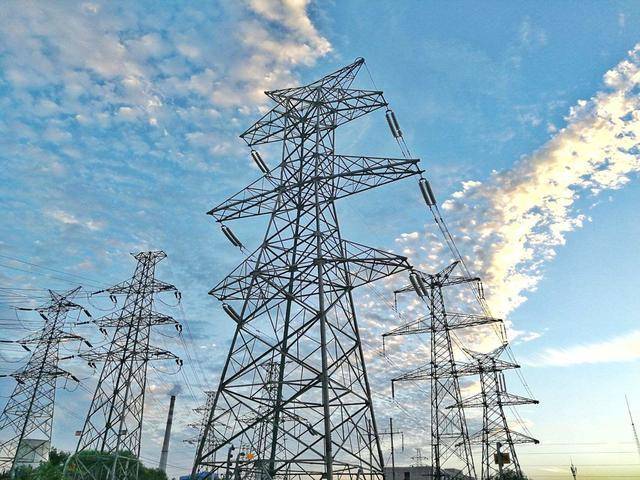
订单排到6年后!全球电网告急,7家中国电力龙头订单爆满。
Sou Hu Cai Jing· 2026-01-05 09:17
Group 1 - The global demand for electricity is surging due to Industrial 4.0, smart manufacturing, data centers, and AI computing power, leading to increased pressure on power grids [1][8] - Chinese power equipment companies have seen their order books filled until 2032, indicating a robust demand for their products [3][5] - The upgrade of global power grids is likened to a "heart surgery," with aging systems in developed countries struggling to meet the rising electricity needs [7][10] Group 2 - Chinese companies like TBEA have secured significant orders, including a major project in the Middle East, showcasing their advanced high-voltage technology [12][14] - Companies such as XJ Electric and Sieng Electric are also experiencing substantial profit growth, driven by the demand for high-voltage direct current technology [14][16] - The rise of smart grids is evident, with companies like Kelu Electronics reporting a 251.10% increase in net profit, largely due to AI device orders [16][18] Group 3 - The modernization of power grids involves not just physical infrastructure but also advanced technologies like quantum communication to enhance security [23][24] - Despite the impressive growth rates, challenges such as raw material price fluctuations and geopolitical risks could impact future profitability [34][36] - The long-term orders until 2032 may limit companies' flexibility to adapt to rapid technological changes in the industry [36][37]