
设备更新

Search documents
2026“国补”继续,能享受哪些实惠?一图看懂
Xin Lang Cai Jing· 2026-01-02 10:13
Group 1 - The new round of "national subsidies" has officially started, with the first batch of 62.5 billion yuan allocated for 2026 [1] - The policy continues to support the replacement of consumer goods and increases support for equipment upgrades [1][3] - Consumers can benefit from various subsidies for vehicle scrapping and purchasing new energy vehicles or fuel vehicles with specific engine sizes [5][7] Group 2 - For scrapping eligible old vehicles, consumers can receive a one-time subsidy of up to 20,000 yuan for new energy vehicles and 15,000 yuan for fuel vehicles with engine sizes of 2.0 liters or below [5][6] - The subsidy for purchasing energy-efficient home appliances, such as refrigerators and air conditioners, is set at 15% of the product price, with a maximum of 1,500 yuan per item [9] - Consumers can also receive subsidies for purchasing digital and smart products, with specific limits on the price of each item [9]


2026“国补”继续!几类补贴有变化→
Xin Lang Cai Jing· 2026-01-02 03:05
Core Viewpoint - The new round of "National Subsidy" for 2026 has officially started, with a total of 62.5 billion yuan allocated to support the replacement of old products and enhance equipment updates [3][9]. Group 1: Digital and Smart Products - Digital and smart products will continue to receive a 15% subsidy, with a maximum of 500 yuan per item, maintaining the same standards as in 2025. The product categories have been expanded to include smart glasses in addition to smartphones, tablets, smartwatches, and smart home products [3][5]. - The subsidy applies to products priced up to 6,000 yuan, with each consumer limited to one subsidized item per category [5]. Group 2: Home Appliances - The subsidy for home appliances will focus on products that meet the 1st-level energy efficiency or water efficiency standards, excluding those that meet only the 2nd-level standards. Eligible products include refrigerators, washing machines, televisions, air conditioners, computers, and water heaters [5]. - Each consumer can receive a subsidy of up to 1,500 yuan for one item per category [5]. Group 3: Automotive Subsidies - The automotive subsidy has been adjusted to a fixed percentage of the new car sales price, with a maximum subsidy of 20,000 yuan for eligible vehicles. The eligibility criteria for scrapping old vehicles have been expanded compared to 2025 [6][8]. - For scrapped gasoline vehicles, the registration date must be before June 30, 2013, while for diesel and other fuel vehicles, it must be before June 30, 2015. For new energy vehicles, the registration date must be before December 31, 2019 [6][12]. Group 4: Support for Community and Infrastructure - The new round of subsidies addresses public concerns by increasing support for the installation of elevators in old residential areas, updating equipment in elderly care facilities, and enhancing commercial infrastructure such as shopping centers and supermarkets [11][13]. - The subsidy program aims to improve consumer access and increase the effectiveness of the subsidy distribution [19].
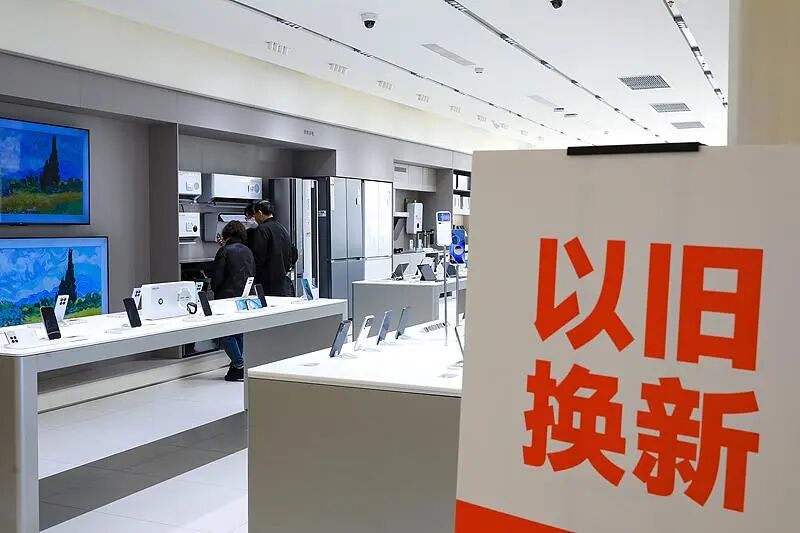
2026“国补”有何变化?一文看懂→
Xin Lang Cai Jing· 2026-01-02 02:58
Core Viewpoint - The new round of "National Subsidy" (国补) has officially started on January 1, 2026, with a total of 62.5 billion yuan allocated for various consumer products and equipment upgrades, continuing the "trade-in" policy for old products [1] Group 1: Digital and Smart Products - Digital and smart products will continue to receive a 15% subsidy, with a maximum of 500 yuan per item, maintaining the same subsidy standards as in 2025 [1] - The subsidy categories have expanded to include smart glasses, in addition to mobile phones, tablets, smartwatches, and smart home products [1] - The subsidy applies to products priced up to 6,000 yuan, with each consumer limited to one subsidy per product category [1] Group 2: Home Appliances - Home appliance subsidies will focus on products that meet 1st-level energy efficiency or water efficiency standards, with no subsidies for 2nd-level products [2] - Subsidy categories include refrigerators, washing machines, televisions, air conditioners, computers, and water heaters [3] - Each consumer can receive a subsidy of up to 1,500 yuan per product category [5] Group 3: Automotive Subsidies - The automotive subsidy program has been adjusted to provide a percentage-based subsidy, with a maximum of 20,000 yuan for eligible new energy vehicles [5][6] - For scrapped gasoline vehicles, the subsidy is 10% of the new car price, capped at 15,000 yuan, while for scrapped diesel vehicles, the same percentage applies [6] - The program also includes a subsidy of 8% for purchasing new energy vehicles when replacing old ones, with a maximum of 15,000 yuan, and 6% for fuel vehicles, capped at 13,000 yuan [7] Group 4: Support for Public Welfare - The new round of subsidies addresses public concerns by increasing support for upgrading equipment in old residential areas, elderly care facilities, and safety equipment [8] - The subsidy program will also support the upgrade of commercial infrastructure, including shopping centers and supermarkets [8] Group 5: Application Process - Consumers can apply for subsidies through designated platforms for automobiles, home appliances, and digital products [9][11] - A special focus will be placed on preventing fraud and ensuring that the subsidy benefits reach a wide range of consumers [13]
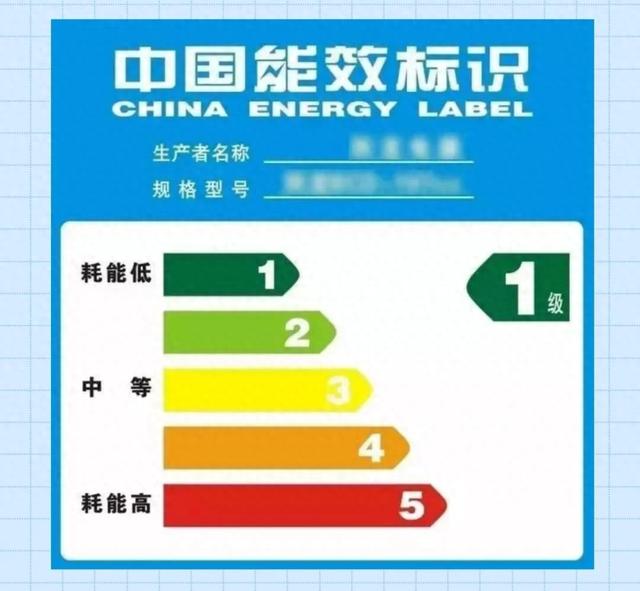
实用转需!一文看懂2026新一轮国补
Xin Lang Cai Jing· 2026-01-02 00:56
Group 1 - The new round of "National Subsidy" officially starts on January 1, 2026, with the first batch of 62.5 billion yuan allocated [1] - The subsidy continues to support the replacement of old consumer goods and increases support for equipment upgrades [1] - Digital and smart products will continue to receive a 15% subsidy, with a maximum of 500 yuan per item [1] Group 2 - Home appliance products will only be subsidized if they meet level 1 energy efficiency or water efficiency standards [1] - The automotive subsidy has been adjusted to a price proportion, with a maximum subsidy of 20,000 yuan [1]
“两新”政策优化升级促内需
Xin Lang Cai Jing· 2026-01-01 22:54
Core Viewpoint - The National Development and Reform Commission (NDRC) and the Ministry of Finance have issued a notice to implement large-scale equipment updates and a trade-in policy for consumer goods in 2026, aiming to optimize support scope, subsidy standards, and implementation mechanisms for the "Two New" policies [1] Group 1: Policy Implementation - The first batch of 625 billion yuan in special long-term bonds to support the trade-in policy for consumer goods has been allocated in advance to meet the consumption demand during peak seasons like New Year and Spring Festival [1] - The 2026 "Two New" policy focuses on social concerns and real needs, with a systematic deployment characterized by precise targeting and quality improvement [1] Group 2: Equipment Updates - The 2026 policy will expand the support scope for equipment updates to include the installation of elevators in old residential communities, equipment updates in elderly care institutions, and facilities for fire rescue and inspection [1] - The subsidy for updating old residential elevators will shift from a fixed amount to a tiered subsidy based on the number of elevator floors [2] Group 3: Consumer Goods Trade-in - The policy continues to support trade-ins for automobiles and focuses on six categories of home appliances: refrigerators, washing machines, televisions, air conditioners, computers, and water heaters [1] - The subsidy for household appliances will be adjusted to support products with a 1st-level energy efficiency or water efficiency rating, with a maximum subsidy of 1,500 yuan per item [2] Group 4: Funding and Oversight - The notice outlines requirements for optimizing funding channels, regulating fund usage, and enhancing supervision to maximize the effectiveness of the funds [2] - Measures will be taken to optimize the project application mechanism and review process, lowering the investment threshold for applications and increasing support for small and medium-sized enterprises [2] Group 5: Future Actions - The NDRC will work with relevant departments to strengthen coordination and monitoring, ensuring a balanced and orderly use of subsidy funds while implementing the trade-in policy for consumer goods [3]
一批新规,今起施行!每一条都能帮你省钱→
中国能源报· 2026-01-01 12:13
Group 1: Policy Announcements - The National Development and Reform Commission and the Ministry of Finance issued a notice regarding the implementation of large-scale equipment updates and consumer goods replacement policies in 2026, specifying support areas, subsidy standards, and work requirements [1] - The policy for replacing consumer goods continues to include subsidies for scrapping and replacing cars, as well as for old appliances, focusing on six categories: refrigerators, washing machines, televisions, air conditioners, computers, and water heaters [2] - The Ministry of Finance and the State Taxation Administration announced a new policy on the value-added tax for individuals selling residential properties, effective January 1, 2026, with a 3% tax rate for properties sold within two years and exemption for properties sold after two years [3] Group 2: Housing and Loan Adjustments - For housing provident fund loans issued before May 8, 2025, the interest rate will be reduced by 0.25 percentage points starting January 1, 2026, with new rates set at 2.1% for loans of five years or less and 2.6% for loans over five years for first-time homebuyers [5] - The interest rates for second home loans will also be adjusted, with rates not lower than 2.525% for loans of five years or less and 3.075% for loans over five years [5] Group 3: Education and Childcare Policies - A joint notice from the National Development and Reform Commission, the Ministry of Education, and the Ministry of Finance outlines the fee structure for kindergartens, effective January 1, 2026, including government-guided pricing for non-profit kindergartens and market-regulated pricing for for-profit kindergartens [7] Group 4: New Energy Vehicle Policies - The Ministry of Finance and the State Taxation Administration announced a continuation and optimization of the vehicle purchase tax exemption policy for new energy vehicles, with a 50% tax reduction for purchases made between January 1, 2026, and December 31, 2027, and a maximum tax reduction of 15,000 yuan per vehicle [8] - New technical requirements for electric and hybrid vehicles will be implemented starting January 1, 2026, including a minimum all-electric range for plug-in hybrid vehicles [8]

2026年“两新”政策出炉,有哪方面优化?
Zheng Quan Ri Bao· 2026-01-01 12:11
Core Viewpoint - The National Development and Reform Commission (NDRC) and the Ministry of Finance have announced a new policy for 2026 aimed at promoting large-scale equipment upgrades and the replacement of consumer goods, with a total funding plan of 62.5 billion yuan allocated for the first batch of special long-term bonds to support these initiatives [1] Group 1: Policy Optimization - The 2026 "Two New" policy has optimized three main areas: support scope, subsidy standards, and implementation mechanisms [2][3][4] - In terms of support scope, the policy continues to support equipment updates in various sectors, including the addition of elevators in old residential areas and equipment updates in elderly care institutions [2] - The policy also focuses on key consumer goods for replacement, including cars and six categories of home appliances, while expanding the subsidy for digital and smart products [2] Group 2: Subsidy Standards - The subsidy standards for equipment updates have been adjusted, with a shift from fixed subsidies to tiered subsidies based on the number of elevator stops for residential elevators [3] - For vehicle replacement, the policy maintains the upper limit for subsidies while changing the structure to a percentage of the vehicle price, with specific caps for electric and fuel-efficient vehicles [3] Group 3: Implementation Mechanisms - The implementation mechanisms have been optimized to lower the investment threshold for project applications and enhance support for small and medium-sized enterprises [4] - The policy includes measures to prevent fraudulent claims and ensures a unified subsidy standard across the country for various consumer goods [4] - The NDRC plans to strengthen coordination and monitoring to ensure the effective execution of the policy and the orderly use of subsidy funds [4]
注意!一批新规,今起施行!每一条都能帮你省钱→
证券时报· 2026-01-01 10:53
Group 1 - The National Development and Reform Commission and the Ministry of Finance announced a policy for large-scale equipment updates and consumer goods replacement starting in 2026, focusing on various sectors including old residential areas, safety equipment, and consumer infrastructure [1] - The policy includes subsidies for replacing old cars and household appliances, specifically targeting six categories: refrigerators, washing machines, televisions, air conditioners, computers, and water heaters, as well as expanding subsidies for digital and smart products [1] Group 2 - The Ministry of Finance and the State Taxation Administration issued a notice regarding the value-added tax policy for individuals selling residential properties, effective January 1, 2026, with a 3% tax rate for properties held for less than two years and exemption for those held for two years or more [2] Group 3 - For housing provident fund loans issued before May 8, 2025, the interest rates will be reduced by 0.25 percentage points starting January 1, 2026, with new rates set at 2.1% for loans under five years and 2.6% for loans over five years for first-time buyers [4] Group 4 - A joint notice from the National Development and Reform Commission, the Ministry of Education, and the Ministry of Finance outlines the kindergarten fee policy effective January 1, 2026, detailing the types of fees that can be charged and the pricing mechanisms for different types of kindergartens [6] Group 5 - The Ministry of Finance, the State Taxation Administration, and the Ministry of Industry and Information Technology announced a continuation and optimization of the vehicle purchase tax exemption policy for new energy vehicles, effective from January 1, 2026, with a tax reduction of up to 15,000 yuan per vehicle [7]
2026国补落地!京东全渠道承接,焕新家电数码直享补贴
Sou Hu Cai Jing· 2026-01-01 09:51
Group 1 - The core policy announced by the National Development and Reform Commission and the Ministry of Finance outlines a large-scale equipment update and consumer goods replacement program for 2026, providing subsidies for various categories of household appliances and digital products [1] - Consumers can receive a subsidy of 15% of the sales price for purchasing energy-efficient household appliances, with a maximum subsidy of 1500 yuan per item, and for digital products, a maximum subsidy of 500 yuan per item [1] - The total potential subsidy for an individual consumer can reach up to 11,000 yuan for purchasing ten categories of household and digital products starting in 2026 [1] Group 2 - JD.com has streamlined the process for consumers to access national subsidies through a simple three-step method via its app, enhancing user experience [2] - JD.com is also providing additional services such as old appliance recycling subsidies and integrated services for delivery, installation, and removal, along with a "three-free four-unlimited" service for old appliances [2] - To support the national subsidy strategy in rural areas, JD.com has invested nearly 30 billion yuan in 2025 and plans to increase its efforts in 2026, ensuring logistics services cover both county and village levels [2] Group 3 - JD.com ensures the safety of subsidy funds through a fully digitalized process, implementing specific risk control strategies for each region to prevent fraud and ensure that subsidies reach consumers safely [3]

2026“国补”来了,一图读懂
Xin Lang Cai Jing· 2026-01-01 09:29
Group 1: Equipment Updates - The government is increasing investments in updating equipment for old residential elevators and elderly care institutions, as well as enhancing safety equipment for fire rescue and inspection [3][7]. - There is a focus on updating equipment in consumer infrastructure, including commercial complexes, shopping centers, department stores, and large supermarkets [3]. Group 2: Consumer Goods Trade-In - The initiative aims to concentrate resources on key consumer goods with a broad coverage and strong driving effect, enhancing the "subsidy rate" [4][8]. Group 3: Subsidy Standard Optimization - The subsidy for updating old residential elevators will shift from a fixed amount to a tiered subsidy based on the number of elevator floors [7]. - The subsidy for scrapping old operational trucks will prioritize support for electric truck replacements [7]. - The automotive subsidy will remain capped but will transition from a fixed amount to a percentage of the vehicle price [9][11]. Group 4: Appliance Trade-In Adjustments - The subsidy for home appliances will be adjusted to cover products with a 1st-level energy efficiency or water efficiency rating, providing 15% of the product's final sale price, with a cap of 1,500 yuan per item [14]. - The eligible appliances include refrigerators, washing machines, televisions, air conditioners, water heaters, and computers, with a limit of one subsidy per person per category [14]. Group 5: Digital and Smart Product Subsidies - The subsidy for digital and smart products remains unchanged, covering items with a sales price not exceeding 6,000 yuan, providing 15% of the final sale price, capped at 500 yuan per item [17]. Group 6: Implementation Mechanism Optimization - The project application mechanism and review process will be optimized to lower the investment threshold for project applications, increasing support for small and medium-sized enterprises [18][19]. - The funding distribution method will be improved, and strict measures will be taken against fraudulent subsidy claims and illegal practices [20].
