ESG

Search documents
TIM(TIMB) - 2025 Q4 - Earnings Call Transcript
2026-02-11 14:02
Financial Performance - Service revenue grew by 5.2% year-on-year, exceeding inflation [3] - EBITDA increased by 7.5%, with an EBITDA margin reaching 51% [3][12] - Operating cash flow expanded by 16%, closing the year with a margin of 22.7% [3][14] - Total shareholder remuneration amounted to BRL 4 billion in cash and BRL 750 million in share buybacks, achieving a payout ratio of 139% [3][14] Business Line Performance - Mobile service revenues increased by 5.4%, with postpaid revenues growing by 9.5% in Q4 [5][6] - Postpaid ARPU reached almost BRL 55, reflecting a year-on-year growth of 3.1% [6] - Prepaid segment showed signs of stabilization, with revenue decline decelerating for the third consecutive quarter [7] - Broadband revenues returned to growth in Q4, with UltraFibra revenues increasing by 6.2% year-on-year [8][9] Market Performance - TIM remains the leader in 5G in Brazil, covering over 1,000 cities, which is 52% more than the second player [4] - B2B solutions surpassed BRL 1 billion in total contracted value, confirming its role as a structural growth engine [10] Company Strategy and Industry Competition - The company aims to drive value creation through mobile, B2B, and broadband, supported by artificial intelligence, efficiency, and ESG initiatives [16][17] - The acquisition of I-Systems is expected to enhance operational efficiency and customer experience [19][24] Management Commentary on Operating Environment and Future Outlook - Management expressed confidence in the company's ability to continue creating value for stakeholders as it enters 2026 [15] - The company is focused on maintaining a disciplined capital allocation strategy while exploring new growth avenues [17] Other Important Information - Operating costs grew only 1.8% year-on-year, reflecting ongoing cost optimization efforts [12] - The company completed a significant network modernization project in São Paulo, enhancing service quality [8] Q&A Session Summary Question: Margin and efficiency - Inquiry about the structural versus temporary nature of margin expansion and the strategic implications of the I-Systems acquisition [21] Answer - Management indicated that the margin expansion is largely structural, with the I-Systems acquisition enhancing operational control and efficiency [23][24] Question: Network and interconnection expenses - Questions regarding the drivers behind decreased network and interconnection expenses and the impact of mobile portability [31] Answer - Management noted stable churn levels and attributed the increase in portability to competitors' practices, while also highlighting ongoing cost optimization efforts [34][36] Question: Personal expenses and broadband ARPU - Inquiry about the sustainability of gains from tax over overtime hours and the improvement in broadband ARPU [39] Answer - Management clarified that the ARPU improvement is primarily due to internal optimization efforts rather than overall market dynamics [40][42] Question: Tower leases and tax reform - Questions about the evolution of tower lease negotiations and the impact of Brazil's tax reform [49] Answer - Management confirmed ongoing negotiations to maintain lease costs below revenue growth and indicated that the tax reform would have a neutral impact on free cash flow in 2027 [54][55]

TIM(TIMB) - 2025 Q4 - Earnings Call Transcript
2026-02-11 14:02
Financial Data and Key Metrics Changes - Service revenue grew above inflation with a year-on-year expansion of 5.2% [3] - EBITDA margin expanded to 51%, with EBITDA increasing by 7.5% [3] - Operating cash flow grew at double-digit, closing the year with a 16% increase [3] - The company delivered BRL 4 billion in cash dividends and BRL 750 million in share buybacks, achieving a 139% payout ratio [14] Business Line Data and Key Metrics Changes - Mobile service revenues increased by 5.4% year-on-year, with postpaid revenues growing by 9.5% in Q4 [5][6] - Postpaid ARPU reached almost BRL 55, growing 3.1% year-on-year [6] - Prepaid segment showed signs of stabilization, with revenue decline decelerating for the third consecutive quarter [7] - Broadband revenues returned to growth in Q4, with UltraFibra revenues increasing by 6.2% year-on-year [9] Market Data and Key Metrics Changes - TIM remains the leader in 5G in Brazil, covering over 1,000 cities, which is 52% more than the second player [4] - In B2B, total contracted value surpassed BRL 1 billion across various verticals [4][10] Company Strategy and Development Direction - The company aims to drive value creation through mobile, B2B, and broadband, supported by artificial intelligence, efficiency, and ESG initiatives [16][17] - The acquisition of I-Systems is expected to enhance operational efficiency and customer experience [19][24] Management's Comments on Operating Environment and Future Outlook - Management expressed confidence in the company's ability to continue creating value for stakeholders as it enters 2026 [15] - The company is prepared to capture new opportunities in B2B with a scalable portfolio integrating connectivity and digital services [16] Other Important Information - Operating costs grew only 1.8% year-on-year, reflecting ongoing efficiency programs [12] - The company completed a significant network modernization project in São Paulo, enhancing service quality [8] Q&A Session Questions and Answers Question: On margins and efficiency, how much of the efficiency is structural? - Management indicated that the efficiency gains are largely structural, with some temporary effects in Q4 due to interconnection costs and taxation changes [21][26] Question: Regarding the acquisition of I-Systems, what does this suggest about the company's commitment to the asset? - Management clarified that the acquisition provides control over operations and is not indicative of a potential sale of the fiber business, emphasizing a focus on value generation [24][25] Question: What are the main drivers behind the decrease in network and interconnection expenses? - Management noted that while visitor interconnection costs decreased, there were increases in costs related to digital content providers and network expansion [31][37] Question: Can you provide more details on the price increases planned for Q1? - Management confirmed that price adjustments for postpaid customers are underway, similar to previous years, with adjustments occurring in phases [59] Question: What is the outlook for tower lease negotiations and expenses? - Management stated that ongoing negotiations are aimed at maintaining lease costs below revenue growth, despite pressures from inflation and network expansion [50][52]
TIM(TIMB) - 2025 Q4 - Earnings Call Transcript
2026-02-11 14:00
Financial Data and Key Metrics Changes - Service revenue grew by 5.2% year-on-year, exceeding inflation [2] - EBITDA increased by 7.5%, with an EBITDA margin reaching 51% [2][10] - Operating cash flow expanded by 16%, closing the year with a margin of 22.7% [2][11] - The company returned BRL 4 billion in cash dividends and BRL 750 million in share buybacks, achieving a payout ratio of 139% [2][11] Business Line Data and Key Metrics Changes - Mobile service revenues increased by 5.4%, with postpaid revenues growing by 9.5% in Q4 [4][5] - Postpaid ARPU reached almost BRL 55, reflecting a year-on-year growth of 3.1% [4] - Broadband revenues returned to growth in Q4, with a 6.2% year-on-year increase [6][7] - B2B solutions surpassed BRL 1 billion in total contracted value, confirming its role as a growth engine [3][8] Market Data and Key Metrics Changes - TIM remains the leader in 5G coverage in Brazil, with coverage in over 1,000 cities, 52% more than the second player [3] - The company achieved significant milestones in various sectors, including agribusiness and logistics, enhancing its market position [7][8] Company Strategy and Development Direction - The company aims to drive value creation through mobile, B2B, and broadband, supported by artificial intelligence, efficiency, and ESG initiatives [13][14] - The acquisition of I-Systems is expected to enhance operational efficiency and customer experience [16][21] - The focus remains on strengthening profitability and improving customer experience in mobile services [13] Management's Comments on Operating Environment and Future Outlook - Management expressed confidence in the company's ability to continue creating value for stakeholders as it enters 2026 [12] - The company is prepared for potential challenges in the competitive landscape, particularly regarding mobile portability and pricing adjustments [30][32] Other Important Information - The company completed a network modernization project in São Paulo, enhancing 5G and 4G coverage [6] - The efficiency program has been a core part of operations, with operating costs growing below inflation at 1.8% year-on-year [10] Q&A Session Summary Question: On margins and efficiency, how much of the efficiency is structural? - Management indicated that the efficiency gains are largely structural, with some temporary effects in the fourth quarter [18][23] Question: Regarding the acquisition of I-Systems, what does this suggest about the company's commitment to the asset? - The acquisition is seen as a strategic move to enhance operational efficiency and customer service, with no plans to sell the broadband operation [21][22] Question: What are the main drivers behind the decrease in network and interconnection expenses? - Management noted that while some costs decreased, others, such as those related to content providers, increased due to new offers [28][34] Question: How does the company view mobile competition and portability trends? - The company maintains stable churn levels and believes the market remains rational despite increased portability [30][32] Question: Can you provide insights on the upcoming price increases? - Price adjustments for postpaid customers are underway, with a similar magnitude to previous years [55][56] Question: What is the outlook for CapEx in the coming years? - CapEx is expected to remain in line with guidance, with opportunities for efficiency and anticipation of investments [55][57]
It isn’t partisan politics to admit that stakeholder capitalism went too far, too fast
Yahoo Finance· 2026-02-11 13:30
First, is the recognition that, while sustainability remains a vital consideration, climate change is not an immediate existential risk that justifies spending trillions of public and private funds on unproven ventures that, at their Paris Accord extreme, would require radical change in peoples’ everyday lives. Nor does it justify requiring companies to spend huge amounts to satisfy one-size-fits-all ESG reporting requirements of use to nobody but academics, anonymous regulators and the professional firms r ...
中证指数:截至2025年底全球ETF资产规模达到19.85万亿美元
智通财经网· 2026-02-11 12:18
智通财经APP获悉,2月11日,中证指数公司发文称,全球指数化投资规模迭创新高,指数体系日益完善。截至2025年底全球ETF资产规模达到19.85万亿 美元。从产品来看,以Smart Beta为代表的策略ETF引领多样化发展,科技等行业主题ETF关注度显著提升,固定收益等低风险类ETF持续获市场青睐。从 指数布局来看,市场覆盖范围和底层资产类型的多元化以及存量指数优化等成为重点方向,指数应用场景日益丰富。 在政策支持及指数化投资需求持续增强的背景下,境内市场整体呈现"政策驱动、供需两旺、创新加速"的景象。境内指数行业生态持续完善,指数化投资 多向发力提质扩容。指数化投资规模进一步增长,债券指数产品增速尤为亮眼。截至2025年底,境内共有3433只指数型产品,合计规模为7.23万亿元,较 2024年底分别增加858只和增长44.32%。一方面,中证A500等特色宽基指数持续引领市场新热点,境内宽基指数产品规模创新高;另一方面,人工智能等 主题、跨境、红利等策略、固定收益、多资产等指数及指数产品备受市场关注。 展望未来,境内指数化投资将迎来多重发展机遇:一是政策协同驱动,有助于构建指数化投资高质量发展新格局;二是 ...

为什么说“只卖不租”正在让你的高端门店损失利润?
Sou Hu Cai Jing· 2026-02-11 12:14
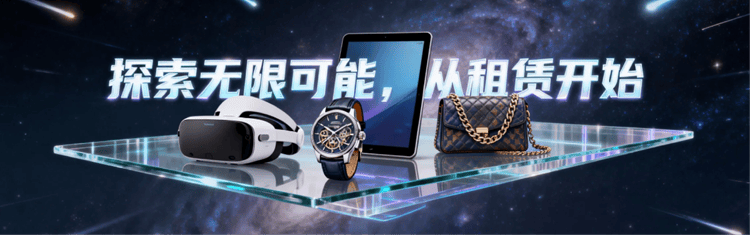
一、循环经济浪潮下的消费新格局 在全球ESG(环境、社会、治理)理念深入人心的今天,循环经济已从概念走向主流。波士顿咨询集团研究报告显示,2025年,全球循环经济市场规模达到 4.5万亿美元。在中国,"双循环"战略与绿色消费政策的双重推动下,高端消费品市场正在经历一场深刻的范式转变。 贝恩咨询最新数据令人瞩目:中国二手奢侈品市场在过去三年保持年均30%以上的复合增长率,而其中租赁板块增速高达45%,成为增长最快的细分领域。 更值得关注的是消费群体变化——30岁以下消费者在租赁市场的占比已从2019年的28%跃升至2023年的52%,年轻一代对"拥有权"与"使用权"的认知正在重 塑。 对于传统二手奢侈品及高端数码行业的经营者而言,这一趋势既是挑战更是机遇。行业分析认为,单纯依赖"买进卖出"的传统模式,正在面临增长天花板。 拓展租赁业务,已从"可选项"转变为应对市场变革的"战略必选项"。 二、传统经营模式的四大痛点审视 4. 专业门槛持续升高 鉴定真伪、养护修复、市场定价等专业能力要求不断提升,但人才培养体系滞后。行业调研显示,超过60%的新从业者表示"缺乏系统学习渠道"。 即便是转型线上,也面临新的挑战:流量获 ...
Deutsche Bank issues first European green bond under new standards
Yahoo Finance· 2026-02-11 12:03
This story was originally published on ESG Dive. To receive daily news and insights, subscribe to our free daily ESG Dive newsletter. Dive Brief: Deutsche Bank raised 500 million euros ($594.1 million) for its first European green bond, issued under the European Union’s updated standards for such bonds, according to a Tuesday press release. The bond will be used to refinance assets in the bank’s green buildings portfolio. The bond will mature in four years and is callable after three years, with a 2.875 ...

NTES(NTES) - 2025 Q4 - Earnings Call Presentation
2026-02-11 12:00
NetEase 4Q25 Investor Presentation Investor Relations February 11, 2026 SAFE HARBOR STATEMENT This announcement contains statements of a forward-looking nature. These statements are made under the "safe harbor" provisions of the U.S. Private Securities Litigation Reform Act of 1995. You can identify these forward-looking statements by terminology such as "will," "expects," "anticipates," "future," "intends," "plans," "believes," "estimates" and similar expressions. In addition, statements that are not histo ...

星盛商业的2025:以精益运营穿越周期,构建可持续增长样本
Xin Lang Cai Jing· 2026-02-11 10:17
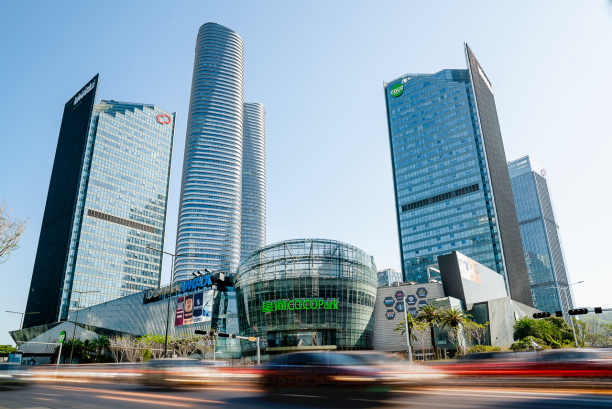
Core Insights - The article emphasizes the shift in the retail industry from "scale expansion" to "asset operation quality and capital efficiency," highlighting the emergence of a "quality competition" era in physical commerce [2][35] - Starry Commercial has adopted a focused strategy since 2023, prioritizing customer-centric approaches, asset appreciation, and lean operations to enhance the value of existing projects [2][35] Group 1: Activation of Existing Commercial Spaces - Existing commercial spaces are viewed as the most promising investment return areas, serving as a testing ground for corporate wisdom and capabilities amid homogenized competition and fluctuating consumer willingness [4][36] - Starry Commercial manages 27 projects across 20 cities, with a total commercial area exceeding 2.54 million square meters, featuring various product lines such as COCO Park and COCO City [4][36] - The company focuses on enhancing the quality of existing projects, injecting unique commercial characteristics into each operational project through a lean strategy [5][36] Group 2: First Store Economy 2.0 - The annual brand replacement rate in leading first- and second-tier cities is 20-26%, with Starry Commercial achieving a 26% replacement rate, moving beyond the traditional focus on the quantity of first stores to an "ecological leadership" approach [6][37] - In 2025, Starry Commercial introduced 239 regional and city first stores, with 72 high-quality stores rated A or B, covering diverse sectors such as lifestyle and innovative dining [6][37] - The introduction of flagship stores and themed events has transformed first stores into community platforms, fostering long-term customer loyalty [7][39] Group 3: Enhancements in Main Stores - Upgrading traditional main stores is crucial for existing operations, with Starry Commercial optimizing service and experience to turn supermarkets into traffic magnets [43][44] - The implementation of a self-adjustment model in supermarkets has led to a 25% increase in average daily sales per store, while new community supermarkets have driven foot traffic growth of 15% and 12% respectively [43][44] Group 4: Innovative Marketing Strategies - Starry Commercial's marketing strategy focuses on emotional resonance and value alignment, leveraging nationwide IP events like "Big Grab Festival" and "Hi Star Carnival" to connect with younger generations [47][48] - The company has integrated ESG principles into its operations, launching the "Sustainable Exploration Plan" to enhance both commercial and social value, resulting in a 12.5% increase in foot traffic and a 15% rise in sales during related events [49][50] Group 5: Digital Transformation and Service Enhancement - Digitalization is identified as a core engine for lean operations, with Starry Commercial establishing a digital ecosystem to enhance efficiency, traffic aggregation, and value conversion [52][53] - The company has redefined its service model to create a warm commercial experience, focusing on five friendly systems that cater to various consumer needs, thus transforming commercial spaces into lifestyle hubs [56][57] Group 6: Strategic Expansion in Key Regions - Starry Commercial is committed to a focused expansion strategy, concentrating resources in the Greater Bay Area and Yangtze River Delta, avoiding a scattergun approach to growth [62][64] - The recent opening of the second COCO City in Shenzhen has generated significant consumer interest, with over 400,000 visitors in three days, exemplifying the company's strategic focus on high-quality commercial projects [62][64]
气候变化、粮食安全与资本流向:农食体系如何重构?
Xin Lang Cai Jing· 2026-02-11 09:41
登录新浪财经APP 搜索【信披】查看更多考评等级 新浪财经ESG评级中心提供包括资讯、报告、培训、咨询等在内的14项ESG服务,助力上市公司传播ESG理念,提升ESG可持续发展表现。点击 查看【 ESG评级中心服务手册】 气候变化、粮食安全和资本流向,正以前所未有的速度交织在一起,成为一个彼此牵动的系统性挑战:极端天气不断改写农业生产条件,营养不良和粮食可 获得性压力持续上升,而资金配置是否高效,很大程度上决定了转型能否更快、更公平地推进。 围绕这一关键命题,气候债券倡议组织(CBI)首席执行官 Sean Kidney,与世界农业科技创新大会(WAFI)创始人兼咨询委员会执行主席、中国农业大学 全球食物经济与政策研究院院长、国际农业研究磋商组织(CGIAR)董事樊胜根教授,在中国北京展开了一场深入务实的交流。 对话围绕四点展开:提升粮食体系韧性、协同推进营养与发展目标、识别并定价气候风险、推动农食体系投资从"讲理念"转向"看结果",形成可衡量、可复 制、可规模化的影响。 肖恩:当前农食系统正承受多重压力。在您看来,最紧迫的挑战是什么?对投资者而言,哪些方向最值得优先关注? 樊胜根:当前我们面临的是多重挑战,但 ...