新型电力系统

Search documents
盘活煤电、甩卖光伏,曾经的绿电代煤“急先锋”国电投怎么了?
Sou Hu Cai Jing· 2025-05-11 01:33
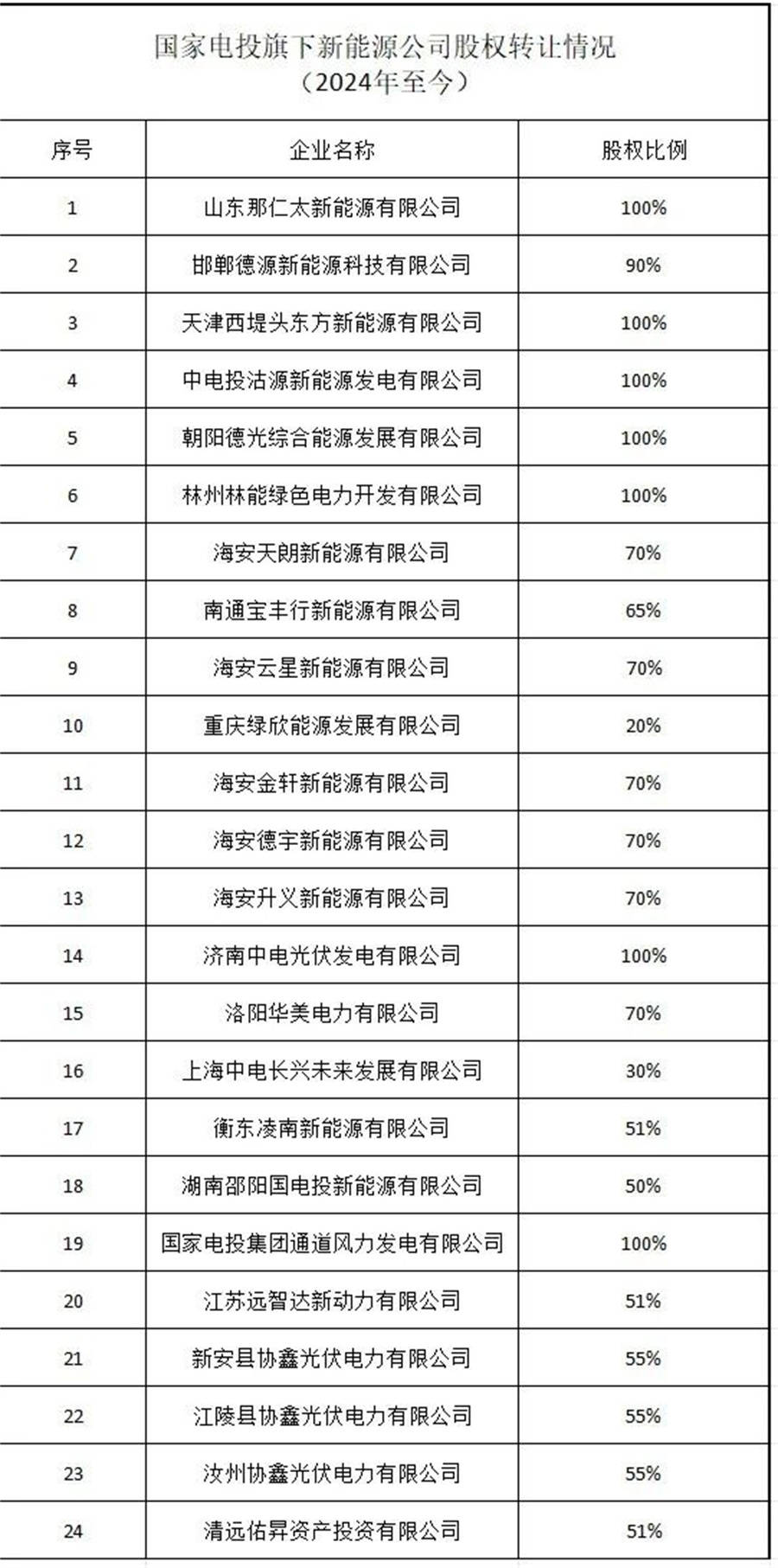
文 | 华夏能源网 "绿电之王"国家电投在甩卖一系列光伏电站之后,又开始腾挪、重组煤电资产。仅仅一两年前,彼时锐意绿电代煤的国家电投 刚进行了一轮罕见的煤电资产"大甩卖"。 华夏能源网获悉,5月5日晚间,国家电投旗下A股上市公司电投能源(SZ:002128)发布公告称,公司拟以发行股份及支付现 金的方式,购买国家电投集团内蒙古白音华煤电有限公司(以下简称"白音华煤电")100%股权。 国家电投上述煤电资产的体内重组和腾挪,看似是一桩平淡无奇的市场交易。 然而,如果将这一事件与其之前疯狂甩卖煤电资产两相对照,尤其是再加入2024年至今逾180亿新能源资产大甩卖这一因素(参 考文章:《国家电投一年甩卖180亿风光项目,"绿电之王"到底怎么了?》),那么,国家电投此次的动作就显得意味深长了。 国家电投对光伏、煤电资产的微妙态度变化,传递了什么样的市场信号?这又将预示了煤电与新能源各自怎样的未来? "腾笼换鸟"去煤电 国家电投上一轮清退煤电资产,有两大诱因:一个是2020年底国家"双碳"目标的出炉,电力央企冲刺可再生能源装机占比;一 个是从2021年起,公司煤电业务连续两年的巨亏。 在煤价疯涨的2021年和2022年 ...


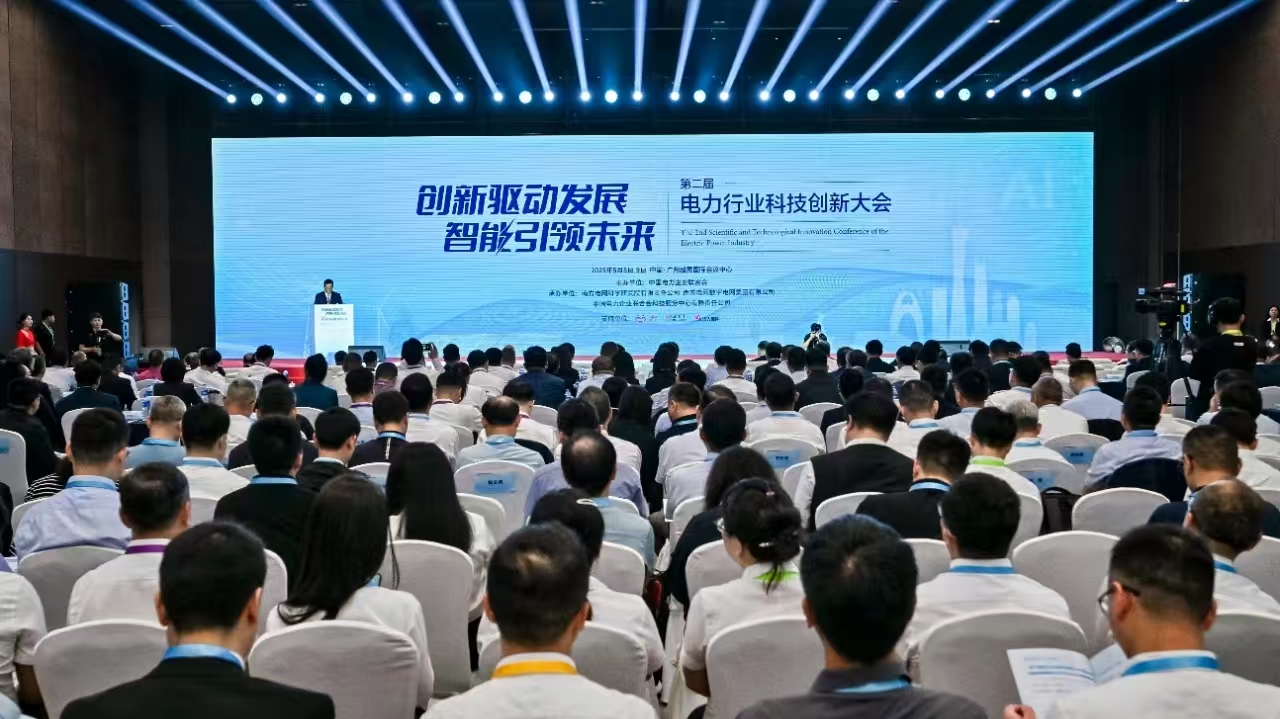
电力科技创新面临新挑战,业内给出这些建议
Di Yi Cai Jing· 2025-05-10 10:39
Core Insights - The article emphasizes the urgent need for technological innovation in China's power sector to address challenges in building a new power system [1][5] - China has become the largest and fastest-growing country in terms of renewable energy grid integration, highlighting the importance of technological support for stable power supply [1][4] Group 1: Technological Innovation in Power Sector - The second Power Industry Technology Innovation Conference was held in Guangzhou, focusing on the integration of new technologies such as smart grids, new energy storage, and virtual power plants [2] - Huang Xue Nong from the National Energy Administration stated that digital technologies like artificial intelligence are rapidly developing and integrating with various power sectors [2][6] - The China Electricity Council reported that R&D expenditure intensity for major power enterprises was 2.8% in 2023, with total innovation investment reaching 181.68 billion yuan, a 10.49% increase from 2022 [4] Group 2: Challenges and Recommendations - The construction of a new power system faces significant challenges, including the increasing complexity of power supply and demand regulation due to a higher proportion of renewable energy [5] - Key technologies and materials still face bottlenecks, with reliance on foreign components for certain renewable energy technologies [5][6] - Recommendations include promoting independent innovation, collaborative innovation, institutional innovation, and creating an open environment for technological innovation [5][6] Group 3: Achievements and Future Goals - By March 2025, China's total installed power capacity is expected to reach 3.43 billion kilowatts, with clean energy accounting for over 59% of the total [4] - The conference highlighted significant technological achievements, including advancements in superconducting cables and carbon capture technologies [6]
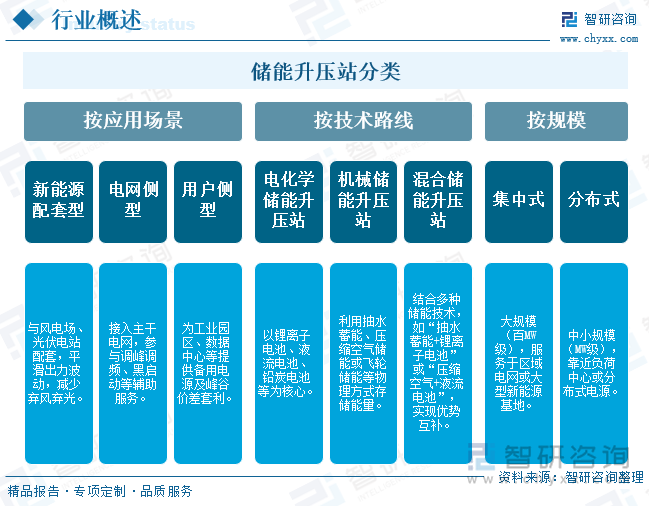
研判2025!中国储能升压站行业产业链、发展现状、竞争格局及发展趋势分析:储能装机规模爆发式增长,储能升压站行业迈入黄金发展期[图]
Chan Ye Xin Xi Wang· 2025-05-10 02:24
内容概要:储能升压站作为构建新型电力系统的关键枢纽设备,正在经历从单一并网功能向"多能协同 +智能调控+电网支撑"的多元化价值跃升。在"双碳"战略目标的强力驱动下,随着《新型电力系统发展 蓝皮书》等顶层设计文件的落地实施,储能升压站已发展成为解决可再生能源高比例消纳难题、增强电 网灵活调节能力的战略性基础设施。在政策红利释放和技术迭代加速的双重推动下,中国储能升压站市 场规模呈现指数级增长态势,预计2025年将突破500亿元大关,年复合增长率有望保持在40%以上。 上市企业:中国能建(601868.SH)、阳光电源(300274.SZ)、许继电气(000400.SZ)、科华数据 (002335.SZ)、海博思创(688411.SH)、中天科技(600522.SH)、特变电工(600089.SH) 相关企业:中国能源建设集团有限公司、南京南瑞继保电气有限公司、深圳三晖能源科技有限公司、华 为数字能源技术有限公司、明光鸿远新能源科技有限公司 关键词:储能升压站、储能升压站产业链、储能升压站行业政策、储能升压站发展现状、储能升压站市 场格局、储能升压站发展趋势 一、储能升压站行业相关概述 储能升压站是将储能系统与升 ...




协鑫能科2024年度业绩说明会:聚焦能源服务转型 多业务协同发展成效显著
Quan Jing Wang· 2025-05-09 13:37
Core Viewpoint - GCL-Poly Energy achieved significant growth in Q1 2025, driven by rapid advancements in distributed photovoltaic and energy storage projects, alongside effective cost management strategies [1][2]. Financial Performance - In Q1 2025, the company reported revenue of 2.933 billion yuan, a year-on-year increase of 21.49% - Net profit attributable to shareholders reached 254 million yuan, up 35.15% year-on-year - Non-recurring net profit surged to 193 million yuan, reflecting a substantial year-on-year growth of 176.61% [1]. Strategic Layout - The company has established a dual-driven development model focusing on "energy assets + energy services" - The goal for the next five years is to have energy service revenue exceed 50% of total revenue - In energy asset management, the company is exploring value-added operational scenarios such as load forecasting and price arbitrage, aiming for a dual revenue structure of guaranteed returns from physical assets and flexible returns from market services - The company is expanding its comprehensive energy services, including virtual power plants, energy trading, and energy-saving renovations, with a current adjustable load capacity of 550 MW in Jiangsu Province, representing 30% of the province's actual adjustable load [2]. Technological Innovation - The company partnered with Ant Group to launch the "EnergyTS Energy Power Time Series Model Integration Machine," which significantly outperformed international mainstream products in photovoltaic scenario evaluations - The partnership also led to the issuance of China's first photovoltaic green asset RWA (Real World Asset), creating a new financing model that transforms "green production" into "green finance" [2]. Investor Returns - The company plans to distribute a cash dividend of 1 yuan per 10 shares (tax included), totaling approximately 158 million yuan, which accounts for 32.34% of the net profit attributable to shareholders for 2024 - The management emphasizes the importance of value-based market capitalization management and aims to enhance core competitiveness through continuous technological innovation and operational quality improvements [3]. Future Outlook - GCL-Poly Energy aims to align with the "dual carbon" strategic goals and accelerate business transformation and upgrades through the dual-driven approach of energy assets and services - The company anticipates establishing a differentiated competitive advantage in the evolving new energy system, creating sustained value for investors [3].

中国华能、中国华电、长江电力专家解读《电力辅助服务市场基本规则》
Zhong Guo Dian Li Bao· 2025-05-09 03:27
Core Viewpoint - The release of the "Basic Rules for the Electricity Auxiliary Service Market" marks a significant advancement in China's electricity auxiliary service market, transitioning from a planned compensation model to a market-driven approach, which is essential for supporting the new power system and energy transition [1][10][24]. Group 1: Importance of the Rules - The rules effectively ensure the safety and stability of the electricity system, promoting the development of the electricity auxiliary service market [3][4]. - They implement the requirements for a unified national electricity market system, providing guiding principles and frameworks for local auxiliary service market construction [3][4]. - The rules align with the development trends of the new power system, supporting the large-scale growth of renewable energy and ensuring its stable integration [4][10]. Group 2: Highlights of the Rules - The rules establish a legal and policy foundation for market system construction, clearly defining the concept and scope of electricity auxiliary services [6]. - They broaden the range of market participants, including new entities like energy storage companies and virtual power plants, while standardizing the entry and exit processes for market participants [6][29]. - The rules provide detailed guidance for local implementation, ensuring uniformity and completeness in market regulations [6][30]. Group 3: Market Mechanisms and Structures - The rules clarify the pricing principles for auxiliary services, establishing a fair and efficient cost-sharing mechanism based on the principle of "who benefits, who bears the cost" [7][20]. - They enhance the integration of the auxiliary service market with the energy market, ensuring smooth connections in registration, trading sequences, and clearing processes [8][20]. - The rules specify the measurement and settlement of auxiliary service costs, ensuring transparency and fairness in market operations [8][31]. Group 4: Risk Management and Regulatory Framework - The rules outline a comprehensive risk prevention mechanism for the auxiliary service market, addressing various risks such as supply-demand imbalances and market power monopolies [20][30]. - They emphasize the importance of precise monitoring and regulatory oversight throughout the market operation process to ensure fairness and transparency [31].
昇辉科技2024年度网上业绩说明会问答实录
Quan Jing Wang· 2025-05-09 00:09
Core Viewpoint - The company is actively pursuing a major asset restructuring and is committed to complying with relevant legal and regulatory requirements for information disclosure [1][3]. Group 1: Financial Performance - In 2024, the company achieved operating revenue of 145,525.99 million yuan, a decrease of 27.32% compared to the previous year [10]. - The net profit attributable to shareholders, after deducting non-recurring gains and losses, was a loss of 2,980.53 million yuan, with the loss margin significantly narrowing compared to 2023 [10][15][17]. - The company has been reducing its reliance on the real estate sector and is exploring new growth opportunities in the new energy and new materials sectors [15][17]. Group 2: Strategic Initiatives - The company is focusing on the hydrogen energy industry as part of its long-term development strategy of "Intelligent + Dual Carbon" [2]. - The company is actively involved in the preparation of green hydrogen and the creation of hydrogen energy application scenarios, while also optimizing the flexibility of coal-fired power generation to reduce energy consumption and carbon emissions [2]. - The company is working on a sodium-ion battery project with an annual production capacity of 120,000 tons, which is currently in the stages of factory construction and equipment procurement [4][5][6]. Group 3: Market Opportunities - The company recognizes the broad prospects of the new power system industry and is particularly focused on opportunities in intelligent distribution and flexible transformation of coal-fired power [18]. - The demand for electric power construction is driving the development of the power distribution and control equipment industry, with significant investments in power grid projects [13][14]. - The company is leveraging new technologies such as AI and IoT to enhance its capabilities in intelligent distribution, which is becoming a key aspect of new power system construction [18].

政策解读 | 明晰规则、凝聚共识,构建电力辅助服务市场新生态
国家能源局· 2025-05-08 07:05
Core Viewpoint - The article emphasizes the importance of establishing a new ecosystem for the electricity ancillary services market in China, driven by the increasing share of renewable energy and the need for enhanced system flexibility and stability [2][4]. Summary by Sections Development Stages of Ancillary Services Market - The development of China's electricity ancillary services market can be categorized into three stages: 1. Vertical Integration Stage (before 2002) where ancillary services were bundled with generation and compensated through a unified electricity price [3]. 2. "Separation of Generation and Grid" Phase (2002-2006) where compensation for ancillary services was introduced based on cost recovery principles [3]. 3. Market Exploration Stage (post-2006) where the need for market mechanisms to enhance resource allocation became evident, leading to the launch of the first regional peak-shaving service market in 2014 [3]. Key Developments and Regulations - The issuance of the "Basic Rules for Electricity Ancillary Services Market" marks a significant step in China's electricity market reform, transitioning from an energy market to a multi-dimensional market that includes ancillary services [4][6]. Framework and Mechanisms - The article outlines several key aspects of the new rules: 1. Establishment of a clear framework for the ancillary services market [5]. 2. Definition of ancillary service types and their functions [6]. 3. Development of a compensation mechanism that clarifies who provides, benefits, and bears costs for ancillary services [5][8]. Implementation and Standardization - The rules aim to standardize the ancillary services market across regions, addressing inconsistencies and promoting a unified market structure [7][8]. - The article highlights the importance of a clear fee transmission mechanism, ensuring that costs are fairly allocated based on the principles of "who provides, who benefits" [8]. Encouragement of New Participants - The new rules encourage the participation of innovative entities such as energy storage companies and virtual power plants, recognizing their potential to enhance system flexibility [8]. Process and Workflow - A comprehensive workflow for market construction is established, covering all aspects from planning to implementation, ensuring a systematic approach to market development [8].

政策解读|“1+N”规则体系再添关键支撑
Zhong Guo Dian Li Bao· 2025-05-08 05:45
Core Viewpoint - The release of the "Basic Rules for the Electricity Auxiliary Service Market" marks a significant step towards optimizing resource allocation through market mechanisms, ensuring the safe and stable operation of the power system [1][2] Summary by Relevant Sections Importance of the Rules - The rules are crucial for ensuring the safety and stability of the power system and advancing the development of the electricity auxiliary service market [2] - Market-oriented reforms will enhance energy resource allocation and encourage participation from various stakeholders, including power generation and sales entities, thereby improving power supply security [2] - The rules align with the national unified electricity market system and summarize lessons learned from local auxiliary service market developments [2] Highlights of the Rules - The rules establish a legal and policy foundation for market system construction, defining the concept and scope of electricity auxiliary services [3] - They expand the range of market participants to include new entities such as energy storage companies and virtual power plants, while standardizing the entry and exit processes for market participants [3] - Detailed guidance is provided for local implementation, ensuring uniformity and completeness of market rules across regions [3] Compensation and Market Efficiency - The rules stipulate that auxiliary service prices are determined by market forces, establishing a fair cost-sharing mechanism based on the principle of "who benefits, who bears the cost" [4] - They facilitate the integration of the auxiliary service market with the energy market, ensuring orderly development and clear connections between different market segments [4] - The rules also define the settlement methods for auxiliary service costs, promoting transparency and fairness in market operations [4] Risk Management - The rules identify various risk types within the auxiliary service market and outline protocols for risk monitoring and emergency response [5] - In the event of market risks, power dispatch agencies are required to prioritize safety and document emergency measures taken [5]
中国电科院专家解读《电力辅助服务市场基本规则》
Zhong Guo Dian Li Bao· 2025-05-08 02:12
Core Viewpoint - The construction of the auxiliary service market in China's power system is essential for maintaining safety and stability, especially with the increasing share of renewable energy sources like wind and solar power, which poses new challenges to the power system [2][4]. Summary by Sections Development Stages of Auxiliary Service Market - The development of China's auxiliary service market can be categorized into three stages: 1. Vertical integration phase before 2002, where auxiliary services were bundled with generation and compensated through a unified electricity price [3]. 2. "Separation of generation and grid" phase starting in 2002, introducing compensation for auxiliary services based on cost and reasonable returns [3]. 3. Market exploration phase, initiated in 2014 with the launch of the first regional power peak-shaving service market, aimed at incentivizing participation in auxiliary services through market mechanisms [3][4]. Key Features of the New Rules - The newly introduced "Basic Rules for the Power Auxiliary Service Market" marks a significant shift towards a multi-dimensional market that includes auxiliary services alongside energy markets, providing a crucial institutional guarantee for the new power system [4][5]. - The core ideas of the rules include establishing a clear market framework, defining auxiliary service types, and creating a compensation mechanism that benefits both users and generators [5]. Main Content of the Rules - The rules encompass objectives, principles, member composition, service types, cost sharing, market connections, regulatory assessments, and risk prevention, aiming to standardize the auxiliary service market across the country [6][7]. - The rules consist of 12 chapters and 67 articles, detailing the overall requirements and operational guidelines for the auxiliary service market [6]. Implementation Goals and Pathways - The rules aim to support the participation of new operational entities such as energy storage, virtual power plants, and distributed energy sources in the auxiliary service market, while clarifying market establishment principles and transaction processes [7][8]. - The rules address key challenges in the current auxiliary service market, providing a framework for unified and standardized market construction across regions [8][9]. Cost Transmission Mechanism - The rules clarify the composition and calculation of auxiliary service costs, establishing a reasonable cost framework and principles for compensation based on the "who provides, who benefits" approach [9]. - They also outline the cost-sharing mechanism for users and generators, ensuring that the costs are fairly distributed among all parties involved [9].

政策解读 | 技术驱动、机制护航,助力破解电网灵活调节难题
国家能源局· 2025-05-07 09:40
技术驱动、机制护航,助力破解电网灵活调节难题 为贯彻落实加快建设全国统一大市场要求,构建全国统一电力市场体系,加快构建新型电力系 统,指导和规范全国电力辅助服务市场建设运营管理,保障电力系统稳定运行和能源电力安全供 应,国家发展改革委、国家能源局近日联合发布《电力辅助服务市场基本规则》(以下简称《规 则》),标志着我国电力中长期市场、现货市场和辅助服务市场三大电力市场核心基本规则全面 建成。《规则》的出台,既是能源转型关键制度突破,亦为新型电力系统建设注入市场化动能。 电力辅助服务市场是保障电力系统安全稳定运行、促进新能源发展的重要制度。目前,我国电力 辅助服务市场基本实现全国覆盖,市场化的辅助服务品种不断拓展,初步建立以市场为引导的辅 助服务资源优化配置机制,形成以调峰、调频、备用等交易品种为核心的区域、省级辅助服务市 场体系,通过市场实现对资源的优化配置。部分地区在辅助服务市场机制创新上进行了积极探 索,积极推动电力辅助服务市场与现货市场的协同运行,引导独立储能、虚拟电厂、负荷侧可调 节资源、厂网互动运营企业等新型主体参与辅助服务市场,取得了良好效果。电力辅助服务市场 的持续规范运行,对推进全国统一电力市 ...