
多边主义

Search documents
国纪平:从伟大抗战精神到构建人类命运共同体
Ren Min Ri Bao· 2025-09-04 00:48
Core Viewpoint - The commemoration of the 80th anniversary of the victory in the Chinese People's Anti-Japanese War and the World Anti-Fascist War emphasizes the importance of remembering history, honoring sacrifices, and promoting peace for a shared future [1][2]. Group 1: Historical Significance - The Chinese People's Anti-Japanese War was a crucial part of the global anti-fascist struggle, with significant sacrifices made by the Chinese people to protect human civilization and world peace [2][3]. - The war resulted in immense suffering, with over 35 million casualties and significant territorial losses, highlighting the high cost of achieving peace [3]. Group 2: International Cooperation - The victory was achieved through international alliances, with contributions from various nations, including the Soviet Union and the United States, showcasing the power of collective action against tyranny [4]. - Historical figures from different countries played vital roles in protecting Chinese civilians during the war, illustrating the global nature of the struggle for peace and justice [4]. Group 3: Legacy of the Anti-War Spirit - The spirit of resistance and unity during the war has transformed into a commitment to uphold peace and justice in the present day, guiding China's approach to international relations [5][12]. - The anti-war spirit reflects humanity's enduring desire for peace and justice, serving as a beacon for future generations [5]. Group 4: Modern Implications - The current global landscape, marked by unilateralism and protectionism, necessitates a renewed commitment to multilateralism and cooperation among nations to address shared challenges [10][16]. - China's development path, characterized by peaceful cooperation and mutual benefit, contrasts with historical Western expansionism, emphasizing a collaborative approach to global governance [11][14]. Group 5: Call to Action - The commemoration serves as a reminder of the need for collective action to maintain peace and security, urging nations to learn from history and work together for a better future [9][18]. - The ongoing challenges in the international order call for a reaffirmation of the principles established by the United Nations, which remain vital for global stability [18].
(抗战胜利80周年)海外人士聚焦九三纪念大会:展现坚实力量 坚定和平决心
Zhong Guo Xin Wen Wang· 2025-09-03 23:55
柬埔寨柬中关系发展学会会长谢莫尼勒认为,九三阅兵是一次举世瞩目的"团结大阅兵"。"我们看到, 从艰苦卓绝的抗战到蓬勃发展的21世纪,中国始终从历史中汲取智慧,在经济、社会、文化等各领域推 动和平与可持续发展,为全人类探索美好未来提供中国方案,成为这个世界的和平力量、稳定力量、进 步力量。"(完)(参与记者:田冰、杨强、李志全、陈悦、崔楠、单璐、张焕迪) 来源:中国新闻网 (抗战胜利80周年)海外人士聚焦九三纪念大会:展现坚实力量 坚定和平决心 中新社北京9月3日电 纪念中国人民抗日战争暨世界反法西斯战争胜利80周年大会9月3日在北京天安门 广场举行,中共中央总书记、国家主席、中央军委主席习近平发表重要讲话并检阅受阅部队。海外各界 人士高度关注,认为中国通过九三纪念大会展示了坚实的国防力量,展现了维护世界和平、推进多边主 义的坚定决心。 俄罗斯外交部外交学院东方语言研究室主任亚历山大·谢苗诺夫认为,讲话回应了人民的期待,展现了 责任担当,体现了国家和民族的记忆与传承。纪念大会展示了中国维护国家主权、安全、发展利益以及 维护世界和平的决心意志和强大实力,"是对死难者的缅怀,也是对坚定捍卫二战胜利成果、珍爱和 平、 ...
从伟大抗战精神到构建人类命运共同体
Ren Min Ri Bao· 2025-09-03 23:32
Core Viewpoint - The commemoration of the 80th anniversary of the victory in the Anti-Japanese War emphasizes the importance of remembering history, honoring sacrifices, and promoting peace, while also advocating for the construction of a community with a shared future for mankind [1][2][4]. Group 1: Historical Significance - The Anti-Japanese War was a crucial part of the global anti-fascist struggle, with China suffering over 35 million casualties and significant territorial losses [2][3]. - The victory in this war is seen as a monumental achievement that not only secured peace for China but also contributed to the preservation of human civilization [5][6]. Group 2: Great Anti-War Spirit - The spirit of resistance during the war is characterized by patriotism, unity, and an unwavering belief in victory, which continues to inspire the Chinese people in their pursuit of national rejuvenation [3][4]. - This spirit is viewed as a vital force that has shaped China's identity and its role in the world, emphasizing the importance of peace and justice [4][11]. Group 3: International Cooperation - The commemoration highlights the collaborative efforts of various nations during the war, showcasing the importance of solidarity against oppression and violence [3][17]. - China's historical contributions to the establishment of a new international order post-World War II are acknowledged, including its role in founding the United Nations and advocating for principles of equality and peaceful dispute resolution [5][18]. Group 4: Current Global Context - The current international landscape is marked by challenges such as unilateralism and protectionism, necessitating a renewed commitment to multilateralism and global cooperation [8][16]. - The call for a community with a shared future reflects a desire to move beyond zero-sum thinking and towards mutual benefit and coexistence among nations [9][19].
“为中华民族伟大复兴提供精神动力”(高端访谈)
Ren Min Ri Bao· 2025-09-03 23:32
Group 1 - The core viewpoint emphasizes the significant contribution of the Chinese people to the victory in the World Anti-Fascist War, highlighting the importance of remembering this history [1] - The Cambodian King Norodom Sihamoni acknowledges that the spirit of resistance during the war continues to drive China's development and modernization efforts [1] - The King recalls the impressive commemorative activities from 10 years ago, which showcased the unity and confidence of the Chinese people under the leadership of the Communist Party [1] Group 2 - The relationship between China and Cambodia has been elevated to a "new era all-weather China-Cambodia community of shared destiny," indicating a historic advancement in bilateral relations [2] - The King notes that this new positioning reflects deep mutual trust and close cooperation, opening broader prospects for comprehensive strategic collaboration, especially in sustainable development [2] - Recent achievements in infrastructure, trade, and water resources under multilateral frameworks like China-ASEAN cooperation demonstrate the effectiveness of dialogue and practical cooperation between the two nations [2]
巴西欲拉金砖国家“群聊”,共商应对美国关税“大棒”
第一财经· 2025-09-03 13:49
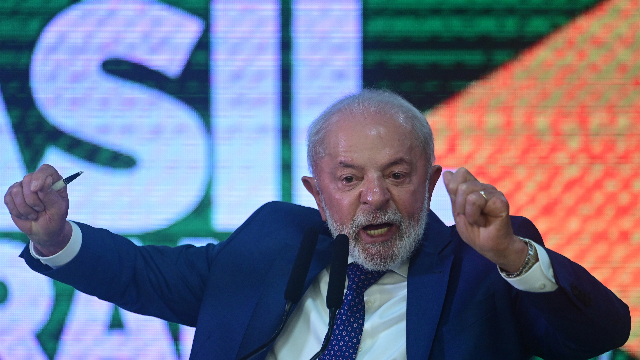
作者 | 第一财经 钱小岩 封图 | 巴西总统卢拉 (新华社图) 巴西欲联合金砖国家共同应对美国的不合理关税。 据报道,多位消息人士透露,巴西总统卢拉计划在9月8日召集金砖国家领导人以视频方式举行特别峰会,共同讨论美国的贸易政策。 在今年7月巴西里约热内卢举行的金砖国家领导人第十七次会晤上,卢拉就呼吁南方国家加强合作,表示每个国家"都是自己命运的主人",此外他还表 示"如果美国对其他国家加征关税,那么其他国家也可以对等地对美国加征关税"。 2025.09. 03 本文字数:1650,阅读时长大约3分钟 卢拉这一说法惹怒了特朗普。据新华社报道,特朗普6日在社交媒体上宣称金砖国家推行所谓"反美政策",并威胁对所有与金砖国家"反美政策"保持一 致的国家额外征收10%的关税。 上海国际问题研究院外交政策研究所所长牛海彬向第一财经记者表示,在金砖峰会后,特朗普就径直对巴西发出了关税威胁,时间点十分微妙。特朗普 政府反复利用关税作为武器,不仅仅是要满足各种经济利益的诉求,还有包括政治安全等非经济因素的考虑,已成为美国外交和对外战略的重要工具。 特别峰会 巴西官员透露,卢拉不仅希望在此次特别峰会上讨论美国加征关税的问题,还 ...


非洲各界:中国为世界和平发展发挥引领作用
Yang Shi Xin Wen Ke Hu Duan· 2025-09-03 13:01
总台记者 赵倩:我现在是在肯尼亚首都内罗毕,身后是共建"一带一路"旗舰项目——内罗毕机场快速路。尽管这里和国内有着5个小时的时差,但是不少当 地的朋友特别是记者朋友告诉我,早上打开手机上的社交媒体软件,就被中国人民抗日战争暨世界反法西斯战争胜利80周年纪念活动刷屏了。他们不仅点赞 中国军人的军容风纪,更钦佩于中国从一个被侵略、被殖民、遭受过巨大苦难的国家,稳步发展成为世界第二大经济体。 今天举行的纪念中国人民抗日战争暨世界反法西斯战争胜利80周年大会,在非洲引发广泛关注,非洲各界人士高度肯定中国为世界和平发展发挥的重要作 用。 津巴布韦总统姆南加古瓦和刚果共和国总统萨苏也出席了今天的活动。两国领导人的到来体现了非洲国家对纪念活动的重视,也为中非关系增添了新的注 脚。 一些非洲政要、学者则看到这次活动背后的深远意义。 利比里亚外交部副部长阿马近期在接受总台记者采访时表示,中国正引领世界走向和平之路,而和平与发展是相辅相成的,我们赞赏中国在世界和平发展中 发挥的引领作用。 肯尼亚非洲政策研究所所长卡格万加认为,习近平主席提出的几大全球倡议,涵盖人类发展的多个主要方面,有助于构建人类命运共同体。卡格万加说,这 些和 ...

“中国人民为拯救人类文明作出重大贡献”——访刚果(布)总统萨苏
Ren Min Ri Bao· 2025-09-03 10:46
Group 1 - The President of Congo (Brazzaville), Sassou, acknowledges the significant contribution of the Chinese people in winning the Anti-Japanese War and the World Anti-Fascist War, emphasizing the sacrifices made by China during this period [1][2] - Sassou expresses the desire for strengthened collaboration between Congo and China, promoting multilateralism and enhancing cooperation within the framework of the China-Africa Cooperation Forum [1][2] - The President highlights the importance of peace for development, stating that China plays a crucial role in promoting global peace and development [1][2] Group 2 - Sassou praises China's support for Africa and emphasizes the need for multilateralism to counter unilateralism and protectionism in the current unstable international landscape [2] - He calls for the establishment of a more just, united, and prosperous international order, advocating for inclusive and mutually beneficial globalization [2] - The cooperation between Congo and China has significantly impacted Congo's development, with Chinese support in human resource training, technology, and funding accelerating the implementation of transformation projects in Congo [2]
龙海:上合组织天津峰会|习近平主持上海合作组织成员国元首理事会第二十五次会议并发表重要讲话
Xin Hua She· 2025-09-03 10:02
Core Points - The Shanghai Cooperation Organization (SCO) held its 25th summit in Tianjin, China, on September 1, 2023, with President Xi Jinping emphasizing the organization's achievements and future direction [2][4][6] - Xi highlighted the importance of the "Shanghai Spirit," which includes mutual trust, mutual benefit, equality, consultation, respect for diverse civilizations, and seeking common development [4][6] - The summit resulted in the signing of the Tianjin Declaration and the approval of the SCO's development strategy for the next decade (2026-2035) [9] Group 1: Achievements and Contributions - The SCO has established a military trust mechanism in border areas and initiated multilateral actions against the "three forces" (terrorism, separatism, extremism), contributing to regional peace [4][6] - The organization has been a pioneer in promoting the Belt and Road Initiative, enhancing regional connectivity and development [4][6] - The SCO has fostered long-term friendly cooperation agreements among member states, promoting mutual understanding and people-to-people connections [4][6] Group 2: Future Directions - Member states are encouraged to adhere to the principles of seeking common ground while respecting differences, enhancing strategic communication, and expanding cooperation [6][7] - Emphasis on mutual benefit through high-quality Belt and Road cooperation, trade facilitation, and collaboration in various sectors such as energy, infrastructure, and technology [6][7] - The need for openness and inclusivity in cultural exchanges and economic cooperation to create a harmonious global environment was stressed [6][7] Group 3: Security and Governance - The summit underscored the importance of fairness and justice in international relations, advocating for a multilateral trade system and a more equitable global governance framework [7][8] - The establishment of various centers to address security threats, organized crime, information security, and drug control was announced [10] - The acceptance of Laos as a dialogue partner and the decision for Kyrgyzstan to assume the rotating presidency for 2025-2026 were also significant outcomes of the meeting [11]
巴西欲拉金砖国家“群聊”,共商应对美国关税“大棒”
Di Yi Cai Jing· 2025-09-03 09:48
上海国际问题研究院外交政策研究所所长牛海彬向第一财经记者表示,在金砖峰会后,特朗普就径直对 巴西发出了关税威胁,时间点十分微妙。特朗普政府反复利用关税作为武器,不仅仅是要满足各种经济 利益的诉求,还有包括政治安全等非经济因素的考虑,已成为美国外交和对外战略的重要工具。 特别峰会 大部分巴西输美产品面临的关税税率高达50%。 巴西欲联合金砖国家共同应对美国的不合理关税。 据报道,多位消息人士透露,巴西总统卢拉计划在9月8日召集金砖国家领导人以视频方式举行特别峰 会,共同讨论美国的贸易政策。 在今年7月巴西里约热内卢举行的金砖国家领导人第十七次会晤上,卢拉就呼吁南方国家加强合作,表 示每个国家"都是自己命运的主人",此外他还表示"如果美国对其他国家加征关税,那么其他国家也可 以对等地对美国加征关税"。 卢拉这一说法惹怒了特朗普。据新华社报道,特朗普6日在社交媒体上宣称金砖国家推行所谓"反美政 策",并威胁对所有与金砖国家"反美政策"保持一致的国家额外征收10%的关税。 巴西学界也对金砖机制寄予厚望。巴西圣保罗大学国际法教授、金砖国家研究小组协调人卡塞利亚 (Paulo Borba Casella)日前表示,美国关 ...
历史记忆不朽 和平光芒永在——写在中国人民抗日战争暨世界反法西斯战争胜利80周年之际
Jing Ji Ri Bao· 2025-09-03 09:02
Group 1 - The commemoration of the 80th anniversary of the victory in the Chinese People's Anti-Japanese War and the World Anti-Fascist War emphasizes the importance of unity and dialogue among nations [1][2] - The victory in 1945 marked a significant turning point for China, which had endured a century of humiliation, and it was a collective effort under the banner of the Anti-Japanese National United Front [1][2] - The legacy of the 1945 victory includes the establishment of the United Nations, promoting dialogue and peaceful resolution of disputes among nations, which is essential for lasting peace [2][3] Group 2 - Current global challenges include hegemonism, unilateralism, and protectionism, which threaten the post-war international order and world peace [3] - China proposes a "community with a shared future for mankind" and various global initiatives aimed at addressing these challenges and promoting peace and development [3] - The commitment to multilateralism and global governance reform reflects China's role as a builder of world peace and a contributor to global development [3][4]