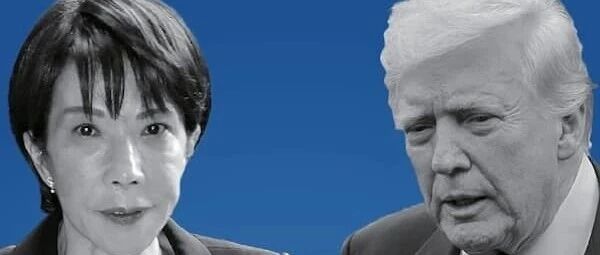
台湾问题

Search documents
高市早苗的狂言妄语与日本右翼的“台湾残梦”
Ren Min Ri Bao Hai Wai Ban· 2025-11-26 02:08
Core Viewpoint - Japanese Prime Minister Sanae Takaichi's recent statement regarding Taiwan represents a significant escalation in Japan's stance, suggesting potential military intervention in the Taiwan Strait, which is seen as a serious provocation against China's core interests [1][3]. Group 1: Historical Context - Japan's historical actions, including the colonization of Taiwan starting in 1895 and the atrocities committed during the Second Sino-Japanese War, have left deep scars in Chinese memory, with approximately 35 million casualties during the war [1][2]. - Despite Japan's post-war commitments to return territories including Taiwan, some right-wing politicians in Japan continue to distort and glorify its imperial past, undermining the historical suffering inflicted on China [2][3]. Group 2: Political Implications - Takaichi's remarks align with a broader trend among Japanese right-wing politicians who seek to reinterpret Japan's military role and challenge the post-war pacifist constitution, indicating a desire for Japan to become a "normal country" capable of military engagement [3]. - The rhetoric surrounding Taiwan is part of a larger narrative that aims to obstruct China's reunification efforts and counter its rise, with historical grievances still unresolved [3]. Group 3: Future Consequences - The article warns that any Japanese provocations regarding Taiwan could lead to severe repercussions for Japan, potentially damaging Sino-Japanese relations and challenging international norms established post-World War II [3].
日本为高市早苗错误言论狡辩找补,中方严厉驳斥:刻意回避要求,企图蒙混过关
Huan Qiu Shi Bao· 2025-11-25 22:38
Group 1 - Japanese Prime Minister Kishi Nobuo's remarks regarding Taiwan have sparked outrage among the Chinese public, with claims that the Republic of China, not the People's Republic of China, is the legitimate authority to discuss Taiwan issues [1] - China's Ministry of Foreign Affairs emphasized that Japan's historical claims are either based on ignorance or intentional distortion, asserting that Japan's 1945 surrender included a commitment to return Taiwan to China [1][2] - The Japanese government has issued a defense statement asserting that Kishi's comments do not represent a change in its longstanding position, maintaining that the situation in the Taiwan Strait is crucial for Japan's security [2] Group 2 - Japan's actions at the United Nations included a letter from its permanent representative defending its defense policy, claiming that Japan's self-defense strategy is passive and misinterpreted by China [3] - Analysts suggest that the current tensions between China and Japan could escalate beyond previous conflicts, with concerns about potential economic repercussions, such as China's control over rare earth supplies [3] - The Japanese entertainment industry has been affected, with numerous performances and film screenings in China being canceled as a response to the diplomatic tensions [4][5] Group 3 - Public sentiment in Japan has turned against Kishi, with individuals in the entertainment sector expressing disappointment over the impact of his comments on cultural exchanges and tourism [5][6] - Former Japanese Prime Minister Hatoyama Yukio criticized the lack of media scrutiny regarding Kishi's remarks, highlighting the historical consequences of media complicity in nationalistic rhetoric [6]
美日领导人通话 外交部回应
Xin Jing Bao· 2025-11-25 10:52
毛宁:美日领导人通话是美国和日本之间的事情,我不作评论。台湾问题是中国的内政,不容任何外部 势力干涉。 彭博社记者:中美元首通话后,特朗普总统同日本首相高市早苗也通了电话,谈及美日同盟关系及其对 该地区的重要性等问题,一些议题没有披露。中方对美日领导人通话有何反应?对美日在台湾问题上的 观点有无关切? 新京报讯 据外交部消息,11月25日,外交部发言人毛宁主持例行记者会。 ...
中美领导人2025年历次通话梳理:相向而行-20251125
Shenwan Hongyuan Securities· 2025-11-25 10:15
Group 1 - The report outlines the key points from four phone calls between Chinese President Xi Jinping and U.S. President Trump, emphasizing the importance of maintaining stable and cooperative U.S.-China relations [5][4]. - In the first call on January 17, 2025, President Xi congratulated Trump on his re-election and highlighted the broad common interests and cooperation potential between the two countries [5]. - The second call on June 5, 2025, focused on correcting the course of U.S.-China relations and emphasized the importance of dialogue and cooperation in resolving trade issues [5]. Group 2 - The third call on September 19, 2025, recalled the historical alliance during World War II and urged the U.S. to avoid unilateral trade restrictions that could undermine previous negotiations [5]. - The fourth call on November 24, 2025, discussed the positive outcomes of the recent meeting in Busan and reiterated the mutual benefits of cooperation, while also addressing the Taiwan issue as a critical aspect of China's sovereignty [5][4]. - Throughout the calls, both leaders expressed a desire for continued dialogue and cooperation to address global challenges, including the Ukraine crisis [5].
美日领导人通话,中方回应
券商中国· 2025-11-25 09:53
11月25日,外交部发言人毛宁主持例行记者会。 彭博社记者提问称,美国和日本领导人进行了通话,讨论了日美同盟、地区局势以及双边关系,还有他们对于 台湾问题的立场。中方对此次通话有何评论? 毛宁回应,美日领导人通话是美日之间的事情,我不做评论。至于台湾问题,是中国的内政,不容任何外部势 力干涉。 来源:北京青年报 百万用户都在看 两大利好,彻底引爆! 盘中,直线涨停!集体异动,什么情况? 涨停潮!中国股票,突传利好! 存储芯片,重磅突发! 违法和不良信息举报电话:0755-83514034 邮箱:bwb@stcn.com 看券商中国 知天下财经 用 券中社 12 券商中国 × 券 中 社 扫码关注券商中国公众号 扫码下载 券 中 社 A P P quanshangcn 舞#t 券中社APP qzs.stcn.com 券 商 中 国 是 证 券 市 场 权 威 媒 体 《 证 券 时 报 》 旗 下 新 媒 体 , 券 商 中 国 对 该 平 台 所 刊 载 的 原 创 内 容 享 有 著 作 权 , 未 经 授 权 禁 止 转 载 , 否 则 将 追 究 相 应 法 律 责 任 。 责编: 汪云鹏 校 对:许欣 ...

美日领导人通话讨论涉台立场,外交部:台湾问题不容任何外部势力干涉
Ge Long Hui· 2025-11-25 07:46
格隆汇11月25日|据澎湃,外交部发言人毛宁今日主持例行记者会。彭博社记者就元首通话提问,美国 和日本领导人进行了通话,讨论了日美同盟、地区局势以及双边关系,还有他们对于台湾问题的立场。 中方对此次通话有何评论?毛宁回应:"美日领导通话是美日之间的事情,我不做评论。至于台湾问 题,是中国的内政,不容任何外部势力干涉。" ...
美日领导人通话讨论涉台立场,外交部回应
第一财经· 2025-11-25 07:39
11月25日,外交部发言人毛宁主持例行记者会。 来源|澎湃新闻 编辑 | 钉钉 彭博社记者就元首通话提问,美国和日本领导人进行了通话,讨论了日美同盟、地区局势以及双边关 系,还有他们对于台湾问题的立场。中方对此次通话有何评论? 毛宁回应:"美日领导通话是美日之间的事情,我不做评论。至于台湾问题,是中国的内政,不容任何 外部势力干涉。" ...

X @外汇交易员
外汇交易员· 2025-11-25 07:08
Diplomatic Relations - The phone call between China and the US was initiated by the US side [1] - The call was described as positive, friendly, and constructive [1] - Xi Jinping emphasized that Taiwan's return to China is an important component of the post-World War II international order [2] - Trump acknowledged China's significant role in the victory of World War II and the US understands the importance of the Taiwan issue to China [2]
大外交|中美元首通话重点聚焦台湾问题,专家:中方望美方约束自身及盟友行为
Xin Lang Cai Jing· 2025-11-25 06:01
Core Points - The phone call between Chinese President Xi Jinping and U.S. President Donald Trump on November 24, 2025, reflects a generally stable and positive trend in China-U.S. relations since the Busan meeting, which is welcomed by both nations and the international community [1][2] - Xi emphasized the importance of Taiwan's return to China as a crucial part of the post-war international order, while Trump acknowledged China's significant role in World War II and expressed understanding of the Taiwan issue's importance to China [1][2] - The conversation also addressed trade, the Russia-Ukraine conflict, and Taiwan, with the call lasting one hour [1][2] Summary by Sections China-U.S. Relations - The call is the first since the Busan meeting and the third time this year that Taiwan has been specifically mentioned in discussions between the two leaders [2] - Analysts suggest that the call provides momentum for implementing the consensus reached at the Busan meeting, especially in light of recent tensions in the Asia-Pacific region due to provocative remarks from Japanese politicians [1][2] Taiwan Issue - The Taiwan issue has been a recurring topic in recent communications, with Xi previously urging the U.S. to handle the matter with caution to avoid conflict [2][3] - Analysts note that the U.S. has maintained a calm and pragmatic approach to Taiwan under Trump's administration, adhering to previous commitments [2][3] Regional Tensions - The call occurred against a backdrop of rising tensions due to Japan's provocative actions and statements regarding Taiwan, which have drawn criticism from China [4][5] - China's Foreign Ministry has condemned Japan's military deployments near Taiwan and emphasized the need for vigilance from neighboring countries and the international community [4][5] Historical Context - The leaders' discussion included references to World War II, highlighting the historical cooperation between China and the U.S. in combating fascism, and the need to uphold the outcomes of that conflict [5] - Analysts argue that both nations should work together to maintain international order and avoid actions that could undermine their relationship [5]
高市早苗与特朗普通电话
日经中文网· 2025-11-25 05:36
Core Viewpoint - The conversation between Japanese Prime Minister Sanae Takaichi and U.S. President Donald Trump emphasized the close cooperation between Japan and the U.S., particularly in the context of regional security and challenges in the Indo-Pacific area [2][4]. Group 1 - Prime Minister Takaichi revealed that she listened to Trump's explanation of his call with Chinese President Xi Jinping, which took place on November 24, and highlighted the confirmation of tight Japan-U.S. cooperation [2]. - The call lasted approximately 25 minutes and was initiated by Trump, focusing on strengthening the Japan-U.S. alliance and discussing various issues facing the Indo-Pacific region [4]. - Takaichi avoided confirming whether Taiwan was discussed during her conversation with Trump, reflecting the increasing tensions in Japan-China relations, especially following her remarks in the Diet regarding Taiwan [4].