
海洋经济高质量发展

Search documents
精耕深蓝,加快建设海洋强国 ——“中国经济圆桌会”聚焦海洋经济高质量发展
Xin Hua She· 2025-08-14 08:59
Core Viewpoint - The article emphasizes the importance of high-quality development of the marine economy in China, highlighting the need for innovation, efficient collaboration, industrial updates, harmony between humans and the sea, and win-win cooperation [1][2]. Marine Economic Development - China's extensive coastline and vast maritime territory provide a strategic space and resource treasure for economic and social development [2]. - The marine economy has expanded into various sectors, including fisheries, shipbuilding, tourism, and deep-sea resource utilization, demonstrating significant progress [2][4]. Economic Metrics - In 2024, China's marine production value is expected to exceed 10 trillion yuan, more than doubling since 2012 [5]. - China's shipping volume and container throughput account for approximately one-third of the global total, with the marine engineering equipment market holding over 50% of the global share [5]. - China leads the world in the production of seawater products and has the highest new orders for 14 out of 18 major ship types [5]. Technological Advancements - Recent achievements in marine technology include the launch of China's first domestically produced electromagnetic aircraft carrier and advancements in deep-sea exploration capabilities [9][11]. - The government is focusing on enhancing innovation in marine technology and aims to overcome existing weaknesses in this area [11][12]. Sustainable Development and Resource Management - The article discusses the construction of marine ranches and the promotion of high-quality marine products, with Shandong province aiming for significant increases in marine product output and value [14]. - There is a push for the sustainable use of marine resources, including the development of marine energy and biotechnology [12][14]. Global Cooperation - China is actively participating in global marine governance, exemplified by international scientific collaborations and initiatives to protect marine ecosystems [15][17]. - The country is enhancing its role in international maritime cooperation, with significant growth in cruise tourism and training programs for developing countries [17][18].

精耕深蓝,加快建设海洋强国——“中国经济圆桌会”聚焦海洋经济高质量发展
Xin Hua She· 2025-08-13 05:11
Core Viewpoint - The article emphasizes the importance of high-quality development of the marine economy in China, highlighting the need for innovation, efficient collaboration, industrial upgrades, harmony between humans and the sea, and win-win cooperation [3][6][31]. Group 1: Marine Economy Development - China's marine production value is expected to exceed 10 trillion yuan in 2024, more than doubling since 2012 [6]. - The country holds approximately one-third of the global shipping volume and container throughput, with a 50% share in the marine engineering equipment market [6]. - China has maintained over 50% of the global market share in shipbuilding completion, new orders, and backlog orders in the first half of this year, with new orders at a high of 68.3% [6]. Group 2: Technological Innovation and Industry Upgrades - The article discusses the shift in marine economy from "fishing" to "strategic deep blue" development, with a complete marine industry system covering all 15 major marine industries [6]. - There is a focus on enhancing marine technology and innovation, with significant advancements in deep-sea exploration and marine scientific research capabilities [20][25]. - The government plans to implement major projects to cultivate new productive forces in the marine sector, including large-scale utilization of marine energy and the development of marine biomedicine [25][27]. Group 3: Integration and Collaboration - The article highlights the integration of marine industries with urban development, particularly in Shandong, where port construction and logistics systems are being optimized [11][13]. - It emphasizes the importance of international cooperation in marine governance, with China actively participating in global marine ecological protection and scientific research [31][34]. - The growth of cruise tourism is noted, with a significant increase in passenger numbers and cruise ship calls, reflecting the rising popularity of maritime travel [34][35].
大型全媒体访谈节目“中国经济圆桌会”第二十二期即将上线
Xin Hua She· 2025-08-13 01:40
0:00 你的关切我们来回应,这里有中国经济的权威声音、真实画像,敬请关注"中国经济圆桌会"。 新华社音视频部制作 海洋是生命的摇篮,资源的宝库。7月1日,习近平总书记在中央财经委员会第六次会议上强调,推进中 国式现代化必须推动海洋经济高质量发展,走出一条具有中国特色的向海图强之路。为什么如此重视海 洋?我国海洋经济发展总体水平如何?在推动海洋经济高质量发展方面将有哪些总体规划和布局? ...
这些沿海大市 要开始“抱团”发展了?
Mei Ri Jing Ji Xin Wen· 2025-08-11 16:23
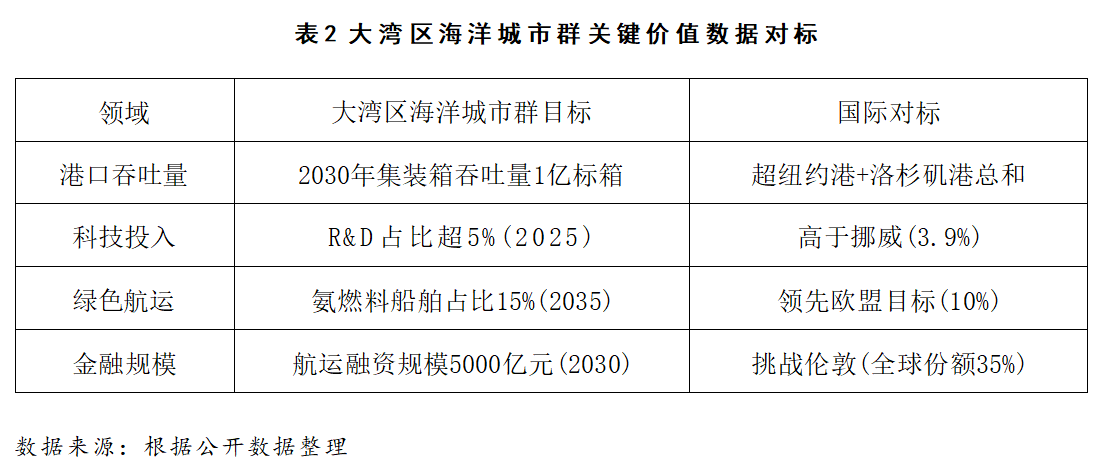
Core Viewpoint - The total scale of China's marine economy is projected to reach 10.54 trillion yuan in 2024, with a significant growth potential as the marine GDP for the first half of the year reached 5.1 trillion yuan, marking a year-on-year increase of 5.8% [1] Group 1: Marine Economy Development - The marine economy's growth is emphasized by the Central Financial Committee's recent meeting, which advocates for high-quality development and enhanced policy support [1] - There are over 150 bays larger than 10 square kilometers along China's 32,000-kilometer coastline, indicating vast potential for bay economic development [1] - The concept of marine city clusters is gaining traction, with cities like Shenzhen, Shanghai, and Guangzhou aiming to become global marine centers [1][3] Group 2: Collaborative Development - The marine city cluster model is characterized by port groups, marine industry chains, and collaborative networks among cities [3] - The Greater Bay Area's marine city cluster aims to leverage the strengths of Hong Kong, Shenzhen, and Guangzhou, creating a unique multi-center development pattern [4][10] - The collaboration is expected to enhance resource allocation efficiency and global competitiveness by reducing response times in marine technology and services [4] Group 3: Economic Goals and Comparisons - The Greater Bay Area aims for a container throughput of 100 million TEUs by 2030, surpassing the combined throughput of New York and Los Angeles ports [5] - Research and development investment is targeted to exceed 5% by 2025, outpacing Norway's 3.9% [5] - The marine economy's leading city is Shanghai, with a marine GDP projected to reach 1,138.7 billion yuan in 2024, followed by Tianjin and Qingdao [9] Group 4: Infrastructure and Innovation - The integration of cities like Shenzhen, Hong Kong, and Guangzhou is facilitated by infrastructure projects such as the Shenzhen-Zhongshan Link, significantly reducing travel times [15] - The establishment of marine universities and research institutions is crucial for fostering innovation in marine technology [16] - Shenzhen is actively working on creating a specialized marine university to support its marine economy [16] Group 5: Legal and Institutional Framework - Recent initiatives support the establishment of an international maritime arbitration center in Shenzhen, enhancing its role in maritime legal services [17] - The Greater Bay Area is positioned as a testing ground for innovative marine governance models under the "one country, two systems" framework [16]
“海洋大数据”掘金新基建赛道 减灾、降本潜力释放
Zhong Guo Jing Ying Bao· 2025-08-11 16:05
Group 1 - The construction of marine data centers has been included in the national new infrastructure initiative, focusing on marine observation data services [1] - The marine big data industry is gaining attention, providing integrated data services for national marine meteorological forecasting, offshore fishery safety, and maritime route planning [1] - The integration of marine data resources has effectively reduced offshore wind power operation and maintenance costs by 15% through high-precision numerical forecasting models [1] Group 2 - Tsunami forecasting is a critical application of wave forecasting, requiring high data volume and real-time capabilities, but its accuracy is lower than that of typhoon forecasting [2] - There is a need to strengthen the connection between marine big data and industry, establishing clear industrial support capabilities and service models [2] - The emphasis on high-quality development of the marine economy has been highlighted by national leadership, with systematic deployment for promoting marine economic growth [2]
向大海 要健康|聚焦海洋经济高质量发展·一线见闻①
Zhong Guo Zi Ran Zi Yuan Bao· 2025-08-08 01:59
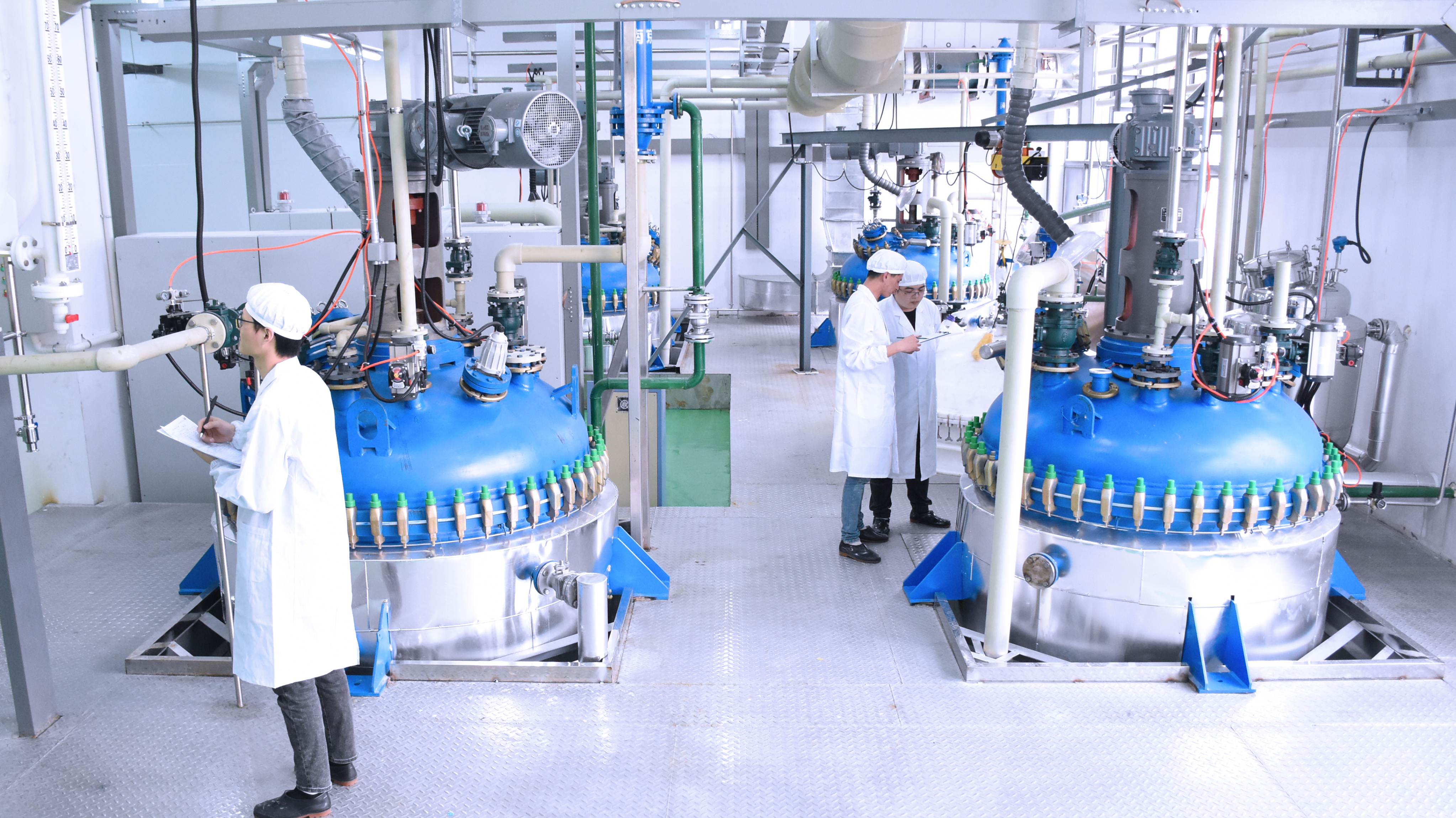
Core Insights - The article highlights the advancements in marine biotechnology, particularly in the development of marine drugs and bioproducts, which have significantly contributed to the high-quality development of the marine economy in China [1][5][17] - The achievements of the Third Institute of Oceanography include nearly 50 successful applications of research results in the past five years, generating a value addition of 3 billion yuan for enterprises [1][5] Marine Drug Development - The Third Institute of Oceanography has developed high-purity chitosan drugs from shrimp and crab shells, with a purity exceeding 99%, overcoming previous technological limitations [5][6] - The collaboration between the institute and Xiamen Blue Bay Technology Co., Ltd. has led to the successful commercialization of the highest purity chitosan products globally, with the Blue Bay glucosamine capsules set to be launched in May 2024 [5][11] Marine Biological Resources - The institute houses the world's largest marine microbial strain library, with over 50,000 strains and a significant number of newly discovered compounds, showcasing the potential of marine resources for high-end biological products [6][12] - The unique marine environment fosters diverse microorganisms that can withstand extreme conditions, making them valuable for various applications [6][12] Technology Transfer and Innovation - The institute has established a public service platform for marine biological industrialization, facilitating the transition from laboratory results to production, which significantly increases the success rate of industrialization [12][17] - The presence of "technology special commissioners" has been instrumental in addressing challenges in the technology transfer chain, ensuring effective collaboration between researchers and enterprises [12][11] Agricultural Applications - The development of marine oligosaccharide bioproducts has enhanced rice yields and disease resistance in various regions, demonstrating the agricultural potential of marine biotechnology [15][16] - The application of marine-derived probiotics has led to the successful launch of several functional food products, reducing reliance on foreign patents and materials [10][11] Talent and Institutional Support - The institute has revised its management policies to incentivize talent retention and enhance the motivation of researchers involved in technology transfer, thereby strengthening the innovation ecosystem [17][18] - A series of institutional innovations have been implemented to improve the evaluation mechanisms for scientific achievements, fostering a culture of innovation and collaboration [17][18]
总量稳步增长、结构持续优化 海洋经济动能澎湃
Jing Ji Ri Bao· 2025-08-06 01:59
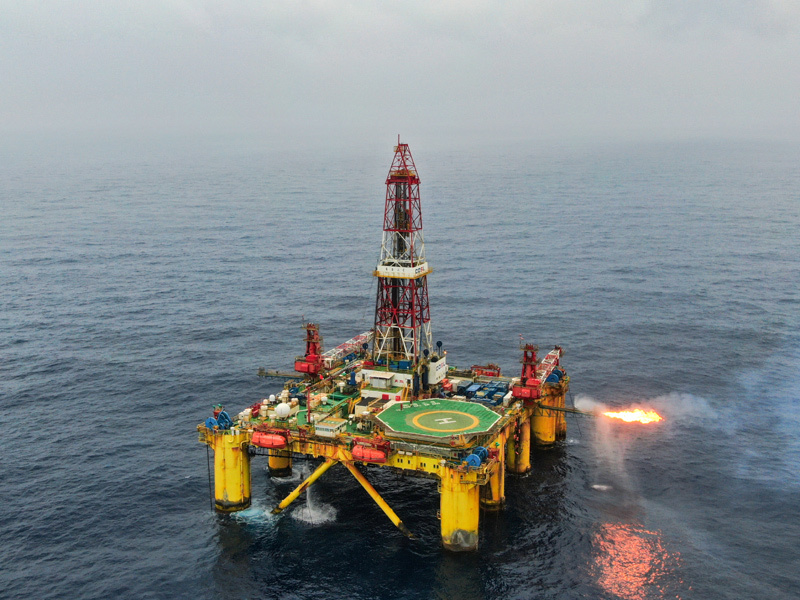
Core Viewpoint - The development of China's marine economy is showing a steady upward trend in the first half of the year, with a marine GDP of 5.1 trillion yuan, reflecting a year-on-year growth of 5.8% [1] Group 1: Industry Structure Optimization - China's marine shipbuilding industry maintains a leading position in the international market, with new orders, completed orders, and hand-held orders accounting for 64%, 47.2%, and 57.6% of the global total, respectively [2] - The marine tourism market is experiencing growth, with an added value of 771.8 billion yuan, representing an 8% year-on-year increase [2] - The number of cruise passengers and cruise ship calls increased by 40.1% and 33.7%, respectively, compared to the previous year [2] Group 2: Emerging Marine Industries - The marine engineering equipment market continues to lead globally, with new orders, delivered orders, and hand-held orders accounting for 64.6%, 43.3%, and 62.6% of the international market share, respectively [3] - Significant advancements in marine technology include the delivery of large-scale aquaculture vessels and innovations in desalination technology [3] Group 3: Resource Security Enhancement - The discovery of the Huizhou 19-6 oil field in the South China Sea indicates significant exploration potential, with geological reserves exceeding 100 million tons of oil equivalent [4] - Marine oil and gas production increased by 2.3% and 16.9%, respectively, in the first half of the year [4] - The newly approved marine area increased by 167,000 hectares, a year-on-year growth of 25.2%, with investments exceeding 500 billion yuan [4] Group 4: Food and Water Resource Security - The domestic marine aquaculture production increased by 4.8%, with seawater aquaculture production rising by 5.6% [5] - The completion of a 100,000 tons per day seawater desalination project enhances the country's desalination capacity [5] Group 5: Technological Innovation - The establishment of the National Marine Comprehensive Test Field (Deep Sea) in Hainan aims to support deep-sea technology and industry development [7] - Significant progress in deep-sea detection and resource development technologies has been made, including the launch of the "Deep Sea No. 1" gas field project [7] Group 6: Marine Foreign Trade - The total import and export volume of marine trade increased by 1.1% year-on-year, with high-end, intelligent, and green marine products showing strong export growth [8] - The construction of smart green ports is accelerating, with 23 automated container terminals and 29 automated bulk cargo terminals established [8] Group 7: Economic Outlook - A majority of marine economy-related enterprises reported growth in revenue, profit, and R&D expenditure, with 87.6% of companies optimistic about the economic environment for the second half of the year [9] - The Central Financial Committee's meeting emphasized the need for continuous technological innovation and optimization of industrial layout to promote high-quality development of the marine economy [9]
上半年我国海洋经济动能澎湃
Jing Ji Ri Bao· 2025-08-06 00:31
Core Insights - The marine economy in China is showing a stable and positive development trend in the first half of the year, with a marine production value of 5.1 trillion yuan, representing a year-on-year growth of 5.8% [1] Industry Structure Optimization - The marine shipbuilding industry in China maintains a leading international market share, with new orders, completed orders, and hand-held orders accounting for 64%, 47.2%, and 57.6% of the global total, respectively [2] - The marine tourism sector has also seen growth, with an added value of 771.8 billion yuan, up 8% year-on-year, and a significant increase in cruise tourism, with passenger numbers and cruise trips growing by 40.1% and 33.7%, respectively [2] Emerging Marine Industries - The marine engineering equipment market continues to lead globally, with new orders, delivered orders, and hand-held orders accounting for 64.6%, 43.3%, and 62.6% of the international market share [3] - Innovations in marine biotechnology are advancing, with the launch of the "Sea Star Model" for marine drug research and significant progress in seawater desalination technologies [3] Resource Security Enhancement - The discovery of the Huizhou 19-6 oil field in the South China Sea indicates significant exploration potential, with geological reserves exceeding 100 million tons of oil equivalent [4] - Marine oil and gas production has increased, with crude oil and natural gas output rising by 2.3% and 16.9%, respectively [4] - The capacity for marine clean energy has improved, with offshore wind power generation increasing by 2.2% and new grid-connected capacity rising by 199.4% [4] Food and Water Resource Security - The construction of the "Blue Granary" has led to a 4.8% increase in marine product output, with seawater aquaculture production growing by 5.6% [5] - The completion of a 100,000 tons/day seawater desalination project enhances the capacity for freshwater supply [5] Technological Innovation Achievements - The establishment of the National Marine Comprehensive Test Field (Deep Sea) in Hainan aims to support deep-sea technology and industry development [7] - Significant advancements in deep-sea detection and resource development technologies have been made, including the launch of the "Deep Sea One" gas field project [7] Marine Foreign Trade Stability - Marine foreign trade has shown resilience, with a 1.1% year-on-year increase in shipping import and export volume [8] - The construction of smart green ports is accelerating, with 23 automated container terminals and 29 automated bulk terminals established [8] Business Outlook - A survey indicates that 87.6% of marine economy-related enterprises expect stable or growing profits in the second half of the year, with significant increases in R&D funding and personnel [9] - The Central Financial Committee's recent meeting emphasized the need for high-quality development in the marine economy, focusing on technological innovation and market vitality [9]
海洋经济动能澎湃
Jing Ji Ri Bao· 2025-08-05 22:05
Core Viewpoint - The development of China's marine economy is showing a steady upward trend in the first half of the year, with a marine GDP of 5.1 trillion yuan, reflecting a year-on-year growth of 5.8% [1] Group 1: Industry Structure Optimization - China's marine shipbuilding industry maintains a leading position in the international market, with new orders, completed orders, and hand-held orders accounting for 64%, 47.2%, and 57.6% of the global market, respectively [2] - The marine tourism sector has seen significant growth, with an added value of 771.8 billion yuan, representing an 8% year-on-year increase [2] - The number of cruise passengers and cruise ship calls increased by 40.1% and 33.7%, respectively, indicating a strong recovery in the cruise tourism market [2] Group 2: Emerging Marine Industries - The marine engineering equipment market continues to lead globally, with new orders, delivered orders, and hand-held orders accounting for 64.6%, 43.3%, and 62.6% of the international market [3] - Innovations in marine technology include the delivery of a 150,000-ton large aquaculture vessel and advancements in desalination technology [3] Group 3: Resource Security Enhancement - The discovery of the Huizhou 19-6 oil field in the South China Sea has confirmed geological reserves exceeding 100 million tons of oil equivalent [4] - Marine oil and gas production increased by 2.3% and 16.9%, respectively, in the first half of the year [4] - The capacity for marine clean energy has improved, with offshore wind power generation increasing by 2.2% and new grid-connected capacity rising by 199.4% [4] Group 4: Food and Water Resource Security - The domestic marine aquaculture production increased by 4.8%, with seawater aquaculture production rising by 5.6% [5] - The completion of a 100,000-ton/day seawater desalination project enhances the capacity for freshwater supply [5] Group 5: Technological Innovation Achievements - The establishment of the National Marine Comprehensive Test Field (Deep Sea) in Hainan aims to support deep-sea technology and industry development [7] - Significant progress in deep-sea detection and resource development technologies has been made, including the launch of the "Deep Sea No. 1" gas field project [7] Group 6: Marine Foreign Trade Stability - The total import and export volume of marine shipping increased by 1.1% year-on-year, indicating resilience in foreign trade [8] - The construction of smart green ports is accelerating, with 23 automated container terminals and 29 automated bulk cargo terminals established [8] Group 7: Business Outlook and Growth - A survey indicates that 87.6% of marine economy-related enterprises expect stable or growing profits in the second half of the year [9] - The Central Financial Committee's meeting emphasized the need for continuous technological innovation and optimization of industrial layout to promote high-quality development of the marine economy [9]
深圳市前海深港现代服务业合作区——向前向海 生机勃勃
Jing Ji Ri Bao· 2025-08-04 01:25
Core Viewpoint - The development of the marine economy in the Qianhai Shenzhen-Hong Kong Modern Service Industry Cooperation Zone is accelerating, with significant advancements in various sectors including AI unmanned vessels, marine tourism, and smart port operations [1][3][10]. Marine Industry Innovation - The first AI unmanned vessel "Haiqing No. 1" has successfully started operational testing in Qianhai Bay, marking a breakthrough in collaborative innovation between Shenzhen and Hong Kong [3]. - Shenzhen Zhongyuan Shipping Digital Technology Co., Ltd. has made significant progress in smart navigation, developing an electronic chart engine and a meteorological navigation system to enhance ship navigation and risk management [4]. - Qianhai has attracted over 9,000 marine-related enterprises and established 13 marine technology innovation platforms, indicating a robust growth in the marine industry [5]. Smart Port and Shipping Upgrades - The smart transformation of ports is injecting new vitality into the marine economy, with the Dalanwan Port accelerating its transition to a green and intelligent port, aiming for 100% new energy equipment by August [7]. - From January to June, the export value of lithium-ion battery energy storage cabinets from Dalanwan Port reached 2.241 billion, a year-on-year increase of 642.05% [8]. - Qianhai has registered 10 international vessels under the "China Qianhai" flag, with significant leasing projects totaling over 16 billion [9]. Marine Tourism Development - The "Sea View Bay Area" project has launched various marine tourism routes, enhancing cross-border tourism between Shenzhen and Hong Kong [11][12]. - The Shenzhen Bay Sailing Sports Center has become a new landmark for water sports in the Bay Area, promoting yacht industry connectivity [11]. - The Shenzhen International Cruise Home Port has established itself as a key maritime hub, with a significant increase in international cruise passengers expected in 2024 [12]. Future Development Plans - Qianhai aims to explore high-quality development paths in the marine economy, focusing on deep-sea technology, smart shipping, and green port operations [13].