
军国主义

Search documents
世界周刊丨上任满月频挑衅 高市早苗暴露日本“危险转向”
Yang Shi Xin Wen· 2025-11-24 08:37
Core Viewpoint - The recent provocative statements made by Japanese Prime Minister Sanna Takashi regarding Taiwan and historical issues have sparked strong protests from neighboring countries, particularly China, raising concerns about Japan's strategic direction and the resurgence of militarism [1][10][38]. Group 1: Public Protests - Thousands of protesters gathered in front of the Japanese Prime Minister's residence demanding the retraction of Takashi's controversial statements [2]. - Protesters held signs calling for Takashi's resignation, expressing their opposition to her war-provoking rhetoric and urging adherence to the constitution [4][8]. - Continuous protests have been reported across Japan, with citizens expressing their unease about the government's militaristic tendencies [6][9]. Group 2: Government Actions and Statements - Takashi has reiterated her stance on Japan's strategic relationship with China while refusing to retract her statements regarding Taiwan, which have been deemed provocative [5]. - The Japanese government has been criticized for its increasing militarization, including discussions on modifying the "Three Non-Nuclear Principles" and expanding defense budgets [15][21]. - Japan's recent arms exports, including the sale of "Patriot" missiles to the U.S., mark a significant shift in its defense policy [14]. Group 3: International Reactions - The United Nations has reaffirmed its stance on Taiwan, emphasizing that it remains a part of China, countering Japan's provocative claims [11][13]. - China's Foreign Ministry has warned that any military intervention by Japan in the Taiwan Strait would be considered an act of aggression [21][24]. - Concerns have been raised by international observers regarding Japan's potential return to militarism, reminiscent of its wartime past [38]. Group 4: Economic Implications - The backlash against Takashi's statements has led to a significant decline in Chinese tourist bookings to Japan, which could negatively impact Japan's economy [22]. - Economic analysts predict that a drop in Chinese tourism could reduce Japan's GDP by 0.36%, resulting in an estimated economic loss of 2.2 trillion yen (approximately 100 billion RMB) [22]. - The deteriorating relations with China are expected to have broader economic repercussions, affecting various sectors in Japan [22].
视频丨多国人士:高市错误言论挑衅国际正义 危害深重
Yang Shi Xin Wen Ke Hu Duan· 2025-11-24 07:38
Core Viewpoint - Recent remarks by Japanese Prime Minister Sanae Takaichi regarding Taiwan have sparked widespread criticism, with many international figures asserting that her statements challenge international justice and undermine the post-war international order [1][3][4]. Group 1: International Reactions - Russian State Duma member Maria Butina stated that Takaichi's comments attempt to challenge historical agreements established post-World War II, with many countries, including Russia, condemning such actions as intolerable [3]. - Tanzanian scholar Marcus Albani highlighted that Japan's efforts to strengthen ties with NATO and expand its influence in the Asia-Pacific region contradict the One China principle and threaten regional stability [4]. - British Asia-Pacific studies scholar Jenny Craig emphasized that documents like the Cairo Declaration are foundational to post-war peace, and ignoring these historical contexts undermines global peace efforts [6]. Group 2: Historical Context and Implications - Craig also noted that Takaichi's remarks are not isolated incidents but are linked to her frequent visits to the Yasukuni Shrine and Japan's accelerating militarization, indicating a lack of genuine reflection on wartime atrocities [6]. - William Jones, an expert on international issues, warned that Takaichi's statements reflect a resurgence of militarism and expansionism, posing risks to post-war global prosperity and stability [6]. - Senegal's official media criticized Takaichi's comments as provocative and in violation of international law, diverging from historical facts and global consensus [6].


三问日本右翼丨高市早苗的右翼立场从何而来?
Yang Guang Wang· 2025-11-21 10:50
Core Viewpoint - The recent statements made by Japanese Prime Minister Sanae Takaichi regarding Taiwan reflect a dangerous shift in Japan's political landscape, influenced by rising right-wing ideologies and her own extreme views [1][6]. Group 1: Background and Ideological Roots - Takaichi's right-wing stance can be traced back to her upbringing in a conservative household that emphasized loyalty to the emperor and military nationalism [3]. - Her political ideology was further shaped during her time at the Matsushita Institute of Government and Management, a breeding ground for right-wing politicians in Japan [3]. - Takaichi's opposition to acknowledging Japan's wartime atrocities dates back to her early political career, indicating a long-standing commitment to revisionist history [2][4]. Group 2: Political Career and Actions - Takaichi's political career began in 1993, and she has consistently shifted to the right, gaining attention from influential figures like Shinzo Abe [4]. - Her actions, such as visiting the Yasukuni Shrine and denying historical events like the Nanjing Massacre, have solidified her reputation as a right-wing politician [4][5]. - The recent election of Takaichi as Prime Minister was marked by compromises with right-wing factions within her party, reflecting the current political climate in Japan [5][6]. Group 3: Implications for Japan's Foreign Policy - Takaichi's statements regarding Taiwan suggest a potential shift away from Japan's post-war pacifist policies, indicating a willingness to adopt a more confrontational stance towards China [6][7]. - The Japanese government is reportedly considering revisions to its national security strategy, which may include increasing defense spending and altering its nuclear policy [6]. - Takaichi's approach may lead to heightened tensions in the region and a departure from Japan's traditional diplomatic stance, as she seeks to consolidate her political support domestically [7].
日本首次出口杀伤性武器,外交部回应
Zhong Guo Ji Jin Bao· 2025-11-21 09:58
Core Viewpoint - Japan has recently exported lethal weapons for the first time after relaxing its arms export restrictions, which raises concerns about a potential return to militarism and the violation of post-war commitments [1][2] Summary by Sections Japan's Arms Export Policy - Japan has completed its first export of lethal weapons, specifically the "Patriot" air defense missiles, following the relaxation of its arms export policy [1] - The Japanese government is discussing amendments to three security treaty documents, including changes to the "Three Non-Nuclear Principles" and increasing defense spending [1] International Response - China's Foreign Ministry spokesperson, Mao Ning, emphasized that if Japan attempts to revert to militarism and abandon its commitment to peaceful development, it will face opposition from both the Chinese people and the international community [2] - Mao pointed out that post-World War II international legal documents clearly outline Japan's obligations as a defeated nation, including complete disarmament and the prohibition of maintaining military industries that could lead to rearmament [1] Military Expansion Concerns - Japan's defense budget has seen a continuous increase for thirteen consecutive years, and the country has enacted new security laws to allow for collective self-defense [1] - The modification of Japan's "Three Principles on Arms Exports" to "Principles on Defense Equipment Transfers" indicates a significant relaxation of arms export restrictions, culminating in the export of lethal weapons [1]
日本首次出口杀伤性武器,外交部回应
中国基金报· 2025-11-21 09:33
Core Viewpoint - Japan's recent decision to export lethal weapons marks a significant shift in its defense policy, raising concerns about a potential return to militarism and the violation of post-war commitments [1][2]. Group 1: Japan's Defense Policy Changes - Japan has completed its first export of lethal weapons following the relaxation of its arms export restrictions, specifically the sale of "Patriot" missile systems to the United States [1]. - The Japanese government is discussing amendments to three security treaties, which may include changes to the "Three Non-Nuclear Principles" and an increase in defense spending [1]. - Japan's defense budget has seen a continuous increase for thirteen consecutive years, indicating a trend towards military expansion [1]. Group 2: International Reactions and Implications - The Chinese government has expressed strong opposition to Japan's military expansion, warning that any attempt to revert to militarism will ultimately fail and will not be accepted by the international community [2]. - Historical documents such as the Cairo Declaration and the Potsdam Proclamation outline Japan's obligations as a defeated nation, which include complete disarmament and restrictions on military capabilities [1].

外交部回应日本首次出口杀伤性武器:如果想重走军国主义老路,最终只能以失败告终
Xin Hua She· 2025-11-21 08:42
Group 1 - Japan has recently completed its first export of lethal weapons following the relaxation of its arms export policy, specifically selling "Patriot" air defense missiles to the United States [1][2] - The Japanese government is discussing amendments to three security treaties, which may include changes to the "Three Non-Nuclear Principles" and an increase in defense spending [1] - Japan's defense budget has seen a continuous increase for thirteen consecutive years, indicating a trend towards military expansion and a shift from its post-war pacifist stance [1] Group 2 - The Chinese government has expressed strong opposition to Japan's military expansion, warning that any attempt to revert to militarism would be met with resistance from both the Chinese people and the international community [2] - Japan's actions are perceived as a breach of post-war international agreements that mandated its disarmament and restricted its military capabilities [1][2] - The ongoing discussions in Japan regarding nuclear policy and defense strategies suggest a potential shift towards a more aggressive military posture, raising concerns about regional stability [1]
外交部:如果日本想重走军国主义老路 最终只能以失败告终
Ren Min Ri Bao· 2025-11-21 07:49
Core Viewpoint - Japan is increasingly expanding its military capabilities and loosening restrictions on arms exports, raising concerns about its intentions and potential return to militarism after World War II [1] Group 1: Japan's Military Expansion - Japan has completed the return of "Patriot" air defense missiles to the United States, marking its first export of lethal weapons since relaxing arms export restrictions [1] - The Japanese government has been increasing its defense budget for thirteen consecutive years and has enacted new security laws to allow collective self-defense [1] - Japan is modifying its "Three Principles on Weapons Exports" to the "Three Principles on Defense Equipment Transfers," further easing arms export limitations [1] Group 2: Nuclear Policy and International Relations - Japan claims to aim for a world without nuclear weapons while simultaneously strengthening "extended deterrence" cooperation and seeking to amend its "Three Non-Nuclear Principles" [1] - The potential modification of these principles could facilitate Japan's pursuit of "nuclear sharing" arrangements, which raises alarms about its commitment to peace [1] - The actions taken by Japan suggest a move away from its post-war pacifism and a shift towards rearmament, prompting questions about its future intentions [1]
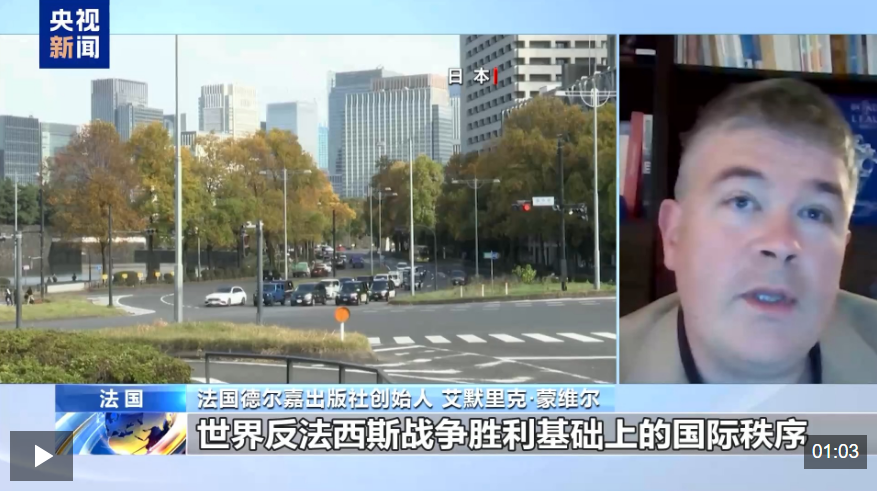
视频丨国际人士:高市早苗错误言论挑战当今国际秩序
Yang Shi Xin Wen Ke Hu Duan· 2025-11-21 07:47
Core Viewpoint - Recent remarks by Japanese Prime Minister Sanae Takaichi regarding Taiwan have sparked widespread criticism, with international figures suggesting that her statements challenge the current international order and pose risks to peace and security in the Asia-Pacific region [1][3][5][6] Group 1: International Reactions - International experts assert that Takaichi's comments are irresponsible and could exacerbate conflicts, potentially reviving militarism and expansionism in Japan [3][5] - Critics emphasize that Takaichi's statements represent a blatant interference in China's internal affairs, which the international community is unlikely to accept [5] - The Japanese economic sector has expressed opposition to Takaichi's remarks, indicating that such rhetoric could strain economic relations between Japan and China, ultimately harming Japan more than China [6] Group 2: Historical Context - Commentary from international figures highlights that Takaichi's statements seem to challenge the international order established after the victory in the World Anti-Fascist War, suggesting a revival of militaristic ideologies in Japan [3]
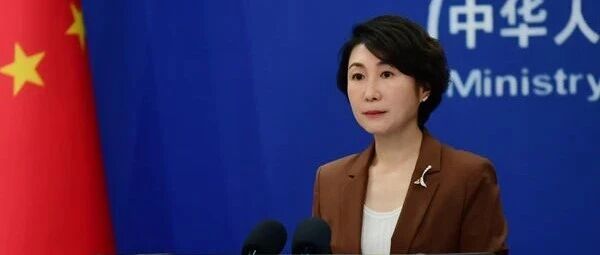
外交部:如果日本想重走军国主义老路,最终只能以失败告终
第一财经· 2025-11-21 07:39
Core Viewpoint - The Chinese government, represented by Foreign Ministry spokesperson Mao Ning, firmly opposes Japan's potential return to militarism and emphasizes that such actions would violate commitments to peaceful development and disrupt the post-war international order [1] Group 1 - If Japan attempts to revert to militaristic policies, it will face resistance from the Chinese people and the international community [1] - The consequences of Japan's militaristic ambitions are predicted to end in failure [1]
俄罗斯呼吁铭记纽伦堡审判历史意义
Xin Hua She· 2025-11-20 16:19
Core Points - The international scientific and practical forum titled "No Statute of Limitations: 80th Anniversary of the Nuremberg Trials" opened in Moscow to commemorate the historical significance and principles of the Nuremberg Trials [1] - Russian President Putin emphasized that the principles established by the Nuremberg Trials remain applicable today and are crucial in resisting attempts to distort historical facts and addressing current global challenges [1] - Russian Foreign Minister Lavrov highlighted the significant impact of the Nuremberg Trials on the post-war international legal system and criticized the West for tending to "forget" the conclusions of the Nuremberg Trials and the lessons of World War II [1] - The Nuremberg Trials are recognized for opposing Nazism, extreme nationalism, and militarism, and are considered foundational to the post-war international order alongside other historical events like the Yalta Conference and the Tokyo Trials [1] Historical Context - The Nuremberg Trials were established on November 20, 1945, by the United States, the Soviet Union, the United Kingdom, and France in Nuremberg, Germany, to hold Nazi war criminals accountable for their crimes against humanity [2] - A total of 24 major war criminals were tried, including Hermann Göring, with 10 sentenced to death by hanging [2]