
智慧养老

Search documents
“静美焕新·乐龄风尚”2025静安敬老月启动仪式 暨上海静安银发时尚生活节开幕
Di Yi Cai Jing· 2025-10-17 06:36
Core Points - The event "2025 Shanghai Jing'an Silver Fashion Life Festival" focuses on enhancing the quality of life and spiritual needs of the elderly population, aligning with the city's initiatives for elder care [1][2] - The festival features over 30 enterprises and institutions related to the silver economy, promoting a new lifestyle concept for the elderly through various activities [1][2] - The launch of the "Leisure Home" mini-program marks a digital transformation in elderly care services, offering comprehensive online support for health and service management [3] Group 1 - The "Jingmei Huaxin · Leisure Style" event took place from October 16 to 19, 2025, at Jing'an MOHO, with key officials in attendance [1][2] - The event includes a fashion show featuring elderly models, showcasing the elegance and positive attitude of the silver generation [2] - The "Law Warm Sunset" community service brand was introduced, extending legal services to local communities to protect the rights of the elderly [2] Group 2 - Jing'an District has a senior population exceeding 42%, indicating a significant aging demographic that presents both challenges and opportunities [4] - The district has implemented innovative elder care models, such as the "Five Bed Linkage" healthcare integration model, and has launched the "Jing Neighbor Elderly Consultant Service Point" initiative [4] - The festival combines traditional elder care activities with modern consumption trends, aiming to stimulate the silver economy and enhance the well-being of the elderly [4]
泰康之家:让“享老”成为一场有尊严的生活艺术
Qi Lu Wan Bao· 2025-10-14 03:45
Core Insights - The article highlights the concept of "vibrant elderly care" promoted by Taikang Home, emphasizing not only the provision of housing but also the engagement in learning and enjoyment for the elderly [1][16] Group 1: Community and Resident Engagement - Taikang Home's Wu Garden has seen a continuous increase in resident numbers since its opening in 2019, currently housing over 1,200 residents [1] - Residents express satisfaction with the community, describing it as a place where they can enjoy life together, akin to returning to school in their later years [1] Group 2: Medical and Health Integration - Taikang Home has established a "medical-nursing integration" model, providing continuous services from health assessment to chronic disease management and palliative care [4] - The Wu Garden community features a rehabilitation hospital and a professional care team, ensuring comprehensive health management for each resident [3][4] Group 3: Technological Innovations - The community utilizes Taikang's self-developed "smart care system," which includes various safety and health monitoring devices, enhancing the living experience for the elderly [9] - Over 8,500 "smart sound boxes" have been distributed nationwide, facilitating health management through AI-driven solutions [9] Group 4: Cultural and Recreational Activities - Wu Garden offers a variety of courses and activities, including singing, painting, and health workshops, with a total of 536 large-scale events held over five years [10] - The community has established a volunteer system with over 100 residents, allowing them to share their knowledge and experience through public service [10] Group 5: National Network and Ecosystem - Since the opening of its first community in 2015, Taikang Home has expanded to 46 projects across 37 cities, serving over 18,000 residents [14] - The company collaborates with nearly 50 universities to train professional caregivers, fostering a comprehensive ecosystem that integrates elderly care, medical services, and technology [14][15]

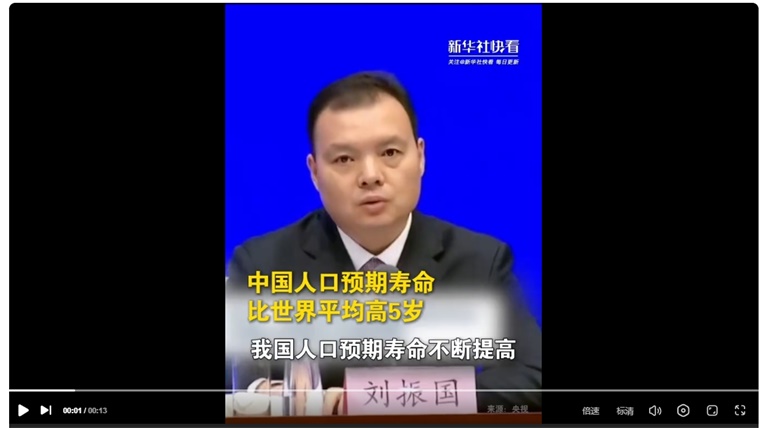
民政部副部长刘振国:中国人口预期寿命提高至79岁,比世界平均水平高了5岁【附养老产业市场分析】
Qian Zhan Wang· 2025-10-12 07:14
Core Insights - The life expectancy in China is projected to reach 79 years during the 14th Five-Year Plan, an increase of 1.07 years from 2020, surpassing the global average by 5 years [1] - The aging population is rapidly increasing, with projections indicating that by the end of 2024, the population aged 60 and above will reach 310 million, accounting for 22% of the total population [3] - The elderly population is expected to grow significantly, with the proportion of those aged 65 and above reaching 15.6% by 2024 [3] Aging Population Trends - The aging trend in China is characterized by both absolute growth in the elderly population and structural changes, with the population aged 60 and above reaching 264 million in 2020, representing 18.7% of the total population [3] - The period from 2021 to 2040 is predicted to be a "high-speed growth period" for the aging population, leading to increased healthcare burdens due to chronic diseases [3] - The prevalence of chronic diseases among those aged 65 and above has consistently exceeded 50% from 2013 to 2018, with a 15.3% increase over five years [3] Elderly Care Demand - The demand for elderly care is growing, but the current care structure in China, based on the "9073" model, is not fully developed, with home care accounting for 96% of the market, community care at 3%, and institutional care at 1% [4] - The existing elderly care market is unable to meet the increasing needs of the elderly population [4] Growth of the Elderly Care Industry - The Chinese elderly care market reached 13 trillion yuan in 2022 and is expected to exceed 19.5 trillion yuan by 2029, driven by the aging trend and the awakening of middle-class awareness regarding elderly care [8] - There is a shift in elderly care from basic living assistance to personalized health management and integrated services, reflecting the rising expectations for quality elderly care [8] Policy and Technological Integration - The transition from family-based care to socialized elderly care is underway, with calls for policy support, a layered service system, precise service content, and the integration of smart technology [10] - The "Smart Health and Elderly Care Industry Development Action Plan (2021-2025)" has been issued, emphasizing the strategic importance of smart elderly care [10] - Digital technologies are reshaping the elderly care industry, with applications such as health monitoring devices, AI for resource matching, and VR for enhancing cultural experiences for the elderly [10]
陕西:绘就最美“夕阳红”
Shan Xi Ri Bao· 2025-10-08 22:33
Core Insights - The article highlights the efforts of communities in Shaanxi province to create elderly-friendly environments, addressing the challenges posed by an aging population through various innovative services and community engagement [1][9][10] Group 1: Community Initiatives - The Shishugou community in Tongchuan City has implemented a "silver-haired delivery service" to ensure elderly residents receive timely meals, showcasing a commitment to elder care [1] - The community has developed a service system led by party building, integrating cultural activities and shared services to enhance the quality of life for seniors [3][4] - The community has transformed its infrastructure, improving roads and public transport, and offering various cultural and recreational activities for the elderly [4] Group 2: Individual Stories - Residents like 70-year-old Zhu Fengying and 73-year-old Xu Chonglin actively participate in community activities, indicating a desire for engagement beyond basic needs [2] - Community leaders like He Zhanning and Deng Jumei exemplify dedication to improving the lives of elderly residents through hands-on initiatives, such as providing affordable meals and safety enhancements in homes [5][7] Group 3: Broader Trends - Shaanxi province has created 109 national model elderly-friendly communities, each with unique approaches to elder care, such as smart elderly services and personalized care models [10] - The province's initiatives reflect a shift from basic service provision to a more nuanced understanding of elderly needs, emphasizing both physical infrastructure and emotional well-being [9][10]
农行黑龙江分行科技赋能智慧养老 构筑龙江银发金融新生态
Zhong Guo Jin Rong Xin Xi Wang· 2025-09-30 05:39
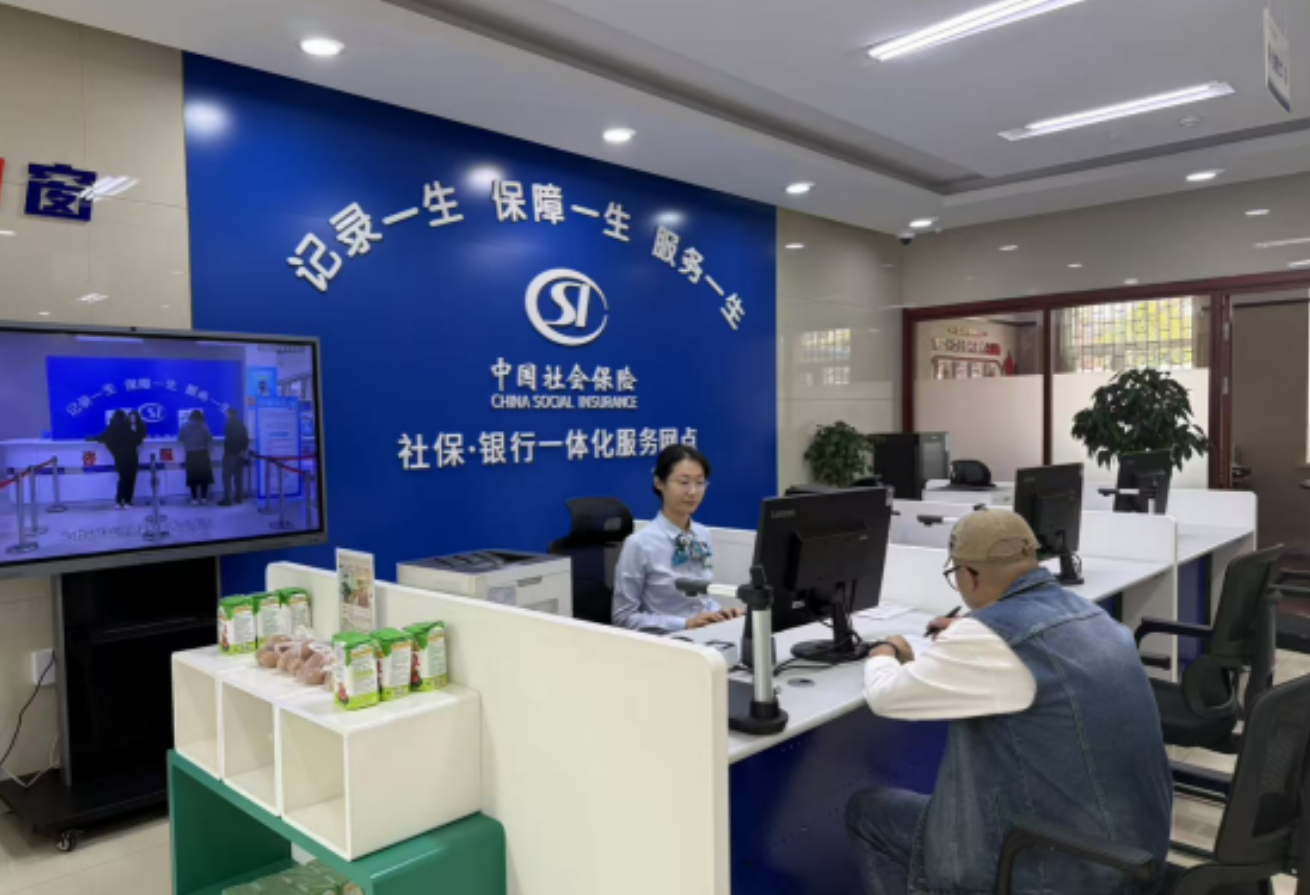
转自:新华财经 在积极应对人口老龄化国家战略背景下,农行黑龙江分行以科技创新为引擎,深入融合金融服务与养老场景,打造出覆盖政策响应、产业支持、民生服务的 全链条智慧养老金融体系,为龙江老年群体提供速度温度精度兼具的金融服务。 智慧核床系统全国首推 破解养老监管难题 近日,由农行黑龙江分行研发的全国首例智慧养老核床系统在大庆市正式上线。该系统运用AI人脸识别、大数据分析技术,将传统人工核床周期从数天压 缩至"秒级核算"。 "这个系统是5月份开始试运行的,刚开始我们都担心不好操作,但真正使用起来发现,这个系统太方便了,我们通过监控设备或者手持设备,扫脸就可以完 成核床工作,这大大减轻了工作量。"龙凤毅福颐养院的护士小张说。该养老院的试点数据显示,系统上线后机构管理效率可提升70%,财政资金使用效能 显著优化。 社银一体化服务领跑龙江 社保卡覆盖超千万 农行黑龙江分行持续夯实民生服务根基,以人社服务为基础,联动社保卡等社银合作,打造社保场景金融生态圈。今年7月,全省农行首家"社保·银行"一体 化服务站在牡丹江爱民支行正式营业,为市民打造了"15分钟社保便民服务圈"。2025年8月,农行黑龙江分行累计发放实体社保卡1 ...

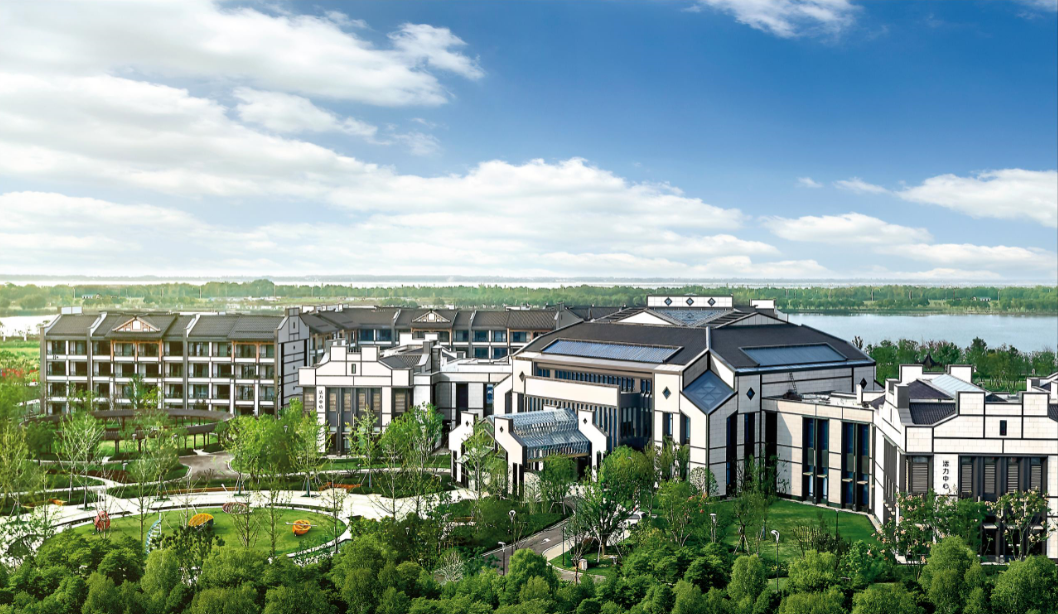
泰康模式塑造中国养老新生态
Zheng Quan Ri Bao Wang· 2025-09-30 03:11
Core Insights - The aging population in China is leading to a significant transformation in retirement living, with a projected 400 million people aged 60 and above by 2035, creating a silver economy worth 30 trillion yuan [1][2] - The demand for travel-based retirement living is increasing, with estimates suggesting that by the end of 2025, 1.005 billion elderly individuals will participate in domestic tourism [2] - The company, Taikang Insurance Group, has been proactive in the elder care sector since 2007, developing innovative solutions to meet the evolving needs of the aging population [1][3] Group 1: Demand for Travel-based Elder Care - The elderly population in China is expected to exceed 300 million by the end of 2024, with a growing proportion of affluent retirees [2] - Policies are being implemented to support the development of travel-based elder care, including the establishment of a "winter south, summer north" migratory retirement model in Beijing [2] - Taikang's new facility in Yunnan attracted nearly 700 reservations before its opening, indicating strong demand for specialized elder care communities [2] Group 2: Comprehensive Elder Care Service System - Taikang Insurance Group employs a "new life insurance" business model that integrates payment, service, and investment to create a comprehensive elder care service system [3] - The company has established a unique "one community, one hospital" model, ensuring medical services are integrated within its 27 operational communities [3] - Taikang operates a network of 27 communities across 24 cities, facilitating over 30,000 experiences in travel-based elder care services [3] Group 3: Innovative Service Extensions - The "Elder Care Network" model allows for high-quality elder care services to be delivered at home, enhancing the social elder care service network [4] - This model optimizes community-based support while integrating professional institutional care and medical services [4] Group 4: Redefining the Elderly Experience - The practices of Taikang reflect broader trends in elder care, emphasizing the integration of healthcare and technology to enhance service efficiency and reduce costs [5][6] - The company promotes a dual approach of inclusive and personalized services, catering to diverse needs within the elderly population [5] - Taikang's initiatives encourage social participation and lifelong learning, transforming elderly individuals from passive recipients of care to active contributors to society [6]
瑞众保险“居家养老+好家医”方案获认可,凸显康养创新实践成效
Huan Qiu Wang· 2025-09-29 10:55
养老问题不仅是重大社会课题,更是保险业必须答好的时代命题。 面对此,瑞众保险积极响应国家养老规划政策导向,创新推出"居家养老+好家医"一站式康养解决方 案。通过模式创新,瑞众保险构建了涵盖安全管家、生活管家、健康管家的三位一体养老管家服务,提 供医、食、住、行等超15项康养服务,致力于满足长者全养老周期需求,真正做到"找得到人、办得成 事、救得了急",推动养老金融服务向更高质量、更高水平发展。 三大核心能力,筑牢居家养老安全网 瑞众保险养老管家以"一键拉绳"智能设备为载体,该设备自带网电,续航可达2-3年,因此无网无电情 况下仍可报警。系统提供7×24小时人工值守服务,实现60秒内100%接通响应,确保老年用户在紧急情 况下第一时间获得帮助。 同时,瑞众保险创新建立的"确认安全-通知家人-协调救助"三级响应机制,实现了5类风险预警与8类体 征异常预测,秒级报警触发人工主动介入,覆盖紧急救援全流程。而且坐席呼叫还支持粤语、四川话等 12种方言,这一点对于习惯方言的长者来说尤其重要。 【环球网财经综合报道】近日,"2025·今日保年度保险与康养服务"评选活动落下帷幕,瑞众保险凭借 其创新打造的"居家养老+好家医" ...

悦心健康:公司计划通过技术创新和合作进一步拓展智慧养老场景
Zheng Quan Ri Bao Wang· 2025-09-25 11:11
Core Viewpoint - The company plans to expand its smart elderly care scenarios through technological innovation and collaboration [1] Group 1: Company Strategy - The company aims to enhance service quality and reduce management costs by utilizing intelligent devices focused on elderly care service applications [1]

悦心健康(002162) - 002162悦心健康调研活动信息20250925
2025-09-25 07:08
Group 1: Company Overview and Business Model - The company adopts a "medical care, health education, and research" integrated model for its health and wellness business, focusing on standardization and replicable light asset management [2] - Current operational projects include Shanghai Fengxian Jinhai Yuxin Nursing Home, Jiangsu Suqian Yuxin Sihong Health Center, and Zhejiang Wenzhou Longgang Medical and Health Education Research Demonstration Park [2][3] Group 2: Operational Capacity and Performance - The Shanghai Fengxian Jinhai Yuxin Nursing Home has approximately 310 approved beds, while the Jiangsu Suqian Yuxin Sihong Health Center has 220 beds, and the Zhejiang Wenzhou Longgang facility has 610 beds (350 for elderly care and 260 for nursing) [3] - The occupancy rate of the Shanghai Fengxian Jinhai Yuxin Nursing Home has reached over 95% since its operation began in October 2021, while the Zhejiang facility has achieved over 60% occupancy after one and a half years of operation [4] Group 3: Pricing Structure - The pricing for nursing institutions includes bed fees, nursing fees, meal fees, and value-added service fees, with the average monthly cost in Shanghai ranging from 4,000 to 8,000 RMB [5] Group 4: Technological Innovations - In April 2025, the company established a strategic partnership with Jinshi Robotics and Shanghai University to develop smart rehabilitation robots and enhance digital and intelligent services in elderly care [6] - The company is currently in the technology research and development phase, focusing on integrating smart technology into elderly care services [7] Group 5: Impact of Smart Technology - The introduction of smart devices aims to enhance service quality and reduce management costs in elderly care settings [8]
【咸阳】养老不离家 服务送上门
Shan Xi Ri Bao· 2025-09-23 22:56
Core Viewpoint - The city of Xianyang is advancing its elderly care services through the integration of smart technology and community-based support, aiming to transform traditional elderly care into a more enjoyable experience for seniors [1][4]. Group 1: Smart Elderly Care Initiatives - The establishment of the first "one-stop" elderly product display and experience center in Xianyang showcases various smart elderly care devices, enhancing the quality of home care for seniors [3]. - The "Huiyang Bangban" platform in Binzhou integrates local resources to provide on-demand services for elderly residents, ensuring a rapid response to their needs [5][6]. - Xianyang has built a comprehensive elderly care service network, including 46 care institutions, 205 community day care centers, and 850 rural mutual aid happiness homes, to support local elderly populations [6][7]. Group 2: Community Engagement and Support - The city promotes community-based elderly care by embedding medical services within neighborhoods, allowing for close and personalized care for seniors [6][7]. - The establishment of the first rural public canteen in Xianyang provides free meals for seniors, demonstrating community involvement and support for the elderly [7]. Group 3: Economic Development and Industry Integration - Xianyang is fostering the silver economy by establishing a collaborative platform involving government, enterprises, and educational institutions to enhance the elderly care industry [8]. - The city is actively promoting the development of local elderly care brands and has supported the establishment of 26 three-star or higher elderly care institutions [8][10]. - The "Silver Age Action" initiative encourages the active participation of seniors in community service, creating a positive interaction between the elderly's contributions and their care needs [9].