债务危机

Search documents
佳兆业上半年巨亏近110亿元,“不死鸟”能否再次实现翻盘?
Feng Huang Wang· 2025-08-22 05:40
Core Viewpoint - Kaisa Group, known as the "Phoenix" in the real estate sector, is expected to incur significant losses in the first half of 2025, with projected losses not exceeding 11 billion yuan, compared to 9 billion yuan in the same period of 2024 [1][2] Financial Performance - The company's losses for the first half of 2025 are anticipated to increase by nearly 2 billion yuan compared to the same period last year [2] - The primary reasons for the losses include a decrease in property deliveries leading to reduced recognized revenue and an increase in impairment provisions for property projects [2] Asset Management - Kaisa's "Nantianhui" project in Guangzhou was auctioned at a starting price of 2.723 billion yuan, significantly lower than its assessed value of 3.89 billion yuan, reflecting a 30% discount [3] - The auction was unsuccessful, with no bids placed, indicating potential challenges in asset liquidation [4] Debt Situation - Kaisa has faced liquidity crises in the past, with a notable incident in 2021 leading to a halt in the Nantianhui project and subsequent legal actions for debt recovery [5] - As of the end of 2024, Kaisa reported cash and bank deposits of approximately 2.39 billion yuan, a decrease of 29.7% from 3.401 billion yuan in 2023, and total borrowings of about 135.074 billion yuan, with a significant portion due within a year [7]
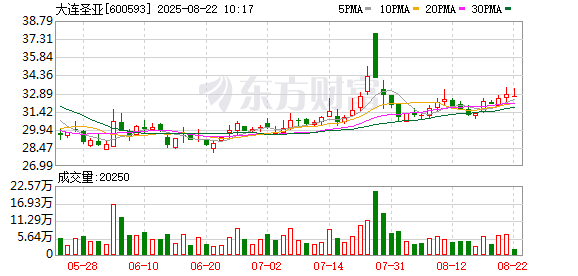
大连圣亚上半年净利暴跌229%,客流减少成主因
Xin Jing Bao· 2025-08-22 02:16
Core Viewpoint - Dalian Shengya, the only A-share listed company focused on marine theme parks in China, reported a significant decline in revenue and net profit for the first half of 2025, primarily due to decreased visitor numbers and various financial pressures [2][3][4]. Financial Performance - Dalian Shengya achieved a revenue of 186 million yuan, a year-on-year decrease of 7.43% [2] - The net profit attributable to shareholders was -15.9 million yuan, a decline of 229.45% [2] - The net profit after excluding non-recurring gains and losses plummeted by 97.95%, leaving only 188,400 yuan [2] - The gross margin fell to 48.76%, down 6.16 percentage points year-on-year [3] - The net margin was -4.76%, a decrease of 19.85 percentage points compared to the same period last year [3] - Basic earnings per share were -0.1234 yuan, a drop of 229.35% from 0.0954 yuan per share in the previous year [3] Operational Challenges - The decline in visitor numbers significantly impacted revenue from ticket sales and related businesses at Dalian and Harbin scenic spots, with revenues from scenic operations, animal operations, and commercial operations dropping by 4.67%, 62.16%, and 18.46% respectively [3] - The company reported an investment loss of 8.91 million yuan from the transfer of 70% equity in its subsidiary, Dabaijing World Cultural Tourism Development Co., Ltd. [3] Legal and Financial Pressures - Dalian Shengya faced multiple lawsuits with a total involved amount of 19.06 million yuan, and paid 28 million yuan in lawsuit compensation during the reporting period [4] - The net cash flow from operating activities decreased sharply by 66.15% due to reduced revenue and lawsuit payments [4] - Financial expenses surged by 68.72%, and the asset-liability ratio increased by 3.79 percentage points to 86.01% [4] - The company has maintained an asset-liability ratio above 80% for the past three accounting years, indicating a high level of financial risk [4] Capital Raising and Strategic Initiatives - Dalian Shengya announced a private placement to raise 956 million yuan, with all proceeds intended for debt repayment and working capital replenishment [5][6] - The company is undergoing a change in control, with Shanghai Tongcheng becoming the new controlling shareholder [6] - In addition to addressing financial issues, Dalian Shengya has implemented innovative measures, such as upgrading the Harbin Polar Park and launching new nighttime experiences at Dalian Ocean World to enhance visitor engagement [6]


中国可能没有机会打败美国了,因为美国正在自掘坟墓
Sou Hu Cai Jing· 2025-08-21 07:25
Group 1 - The competitive landscape between the US and China is shifting, with the US facing internal issues that may reduce its dominance, suggesting that China does not need to rush to catch up [1] - The economic relationship between the US and China has evolved since the end of the Cold War, with China emerging as the world's second-largest economy, and bilateral trade increasing significantly from under $5 billion in 1990 to over $100 billion by 2000 [2] - The 2008 financial crisis severely impacted the US economy, leading to a surge in public debt from $9 trillion to $14 trillion, while China maintained stable growth through infrastructure investments and a stimulus plan of 4 trillion yuan [4] Group 2 - The US military budget exceeds $700 billion annually, which is significantly higher than that of other countries combined, leading to resource depletion and internal strife [7] - The US faces a substantial infrastructure investment gap, estimated in the trillions, with aging infrastructure causing hundreds of billions in economic losses each year [10] - The trade war initiated in 2018 resulted in the US imposing tariffs on $350 billion worth of Chinese goods, which exacerbated challenges for US manufacturing and increased costs for consumers [10][12] Group 3 - Political polarization in the US complicates decision-making, hindering legislative processes and leading to repeated debt crises, which further weakens the fiscal situation [12] - China's economic growth is projected to remain stable at around 4%, while the US may face increasing debt burdens and trade pressures, potentially allowing China to approach or surpass the US economy by 2030 [13][15] - The future of US-China relations will depend on rational dialogue to avoid escalating confrontations, as the US's internal weakening may present opportunities for China's steady development [15]

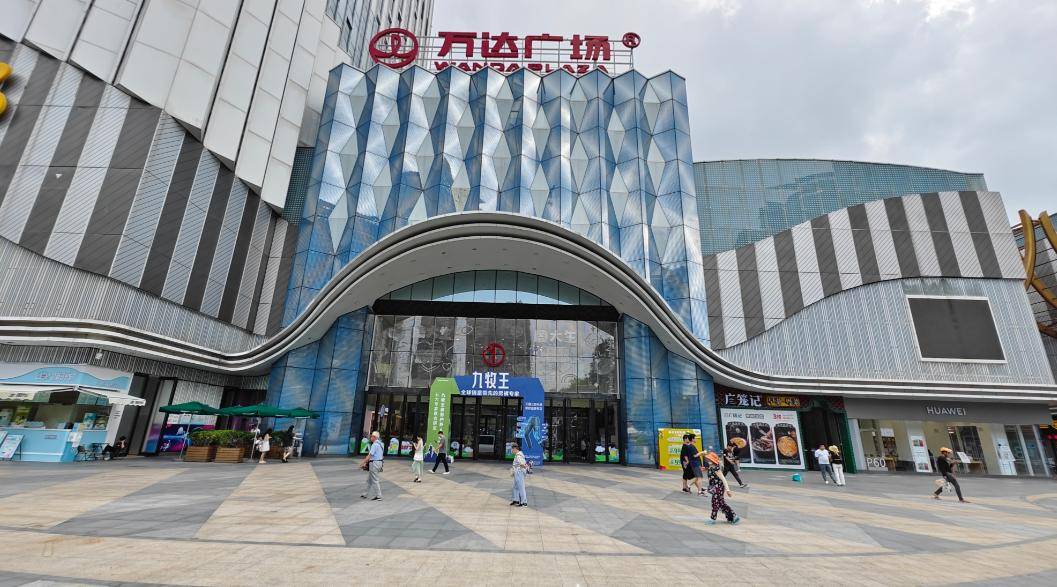
又一万达被卖后,王思聪再传2大坏消息,王健林可能已没有回头路
Sou Hu Cai Jing· 2025-08-20 00:41
Core Viewpoint - The article discusses the decline of Wang Jianlin's Wanda Group, highlighting its transition from a leading commercial empire to a company struggling with debt and asset sales, reflecting the volatile nature of the business environment [6][10][50]. Company Overview - Wang Jianlin's Wanda Group was once a dominant player in China's commercial real estate sector and expanded globally, but has faced significant challenges since 2017 due to tightened real estate regulations [9][14]. - The company has been forced into a "sell-off" strategy, divesting multiple assets including cultural tourism projects and hotels to survive financially [14][16]. Recent Developments - In 2024, Wanda faced a severe debt crisis, leading to large-scale asset sales, including several Wanda Plazas and the Wanda Hotel Management Company [16][18]. - In May 2024, Wanda sold multiple Wanda Plazas in major cities like Beijing and Shanghai to Tencent and JD.com, indicating ongoing financial distress [18][50]. Financial Challenges - The sale of the Chuzhou Wanda Plaza marked a significant move for Wanda, as it completely exited the shareholder structure, reflecting the severe financial pressures the company is under [37][40]. - Despite these asset sales providing temporary relief, the core business's divestiture raises concerns about Wanda's long-term competitiveness and future prospects [50]. Family Dynamics - Wang Jianlin's son, Wang Sicong, has also been in the media spotlight due to personal controversies, which may further complicate the family's public image amidst the company's struggles [44][46]. - The article suggests that Wang Jianlin's ability to influence his son's decisions is diminishing as Wang Sicong matures and makes his own choices [49].
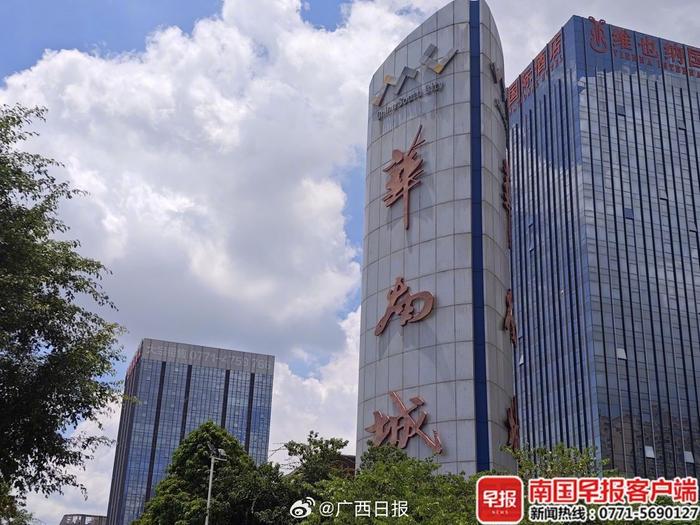
华南城被颁清盘令,609亿港元债务压顶,南宁项目前景不明
Guang Xi Ri Bao· 2025-08-19 11:45
Core Viewpoint - South China City Holdings Limited has officially entered liquidation, with significant debt pressures impacting its future operations and the fate of its subsidiary, Nanning South China City [1] Group 1: Company Situation - South China City Holdings has been issued a liquidation order by the High Court of the Hong Kong Special Administrative Region on August 11, 2025 [1] - The company appointed Fushigao Consulting Limited as joint liquidators [1] - The stock of South China City was suspended from trading at 10:55 AM on August 11, 2025, and will remain suspended until further notice [1] Group 2: Financial Impact - Prior to the suspension, South China City's stock price was reported at HKD 0.107, representing a 95% decline from its peak market value of over HKD 30 billion in 2023 [1] - The current market capitalization has shrunk to HKD 1.224 billion [1] Group 3: Future Outlook - The future operational prospects of Nanning South China City are increasingly uncertain due to the overall debt crisis faced by South China City Holdings [1] - The fate of the Nanning project is closely tied to the financial health of the parent company, indicating potential challenges ahead [1]
柯达澄清:没有停止运营、终止业务或申请破产保护的计划
Sou Hu Cai Jing· 2025-08-19 11:17
Core Viewpoint - Kodak faces significant uncertainty regarding its future operational viability due to debt pressure and cash flow difficulties, leading to a 20% drop in stock price following its Q2 earnings report [1] Financial Performance - Kodak reported Q2 revenue of $263 million, a year-over-year decline of 1%, and a net loss of $26 million compared to a net profit of $26 million in the previous year [1] - Cash reserves decreased from $201 million at the end of last year to $155 million [1] Debt Management - To raise funds for debt repayment, Kodak plans to suspend its U.S. employee retirement plan and expects to recover $300 million from the Kodak Retirement Income Plan (KRIP), with approximately $200 million being convertible to cash [2] - Kodak has $477 million in loans and $100 million in issued preferred stock, with a requirement to use the anticipated $300 million from KRIP for loan repayment by December 2025 [3] Operational Strategy - Kodak emphasizes its commitment to fulfilling obligations to all retirement fund participants while focusing on reducing debt and interest expenses [3] - The company reported a significant improvement in cash usage, only utilizing $3 million for growth investments in Q2, compared to the previous quarter [3] - Kodak's CEO stated that the company is actively seeking various channels to resolve its debt crisis, including early loan repayments and refinancing options [3] Historical Context - Founded in 1892, Kodak was a dominant player in the photography market, holding a 75% market share and 90% of profits in the 1930s [4] - The company failed to adapt to the digital transformation, leading to its bankruptcy filing in 2012 with debts totaling $6.75 billion, and subsequently restructured to focus on industrial printing, packaging, and brand licensing [4]

从娃哈哈到杉杉,豪门争产的另一面
Hu Xiu· 2025-08-19 00:34
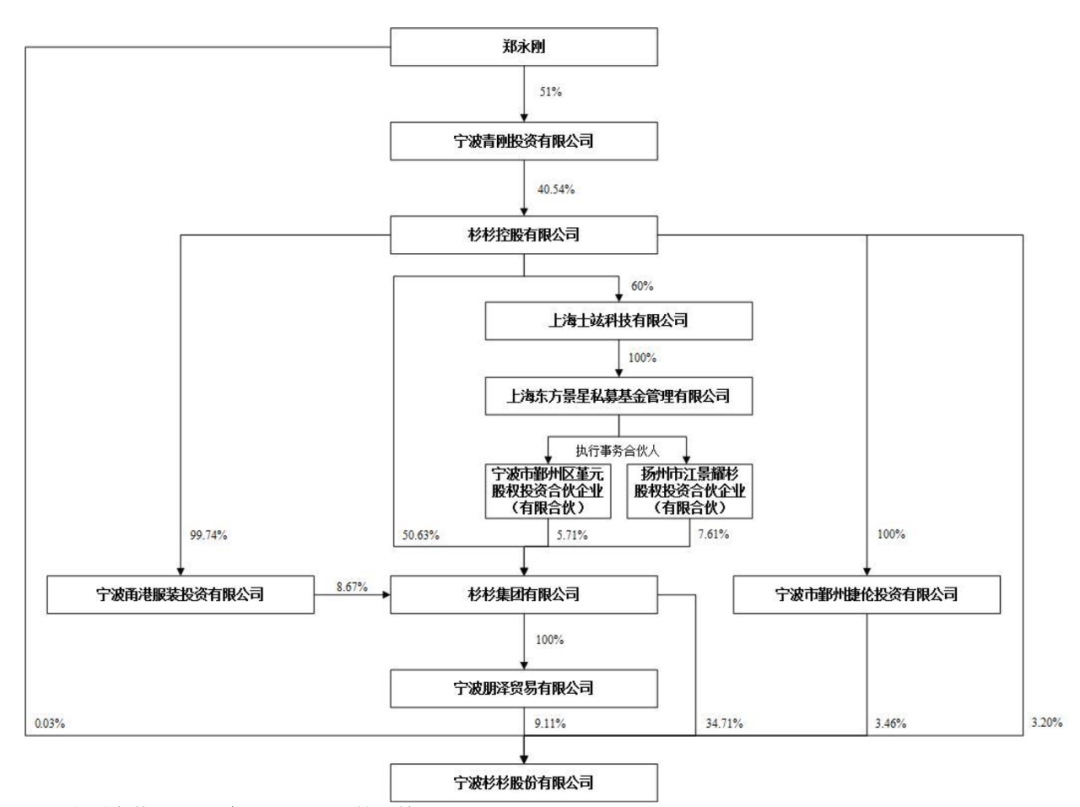
Group 1 - The ongoing inheritance dispute at Wahaha has revealed family secrets, damaging the image of its founder, Zong Qinghou, despite the parties involved being financially secure [1][3] - The conflict has negatively impacted the brand and the interests of employees and shareholders, highlighting the broader implications of such family disputes in businesses [3][4] - Similar inheritance conflicts are expected to arise in other companies as the first batch of enterprises from the reform and opening-up period enters the succession phase [4] Group 2 - Suning Group is currently undergoing judicial restructuring due to a debt crisis, with its core platform facing multiple frozen equity stakes and a court ruling for bankruptcy reorganization [5][24] - The management of cash flow has been poor among the heirs, leading to financial instability, and the founder's strategic vision has not been effectively passed down [6][8] - The overall structure of Suning is complex, with multiple layers of ownership and a large number of subsidiaries, which complicates financial management [10][14] Group 3 - Suning Group's financial situation reveals significant short-term borrowings and other liabilities, totaling approximately 163.8 billion yuan, with only 3 million yuan in cash [25][26] - The company has engaged in extensive pledging of its shares to secure financing, which is critical for its financial health [22][23] - The decline in revenue and profitability has raised concerns about the sustainability of its debt obligations, especially as the company faces a potential collapse [24][48] Group 4 - The financial reports indicate that Suning Group has engaged in questionable revenue recognition practices, leading to inflated revenue figures that do not reflect actual business performance [29][31] - The company has faced significant write-downs and provisions for bad debts, indicating a severe deterioration in its financial health [46][47] - The potential for recovery of debts is low, as the assets held by Suning Group are limited and encumbered by various legal disputes [54][55] Group 5 - The ownership structure of Suning Holdings is fragmented, with a mix of institutional and individual investors, complicating governance and decision-making processes [61][62] - The shift towards institutional investors in recent years reflects a strategic pivot, but the sudden death of the founder has left these investors vulnerable [64] - The overall outlook for both Suning Group and Suning Holdings remains uncertain, with significant risks for minority shareholders and creditors [55][64]
“木糖醇第一股”华康股份11亿元并购疑云重重
Mei Ri Jing Ji Xin Wen· 2025-08-17 13:20
Core Viewpoint - Huakang Co., Ltd. plans to acquire 100% equity of Henan Yuxin Sugar Alcohol Co., Ltd. for 1.098 billion yuan, with an appraisal value increase of over 102%, significantly impacting the company [1][2] Group 1: Acquisition Details - The acquisition price of 1.098 billion yuan aligns closely with the appraisal value of 1.101 billion yuan, which represents an increase of approximately 556 million yuan from the book value of 545 million yuan [2] - The appraisal report by Kunyuan Asset Appraisal Co., Ltd. considered factors such as customer resources, sales networks, and product development capabilities, but did not disclose the identity of a major client referred to as "Company A" [3][4] Group 2: Client Relationship and Background - "Company A" is identified as a significant customer for Yuxin Sugar Alcohol, purchasing mainly xylitol and related products, and has connections to the third-largest customer, Lezhante, through Li Yubin, who is the vice president of Yuxin Sugar Alcohol [4][5] - Li Yubin has a long history in the sugar alcohol sales industry, previously working for Fudian Pharmaceutical, which is confirmed to be "Company A" [6][7] Group 3: Financial Issues of the Major Client - Fudian Pharmaceutical is facing severe debt issues, with multiple court cases and frozen bank accounts, raising questions about its ability to continue operations and its relationship with Yuxin Sugar Alcohol [7][8] - Despite ongoing production, Fudian Pharmaceutical's financial difficulties have led to a negative impact on its credit rating and operational capabilities [9] Group 4: Valuation Concerns - Questions arise regarding whether the appraisal of 1.1 billion yuan adequately considered the debt risks associated with Fudian Pharmaceutical, especially given its status as a major customer [10][11] - Kunyuan Appraisal stated that while they are aware of the legal issues, they do not disclose every detail in their reports, indicating a potential oversight in risk assessment [11][12] Group 5: Corporate Responses and Secrecy - Huakang Co., Ltd. has refrained from disclosing further information about the acquisition and the identity of "Company A," citing commercial confidentiality [16][17] - The company claims to have complied with disclosure regulations and maintains that the transactions are based on normal business needs [17]

金氏母女清仓离场,张小泉资本局曲终人散
凤凰网财经· 2025-08-15 12:46
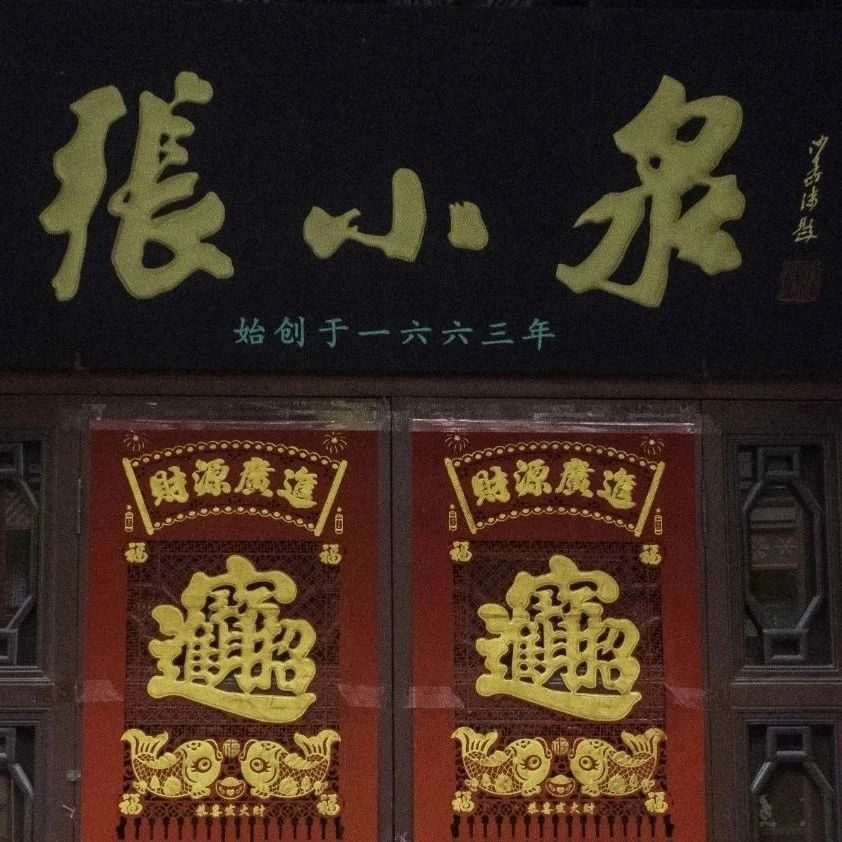
Core Viewpoint - The article discusses the challenges faced by Zhang Xiaoqin, known as the "first stock of scissors and knives," highlighting the control crisis and the strategic exits of shareholders Wan Zhi Mei and Jin Yan from the company [4][21]. Group 1: Shareholder Actions - Jin Yan plans to reduce her holdings by up to 540,100 shares, representing 0.36% of the company's total share capital, due to personal financial needs [5]. - Since last year, Jin Yan has repeatedly reduced her stake in Zhang Xiaoqin, with total cashing out exceeding 60 million yuan [6]. - Jin Yan and her mother, Wan Zhi Mei, have strategically exited their positions, with Jin Yan preparing to clear her remaining shares [4][12]. Group 2: Company Performance and Challenges - Zhang Xiaoqin faced a significant decline in net profit, dropping 47.28% year-on-year to 41.51 million yuan, with further declines projected for 2023 and 2024 [15]. - The company experienced a brief recovery in Q1 2025, reporting a net profit of 12.99 million yuan, a year-on-year increase of 69.49% [15]. - The company has been embroiled in a brand trust crisis since the "断刀门" incident, which has severely impacted its performance [14]. Group 3: Control Crisis - The control of Zhang Xiaoqin is in jeopardy, with the major shareholders facing significant debt issues, leading to a liquidity crisis [17]. - As of August 11, 2023, the controlling shareholder's 44.04 million shares, accounting for 28.23% of the total shares, have been judicially frozen [21]. - The second-largest shareholder, Tu Yue Cheng Xiang, acquired 28.43% of the shares through judicial auction, indicating a shift in control dynamics [21][22]. Group 4: Future Implications - If the liquidity crisis of Zhang Xiaoqin Group and the Fuchun system is not resolved in the short term, it is likely that Tu Yue Cheng Xiang will substantially intervene in the governance of Zhang Xiaoqin [25].
华康股份11亿元并购疑云:收购对象的大客户两年前已深陷债务危机,如何贡献巨额营收?
Mei Ri Jing Ji Xin Wen· 2025-08-14 16:04
Core Viewpoint - Huakang Co., Ltd. plans to acquire 100% equity of Henan Yuxin Sugar Alcohol Co., Ltd. for 1.098 billion yuan, with a significant valuation increase of 102% compared to its net assets of 3.3 billion yuan, indicating a major impact on the company [2][4]. Group 1: Acquisition Details - The acquisition price of 1.098 billion yuan aligns closely with the valuation of 1.101 billion yuan provided by Kunyuan Asset Appraisal Co., Ltd., which assessed Yuxin Sugar Alcohol's value based on factors such as customer resources and sales networks [4]. - Yuxin Sugar Alcohol's largest customer in 2023 and second-largest in 2024 is a mysterious company that has contributed several hundred million yuan in revenue, although its identity has been concealed by Huakang Co., Ltd. under the guise of "commercial secrets" [2][6]. Group 2: Customer Relationships - The mysterious company, referred to as "Company A," is linked to Li Yubin, the vice president of Yuxin Sugar Alcohol, who has a long history in the sugar alcohol sales industry and is also the actual controller of Yuxin Sugar Alcohol's third-largest customer, Lezhante [2][7][24]. - Company A, identified as Fudian Pharmaceutical, has been a significant customer for Yuxin Sugar Alcohol, purchasing mainly sugar alcohol products to supplement its production capacity [7][10][11]. Group 3: Financial and Legal Issues - Fudian Pharmaceutical is currently facing severe debt issues, with multiple court cases and frozen bank accounts, raising questions about its financial stability and ability to continue purchasing from Yuxin Sugar Alcohol [12][14][18]. - The debt crisis coincides with the timeline of significant purchases from Yuxin Sugar Alcohol, suggesting a potential conflict of interest or financial strain on the customer [2][12]. Group 4: Evaluation Concerns - The valuation report by Kunyuan Appraisal did not explicitly address the debt risks associated with Fudian Pharmaceutical, despite its significant financial troubles [19][20]. - Questions have been raised regarding whether the appraisal adequately considered the financial health of Fudian Pharmaceutical when determining the acquisition price [20][28].