
长期投资

Search documents
昔日“牛基”今何在?
Zheng Quan Shi Bao Wang· 2025-12-23 09:20
Core Viewpoint - The article discusses the performance of actively managed equity funds in the Chinese stock market, highlighting the emergence of new "bull funds" and the fading glory of past top-performing funds, emphasizing the need for a shift towards long-term investment strategies and stable fund management practices [1][9]. Group 1: Performance of Active Equity Funds - As of December 22, the Shanghai Composite Index has increased by 12.67% in 2024, with an additional 16.87% rise for the year, indicating a likely two consecutive years of gains [1]. - Nearly 40 actively managed equity funds have doubled their annual returns, with Yongying Technology Smart Selection A achieving approximately 219% annual return, marking it as the first "double fund" since 2008 [1]. - Historical analysis shows that only 5 out of 30 top-performing funds from previous bull markets have maintained strong performance, while the majority have returned to mediocre status [2]. Group 2: Reasons for Declining Performance of Past "Bull Funds" - Many former "bull funds" have lost their luster due to excessive growth in fund size, which hampers investment flexibility and increases transaction costs [4]. - Over-reliance on a single star fund manager has led to significant performance declines when key personnel leave or fail to adapt to market changes [5]. - Short holding periods and frequent style shifts have also contributed to the underperformance of many funds, as they chase short-term trends without a stable investment framework [6]. Group 3: Structural Changes in the Fund Industry - The public fund industry is undergoing a structural transformation, moving from a short-term ranking focus to a value investment approach aimed at achieving stable returns [7]. - Successful long-term funds are characterized by stable research teams, strong risk control capabilities, and robust company support systems [8]. - The industry is exploring new active investment models, integrating industrialized concepts into research processes to enhance efficiency [8]. Group 4: Long-Term Investment Philosophy - The fate of past "bull funds" reflects the evolution of the A-share market and the industry's changing development philosophy, emphasizing the importance of long-term investment strategies [9]. - Investors are encouraged to focus on funds with clear investment philosophies, stable teams, and proven cross-cycle capabilities rather than chasing annual performance champions [10]. - Funds that may not shine in a single bull market can still create value through solid strategies, rigorous research, and strict risk control [11].
财信金控举办2026年度投资策略会 聚焦“三新经济”与长期投资布局
Zheng Quan Shi Bao Wang· 2025-12-23 03:45
Core Viewpoint - The investment strategy conference organized by Caixin Group emphasizes the importance of long-termism and the "Three New Economies" as new growth engines for China's economy, while also highlighting the company's commitment to enhancing its financial services capabilities and strategic collaborations with partners [2][3]. Group 1: Economic Outlook and Strategy - Caixin Group's Chairman Zhou Jianyuan noted that the fundamental trend of China's economy remains positive, with a historical transition period for new and old growth drivers [2]. - The "Three New Economies," which include new industries, new business formats, and new models, are expected to drive future growth [2]. - The company aims to maintain flexibility in its investment strategies while adhering to long-term principles, focusing on portfolio rebalancing and structural optimization [2]. Group 2: Company Performance and Goals - Caixin Group's total assets have surpassed 200 billion yuan, with a net profit growth of 29.7% year-on-year from January to November, marking the highest growth rate in five years [2]. - The company is set to celebrate its 10th anniversary in 2025, positioning itself as a key player in the development of new productive forces in financial services [2]. Group 3: Research and Collaboration - The conference serves as a platform for building a "big research" mechanism to enhance the value of research outcomes and promote collaboration across various business segments [4]. - Experts provided insights on macroeconomic trends and capital market dynamics, with a focus on the implications of the 2025 Central Economic Work Conference for 2026 [4]. - The company aims to leverage its research capabilities to empower business development and create value for clients [4]. Group 4: Industry Trends and Investment Opportunities - The conference featured parallel forums focusing on investment opportunities in sectors such as semiconductors, AR glasses, and lithium batteries, highlighting the potential of emerging technologies [5]. - Wealth management and asset inheritance were discussed in the context of navigating uncertainties, providing professional insights on family wealth preservation and long-term asset planning [5]. - The insurance sector's role in supporting national strategies and the economy was explored, particularly in relation to commercial health insurance and DRG medical insurance reforms [5].
以信筑梁 公募改革回应“获得感”之问
Zhong Guo Zheng Quan Bao· 2025-12-22 20:19
Core Insights - The Chinese public fund management scale reached 36.96 trillion yuan by October 2025, highlighting the industry's global influence and the importance of investor trust as a foundation for development [1] - The China Securities Regulatory Commission (CSRC) introduced a comprehensive reform plan in May 2025 aimed at enhancing the quality of public funds, focusing on fee structures, performance benchmarks, long-term assessments, and sales ecosystems [1][2] - The industry is undergoing a transformation to ensure that investor trust translates into predictable and sustainable returns, with a focus on collaborative efforts across product, research, sales, and customer service [1][3] Investment Research Innovation - The reform emphasizes the need for stable performance metrics, with the CSRC's guidelines on performance benchmarks aiming to enhance the reliability of historical performance as a reference for future investments [2] - Fund managers are encouraged to anchor their strategies to performance benchmarks, ensuring style stability and clear product positioning to improve investor confidence [2][3] Research Methodology Transformation - The investment research approach is shifting from individualistic strategies to a more integrated, systematic framework, promoting a platform-based, multi-strategy research system [3] - The focus is on clarifying sources of returns and defining risk boundaries, which helps in rationalizing investor expectations and building long-term trust [3] Sales Transformation - The sales model is evolving from a traditional agent role to a guardian role, emphasizing the importance of investor experience and aligning sales practices with long-term investor interests [4][6] - The industry is adopting a floating fee structure linked to fund performance, which has led to a significant increase in the issuance of floating fee funds since the reform plan was announced [5][6] Assessment Mechanism Overhaul - The reform plan mandates the establishment of a performance-centric assessment system for fund companies, reducing the emphasis on scale and short-term metrics [6][7] - Long-term performance assessments are prioritized, with a requirement that at least 80% of the evaluation weight be based on three-year performance, promoting stability and precision in fund management [6][7] Investor Experience Focus - Companies are increasingly incorporating investor experience metrics into their assessment frameworks, aiming to enhance long-term investor engagement and satisfaction [7] - The industry recognizes the importance of creating value for clients, as the management of public funds directly impacts the financial well-being of countless households [7]
基金忠言|个人养老金怎么管?多家公司成“活教材”
Sou Hu Cai Jing· 2025-12-22 01:33
Core Insights - The personal pension system is set to be implemented nationwide starting December 15, 2024, following trials in 36 cities since November 25, 2022, with public funds launching Y-share funds to cater to this market [2] - Some fund companies have faced significant challenges, including fund liquidations, which can undermine investor confidence in long-term pension investments [2] - Conversely, certain companies have successfully navigated this space, with the total market size for personal pension Y-share funds reaching approximately 15.1 billion yuan by the end of Q3 2025, with leading firms like Huaxia and E Fund capturing over one-third of this market [3] Group 1: Challenges Faced by Fund Companies - Several fund companies, including Penghua and Chuangjin Hexin, have experienced fund liquidations, with Penghua's Longle Stable Pension Y-share fund being liquidated when its net value fell below 1 yuan [2] - The small scale of pension target funds from companies like Penghua (approximately 200 million yuan) and Yongying (only about 570,000 yuan) highlights the challenges in attracting substantial investment [2] Group 2: Successful Strategies and Experiences - As of Q3 2025, the leading Y-share fund, Xingquan Antai, has surpassed 1.2 billion yuan in scale, making it the only fund above 1 billion yuan [3] - Xingquan Global has emphasized early and significant investment in personal pension business, establishing a dedicated pension management department in 2018 with a diverse team of 22 members [5] - The company employs a research-driven, multi-asset allocation strategy, focusing on long-term investments and risk management, which has proven effective in generating profits for investors [6][7] - Xingquan Global has achieved a cumulative return of 80.44% for its Xingquan Antai Balanced Pension fund since its inception, ranking it first among all pension target funds [7] Group 3: Investor Education Initiatives - Xingquan Global prioritizes investor education, providing clear risk definitions and maintaining low tracking errors to enhance investor experience and mitigate losses from market volatility [7][8] - The company actively engages in educational initiatives, including publishing investment guides and hosting forums to foster a better understanding of pension investments among investors [8]


中邮保险39亿增持四川路桥年内四次举牌 投资收益超95亿股票配置两年半增12倍
Chang Jiang Shang Bao· 2025-12-21 23:21
长江商报消息 ●长江商报记者 徐佳 险资再次出手加仓A股。 日前,沪市主板上市公司四川路桥(600039.SH)公告,中邮人寿保险股份有限公司(以下简称"中邮保 险")买入四川路桥股票,持股升至5%,达成举牌。 长江商报记者注意到,近十个月内,中邮保险累计耗资38.91亿元买入四川路桥。截至12月19日收盘, 中邮保险所持四川路桥股份市值约为42.98亿元,账面浮盈约4.07亿元。 至此,2025年中邮保险已举牌四家上市公司,其中包括两家A股上市公司和两家H股上市公司。而2025 年以来,险资共计39次出手举牌上市公司,数量创近十年最高。 作为中国邮政下属全国性寿险企业,中邮保险在政策引导下,坚定长期投资理念,落实耐心资本实践, 充分发挥保险资金优势,服务实体经济和产业发展。 截至2025年6月末,中邮保险的股票配置规模已达到494.62亿元,较2022年末的37.39亿元增长超过12 倍,占投资资产的比例也由0.85%大幅提升至7.24%。 2025年前九月,中邮保险实现营业总收入283.05亿元,净利润90.97亿元。其中,投资收益95.78亿元, 公允价值变动收益1.15亿元。 举牌四川路桥已浮盈超4亿 ...

四川路桥建设集团股份有限公司 简式权益变动报告书
Zhong Guo Zheng Quan Bao - Zhong Zheng Wang· 2025-12-19 10:19
Core Viewpoint - The report outlines the equity change of Zhongyou Life Insurance Co., Ltd. in Sichuan Road and Bridge Group Co., Ltd., indicating a long-term investment strategy aimed at supporting the company's sustainable development [5][16]. Group 1: Equity Change Overview - As of December 17, 2025, Zhongyou Life Insurance increased its holdings in Sichuan Road and Bridge by purchasing 114,300 shares, representing 0.0013% of the total share capital [7][16]. - Following this transaction, Zhongyou Life Insurance holds a total of 434,779,540 shares in Sichuan Road and Bridge, which constitutes 5.00% of the company's total share capital [16]. Group 2: Purpose and Future Plans - The purpose of this equity change is to align with Zhongyou Life Insurance's investment needs and to support the ongoing healthy development of the listed company [5][17]. - There is a possibility of further changes in equity holdings within the next 12 months, with a commitment to comply with relevant disclosure obligations if such changes occur [6]. Group 3: Control and Rights - The equity change does not result in any alteration of the controlling shareholder or actual controller of Sichuan Road and Bridge, which remains Shudao Investment Group Co., Ltd. [9][18]. - The shares acquired by Zhongyou Life Insurance carry full voting rights and are not subject to any restrictions such as pledges or freezes [8][18].
知本洞察视角:投资的第一问,永远应该是“我能承受多少亏损”
Sou Hu Cai Jing· 2025-12-19 05:58
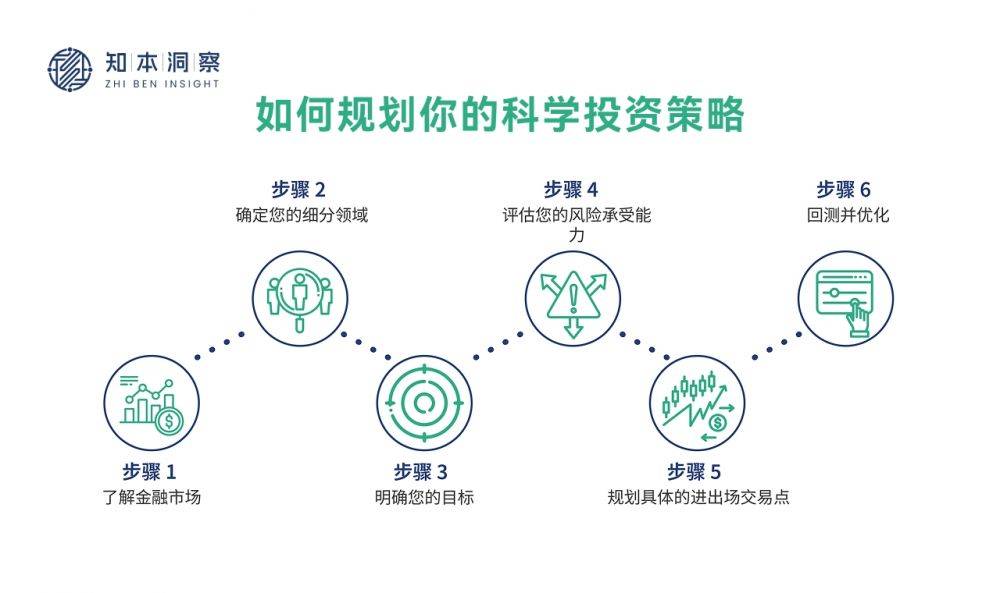
Core Viewpoint - The primary question for investors should not be "How much can I earn?" but rather "How much loss can I endure?" as the depth and speed of losses are the greatest uncertainties in the market [1][24]. Group 1: Importance of Loss Tolerance - The ability to endure losses is fundamental to investment strategies, as it determines the sustainability of those strategies [7][24]. - Losses often stem from emotional responses rather than market conditions, highlighting the psychological aspect of investment failures [5][8]. - A significant loss can cause permanent damage to future returns, as recovering from deep losses requires substantial gains [6][24]. Group 2: Psychological Impact of Losses - The real danger lies in the uncertainty of how far losses can go, leading to destructive psychological states such as panic selling and denial [13][15]. - Investors often experience a "psychological bankruptcy" before facing actual financial bankruptcy, indicating a critical failure in managing emotional responses to losses [9][10]. Group 3: Professional Investor Mindset - Professional investors prioritize assessing potential worst-case scenarios over potential gains, which is a key difference from ordinary investors [18][24]. - Common practices among professional investors include determining risk exposure before position sizing, evaluating maximum potential losses before gains, and establishing stop-loss frameworks [18][24]. Group 4: Evaluating Loss Tolerance - A three-tier model for assessing loss tolerance includes financial capacity, psychological resilience, and strategic allowance for losses [19][24]. - Financial capacity involves evaluating whether one can maintain living standards during losses, while psychological resilience assesses emotional reactions to various levels of loss [20][21]. - Strategic allowance focuses on whether investment strategies incorporate risk boundaries and mechanisms for loss recovery [22][24]. Group 5: Long-term Investment Perspective - Understanding loss tolerance is essential for long-term investment success, as it enables investors to navigate market fluctuations effectively [24][25]. - The ability to endure losses is viewed as a prerequisite for engaging in long-term investment, emphasizing that risk tolerance is the entry ticket to sustained market participation [24][25].
青春赛场 舍我其谁 第三届大学生基金知识竞赛即将播出
Zhong Guo Zheng Quan Bao· 2025-12-19 00:00
Core Insights - The third edition of the University Student Fund Knowledge Competition will commence on December 20, aiming to enhance financial literacy among university students and cultivate rational investors for the capital market [1][2] Group 1: Event Overview - The competition is guided by the China Securities Investment Fund Industry Association and organized by China Securities Journal, as part of the "One Company, One Province, One University" investor education initiative [1] - The event features 12 teams formed by 12 universities and 12 fund companies, promoting collaboration between academia and the financial industry [2] Group 2: Competition Format - The competition will adopt a "knowledge + fun + competition" approach to disseminate fund knowledge and promote value and long-term investment concepts [2] - The tournament structure includes group matches, revival matches, quarter-finals, and finals, with various question formats such as mandatory answering, quick answering, and challenge answering [2] - The competition will be broadcasted on major media platforms starting December 20 [2]
青春赛场 舍我其谁 第三届大学生基金知识 竞赛即将播出
Zhong Guo Zheng Quan Bao· 2025-12-18 22:01
Core Insights - The third edition of the University Student Fund Knowledge Competition will commence on December 20, aiming to enhance financial literacy among university students and cultivate rational investors for the capital market [1][2] Group 1: Event Overview - The competition is guided by the China Securities Investment Fund Industry Association and organized by China Securities Journal, as part of the "One Company, One Province, One University" investor education initiative [1] - The event features 12 teams formed by 12 universities and 12 fund companies, promoting collaboration between academia and the financial industry [2] Group 2: Competition Format - The competition will adopt a "knowledge + fun + competition" approach to disseminate fund knowledge and promote value and long-term investment concepts [2] - The tournament structure includes group matches, revival matches, quarter-finals, and finals, with various question formats such as mandatory answering, quick answering, and challenge questions [2] - The competition will be broadcasted on major media platforms starting December 20 [2]
第三届大学生基金知识竞赛即将播出
Zhong Guo Zheng Quan Bao· 2025-12-18 20:23
Core Viewpoint - The third edition of the University Student Fund Knowledge Competition aims to enhance financial literacy among college students, fostering a new generation of rational investors and supporting the development of the capital market [1][2]. Group 1: Event Overview - The competition will commence on December 20 and will be broadcasted across major media platforms [1]. - It is guided by the China Securities Investment Fund Industry Association and organized by China Securities Journal, as part of the "One Company, One Province, One University" investor education initiative [1]. Group 2: Participation and Structure - Twelve universities have teamed up with twelve fund companies to form twelve joint teams for the competition [2]. - The participating teams include prestigious institutions such as Tsinghua University, Fudan University, and Shanghai Jiao Tong University, paired with notable fund companies [2]. Group 3: Competition Format - The competition will utilize a format that combines knowledge, fun, and competition to promote learning about fund investment [2]. - The event will consist of several stages: group matches, revival matches, quarter-finals, and finals, featuring various question formats such as mandatory, buzzer, and challenge questions [2].