智慧养老

Search documents
从养老到享老,北京已出台百项措施
Bei Jing Shang Bao· 2025-09-14 16:57
Group 1 - The core viewpoint is that China's rapid aging population has become a national strategy, with Beijing implementing nearly a hundred special policies to transition from "elderly care" to "enjoying old age" and from basic security to quality enhancement [2] - Currently, 1 in 4 people in China is an elderly person, totaling 310 million, which accounts for 22% of the population, while in Beijing, 1 in 3 registered residents is an elderly person, making up 30% [2] - The "14th Five-Year Plan" emphasizes the development of elderly human resources and the silver economy, which is crucial for the well-being of millions of elderly people and for optimizing economic structure [2] Group 2 - The silver economy shows significant potential, covering eight key areas such as smart elderly care, elderly education, and health management, with a projected scale of approximately 7 trillion yuan in 2023, accounting for 6% of GDP, and expected to exceed 30 trillion yuan by 2035, reaching 10% of GDP [3] - The integration of digital technology and the health industry is reshaping the industry ecosystem, with smart health monitoring devices and AI-assisted diagnosis playing a crucial role in addressing the supply-demand imbalance in elderly health services [3] - The Ministry of Industry and Information Technology and the Ministry of Civil Affairs are promoting the use of robots in elderly care, with the smart service robot market expected to reach 50 to 100 billion yuan by 2025-2027 [3] Group 3 - The penetration rate of smart elderly care products is only 3.8% within the 7 trillion yuan silver economy, indicating a significant opportunity for industry growth [4] - The silver economy is viewed as both a business opportunity and a social responsibility, requiring policy guidance, market participation, and technological innovation to create a safe and friendly environment for the elderly [4] - The essence of the silver economy is human-centered, focusing on maximizing quality of life at minimal cost, and promoting a shift from "treating existing diseases" to "preventing future diseases" [4]


北京市老龄产业协会王小娥:从养老到享老 北京已出台百项措施
Bei Jing Shang Bao· 2025-09-14 03:37
Group 1 - The core viewpoint of the articles emphasizes the rapid development of China's aging population and the strategic importance of addressing this issue, with a shift from "elderly care" to "enjoying old age" reflected in policies [1][2] - In Beijing, 30% of registered residents are elderly, with 3.1 billion elderly people nationwide, highlighting the demographic challenge [1] - The "14th Five-Year Plan" promotes the development of the silver economy, which is crucial for improving the quality of life for the elderly and optimizing economic structure [1][2] Group 2 - The silver economy is projected to reach approximately 7 trillion yuan in 2023, accounting for 6% of GDP, and is expected to exceed 30 trillion yuan by 2035, representing 10% of GDP [2] - The integration of digital technology and health industries is reshaping the elderly care sector, with smart health monitoring and AI-assisted diagnosis playing key roles [2] - The Ministry of Industry and Information Technology and the Ministry of Civil Affairs are promoting the use of robots in elderly care, with the market for smart service robots expected to reach 50 to 100 billion yuan from 2025 to 2027 [2] Group 3 - The silver economy is seen as both a business opportunity and a social responsibility, requiring policy guidance, market participation, and technological innovation to create a friendly environment for the elderly [3] - The focus is on improving life quality at minimal cost, advocating for a shift from "treating diseases" to "preventing diseases" through comprehensive health management [3] - The 2025 Smart Health Forum aims to explore new paths and models for the development of the elderly care industry in China, emphasizing technological and institutional innovation for high-quality growth [3]
康养机器人快步走进老人生活
Xin Lang Cai Jing· 2025-09-12 23:58
Core Viewpoint - The 2025 Shenzhen International Smart Elderly Care Industry Expo and the first Shenzhen Health Robot Competition have been launched, showcasing advancements in technology aimed at improving the quality of life for the elderly [1] Group 1: Event Overview - The expo is organized by the Shenzhen Municipal Civil Affairs Bureau, Shenzhen Happiness Health Industry Group Co., Ltd., and Shenzhen Convention and Exhibition Center Management Co., Ltd. [1] - The event features seven distinct exhibition areas covering various fields such as smart home solutions, service robots, rehabilitation aids, smart healthcare, health management, anti-aging technology, and smart wearables [1] Group 2: Design and Experience - The exhibition emphasizes a "scenario-based, experiential, and interactive" design concept, allowing attendees to experience firsthand how technology can enhance the quality and essence of elderly life [1]

破题银发经济,张店打造“9901”养老新格局
Qi Lu Wan Bao Wang· 2025-09-12 06:45
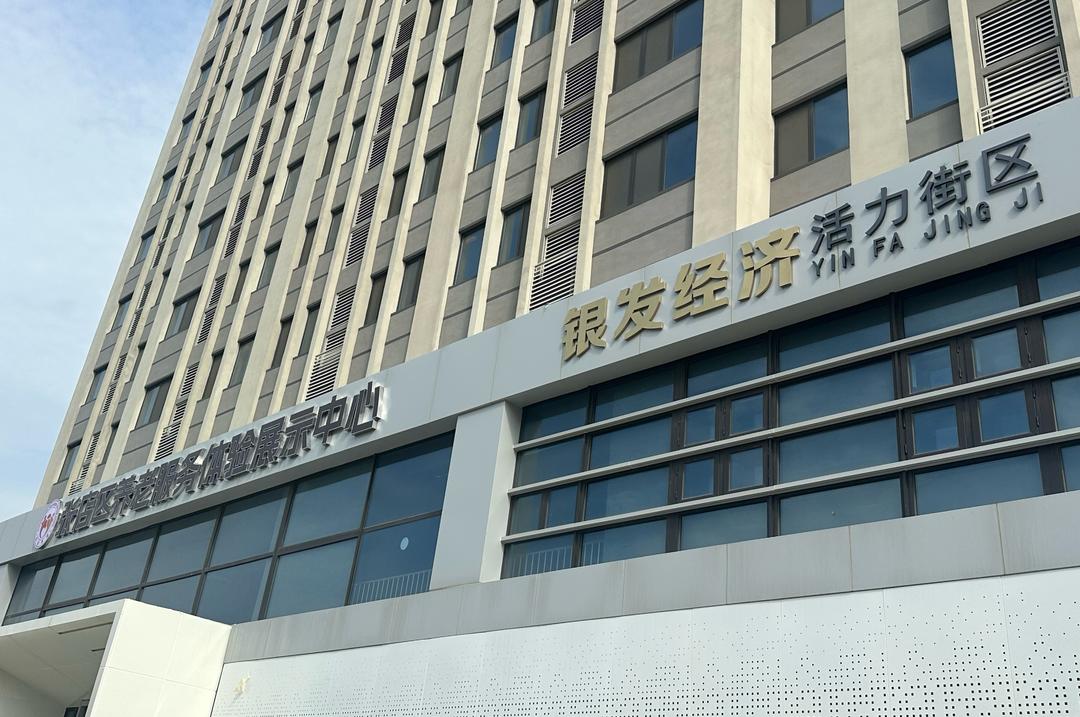
Core Viewpoint - The article highlights the innovative exploration of Zhangdian District in developing a diversified and multi-level elderly care service system, focusing on the new dynamics of the silver economy through practical visits to representative sites [1][3]. Group 1: Elderly Care Service Centers - The Zhangdian District Elderly Care Service Display Experience Center is the first modern elderly care display platform in the central Shandong region, featuring "scenario-based, intelligent, and full-link" characteristics [1][3]. - The center covers an area of 980 square meters and integrates multiple resources, creating four functional areas: smart elderly care experience area, real-life sample rooms, product exhibition area, and health lectures [3]. - The center aims to provide a one-stop solution for elderly families to make informed decisions and efficiently implement home modifications for elderly care [3][6]. Group 2: Care Facilities and Services - The Qinggeng Nursing and Filial Piety Garden, located in the Hengjiu Xiuyuan community, is a significant representative of the silver economy market in Zhangdian District, with a construction area of 7,000 square meters and 183 designed beds [5]. - The facility offers a comprehensive range of services, including daily living assistance, professional nursing, medical rehabilitation, and nutritional meals, while also emphasizing spiritual comfort, chronic disease management, and emergency rescue [5][6]. - Both the display center and the nursing garden represent the latest cases of Zhangdian District's move towards high-quality development in elderly care [6]. Group 3: Demographics and Market Dynamics - As of now, Zhangdian District has a total population of 806,400, with 138,600 individuals aged 60 and above, accounting for 17.19% of the population [6]. - There are currently 31 elderly care institutions in the district, with a total of 3,748 beds, and approximately 1,800 residents actually living in these facilities [6]. - Nearly 99% of the elderly population prefers home-based care, leading to the formation of a "9901" elderly care service model in Zhangdian District [6]. Group 4: Future Developments - The district plans to use the aforementioned projects as a foundation to develop a vibrant silver economy street, further aggregating high-quality resources in medical care, cultural education, dining, and fitness to create a comprehensive ecosystem for the silver economy [6].
从“老有所养”到“老有颐养” ,江苏移动以AI+赋能康养产业构建智慧养老新生态
Yang Zi Wan Bao Wang· 2025-09-11 08:32
Core Insights - The forum held by China Mobile Jiangsu Company focused on building a smart health and wellness ecosystem to address the challenges of an aging society [1] - The launch of the Jiangsu Mobile Smart Health and Wellness Service Platform aims to simplify access to health services for the elderly by integrating various services into a single platform [2][3] - The collaboration with multiple partners, including healthcare and technology companies, is intended to create a comprehensive ecosystem for elderly care [4][5] Industry Trends - The aging population in China is projected to reach 370 million by 2030, accounting for 27% of the total population, highlighting the urgent need for innovative health and wellness solutions [4] - The health and wellness industry is experiencing a golden development period driven by policy support, market demand, and technological innovation, despite challenges such as supply-demand mismatches and talent shortages [4] - The integration of AI, IoT, and big data into the health and wellness sector is expected to foster innovative practices and enhance service delivery [6] Product and Service Development - Jiangsu Mobile's Smart Health and Wellness Service Platform features over 50 software products and 200 hardware products from more than 100 partners, aiming to provide a seamless user experience [2][3] - The platform includes two main product matrices: "AI Health" for health management and "AI Elderly Care" for emotional support and safety monitoring, catering to the diverse needs of elderly users [3] - The company has established strict selection criteria for products to ensure they are user-friendly, affordable, and reliable, fostering trust among users [3] Strategic Collaborations - Jiangsu Mobile has signed strategic cooperation agreements with various companies to build a comprehensive smart health and wellness ecosystem covering home care, community health, and institutional services [4][5] - The integration of diverse computing resources and AI models is expected to enhance the efficiency and effectiveness of health and wellness services [5] - Jiangsu Mobile's extensive service network and personnel are positioned to facilitate the rapid deployment of health and wellness products and services [5]

激活银发消费活力,东营走出“民生+经济”双赢新路径
Qi Lu Wan Bao Wang· 2025-09-11 07:41
Core Insights - Dongying has a senior population of 474,200 aged 60 and above, with an aging rate of 23.95%, which is 2 percentage points higher than the national average, indicating a shift into a moderately aging society [1] - The city is leveraging its substantial elderly demographic to create a vast "silver economy" driven by consumption [1] Policy Framework - Dongying has initiated various subsidy programs to stimulate elderly consumption, including a hearing aid subsidy that reduces costs significantly for seniors [2] - The city launched a home adaptation subsidy program covering over 500 types of products, with a maximum subsidy of 2,000 yuan per item [2] - A 12-month elderly service consumption subsidy was also introduced, covering 17 daily care services with a 40% deduction on expenses, capped at 800 yuan per transaction [2] - In the last two months, Dongying issued 364 home adaptation subsidy vouchers and 1,832 elderly service consumption vouchers, driving direct consumption exceeding 6 million yuan [2] Systematic Support - Dongying's approach to elderly consumption includes a comprehensive support system, with 19 categories of subsidy projects and tax incentives for service providers [3] - The city has established a specialized task force for promoting elderly service consumption and set quantifiable goals for expanding community-based elderly care facilities by 2025 [3] Service Delivery - Dongying has integrated elderly services into community settings, with 251 town communities offering a range of services, including dining and recreational activities [4][5] - The city has expanded its home-based elderly care services to non-low-income groups, providing customized professional services [5] - New community-based elderly care institutions and friendly community initiatives have been established to enhance local engagement and service accessibility [5] Medical Integration - The "Five Bed Linkage" mechanism allows seamless transitions between various care settings, ensuring comprehensive medical and elderly care services [7][8] - Long-term care insurance has been implemented to alleviate financial burdens for elderly individuals requiring ongoing care, benefiting over 3,000 seniors [8] Innovative Business Models - Dongying is exploring smart elderly care solutions, including AI technology for health monitoring and emergency response [9] - The city is promoting a "retirement + tourism" model, leveraging its natural resources to create attractive travel and living options for seniors [10] - New facilities, such as the Dongying Health Town, are being developed to integrate medical, health, and recreational services, enhancing the appeal of elderly care in the region [10]
从照料中心到“老年乐园” 山西晋中嵌入式养老守护“银发族”
Zhong Guo Xin Wen Wang· 2025-09-10 07:19
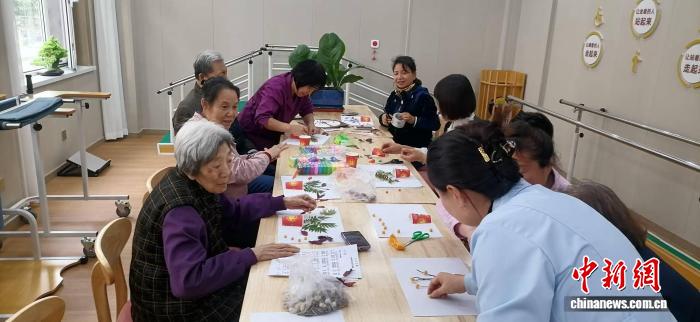
Core Viewpoint - The article discusses the development of embedded elderly care services in Jinzhong, Shanxi, transforming care centers into "senior amusement parks" to enhance the quality of life for the elderly population [1][3]. Group 1: Embedded Elderly Care Services - Jinzhong has prioritized elderly care services as a key aspect of public welfare, with the municipal government actively promoting the construction of a comprehensive elderly care system [3][5]. - The city has implemented various policies and integrated resources to address the challenges posed by a large elderly population and insufficient care facilities [3][4]. - The "Yuci Model" of embedded elderly care services has emerged as a successful example, providing diverse and multi-layered services tailored to community needs [3][4]. Group 2: Community Integration and Services - The Jinzhong Civil Affairs Bureau has strengthened community resource integration, creating an innovative mechanism combining "Internet + property + elderly care" to facilitate local elderly care services [3][4]. - The Huasheng "Our Home" Smart Community Elderly Care Service Center exemplifies the city's efforts, recognized as a national advanced unit in elderly care services [3][4]. - The center offers a range of services including long-term care, daytime care, meal delivery, and medical care, all under a one-stop smart health care model [4][5]. Group 3: Quality of Life Enhancements - The center provides a variety of cultural and recreational activities, such as handicrafts, calligraphy, and Tai Chi, contributing to the mental well-being of the elderly [5][6]. - The "Ten Assistance" service model has been established, offering comprehensive support to over 10,800 elderly individuals across 132 residential communities [5]. - Smart technologies, such as heart rate monitoring and fall detection systems, are utilized to enhance the safety and quality of life for residents, allowing families to monitor their loved ones remotely [4][8].
农村养老普惠是基础提质是方向
Jing Ji Ri Bao· 2025-09-07 22:21
Core Viewpoint - The recent notice issued by the Guangxi Zhuang Autonomous Region's Civil Affairs Department and 15 other departments aims to strengthen rural elderly care services by establishing a comprehensive three-tiered service network and promoting deeper reforms in rural elderly care [1][2]. Group 1: Current Challenges in Rural Elderly Care - Rural elderly care in China faces significant challenges, including limited income and inadequate care services, leading to situations where elderly individuals either cannot afford care or are unwilling to utilize available services [1]. - Some care institutions are forced to lower fees and reduce staff to survive, resulting in a loss of professional talent and a decline in service quality, making it harder to retain elderly residents [1]. Group 2: Strategies for Improvement - To achieve inclusive elderly care, it is essential to optimize the allocation of resources and solidify the support for elderly care services, including the establishment of county-level care institutions focused on disabled individuals and expanding the coverage of township-level service centers [1]. - Implementing favorable policies regarding land and taxes, as well as ensuring the execution of various subsidy policies, is crucial to alleviate the operational pressures on elderly care institutions and to establish a pricing mechanism for inclusive services [1]. Group 3: Institutional and Service Enhancements - Strengthening the institutional guarantees for rural elderly care is necessary, which includes integrating rural elderly care services into reform and development plans and enhancing management and service levels [2]. - The application of artificial intelligence and the development of age-friendly smart products are encouraged to make elderly care services more precise and personalized [2]. - Innovative service models should be promoted to enhance the attractiveness of elderly care institutions, such as incorporating well-equipped rural care facilities into premium travel care routes to improve service offerings and occupancy rates [2].
市委召开专题会议研究养老服务工作:推动养老事业和养老产业协同发展,切实提升养老服务质量和水平
Chang Jiang Ri Bao· 2025-09-05 03:08
Core Viewpoint - The meeting emphasized the importance of enhancing elderly care services in response to the aging population, aiming to improve the quality and level of these services to ensure a happy and secure life for the elderly [1][2]. Group 1: Policy and Strategy - The meeting highlighted the need to implement a comprehensive elderly care service system that is inclusive, accessible, and sustainable, addressing the diverse needs of the elderly population [2]. - It was noted that the development of elderly care services is crucial for modern urban governance and social stability, requiring a focus on long-term planning and proactive measures [1][3]. Group 2: Service Development - The strategy includes optimizing the distribution of elderly care resources, particularly in new urban areas, and enhancing basic care services for disabled elderly individuals [2]. - There is a focus on expanding rural elderly care services and establishing mechanisms for visiting and caring for elderly individuals in rural areas to promote balanced development between urban and rural services [2]. Group 3: Collaboration and Innovation - The meeting called for a collaborative mechanism involving government, market, and society to enhance the planning, policy support, and organizational assurance for elderly care services [2]. - Emphasis was placed on leveraging technology to improve elderly care services, including the development of smart elderly care solutions and integrating services with various industries [2][3]. Group 4: Cultural and Social Aspects - The meeting stressed the importance of fostering a culture of respect and care for the elderly, promoting traditional values of filial piety and community support [3].
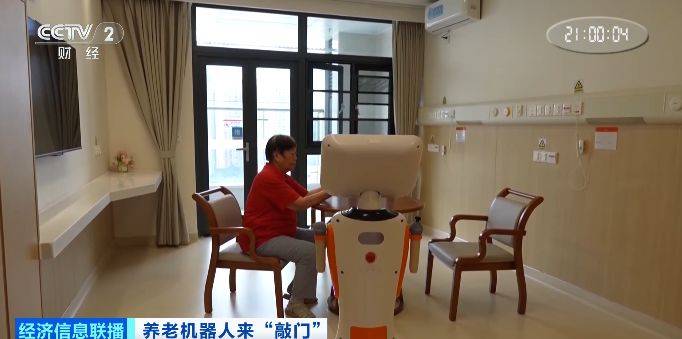
智能机器人会艾灸能跳舞,科幻片里的养老院真的来了!
Sou Hu Cai Jing· 2025-09-04 15:52
Core Viewpoint - The aging population in China is creating a significant demand for smart elderly care solutions, leading to the increased presence of multifunctional elderly care robots in nursing homes [1][9]. Group 1: Market Demand and Trends - The traditional elderly care model is facing challenges due to the increasing aging population, which is driving the need for innovative solutions [1]. - Smart elderly care robots are being introduced in various nursing homes, offering functions such as health monitoring, therapy, and companionship [1][7]. Group 2: Technological Implementation - In a nursing home in Bao'an District, Shenzhen, a health monitoring robot autonomously navigates to assist elderly residents with blood pressure measurements [3]. - Entertainment robots are also being utilized in nursing homes, engaging residents in activities like dancing to music [5]. - Various types of robots, including patrol robots and hair-washing robots, are being deployed in nursing homes, indicating a trend towards the accelerated implementation of smart technology in elderly care [7]. Group 3: Policy Support - The Chinese government has introduced several policies to promote the healthy development of the smart elderly care industry, including pilot programs for the application of service robots in homes, communities, and nursing institutions [9].