
美国关税政策

Search documents
银价涨至14年来高点,市场警惕美国加税
日经中文网· 2025-07-18 06:30
有关美国关税政策也可能波及到白银市场的警惕情绪正在蔓延 白银价格正在上涨。作为国际指标的纽约期货(主力合约)在亚洲时间7月14日, 比上周末上涨0.57美元(1.5%),达到每盎司39.5美元区间。由于警惕美国可能对银征收关 税,银价受到买盘支撑…… 7月14日,其他主要贵金属的价格也上涨。在纽约期货市场上,钯金达到了约2年来的高点,白金(铂 金)也在约11年来的高位区间波动。日本MarketEdge的代表小菅努分析称:"在金价上涨乏力的情况 下,存在资金向其他贵金属轮动的趋势"。 版权声明:日本经济新闻社版权所有,未经授权不得转载或部分复制,违者必究。 日经中文网 https://cn.nikkei.com 视频号推荐内容: 白银价格正在上涨。作为国际指标的纽约期货(主力合约)在亚洲时间7月14日,比上周末上 涨0.57美元(1.5%),达到每盎司39.5美元区间,这是自2011年9月以来、约14年来的高 点。 由于警惕美国可能对银征收关税,银价受到买盘支撑。 美国总统特朗普7月9日表示,将从8月1日起对进口铜征收50%的追加关税。日本Market Strategy Institute的代表龟井幸一郎指出: ...


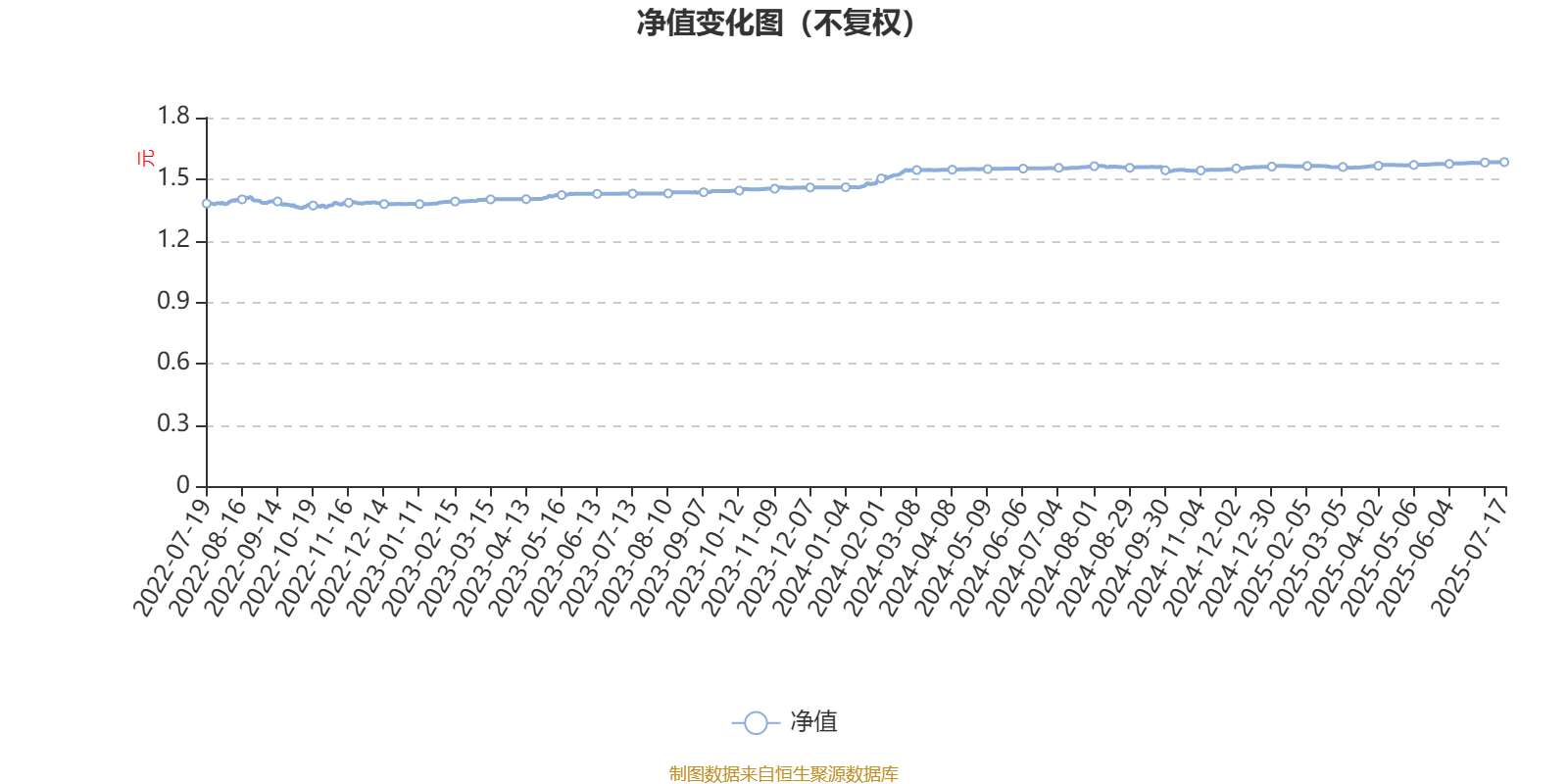
鹏华弘尚混合A:2025年第二季度利润38.71万元 净值增长率0.99%
Sou Hu Cai Jing· 2025-07-18 01:50
Core Viewpoint - The AI Fund Penghua Hongshang Mixed A (003495) reported a profit of 387,100 yuan for Q2 2025, with a weighted average profit per fund share of 0.0156 yuan, and a net asset value growth rate of 0.99% during the reporting period [3][16]. Fund Performance - As of July 17, the fund's unit net value was 1.583 yuan, with a fund size of 33.91 million yuan [3][16]. - The fund's performance over different periods includes a 0.94% growth rate over the last three months, 1.33% over the last six months, 1.79% over the last year, and 15.20% over the last three years, ranking 109/130, 103/130, 109/130, and 13/129 respectively among comparable funds [4]. Investment Strategy - The fund manager indicated that the financial market experienced significant volatility due to U.S. tariff policies, but the Chinese bond market remained stable due to effective policy countermeasures. The central bank implemented reserve requirement ratio and interest rate cuts, leading to a decrease in funding costs and reduced volatility in the bond market [3]. - The investment strategy focused on holding high-grade credit bonds and actively adjusting the credit structure to capitalize on the liquidity easing in the bond market, aiming to generate stable returns for investors [3]. Risk Metrics - The fund's Sharpe ratio over the last three years was 0.5338, ranking 11/122 among comparable funds [9]. - The maximum drawdown over the last three years was 3.82%, with the largest single-quarter drawdown occurring in Q1 2022 at 4.48% [11]. Asset Allocation - The average stock position over the last three years was 1.02%, significantly lower than the comparable average of 50.09%. The fund reached a peak stock position of 25.97% in mid-2022 and a low of 0.93% at the end of 2022 [14].
深夜爆雷,大跌!
券商中国· 2025-07-17 13:25
Core Viewpoint - The article highlights the significant impact of U.S. tariff policies on the automotive markets in Europe and Japan, with Volvo's recent financial struggles serving as a bellwether for the challenges facing these industries [1][9][13]. Group 1: Volvo's Financial Performance - Volvo reported an operating loss of 10 billion Swedish Krona (approximately 7.4 billion RMB) in Q2, marking its first quarterly loss since going public in 2021 [2][5]. - The loss was attributed to U.S. tariffs and high restructuring costs, with the company previously forecasting a profit of 2.3 billion Swedish Krona [5][7]. - Excluding one-time costs of 11.4 billion Swedish Krona, Volvo's operating profit for Q2 would have been 2.9 billion Swedish Krona, still down from 8 billion Krona in the same period last year [7]. Group 2: Impact of U.S. Tariffs - The U.S. has imposed a 25% tariff on foreign-made vehicles, severely affecting Volvo's ability to sell its profitable new ES90 model in the U.S. market [7][11]. - Volvo has begun withdrawing certain models from its U.S. product line due to decreased market interest and the direct impact of tariffs [10]. - The CEO emphasized that while Volvo will not exit the U.S. market, the tariffs are forcing significant adjustments to their product and production strategies [11][12]. Group 3: Broader Industry Implications - Analysts suggest that Volvo's financial difficulties are indicative of broader challenges facing the European and Japanese automotive sectors, with expectations of a tough earnings season due to the ripple effects of U.S. tariffs [13][14]. - The Japanese automotive industry is also experiencing significant trade tensions, with June exports to the U.S. dropping 26.7% year-over-year, a worsening from May's 24.7% decline [3][17][20]. - Japanese automakers are absorbing tariff costs by lowering export prices, indicating a trend of prioritizing lower-priced models to mitigate the impact of U.S. tariffs [21][22].

美国对等关税反复横跳,后续走势如何展望
2025-07-16 06:13
Summary of Conference Call Industry or Company Involved - The conference call primarily discusses the implications of U.S. trade policies, particularly tariffs and legal proceedings related to them, affecting various industries and companies involved in international trade. Core Points and Arguments 1. **U.S. Tariff Changes**: The discussion highlights the rapid changes in U.S. tariffs, including the potential cancellation of tariffs imposed during the Trump administration, and the ongoing legal battles surrounding these tariffs [2][5][10]. 2. **Legal Proceedings**: The U.S. International Trade Court's rulings are examined, particularly regarding the legality of tariffs imposed by the Trump administration under the IETA act, which some argue exceeded presidential authority [3][4][22]. 3. **Judicial Review**: The role of the judiciary in reviewing national security decisions made by the executive branch is emphasized, with the assertion that courts should not interfere with such decisions [11][14][26]. 4. **Impact on Small Businesses**: The potential harm to small businesses due to tariffs is discussed, with concerns that these businesses may suffer irreparable damage if tariffs are not addressed promptly [8][9]. 5. **Future Legal Outcomes**: Predictions are made regarding the timeline for legal decisions, suggesting that outcomes may take six months to a year, with the possibility of the Federal Circuit Court making a ruling that could either uphold or overturn lower court decisions [15][17][18]. 6. **Strategic Products and Tariffs**: The conversation touches on the classification of certain products as strategic, which affects tariff decisions, particularly under Section 232 of U.S. trade law [11][36]. 7. **Negotiation Dynamics**: The current state of U.S.-China negotiations is described as stagnant, influenced by judicial reviews and recent U.S. government actions perceived as aggressive towards China [32][34]. 8. **Consumer Impact**: The effect of tariffs on U.S. consumers is noted, with indications that consumer sentiment may influence government actions regarding tariffs [40][41]. Other Important but Possibly Overlooked Content 1. **Legislative Challenges**: The potential difficulties in passing new legislation to grant the president broader tariff powers are discussed, highlighting the political landscape in Congress [46][47]. 2. **Long-term Tariff Strategy**: The discussion suggests that tariffs are being used as negotiation tools rather than genuine revenue sources, indicating a strategic approach to international trade relations [35][36]. 3. **Future of Tariff Rates**: Speculation on future tariff rates suggests they may remain high, with a possibility of adjustments based on ongoing negotiations and political pressures [43][44]. This summary encapsulates the key discussions and insights from the conference call, focusing on the implications of U.S. trade policies and their impact on various stakeholders.
美“关税大棒”效应显现 6月消费者价格指数同比上涨2.7%
Yang Shi Wang· 2025-07-16 01:41
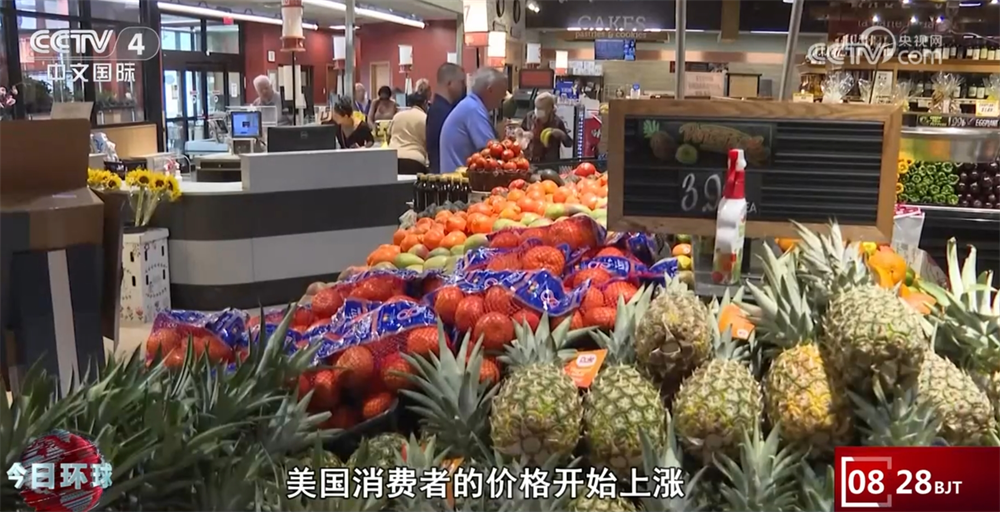
Group 1 - The core viewpoint of the articles indicates that the U.S. consumer price index (CPI) rose by 2.7% year-on-year in June, marking the largest increase since February and exceeding market expectations [1] - The core inflation rate, excluding volatile food and energy prices, increased by 2.9% year-on-year in June, suggesting rising price pressures due to tariffs imposed on imports [1][3] - Analysts believe that the U.S. government's tariff policies on imports are a significant factor driving up prices, with expectations of further inflationary pressures in the coming months [1][3] Group 2 - Following the CPI report, President Trump stated that inflation is still "low" and suggested that the Federal Reserve should lower interest rates, although economists caution that the impact of tariffs on inflation will take time to fully assess [5] - The World Trade Organization (WTO) reported that global trade growth is expected to slow down due to the implementation of U.S. tariffs, despite a strong growth of 3.6% in global goods trade in the first quarter of the year [6] - Specific categories of global trade showed significant growth in the first quarter, with office and telecommunications equipment trade increasing by 16%, while other categories like automotive products and fuels saw declines [8]
德国工商总会:美国关税政策持续不确定,每月或致德国对美出口减少10亿欧元
news flash· 2025-07-14 12:33
Group 1 - The core viewpoint is that ongoing uncertainty in U.S. tariff policies may lead to a reduction of 1 billion euros in German exports to the U.S. each month [1]
德国工商总会经济分析师:由于美国关税政策持续不确定,可能每月导致德国对美国的出口减少10亿欧元。
news flash· 2025-07-14 12:03
德国工商总会经济分析师:由于美国关税政策持续不确定,可能每月导致德国对美国的出口减少10亿欧 元。 ...
美国关税超收能弥补“大而美”法案带来的赤字吗? | 国际
清华金融评论· 2025-07-14 10:08
Core Viewpoint - The recent "One Big Beautiful Bill Act" passed by the U.S. Congress is expected to further increase the fiscal deficit, raising concerns about the sustainability of U.S. fiscal policy in the medium term [3][4][5]. Group 1: Impact of the "One Big Beautiful Bill Act" - The act is projected to increase the U.S. deficit by $3.3 trillion from FY2025 to FY2035, surpassing the previous estimate of $2.8 trillion [5]. - The act extends tax cuts from Trump's first term but reduces government spending through measures like cutting child tax credits and lowering renewable energy subsidies [4][5]. - The Congressional Budget Office (CBO) estimates that the annual fiscal deficit could exceed $2 trillion, which is over 6% of GDP, indicating a significant fiscal challenge ahead [5][6]. Group 2: Historical Context of Tariff Revenue - Historically, tariffs were a major source of U.S. government revenue, accounting for up to 90% of total revenue from 1790 to 1860, but this has significantly declined over the years [6][7]. - By 2024, tariffs are expected to contribute approximately 1.6% to total U.S. fiscal revenue, which is a modest recovery compared to historical levels [8]. Group 3: Recent Trends in Tariff Revenue - In June, U.S. tariff revenue exceeded $27 billion, significantly higher than previous estimates, indicating a potential short-term boost to fiscal income [9][10]. - The increase in tariff revenue may be influenced by temporary factors, such as strong import activity, which may not be sustainable in the long run [10][11]. Group 4: Uncertainties Surrounding Tariff Policy - The sustainability of current tariff rates is uncertain, as potential negotiations with trading partners could lead to reductions in tariffs, impacting future revenue [11][12]. - The overall economic impact of tariff policies on U.S. growth and fiscal revenue remains unclear, with potential retaliatory measures from other countries posing additional risks [12][13]. Group 5: Need for Comprehensive Fiscal Solutions - Relying solely on tariff revenue to address the growing fiscal deficit is insufficient, as even optimistic projections suggest limited contributions relative to the overall deficit [14]. - Achieving medium-term fiscal balance will require a multifaceted approach beyond just increasing tariff revenues [14].

全球产业链视角下美国关税政策的影响与应对
Jin Rong Shi Bao· 2025-07-14 03:14
Group 1: Impact of US Tariff Policy - The US tariff policy is used as a tool for trade negotiations and political pressure, significantly affecting global economic order, inflation trends, investment markets, and US-China trade relations [1][2] - Short-term effects of the tariff policy include increased import costs leading to temporary inflation pressure, with 16.7% of US consumer spending reliant on imports [2][3] - Long-term implications involve supply chain restructuring, which may result in efficiency losses and sustained inflationary pressures due to increased production and transportation costs [2][3] Group 2: Investment Market Reactions - Increased policy uncertainty from frequent tariff adjustments suppresses investment confidence, leading to more cautious long-term investment decisions [3][4] - Higher tariff rates raise production costs for companies and negatively impact consumer confidence, potentially leading to layoffs and production line relocations [3][4] Group 3: Global Trade Rule Restructuring - The World Trade Organization (WTO) faces challenges in addressing trade disputes effectively, prompting countries to shift towards regional trade agreements like the Regional Comprehensive Economic Partnership (RCEP) [4][5] - RCEP is expected to expand export markets, reduce trade costs, and promote deeper integration of supply chains, enhancing competitiveness for traditional labor-intensive industries [5][6] Group 4: Challenges for Chinese Export Enterprises - US tariffs have negatively impacted Chinese exports, with imports from China to the US projected to decline from $503.65 billion in 2017 to $429.43 billion in 2024, a drop of 14.7% [12][13] - Chinese enterprises are adopting strategies such as product upgrades, price competition, transshipment trade, and overseas production capacity to mitigate the impact of tariffs [12][13][14] Group 5: Economic Resilience Strategies - To enhance economic resilience, China is focusing on strengthening domestic demand, improving income distribution, and promoting consumption through targeted subsidies [14][15] - The emphasis is on reinforcing the resilience of the entire industrial chain and fostering innovation to create competitive advantages [14][15]
美关税延期亚太股市多数上涨,东盟国家经济表现分化
2 1 Shi Ji Jing Ji Bao Dao· 2025-07-14 00:36
Core Viewpoint - The U.S. government has announced new tariffs on over 20 countries, effective August 1, with rates ranging from 25% to 40%, impacting major ASEAN countries like Malaysia, Indonesia, and the Philippines [1][5] Market Performance - Despite the looming tariffs, the Asia-Pacific stock markets showed resilience, with most indices rising, particularly in Southeast Asia where Vietnam's Ho Chi Minh Index surged by 5.23% [1][2] - The Nikkei 225 index in Japan fell by 0.61%, while the KOSPI in South Korea rose by 3.98% [2] Economic Analysis - Southeast Asian markets are relatively insulated from U.S. tariff threats due to prior adjustments and strong economic data supporting investor confidence [2][3] - High expectations for Asian stock markets have been bolstered by favorable macroeconomic conditions and increased certainty regarding tariff policies, with Goldman Sachs raising its 12-month target for the MSCI Asia Pacific index by 3% to 700 points [3][4] Country-Specific Insights - Thailand's exports are projected to suffer losses between 176.4 billion to 198.4 billion RMB due to U.S. tariffs, with concerns over political uncertainty and domestic demand [5][6] - Indonesia is focusing on expanding exports to non-traditional markets to mitigate reliance on the U.S. [6][7] - Vietnam's economy is performing well, with a GDP growth rate of 7.52% in the first half of the year, attributed to strong export orders [6][7] IPO Market Outlook - Indonesia's IDX is optimistic about achieving its goal of 66 IPOs by 2025, reflecting a growing interest in capital markets [8][9]