
主体功能区战略

Search documents
发挥“四大战略”叠加效应,增强区域发展协调性丨四中全会解读
2 1 Shi Ji Jing Ji Bao Dao· 2025-10-23 14:46
Core Viewpoint - The article discusses the outcomes of the Fourth Plenary Session of the 20th Central Committee of the Communist Party of China, emphasizing the importance of optimizing regional economic layout and promoting coordinated regional development through the integration of four major strategies [2][4][10]. Group 1: Regional Economic Layout - The plenary session proposed to enhance regional economic layout and national spatial system by leveraging the synergistic effects of four major strategies: regional coordinated development, major regional strategies, principal functional area strategies, and new urbanization strategies [2][4][6]. - The focus is on creating a high-quality regional economic layout that complements advantages and promotes coordinated development across regions [7][10]. Group 2: Four Major Strategies - The four major strategies are designed to promote high-quality regional development and reduce disparities in GDP, living standards, and public services among different regions [4][5]. - The strategies include the coordinated development of the Beijing-Tianjin-Hebei region, the Guangdong-Hong Kong-Macau Greater Bay Area, the Yangtze River Delta integration, and the development of the Yangtze Economic Belt, among others [5][6]. Group 3: Emphasis on Coordination - The report emphasizes the need for enhanced coordination among regions, encouraging them to leverage their comparative advantages and foster interactive cooperation in areas such as industrial links, technological innovation, and infrastructure connectivity [3][8]. - It highlights the importance of narrowing the gaps in economic development levels, public services, and basic living standards among different regions [8][10]. Group 4: New Urbanization - The report stresses the continuation of a people-centered new urbanization process, indicating that urbanization quality and the integration of urban and rural areas remain critical for future development [9][10]. - The shift from "optimizing the spatial development and protection pattern" to "optimizing the spatial development pattern" reflects a transition towards more balanced development in the context of urbanization [9].


发挥“四大战略”叠加效应,增强区域发展协调性
2 1 Shi Ji Jing Ji Bao Dao· 2025-10-23 14:42
Core Points - The Fourth Plenary Session of the 20th Central Committee of the Communist Party of China emphasized optimizing regional economic layout and promoting coordinated regional development [1][2] - The session introduced the concept of the "Four Major Strategies" and their synergistic effects to enhance productivity layout in response to changing domestic and international development conditions [3][4] Group 1: Regional Development Strategies - The "Four Major Strategies" include regional coordinated development strategy, major regional strategy, main functional area strategy, and new urbanization strategy, all aimed at promoting high-quality regional development [3][4] - The core of the major regional strategy involves enhancing international competitiveness through initiatives like the Beijing-Tianjin-Hebei coordinated development and the Guangdong-Hong Kong-Macau Greater Bay Area [4][5] - The new urbanization strategy focuses on improving urbanization quality and facilitating the urban integration of rural populations [4][6] Group 2: Synergistic Effects and Coordination - The emphasis on the synergistic effects of the "Four Major Strategies" aims to optimize productivity layout and enhance regional economic coordination [4][5] - The report highlights the need for regional interaction and cooperation in areas such as industrial links, technological innovation, and infrastructure connectivity [2][8] - The goal is to narrow the development gap between regions, ensuring equitable access to public services and improving living standards for all citizens [8][10] Group 3: Spatial Development and Urbanization - The report calls for a better integration of development planning and spatial planning, reflecting a shift from rapid urbanization to more balanced spatial development [7][9] - The focus on "people-centered" new urbanization indicates an ongoing commitment to improving urban living conditions and promoting rural revitalization [9][10] - The adjustment from "optimizing the spatial development and protection pattern" to "optimizing the spatial development pattern" signifies a transition in priorities as urbanization progresses [9]
中国国土经济学会理事长:都市圈、城市群的范围并非越大越好
2 1 Shi Ji Jing Ji Bao Dao· 2025-10-22 09:35
Core Insights - The article discusses the significant achievements in urban construction and regional development during the "14th Five-Year Plan" period, with an urbanization rate projected to reach 67% by the end of 2024, indicating that 940 million people will live in cities and towns [1] - The transition from rapid urbanization to stable development is highlighted, emphasizing a shift from large-scale expansion to improving existing urban quality and efficiency [1][6] - The primary task of the new urbanization strategy is to promote the urbanization of the agricultural transfer population, focusing on equal access to public services rather than merely resolving household registration issues [8][9] Urbanization and Regional Development - Urbanization is moving from a rapid growth phase to a stable development phase, with a focus on enhancing the quality of urbanization [6][7] - The core of regional coordinated development remains consistent, aiming to reduce disparities in GDP, living standards, and public services across regions [6][7] - The new urbanization strategy emphasizes the importance of improving the quality of urbanization and ensuring that the agricultural transfer population can integrate into urban life [8][9] Urban Agglomeration and City Group Development - The size of urban agglomerations and city groups should be determined by the connections between cities and their radiation capabilities, rather than aiming for larger sizes [2][13] - The implementation of approved urban agglomeration plans is crucial, with a focus on establishing regional cooperation mechanisms [2][13] - The development of urban agglomerations and city groups should promote coordinated development among large, medium, and small cities, creating a rational urban and spatial system [14] Challenges in Agricultural Population Urbanization - The urbanization of the agricultural transfer population faces challenges, particularly in accessing equal public services and social welfare [8][9] - The misconception that household registration is directly tied to public service provision has led to difficulties for many agricultural workers in urban areas [9] - The focus should shift from household registration rates to the urbanization rate of the resident population, emphasizing the need for equal public service provision regardless of registration status [9] Recommendations for Future Development - To address the challenges of urbanization, it is essential to break down administrative barriers and enhance transportation networks connecting core cities with surrounding areas [12][13] - The planning of urban agglomerations should prioritize optimizing spatial layouts and defining the functional roles of different cities to avoid excessive competition [15] - The government and market must collaborate to establish regional cooperation mechanisms for effective urban agglomeration development [13][15]
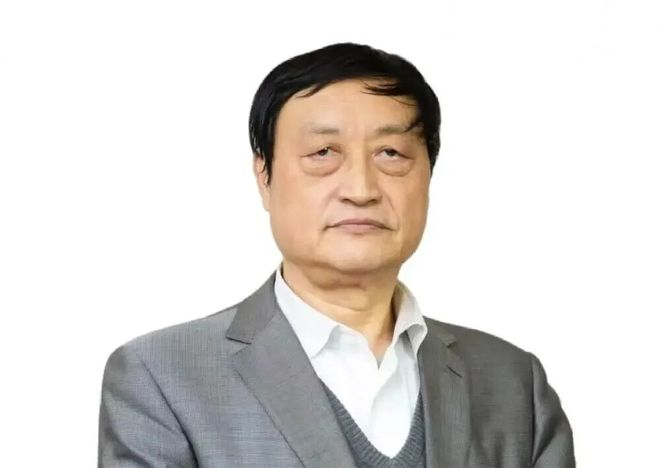
中国国土经济学会理事长:都市圈、城市群的范围并非越大越好
21世纪经济报道· 2025-10-22 09:15
Core Viewpoint - The article emphasizes the transition of urbanization in China from rapid growth to stable development, focusing on improving the quality of urbanization and the integration of agricultural transfer populations into cities as a key task for the "15th Five-Year Plan" period [1][6][8]. Urbanization and Development - By the end of 2024, China's urbanization rate is expected to reach 67%, indicating that 940 million people will live in urban areas, with a steady improvement in urban carrying capacity [1]. - The shift in urban development is moving from large-scale expansion to enhancing existing urban quality and efficiency [1][6]. Agricultural Transfer Population - The primary task of the new urbanization strategy is to promote the urbanization of agricultural transfer populations, focusing on equal access to public services rather than merely resolving household registration issues [5][9]. - Current challenges include the disparity in public services and social welfare for agricultural transfer populations, leading to difficulties in their integration into urban life [8][9]. Urban Agglomeration and City Group Development - The size of urban agglomerations and city groups should be determined by the connections between cities and their radiation capabilities, rather than aiming for larger sizes [2][14]. - The implementation of approved urban agglomeration plans is crucial, with an emphasis on establishing regional cooperation mechanisms [2][16]. Regional Coordination and Quality Development - The core of regional coordinated development remains consistent, focusing on reducing disparities in GDP, living standards, and public services across regions [6][7]. - The "15th Five-Year Plan" will continue to prioritize high-quality regional development through strategies like urbanization and regional major strategies [6][7]. Urban Structure and Function - The article discusses the need for a balanced development structure among large, medium, and small cities, addressing the "core siphon" effect where large cities attract resources at the expense of surrounding areas [12][13]. - A focus on optimizing spatial layouts and defining the functional roles of different cities is essential for promoting coordinated development [16][17]. Urban Renewal and Infrastructure - Urban renewal is highlighted as a critical aspect of improving urban quality, with plans for upgrading old infrastructure and enhancing living conditions [17][18]. - The article suggests that urban renewal should be guided by planning and address funding challenges to ensure successful implementation [18].
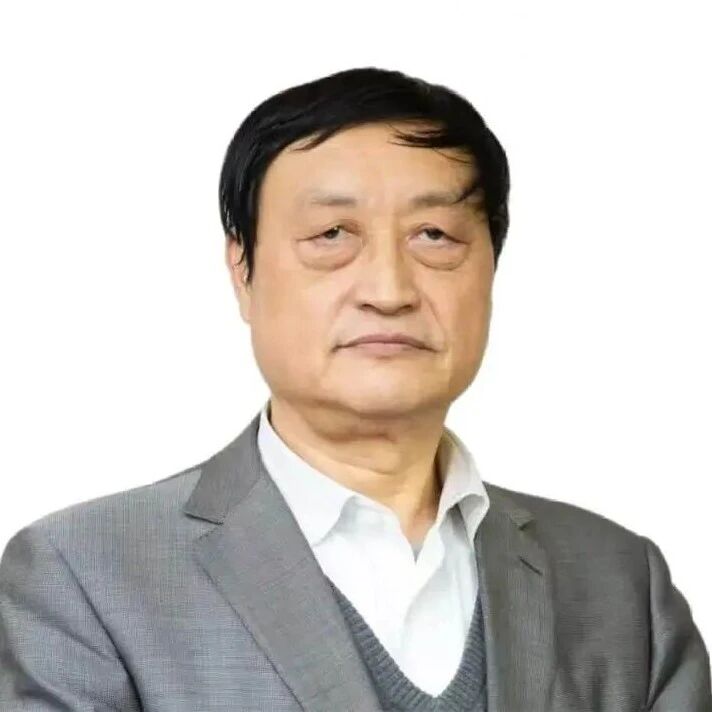
21专访|肖金成:都市圈、城市群的范围并非越大越好
2 1 Shi Ji Jing Ji Bao Dao· 2025-10-21 12:25
Core Viewpoint - The 20th Central Committee of the Communist Party of China is set to review the suggestions for the 15th Five-Year Plan, aiming to outline the blueprint for China's development over the next five years, with a focus on urbanization and regional development [1] Urbanization and Regional Development - During the 14th Five-Year Plan, significant achievements were made in urban construction and regional development, with the urbanization rate expected to reach 67% by the end of 2024, translating to approximately 940 million people living in urban areas [1] - The current phase of urbanization is shifting from rapid growth to stable development, emphasizing quality improvement over quantity expansion [1][3] Key Focus Areas for the 15th Five-Year Plan - The primary task of the new urbanization strategy is to promote the urbanization of the agricultural transfer population, focusing on equal access to public services rather than merely resolving household registration issues [3][7] - The development of metropolitan areas and urban clusters should be based on the connections between cities and their radiating capabilities, with an emphasis on implementing approved metropolitan area plans [3][9] Regional Coordination and Development Strategies - The core of regional coordination development remains consistent, focusing on reducing disparities in GDP per capita, living standards, and public services across regions [3][4] - The new urbanization strategy emphasizes improving the quality of urbanization and enhancing the living conditions of the agricultural transfer population, moving towards a more human-centered approach [4][5] Challenges in Urbanization - The agricultural transfer population faces significant barriers to full integration into urban life, particularly in accessing education, social security, and housing, leading to a situation where it is easier to move to cities than to fully integrate [5][7] - The misconception that household registration is the primary issue in urbanization has led to challenges in providing adequate public services to the agricultural transfer population [6][7] Urban Development Trends - The trend of increasing population movement from rural to urban areas is shifting towards inter-city migration, which should be addressed within the framework of the main functional area strategy rather than the new urbanization strategy [5][8] - The phenomenon of large cities growing larger creates pressure on urban management and exacerbates disparities with surrounding smaller cities, necessitating a shift from a siphoning effect to a radiating effect [8][9] Recommendations for Future Development - To promote coordinated development among large, medium, and small cities, it is essential to enhance transportation networks and establish regional cooperation mechanisms [9][10] - The government and market must collaborate to address the practical issues of metropolitan area planning, including funding and implementation [9][11] Land System Reform - The land system reform during the 14th Five-Year Plan has made progress, particularly in the area of rural land rights, but challenges remain in the pricing and transfer of land use rights [12][13] - Future reforms should focus on the integration of land use rights and the promotion of urban-rural integration, particularly in small towns [14][15] Urban Renewal Initiatives - The focus for urban development is shifting towards high-quality urban renewal, which includes improving living conditions and addressing infrastructure issues [16] - Key actions for urban renewal in the 15th Five-Year Plan should include developing specific urban renewal plans and addressing funding challenges [16]

我国新发现10个大型油田、19个大型气田,还有1500吨大金矿和延绵2800公里的“亚洲锂腰带”!自然资源部重磅公布
Mei Ri Jing Ji Xin Wen· 2025-09-10 16:09
Core Insights - The press conference highlighted the achievements in high-quality development of natural resources during the "14th Five-Year Plan" period, showcasing significant increases in land and water resources, as well as improvements in forest coverage and ecological protection efforts [1][4]. Group 1: Land and Water Resources - By the end of 2024, the total arable land area in China is expected to reach 1.94 billion acres, an increase of 28 million acres compared to 2020 [1]. - The total water resources in the country amount to 31.1 trillion cubic meters, with groundwater resources accounting for 867.92 billion cubic meters [1]. - The national forest coverage rate has reached 25.09%, an increase of approximately 2 percentage points since 2020, making China the fastest-growing country in terms of greening [1]. Group 2: Urban and Spatial Planning - The Ministry of Natural Resources has deepened the "multi-planning integration" reform, optimizing the land spatial layout and implementing a national land spatial planning framework [3]. - The strategic urbanization framework includes a "two horizontal and three vertical" urbanization strategy and a "seven zones and twenty-three belts" agricultural development pattern [3]. - Strict land use controls have been established to protect arable land and ecological spaces, effectively curbing urban sprawl [3]. Group 3: Ecological Protection and Restoration - The Ministry has implemented significant ecological system protection and restoration initiatives, completing over 10 million acres of land rehabilitation [4]. - Major achievements include the restoration of 240,000 acres of abandoned mines and the improvement of marine ecosystems, with coral reef health rates exceeding 60% [4]. - The "Three North" project has completed construction tasks covering 164 million acres, reinforcing ecological safety barriers [4]. Group 4: Mineral Resource Exploration - A new round of mineral exploration has been launched, with nearly 450 billion yuan invested, leading to significant breakthroughs in energy resources, including the discovery of 10 large oil fields and 19 large gas fields [5][6]. - The newly discovered geological reserves of coalbed methane in the Ordos Basin exceed 300 billion cubic meters, approaching the total added over the past decade [5]. - Major breakthroughs in uranium mining have been achieved, particularly in Gansu and Heilongjiang, establishing a solid resource base for uranium security [5]. Group 5: Strategic Mineral Resources - The discovery of a significant "Asian lithium belt" spanning 2,800 kilometers across four provinces has positioned China as a leader in lithium resource exploration [7]. - Technological advancements have enabled the extraction of helium from natural gas, marking a significant shift from reliance on imports to domestic production [7]. - New resource bases are emerging, such as the Dandong gold mine in Liaoning, which is expected to become a world-class gold mine [6].
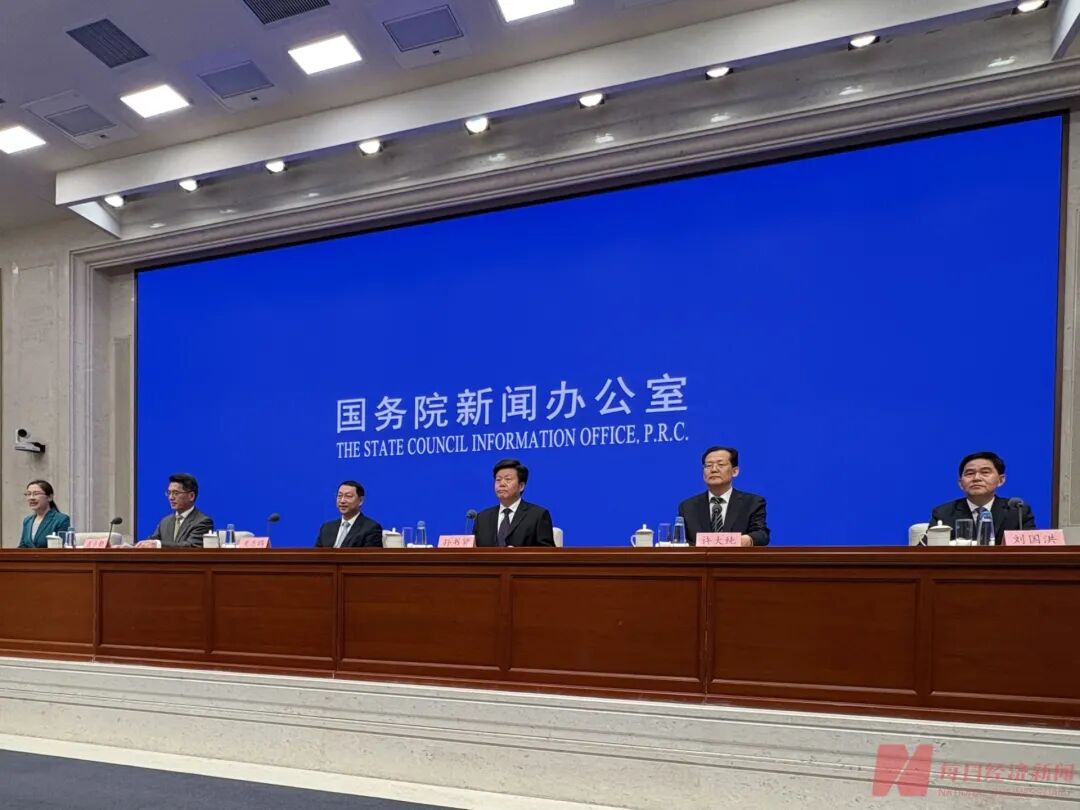
多领域突破!自然资源部晒“十四五”成绩单
2 1 Shi Ji Jing Ji Bao Dao· 2025-09-10 13:47
Core Viewpoint - The news highlights the achievements and ongoing efforts of China's Ministry of Natural Resources in optimizing resource management and promoting sustainable development during the "14th Five-Year Plan" period. Group 1: Natural Resource Management Achievements - The Ministry has conducted comprehensive surveys and monitoring of nine types of natural resources, leading to a more robust understanding of China's resource base [1] - By the end of 2024, the national arable land area is projected to reach 1.94 billion acres, an increase of 28 million acres since 2020, with significant contributions from provinces like Heilongjiang and Inner Mongolia [1] - The Ministry has identified and assessed the reserves of 163 types of minerals, discovering 534 new large and medium-sized oil and gas fields and mineral deposits [1] Group 2: Land Use and Urban Planning - The Ministry has implemented a "multi-planning integration" reform, optimizing land use and urban planning across various levels of government [2] - The area of construction land per unit of GDP has decreased by 16%, indicating improved land use efficiency [4] - Over 5 million acres of idle land have been repurposed, and 1.71 million acres of inefficient land have been redeveloped [4] Group 3: Ecological Restoration and Land Management - The Ministry has initiated significant ecological restoration projects, completing over 10 million acres of comprehensive land rehabilitation [5] - The "Three North" project has successfully completed tasks covering 164 million acres, contributing to national ecological security [5] - The Ministry is promoting large-scale national greening efforts, achieving a total greening area of 54.9 million acres during the "14th Five-Year Plan" [10] Group 4: Mining and Resource Exploration - A new round of mineral exploration has been launched with an investment of nearly 450 billion yuan, resulting in significant discoveries in oil, gas, and various minerals [6] - Major breakthroughs include the discovery of 10 large oil fields and 19 large gas fields, with substantial geological reserves identified in the Ordos Basin [6] - The establishment of the "Asian Lithium Belt" has positioned China as a leader in lithium resource supply [6] Group 5: Marine Economy Development - The marine economy's production value is expected to exceed 10 trillion yuan in 2024, marking a 34% increase since the end of the "13th Five-Year Plan" [8] - Marine oil and gas are becoming the main contributors to resource growth, with marine crude oil accounting for over 70% of domestic crude oil increments [8] - China's marine industries are diverse and robust, with significant advancements in marine technology and production capabilities [8] Group 6: National Park Development - The establishment of national parks has progressed significantly, with five parks operational and integrating over 120 existing natural reserves [11] - A unified management system for national parks is being developed, focusing on ecological protection and community involvement [11][12] - The drafting of a national park law is underway, alongside revisions to existing regulations on nature reserves and scenic areas [12]
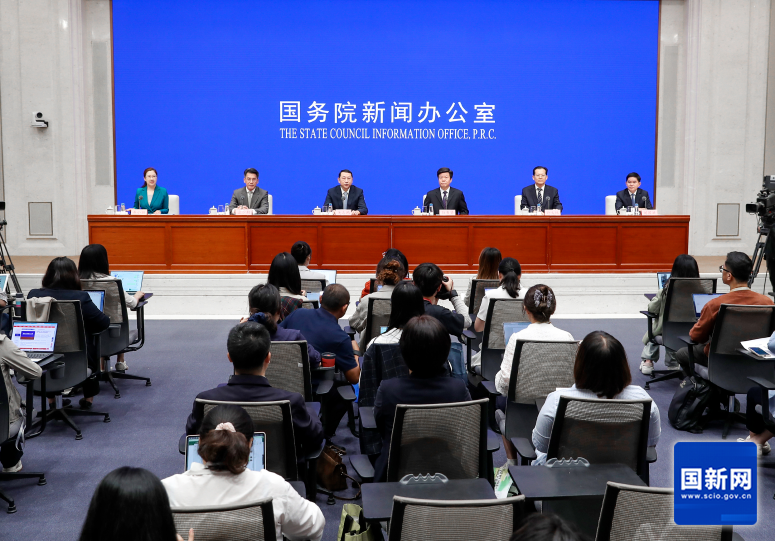
自然资源部晒“十四五”成绩单:新发现10个大型油田、19个大型气田
Mei Ri Jing Ji Xin Wen· 2025-09-10 13:33
Group 1: Achievements in Natural Resource Management - By the end of 2024, the total cultivated land area in China is expected to reach 19.4 billion mu, an increase of 28 million mu compared to 2020 [1] - The total water resources in the country have reached 31.1 trillion cubic meters, with groundwater resources amounting to 867.92 billion cubic meters [1] - The forest coverage rate in China has reached 25.09%, an increase of approximately 2 percentage points since 2020, making China the fastest-growing country in terms of greening [1] Group 2: Urban Planning and Land Use - The Ministry of Natural Resources has deepened the "multi-planning integration" reform, optimizing the land spatial layout [2] - A national land spatial planning outline has been developed, with provincial and municipal plans approved and implemented, creating a unified blueprint for land development and protection [2] - Strict land use controls have been implemented to safeguard food security and ecological spaces, effectively curbing urban sprawl [2] Group 3: Ecological Protection and Restoration - The Ministry has implemented significant ecological system protection and restoration initiatives, with over 10 million mu of land undergoing comprehensive remediation [3] - Historical abandoned mines covering over 2.4 million mu have been rehabilitated, and coastal wetlands of 760,000 mu have been restored [3] - The quality of typical marine ecosystems, such as coral reefs, has improved, with over 60% now rated as good [3] Group 4: Mining and Resource Exploration - A new round of mineral exploration has been launched, with nearly 450 billion yuan invested, leading to significant breakthroughs in energy resources [4] - Major discoveries include 10 large oil fields and 19 large gas fields, with the Ordos Basin alone adding over 300 billion cubic meters of geological reserves [4][5] - The discovery of two large uranium mines in Gansu and Heilongjiang has strengthened the resource base for uranium mining in China [5] Group 5: Development of New Resource Bases - Old resource bases have been revitalized, with significant new reserves found in various provinces, extending the operational lifespan of these mines [6] - New resource bases are emerging, such as the phosphate mine in Yunnan and the deep brine potassium salt mine in Qinghai, with the Dandong gold mine in Liaoning showing promising gold resources [6] - Strategic emerging industry minerals have also seen major exploration breakthroughs, contributing to a leading global resource supply system [6] Group 6: Technological Advancements in Resource Extraction - The exploration of lithium resources has identified an "Asian lithium belt" spanning 2,800 kilometers across several provinces, with multiple large and super-large lithium mines discovered [7] - Breakthroughs in technology have enabled the extraction of lithium from low-grade ores and brine, enhancing domestic production capabilities [7] - A significant advancement in helium extraction technology has been achieved, allowing for domestic production to meet core demand, reducing reliance on imports [7]
放大区域战略的叠加效应
Zhong Guo Jing Ji Wang· 2025-03-09 22:03
Core Insights - The article emphasizes the importance of integrating regional development strategies with national major development strategies to enhance economic growth and balance across regions [1][2][3] Group 1: Regional Development Strategies - The article highlights the need for Jiangsu to align with major national strategies such as the coordinated development of the Beijing-Tianjin-Hebei region and the Guangdong-Hong Kong-Macau Greater Bay Area, as well as actively participating in the Belt and Road Initiative [1] - It discusses the significance of leveraging regional advantages to create a synergistic effect, which can stimulate new economic growth [1][2] - The article notes that the implementation of various regional coordination strategies since the 18th National Congress has led to smoother regional economic circulation, exemplified by collaborative supply chains in the automotive industry [1] Group 2: Challenges in Regional Coordination - The article identifies ongoing challenges in promoting regional coordinated development, including persistent disparities between northern and southern regions, industrial homogeneity, and administrative barriers affecting resource allocation [2] - It suggests that fostering new growth poles through the combined effects of regional strategies can transform developmental disparities into collaborative growth opportunities [2] - The article stresses the necessity of breaking down regional barriers and establishing effective cooperation mechanisms to enhance market efficiency and government effectiveness [2] Group 3: Role of Major Economic Provinces - The article asserts that major economic provinces play a crucial role in the national strategy and must align their efforts with the broader national agenda while leveraging their unique regional characteristics [3] - It emphasizes the need for these provinces to not only achieve reasonable quantitative growth but also to lead in qualitative improvements, thereby enhancing their influence on regional development [3] - The article calls for these provinces to utilize national strategic opportunities effectively to support coordinated regional development and stable economic operation [3]