乡村发展

Search documents
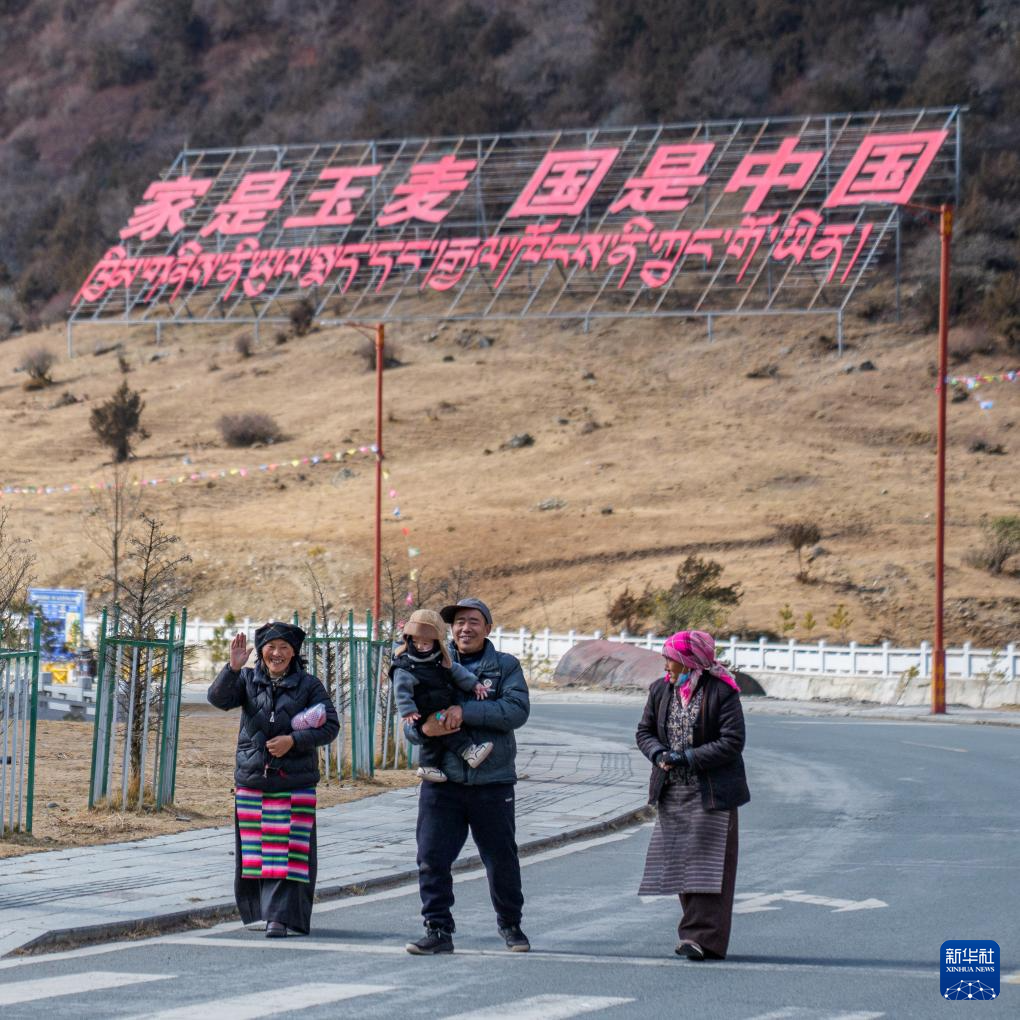
新春走基层丨玉麦新颜
Xin Lang Cai Jing· 2026-02-07 13:35
Core Viewpoint - The transformation of Yuma Township in Tibet from a remote area with limited infrastructure to a thriving community with modern amenities and tourism opportunities is highlighted, showcasing significant improvements in living conditions and economic activities [1]. Infrastructure Development - Yuma Township, located at the southern foot of the Himalayas, has seen the construction of paved roads and continuous electricity supply, eliminating previous challenges such as snow-blocked access and electricity shortages [1]. - The area now boasts complete facilities including drainage, communication systems, schools, and healthcare centers, contributing to a better quality of life for residents [1]. Economic Growth - In 2025, Yuma Township welcomed over 12,000 tourists, generating significant income for local families, with household lodging revenues reaching over 284,200 yuan [1]. - The establishment of family-run guesthouses, small shops, and courier services indicates a diversification of income sources for the residents [1]. Community Life - The current state of Yuma Township features well-organized residential areas, with villagers actively participating in local businesses and preparing for cultural celebrations, such as the upcoming Tibetan New Year [5][9]. - The presence of local healthcare professionals and the operation of supermarkets reflect the community's commitment to improving health and accessibility [10].

点福字香 盼好年景
Xin Lang Cai Jing· 2026-02-06 00:22
Core Viewpoint - The article highlights the cultural significance and traditional craftsmanship of the "Fu" character incense production in Xiefang Village, which is tied to local heritage and community practices during the Lunar New Year celebrations [1][2]. Group 1: Cultural Heritage - The "Fu" character incense making technique is recognized as a representative project of intangible cultural heritage in Shaowu City, reflecting the local customs and hopes for prosperity during the New Year [1][2]. - The technique is historically linked to the legend of Wang Shenzhi, who is credited with promoting agricultural practices and community welfare in the region during the Tang Dynasty [2]. Group 2: Production Process - The incense is made using local materials, specifically the shells of camellia seeds, which are processed through multiple steps to create the incense powder without any adhesives, maintaining the natural essence of the materials [3]. - The production process involves careful measurement and technique, ensuring that the "Fu" character is clearly defined and aesthetically pleasing, with each incense stick capable of burning for six to seven hours [3]. Group 3: Community Engagement and Innovation - The village is exploring innovative expressions of the traditional craft, including the development of portable incense and elegant incense bags, aiming to share the ecological "Fu" culture with a broader audience [4]. - Plans are underway to enhance tourism by integrating cultural education, leisure activities, and the unique local heritage, creating a comprehensive cultural tourism experience that connects various local attractions [4].
编辑:郭纪轩 组版:李腾 校对:丁安顺
Xin Lang Cai Jing· 2026-02-02 16:59
Group 1: Environmental Purification - The comprehensive administrative law enforcement team in Zoucheng City has initiated a special campaign to regulate oil smoke emissions from catering businesses, focusing on key emission points to protect air quality and ecological environment [1] - Enforcement personnel are implementing a dual approach of "inspection + publicity," checking the compliance of oil smoke purification equipment installation, operational status, and maintenance records [1] - Notices for rectification are issued on-site for issues such as untimely cleaning of equipment and irregular record-keeping, guiding businesses to enhance environmental responsibility and standardize equipment usage [1] Group 2: Public Service and Community Engagement - The Liangbaosi Town convenience service center in Jiaxiang County has moved its administrative service window to local markets, setting up "service booths" to address community needs [1] - Staff members engage directly with the public, explaining high-frequency policies related to social security, medical insurance, and low-income applications in an accessible manner [1] - The initiative aims to make public services more accessible by regularly conducting these outreach activities in community markets [1] Group 3: Community Development and Cleanliness - The Huangzhuang community in Jining High-tech Zone organized a concentrated cleaning activity in the sports park, focusing on various areas including fitness equipment and green spaces [2] - Community workers were assigned specific tasks to ensure thorough cleaning, including removing debris from fitness equipment and clearing litter from pathways [2] - The "New Year Talk on Development" event in Shenzhuang Village aimed to gather community feedback on governance and service improvements for the upcoming year [2]
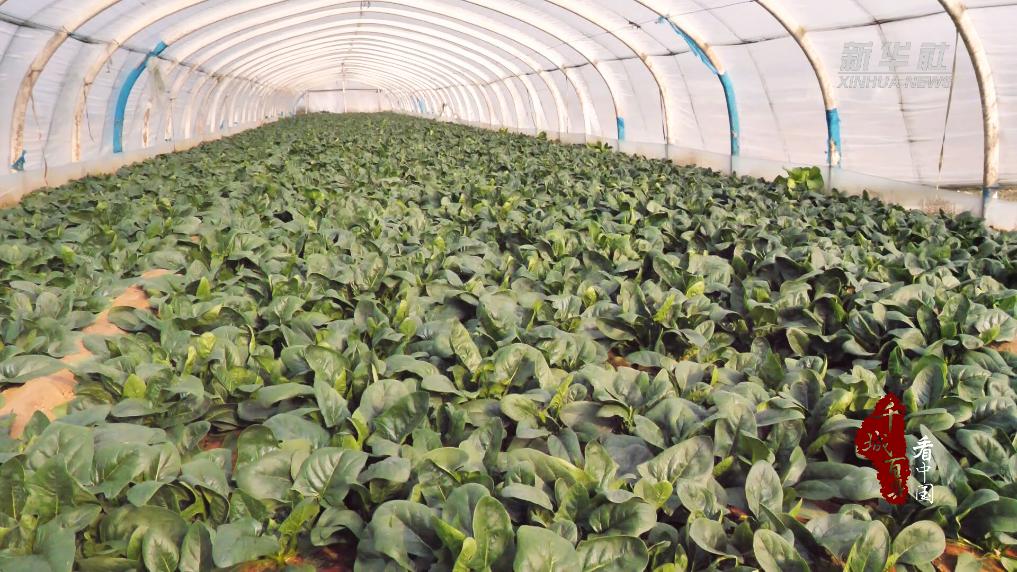
千城百县看中国|山东东阿:大棚菜鲜
Xin Hua Wang· 2026-02-01 01:42
Group 1 - The core viewpoint of the article highlights the thriving agricultural activities in Liuji Town, Dong'a County, where greenhouse vegetables are being harvested, providing fresh produce to local markets and ensuring healthy food options for residents [1] - The village's development of greenhouse vegetables has led to increased income for over 150 farming households and created job opportunities for more than 500 villagers [4] - Dong'a County plans to continue promoting agricultural structural adjustments, focusing on the cultivation of specialty agricultural products and deep processing to drive rural development [4]
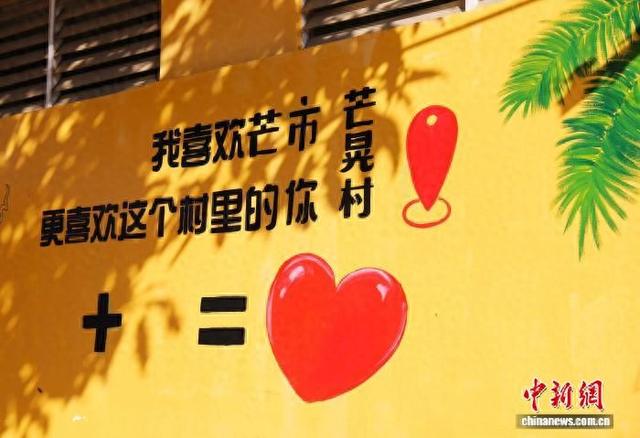
云南芒市芒晃村:从“失地村”到“旅居村” 把流量变留量
Xin Lang Cai Jing· 2026-01-27 12:39
Core Insights - The article highlights the transformation of Manghuang Village in Yunnan from a "lost village" with limited agricultural land to a thriving travel destination that attracts long-term visitors [3][6]. Group 1: Village Transformation - Manghuang Village, located in the Dehong Dai and Jingpo Autonomous Prefecture, has shifted its focus from agriculture to service-oriented industries due to limited land resources [3]. - The village began its transformation in 2017 by introducing policies to develop the restaurant sector, leading to the establishment of the first dining establishments [3][6]. - As of now, the village has diversified its economy with 23 restaurants, 13 guesthouses, 4 photography studios, and 3 e-commerce businesses, significantly increasing the average annual income of villagers [6]. Group 2: Investment and Development - The village's appeal has attracted investors, such as Yang Junbao, who opened a themed guesthouse capitalizing on the area's cultural and geographical advantages [5]. - Local residents are adapting to the growing demand for long-term stays by enhancing their guesthouse facilities and services [5][6]. - Future plans for the village include establishing a property management company, expanding agricultural tourism, and promoting inter-village collaboration to explore further development opportunities [6].
生活的盼头就在前方(视线)
Ren Min Ri Bao· 2026-01-02 00:31
Core Viewpoint - The transformation of Dariyabuyi Village in the Hotan region of Xinjiang showcases significant improvements in living conditions and economic opportunities for residents through relocation and modernization efforts [1][4][5]. Group 1: Historical Context - Dariyabuyi Village, located in the heart of the Taklamakan Desert, was historically characterized by primitive living conditions, lacking modern amenities such as electricity and communication facilities [3]. - The village was established in 1989, but residents faced significant challenges due to its remote location and inadequate infrastructure [3]. Group 2: Relocation and Modernization - Since 2017, the village has undergone a comprehensive relocation process, with new homes built along the Keriya River, significantly improving living standards [4]. - The new homes are equipped with modern appliances and are designed to accommodate community needs, including spaces for guesthouses and shops [5]. Group 3: Economic Development - Infrastructure improvements include a 90-kilometer asphalt road connecting the village to the national highway, facilitating easier access for residents and tourists [5]. - The establishment of a health clinic with modern facilities has enhanced healthcare access for villagers [6]. - The local economy is diversifying with initiatives in sheep farming and the cultivation of desert herbs, leading to an average income increase of 15,000 yuan per household [6]. Group 4: Tourism Growth - Dariyabuyi Village has become a popular destination for desert adventure tourism, with the establishment of a scenic area that includes both the new and old villages [7]. - Local residents have adapted to the tourism boom, with many opening guesthouses and restaurants, contributing to the village's economic vitality [7].
“共享菜园”为啥火
Jing Ji Ri Bao· 2025-12-28 23:32
Core Insights - The "shared garden" model has gained popularity as a new way for urban residents to engage with nature and rural life, providing an immersive experience from planting to harvesting, while also enhancing social interaction [1][2] - This model addresses the long-standing issue of underutilized rural land by transforming idle plots into rental gardens, generating stable rental income for rural communities and promoting diverse economic activities [1] Group 1 - The "shared garden" model allows urban dwellers to reconnect with nature, fulfilling their desire for pastoral living amidst urbanization [1] - It leverages the concept of shared economy to meet new consumer demands while benefiting rural areas by converting unused land into valuable assets [1] - The influx of visitors to rural areas can stimulate various sectors such as local dining, educational experiences, and direct sales of agricultural products, fostering a new development model of "agriculture + experience + service" [1] Group 2 - The sustainability of the "shared garden" model faces challenges, including maintaining tenant engagement and preventing land from becoming idle again [2] - To ensure long-term success, regions must adopt differentiated development strategies and improve benefit mechanisms for all stakeholders involved [2] - Continuous enhancement of service quality and user experience is essential to meet diverse needs and make "shared gardens" a desirable destination [2]
“90后”村支书 晒“工作总结”短视频走红
Xin Lang Cai Jing· 2025-12-28 17:20
Core Viewpoint - The short video summary by Yang Wen, the village party secretary, highlights significant changes in Shuanglin Village over the past year, showcasing community development efforts and garnering positive public attention for its authenticity and relatability [1][4]. Group 1: Infrastructure Development - The completion of 1.3 kilometers of hardened roads and the enhancement of three water towers are key infrastructure improvements in the village [2]. - The road construction faced challenges due to steep terrain, with some sections having slopes exceeding 20 degrees, requiring innovative construction methods [2]. - By the end of 2025, all 25 village groups will have access to hardened roads, totaling approximately 16 kilometers [2]. Group 2: Educational and Economic Growth - A new five-story teaching building is set to replace a 30-year-old school, benefiting over 280 students with modern facilities [2]. - The village has diversified its economy with the development of solar power, traditional Chinese medicine cultivation, and fruit farming, leading to a collective income increase to several hundred thousand yuan [2]. Group 3: Community Engagement and Recognition - Yang Wen, initially perceived as inexperienced, gained the trust of villagers through persistent efforts and transparency in development projects [3]. - The use of short videos to document progress has increased community awareness and engagement, leading to a boost in local tourism and agricultural sales [4]. - The viral success of the annual summary video has been interpreted as a recognition of grassroots efforts in community development [4].
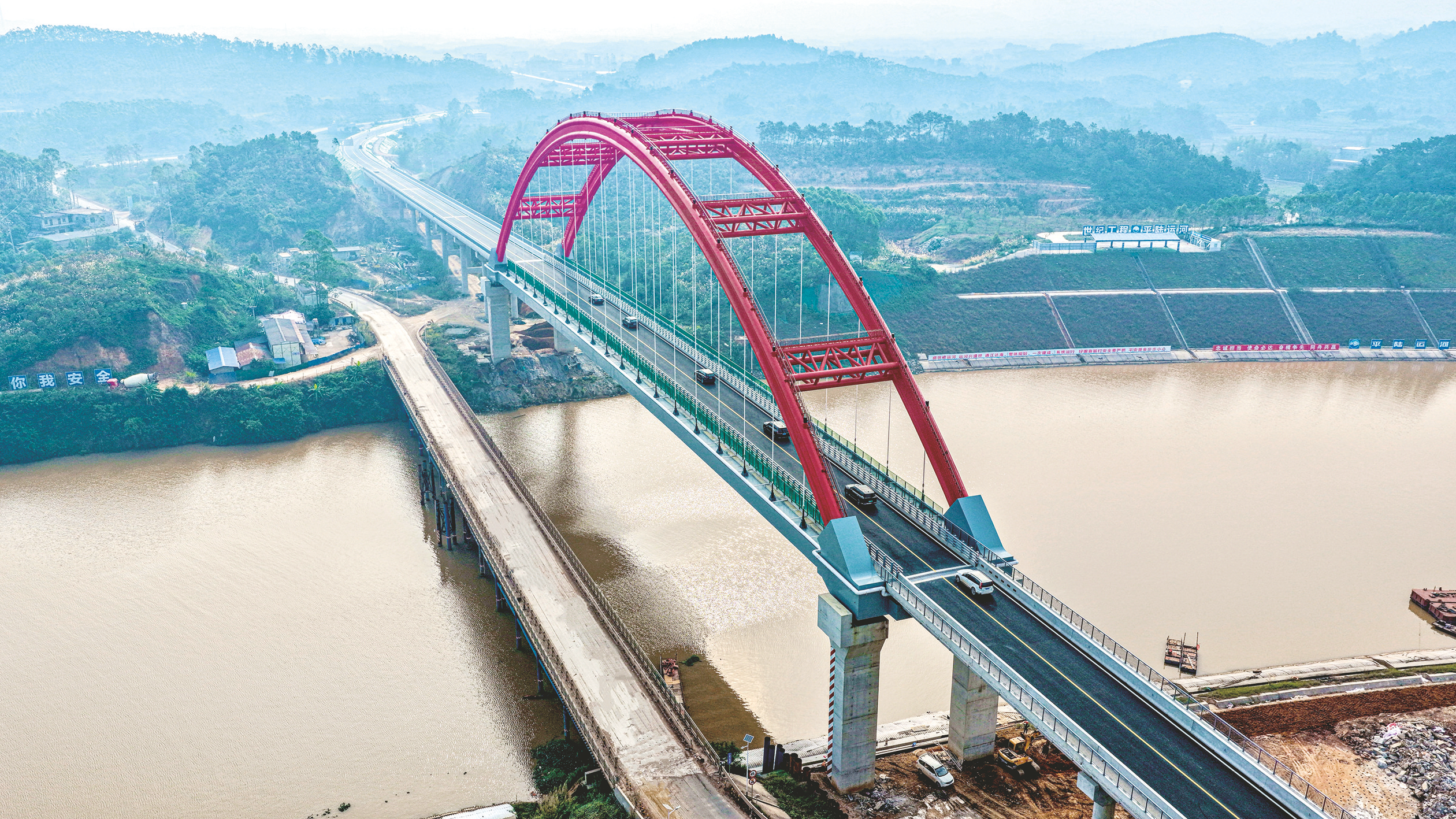
平陆运河两桥同步通车 区域交通升级惠及民生
Xin Lang Cai Jing· 2025-12-24 00:16
Core Viewpoint - The completion of the Dingwucun Bridge and the Xiangsi Bridge on December 22 will significantly enhance regional transportation connectivity and stimulate rural development, providing new travel convenience for local residents [4][5]. Group 1: Bridge Details - The Dingwucun Bridge, located approximately 23 kilometers north of Qinzhou, is a reconstruction project and serves as a crucial traffic hub for Provincial Road S313, spanning a total length of 932.08 meters with a main bridge of 175 meters [4]. - The Xiangsi Bridge, situated at the boundary of Liwu Village and Xiangsi Ping Village, is designed to meet rural connectivity needs, with a total length of 992.08 meters and a main bridge also measuring 175 meters [5]. Group 2: Construction and Innovation - The construction of both bridges began in November 2023, with a focus on prioritizing public welfare and orderly execution, overcoming challenges such as dispersed work sites and high-altitude operations [5]. - Innovative construction techniques, including prefabricated support installations and smart paving technology, were employed to ensure safety and quality during the construction process [5]. Group 3: Future Implications - The ongoing improvement of the transportation network along the Pinglu Canal is expected to release more convenient and efficient transportation benefits, driving high-quality regional development and enhancing the well-being of local residents [5].
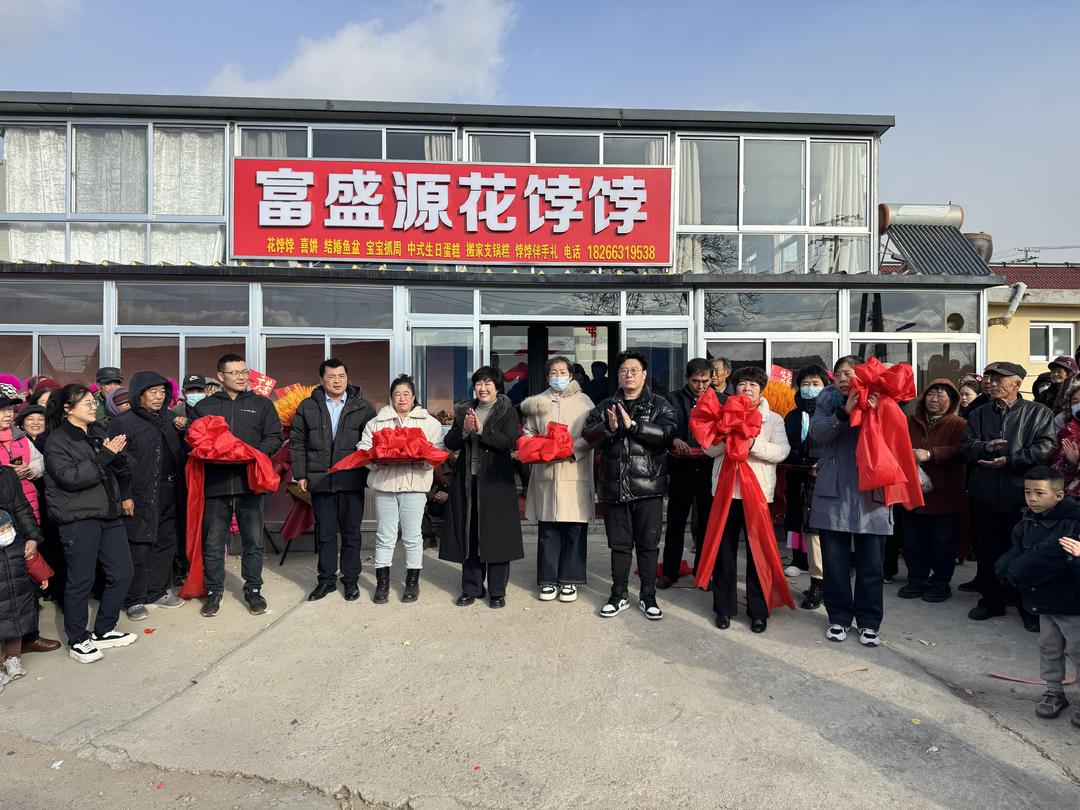
政企联动赋能乡村发展,花饽饽“蒸”出产业新路
Qi Lu Wan Bao· 2025-12-21 10:57
Core Viewpoint - The establishment of a flower pastry processing enterprise in Weihe City represents an innovative model of rural development through collaboration among local villages, government support, and business association involvement, aimed at revitalizing the local economy and creating job opportunities [1][3]. Group 1: Project Overview - The flower pastry processing enterprise was officially launched on December 21, with participation from local government officials and business leaders [1]. - This project is the first "four-village joint construction" initiative in Mianshan Town, highlighting government assistance in overcoming small workshop qualification limitations [1]. Group 2: Economic Impact - The project utilized idle housing resources and over 100,000 yuan in initial funding to purchase equipment, transforming traditional skills into standardized production [3]. - The enterprise employs a "flexible labor" model, primarily hiring left-behind women, addressing employment challenges while utilizing available labor [3]. Group 3: Government Support and Initiatives - The local government and the Dezhou Chamber of Commerce announced various support measures, including tax reductions and entrepreneurial subsidies for village-run enterprises [3]. - Financial institutions will be coordinated to provide low-interest loans to support the business [3]. Group 4: Market Development Strategy - To address market expansion challenges, the government organized e-commerce training sessions to assist businesses in setting up online stores [3]. - The enterprise plans to initially market its products through gift packaging and aims to recruit a younger team for online sales, with future plans to partner with local e-commerce platforms to sell products nationwide [3].