
农业防灾减灾

Search documents
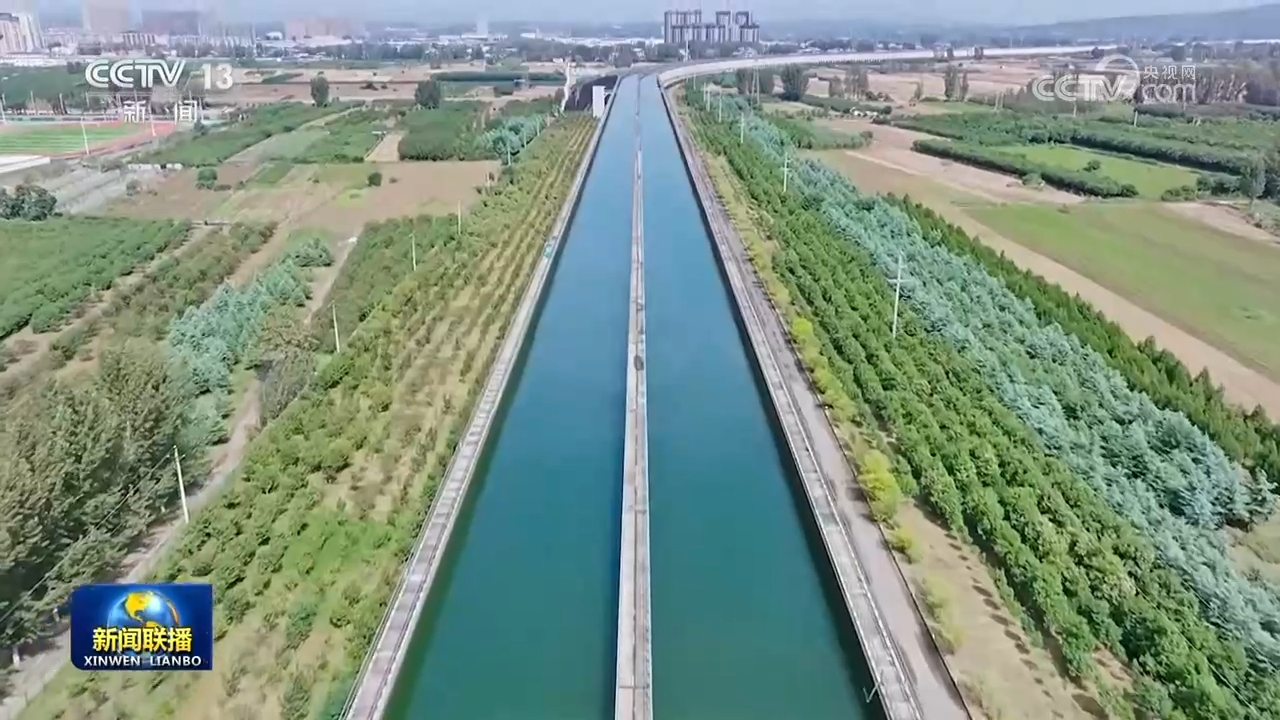
全国耕地灌溉面积超过10.9亿亩
Yang Shi Wang· 2025-12-25 12:32
Core Insights - The irrigation system in China is continuously improving during the "14th Five-Year Plan" period, with the irrigated area of arable land exceeding 10.9 million acres, an increase of over 5.3 million acres since the end of 2020 [1] - By 2025, the grain output from irrigated arable land is expected to account for over 80% of the national total grain production [1] Group 1 - Agricultural water efficiency and effectiveness are on the rise, with the effective utilization coefficient of irrigation water in farmland increasing to 0.583, a 3.2% improvement compared to the end of the "13th Five-Year Plan" [3] - The area of water-saving irrigation projects has reached 6.38 million acres, while the average water usage per acre of irrigated land has decreased to 342 cubic meters, achieving steady increases in both irrigated area and grain production despite stable agricultural water usage [3] Group 2 - There is a strong push for integrated management of rivers, lakes, ditches, and farmland, supporting the implementation of 70 key regional drainage capacity construction projects, which significantly enhance agricultural disaster prevention and reduction capabilities [4]

新华时评:千方百计打好秋收秋种这场硬仗
Xin Hua She· 2025-10-28 03:16
Core Insights - The continuous rainy weather in the Huanghuaihai region since September has led to waterlogging in farmlands, making it difficult for machinery to operate, which poses challenges for the crucial autumn agricultural production period [1][2] - The government is taking measures to ensure the collection and storage of autumn grain, protecting farmers' interests and laying a foundation for next year's summer grain production [1][2] Group 1: Current Agricultural Conditions - The ongoing heavy rainfall has resulted in water accumulation and wet soil conditions, complicating the harvesting process during the "Three Autumns" agricultural production period [1] - Various departments are implementing effective measures, such as reallocating and modifying harvesting machinery, organizing manual harvesting, and ensuring timely drying of harvested grain to minimize losses [1] Group 2: Autumn Grain Storage and Safety - The focus is on ensuring that farmers can sell their grain, with increased market purchasing efforts and government reserve interventions, including the initiation of rice price support purchases in eligible regions [1] - There is a strong emphasis on food safety, with monitoring of the quality of newly harvested grain to prevent non-compliant products from entering the market [1] Group 3: Winter Wheat Planting - Over 80% of the autumn grain has been harvested, and the priority now shifts to the planting of winter wheat, which is crucial for next year's grain production [2] - Collaboration among agricultural, meteorological, and financial departments is essential for monitoring soil conditions and guiding farmers in timely land preparation and planting [2] Group 4: Long-term Agricultural Infrastructure - There is a need for strengthening agricultural water conservancy construction and repairing water-damaged facilities to enhance disaster prevention and mitigation capabilities [2] - The focus is also on accelerating the modernization of irrigation systems and high-standard farmland construction to improve overall agricultural resilience [2]
新华时评|千方百计打好秋收秋种这场硬仗
Xin Hua She· 2025-10-27 14:07
Core Points - The article emphasizes the importance of effective measures to ensure autumn harvest and winter sowing in the face of adverse weather conditions affecting agricultural production [1][2] Group 1: Autumn Harvest - Since September, the Huanghuaihai region has experienced continuous rain, leading to waterlogging and difficulties in agricultural machinery operation [1] - Various local departments are implementing effective measures such as reallocating harvesting machinery and organizing manual harvesting to mitigate losses [1] - The focus is on ensuring that farmers can sell their grain, with increased market purchases and government reserve interventions being prioritized [1] Group 2: Winter Sowing - Over 80% of the autumn grain has been harvested, with the next priority being the sowing of winter wheat, which is crucial for next year's grain production [2] - Collaboration among agriculture, meteorology, and finance departments is essential for monitoring soil conditions and guiding farmers in timely sowing practices [2] - Long-term strategies include enhancing agricultural water management and modernizing irrigation systems to improve disaster resilience [2]
为啥我们至今还没挣脱 “靠天吃饭”?
Hu Xiu· 2025-10-23 07:32
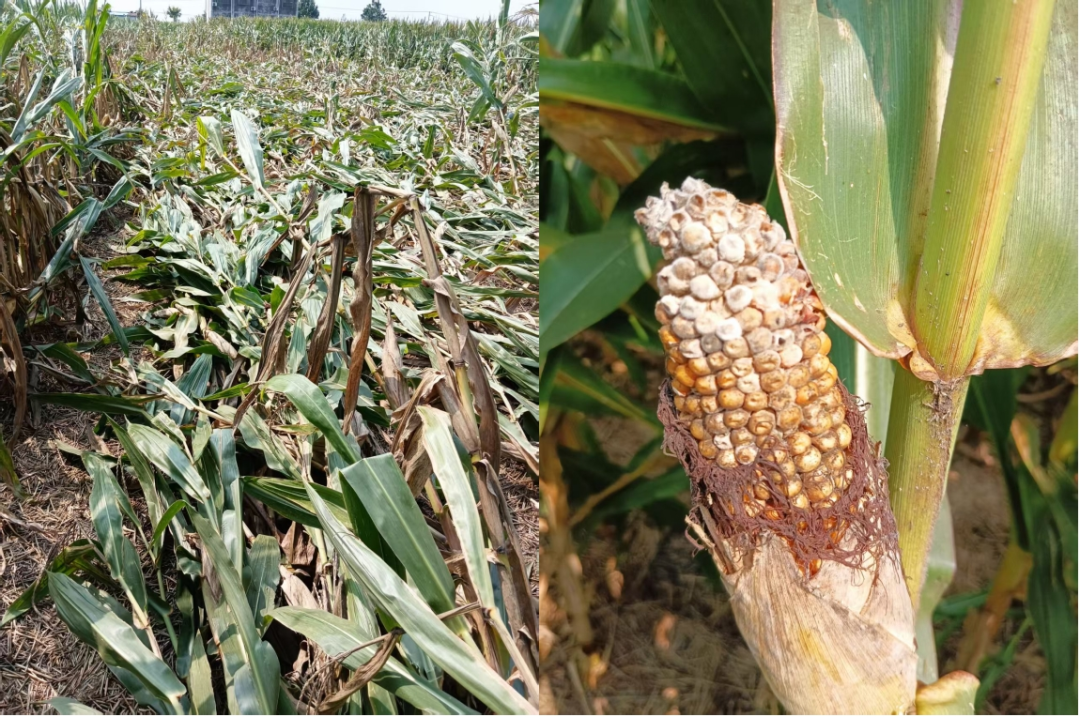
Core Viewpoint - The article discusses the severe challenges faced by China's agricultural sector during the 2025 autumn harvest due to extreme weather conditions, including drought followed by excessive rainfall, leading to significant crop losses and increased costs for farmers [3][4][6][21]. Summary by Sections Weather Impact on Harvest - The main agricultural regions, particularly the Huang-Huai-Hai area, are experiencing unprecedented weather fluctuations, with drought conditions in summer followed by heavy rainfall in autumn [3][6][8]. - From June to August, Henan experienced over 20% less rainfall, while temperatures were significantly higher, causing severe drought conditions [4]. - In September, rainfall surged, with Henan recording an average of 349.6 mm, 2.6 times more than the historical average, marking the highest level since 1961 [9]. Crop Damage and Quality Issues - Continuous rainfall has led to poor crop quality, with many crops like corn and peanuts suffering from mold and rot due to excessive moisture [21][23]. - The adverse weather has resulted in reduced yields, with many farmers reporting that their crops are unsellable due to quality degradation [25][41]. Harvesting and Drying Challenges - Farmers are facing logistical challenges in harvesting due to muddy fields, which have made it difficult for machinery to operate [12][17]. - The cost of harvesting has increased significantly, with some farmers resorting to manual labor, which is several times more expensive than usual [17][31]. - The demand for drying facilities has surged, but the available resources are insufficient to meet the needs of all farmers [27][28]. Government and Institutional Response - Various government bodies have initiated support measures, including the establishment of drying centers and the mobilization of agricultural machinery for emergency harvesting [33][36]. - Insurance companies are also stepping in to expedite claims to mitigate farmers' losses [35]. Long-term Agricultural Resilience - The article highlights the need for a more resilient agricultural system capable of withstanding extreme weather events, emphasizing the importance of modernizing infrastructure and improving disaster response mechanisms [42][57]. - It suggests that lessons can be learned from international practices in disaster management and agricultural insurance to enhance China's agricultural resilience [53][56].
以金融之力护牢“粮袋子”守好“钱袋子”
Jin Rong Shi Bao· 2025-10-20 02:12
Core Viewpoint - The financial industry is rapidly mobilizing to support agricultural disaster prevention and recovery efforts in response to adverse weather conditions affecting the autumn harvest and winter wheat planting, ensuring farmers' income and food security [1][2]. Group 1: Financial Support and Initiatives - The Ministry of Finance and the Ministry of Agriculture and Rural Affairs have allocated 484 million yuan in central financial disaster relief funds to support seven provinces in disaster recovery efforts, including rapid harvesting and drying of crops [1]. - Agricultural banks are extending their services to meet the funding needs of the entire agricultural supply chain, with the Agricultural Bank of China in Henan province providing over 200 million yuan in new agricultural machinery loans [2]. Group 2: Agricultural Insurance and Claims Efficiency - The efficiency of agricultural insurance claims is critical for farmers' recovery and national food security, with the Ministry of Agriculture and the financial regulatory authority accelerating claims processes in disaster-affected areas [1][3]. - As of October 16, 2023, Henan province has paid out 1.15 billion yuan in autumn grain insurance claims, with 80% of these being advance payments, and the claims process exceeding 60% completion [3]. Group 3: Technological Advancements in Insurance - Insurance companies are leveraging technology to improve claims efficiency, utilizing a "sky-ground integration" system that combines satellite imagery and drone surveillance for precise damage assessment [2][3]. - The use of real-time data analysis and intelligent algorithms has significantly enhanced the efficiency and objectivity of claims, exemplified by the rapid assessment of damage to 1,700 acres of corn in Shandong province [2]. Group 4: Future Directions and Innovations - The financial sector is encouraged to deepen technological integration and shift from post-disaster compensation to pre-disaster risk management, developing more responsive disaster warning models [3][4]. - There is a call for innovative insurance products tailored to specific regional and crop risks, as well as integrated financial solutions combining insurance, credit, and futures to enhance farmers' resilience against natural and market risks [4].
新闻1+1丨应对连阴雨,如何“抢”秋收?
Yang Shi Wang· 2025-10-13 22:35
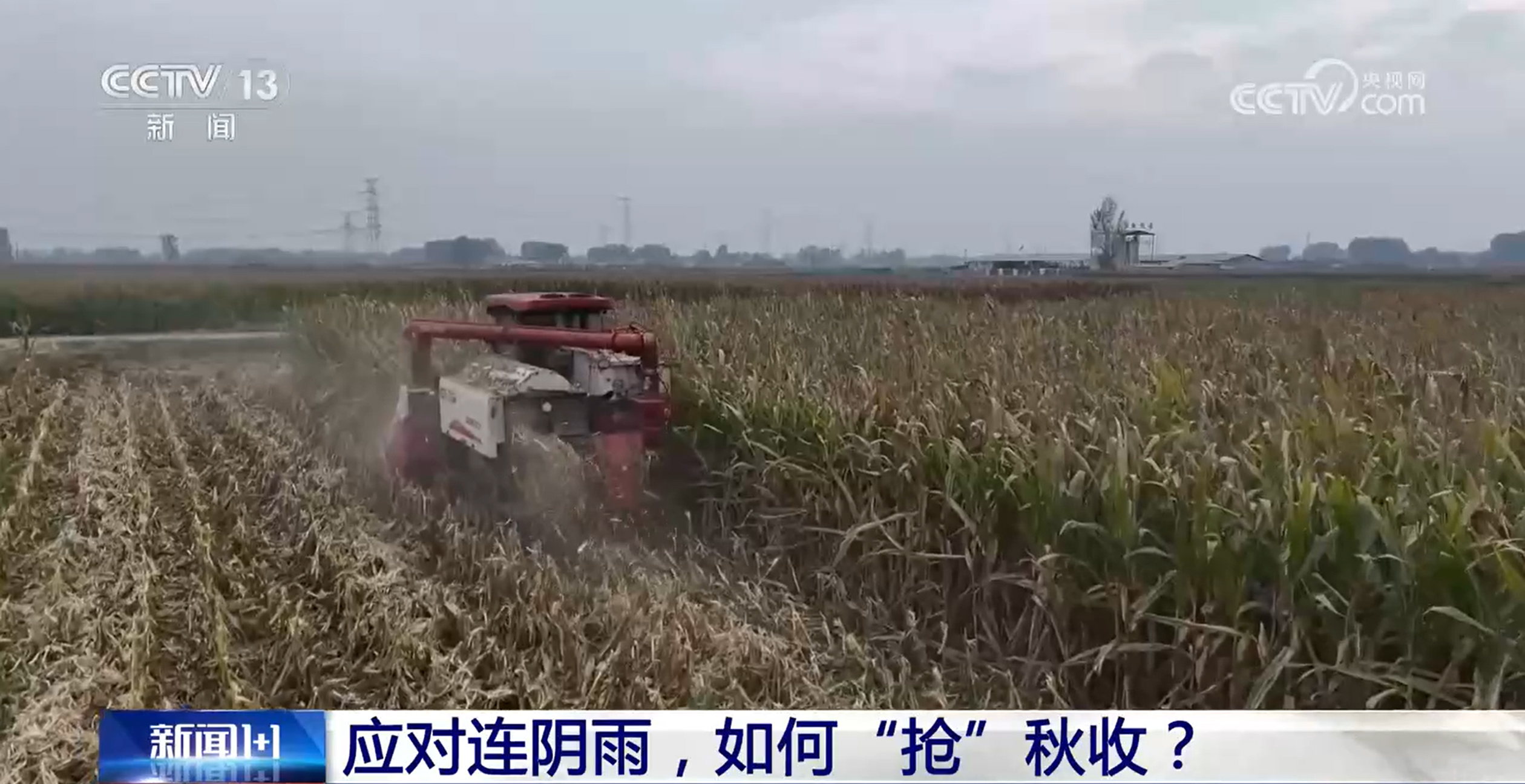
Core Viewpoint - The article discusses the challenges faced in the autumn harvest due to continuous rainy weather in regions like Hebei and Henan, and outlines both immediate and long-term strategies to enhance agricultural disaster prevention and response capabilities. Group 1: Current Harvest Situation - In Hebei, nearly 80% of the autumn harvest has been completed, but continuous rain has hindered further progress, necessitating the use of tracked harvesters for urgent harvesting [3] - The local population has noted that such prolonged rainy conditions are unprecedented in the last thirty years, leading to a scarcity of tracked harvesters [3] Group 2: Equipment and Resource Management - There is a significant shortage of both tracked harvesters and drying machines in Hebei, prompting local authorities to implement a collaborative approach to harvest corn using human-machine cooperation [5] - Hebei is coordinating the resources of tracked harvesters across various cities to establish a mutual assistance mechanism [5] Group 3: Long-term Agricultural Strategies - To improve agricultural disaster prevention and response capabilities, several long-term strategies have been proposed: 1. Accelerate the improvement of irrigation channels, particularly the construction of farm drainage systems, to enhance irrigation and drainage capacity [7] 2. Strengthen emergency response capabilities through regional agricultural emergency service centers, including increasing subsidies to encourage the purchase of tracked harvesters and enhancing drying equipment to reduce spoilage [7] 3. Improve crop resilience by focusing on breeding corn varieties that are resistant to high temperatures and drought [7] Group 4: Expert Recommendations on Climate Adaptation - Experts suggest that with the increasing frequency of extreme weather events, a series of adaptive measures should be implemented to mitigate the impact of such events on agriculture [8] - Effective agricultural disaster management requires robust prediction, early warning, and contingency planning [11] - There is a need for improved water management strategies, with northern regions focusing on flood prevention and southern regions addressing drought resistance [12] Group 5: Importance of Early Warning Systems - Enhanced accuracy in weather forecasting is crucial, although long-term predictions remain challenging [13] - It is essential to ensure that early warning signals reach every farmer to enable timely action [13] - Comprehensive disaster response plans must be developed at all levels to outline preventive, resistant, and recovery measures in the event of agricultural disasters [14]
时刻绷紧农业防灾减灾这根弦
Jing Ji Ri Bao· 2025-10-13 22:07
Core Viewpoint - Meteorological disasters are the most significant factors causing grain production reduction, and addressing climate change will be a constant in future agricultural production [1][4] Group 1: Agricultural Disaster Prevention and Mitigation - Continuous emphasis on agricultural disaster prevention and mitigation is essential, establishing multiple defenses for pre-disaster prevention, emergency response during disasters, and post-disaster compensation [1][2] - The recent continuous rainy weather in the Huanghuai region poses challenges for timely harvesting and drying of autumn grain and sowing of winter wheat [1][2] Group 2: Current Agricultural Production Status - Despite challenges from droughts and floods, the country has achieved stable summer grain production and increased early rice output, with autumn grain growth currently favorable [2] - The importance of effective disaster response during the critical harvesting period is highlighted, with efforts to modify harvesting machinery to adapt to wet conditions [2] Group 3: Post-Disaster Compensation and Insurance - Agricultural insurance plays a crucial role in post-disaster recovery, with the efficiency of claims affecting farmers' production funds and national food security [3] - Current challenges in claim processing in rain-affected areas include difficulties in damage assessment, necessitating a focus on timely and efficient claims processing [3] Group 4: Climate Change Adaptation Strategies - Adapting to climate change is essential for future agricultural practices, with a need for dynamic assessment of agricultural climate resources and adjustments in planting structures [4] - Improving agricultural infrastructure remains a priority, requiring increased diversified investment to address existing shortcomings in facilities and services [4]
面积增、长势好,全国秋粮收获近两成
2 1 Shi Ji Jing Ji Bao Dao· 2025-09-25 13:35
Core Insights - The current autumn grain harvest in China is progressing well, with nearly 20% of the autumn grain harvested nationwide, and over 30% of the medium rice and more than 10% of corn and soybeans collected [2][3] - The Ministry of Agriculture and Rural Affairs has reported that the area for autumn grain has increased steadily, and the growth conditions are favorable for a good harvest [2][4] - Despite some adverse weather conditions due to Typhoon "Haikui," efforts are being made to ensure the harvest is successful and to achieve the annual grain production target of approximately 1.4 trillion jin [2][4] Harvest Progress - As of late September, significant progress has been made in the harvest of autumn grains across various regions, with Sichuan nearing 80% completion and Hubei over 40% for one-season rice [3][4] - The northeastern region has begun harvesting rice, with progress still below 10%, but conditions are better than last year, with some areas harvesting 10-15 days earlier [4][5] Crop Conditions - The overall growth of corn and rice is reported to be stable and slightly better than average, with favorable conditions in key production areas [5][6] - The quality of the crops is improving, with corn showing better grain fullness and rice varieties demonstrating strong resistance to adverse conditions [5][6] Technological Advancements - The application of agricultural machinery and technology has significantly contributed to the efficiency of the harvest, with over 10 million agricultural machines deployed for the autumn harvest [6][7] - Innovations such as precision farming techniques and smart scheduling have reduced losses and improved efficiency, with machine loss rates dropping below 2% in some areas [7][8] Weather and Risk Management - There are ongoing concerns regarding weather risks, particularly in the northwest and Huang-Huai regions, where rainfall may impact harvesting [8][9] - Recommendations include utilizing AI for disaster forecasting and enhancing coordination for drainage and drying equipment to mitigate potential losses [9]
新华全媒+丨丰收在望 各地多举措抓好秋粮生产
Xin Hua She· 2025-09-16 14:45
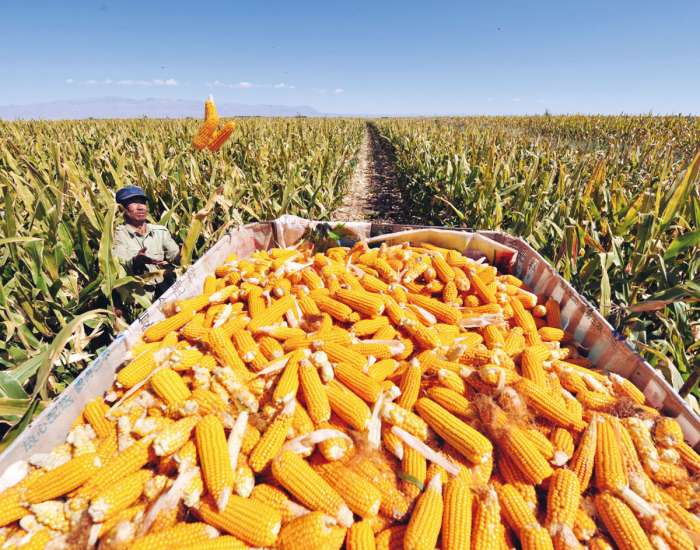
Group 1 - The article emphasizes the importance of measures taken across various regions to ensure a bountiful autumn grain harvest, with a focus on timely management and production strategies [1][2][4] - In Heilongjiang Province, the cooperative has planted 70,000 acres of crops, including 30,000 acres of corn and 40,000 acres of soybeans, with harvesting starting earlier than usual due to favorable weather conditions [1][3] - In Shandong Province, a service team has been established to provide tailored management plans for farmers, extending support throughout the harvesting and storage processes to enhance efficiency [2][4] Group 2 - Various regions are actively monitoring and managing agricultural pest and disease risks, with Heilongjiang Province deploying 10,000 village-level pest control personnel and 32,000 monitoring devices for real-time surveillance of crop health [5] - In Sichuan Province, farmers are engaged in the collection and sale of autumn grains, with a focus on ensuring smooth transactions and protecting farmers' interests through guaranteed minimum prices for their crops [6] - The implementation of order agriculture in Sichuan allows for better support to farmers, including provision of quality seeds and mechanized services, with an expected purchase of 30,000 tons of rice this year [6]
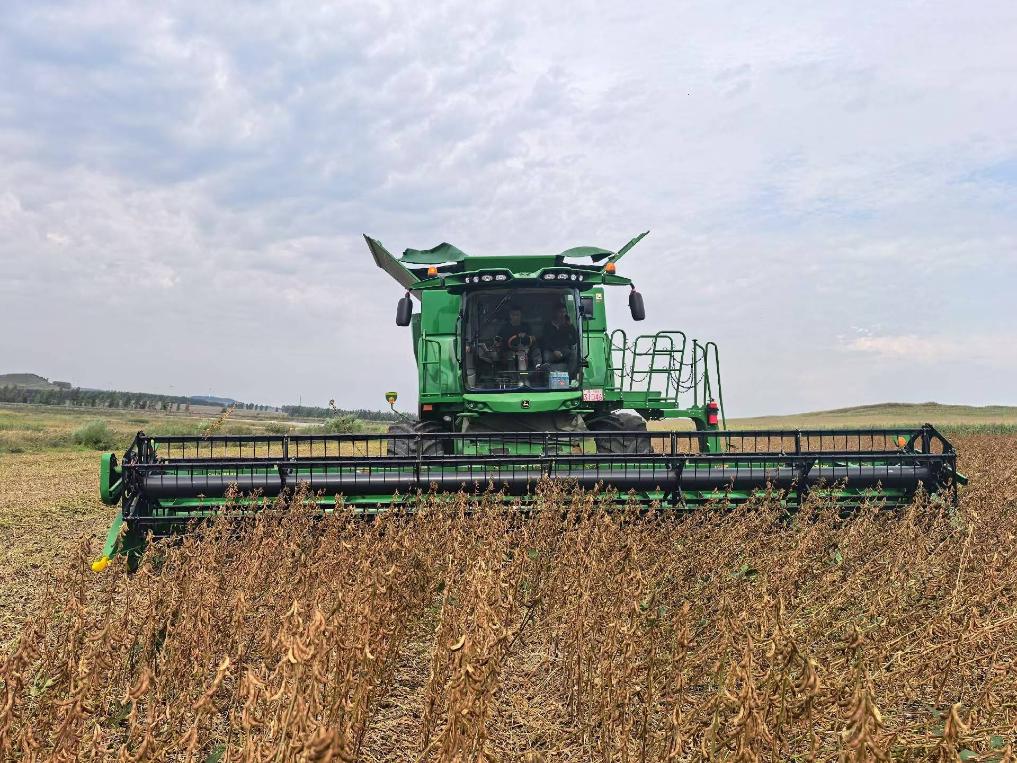
丰收在望 各地多举措抓好秋粮生产
Xin Hua She· 2025-09-16 14:27
Group 1 - The article emphasizes the importance of measures taken across various regions to ensure a bountiful autumn grain harvest, with a focus on timely agricultural practices and management [1][2][3] - In Heilongjiang Province, a cooperative has planted 70,000 acres of crops, including 30,000 acres of corn and 40,000 acres of soybeans, with harvesting starting earlier than previous years due to favorable weather conditions [1] - In Shandong Province, a "1+1" service team has been established to provide tailored management plans for farmers, extending services to harvesting and storage to help reduce costs and increase efficiency [2] Group 2 - Various regions are actively monitoring and managing agricultural pest and disease risks, with Heilongjiang Province deploying 10,000 village-level pest control workers and 32,000 monitoring devices for real-time tracking of crop health [3] - In Sichuan Province, farmers are engaged in organized grain sales, with a focus on ensuring smooth transactions and protecting farmers' interests through guaranteed minimum prices for their crops [4] - A grain purchasing enterprise in Sichuan has implemented contract farming, providing farmers with quality seeds and mechanized services, and expects to purchase 30,000 tons of rice this year [4]