农产品质量安全

Search documents
明天起,这些新规将影响你我生活!
证券时报· 2026-01-31 00:28
Group 1 - The new regulations on cash payments and services will take effect on February 1, prohibiting refusal of cash payments and any discriminatory measures against cash transactions [1] - The live commerce supervision regulations will also be implemented on February 1, which includes oversight of AI-generated content in live commerce activities, holding operators accountable for any violations [3] - The management measures for agricultural product quality safety commitment certificates will be enforced starting February 1, requiring certification for various agricultural products to ensure they meet safety standards [5] Group 2 - The online trading platform rules will come into effect on February 1, preventing platforms from imposing mandatory refund policies or forcing merchants to adopt unnecessary value-added services [7] - The administrative law enforcement supervision regulations will be enacted on February 1, focusing on the management of law enforcement personnel and monitoring for illegal practices [9] - The national standard for community comprehensive disaster reduction public information signs will be implemented on February 1, covering various types of disaster warning and evacuation signs [12] Group 3 - The promotion of national reading regulations will take effect on February 1, designating the fourth week of April as National Reading Activity Week and emphasizing support for reading in underdeveloped areas [10] - Starting February 1, Beijing will no longer provide paper invoices for toll roads, transitioning entirely to electronic invoices to enhance efficiency and optimize public services [14]


全民阅读新规重点保障老少边穷地区、“AI主播”纳入直播电商监管……2月新规一起来看!
Xin Hua Wang· 2026-01-30 07:17
防范整治拒收人民币现金行为 对蔬果等农产品施行"承诺达标合格证"管理;将"AI主播"纳入直播电商监管范围;防范整治拒收人民币 现金行为……2月新规一起来看! 蔬果禽蛋等须持"放心证"上市 《农产品质量安全承诺达标合格证管理办法》2月1日起施行。"承诺达标合格证"证明该农产品未使用禁 用农药、兽药及其他化合物且使用的常规农药、兽药残留不超标等。办法提出,蔬菜(含人工种植的食 用菌)、水果、茶鲜叶、畜禽、禽蛋、养殖水产品、农业农村部规定的其他农产品,应当实施承诺达标 合格证管理。 "AI主播"被纳入直播电商监管 《直播电商监督管理办法》2月1日起施行。针对直播电商行业特点,办法将数字人主播等人工智能生成 内容纳入监管,避免新技术成为生成或传播虚假信息的"挡箭牌",促进人工智能技术在直播电商领域的 规范应用。办法规定,使用人工智能生成的人物图像、视频从事直播电商活动的,应当进行标识,并持 续向消费者提示。 组织机构获持唯一不变"数字身份证" 《组织机构统一社会信用代码管理办法》2月1日起施行。办法提出,统一代码是指登记管理部门根据统 一代码编码规则,赋予组织机构在全国范围内唯一的、终身不变的身份标识码,实现组织机构 ...
2月新规一起来看!
Xin Hua She· 2026-01-30 03:11
蔬果禽蛋等须持"放心证"上市;"AI主播"被纳入直播电商监管;防范整治拒收人民币现金行为……2月新规一起来看! "Al主播"被纳人 《直播电商监督管理办 针对直播电商行业特点 等人工智能生成内容纳 成为生成或传播虚假信 进人工智能技术在直 办法规定,使用人 用。 视频从事直播电商 像、 识, 并持续向消费者提 防范整治拒收人 《农产品质量安全承ì 66 法》2月1日起施行。 明该农产品未使用禁用 合物目使用的常规农² 等。办法提出,蔬菜 菌);水果;茶鲜叶; 产品; 农业农村部规定 实施承诺达标合格证管 《人民币现令收付及股 // 行。规定指出,除因履 规定的义务或法定职责 工具情形外,不得拒收 导他人拒收现金,不得 性措施,损害现金支付 的收费单位、经营主体 备付,具备必要的收现 顺畅 全民阅读新规重点 新华社园 记者:齐琪 海报制作:齐琪 新华社国内部出品 编辑:赵亚铭 组织机构获持唯- 《组织机构统一社会信 月1日起施行。办法提 记管理部门根据统一代 织机构在全国范围内唯 份标识码,实现组织机 续"的精准识别、动态 信用体系"数据网"、 场"数字桥"、激活市堵 加强和规范行政 《行政执法监督条例》 强调 ...

新华社权威快报丨“AI主播”纳入直播电商监管、整治拒收人民币现金……2月新规一起来看!
Xin Hua She· 2026-01-30 01:25
蔬果禽蛋等须持"放心证"上市;"AI主播"被纳入直播电商监管;防范整治拒收人民币现金行为……2月新规一起来看! 防范整治拒收人 《农产品质量安全承ì 66 法》2月1日起施行。 明该农产品未使用禁用 合物目使用的常规农² 等。办法提出,蔬菜 菌);水果;茶鲜叶; 产品;农业农村部规定 实施承诺达标合格证管 "AI主播"被纳人 《直播电商监督管理办 针对直播电商行业特点 等人工智能生成内容纳 成为生成或传播虚假信 进人工智能技术在直 办法规定,使用人 用。 视频从事直播电商 像、 识, 并持续向消费者提 《 Y 居虫茹专业化妆品 ۱۱۷ ১৮۷ · ۱۳ - ۱۸ · ۱۸ · 行。规定指出,除因履 规定的义务或法定职责 工具情形外,不得拒收 导他人拒收现金,不得 性措施,损害现金支付 的收费单位、经营主体 备付,具备必要的收现 顺畅 全民阅读新规重点1 《全民阅读促进条例》 提出,促进全民阅读, 增强全民族思想道德素 强化全民阅读保障措放 区、革命老区、民族地 达地区的全民阅读。强 人、老年人等的阅读保 物、开设阅读课程、支 施建设、优化适老服务 组织机构获持唯 《组织机构统一社会信 月1日起施行。办法提 记 ...

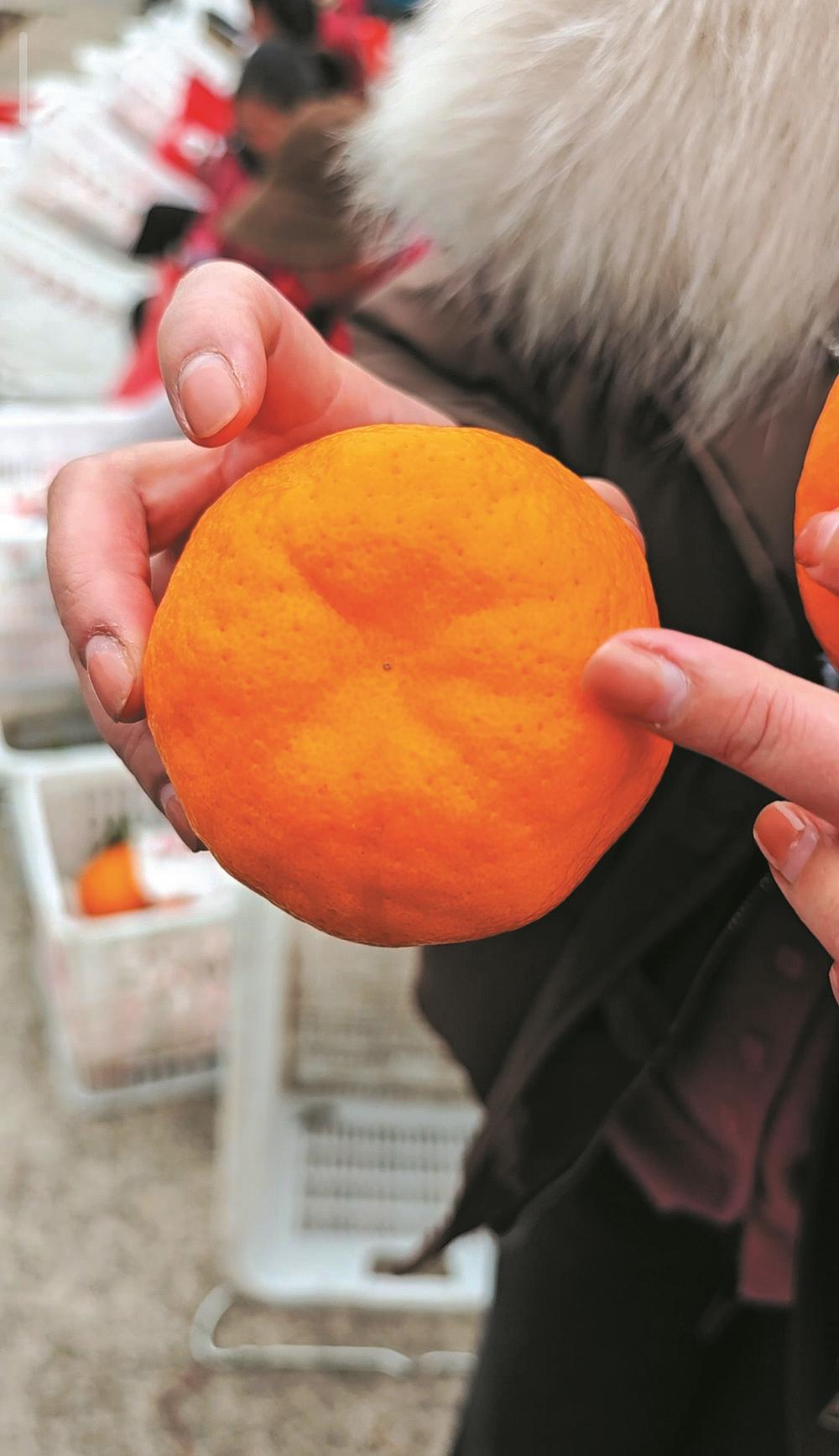
好吃的蒲江耙耙柑有这些特征
Xin Lang Cai Jing· 2026-01-29 19:50
Core Viewpoint - The article highlights the crackdown on counterfeit "Pujiang Papaya" products and emphasizes the importance of quality control and consumer awareness in the fruit market [6][7]. Group 1: Regulatory Actions - Local authorities have identified and addressed 10 cases of counterfeit "Pujiang Papaya," focusing on protecting the geographical indication trademark and consumer rights [6][7]. - The Pujiang County Market Supervision Administration has issued a notice to combat the sale of counterfeit agricultural products, resulting in over 230 leads on false advertising and trademark infringement [7][8]. Group 2: Quality Standards and Harvesting - The harvesting period for "Pujiang Papaya" begins in late January, with a recommended standard of soluble solids ≥ 13% to ensure quality [6][7]. - The article provides guidance on selecting high-quality "Pujiang Papaya," indicating that ideal fruits should be medium-sized, round, smooth to the touch, and have a bumpy bottom [4][8]. Group 3: Consumer Awareness - Consumers are encouraged to check for quality certifications and traceability through QR codes on packaging, which provide information about the origin and producer of the fruit [8]. - The implementation of the "Agricultural Product Quality Safety Commitment Certificate Management Measures" starting February 1 aims to enhance consumer trust and safety in purchasing [8].
赴乐亭开展农产品质量安全专题培训
Xin Lang Cai Jing· 2026-01-28 01:13
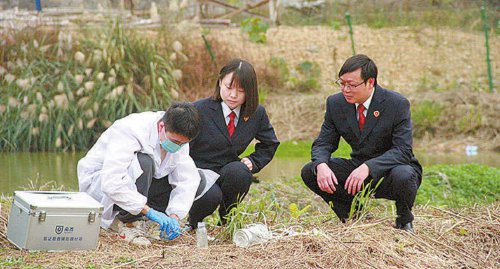
本报讯 (记者孙愫 通讯员王淇)近日,九三学社科技二支社社员、市农科院研究员王永存为乐亭县基 层农技人员开展了一场以农产品质量安全为主题的专题培训。 培训过程中,王永存结合当前农产品质量安全形势和基层农业生产实际,系统讲解了农产品质量安全相 关法律法规的要求以及常见风险隐患防控措施,重点围绕农药、兽药合理使用,农产品生产过程质量管 控等内容进行讲解。此外,还通过典型案例分析,帮助参训人员更直观地了解农产品质量安全在实际工 作中的重要意义。 (来源:唐山劳动日报) 参训人员一致表示,专家的讲解实用性针对性都非常强,对大家今后工作帮助很大。感谢九三学社的专 家,将实用的农产品质量安全知识送到了基层,希望今后能多开展这样的活动。 ...

春节将至,冷水鱼干干净净进入市场
Xin Lang Cai Jing· 2026-01-09 22:52
Core Viewpoint - The article highlights the regulatory challenges and subsequent actions taken to ensure the safety and quality of aquatic products in Jiangkou County, Guizhou Province, emphasizing the importance of compliance in the aquaculture industry [2][3][4] Group 1: Industry Overview - Jiangkou County is known as "the hometown of cold-water fish" in China, with 38 aquaculture bases generating an annual output value of 2.12 billion yuan [2] - The region has faced issues such as unlicensed farming, lack of input records, and inadequate disease management, which have threatened the ecological benefits of the industry [2] Group 2: Regulatory Actions - In March 2025, the Jiangkou County Procuratorate initiated an administrative public interest lawsuit after discovering regulatory violations through the Guizhou Agricultural Product Quality Safety Traceability Platform [3] - The procuratorate's investigation revealed that unlicensed farming and lack of product testing posed risks to consumer health and ecological integrity [3] Group 3: Court Rulings and Compliance Measures - Following a court ruling on November 7, 2025, the Jiangkou County Agricultural and Rural Bureau was mandated to fulfill its regulatory duties and ensure compliance among aquaculture enterprises [3][4] - The bureau implemented several corrective measures, including the establishment of a rapid testing laboratory, issuance of 25 rectification notices, and the introduction of a traceability system for input products [4]
191人同台竞技!广东农检技能竞赛落幕,筑牢食品安全第一道防线
Nan Fang Nong Cun Bao· 2026-01-09 11:31
191人同台竞 技!广东农检技 能竞赛落幕,筑 牢食品安全第一 道防线_南方+_ 南方plus 正值2025年广东 省第二届农事运 动会期间,近 日,由广东省农 业农村厅主办, 省人力资源保障 厅、省总工会支 持的第七届广东 省农产品质量安 全检测技能竞赛 暨第三届广东省 农产品食品检验 员技能竞赛顺利 举行。 历经市级、省级 两轮角逐,全省 21支代表队共 191名选手参与 省级复赛,其中 126人晋级省级 决赛。竞赛形式 包括理论知识闭 卷答题和检验操 作实操考核,竞 赛内容参考农产 品食品检验员高 级工要求,结合 《农产品质量安 全法》、《农产 品质量安全监测 管理办法》等法 律条规,以及农 产品质量安全体 系建设、重点问 题品种治理等重 要工作部署和农 检实验室质量控 制和管理等专项 业务,全面检验 选手检测技术能 力。 参赛队伍在农产 品质量安全相关 理论知识储备、 数据处理、模拟 抽样(制样)、 标准溶液配制以 及仪器设备的操 作使用等多个领 域展开激烈角 逐。最终,广 州、东莞和佛山 三个地市代表团 荣获团体一等 奖,珠海市动物 疫病预防控制中 心林泳诗获个人 综合第一名。 广东省农业农村 厅二 ...

当日采收凌晨直达,全方位安全管控 全链条织密“菜篮子”安全保供网
Zhen Jiang Ri Bao· 2026-01-08 23:45
Core Viewpoint - The article highlights the efforts of Zhenjiang Economic Development Zone in ensuring a fresh and safe supply of vegetables for the upcoming Spring Festival, emphasizing the importance of local production and quality control measures [1][2][3] Group 1: Freshness and Supply - The vegetable bases in Zhenjiang are operating at full capacity to ensure fresh produce is harvested and delivered promptly, with a focus on "same-day harvest, early morning delivery" [1] - The Dalu Town Modern Agricultural Industrial Park has over 800 acres of vegetable planting area, with a stable daily harvest of around 500-600 pounds of fresh vegetables [1] - The agricultural park is currently supplying approximately 12.5 tons of vegetables daily to the market, covering over ten seasonal varieties to meet consumer demand during the holiday period [2] Group 2: Quality Control and Safety - The agricultural park implements multiple measures for vegetable quality control, including issuing notices on banned pesticides and signing safety commitment letters with farmers [2] - A unified natural disaster insurance policy for farmers has been established to alleviate their concerns and encourage production [2] - The park's detection team conducts random inspections and increases the frequency of product testing to ensure all vegetables meet safety standards [3] Group 3: Future Planning - Zhenjiang Economic Development Zone plans to continuously monitor weather patterns and market supply-demand changes to optimize planting strategies and improve distribution efficiency [3] - The goal is to maintain a rich variety of fresh and safe vegetables for consumers, enhancing the quality of holiday meals [3]
这里有个“好莱坞”|汕头,早上好
Xin Lang Cai Jing· 2025-12-30 00:29
Group 1 - The short drama filming trend is revitalizing Cheng Tian Town in Chao Nan District, with a new urban emotional short drama starting production, following the previous non-heritage short drama "Long Yin Ci Shang" [5] - The local agricultural authority is conducting a special inspection of agricultural product quality ahead of the New Year and Spring Festival to ensure safety for consumers [7] - A regional aviation market development seminar titled "Flying Over Millions, Starting a New Journey" was held in Shantou, gathering representatives from various sectors to discuss development opportunities and sustainable growth paths [7] Group 2 - In the first 11 months, state-owned enterprises in China reported total operating revenue of 7,562.576 billion yuan, a year-on-year increase of 1% [9] - The total profit of state-owned enterprises during the same period was 371.945 billion yuan, reflecting a year-on-year decrease of 3.1% [9] - The tax and fee contributions from state-owned enterprises amounted to 528.03 billion yuan, showing a slight increase of 0.2% year-on-year [9] Group 3 - The national agricultural mechanization system is focusing on ensuring stable and safe supply of grain and important agricultural products, enhancing the role of machinery in production and emergency response [10] - The initiative emphasizes promoting research and development, manufacturing, and transformation of agricultural machinery to address existing gaps [10] - There is a commitment to strengthen the organization and workforce of agricultural machinery services, leading to new achievements in agricultural mechanization [10] Group 4 - A meeting took place between U.S. President Trump and Ukrainian President Zelensky at Mar-a-Lago, where they reached about 95% consensus on the "20-point peace plan," although territorial issues remain unresolved [11]