原创技术策源地

Search documents
“十四五”以来央企研发经费连续三年超万亿元
Zhong Guo Xin Wen Wang· 2025-09-17 05:41
Core Viewpoint - Central enterprises in China have significantly increased their R&D investment during the "14th Five-Year Plan" period, with annual expenditures exceeding 1 trillion yuan for three consecutive years, highlighting their role as a key player in national technological innovation [1][2]. Group 1: Innovation Strength - Central enterprises have enhanced their innovation capabilities, with R&D expenditures growing at an annual rate of 6.5%, reaching 1.1 trillion yuan last year. Basic research accounted for 8.8% of this, amounting to nearly 100 billion yuan [1]. - A total of 474 national-level R&D platforms have been established, along with 8 national technology innovation centers, and 91 key laboratories led by central enterprises, representing one-sixth of the national total [1]. - Central enterprises employ 1.44 million R&D personnel, constituting 20% of the national total, and have 219 academicians, strengthening their talent pool [1]. Group 2: Innovation Efficiency - Central enterprises have improved their innovation efficiency by aligning with major national strategic needs and establishing a three-tiered collaborative system for tackling challenges [2]. - They have undertaken 22 major national technology projects and are responsible for 60% of key product R&D in the manufacturing sector [2]. - The establishment of 97 original technology sources in fields like quantum computing and biotechnology has led to significant innovative outcomes [2]. - Collaborative efforts with over 800 research institutions and enterprises have been initiated to enhance R&D capabilities [2]. Group 3: Innovation Ecosystem - Central enterprises promote a collaborative environment for technological innovation, emphasizing "tight collaboration and vertical integration" [3]. - Incentives for major technological achievements include performance bonuses and increased funding, with over 70% of the state capital budget for 2025 allocated to support innovation and emerging industries [3]. - The empowerment of project leaders and the establishment of compliance mechanisms have encouraged researchers to focus on innovation without bureaucratic constraints [3]. Group 4: Notable Achievements - Central enterprises have developed significant national projects, such as the "Deep Sea No. 1" Phase II and the Shenzhen-Zhongshan Link, contributing to national strategic needs [4]. - They have received 109 awards in national technology invention and progress categories, accounting for over half of the total awards in the country [4]. - Breakthroughs in foundational technologies in integrated circuits, industrial mother machines, and basic materials have filled critical industry gaps, impacting daily life and promoting industrial safety [4].
上海成立国资创新策源公益基金会 首批发布20个基础研究需求
Di Yi Cai Jing· 2025-07-30 16:23
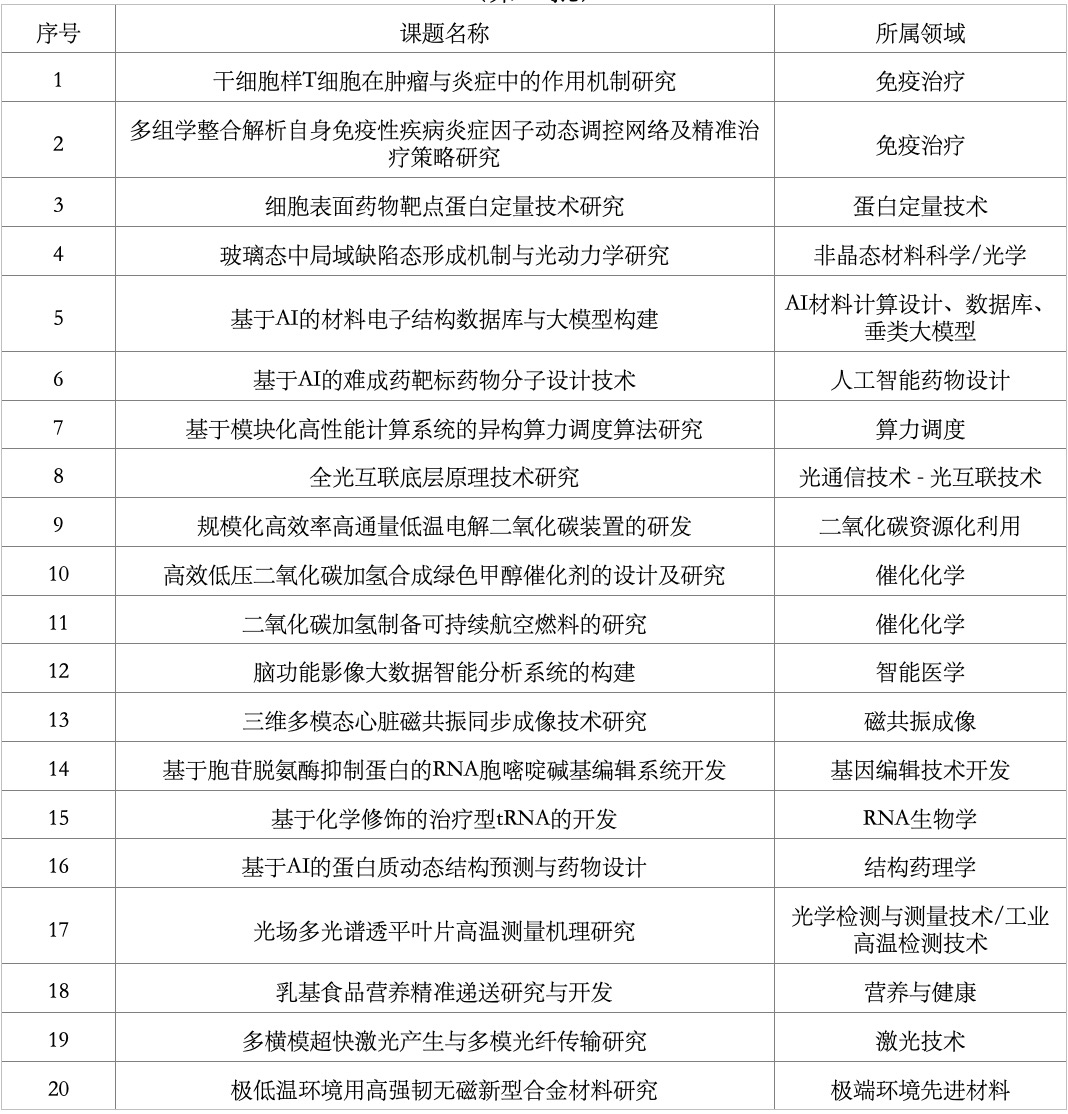
Core Viewpoint - The establishment of the Qiyuan Public Welfare Foundation aims to support basic and applied research in Shanghai, focusing on innovative projects that align with national strategic needs and promote technological self-reliance [1][2]. Group 1: Foundation Overview - The Qiyuan Public Welfare Foundation is the first public welfare foundation for basic research initiated by state-owned enterprises in China, supported by 16 municipal state-owned enterprises [1]. - The foundation's mission is to gather state-owned resources to stimulate innovation and support high-risk, high-value basic research, particularly for young talents [2]. Group 2: Focus Areas - The foundation will concentrate on four key areas: addressing critical technological challenges, exploring frontier scientific fields, facilitating the transformation of research into industry applications, and nurturing innovative young talents [2]. - Specific fields of interest include quantum technology, controllable nuclear fusion, and brain science, among others [2]. Group 3: Research Demand List - A list of 20 foundational research needs was released, covering various topics such as immune therapy, AI-based drug design, and advanced materials for extreme environments [3][4]. - The topics include studies on the mechanisms of stem cell-like T cells in tumors, AI-driven material structure databases, and the development of new alloys for extreme conditions [4].

支持基础研究!上海16家国企联手
证券时报· 2025-07-30 14:59
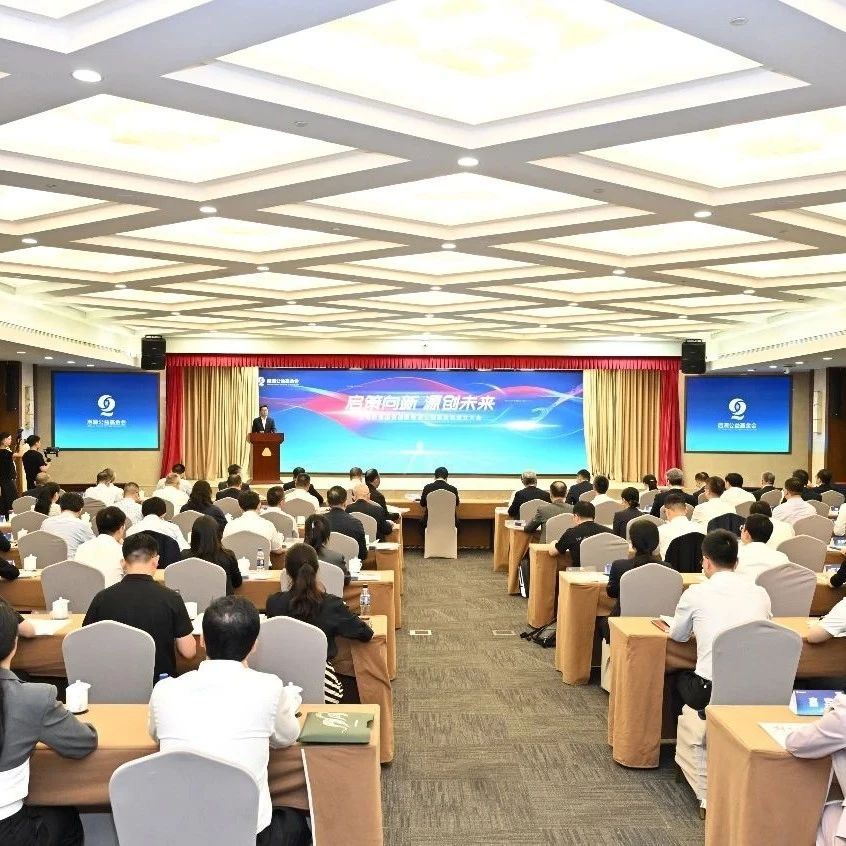
Core Viewpoint - The establishment of the Shanghai Qiyuan State-owned Assets Innovation Fund (referred to as "Qiyuan Public Welfare Foundation") marks the first public welfare foundation for basic research initiated by state-owned enterprises in China, aimed at funding forward-looking and disruptive basic research and its related transformation [1][5]. Group 1: Foundation Overview - The Qiyuan Public Welfare Foundation was officially unveiled on July 30, with contributions from 16 state-owned enterprises in Shanghai [1][5]. - The foundation is supervised by the Shanghai State-owned Assets Supervision and Administration Commission and aims to support high-risk, high-value basic research, particularly focusing on youth innovation [8][9]. Group 2: Focus Areas - The foundation emphasizes four key areas: 1. Tackling "bottleneck" issues by supporting innovative projects with disruptive potential that align with national strategic needs and Shanghai's leading industries [9]. 2. Exploring "unmanned areas" by focusing on cutting-edge disciplines such as quantum technology, controllable nuclear fusion, and brain science, supporting high-risk and controversial projects [9]. 3. Connecting the "transformation chain" by linking various resources, including innovation scenarios, incubators, and industry funds, to facilitate the transition from laboratory to industry [9]. 4. Cultivating a "new force" by providing early-stage funding to the most innovative young talents, using public welfare resources to support technological talent [9]. Group 3: Research Demand List - The foundation announced a list of 20 basic research demands covering areas such as immunotherapy, protein quantification technology, AI drug design, and computing power scheduling [12][14]. - Specific research topics include: - Mechanisms of stem cell-like T cells in tumors and inflammation [14]. - Dynamic regulation networks of inflammatory factors in autoimmune diseases [14]. - AI-based drug design techniques for difficult-to-develop drug targets [14]. - Research on high-efficiency low-temperature electrolysis of carbon dioxide [15]. - Collaborations have been established with institutions like Fudan University and Shanghai Jiao Tong University to enhance research capabilities [15].
上海成立国资创新策源公益基金会,首批发布20个基础研究需求
Di Yi Cai Jing· 2025-07-30 13:23
Core Viewpoint - The establishment of the Qiyuan Public Welfare Foundation aims to support high-risk, high-value fundamental research and concept verification, particularly focusing on youth innovation in Shanghai [1][2]. Group 1: Foundation Overview - The Qiyuan Public Welfare Foundation is the first public welfare foundation for basic research initiated by national state-owned assets, with contributions from 16 state-owned enterprises in Shanghai [2]. - The foundation's mission is to "gather state-owned capital strength, stimulate innovation vitality, and promote the creation of an original technology source" [2]. Group 2: Focus Areas - The foundation will concentrate on four key areas: 1. Tackling critical issues aligned with national strategic needs and Shanghai's leading industries, supporting innovative projects with disruptive potential [2]. 2. Exploring frontier disciplines such as quantum technology and brain science, focusing on high-risk, controversial projects [2]. 3. Connecting various resources to facilitate the transformation from laboratory research to industrial application [2]. 4. Supporting young talents with innovative potential through early-stage funding [2]. Group 3: Future Initiatives - The foundation plans to transform corporate innovation challenges into funding lists and convert public investment into industrial value through collaborative efforts [3]. - During the unveiling ceremony, 20 basic research needs from Shanghai's state-owned enterprises were publicly announced, and cooperation agreements were signed with various academic and research institutions [3]. Group 4: Research Topics - The foundation has identified a list of research topics, including: 1. Mechanisms of stem cell-like T cells in tumors and inflammation [5]. 2. AI-based drug molecule design technology [5]. 3. Research on catalysts for sustainable aviation fuel production from carbon dioxide [5]. 4. Development of RNA cytosine base editing systems [5]. 5. Research on high-strength, non-magnetic new alloy materials for extreme environments [5].
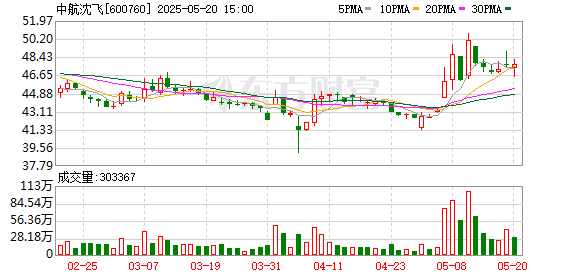
中航沈飞:央地合作 助推区域航空产业集群发展
Zheng Quan Shi Bao· 2025-05-20 18:13
Core Viewpoint - The aviation industry, characterized by its knowledge, technology, and capital intensity, exhibits a significant head effect, with AVIC Shenyang Aircraft Corporation (中航沈飞) being the leading enterprise in the Shenyang aviation industry cluster [2][3]. Group 1: Company Overview - AVIC Shenyang has over 70 years of experience in manufacturing aviation defense equipment and civil aviation products, possessing a comprehensive and mature system for R&D, production, sales, service support, and maintenance, leading the domestic industry in technology and talent cultivation [2]. - The company emphasizes deepening cooperation between central and local governments to build a modern industrial cluster, enhance the resilience of the industrial and supply chains, and promote the transformation of technological innovations [2][3]. Group 2: Industry Development Strategy - AVIC Shenyang is leveraging its position as a primary contractor and leading regional enterprise to accelerate full industrial chain cooperation, achieving a doubling of socialized localized collaboration since the 14th Five-Year Plan began [3]. - The company is focusing on the development of composite materials and titanium alloy manufacturing, establishing wholly-owned subsidiaries to enhance core functions and competitiveness, thereby improving equipment construction efficiency and stimulating industrial vitality [3][4]. Group 3: Recommendations for Regional Development - AVIC Shenyang suggests that Shenyang should undertake a larger share of large aircraft structural components, engage in key technology breakthroughs, and explore diversified low-altitude application scenarios to leverage the metropolitan area's radiating effect [3][4]. - The company highlights the importance of developing the low-altitude economy as a strategic emerging industry, advocating for the establishment of a backup base for the assembly of large domestic civil aircraft, which would benefit both regional revitalization and national strategic needs [4][5].