图像生成模型

Search documents
通义千问推出全新图像生成模型Qwen-lmage-Layered
Bei Jing Shang Bao· 2025-12-22 11:26
Core Viewpoint - Tongyi Qianwen officially announced the launch of a new image generation model, Qwen-Image-Layered, which features a self-developed innovative architecture that allows images to be "decomposed" into multiple layers [1] Group 1: Model Features - The new model provides inherent editability to images through layered representation, enabling independent manipulation of each layer without affecting other content [1] - This layered structure naturally supports high-fidelity basic editing operations such as scaling, moving, and recoloring [1] - By physically isolating different elements into separate layers, the model achieves high-fidelity editing effects [1]
阿里推出全新图像生成模型Qwen-lmage-Layered
Di Yi Cai Jing· 2025-12-22 10:07
Core Insights - Alibaba's Tongyi Qianwen has launched a new image generation model called Qwen-Image-Layered, which features a self-developed innovative architecture that allows images to be "decomposed" into multiple layers [1] Group 1: Model Features - The new model provides inherent editability to images through layered representation, enabling independent manipulation of each layer without affecting other content [1] - This layered structure naturally supports high-fidelity basic editing operations such as scaling, moving, and recoloring [1] - By physically isolating different elements into separate layers, the model achieves high-quality editing effects [1]

又一国产图像大模型开源,实测连续P图绝了,中文渲染是短板
3 6 Ke· 2025-12-08 10:47
Core Insights - Meituan has officially released and open-sourced the image generation model LongCat-Image, which features 6 billion parameters and aims to achieve state-of-the-art (SOTA) performance in image editing and text-to-image generation [2][3] Model Structure and Performance - LongCat-Image employs a unified architecture for text-to-image and image editing, utilizing a progressive learning strategy to enhance instruction adherence, image quality, and text rendering capabilities within a 6 billion parameter framework [4][6] - The model has achieved SOTA results in various editing benchmarks, demonstrating improved style consistency and structural integrity during complex editing tasks [6][8] - LongCat-Image scored 90.7 in the ChineseWord evaluation, surpassing existing open-source models by utilizing a dataset covering 8,105 standard Chinese characters and incorporating real-world text images to enhance layout and font generalization [8][12] Practical Applications and Limitations - In practical tests, LongCat-Image showed stable performance in continuous editing tasks, maintaining character structure and style during multiple modifications [12][16] - However, the model struggles with complex text rendering, particularly in scenarios requiring detailed layouts, leading to issues such as character misalignment and text corruption [20][22] - The model performs well in product rendering tasks, accurately depicting textures and materials, but exhibits limitations in generating modern game interfaces, which appear outdated compared to current standards [25][31] Conclusion - Meituan's LongCat-Image focuses on controllability, continuous editing, and Chinese text rendering, positioning itself in the competitive landscape of image models that aim to integrate practical capabilities into design and production processes [32]


后生可畏,何恺明团队新成果发布,共一清华姚班大二在读
3 6 Ke· 2025-12-04 02:21
Core Insights - The article discusses the introduction of Improved MeanFlow (iMF), an enhanced version of the original MeanFlow (MF), which addresses key issues related to training stability, guidance flexibility, and architectural efficiency [1][4]. Model Performance - iMF significantly improves model performance by reformulating the training objective to a more stable instantaneous velocity loss and introducing flexible classifier-free guidance (CFG) [2][12]. - In the ImageNet 256x256 benchmark, the iMF-XL/2 model achieved a FID score of 1.72 in 1-NFE (single-step function evaluation), representing a 50% improvement over the original MF [2][18]. Model Configuration and Efficiency - The configurations of both MF and iMF models are detailed, showing a reduction in parameters and improved performance metrics for iMF models compared to MF models [3][19]. - For instance, the iMF-B/2 model has 89 million parameters and a FID score of 3.39, while the MF-B/2 model has 131 million parameters and a FID score of 6.17 [3][19]. Training Methodology - iMF's core improvement lies in reconstructing the prediction function, transforming the training process into a standard regression problem, which enhances optimization stability [4][11]. - The training loss is now based on instantaneous velocity, allowing for a more stable and standard regression training process [10][11]. Guidance Flexibility - iMF introduces a flexible classifier-free guidance mechanism, allowing the guidance scale to be learned as a condition, thus enhancing the model's adaptability during inference [12][14]. - This flexibility enables the model to learn average velocity fields under varying guidance strengths, unlocking CFG's full potential [12]. Contextual Conditioning - The iMF architecture employs an efficient in-context conditioning mechanism, replacing the large adaLN-zero module with multiple learnable tokens for various conditions, improving efficiency and reducing parameter count [15][17]. - This adjustment allows iMF to handle multiple heterogeneous conditions more effectively, leading to a significant reduction in model size and increased design flexibility [17]. Experimental Results - iMF demonstrates exceptional performance on challenging benchmarks, with the iMF-XL/2 model achieving a FID of 1.72 in 1-NFE, showcasing its superiority over many pre-trained multi-step models [18][20]. - In 2-NFE evaluations, iMF further narrows the performance gap between single-step and multi-step diffusion models, achieving a FID of 1.54 [20].
6B文生图模型,上线即登顶抱抱脸
量子位· 2025-12-01 04:26
Core Viewpoint - The article discusses the launch and performance of Alibaba's new image generation model, Z-Image, which has quickly gained popularity and recognition in the AI community due to its impressive capabilities and efficiency [1][3]. Group 1: Model Overview - Z-Image is a 6 billion parameter image generation model that has achieved significant success, including 500,000 downloads on its first day and topping two charts on Hugging Face within two days of launch [1][3]. - The model is available in three versions: Z-Image-Turbo (open-source), Z-Image-Edit (not open-source), and Z-Image-Base (not open-source) [8]. Group 2: Performance and Features - Z-Image demonstrates state-of-the-art (SOTA) performance in image quality, text rendering, and semantic understanding, comparable to contemporaneous models like FLUX.2 [3][8]. - The model excels in generating realistic images and handling complex text rendering, including mixed-language content and mathematical formulas [6][15]. - Users have reported high-quality outputs, including detailed portraits and creative visual interpretations, showcasing the model's versatility [11][14][32]. Group 3: Technical Innovations - Z-Image's speed and efficiency are attributed to its architecture optimization and model distillation techniques, which reduce computational load without sacrificing quality [34][39]. - The model employs a single-stream architecture (S3-DiT) that integrates text and image processing, streamlining the workflow and enhancing performance [35]. - The distillation process allows Z-Image to generate high-quality images with only eight function evaluations, significantly improving generation speed [40][42]. Group 4: Market Position and Future Prospects - The timing of Z-Image's release is strategic, coinciding with the launch of FLUX.2, indicating a competitive landscape in the AI image generation market [44]. - The model's open-source availability on platforms like Hugging Face and ModelScope positions it favorably for further adoption and experimentation within the AI community [45].
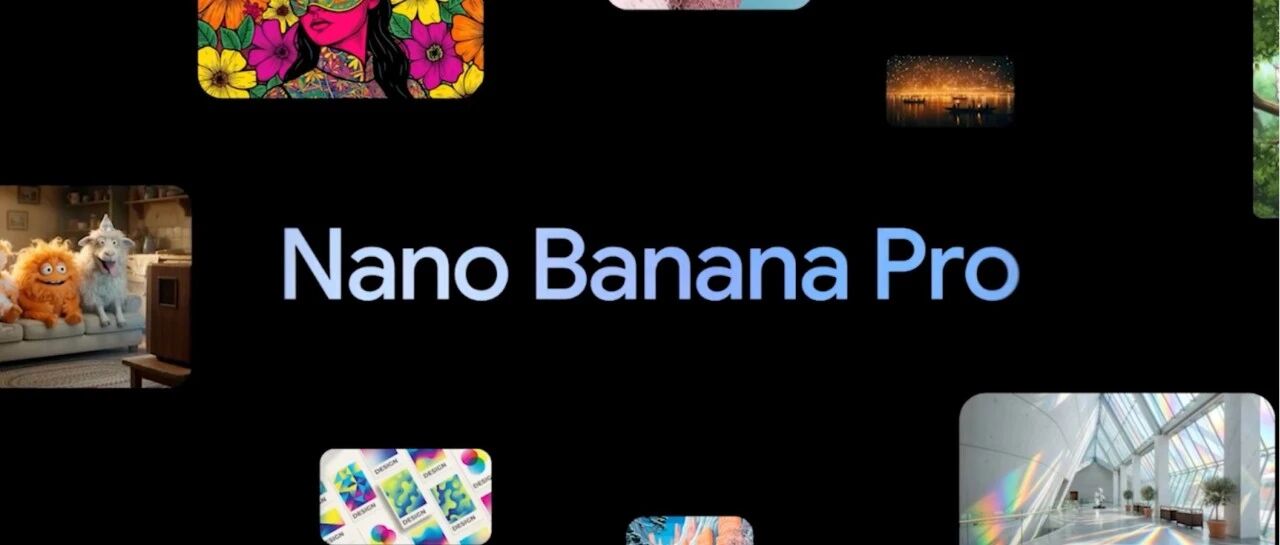
Nano Banana Pro一手实测:我们玩嗨了
机器之心· 2025-11-21 10:17
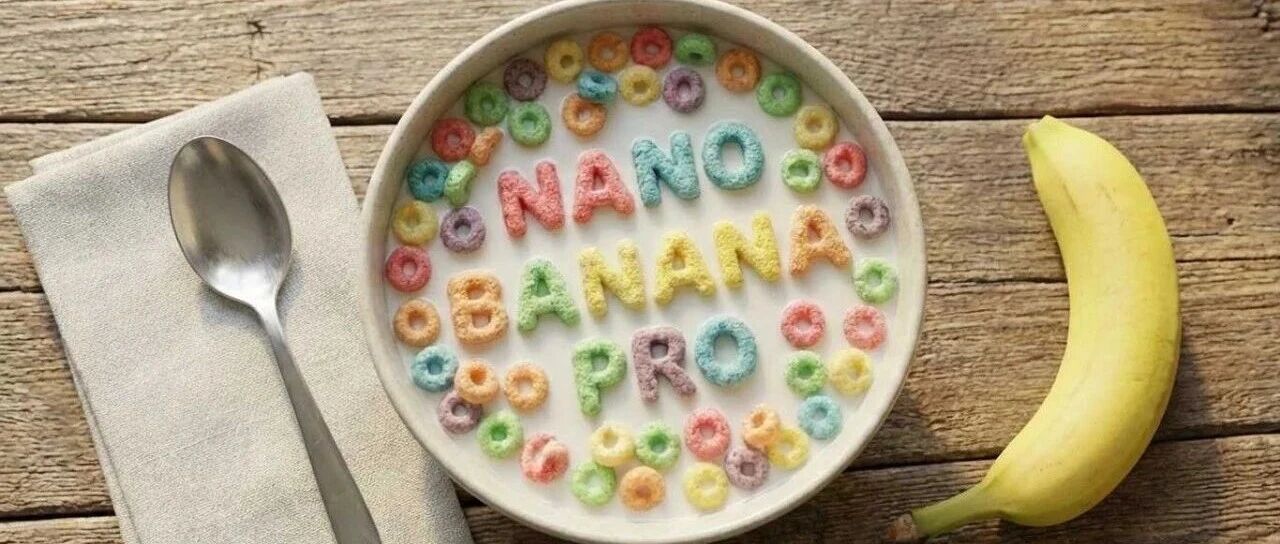
Core Insights - The article discusses the capabilities of the newly released AI tool, Nano Banana Pro, particularly in generating images and understanding complex prompts related to engineering structures like the Huajiang Canyon Bridge [4][12][13]. Group 1: AI Capabilities - Nano Banana Pro demonstrated exceptional control and accuracy in generating images based on detailed prompts, including the ability to incorporate specific logos and contextual information from the internet [10][12]. - The AI was tested with challenging scenarios, such as transforming a night image of the Huajiang Canyon Bridge into a daytime scene, showcasing its ability to maintain detail and realism [16][19]. - The model's performance was further evaluated by asking it to describe the bridge's structure and principles, where it successfully identified and labeled various components, although some minor inaccuracies were noted [24][27]. Group 2: Testing Challenges - The AI faced increased difficulty when tasked with generating detailed blueprints and technical illustrations of the bridge, revealing some limitations in accurately placing data markers [32][33]. - Despite some errors, Nano Banana Pro was able to provide a general understanding of the construction process, indicating its potential as an educational tool [36][33]. Group 3: User Experience - The AI's ability to understand prompts in Chinese and generate high-quality results on the first attempt was highlighted as a significant advantage for users [36][37]. - The article also included lighter content, showcasing the AI's versatility in generating fun and creative images, such as transforming characters into different settings [50][64].
Nano Banana Pro 要上天
3 6 Ke· 2025-11-21 01:55
Core Insights - Google has recently launched several AI models, including Gemini 3, Antigravity, and Nano Banana Pro, which showcases advanced capabilities beyond simple image generation, indicating a move towards reasoning and understanding [1][26]. Model Testing - The Nano Banana Pro model was tested for its ability to generate realistic video conference scenarios featuring well-known figures from the tech industry, demonstrating a high level of detail and accuracy in character representation [2][5]. - The model successfully integrated a two-dimensional anime character into a three-dimensional video conference setting, maintaining the character's original style while ensuring a coherent visual experience [5][26]. Language and Menu Generation - Nano Banana Pro was tasked with creating menus in multiple languages, including English, Chinese, Japanese, and Russian, showing proficiency in layout and design but revealing limitations in generating coherent text beyond the prompt [10][11]. - The generated Chinese menu displayed accurate headings and categories, but specific dish names were less recognizable, indicating a gap in the model's text generation capabilities [10][11]. Cultural Understanding - The model demonstrated an understanding of Chinese cultural elements, such as palmistry and acupuncture, accurately depicting relevant imagery and concepts [13][18]. - However, it made errors in specific details, such as mislabeling lines in palmistry, highlighting areas for improvement in cultural accuracy [14][26]. Mathematical Problem Solving - Nano Banana Pro was evaluated on its ability to solve algebraic and geometric problems, with results aligning with expected answers, suggesting a foundational understanding of mathematical concepts [20][24]. - The model's performance indicates a shift from being merely a graphic tool to incorporating reasoning and understanding in its outputs, as it processes prompts with a degree of contextual awareness [26][27]. Future Implications - The advancements in Nano Banana Pro's capabilities suggest a potential evolution towards a "world model," where the AI not only generates images but also comprehends relationships and structures within a scene [26][27]. - This progression raises both excitement and caution, as the model approaches a level of understanding that could redefine its applications in various fields [27].


大涨超4%!谷歌再创历史新高!图像生成模型 Nano Banana Pro上线,深度结合Gemini 3,这下生成世界了
美股IPO· 2025-11-20 16:07
Core Viewpoint - The article discusses the launch of Google's advanced image generation model, Nano Banana Pro, which builds on the capabilities of its predecessor, Gemini 3, offering enhanced control, higher resolution, and improved text generation abilities [2][6][39]. Group 1: Model Capabilities - Nano Banana Pro can generate high-resolution images at 2K and 4K, significantly improving detail, precision, and consistency in image generation [10][11]. - The model supports a wide range of aspect ratios, addressing previous limitations in controlling image proportions [11]. - Users can combine up to 14 reference images while maintaining consistency among up to 5 characters, enhancing the model's ability to create cohesive compositions [13][20]. Group 2: Creative Control - The model allows for "molecular-level" control over images, enabling users to make precise adjustments to specific areas, switch camera angles, and alter focus points [25][27]. - Users can apply cinematic color grading and modify lighting conditions seamlessly, enhancing the storytelling aspect of the generated images [27]. Group 3: Text Generation - Nano Banana Pro excels in generating clear, readable text within images, addressing a common challenge in image generation models [28]. - The model supports multilingual text generation and localization, facilitating global content sharing [35][36]. Group 4: Knowledge Integration - The integration with Gemini 3's knowledge base allows Nano Banana Pro to produce visually accurate content based on factual information [39][40]. - The model can connect to real-time web content, generating outputs based on the latest data, which is crucial for applications requiring precise information [40][41].

谷歌Nano Banana Pro上线,深度结合Gemini 3,这下生成世界了
机器之心· 2025-11-20 15:13
Core Viewpoint - Google has launched the Nano Banana Pro (Gemini 3 Pro Image), an advanced image generation model that enhances creative control, text rendering, and world knowledge, enabling users to create studio-level design works with unprecedented capabilities [3][4][6]. Group 1: Model Capabilities - Nano Banana Pro can generate high-resolution images at 2K and 4K, significantly improving detail, precision, stability, consistency, and controllability [8][9]. - The model supports a wide range of aspect ratios, addressing previous limitations in controlling image proportions [9][11]. - Users can combine up to 14 reference images while maintaining consistency among up to 5 characters, enhancing the model's ability to create visually coherent compositions [12][13][23]. Group 2: Creative Control - The model allows for "molecular-level" control over images, enabling users to select and reshape any part of an image for precise adjustments [25][26]. - Users can switch camera angles, generate different perspectives, and apply cinematic color grading, providing a high degree of narrative control [32][26]. Group 3: Text Generation - Nano Banana Pro features strong text generation capabilities, producing clear, readable, and multilingual text that integrates seamlessly with images [34][40]. - The model can translate text into different languages while maintaining high-quality detail and font style [41]. Group 4: Knowledge Integration - The model leverages Gemini 3's advanced reasoning to produce visually accurate content, incorporating a vast knowledge base into the generation process [44]. - It can connect to real-time web content for generating outputs based on the latest data, enhancing the accuracy of visual representations [45][46]. Group 5: User Accessibility - Nano Banana Pro will be available across various Google products, targeting consumers, professionals, and developers, with different access levels based on subscription types [59][60][61]. - The model will also be integrated into Google Workspace applications, enhancing productivity tools like Google Slides and Google Vids [62]. Group 6: Verification and Transparency - Google has introduced a new feature allowing users to verify whether an image was generated or edited by Google AI, enhancing content transparency [56][57]. - This capability is powered by SynthID, a digital watermarking technology that embeds imperceptible signals into AI-generated content [57].
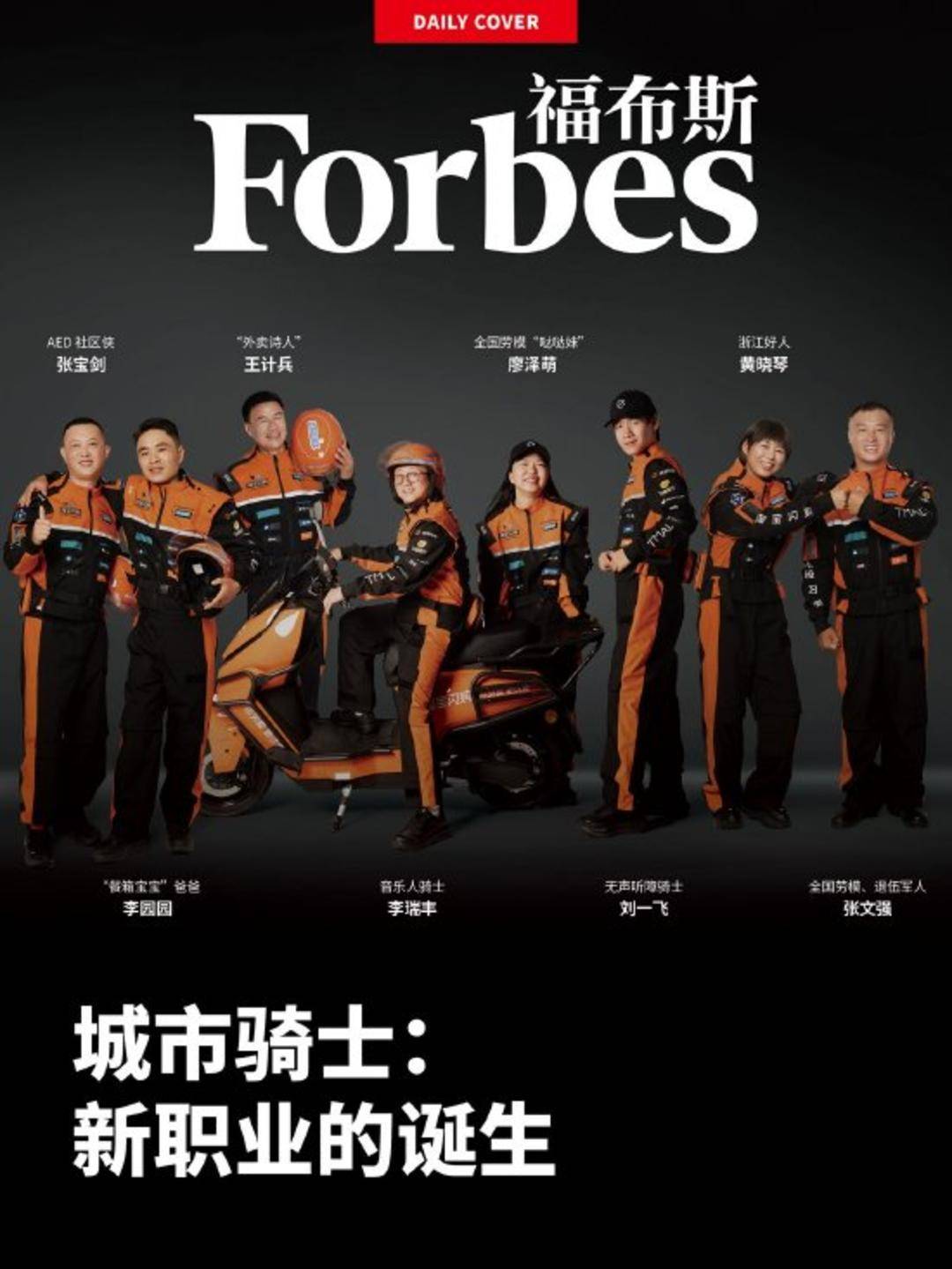
淘宝闪购骑士将登上《福布斯》封面;京东官宣进军团播 | 早资道
Sou Hu Cai Jing· 2025-08-27 11:24
Group 1 - Taobao Flash Delivery Knights will be featured on the cover of Forbes, highlighting the new generation of laborers with a focus on eight city knights [3] - The platform provides upgraded equipment and social security subsidies to enhance the protection and welfare of the knights [3] Group 2 - JD Global Purchase announced its entry into group broadcasting, set to launch during the Qixi Festival on August 28, featuring well-known boy and girl groups in a competitive live streaming format [4] Group 3 - Alibaba Cloud's model service platform, Bailian, announced a price reduction for certain model context caching, with the price for cached input tokens reduced from 40% to 20% of the input token price [5] Group 4 - Google officially launched its advanced image generation and editing model, Gemini 2.5 Flash Image, which ranks first in AI image editing models and offers capabilities such as character consistency and natural language precision [6] - The API pricing for Gemini is set at $30 per million output tokens [6] Group 5 - Apple announced a major product launch event scheduled for September 10, expected to unveil the iPhone 17 series [7]