
微短剧产业

Search documents
微短剧产业迎来“钱塘时刻”
Hang Zhou Ri Bao· 2025-12-05 02:33
Group 1 - The 2025 Hongguo Creator Conference highlighted the achievements of cultural enterprises in Qiantang District, with several awards recognizing individual innovation and the strength of the micro-short drama industry cluster [1] - The company Mofan Film and Television, led by Lu Tong, is a leading force in short drama content creation, producing hit series that have entered the "billion club" in viewership [1] - Haiyu Xingkong produced 123 micro-short dramas in over two years, with 65 of them ranking on industry charts, indicating a strong production capability [1] Group 2 - Qiantang District has strategically positioned the micro-short drama industry as a key cultural productivity sector, with over 70 companies forming a complete ecosystem from IP development to content creation and distribution [2] - In 2024, core micro-short drama enterprises in Qiantang District are expected to see a revenue growth of 129%, with a sustained growth rate of 45% from January to September 2025 [2] - Companies in Qiantang are expanding their overseas business, with several apps ranking in the global top ten for downloads, showcasing the international appeal of Chinese stories [2] Group 3 - The establishment of the Micro-Short Drama Creative Village and Talent Training Center in Qiantang District marks a significant step in building a comprehensive industry system for creation, talent development, and production services [3] - By enhancing the micro-short drama industry ecosystem, Qiantang District is fostering new economic growth engines and contributing valuable experiences to the prosperity of China's digital culture [3]
北京打造“竖店”带飞微短剧产业
Bei Jing Qing Nian Bao· 2025-11-17 19:19
Core Insights - The rise of micro-short dramas in Beijing showcases a unique content form that combines various formats and has significant growth potential, with an expected output value of 33.6 billion yuan in 2024, making Beijing the leading city in this industry [2][3] Industry Overview - Micro-short dramas have evolved from a niche market to a new pillar of the cultural industry, with Beijing positioning itself as a central hub for this growth [2] - The market for micro-short dramas is projected to exceed 50 billion yuan, surpassing traditional film box office revenues, indicating a shift in content consumption patterns [7] - The user base for micro-short dramas in China has reached 662 million, reflecting a growing demand for this format [7] Development Strategies - Beijing plans to enhance the micro-short drama sector through three main strategies: providing special funding and leveraging AIGC technology for creative empowerment, offering precise services under the "Beijing Service" brand, and exploring new business models that integrate micro-short dramas with tourism, e-commerce, and rural revitalization [2] - The establishment of the "Drunken Shadow Field Short Drama and Short Film Industry Base" in Chaoyang District represents a significant step in transforming old industrial sites into modern production hubs [3][4] Infrastructure and Facilities - The "Drunken Shadow Field" spans approximately 25,000 square meters and has been transformed from a logistics warehouse into a cultural industry park, attracting numerous artists and production companies [3][4] - The park has undergone renovations to meet the specific needs of short drama production, including structural reinforcements and the addition of professional filming facilities [4] Market Dynamics - The shift towards micro-short dramas is driven by changing viewer habits and the need for quick, engaging content that fits into modern lifestyles [7] - Industry professionals highlight the advantages of micro-short dramas, including faster production times and the ability to reach international markets, which enhances cultural confidence [6][7] Collaborative Ecosystem - The "Drunken Shadow Field" has formed a service alliance with over 30 local institutions, creating a "scene bank" that allows production teams to easily access diverse filming locations [9][11] - This collaborative approach aims to streamline the production process and reduce costs, addressing previous challenges faced by filmmakers in Beijing [12][13] Future Outlook - The micro-short drama industry is expected to continue evolving, with a focus on integrating digital technologies and enhancing the overall production ecosystem [15][16] - The successful transformation of cultural parks like "Drunken Shadow Field" serves as a model for other regions, emphasizing the importance of tailored services and long-term strategic planning [16]


城市24小时 | 争夺“短剧之都”,又一个中部省会入局
Mei Ri Jing Ji Xin Wen· 2025-11-06 17:25
Group 1 - The forum held in Changsha focused on the integration of culture and technology, emphasizing the support for the micro-short drama industry with ten measures aimed at high-quality development [1] - The measures include funding support for six key areas: filming base construction, quality creation, platform ecosystem cultivation, technological empowerment, international expansion, and resource assurance [1] - The micro-short drama market in China is projected to exceed 63.43 billion yuan in 2025, with a compound annual growth rate of 19.2% expected until 2027 [1] Group 2 - Changsha aims to establish itself as a significant player in the micro-short drama industry, with the recent opening of the Tongguan Shudian Short Drama Film City, which plans to produce 500 to 800 micro-short dramas annually [2] - The city is looking to leverage its local advantages and learn from the rapid rise of similar projects in Zhengzhou, which has gained a competitive edge through cost advantages and cluster effects [2] Group 3 - Changsha has a strong foundation in the cultural and entertainment industry, with major platforms like Mango TV and a national-level copyright research center [6] - The establishment of the "Malan Mountain Micro-Short Drama Anti-Piracy Alliance" during the forum aims to protect copyrights in the micro-short drama sector [6]

多城打造微短剧名城,郑州短剧人才需求位列TOP1
第一财经· 2025-10-20 15:52
Core Insights - The article highlights the rapid growth of the micro-short drama industry, which has become a significant segment in content consumption, providing emotional relief to consumers through quick, engaging narratives [3][4]. Talent Demand - The demand for talent related to short dramas has surged, with a year-on-year increase of 26% in the first three quarters of 2025. The leading roles in demand include editors (15.9%), followed by screenwriters (10.0%), actors/models (8.6%), and hosts (5.4%) [3][4]. - The production of short dramas requires efficient editing and post-production work due to the compact nature of the content, emphasizing the importance of high-quality storytelling to capture user attention within the first three seconds [3][4]. City Distribution - Zhengzhou leads in short drama talent demand with a 13.3% share, experiencing a remarkable 75.6% year-on-year growth in the third quarter. The city is becoming a hub for micro-short dramas, attracting numerous production teams and actors [4][5]. - Beijing follows with a 12.9% share and a 36.4% increase in talent demand, leveraging its traditional strengths in film and television content [4]. - Chengdu and Xi'an are also emerging as significant production bases, with talent demand growth rates of 44.4% and 127.9%, respectively, driven by local cultural resources and new media platforms [4]. Market Size and Projections - The micro-short drama market in China reached a size of 50.5 billion yuan in 2024, surpassing annual box office revenues for the first time. Projections indicate that the market will grow to 63.43 billion yuan in 2025 and 85.65 billion yuan by 2027 [4][5]. Industry Development Initiatives - Zhengzhou has implemented a comprehensive plan to develop its micro-short drama industry, aiming to establish 1-2 influential production bases and cultivate over 10 competitive production and distribution companies by 2027, targeting a market size of 10 billion yuan [5][6]. - Other regions, such as Shaanxi and Hangzhou, are also actively promoting their micro-short drama industries through supportive policies and infrastructure development, aiming to create a complete industry chain from scriptwriting to distribution [6].

长沙铜官竖店短剧影视城开业 盈新发展携竖店打造中部短剧文旅融合新标杆
Zheng Quan Shi Bao Wang· 2025-10-16 06:27
Core Insights - The opening of the Changsha Copper Official Vertical Store Short Drama Film City marks a significant step in Hunan Province's short drama industry layout, showcasing Yingxin Development's strategic focus on "cultural tourism+" [1][2] - The project aims to create the largest and most complete short drama ecosystem in Central China, injecting new momentum into the innovative development of Hunan's cultural tourism industry and the upgrade of the short drama sector [1] Company Developments - Yingxin Development, through its subsidiary Copper Official Kiln National Style Park, has partnered with Vertical Store Film Group to establish a collaborative center for the short drama industry in Hunan [1][2] - The company plans to leverage its mature cultural tourism operational experience and the professional film industry capabilities of Vertical Store to enhance the short drama production capacity, with an expected annual output of over 500 short dramas [1] Industry Trends - The rise of micro-short dramas, characterized by their "short, flat, and fast" advantages, has become a significant cultural and technological integration trend, enriching the spiritual and cultural lives of the public [1] - Hunan Province has implemented eight supportive policies to encourage the creation of high-quality micro-short drama content and the establishment of filming bases, fostering a favorable environment for the industry's development [1]

微短剧产业版图曝光,这些城市是赢家
3 6 Ke· 2025-10-13 02:43
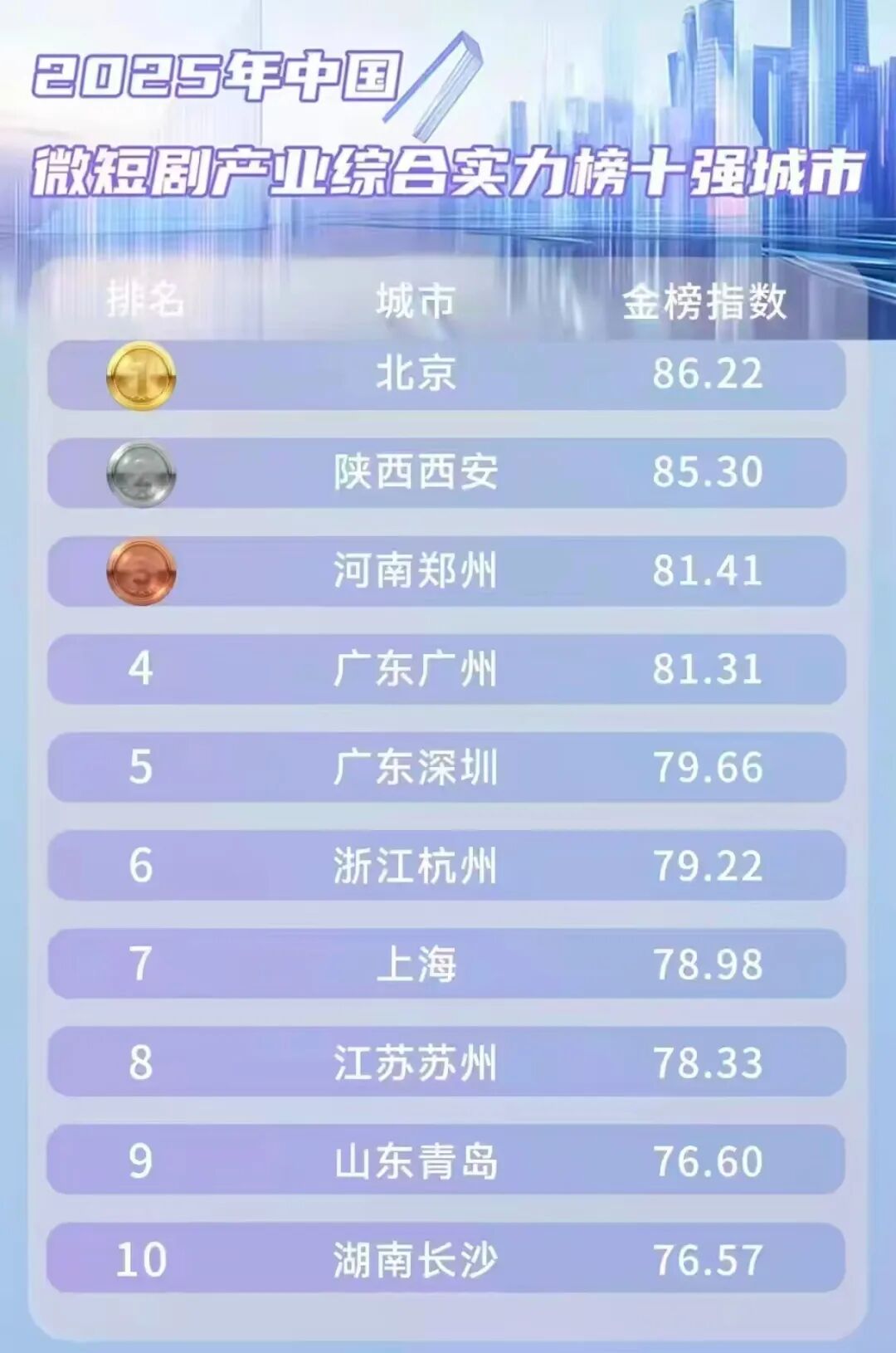
Group 1 - The short drama market has surpassed traditional film and television, with a market size of 505 billion yuan in 2024, a 35% year-on-year increase, and expected to reach 670 billion yuan in 2025 [2] - The total box office for films in 2024 is projected to be 425 billion yuan, a 23% decline compared to the previous year [2] - Short dramas are becoming a significant force in China's cultural industry, rapidly gaining popularity both domestically and internationally [2] Group 2 - Xi'an and Zhengzhou have emerged as unexpected leaders in the short drama industry, with Xi'an being the top city and Zhengzhou closely following [3][6] - Xi'an has produced 60 out of 100 short dramas in the country, supported by local government policies and initiatives [6][7] - Zhengzhou has established 15 short drama filming bases, with a total area exceeding 160,000 square meters, producing around 100 short dramas daily [7] Group 3 - Guangdong's cities, Guangzhou and Shenzhen, are also making significant strides in the short drama sector, ranking fourth and fifth respectively [8][10] - Guangdong has implemented various policies to support the film and television industry, including tax incentives and subsidies for production [9][10] - Shenzhen offers substantial financial support for short drama production, with individual projects receiving up to 300 million yuan in funding [10] Group 4 - The new economic landscape allows for equal competition among cities, leading to potential reshaping of the cultural industry [11] - The rise of short dramas may lead to a decentralization of the cultural industry in China, creating a more diverse and vibrant ecosystem [11]
两座“最像”的万亿城市,又对上了?
Xin Lang Cai Jing· 2025-10-07 12:23
Core Viewpoint - The competition between Xi'an and Zhengzhou to become the "Micro Short Drama Capital" reflects a broader trend of urban rivalry in emerging industries, particularly in the context of the rapidly growing micro short drama market, which is projected to exceed 100 billion yuan by 2027 [2][3][5]. Market Overview - The domestic micro short drama market reached 50.4 billion yuan in 2024 and is expected to surpass 100 billion yuan by 2027, indicating significant growth potential [3][5]. - In 2023, Xi'an's production teams accounted for 80% of the top micro short drama works in the country, establishing its dominance in the market [5][7]. Regional Development - Xi'an has become a hub for micro short drama production, with over 60 out of 100 notable micro short dramas originating from the city, supported by extensive filming facilities and a large number of production teams [7][8]. - Zhengzhou is rapidly developing its micro short drama industry, with over 820 production companies and a workforce of more than 30,000, aiming for a market size of 10 billion yuan by 2027 [8][10]. Competitive Advantages - Both cities benefit from a large pool of university students, convenient transportation networks, and lower production costs compared to major cities like Beijing and Shanghai, making them attractive for micro short drama production [10][14]. - Zhengzhou's micro short drama extras earn about one-third of what their counterparts in Hengdian earn, highlighting the cost advantages in the region [14]. Future Prospects - The competition between Xi'an and Zhengzhou is not only about who becomes the "Micro Short Drama Capital" but also reflects a larger trend of urban competition that could drive both cities to optimize their environments and improve efficiency [25][28]. - There is potential for collaboration between the two cities, leveraging Xi'an's creative talent and Zhengzhou's logistical capabilities to create a comprehensive industry ecosystem [28].

“霸道总裁”拯救闲置物业!实探风口上的短剧拍摄基地
Di Yi Cai Jing· 2025-09-23 06:37
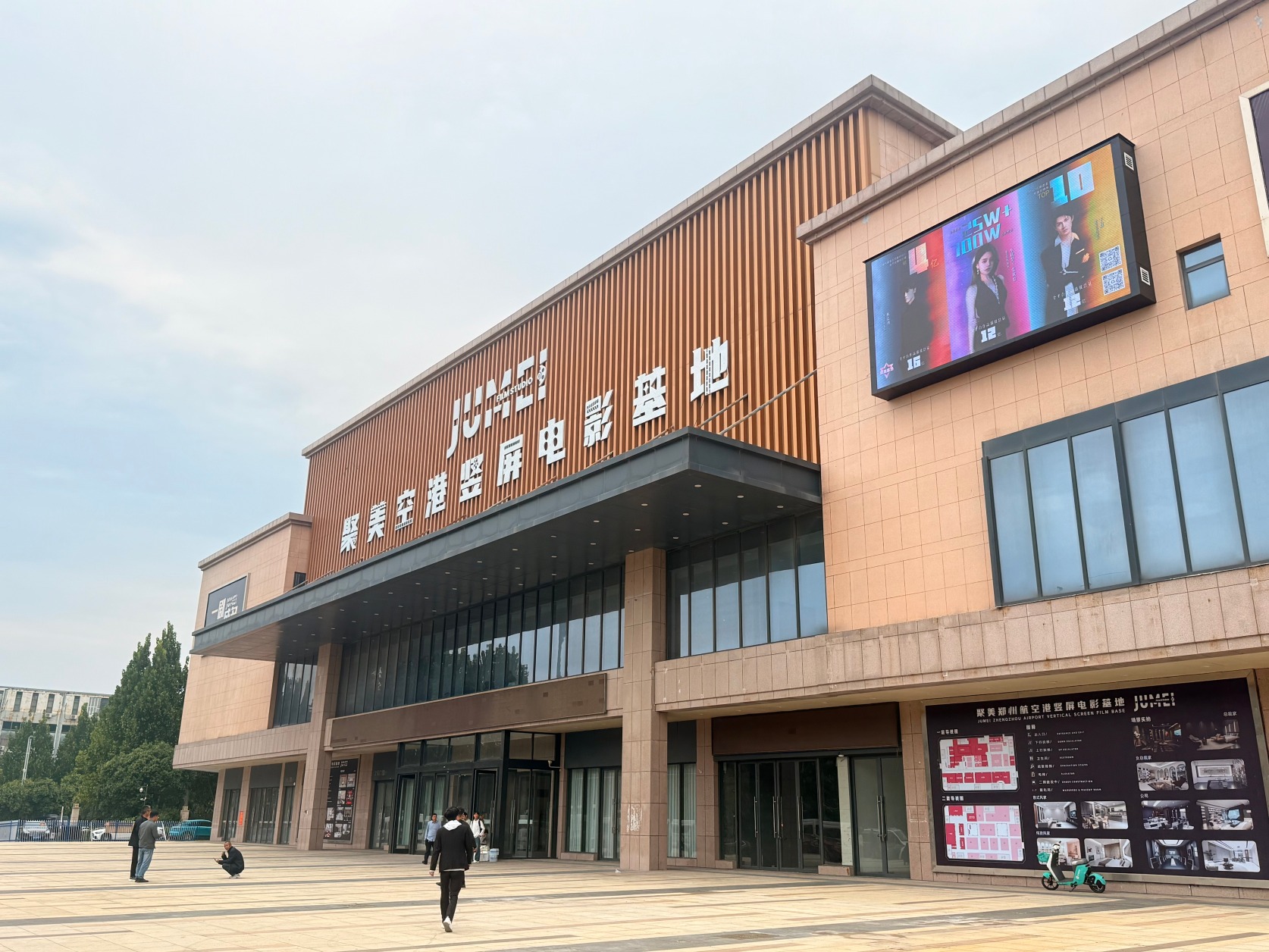
Core Insights - The micro-short drama industry has rapidly emerged, transforming various underutilized properties into vibrant filming locations, thus revitalizing these spaces and contributing to local economies [1][2][17] Group 1: Industry Transformation - The micro-short drama sector has gained popularity, leading to the repurposing of old properties such as abandoned shopping centers and real estate sales offices into filming sites [1][4] - Local governments are encouraging the use of historical buildings and vacant spaces to foster micro-short drama filming bases, aiming to leverage this industry for greater social and economic benefits [2][17] Group 2: Case Studies of Property Repurposing - Real estate sales offices, once solely for showcasing properties, are now being utilized as filming locations for micro-short dramas, as seen in various regions including Shandong and Zhengzhou [4][5] - The "Evergrande Health Valley" project in Zhengzhou, which faced financial difficulties, has turned its sales office into a filming site, highlighting the trend of utilizing idle properties for creative industries [5][9] Group 3: Development of Filming Bases - The transformation of traditional home improvement markets into micro-short drama filming bases is notable, with the "Phoenix City" in Zhengzhou being a prime example, where a significant area has been repurposed for this purpose [10][12] - Filming bases are being developed to provide comprehensive services, connecting creators, producers, and platforms, thus creating a full industry chain from scriptwriting to filming and distribution [14][16] Group 4: Corporate Engagement and Policy Support - Real estate companies are increasingly collaborating with local governments to embrace the micro-short drama industry, as seen with Greenland Group's initiatives in Zhengzhou [17] - Recent policies from the Ministry of Natural Resources aim to optimize urban space utilization, which includes repurposing idle properties for new industries like micro-short dramas [18][19]
郑州?西安?深圳?……“短剧之都”引来大城角逐
Di Yi Cai Jing· 2025-09-23 06:34
Core Viewpoint - Cities like Xi'an and Zhengzhou are experiencing a significant surge in the short drama industry, with Zhengzhou establishing 15 filming bases and Xi'an being a major contributor to the market [2][4]. Group 1: Market Growth and Scale - The micro short drama market in China is projected to reach 50.4 billion yuan in 2024, with expectations to exceed 68 billion yuan in 2025 and surpass 100 billion yuan by 2027 [2]. - In 2022, the market size of micro short dramas exceeded that of box office revenues for films, with user numbers reaching 662 million [2]. Group 2: Regional Development and Support - Zhengzhou aims to become a hub for micro short drama creation, with plans to cultivate several filming bases and competitive production companies, targeting a market size of 10 billion yuan by 2027 [3][4]. - The government of Henan has included support for Zhengzhou's micro short drama initiatives in its key tasks for 2025, highlighting the strategic importance of this industry [3]. Group 3: Competitive Advantages - Zhengzhou benefits from lower production costs, with costs being 30% to 40% lower than first-tier cities, and the ability to complete a 100-episode micro short drama for 300,000 to 800,000 yuan [4]. - The city’s transportation infrastructure, including a comprehensive high-speed rail network and an international airport, facilitates efficient filming operations [4]. Group 4: Industry Challenges and Regulations - Despite the growth, the short drama industry faces challenges such as regulatory scrutiny, competition, and issues related to copyright and content quality [6]. - The core business model of short dramas relies on user acquisition through paid content, which may need refinement as user growth stabilizes and acquisition costs rise [6]. Group 5: Government Initiatives - Major cities, including Shenzhen, are investing in the short drama sector, with initiatives aimed at enhancing the local film industry and providing financial support for quality productions [5][6]. - Shenzhen offers financial incentives for outstanding scripts and encourages filming in the city to boost tourism and enhance its image [6].
LP开始布局微短剧
3 6 Ke· 2025-08-14 03:00
Core Insights - The venture capital industry is increasingly focusing on the "micro-short drama" sector, which has seen a resurgence in interest and investment, particularly from government-guided funds [1][2][3] Market Overview - The micro-short drama market in China has experienced explosive growth, with market sizes reported at 3.68 billion RMB in 2021, 10.17 billion RMB in 2022, and 37.39 billion RMB in 2023, projected to exceed 50 billion RMB in 2024 and reach 68 billion RMB by 2025 [2] - By 2027, the market is expected to surpass 100 billion RMB, attracting various stakeholders including platforms, production companies, and advertisers [2][3] Government Initiatives - The Yingtan Modern Industry Guidance Fund has initiated a sub-fund aimed at investing in the micro-short drama industry, with a target size of 200 million RMB and an initial commitment of 30 million RMB [4][5] - The fund aims to leverage government resources to attract social capital and foster a micro-short drama ecosystem in Yingtan, enhancing the local cultural industry [3][4] Regional Developments - Yuyuan District has established a specialized micro-short drama film base, producing 271 micro-short dramas in 2024, generating over 1 billion RMB in box office revenue [5] - The Jiangxi provincial government has introduced measures to promote the micro-short drama industry, including cash rewards and investment subsidies for companies operating in the region [5][6] Broader Industry Trends - The micro-short drama phenomenon is revitalizing the entertainment sector, which has faced challenges such as declining valuations and high vacancy rates in traditional film studios [7] - Various regions, including Shenzhen and Shanghai, are implementing supportive policies to encourage the development of micro-short dramas, including financial incentives and infrastructure support [7][8][9] Future Prospects - The integration of technology and content production in the micro-short drama sector is expected to create new opportunities, particularly in AI and digitalization [11][12] - The industry is transitioning from a niche market to a significant player in cultural consumption, with potential to reshape urban branding and cultural narratives [12][13]