情感智能

Search documents
凯文·凯利最新演讲:这个能力,下一个10年最具竞争力
创业邦· 2025-11-18 10:39
Core Viewpoints - The importance of preparing for the future rather than predicting it in an era of uncertainty [7] - AI is seen as a complement to human capabilities, enhancing efficiency and creativity rather than replacing jobs [20] - The future will be shaped by those who can collaborate with AI, rather than those who resist it [8] AI and Uncertainty - There are three key uncertainties regarding AI: the possibility of achieving general artificial intelligence, the direction of AI computing (centralized vs. decentralized), and the impact of AI on employment [10][14][16] - Current investments are heavily focused on exploring general intelligence, but the future may consist of various specialized AI systems rather than a single general system [11][13] - The trend towards edge computing is emerging, with a significant portion of computing already occurring at the edge, which offers advantages in speed, privacy, and energy efficiency [14][15] AI's Role in Employment and Industry - AI is not leading to mass unemployment but is instead enhancing productivity, with studies showing an average efficiency increase of about 25% for employees using AI [17][19] - The introduction of AI changes the nature of work, allowing humans to focus on more creative and judgment-based tasks while AI handles repetitive ones [20][41] - AI's role is to augment human capabilities rather than replace them, leading to a reorganization of job structures rather than job losses [43] Future Directions of AI - Future AI innovations will focus on four key areas: symbolic reasoning, spatial intelligence, emotional intelligence, and intelligent agents [22] - Symbolic reasoning will reintroduce structured intelligence to enhance AI's understanding and reasoning capabilities [22][23] - Spatial intelligence will enable AI to interact with and understand the real world, moving beyond text-based learning [24][27] - Emotional intelligence will allow AI to recognize and respond to human emotions, fostering deeper human-AI interactions [29][30] - Intelligent agents will evolve from mere tools to partners capable of executing tasks and collaborating with other agents [30][31] The Concept of "Cool China" - "Cool China" refers to a nation that attracts others through creativity and charm rather than force, with potential to lead in innovation and cultural influence [60][61] - China has the opportunity to produce world-class products and technologies, enhancing its global standing [62] - Cultural output will play a significant role in shaping China's soft power, allowing it to resonate with global audiences [63] - The development of attractive cities that blend technology and culture will further enhance China's appeal [64] Challenges and Responsibilities - The rise of an AI-driven society will bring challenges related to privacy, data usage, and the balance between personalization and individual rights [66][68] - AI has the potential to create a more just and efficient society, particularly in areas like social governance and resource distribution [69] - The realization of "Cool China" depends on a commitment to innovation, openness, and responsibility, shaping a respected and admired global presence [71]


慕尼黑车展丨新能源汽车产业链企业参展 总数超百家
Cai Jing Wang· 2025-09-14 15:51
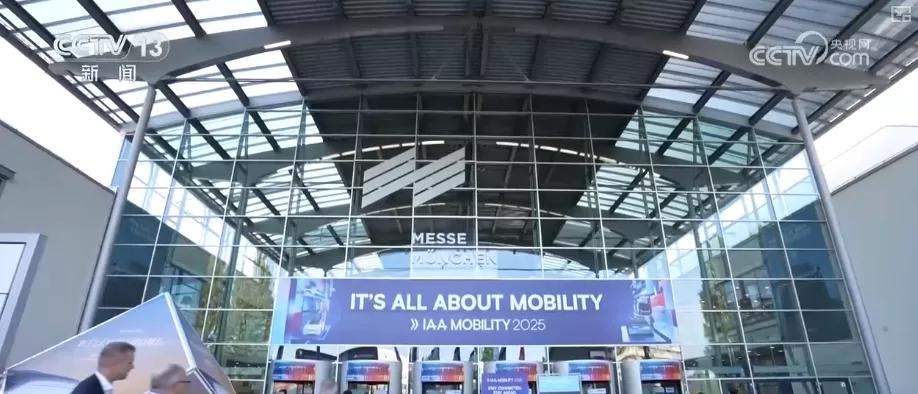
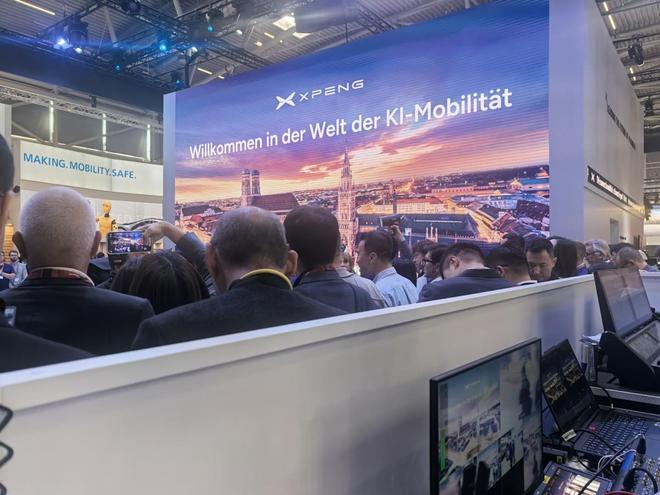
Core Insights - The 2025 Munich International Motor Show focused on innovation in mobility, showcasing a shift towards integrated mobility platforms with the theme "It's All About Mobility" [1] Group 1: Event Overview - The event attracted approximately 750 exhibitors from over 30 countries, with international exhibitors making up more than 55%, a record high [3] - Chinese exhibitors numbered 116, maintaining growth from the previous year, and were the largest group among international participants [3] - The presence of 16 Chinese automotive manufacturers highlighted the strength and complete ecosystem of China's new energy vehicle industry [3] Group 2: Chinese Exhibitors and Innovations - Notable Chinese companies included BYD, Xpeng, and Avita, showcasing various models and advanced technologies [3][5] - Xpeng unveiled five new models, including the P7 and G6, and introduced cutting-edge exhibits like humanoid robots and flying cars [5] - Avita presented its first emotional intelligence concept car and several luxury models, emphasizing its focus on original design and smart technology [7] Group 3: Technological Advancements - BYD introduced a megawatt-level electric platform, achieving the highest charging power globally at 1 megawatt [7] - CATL showcased a new battery safety technology that prevents fire and smoke during thermal runaway [7] - EVE Energy highlighted its standardized, zero-expansion cylindrical batteries and a digital identification system for battery traceability [7] Group 4: European Automakers' Responses - Major European automakers, including BMW, Volkswagen, and Mercedes-Benz, launched new electric models and emphasized their strategies to compete with Chinese brands [8][9][10] - BMW plans to launch 40 new or upgraded models by 2027, with a focus on the Chinese market [8] - Mercedes-Benz's CTO expressed confidence in competing against Chinese electric vehicle manufacturers, indicating a strategic shift in response to the growing presence of Chinese brands in Europe [10]

慕尼黑车展丨中德电动化同台竞技,三大细节揭示中国汽车出海方向
Guan Cha Zhe Wang· 2025-09-11 06:57
Core Insights - The shift of Chinese automakers towards electrification has raised questions about the competitive landscape with foreign automakers, especially as they ramp up their electric vehicle (EV) efforts [1] - Chinese brands are gaining significant attention from overseas users due to their design and technological capabilities, while joint venture companies are redefining their value in the process of electrification [1][4] - The global automotive market is undergoing a transformation, with Chinese brands increasingly participating in international exhibitions like the Munich Auto Show [1][2] Group 1: Chinese Automakers' Presence - The number of Chinese exhibitors at the Munich Auto Show has significantly increased, with media and public interest in their displays [2][4] - Companies like BYD and Xpeng are no longer newcomers in overseas markets, attracting considerable attention with innovative products and concepts [4][5] - The focus on design has become crucial for Chinese automakers to appeal to European consumers, who prioritize aesthetics alongside technology [5][9] Group 2: Design and Brand Positioning - Chinese brands are emphasizing design to convey value, as seen with Avita's global emotional intelligence concept car, which focuses on establishing a brand image in Europe [7][9] - Xpeng is reinforcing its identity as an AI-centric automotive company through a combination of land and air vehicles and robotics [9][21] - The shift in positioning for brands like Leap Motor, which aims to appeal to urban youth, reflects a broader trend of localization in branding strategies [7][9] Group 3: Standardization and Collaboration - Standardization is a key focus for European automakers, with companies like Mercedes and BMW emphasizing consistency in quality and design across their product lines [19][22] - Collaborations between Chinese automakers and established European brands are seen as essential for understanding local market needs and enhancing product offerings [21][24] - The rigorous standards set by European manufacturers for their supply chains highlight the importance of quality control and long-term partnerships [24][27] Group 4: Market Adaptation and Future Strategies - Chinese automakers are increasingly adopting localized strategies, with companies like BYD and Chery emphasizing their commitment to European consumer needs [28][30] - The ability to integrate Chinese design and technology with local standards and cultural preferences is crucial for the long-term success of Chinese brands in Europe [30][32] - The experience of companies like Toyota in adapting to European markets serves as a lesson for Chinese automakers in developing differentiated products that resonate with local consumers [32]

聆心智能发布 AI 心理测评系统等多款产品,黄民烈:“AI+ 心理健康”赛道将迎来黄金十年
AI前线· 2025-08-30 05:33
Core Viewpoint - The article discusses the launch of three key products by Lingxin, integrating AI with psychological services aimed at students and teachers, marking a significant step towards promoting mental health education in schools [2][3][9]. Product Overview - Lingxin has introduced the AI Psychological Assessment System, AI Dual-Teacher Interactive Psychology Course, and Lingxin Mental Health Space, along with an upgrade to the Emohaa psychological model [2][3]. - The AI Psychological Assessment System utilizes a "gentle" dialogue approach to conduct multi-modal assessments of personality, emotions, and behaviors, addressing traditional assessment challenges [2]. - The AI Dual-Teacher Interactive Psychology Course is designed for middle and primary school students, featuring an AI teacher and real-time content analysis to enhance classroom experiences [3]. - Lingxin Mental Health Space has been implemented in over a hundred schools across China, providing emotional support and real-time analysis for teachers and parents [3]. Technological Support - The Emohaa model, developed by Lingxin, has been upgraded to include features such as emotional companionship and light intervention, covering various psychological topics [5][6]. - Emohaa has achieved high ratings in emotional understanding and support compared to leading global models, indicating its effectiveness in psychological counseling [6]. Market Context - The article highlights the growing need for mental health services in China, with approximately 170 million people suffering from mental illnesses and a significant shortage of psychological professionals [11]. - The market for AI in mental health is expected to grow significantly, driven by demographic changes and technological advancements, despite current challenges in service standardization and stigma [11][14]. AI's Role in Mental Health - AI is poised to transform traditional psychological counseling and psychiatric treatment, promoting equity in mental health services [9][14]. - The development of large models in emotional intelligence is seen as a key opportunity for enhancing accessibility to psychological support, especially in underserved areas [14]. Challenges and Future Directions - The application of AI in psychology faces challenges due to the complexity and individuality of mental health issues, necessitating a comprehensive understanding of various factors [18]. - Lingxin aims to provide accessible mental health services through AI, including 24/7 online consultations and personalized support systems [18].

教育变革十字路口 AI是“颠覆者”还是“赋能者”?
Jing Ji Guan Cha Wang· 2025-08-22 13:57
Core Insights - The education industry is at a transformative crossroads, with global market size projected to reach $7.3 trillion by 2025 and nearly $10 trillion by 2030, driven by advancements in AI and other technologies [1] - AI is expected to significantly impact all industries, with predictions that 90% of existing jobs may be replaced, while simultaneously creating new industries that could be 10 to 50 times the size of the smartphone market [2] - The focus of education is shifting from knowledge transmission to the cultivation of core competencies, emphasizing critical thinking, creativity, and emotional intelligence as key competitive skills for the future [3] Group 1: Market Trends and Projections - The global education market is expanding rapidly, with a forecasted growth to $7.3 trillion by 2025 and nearly $10 trillion by 2030, influenced by new technologies like AI, big data, and blockchain [1] - The integration of AI in education is seen as a transformative force, comparable to the shift from steam power to electricity, indicating a significant evolution in educational methodologies and practices [4] Group 2: Technological Impact on Education - AI's rapid development is reshaping educational paradigms, necessitating a focus on teaching children about AI, altering educational methods, and emphasizing practical labor and innovation [2] - Emotional intelligence is identified as a critical barrier in AI development, with the need for AI systems to integrate multiple dimensions of data to achieve high emotional intelligence for effective application in education [4] Group 3: Investment Opportunities - The investment landscape in AI education is evolving, with a focus on applications that demonstrate commercial potential, while addressing challenges such as data scarcity and credibility [4] - The role of capital markets is crucial in supporting value innovation in AI education, ensuring that the essence of education remains centered on human development rather than mere technological replacement [4]
AI语音赛道MiniMax再爆发,一场技术与市场的双重角逐
Mei Ri Jing Ji Xin Wen· 2025-08-08 08:52
Core Insights - The AI voice sector is experiencing significant investment and technological advancements, with major companies and startups actively participating in the market [1][2][3] - MiniMax has launched its new voice generation model, Speech 2.5, which boasts improvements in multilingual performance, voice replication accuracy, and coverage of 40 languages [6][7] - The collaboration between MiniMax and various companies, such as 起点读书 and 高途, highlights the growing trend of integrating AI voice technology into commercial applications, enhancing user engagement and experience [4][6][9] Investment Trends - In the first half of the year, four startups in the AI voice sector secured over $300 million in funding, indicating strong investor interest [1] - Major tech companies like Amazon, OpenAI, and Google are also entering the AI voice model market, further intensifying competition [1] Technological Advancements - MiniMax's Speech 2.5 model has achieved three significant breakthroughs compared to its predecessor, Speech 02, enhancing its capabilities in multilingual expression and voice replication [6][7] - The model's performance improvements have led to its adoption by leading platforms in both domestic and international markets, showcasing its competitive edge [7] Commercial Applications - The partnership between MiniMax and 起点读书 has resulted in the creation of personalized AI reading characters, enhancing user experience and engagement [4] - The introduction of AI voice technology in educational tools, such as the "AI阿祖" by 高途, demonstrates the potential for personalized learning experiences [6] Future Directions - The industry is moving towards integrating emotional intelligence into AI voice technology, with products like the "Bubble Pal" showcasing the ability to express emotions and engage in meaningful interactions [8][9] - The expectation for AI voice technology to evolve into more intelligent and empathetic systems is growing, indicating a shift towards a new era of interaction driven by advanced voice capabilities [9]
机器情感与AI陪伴的人文审度①|刘永谋、白英慧:建构主义视域下的机器情感
Xin Lang Cai Jing· 2025-07-17 02:21
Group 1: Core Concepts of Machine Emotion - Machine emotion refers to the external manifestation of human-like emotions by AI systems, relying on emotional intelligence and emotional computing as the main technological pathway [3][5][6] - The concept of machine emotion is interdisciplinary, involving cognitive science, emotional philosophy, psychology, computer science, and sociology [5][6] - Emotional intelligence is the foundational capability for machine emotion, encompassing emotional recognition, expression, experience, and control [6][9] Group 2: Construction and Characteristics of Machine Emotion - Machine emotion is characterized by its constructiveness, mimetic nature, embodiment, and computational aspects, emphasizing the generation logic and operational mechanisms of machine emotion [5][12] - The realization of machine emotion depends on emotional computing, which captures human emotional data through various sensors and builds a personalized computational system for emotional understanding and response [7][12] - Machine emotion is limited in its ability to mimic human emotional recognition and expression but lacks genuine emotional experience and control [12][16] Group 3: Human-Machine Emotional Interaction - Human-machine emotion is fundamentally a projection of human emotions onto machines, lacking true intersubjectivity and emotional sharing [13][15] - The construction of human-machine emotion is influenced by psychological mechanisms, such as anthropomorphism and social cultural factors, which shape human emotional responses to machines [15][16] - The emotional interaction between humans and machines can lead to risks such as emotional deception, emotional monitoring, emotional degradation, and emotional manipulation [17][18] Group 4: Ethical Considerations and Development of Machine Emotion - To mitigate risks associated with machine emotion, it is essential to construct machine emotions that serve human needs and enhance interaction [18][19] - The development of machine emotion should adhere to a limited approach, ensuring the appropriateness of emotional capabilities and avoiding exaggerated claims [19][20] - Transparency, authenticity, and rigor should guide the promotion of machine emotions, ensuring users are aware of the simulated nature of emotional responses [20][21]
深度|李飞飞:创办World Labs的初衷,就是想无所畏惧地解决空间智能问题,没有空间智能,AI将是不完整的
Z Potentials· 2025-06-15 03:45
Core Viewpoint - The article discusses the insights of Fei-Fei Li, a prominent AI expert, on the development of spatial intelligence and its significance in AI, emphasizing the need for 3D world modeling to enhance AI capabilities [2][5][19]. Group 1: Spatial Intelligence - Spatial intelligence refers to the ability to understand, reason, interact with, and generate 3D worlds, which is fundamental to both human and animal cognition [5][9]. - The development of 3D world models is seen as a critical challenge in AI, with the potential to unlock numerous applications in design, navigation, and augmented reality [6][20]. - Li believes that without spatial intelligence, AI remains incomplete, as it is essential for interaction within the 3D world [9][19]. Group 2: Challenges in AI Development - Data acquisition and processing for creating 3D models pose significant challenges, as the availability of suitable data is not as abundant as in natural language processing [20]. - The complexity of delivering 3D experiences to users is greater than that of language, making productization more challenging [20]. - Li highlights the importance of integrating tactile data into AI systems, which has been underexplored but is crucial for enhancing robotic capabilities [16]. Group 3: Future of AI and Robotics - The future of robotics is envisioned as a coexistence with humans, where robots will take on various forms beyond humanoid shapes, optimizing for specific tasks [15][17]. - Li emphasizes the need for diverse backgrounds in AI teams to tackle the multifaceted challenges of spatial intelligence [32]. - The potential for AI to enhance human creativity in fields like design and content creation is seen as a promising area for future development [17][30]. Group 4: Personal Insights and Career Reflections - Li reflects on her career, particularly the creation of the ImageNet dataset, which played a pivotal role in advancing deep learning and AI [26][27]. - The journey of developing ImageNet involved significant challenges, including data collection and processing, which were crucial for training effective models [23][24]. - Li encourages young researchers to be fearless in their pursuits, emphasizing the importance of creativity and innovation in AI research [30][31].