投早投小

Search documents
破局投早投小困境 构建健康可持续创新生态
Zhong Guo Zheng Quan Bao· 2025-12-07 20:21
Core Viewpoint - The conference highlighted the necessity of building a sustainable and healthy innovation investment ecosystem in China, especially during the transition to high-quality economic development, with technology innovation as the core driver [1][4]. Group 1: Challenges in Early-Stage Investment - State-owned investment institutions face unique constraints in early-stage investments, including long cycles, high uncertainty, and unclear exit mechanisms, which require better alignment between GPs and LPs [1][2]. - The current reliance on government funding necessitates a more inclusive mechanism to encourage early-stage investments and diversify funding sources beyond just government capital [2][3]. - A stable legal framework is essential for addressing the challenges of early-stage investments, including long cycles and high uncertainty [2][3]. Group 2: Strategies for Successful Early-Stage Investment - Investment firms should focus on narrowing their investment scope to one or two core ecosystems to increase the success rate of early-stage investments [3]. - The emphasis should be on investing in people, as the success of early-stage investments relies heavily on the capabilities of the entrepreneurs and their understanding of market dynamics [4][5]. Group 3: Building an Efficient Innovation Ecosystem - There is a significant gap between passionate entrepreneurs and long-term value-seeking capital, highlighting the need for a more efficient and integrated innovation ecosystem [4][5]. - A successful dual-innovation ecosystem requires not only financial resources but also a conducive environment for the smooth flow of various resources, including technology and talent [5][6]. - High internal rates of return (IRR) are often found in projects that integrate trial production lines, scenario implementation, and industrial capital early in their development [6].
如何投出独角虎?吴世春:坚定投资中国,相信科创有20年牛市
2 1 Shi Ji Jing Ji Bao Dao· 2025-11-26 05:26
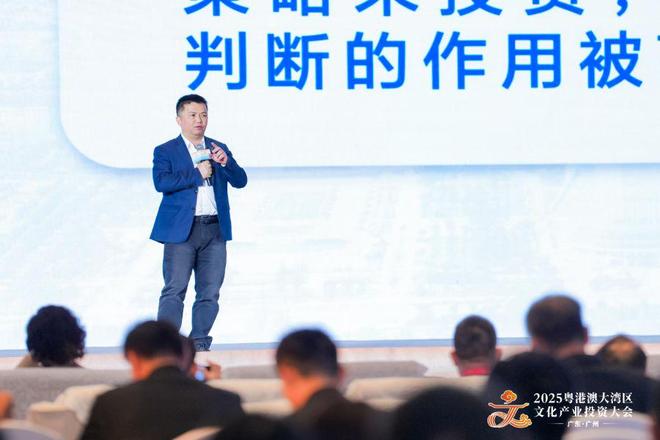
Core Insights - The 2025 Guangdong-Hong Kong-Macao Greater Bay Area Cultural Industry Investment Conference was held in Guangzhou, attracting over 200 investors from more than 100 well-known financial institutions [2] - Wu Shichun, founder of Meihua Venture Capital, shared his investment philosophy, emphasizing the importance of evaluating companies beyond traditional valuation metrics [2][3] Investment Philosophy - Wu Shichun introduced the "Investment Unicorn Tiger" theory, categorizing unicorns into "tigers" and "pigs" based on multi-dimensional assessments rather than single valuation standards [2] - To qualify as a "tiger," a company must be the leader in its niche, generate over 1 billion in revenue, have profits exceeding 100 million, and meet A-share listing standards [2] - Wu emphasized the significance of intuition, experience, and a strategy of increasing investment in making investment decisions, suggesting that market research is often overvalued in investment judgment [2] Early-Stage Investment - Meihua Venture Capital adheres to a "invest early, invest small" strategy, believing that early-stage investment remains a sunrise industry in China, offering both economic and social value [3] - Wu expressed confidence in the long-term investment landscape in China, citing national policy dividends, technological breakthroughs, and the confidence of the post-00s generation as key factors [3] Long-Term Investment Strategy - Long-term investment is characterized as placing significant bets over time, with a higher success probability when a company is committed to a project for a decade [3] - Wu categorized investors into three types based on their thinking: those with rigid views, those who can adapt, and top-tier investors who can hold opposing views simultaneously, highlighting the need for dialectical thinking in investment decisions [4]


杭州成立20亿「种子」基金
投资界· 2025-11-20 06:09
Core Viewpoint - The establishment of the Hangzhou Runmiao Fund, with an initial scale of 2 billion yuan and a 20-year duration, aims to address the early-stage investment gap for startups, particularly in the hard technology sector [5][6]. Fund Details - The Runmiao Fund is a government-led initiative, focusing on early-stage investments, specifically targeting companies established for no more than 5 years, with fewer than 100 employees or a valuation under 100 million yuan [6]. - The fund will invest a maximum of 5 million yuan per project, adopting a non-controlling stake approach to support company growth [6]. - The fund aims to create a collaborative investment mechanism with other local industry funds and social investment institutions to facilitate subsequent financing for startups [7]. Investment Strategy - The fund plans to support 6,000 "seed" companies and annually select 1,000 "good seed" companies from a pool of 34,000 technology SMEs in Zhejiang Province, with an average of over 100 projects funded each year [8]. - The focus is on addressing the funding challenges faced by early-stage companies, emphasizing a long-term, patient investment approach [8]. Market Context - The backdrop for this initiative includes a high failure rate among startups, with over 90% struggling to transition from technology to commercialization, highlighting the critical need for early-stage funding [9]. - Other cities, such as Shenzhen and Shanghai, have also launched significant government-backed funds to support early-stage investments, indicating a broader trend towards encouraging innovation and risk-taking in the investment landscape [9][10]. Future Goals - By 2027, the Hangzhou government aims to cultivate 50,000 technology SMEs, 3,000 promising companies, and 20,000 high-tech enterprises, establishing a robust ecosystem for tech startups [7][8].

杭州成立20亿「种子」基金
3 6 Ke· 2025-11-20 01:29
Core Insights - The establishment of the Runmiao Fund in Hangzhou marks a significant development in early-stage investment, with a total initial scale of 2 billion yuan and a duration of 20 years, focusing on providing the "first investment" for startups [1][2] Fund Details - The Runmiao Fund's initial scale is 2 billion yuan, making it the largest government-led early-stage technology innovation fund in China [2] - The fund targets companies established for no more than 5 years, with fewer than 100 employees or a valuation under 100 million yuan, aligning with Hangzhou's industrial development strategies [2] - Investments will focus on early-stage projects in the technology research and product prototype phases, with individual investments capped at 5 million yuan and a non-controlling stake approach [2] Investment Strategy - The fund will incorporate external experts in decision-making and establish a compliance exemption mechanism, encouraging early investments and long-term partnerships with startups [2] - It aims to create a collaborative investment mechanism with other funds in Hangzhou, facilitating a supportive ecosystem for startups to secure subsequent funding [2] Project Sourcing - Projects will be sourced from various channels, including government departments, universities, incubators, and high-scoring projects on the "Hangzhou Innovation E-Station" platform [3] - The goal is to nurture 50,000 technology-based SMEs and 3,000 promising startups by 2027, creating a robust pyramid of technology enterprises [3] Industry Context - The initiative responds to the high failure rates and funding challenges faced by early-stage tech companies, with over 90% struggling to transition from technology to commercialization [4] - Similar government-led funds have been established in other cities, such as Shenzhen and Shanghai, to promote early-stage investments and support innovation [5]
“耐心资本”在哪里?科创企业融资难的真相与出路
Sou Hu Cai Jing· 2025-11-05 08:04
Core Viewpoint - The financing difficulties faced by innovative enterprises in China are primarily due to a structural mismatch in the investment ecosystem, despite ongoing policy support aimed at enhancing capital market engagement with these companies [3][4]. Group 1: Background and Issues - The 2025 International Forum on Inclusive Finance highlighted the challenges of financing for innovative enterprises, focusing on optimizing long-term capital allocation and improving government fund designs [2]. - There is a growing contradiction where the willingness and ability of equity investors to engage in early-stage investments are diminishing, despite increased policy support [3]. Group 2: Challenges in Equity Investment - Early-stage and growth-stage innovative enterprises typically exhibit characteristics such as high risk, long payback periods, and insufficient short-term cash flow, making traditional bank loans and bond financing unsuitable [4]. - The current equity investment ecosystem in China has significant shortcomings in supporting early, small, and long-term investments in hard technology [5]. Group 3: Solutions to Restructure the Equity Investment Ecosystem - Mobilizing and nurturing "patient capital" is essential for bridging the financing gap for early-stage innovative enterprises, requiring alignment between funding time preferences and enterprise growth cycles [6]. - Optimizing the design of government-guided funds is crucial, with a focus on leveraging social capital through market-oriented operations [6]. - Expanding exit and liquidity channels is key to enhancing the attractiveness of seed-stage investments, particularly through the development of secondary private equity markets and merger funds [7]. - Promoting a collaborative model of investment and lending, where venture capital precedes bank support, can facilitate risk and term management [7]. - Strengthening intermediary institutions and governance capabilities in incubators can reduce information asymmetry and enhance the investability of startups [8]. Group 4: Market Dynamics and Trends - The global macroeconomic environment and geopolitical tensions have led to a decline in return expectations in the primary market, resulting in a significant reduction in the number of registered private equity and venture capital funds [10]. - Structural changes in funding sources, with an increase in government-guided funds, have led to a preference for mature projects, thereby crowding out market-driven private capital [10]. - The tightening of exit channels and high standards for listing quality have shifted investor preferences towards projects closer to commercialization, reducing interest in high-risk early-stage investments [10].

以“耐心资本”浇灌苏州创新沃土
Shang Hai Zheng Quan Bao· 2025-10-14 18:32
Core Insights - Suzhou Angel Fund has successfully navigated the challenges of early-stage investment, achieving notable results with six of its invested companies listed among Jiangsu's unicorns, contributing to Suzhou's leading position with a total of 38 unicorns [1] Group 1: Investment Strategy - The fund focuses on "early and small" investments, defined by a strict "522" standard: companies must be less than 5 years old, have fewer than 200 employees, and a net asset or sales revenue of no more than 20 million yuan [2] - The fund operates through a "sub-fund + direct investment" model, emphasizing risk management and partner selection based on capability, structure, and values alignment [2] Group 2: Risk Management - The fund employs a comprehensive risk management system, including a four-tier decision-making process and a focus on project sourcing through industry research and ecological networks [2] - Investment amounts are capped at 20 million yuan per project, with a focus on portfolio diversification and active post-investment management [3] Group 3: Valuation and Exit Strategies - To address valuation challenges, the fund emphasizes "pricing" over rigid "valuation," using methods like cost anchoring and milestone-based payments to mitigate risks associated with high initial valuations [3] - The fund adopts a multi-faceted exit strategy, exploring various channels beyond IPOs, including S fund transfers and industry mergers, to enhance liquidity [3] Group 4: Ecosystem Development - The fund fosters collaboration through a network of partners, organizing over 30 investment and financing events annually, and has established "Angel Bay" to support over 100 tech companies in Suzhou [5] - Financial innovation is highlighted through partnerships with banks to provide funding support, with approximately 9 billion yuan in credit extended to early-stage companies [5] Group 5: Future Outlook - The fund plans to enhance its management capabilities and expand its scale, with intentions to establish a second phase of the Angel Fund and collaborate with well-known institutions in key industrial sectors [5][6]
一级市场 没有小登 全是老登
叫小宋 别叫总· 2025-09-26 03:48
Core Insights - The article emphasizes the importance of strategic actions in investment banking, including share buybacks, valuation adjustments, and securing investment quotas. Group 1: Share Buybacks and Valuation - Companies must ensure they can execute share buybacks before making commitments [1] - It is essential to adjust valuations, regardless of whether they seem reasonable or not [2] Group 2: Securing Investment Quotas - Companies should aggressively pursue investment quotas by presenting timelines for project approvals [3] - Initial high valuations can be used to negotiate better terms once other investors are locked in [4] Group 3: Investment Strategies - Early and small investments should be prioritized, but if they hinder project completion, they should be postponed [5] - If early investments do not materialize, focus should shift to ensuring successful project execution [6] Group 4: Management Fees and Fundraising - Companies should collect management fees upfront, even if they plan to return them later [7] - A target of raising 1 billion should be set, encouraging initial investments from limited partners (LPs) [8] Group 5: Capital Structure Adjustments - In cases where only existing shares are available, companies can facilitate capital increases by first executing share buybacks [9] Group 6: Investment Commitments - Companies should negotiate priority purchase rights, indicating they will only invest if other shareholders do [10] Group 7: Documentation and Compliance - Timely payments are crucial, and minor errors in transaction documents can be rectified easily [11] - Engaging third-party firms for evaluations and comparisons is necessary, regardless of the actual selection process [12] Group 8: Recruitment and Carry Commitments - Companies should promise carry to attract talent, with the option to revise policies once carry is realized [13] Group 9: Addressing Revenue Declines - When questioned about revenue declines, companies can attribute this to strategic decisions made by founders for long-term value [14] Group 10: Presentation Adjustments - During formal investment decisions, it may be advisable to omit certain details from reports presented to LP committees [15]

武汉光谷五大行动构建“双创”新高地
Shang Hai Zheng Quan Bao· 2025-09-02 15:26
Core Viewpoint - Wuhan's Optics Valley is launching a series of initiatives to enhance innovation and entrepreneurship, aiming to establish itself as a leading innovation hub over the next three years [1] Group 1: Action Plans - The "Action Plan" outlines five major actions: leading innovation, reducing entrepreneurial costs, sharing risks, stimulating entrepreneurial vitality, and improving service efficiency to enhance companies' internal competitiveness [2] - The "Several Measures" document includes 11 specific measures that provide financial support for key stages in the innovation and entrepreneurship lifecycle [2] Group 2: Financial Support and Investment - A new "early-stage small investment" fund group and a "transfer to equity" mechanism will be established, targeting early-stage projects with a goal of investing in at least 400 projects and exceeding 1 billion yuan over three years [3] - The first successful case of the "transfer to equity" mechanism involves a partnership between Wuhan Optics Valley, Huazhong University of Science and Technology, and a private investment firm, with a total investment of 45 million yuan [5] Group 3: AI Empowerment - An "online AI + offline matrix" solution is being implemented to address traditional entrepreneurial service challenges, featuring an integrated service area and four AI applications to support entrepreneurs throughout the entire process [4] - The platform includes 10 functional modules that provide access to over 22,000 industry demands and hundreds of financial products, facilitating connections between entrepreneurs and resources [4] Group 4: Support for Research and Development - A multi-level funding support system is being established to assist researchers in transitioning from laboratory samples to industrial products, addressing funding and resource connection challenges [6] - Over the past two years, 93 projects from universities and research teams have been entered into the validation phase, resulting in 83 patents and technology transactions exceeding 30 million yuan [6]
“中国光谷”构建“双创”新高地:三年拟投项目400个 金额超10亿
Zheng Quan Shi Bao Wang· 2025-09-02 11:34
Core Viewpoint - Wuhan East Lake High-tech Zone has released an action plan and measures to enhance its innovation and entrepreneurship ecosystem over the next three years, aiming to establish itself as a leading hub for high-tech startups in China [1][2]. Group 1: Action Plan and Goals - The action plan outlines five major actions: leading innovation, reducing entrepreneurial costs, sharing risks, stimulating entrepreneurial vitality, and improving service efficiency [1]. - By 2027, the goals include cultivating 500 high-tech startups, incubating 5 unicorns, investing in 400 innovative companies, and organizing at least 300 entrepreneurial activities [1][2]. Group 2: Funding and Support Measures - The measures provide financial support at key stages of the entrepreneurial lifecycle, including funding for vertical industry incubators and specialized technical service institutions [2]. - For the Guanshan Avenue area, a maximum of 5 million yuan will be provided over three years for each incubation entity to create a conducive environment for startups [2]. Group 3: Investment Strategies - A "small early investment" fund and a "convertible equity" mechanism will be introduced to support early-stage projects, with a target of investing in at least 400 projects over three years, totaling over 1 billion yuan [2][3]. - Annual funding of 30 million yuan will be allocated for the concept verification stage, with a phased funding approach to support project development and market validation [3]. Group 4: Support for Student Entrepreneurs - A special fund of 5 million yuan will be established annually to support student entrepreneurs through a phased funding model, incentivizing project development and job creation [3].
政策红利及产业需求升级驱动 中国PE/VC市场今年上半年呈现回暖态势
Zheng Quan Shi Bao Wang· 2025-08-31 12:12
Core Insights - The 2025 China PE/VC Fund Industry CFO White Paper indicates a recovery in the market, with a 28% year-on-year increase in investment quantity to 5,074 deals and an 18% increase in investment scale to 574.8 billion yuan in the first half of the year, driven by policy incentives and industrial demand upgrades [1] Investment Trends - A significant decline in A-round transaction scale is noted, with transactions under 10 million yuan accounting for 38% and those between 100 million to 500 million yuan at 23.8%, while transactions over 1 billion yuan only represent 3% [2] - The market is primarily focused on mid-range transactions, indicating a preference for smaller projects with clear growth potential, characterized by "early and small investments" closely tied to industry needs [3] - A-round transactions saw a notable drop in scale compared to the previous year, attributed to the explosive growth of the Hong Kong IPO market and relaxed policies for unprofitable companies, leading investors to favor later-stage projects [3][4] Sector Focus - Artificial intelligence has emerged as a focal point for global venture capital, with 83% of attention directed towards this sector, benefiting from breakthroughs in generative AI technology and expanded application scenarios [6] - Approximately 55% of surveyed institutions increased their investment in hard technology, with 21% significantly raising their stakes by over 30% [5] Long-term Investment Strategies - A majority of 80.3% of surveyed institutions define "patient capital" as a 5-10 year long-term hold, reflecting a shift towards long-term value creation rather than short-term gains [8] - 57.7% of institutions are collaborating with industrial capital to extend investment cycles, while 45% are dynamically adjusting fund terms to manage liquidity needs [9]