
数字广告

Search documents
从烧钱转向变现,Alphabet(GOOGL.US)AI投入能否打开2026年盈利空间?
Zhi Tong Cai Jing· 2026-02-02 07:40
谷歌母公司Alphabet(GOOGL.US)将于周三美股收盘后(北京时间2月5日清晨)公布2025财年第四季度业 绩。市场预期其Q4营收将达到1114.5亿美元,同比增长15.53%;预期每股收益为2.64美元,同比增长 23%。 在过去一年里,Alphabet凭借AI技术的商业化落地、云业务的强劲增长以及广告市场的复苏,股价表现 远超标普500指数。 稳健的双位数增长 市场的三大核心焦虑 对即将发布的报告,投资者应该关注三大重点指标。首先,投资者应该密切关注谷歌云的订单积压和利 润率走势。预计到2025年第三季度,谷歌云的订单积压将达到约1550亿美元,任何关于转化率或2026年 业绩指引的更新都可能印证其多年增长的前景。 另一个值得关注的关键领域是人工智能的商业化信号。市场应该重点关注Gemini的采用指标、企业客户 案例,甚至是新的人工智能驱动的搜索功能。这将有助于了解巨额人工智能投入背后的逻辑。快速的市 场普及将证明这些投入的合理性,并有可能巩固积极的市场情绪。 最后一点值得关注的是资本支出和自由现金流的展望。市场目前预计Alphabet四季度的资本支出将飙升 91.3%至273亿美元。投资者担心巨 ...


美股“七巨头”财报,即将亮相
财联社· 2026-01-28 12:20
以下文章来源于科创日报 ,作者刘蕊 科创日报 . 科创圈都在关注的主流媒体,上海报业集团主管主办,《科创板日报》出品。 近几年来,每逢财报季,微软、苹果、英伟达、Alphabet、亚马逊、Meta和特斯拉这七家巨头公司都是聚光灯下的焦点,在本个财报季也 不例外。 北京时间本周四早间,"七巨头"中的三家(特斯拉、Meta和微软)即将率先公布财报,苹果也将在周五早间公布财报。 目前,华尔街分析师们对于"七巨头"的总体业绩充满信心,不过随着AI热潮逐步演变,那些能够从AI基建和变现势头中尝到甜头的公司显然 将更受投资者青睐。 "七巨头"的差异愈发凸显 与此同时,对于"七巨头"正大力推进的AI业务来看,来自资本、电力和政策等方面的限制也将愈发受到关注。 "七巨头"Q4业绩强劲 本周美股Q4财报季全面展开,标普500指数中有102家将公布财报,这其中就包括"七巨头"中的四家。 目前,华尔街对于"七巨头"的业绩表现充满信心。FactSet高级盈利分析师约翰·巴特斯预计,"七巨头"第四季度整体盈利增长率将达到 20.3%,远超其他公司4.1%的同比每股收益增长率,其中,英伟达、Alphabet和微软预计将会是最主要的领跑者 ...




泉州市华滋生物科技有限公司成立,注册资本500万人民币
Sou Hu Cai Jing· 2026-01-21 16:02
Core Viewpoint - Quanzhou Huazi Biotechnology Co., Ltd. has been established with a registered capital of 5 million RMB, focusing on various technology and health-related services [1] Company Overview - The legal representative of Quanzhou Huazi Biotechnology Co., Ltd. is Wu Weimin [1] - The company is wholly owned by Quanzhou Dexin Enterprise Management Co., Ltd. [1] - The registered capital is 5 million RMB [1] Business Scope - The business scope includes research and development of IoT technology, digital technology services, digital advertising publishing and design, internet sales (excluding licensed products), wholesale and retail of cosmetics, sales of sanitary products and disposable medical supplies, personal hygiene products, and disinfectants (excluding hazardous chemicals) [1] - The company is also involved in licensed projects such as drug production, wholesale and retail, entrusted production, internet information services for drugs, cosmetics production, sales of disinfecting devices, and disinfectant production (excluding hazardous chemicals) [1] Company Classification - Quanzhou Huazi Biotechnology Co., Ltd. is classified as a limited liability company (wholly owned by a natural person) [1] - The business term is set from January 20, 2026, to an indefinite period [1] - The company is registered under the scientific research and technical service industry, specifically in technology promotion and application services [1]
AI大事!马斯克:索赔9300亿元
Xin Lang Cai Jing· 2026-01-18 01:24
据媒体报道,根据周五提交至美国联邦法院的一份文件,马斯克正向OpenAI和微软索赔最高1340亿美 元(折合人民币约9300亿元),主张两家公司因其在OpenAI早期阶段的投入与支持而获得了"不当得 利",这些收益应被依法返还。 马斯克在诉状中称,自2015年联合创立OpenAI以来,他不仅提供了约3800万美元资金,占早期种子融 资的60%,还在组织搭建、关键人才招募、战略方向以及对外公信力方面发挥了决定性作用。 文件援引其专家证人、金融经济学家C.Paul Wazzan的评估称,OpenAI因马斯克的综合性贡献,获得的 经济价值在655亿至1094亿美元之间;而微软在与OpenAI深度绑定的过程中,获得的相关收益估值为 133亿至251亿美元。 马斯克方面强调,这并非普通投资回报争议,而是在OpenAI背离非营利使命、向营利性结构转型后, 对原始贡献价值的"制度性攫取"。 马斯克的首席律师Steven Molo表示:"没有马斯克,就不会有OpenAI。他提供的不只是资金,而是建立 一家可规模化AI机构所需的关键能力。" OpenAI则迅速回应,称该诉讼"毫无根据",并指责马斯克正对其发起一场"骚扰式诉讼" ...
OpenAI的国际化困局
Xin Lang Cai Jing· 2026-01-05 12:18
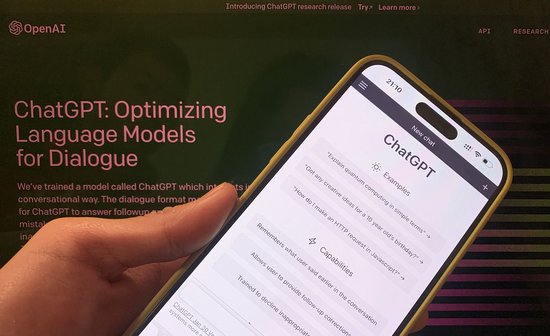
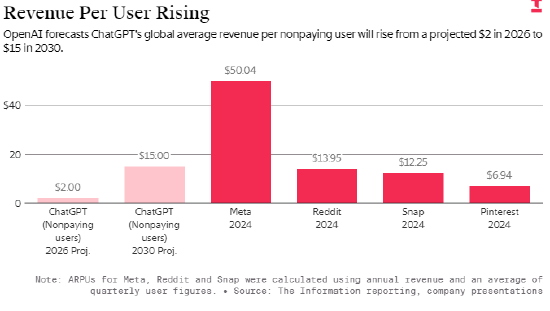
Core Insights - OpenAI projects that by the beginning of the next decade, nearly one-third of the global population will be ChatGPT users, which is approximately three times its current user base of nearly 900 million weekly active users. This large user base could support a substantial advertising and e-commerce business [3][13] - The source of new users is as critical as the number of new users for ChatGPT, with about 90% of its users currently coming from regions outside the United States and Canada, posing a challenge for OpenAI's advertising business [3][14] Revenue Projections - OpenAI expects to generate $112 billion in revenue from the free version of ChatGPT over the next five years, primarily from advertising sales and commissions from online purchases made through the app [4][14] - If advertising and shopping features are successfully implemented, OpenAI anticipates generating $46 billion in revenue from free users in 2030 alone [4][14] User Demographics - The user base of ChatGPT is heavily concentrated outside the United States and Canada, with only about 12% of users from these regions as of Q3 2025 [5][17] - Countries like India and Brazil are significant markets for ChatGPT, but the average revenue per user (ARPU) in these regions is likely lower than in the U.S., Japan, and France, which could hinder advertising revenue growth [8][18] Subscription and Revenue Growth - Currently, only about 5% of ChatGPT's nearly 900 million weekly active users are subscribed to paid plans, with monthly fees of approximately $20 for ChatGPT Pro and $200 for ChatGPT Plus [8][18] - OpenAI plans to introduce a more affordable subscription option, ChatGPT Go, priced at around $5 per month, in countries like India [8][18] - The company aims to increase the average revenue per user from $2 in 2026 to $15 by the end of 2030 [8][18] Cost Considerations - OpenAI anticipates incurring significant costs in running AI models, with projected cumulative costs reaching nearly $150 billion by 2030 [9][19] - The company is relying on revenue from the free version of ChatGPT to help offset these high operational costs [9][19] Competitive Landscape - OpenAI is focused on ensuring the continuous growth of ChatGPT's user base amid intense market competition, having initiated an emergency response mechanism to optimize the platform [10][20] - New features, such as incorporating more visual content in responses, have been launched to enhance user engagement [10][20]
速递|OpenAI的“国际繁荣陷阱”:30亿用户隐藏着ARPU值落差
Z Potentials· 2026-01-05 03:08
Core Insights - OpenAI aims to have nearly one-third of the global population using ChatGPT by the early 2030s, which translates to approximately 2.6 billion weekly active users, a significant increase from the current 900 million [4][7] - The majority of ChatGPT's users, about 90%, are located outside North America, presenting a challenge for OpenAI in building a robust advertising business [5][6] User Growth and Revenue Potential - OpenAI projects that it could generate $112 billion in revenue from free ChatGPT users over the next five years, primarily through advertising and in-app shopping [5][11] - By 2030, OpenAI anticipates generating $46 billion from non-paying users, contingent on user growth from high-value regions [5][6] Regional User Distribution and Challenges - The top markets for ChatGPT include India and Brazil, but these regions typically have lower average revenue per user (ARPU) compared to North America [6][9] - Historical data from companies like Meta and Snap indicate a trend where a large user base does not necessarily equate to high revenue per user, posing a challenge for OpenAI [6][8] Subscription Services and User Monetization - Currently, only about 5% of ChatGPT's users are paying subscribers, with OpenAI targeting 8.5% of its projected 2.6 billion users to subscribe to the Plus plan by 2030 [10][11] - OpenAI plans to introduce a more affordable subscription option, ChatGPT Go, in countries like India, priced at approximately $5 per month [10] Cost Management and Future Outlook - OpenAI expects to incur nearly $150 billion in operational costs for its AI models by 2030, necessitating significant revenue generation from free users to offset these expenses [11] - The company is focused on enhancing ChatGPT's appeal to ensure continued user growth amidst intense competition [11]
看好 Meta 的三大理由
美股研究社· 2026-01-04 11:22
Core Viewpoint - Meta remains the undisputed leader in the social media sector, which lays a solid foundation for building its artificial intelligence moat [1] Group 1: AI Development and Data Advantage - Meta generates millions of posts and comments daily across its social applications, providing unparalleled data for training its large language models [1] - The company is developing two new large language models, codenamed "Mango" and "Avocado," expected to launch in the first half of 2026, led by the "Super Intelligence" team formed by CEO Mark Zuckerberg [4] - Meta's acquisition of Scale AI for $15 billion enhances its AI capabilities, with analysts believing the new models have outstanding potential due to Meta's strong acquisition history [4][7] - Meta's revenue for the last 12 months approached $190 billion, with Instagram contributing significantly to this figure, showcasing a remarkable return on investment from past acquisitions [5] - WhatsApp, acquired for $16 billion, has over 3 billion monthly active users, indicating substantial monetization potential, and is expected to drive revenue growth for Meta from 2026 to 2027 [6] Group 2: Competitive Edge and Market Position - Meta possesses unmatched data resources necessary for training large language models, with estimates suggesting Instagram alone generates around 100 million posts daily [10] - The daily active to monthly active user ratio for Facebook and Instagram is close to 70%, indicating a significant user engagement level [11] - Meta's data advantage lies in the rich user interaction feedback from social media, which is more detailed than data from search engines like Google [12] - The company is actively acquiring promising AI startups, such as Manus for approximately $2 billion, which has a validated market presence with annual sales exceeding $100 million [12][13] Group 3: Valuation and Future Outlook - Meta's current valuation is attractive, with a projected dynamic price-to-earnings ratio of 21.7 for the fiscal year 2026, significantly below its historical average [2][15] - Even with modest growth in earnings per share, the price-to-earnings ratio could drop below 20 in the following years [15] - Analysts believe that despite potential risks, Meta's numerous favorable factors make it a company worth watching [16]

OpenAI的“广告模式”已初具雏形
华尔街见闻· 2025-12-25 10:14
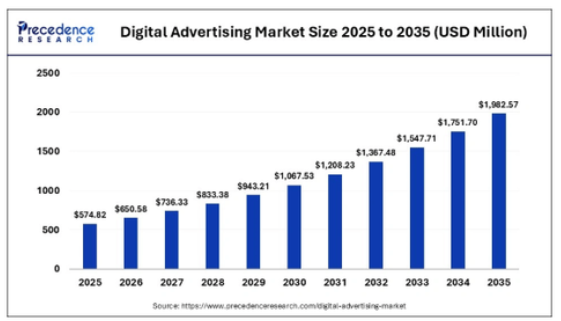
Core Viewpoint - OpenAI is exploring new commercial paths for its flagship product ChatGPT by introducing advertising, which could reshape the trillion-dollar digital advertising market dominated by Google and Meta [3][7]. Group 1: Advertising Strategy - OpenAI is discussing adjustments to its AI model to prioritize sponsored content in ChatGPT responses, marking a shift towards a more detailed planning phase for its advertising business [3][4]. - The company aims to create a new type of digital advertising that integrates seamlessly with user interactions, utilizing detailed user interest data collected from conversations [4][6]. - Internal discussions focus on non-intrusive advertising methods to maintain user experience and trust, with ads potentially appearing only after specific stages in user conversations [6][8]. Group 2: Monetization Pressure and Market Opportunity - OpenAI faces significant monetization pressure, with ChatGPT's weekly active users reaching nearly 900 million since its launch in 2022, yet only about 5% are paying users [7][11]. - The introduction of advertising is expected to generate substantial revenue from the large free user base, with projections indicating an average annual revenue of $2 per free user starting next year, increasing to $15 by 2030, potentially yielding around $110 billion in total revenue from non-paying users by 2030 [7][8]. - OpenAI's entry into the global digital advertising market, currently dominated by Google, Meta, and Amazon, is significant, as these companies hold approximately 60% of the market share, with total ad revenue expected to approach $560 billion this year [7][8]. Group 3: Balancing Trust and Commercialization - Advertising remains a sensitive topic for OpenAI, with concerns that it may undermine user trust in the responses provided by ChatGPT, conflicting with the company's broader goal of achieving artificial general intelligence (AGI) [8][11]. - CEO Sam Altman has softened his stance on advertising, indicating a willingness to consider it as a viable option despite previous reservations, reflecting the company's need to balance high operational costs with sustainable business models [8][11]. Group 4: E-commerce Integration - OpenAI is laying the groundwork for commercialization by integrating shopping features into ChatGPT, including partnerships with payment processors like Stripe and companies such as Shopify, Zillow, and DoorDash [9][10]. - These e-commerce functionalities are designed to cultivate AI shopping habits among users and provide valuable merchant data for future targeted advertising [10][11]. - However, the advertising business is still in its early stages, with internal priorities delaying advertising-related work, and advertisers have yet to receive concrete information about paid advertising opportunities on ChatGPT [11].

OpenAI的“广告模式”已初具雏形
硬AI· 2025-12-25 08:47
Core Viewpoint - OpenAI is actively exploring the commercialization of its flagship product ChatGPT through advertising, aiming to monetize its large user base of nearly 900 million, which could challenge the dominance of Google and Meta in the trillion-dollar digital advertising market [1][2]. Group 1: New Advertising Model - OpenAI aims to create a new type of digital advertising that integrates seamlessly into the ChatGPT experience, utilizing detailed user interaction data to display highly relevant ads [5]. - The company is focusing on "non-intrusive" advertising methods to maintain user experience and trust, with ads potentially appearing only at specific stages of user interactions [5]. Group 2: Monetization Pressure and Market Opportunity - OpenAI faces significant monetization pressure, as only about 5% of its nearly 900 million weekly active users are paying customers, with plans to generate substantial revenue from the large free user base through advertising [7]. - The company projects that average revenue per user from free users will increase from $2 in the coming year to $15 by 2030, with total revenue from non-paying users expected to reach approximately $110 billion by 2030, achieving gross margins comparable to Meta's Facebook [7][8]. Group 3: Balancing Trust and Commercialization - Advertising has been a sensitive topic for OpenAI, with concerns that it may undermine user trust in the responses provided by ChatGPT, although the CEO has softened his stance on the feasibility of ads over time [10]. - The company is weighing the need for a sustainable business model against the goal of achieving general artificial intelligence (AGI) [10]. Group 4: E-commerce Integration and Early Stage of Advertising - OpenAI is laying the groundwork for commercialization by integrating shopping features into ChatGPT, collaborating with companies like Stripe, Shopify, Zillow, and DoorDash to enhance the user experience [12]. - Despite ongoing discussions about advertising, the advertising business is still in its early stages, with internal priorities shifting towards improving core functionalities of ChatGPT [13].

OpenAI的“广告模式”已初具雏形
Hua Er Jie Jian Wen· 2025-12-25 00:20
Core Insights - OpenAI is exploring new commercial paths for ChatGPT by introducing advertising, potentially reshaping the trillion-dollar digital advertising market dominated by Google and Meta [1][3] - The company is in the planning stages of how to integrate ads into ChatGPT, focusing on non-intrusive methods that respect user trust [2][4] Group 1: Advertising Strategy - OpenAI aims to create a new type of digital advertising that leverages detailed user interest data collected from conversations, ensuring ads are highly relevant to user intent [2] - Internal discussions emphasize non-intrusive advertising, with ads appearing only at specific stages of user interaction to avoid user annoyance [2] - An internal model suggests that when users request travel plans, relevant sponsored links may appear only if they seek more information, maintaining a balance between user experience and monetization [2] Group 2: Monetization Pressure and Market Opportunity - OpenAI faces significant monetization pressure, with ChatGPT's weekly active users nearing 900 million, but only about 5% are paying users as of October [3] - Introducing ads could generate substantial revenue from the large free user base, with projections estimating an average annual revenue of $2 per free user starting next year, increasing to $15 by 2030 [3] - The company anticipates total revenue from non-paying users could reach approximately $110 billion by 2030, with gross margins comparable to Meta's Facebook, estimated at 80% to 85% [3] Group 3: Balancing Trust and Commercialization - Advertising remains a sensitive topic within OpenAI, with concerns that it may undermine user trust in responses, conflicting with the company's goal of achieving artificial general intelligence (AGI) [4] - CEO Sam Altman previously viewed advertising as a last resort, but his stance has softened, acknowledging that while ads can be annoying, they are not entirely unfeasible [5] Group 4: E-commerce Integration and Early Stage of Advertising - OpenAI is laying the groundwork for commercialization by integrating shopping features into ChatGPT, collaborating with companies like Stripe, Shopify, Zillow, and DoorDash [6] - These e-commerce functionalities aim to cultivate AI shopping habits among users and provide valuable merchant data for future ad targeting [6] - Despite ongoing discussions about advertising, the initiative is still in its early stages, with a focus on enhancing ChatGPT's core features taking precedence over ad development [6]