新文化运动

Search documents
历史的复调与叠响:“新文化”与“新文学”的多元创生
Xin Lang Cai Jing· 2025-06-04 09:54
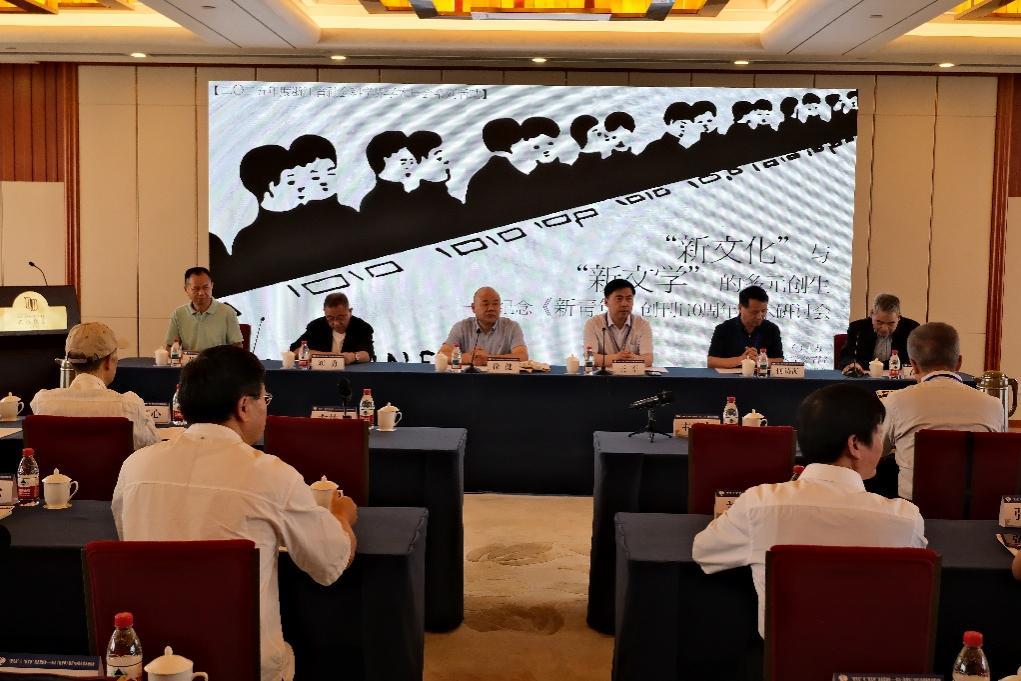
Core Viewpoint - The conference commemorating the 110th anniversary of the publication of "New Youth" highlights the significance of "New Culture" and "New Literature" in shaping modern Chinese thought and literature, emphasizing the need for a comprehensive understanding of their historical richness and contemporary relevance [1][3][20]. Group 1: Conference Overview - The event was organized by Zhejiang University and the Zhejiang Provincial Modern Literature Research Association, featuring over 60 scholars from various institutions, including Peking University and Waseda University [1][3]. - Keynote speeches emphasized the role of Zhejiang in the New Culture Movement, noting its contribution to modern literature and the importance of "New Youth" in promoting ideological enlightenment and literary revolution [3][4][5]. Group 2: Historical Context and Contributions - The conference discussed the historical contributions of figures like Lu Xun and Mao Dun, highlighting Zhejiang's role as a birthplace for significant literary and ideological developments [4][5]. - The importance of "New Youth" in fostering a dialogue between traditional and modern cultural elements was underscored, with discussions on its impact on Marxism's dissemination in China [3][5]. Group 3: Thematic Reports - Scholars presented diverse perspectives on the complexities of "New Culture" and "New Literature," addressing issues such as the relationship between modern literature and political enlightenment [7][9]. - The reports explored the modernity of "New Literature," tracing its roots to various historical influences, including shifts in values and the evolution of language [9][10]. Group 4: Regional and Cultural Dynamics - The discussions included the regional characteristics of the New Culture Movement, with scholars analyzing the cultural traits of Jiangnan and the impact of local education practices [15]. - The interaction between Chinese modern literature and Southeast Asian literature was examined, revealing mutual influences and the emergence of new literary forms [13]. Group 5: Methodological Innovations - The conference showcased innovative methodologies in literary research, emphasizing the importance of historical context and interdisciplinary approaches [18][20]. - Scholars advocated for a nuanced understanding of the New Culture Movement, distinguishing it from the May Fourth Movement to clarify their distinct historical trajectories [12][14].

回望艰难求索路(创作谈)
Ren Min Ri Bao· 2025-05-21 22:12
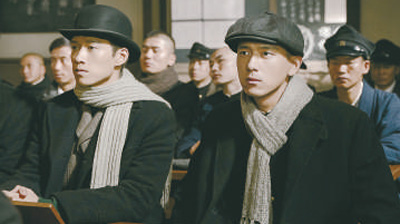
Core Viewpoint - The drama "If Life Were as It Was at First Sight" reflects on China's historical struggles and transformations, particularly during the late Qing Dynasty, and serves as a reminder of the past while offering insights for the future [1][2]. Group 1: Historical Context - The series focuses on the period from 1900 to 1912, highlighting the last years of the Qing Dynasty and the impact of the Boxer Rebellion and the signing of the Boxer Protocol in 1901, which marked China's deep entrenchment in a semi-colonial state [1][2]. - The narrative intertwines fictional stories with real historical events, aiming to evoke reflection on past humiliations and the decline of the Qing Dynasty [1][2]. Group 2: Themes and Character Focus - The drama portrays a group of young revolutionaries and patriots who strive to transform the concept of "nation" from a monarch's possession to a collective identity for the people [3]. - It emphasizes the limitations of these idealists, who, despite their aspirations, lacked the foundational beliefs necessary to effectively reshape the nation, leading to a fragmented political landscape post-revolution [3]. Group 3: Educational and Cultural Impact - The series aims to educate viewers about the historical context of China's modernization and the role of youth in shaping national destiny, reflecting on the importance of remembering past struggles to foster a resilient future [2][3].
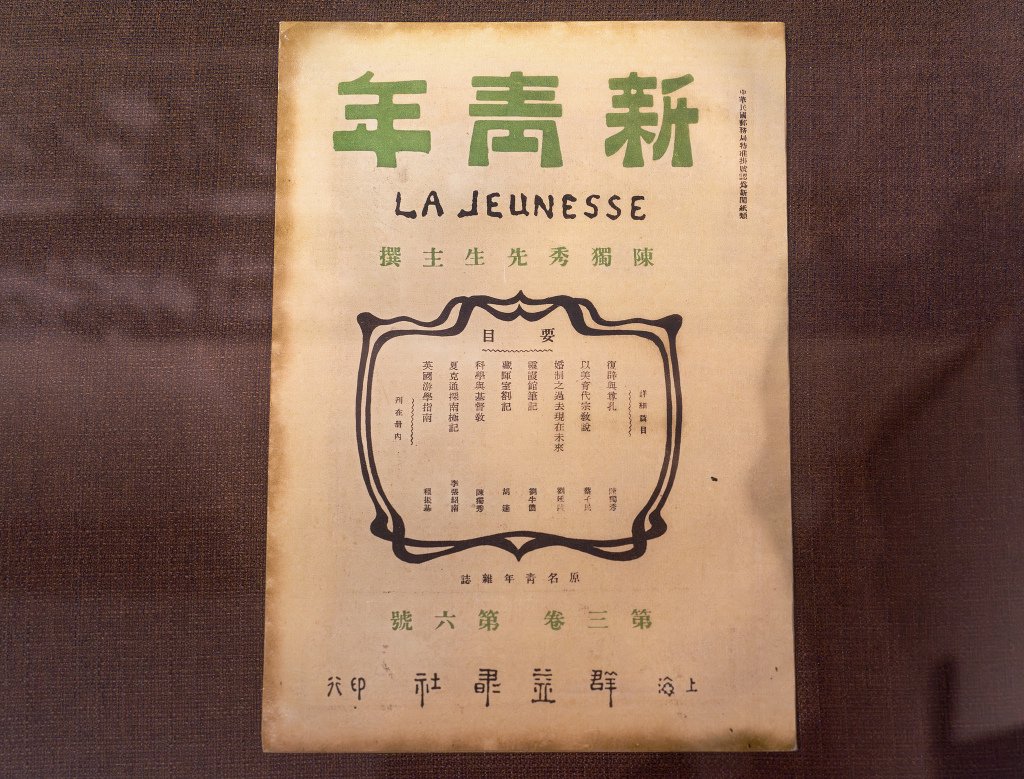
《新青年》杂志创刊110周年 鲁迅故乡展出76件珍贵文物
Zhong Guo Xin Wen Wang· 2025-05-13 15:36
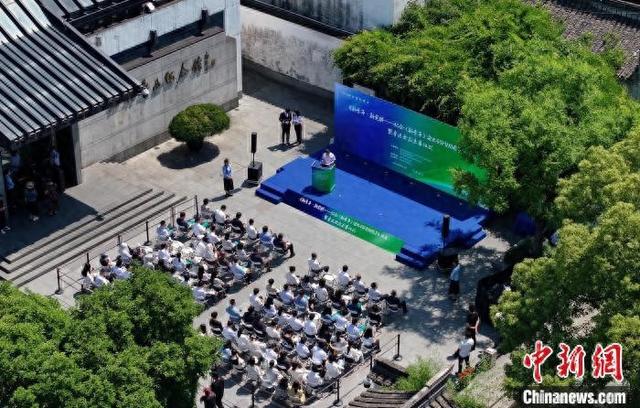
Core Viewpoint - The exhibition "New Youth · New Awakening - Commemorating the 110th Anniversary of the 'New Youth' Magazine" highlights the historical significance of the magazine in promoting cultural and ideological liberation in China, marking a pivotal moment in the New Culture Movement and the May Fourth Movement [1][3]. Group 1: Exhibition Details - The exhibition consists of two main sections: "Igniting the Torch of New Culture" and "Sounding the Horn of a New Era," showcasing historical materials, images, and artifacts that vividly depict the background, process, and significance of the New Culture Movement and the May Fourth Movement [3]. - A total of 76 valuable cultural relics are displayed, including 2 national first-class cultural relics, 1 national second-class cultural relic, and 3 national third-class cultural relics, allowing visitors to revisit that remarkable historical period [3]. Group 2: Cultural Significance - Lu Xun, a key contributor to the "New Youth" magazine, published several important works in it, including China's first vernacular novel "A Madman's Diary," establishing a lasting connection between Lu Xun and the magazine [5]. - A strategic cooperation framework agreement was signed between the Shaoxing Lu Xun Memorial Hall and the Beijing Lu Xun Museum, aiming for in-depth collaboration in Lu Xun cultural research and exhibitions [5].
少年中国之少年的形塑
Xin Lang Cai Jing· 2025-05-08 04:46
Group 1 - The concept of "youth" and "young China" became familiar among Chinese intellectuals by 1905, influenced by Liang Qichao, leading to a wave of revolutionary and literary figures adopting "youth" as part of their identity [1][3] - The late Qing Dynasty was marked by a sense of optimism among progressive intellectuals who sought to revitalize traditional values to rejuvenate the nation, seeing opportunities for change amidst the collapse of the Qing Empire [3][5] - The emergence of modern education in China began during the Self-Strengthening Movement in the 1860s, with institutions established to teach foreign languages and modern sciences, culminating in systemic reforms in 1898 [4][5] Group 2 - The abolition of the imperial examination system in 1905 marked a significant shift in the educational landscape, allowing for the establishment of modern schools that fostered new ways of thinking and social engagement among youth [5][10] - Prominent intellectuals like Lu Xun and Guo Moruo experienced transformative moments in modern schools, which shaped their understanding of modernity and individual identity [6][9] - The modern student movement began in 1902, with students organizing politically motivated groups, reflecting a growing sense of national consciousness and activism among the youth [15][16] Group 3 - The rise of modern education created a foundation for student movements, which became crucial in the revolutionary activities leading up to the 1911 Revolution, as students sought to liberate themselves from traditional constraints [10][15] - The narrative of youth in revolutionary literature often highlighted the tension between individual self-realization and collective national identity, as seen in the works of various authors [29][30] - The ideals of personal freedom and ethical self-awareness became central themes in the literature of the time, reflecting a broader cultural shift towards modernity and individualism [30][29]
罗志田:文学革命的社会功能与社会反响
Xin Lang Cai Jing· 2025-05-04 04:25
Group 1 - The literary revolution during the New Culture Movement is often misunderstood, with scholars like Hu Shi and Zhou Zuoren noting that the success of this movement is often overestimated [1][2] - Hu Shi emphasized that the literary revolution was a deliberate effort to elevate popular novels to their rightful place in Chinese literary history, indicating a significant shift in societal values [3][4] - The interaction between societal changes and the development of thought is crucial for understanding the literary revolution and the New Culture Movement [2][3] Group 2 - The collaboration between Hu Shi and Chen Duxiu was pivotal for the rapid success of the literary revolution, with their differing approaches complementing each other [4][5] - Hu Shi's initial expectation was that the vernacular movement would take 25 to 30 years to succeed, while Chen Duxiu's assertive stance helped garner significant attention for the movement [4][5] - The disconnect between Western-educated students and domestic intellectual discourse highlighted the need for better communication and engagement with the broader society [5][6] Group 3 - The literary revolution aimed to raise the status of popular literature, thereby enhancing the role of the reading public, particularly marginalized readers [3][4] - The movement provided a pathway for marginalized readers to become more engaged and active participants in the literary landscape [3][4] - The relationship between the proponents of the literary revolution and the general public reflects a broader trend of challenging traditional hierarchies in society [3][4] Group 4 - The misunderstanding of the literary revolution's success is evident in the limited readership of vernacular literature, which primarily attracted a specific segment of the population rather than the general public [25][26] - The actual readers of new literary works were often young, marginal intellectuals who aspired to ascend to elite status, rather than the broader populace [26][30] - The literary revolution's impact was more pronounced among intellectuals and aspiring elites, indicating a disconnect with the general public [32][34]