本地生活服务竞争

Search documents
阿里、美团、京东“三国杀”持续升级
第一财经· 2025-09-11 03:15
Core Viewpoint - The competition among major internet giants, particularly Alibaba, Meituan, and JD.com, is intensifying in the local service sector, especially after Alibaba's launch of the "Gaode Street Ranking" to rival Meituan's "Dazhong Dianping" [3][7]. Group 1: Competitive Landscape - Alibaba's introduction of the Gaode Street Ranking is seen as a direct challenge to Meituan's core business, which includes food delivery and in-store consumption, leading to increased competition in user traffic and merchant resources [7][8]. - Meituan has responded by reviving its quality food delivery service and leveraging AI to analyze user needs, aiming to improve the reliability of its reviews [3][7]. - The competition is characterized as a "three-way battle" among Alibaba, Meituan, and JD.com, with Alibaba having a more diversified business model that may better withstand short-term subsidy impacts compared to Meituan and JD.com [3][8]. Group 2: Financial Implications - The competitive dynamics have already affected the financial performance of Meituan and JD.com, with both companies experiencing significant impacts in their second-quarter results due to increased competition [8][10]. - Analysts suggest that while Alibaba's Gaode Street Ranking may positively influence its overall business, the intensified competition will pressure profit margins across the board, particularly for Meituan [11]. - The market is observing how these companies will adapt their strategies in response to the evolving competitive landscape, with potential implications for stock performance and investor confidence [10][11]. Group 3: Market Strategies - Analysts emphasize the importance of maintaining competitive advantages, with JD.com needing to optimize its core competencies and explore synergies with local services to mitigate cross-industry competition [10]. - The ongoing price competition among platforms is expected to continue, with investors showing a preference for leading companies that can withstand the pressures of intense competition [11]. - The current market conditions suggest that investors may find value in diversified ETF products that spread risk across major internet players, reflecting the competitive dynamics in the sector [11].



“高德扫街榜”挑战“大众点评”,阿里、美团、京东“三国杀”高潮迭起
Di Yi Cai Jing· 2025-09-11 02:34
Core Insights - The competition in the local service sector is intensifying as Alibaba launches the "Gaode Street Ranking" to rival Meituan's "Dazhong Dianping" [1][2] - Meituan has responded by restarting its quality takeaway service and leveraging AI to enhance user experience [1][2] - The introduction of real-time monitoring by Gaode may provide a more objective measure of store popularity compared to subjective user reviews on Dazhong Dianping [2][3] Group 1: Competitive Landscape - Alibaba's launch of the Gaode Street Ranking is expected to heighten competition in the local service market, particularly affecting Meituan's core business [2][3] - Meituan's business is under significant pressure due to the competitive landscape, especially after the entry of JD.com into the takeaway market [3][4] - The competition among Alibaba, Meituan, and JD.com is described as a "three-way battle," with each company aggressively entering each other's domains [1][4] Group 2: Financial Implications - The competitive dynamics have already impacted the financial performance of Meituan and JD.com, with both companies experiencing noticeable effects in their second-quarter results [3][4] - Analysts suggest that Alibaba may be less affected due to its larger scale, while Meituan faces the most significant challenges [5] - The overall market sentiment is cautious, with investors favoring leading companies that can withstand the pressures of intense competition [5] Group 3: Future Outlook - The Gaode Street Ranking is anticipated to have a positive impact on Alibaba's overall business, potentially leading to valuation recovery [5] - The ongoing price competition among platforms is expected to exert downward pressure on profit margins for all involved, particularly Meituan [5] - Investors are advised to consider diversified ETF products to mitigate risks associated with the volatile competitive environment among these tech giants [5]
硝烟再起,阿里用高德切入美团第二战场
3 6 Ke· 2025-09-10 23:24
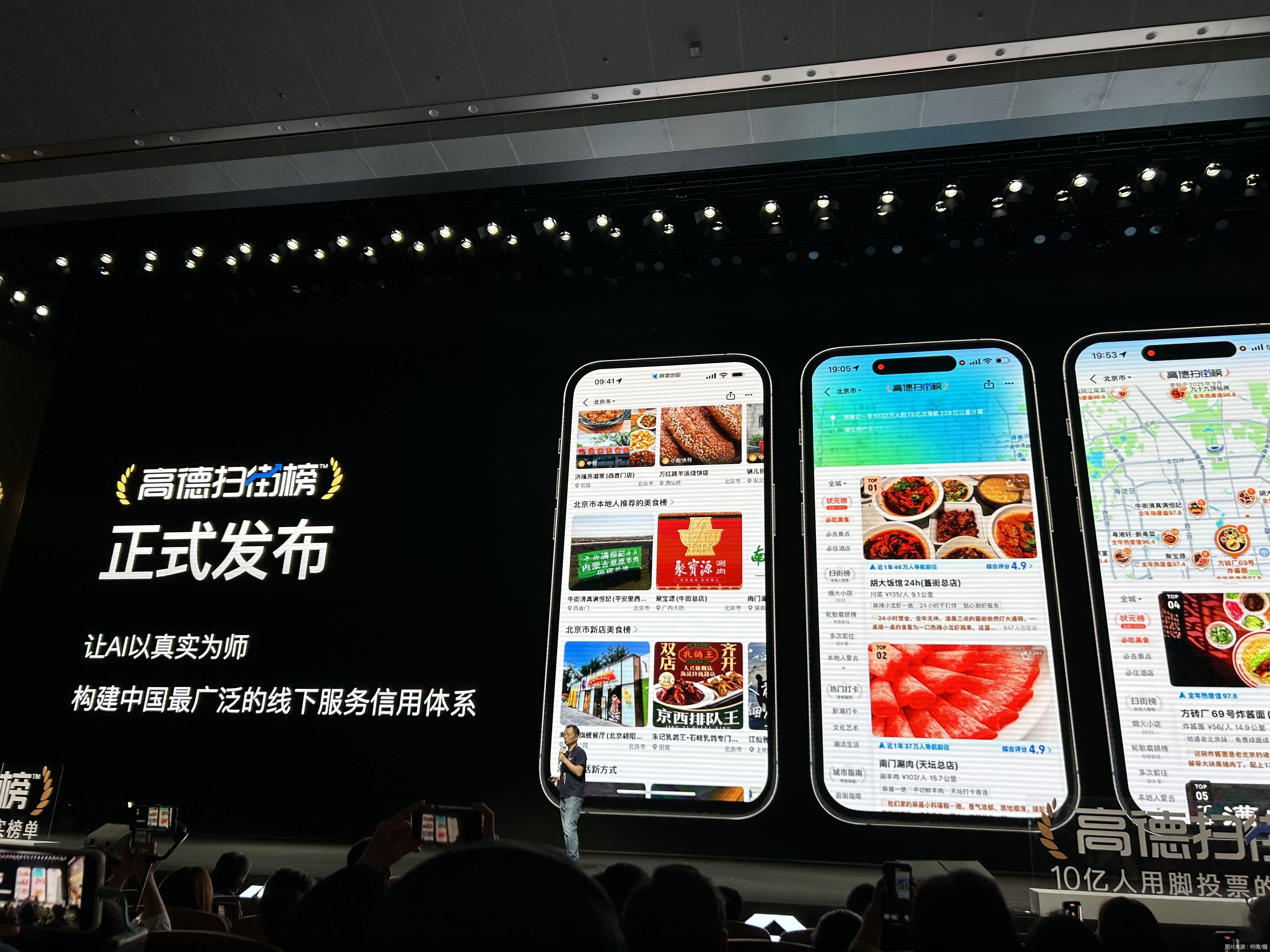
Core Insights - The launch of the "Gaode Street Ranking" is seen as Alibaba's strategy to revive its Koubei platform and reshape local service decision-making based on real navigation behaviors [2][6] - The competition in the local service sector is intensifying, particularly between Alibaba and Meituan, as both companies aim to capture the lucrative in-store business [4][10] Group 1: Gaode Street Ranking Overview - The Gaode Street Ranking has been integrated into the Gaode app, featuring various lists such as "Top Scholars," "Street Ranking," "Popular Check-ins," and "City Guide," covering multiple sectors like food, attractions, and hotels [3] - The ranking system aims to create a reliable evaluation framework by combining user behavior data with AI capabilities to filter out false information and enhance credibility [7][9] Group 2: Competitive Landscape - Alibaba's move into the in-store business is a direct challenge to Meituan's market share, particularly targeting the high-profit margin associated with in-store services [10] - Meituan has also announced the relaunch of its "Quality Takeaway" service, indicating a competitive response to Alibaba's initiatives [4] Group 3: Strategic Advantages - Gaode has a substantial user base, with over 800 million monthly active users, providing a strong foundation for user conversion and engagement [11] - Alibaba has significant financial resources, with over 370 billion yuan in cash and short-term investments, allowing for sustained investment in local services [11] - The ecosystem synergy among Gaode, Alipay, Ele.me, and Fliggy enhances overall traffic efficiency and user retention [12] Group 4: Challenges Ahead - Establishing a new user mindset to prioritize Gaode for store searches requires a rich and precise merchant resource pool [13] - Gaode faces competition from platforms like Douyin and Xiaohongshu, which offer high conversion rates through short video content [15]
阿里祭出“高德扫街榜”,对垒大众点评;转转二手苹果手机搜索量环比增长150%|未来商业早参
Mei Ri Jing Ji Xin Wen· 2025-09-10 23:21
Group 1 - Alibaba's Gaode Map launched the "Gaode Street Ranking," a user behavior-based ranking system to support offline dining and service consumption [1] - Gaode initiated the "Good Store Support Plan," offering over 1 billion in subsidies to encourage in-store consumption, aiming to bring 10 million customers daily to offline dining and service industries [1] - Gaode disclosed that it covers over 7 million restaurant locations nationwide, with 120 million daily searches related to life services and navigation to 13 million service destinations [1] Group 2 - Meituan announced the relaunch of its quality takeaway service through Dazhong Dianping, utilizing a self-developed AI model to provide reliable decision-making support for users [2] - The first batch includes over 1 million high-rated dine-in restaurants, focusing on promoting high-rated small shops and community stores to increase online and offline traffic for quality dining establishments [2] - The competitive landscape in the local life service sector is intensifying, and the relaunch of quality takeaway will strengthen Meituan's advantage in the delivery market [2] Group 3 - Apple's iPhone 17 series was unveiled, leading to a significant increase in second-hand Apple phone searches on the Zhuanzhuan platform, with a 150% rise in search volume and a 210% increase in recovery inquiries on the day of the launch [3] - The release of new iPhone models typically triggers a chain reaction in the smartphone market, as evidenced by the surge in second-hand market activity, indicating ongoing consumer interest in Apple products and diverse consumption behaviors [3]

高德攻入美团腹地 电商“三国杀”持续加码
Bei Jing Shang Bao· 2025-09-10 15:16
Core Viewpoint - The competition among major players in the local lifestyle market, particularly Alibaba, Meituan, and JD, has intensified, with each company launching aggressive strategies to capture market share in food delivery, travel, and group buying services [4][16]. Group 1: Market Dynamics - Alibaba's Taobao Flash and Meituan are engaged in fierce competition, with Alibaba's Gaode launching the "Street Ranking" to directly challenge Meituan's Dazhong Dianping [1][4]. - Gaode's "Street Ranking" covers over 300 cities and includes 1.6 million local service providers, emphasizing the authenticity of its rankings based on user behavior [5][8]. - Meituan responded by revamping its Dazhong Dianping service to enhance quality in food delivery, utilizing AI to filter out fake reviews [5][6]. Group 2: Subsidy Strategies - Both Alibaba and Meituan have initiated subsidy programs, with Gaode offering over 1 billion yuan to encourage in-store consumption and Meituan distributing 25 million various discount vouchers [6][16]. - The competition is not just about rankings but fundamentally about capturing the in-store market, which is more profitable than food delivery due to lower operational costs [6][10]. Group 3: User Engagement and Trust - Gaode aims to differentiate its "Street Ranking" by ensuring its authenticity through a combination of user behavior data and credit scores, while also addressing concerns about privacy and data accuracy [7][8][12]. - Merchants are looking for platforms that can provide digital operational guidance and enhance brand reputation through effective traffic support [11][19]. Group 4: Competitive Landscape - The ongoing battle is reminiscent of past market conflicts, with the current competition being described as historically significant due to its scale and the involvement of multiple major players [17][19]. - The entry of JD into the food delivery space has further complicated the competitive landscape, prompting aggressive responses from both Alibaba and Meituan [15][16]. Group 5: Future Outlook - Analysts suggest that the local lifestyle market will continue to see intense competition, with potential collaborations and further market entries from platforms like Douyin and Kuaishou [20][21]. - The effectiveness of Gaode's strategies and its ability to maintain user trust will be crucial for its success in challenging Meituan's dominance [25].

阿里“扫街”、美团发券 到店大战2.0
Xin Jing Bao· 2025-09-10 11:26
Core Insights - Alibaba and Meituan are shifting their strategies towards a focus on trust and quality, moving away from aggressive spending and competition in the local services market [1] Group 1: Alibaba - Alibaba's Gaode Map launched a "Street Scanning List" based on 1.3 billion navigation trajectories and 22.8 billion kilometers of travel, filtering through 1.18 million stores to create a reputation list based on consumer behavior [1] Group 2: Meituan - Meituan announced the revival of its "Quality Takeaway" service and is distributing consumer coupons, indicating a strategic pivot towards enhancing customer trust and service quality [1] Group 3: Industry Trends - The competitive landscape between Alibaba and Meituan is entering a more rational phase, with both companies emphasizing quality and consumer trust over previous aggressive spending strategies [1]
阿里一声号令 ,高德奇袭美团
3 6 Ke· 2025-09-10 09:32
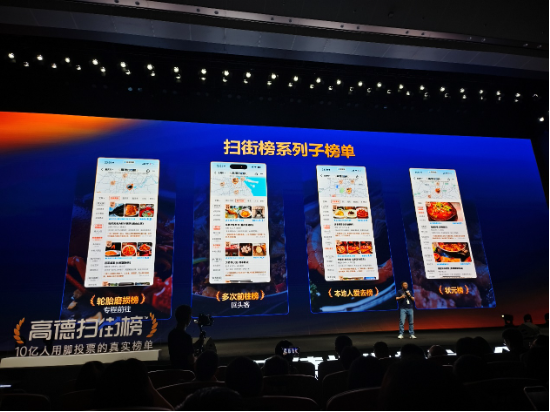
Core Insights - Alibaba's Gaode has launched a new ranking service called "Gaode Street Ranking," which aims to compete directly with Meituan's Dianping by providing data-driven rankings for restaurants, hotels, and attractions [4][10] - The new service emphasizes data authenticity by using user navigation behavior to generate rankings, thus avoiding issues of fake reviews that plague traditional review platforms [5][7] - The initiative has received significant support from Alibaba's upper management, including Jack Ma, indicating a strong commitment to enhancing Gaode's competitive position in the local services market [2][8] Group 1: Business Strategy - Gaode's new ranking service is designed to leverage user-generated content (UGC) and data-driven insights to create a credible ranking system that reflects actual consumer behavior [4][13] - The service will feature various categories such as "Tire Wear Ranking" for long-distance visits and "Returning Customer Ranking," with daily updates based on dynamic data [5][10] - The initiative is part of Alibaba's broader strategy to penetrate the local services market more effectively, potentially integrating with other Alibaba services like Ele.me and Taobao [8][11] Group 2: Market Context - The launch of Gaode Street Ranking comes as Alibaba intensifies its competition with Meituan, which has historically dominated the local services sector [11][18] - Meituan's Dianping has faced challenges from various competitors, including Douyin, which has been aggressively expanding its local services offerings [17][18] - The local services market has shown significant growth, with Alibaba's local services group reporting revenues in the hundreds of billions, indicating a lucrative opportunity for Gaode's new service [13][14]
永不商业化!高德扫街榜引入芝麻信用,终结“刷好评乱象”?
新浪财经· 2025-09-10 08:37
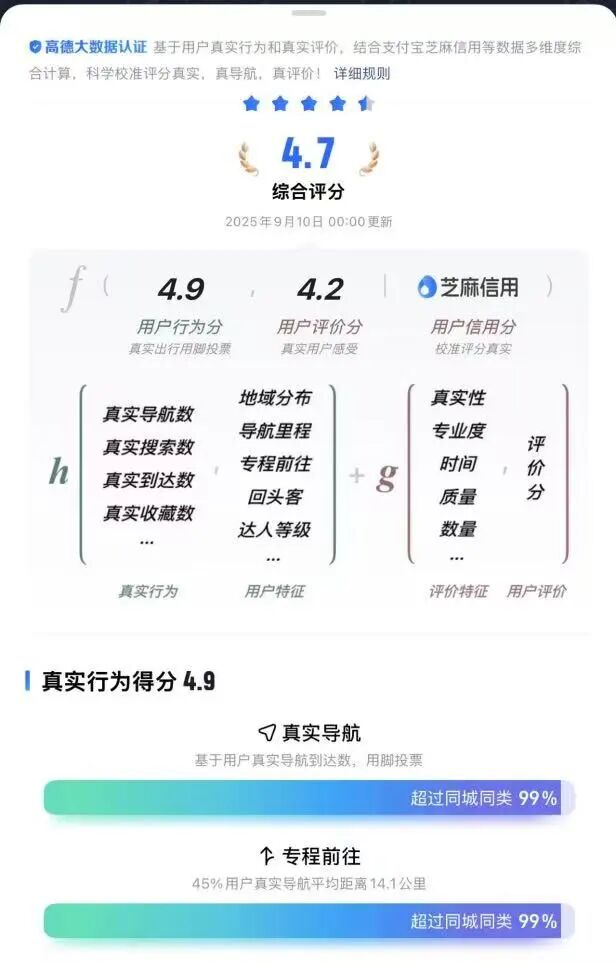
Core Viewpoint - Alibaba has officially launched its new product "Gaode Street Ranking," which is based on user behavior and credit scoring, aiming to enhance local service offerings and compete with Meituan's Dazhong Dianping [3][4][12]. Group 1: Product Launch and Features - "Gaode Street Ranking" is prominently displayed on the Gaode App homepage and includes categories such as "Top Scholars," "Street Ranking," "Popular Check-ins," and "City Guide" [3][7]. - The ranking system under "Top Scholars" features lists like "Must-Eat Foods," "Must-Visit Attractions," and "Must-Stay Hotels," while "Street Ranking" includes categories like "Local Favorites" and "Tire Wear Ranking," with daily updates based on dynamic data [8][10]. - The product aims to provide a reliable ranking system by incorporating the Alipay Sesame Credit system to calibrate user ratings, thus preventing score manipulation [4][16]. Group 2: Competitive Landscape - The launch of "Gaode Street Ranking" is seen as a strategic move to counter Meituan's Dazhong Dianping, which recently announced a revival of its quality takeaway service [4][11][17]. - Both companies are engaged in an escalating competition in the local service sector, focusing on technology empowerment and content authenticity [11][17]. Group 3: User Engagement and Incentives - Gaode has initiated a "Support for Local Good Stores" program, offering over 1 billion yuan in subsidies to drive foot traffic to offline dining and service industries, with an aim to attract 10 million customers daily [10]. - The platform plans to distribute 950 million yuan in consumer vouchers to encourage users to visit local businesses, covering costs entirely by the platform [10].

永不商业化!高德扫街榜引入芝麻信用,终结“刷好评乱象”?
Xin Lang Cai Jing· 2025-09-10 08:30
Core Insights - Alibaba has officially launched its first behavior and credit-based ranking product, "Gaode Street Ranking" [2][4] - The launch of "Gaode Street Ranking" is seen as a strategic move to compete with Meituan's Dianping in the local service sector [5][9] - The ranking system aims to reflect genuine user choices and will incorporate Alipay's Sesame Credit system to ensure the credibility of user evaluations [9][13] Summary by Categories Product Launch - "Gaode Street Ranking" is prominently featured on the homepage of the Gaode app and includes categories such as "Top Scholars," "Street Ranking," "Popular Check-ins," and "City Guide" [2][4] - The ranking will be updated daily based on dynamic data, with specific categories highlighting different types of user behaviors [5] Competitive Landscape - The launch coincides with Meituan's announcement to "restart" quality takeout services on Dianping, indicating an ongoing competitive rivalry between Alibaba and Meituan in the local service market [2][8] - Both companies are enhancing their platforms to improve content authenticity and user experience, with Alibaba focusing on technology and consumer services as key strategic opportunities [8][9] User Engagement and Trust - To prevent score manipulation, "Gaode Street Ranking" will require user authorization to integrate the Sesame Credit system, which will serve as a calibration factor for merchant ratings [9][13] - The initiative aims to address concerns over the reliability of traditional ranking systems, which have been criticized for being susceptible to biased reviews and manipulation [9][13] Financial Incentives - Gaode has initiated a "Support for Good Shops" program, allocating over 1 billion yuan in subsidies to drive foot traffic to offline dining and service businesses [7] - The platform will also distribute 950 million yuan in consumer vouchers to encourage users to visit featured shops, covering all associated costs [7]
大众外卖 高德点评?阿里美团又开新战场
2 1 Shi Ji Jing Ji Bao Dao· 2025-09-10 07:56
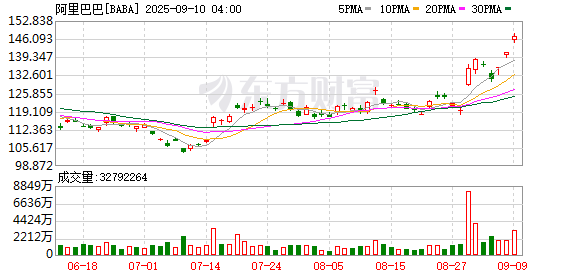
Core Viewpoint - Alibaba and Meituan are intensifying competition in the local services market, with Alibaba launching the Gaode Street Ranking and Meituan reviving its quality takeaway service, indicating a new phase in their rivalry [2][3]. Group 1: Company Actions - Alibaba has introduced the Gaode Street Ranking, which is seen as its version of a popular review platform, aiming to compete directly with Meituan [2]. - Meituan announced the relaunch of its quality takeaway service on the same day, indicating a strategic response to Alibaba's new offering [2]. Group 2: Financial Incentives - Gaode is providing 1 billion yuan in subsidies to encourage in-store consumption, aiming to attract 10 million additional consumers to offline stores and generate 50 million daily exposures for small shops [3]. - Meituan is distributing 25 million various types of high-value takeaway consumption vouchers as part of its quality takeaway service initiative [3]. Group 3: Market Reactions - There are mixed opinions in the market regarding the implications of these actions; some believe that Alibaba's aggressive spending will benefit it in the long run, while others argue that Meituan remains dominant in local services [3]. - Alibaba's stock has seen a significant increase, reaching a nearly four-year high, while Meituan's stock has recovered to over 100 yuan [3].