机构资金动向

Search documents
老美就业数据炸雷!美联储降息倒计时开始?
Sou Hu Cai Jing· 2025-06-05 07:21
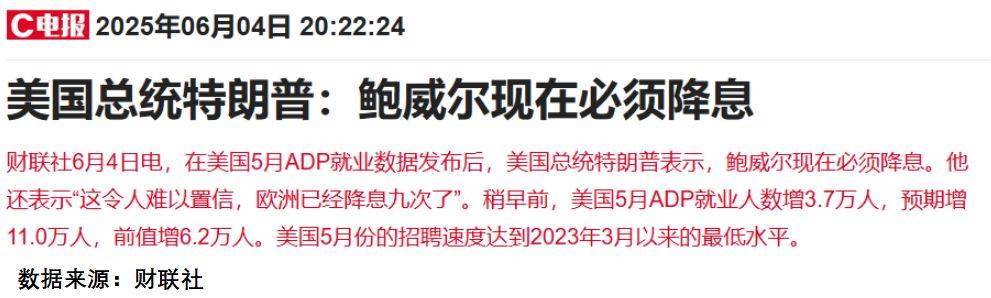
Group 1 - The core point of the article is the significant drop in the US ADP employment data for May, which reported only 37,000 new jobs, far below the expected 110,000 and lower than the previous value of 62,000, marking the lowest level since March 2023 [2][3] - The urgency expressed by the former president for the Federal Reserve to lower interest rates reflects the immense pressure on the US economy, as employment data is a critical indicator for monetary policy alongside inflation [2][3] - If the Federal Reserve initiates a rate-cutting cycle, it could potentially trigger a bull market in the A-share market, although the article questions whether investors will profit from it [2][3] Group 2 - The article highlights common pitfalls in a bull market, such as blindly following stock price increases, leading to buying at peak prices and becoming a "retail investor's scapegoat" [2][4] - Emotional instability among investors can result in premature selling of good stocks during minor fluctuations, causing them to miss out on significant gains [2][4] - Misjudging trends can lead to investing in stocks that appear to be rising but lack institutional support, resulting in a rapid decline once retail investors exit [2][4] Group 3 - The article emphasizes that many investors lose money in bull markets because they fail to understand institutional strategies [4][5] - Institutional funds are the dominant force in the market, often using tactics like creating panic through price drops to accumulate shares at lower prices [5][7] - Retail investors often panic and sell during stock price declines, while institutions may be accumulating shares, as indicated by the presence of institutional inventory data [7][9] Group 4 - To avoid being "harvested" by institutions, investors should closely monitor institutional inventory data, as a dense presence of institutional holdings indicates active accumulation [9][11] - Recognizing short-covering signals can provide insights into potential bottom-fishing opportunities by institutions [9][11] - Investors should not be swayed by market emotions; understanding the underlying funding logic is crucial for making informed decisions [9][11]

六月最大的挑战,是机构的暗度陈仓!
Sou Hu Cai Jing· 2025-06-03 04:05
Group 1 - The market is currently experiencing volatility, with fluctuations driven by external factors and investor sentiment [1][3] - Despite the perception of a declining market, data shows that more stocks have risen than fallen in May, indicating underlying strength [4][6] - The current market environment is characterized by high uncertainty, leading to increased volatility and difficulty for investors to make informed decisions [8] Group 2 - Understanding the movements of institutional investors is crucial for navigating the market effectively [9][11] - Institutions often engage in tactics such as "shakeout" to create panic among retail investors, allowing them to accumulate shares at lower prices [12][15] - The market does not simply repeat past patterns; current conditions differ significantly from previous downturns, suggesting a more strategic approach is needed [16] Group 3 - Key strategies for investors include focusing on individual stocks rather than indices, adapting to market fluctuations, and closely monitoring institutional investor behavior [16]
热点切换要加速,个股下周危险了!
Sou Hu Cai Jing· 2025-05-18 13:44
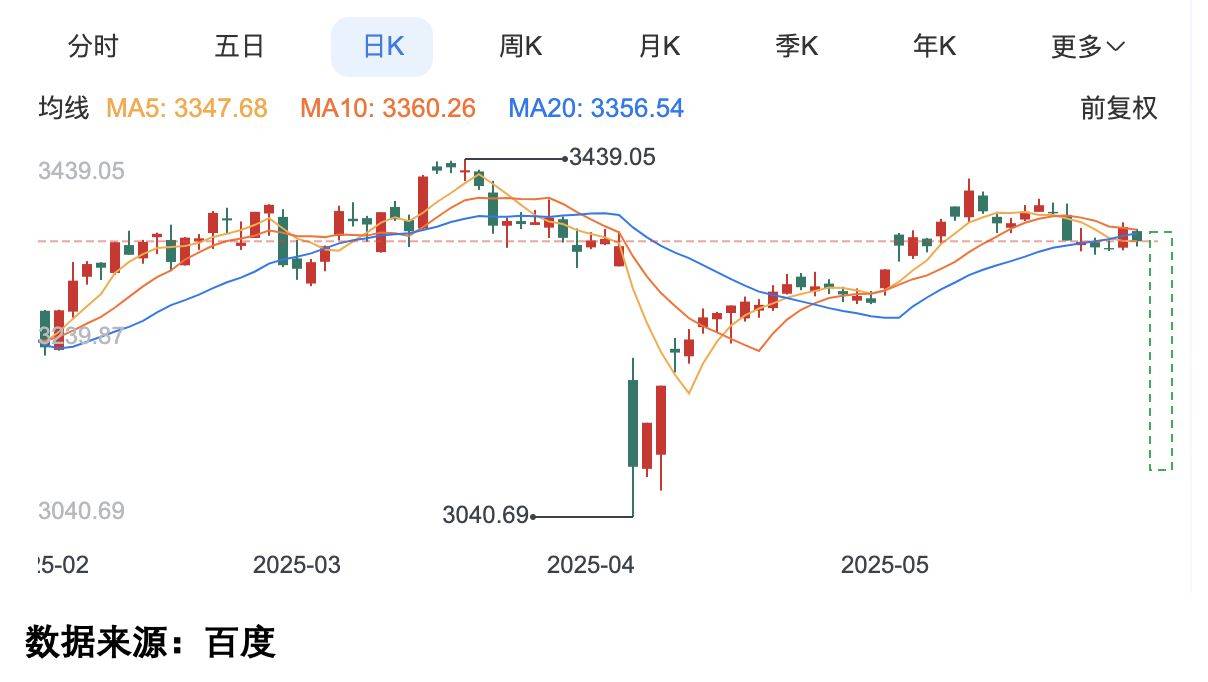
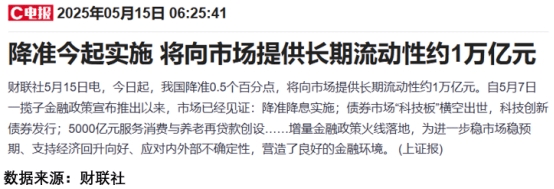
Group 1 - The implementation of monetary easing measures, including interest rate cuts and reserve requirement ratio reductions, is expected to have significant impacts on the market [1][2] - There is a high expectation for continued monetary easing, but the timing of further interest rate cuts by the Federal Reserve remains a key factor due to internal and external interest rate differentials [2][3] - Recent social financing data indicates a positive signal, with government departments initiating credit expansion, although both residents and enterprises remain cautious [3] Group 2 - The market has experienced significant volatility, leading to challenges in timing investments correctly, with many investors feeling they are "only earning the index but not making money" despite a nearly 10% index increase since April 7 [3][4] - Investors often misjudge market movements, leading to poor decision-making, such as selling at lows or buying at highs, which can result in missed opportunities [4][6] - Understanding the true intentions of institutional funds is crucial for improving trading success rates, as many investors rely solely on price movements [6][7] Group 3 - Advanced data analytics can help identify different trading behaviors, allowing investors to better align their strategies with market movements [7][9] - The analysis of trading behaviors reveals that price movements may not always reflect the underlying intentions of institutional investors, highlighting the importance of data-driven insights [9][11] - There are multiple trading behaviors beyond simple price increases or decreases, which can provide deeper insights into market dynamics [11]
开局第一枪打响,A股一边拉升一边挖坑!
Sou Hu Cai Jing· 2025-05-06 07:27
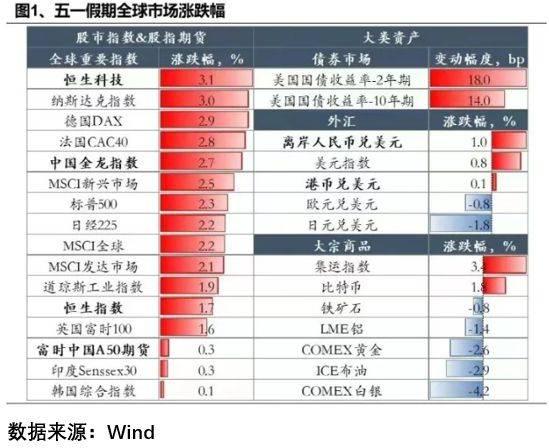
Group 1 - The global market showed a positive trend during the holiday period, with multiple favorable factors emerging for the A-share market's reopening [1] - Key positive signals include stable overseas markets, high expectations for 3-4 interest rate cuts by the Federal Reserve within the year, and impressive consumption data during the May Day holiday [1] - The offshore RMB exchange rate rebounded strongly, breaking through the important threshold of 7.2 [1] Group 2 - A-shares typically reflect overseas market trends post-holiday, but there is a significant divergence between index performance and individual stock movements [4] - Despite a general upward trend in individual stocks, the overall index showed weakness before the holiday, indicating a need for careful stock selection based on underlying driving factors [4] - The market is currently characterized by significant polarization, with institutional funds playing a crucial role in supporting long-term stock price increases [5] Group 3 - The analysis of two specific stocks reveals that understanding the underlying institutional trading dynamics is more important than merely observing price trends [7] - Data visualization indicates active participation from institutional funds, with signs of "institutional shakeout" occurring during price increases [9] - The presence of 223 stocks currently in the institutional shakeout phase suggests that daily price increases are common, but sustained upward movement depends on accurately capturing institutional fund movements [14]
在高波动中挖坑,主力已经不择手段!
Sou Hu Cai Jing· 2025-05-06 04:06
Core Viewpoint - The market has experienced significant volatility since the sharp decline on April 7, leading to concerns among investors about the potential for recovery and strategies to navigate the turbulent environment [1] Group 1: Market Volatility - A-shares exhibit higher volatility compared to U.S. stocks, with A-shares experiencing a 16% fluctuation in individual stocks since April 7, while U.S. stocks have only seen a decline of over 30% eight times in the past 120 years [2][4] - Investors should embrace the high volatility of A-shares as it presents opportunities for excess returns, as stable markets do not typically reveal undervalued or panic-driven opportunities [4] Group 2: Investment Strategies - Ordinary investors are advised to adopt a trend-following approach rather than attempting to predict market movements, as retail investors are more susceptible to emotional influences compared to institutional investors [5] - The reliance on K-line patterns and financial news may obscure the true market dynamics, and utilizing big data technology can help uncover genuine trading intentions and market essence [5][12] Group 3: Institutional Behavior - The behavior of institutional funds is crucial in determining stock price movements, as seen in the example where a stock experiences a pullback followed by a rise, indicating potential new investment opportunities driven by institutional support [7] - Signals of "strong profit-taking" indicate that institutional investors are realizing profits, which may suggest a high risk for chasing prices upward despite subsequent minor increases [9][11] Group 4: Data Utilization - Professional big data tools are available to capture and analyze original trading data, allowing for the identification of abnormal trading signals that may not be visible to ordinary investors [12][14] - Active institutional inventory data often correlates with upward price momentum, while its absence can lead to downward trends, highlighting the limitations of solely relying on K-line analysis [14]
横盘过后,A股即将迎来大洗牌,风险已经开始累积!
Sou Hu Cai Jing· 2025-04-21 09:39
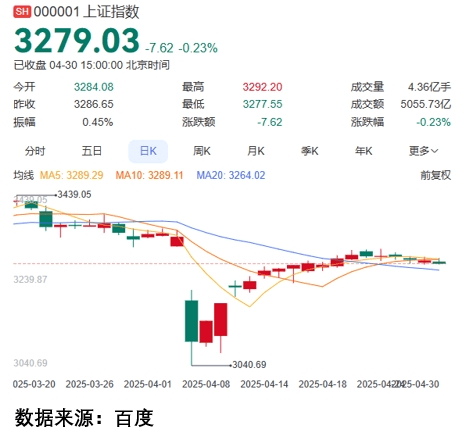
Core Viewpoint - The stock market is experiencing low trading volumes, leading many investors to adopt a wait-and-see approach, but this calmness may be hiding accumulating risks [1][2]. Group 1: Market Conditions - The stock market has been quiet, with low trading activity and a lack of enthusiasm among traders [2]. - Two main reasons for the current market stagnation are the anticipation of key news and the typical post-spring farming market pause in A-shares [4]. - Investors are particularly cautious ahead of the upcoming May Day holiday, leading to a continued lack of market activity [4]. Group 2: Investment Opportunities - While many retail investors are waiting for a market upturn, there are hidden risks that could lead to significant losses if not addressed [5]. - The market is not uniformly rising or falling; some stocks and sectors may be quietly accumulating risks during this sideways market [5]. - Understanding institutional trading data can provide insights into potential investment opportunities, as institutional investors often have better market insights than retail investors [7]. Group 3: Institutional Trading Insights - Data analysis reveals that stocks with active institutional trading tend to perform better, as seen with "Huarong Chemical," which saw an 80% price increase due to institutional accumulation [9]. - Conversely, "ST Zhongqingbao" experienced a nearly 50% drop with no institutional involvement, highlighting the importance of institutional sentiment in stock performance [10]. - A comprehensive analysis of over 5,000 stocks can help identify which stocks are being actively managed by institutions, providing a clearer picture of potential investment opportunities [10].
指数回来了,钱却没回来
Sou Hu Cai Jing· 2025-03-25 09:58
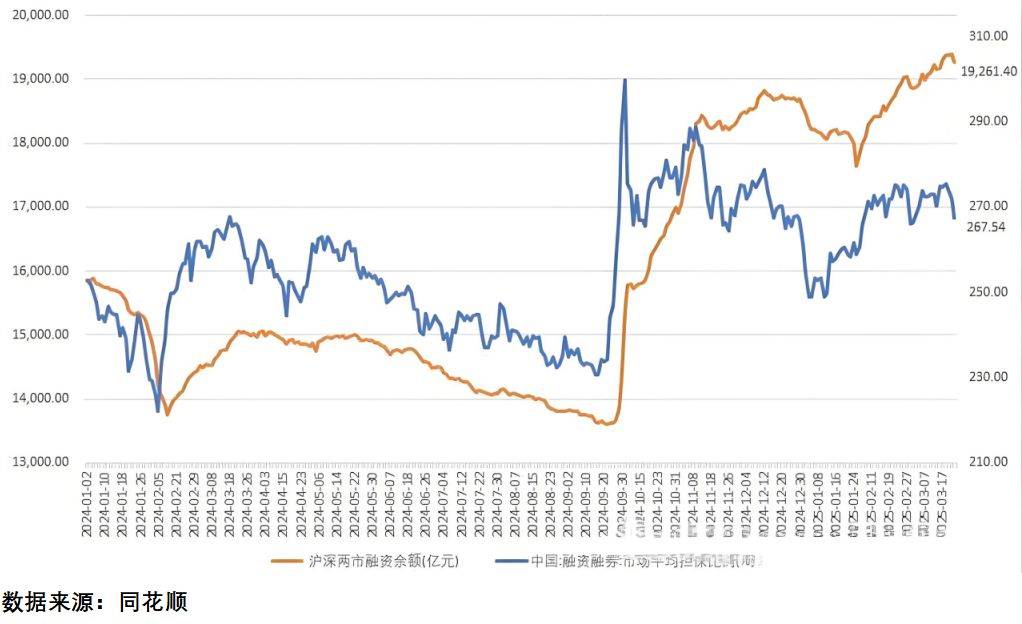
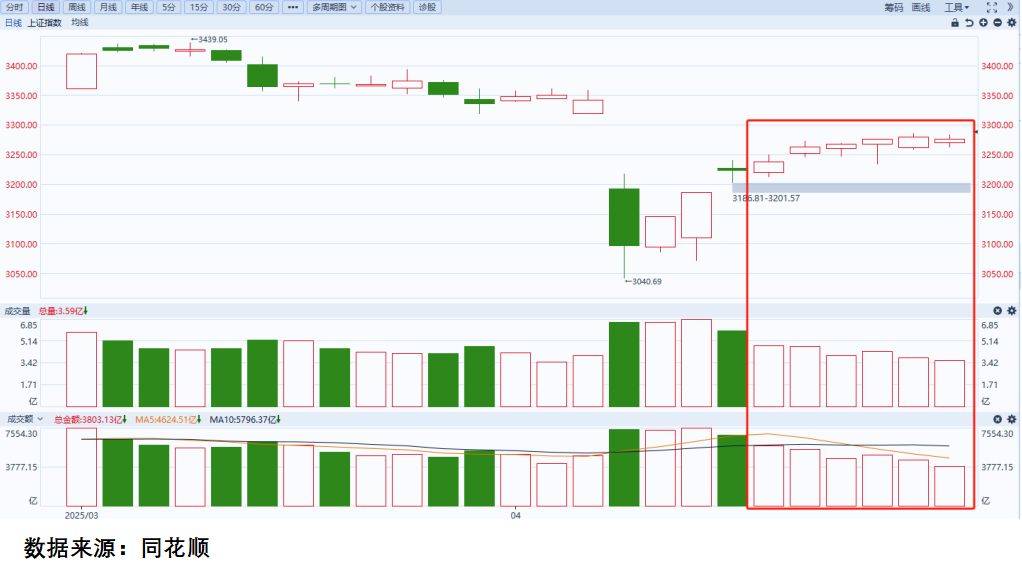
指数回来了,钱却没回来 昨天市场出现了一个值得玩味的现象: 虽然三大指数最终收红,但微盘股却领跌全市场,明明指数是涨的,为什么自己反而亏了大钱? 这种指数与个股表现背离的情况,今天我来给大家好好分析一下。 文末有重要干货提示,千万不要错过! 一,微盘股领跌 表面上看,微盘股的下跌可以归因于监管边际趋严、缺乏热点题材等短期因素。 但究其根本,是市场内部的杠杆水平和真实赚钱效应之间的扭曲程度已经达到了一个极点。 过去一段时间,部分微盘股凭借资金推动和概念炒作积累了过高涨幅,而随着市场回归理性,均值回归的规律开始发挥作用。 值得庆幸的是,昨天下午两点半的那波强力拉升,避免了市场重演去年12月17日的单边下跌剧情,这显示出市场仍具备一定的自我修复能力。 二,指数涨了,钱却亏了 这种指数与个股分化的现象给我们一个重要启示: 单纯盯着指数涨跌来判断市场好坏是远远不够的。 即便指数上涨,如果选错了板块和个股,依然可能面临亏损。 这就是为什么专业投资者更关注机构资金的动向——因为机构往往能更早感知市场风向的变化。 机构掌握着股价的定价权,对于市场中稀有的有价值的信息能够提前掌握并分析。 当前市场正处于一个关键转折期,前期涨幅 ...