
流感病毒

Search documents
北京疾控发布预防流感八问八答
Xin Jing Bao· 2025-11-28 05:27
Core Viewpoint - The article emphasizes the importance of understanding flu prevention and control measures, especially during the high incidence winter-spring season, to protect oneself and family from influenza. Group 1: Influenza Overview - Influenza is an acute respiratory infectious disease caused by the influenza virus, primarily the H3N2 subtype in China [2] - The flu virus has four types: A, B, C, and D, with A and B being the most common in seasonal outbreaks [2] Group 2: Characteristics of Influenza - The flu typically peaks in the winter-spring season, with varying dominant strains each year, including H3N2, H1N1, and B Victoria subtypes [3] - Influenza spreads mainly through droplets from coughs and sneezes, and can survive briefly in the air [4] Group 3: Symptoms and Differences from Common Cold - Typical symptoms of influenza include fever, headache, muscle and joint pain, with temperatures reaching 39-40°C, along with sore throat, dry cough, nasal congestion, and fatigue [5] - Influenza differs from the common cold in terms of causative agents, symptoms, and seasonal patterns, with flu being more severe and often leading to complications like pneumonia in high-risk groups [6] Group 4: High-Risk Groups - High-risk groups for severe influenza include infants, pregnant women, and elderly individuals with chronic conditions such as heart or lung diseases, diabetes, or immune suppression [7] Group 5: Prevention Strategies - Annual vaccination is an effective method to prevent influenza and reduce the risk of severe complications, along with maintaining good personal hygiene and cleanliness in living and working environments [8] Group 6: Response to Symptoms - Individuals showing flu symptoms should rest at home and avoid public places until symptoms subside, and seek medical attention if experiencing severe symptoms like persistent high fever or difficulty breathing [9]
健康解读·“疫苗+卫生习惯”双防线 流感科学防护指南来了
Yang Shi Wang· 2025-11-26 00:02
Core Viewpoint - The current flu season in China is experiencing a rapid increase in activity, with the H3N2 virus remaining dominant, and experts clarify that there are no new pathogens causing emerging infectious diseases [1][2][3]. Group 1: Flu Virus Characteristics - The H3N2 subtype is not new and is a common variant, with seasonal fluctuations between H1N1, H3N2, and B-type flu viruses [3]. - Influenza viruses undergo "antigenic drift," leading to seasonal outbreaks, but this does not imply that the virus is becoming increasingly virulent [4][5]. Group 2: Vaccination Insights - With the flu season in full swing, vaccination remains beneficial, even for those who have experienced flu-like symptoms but have not been diagnosed [6][8]. - It is advised not to vaccinate during the acute phase of infection, but individuals can receive the vaccine after recovery from flu-like symptoms [7]. Group 3: Treatment and Symptoms in Children - Antibiotics are ineffective against viral infections like the flu, and treatment should focus on rest, hydration, and symptomatic relief [9]. - Symptoms in children can vary significantly, with older children showing symptoms similar to adults, while younger children may exhibit different signs such as digestive issues [9].
健康解读·“疫苗+卫生习惯”双防线 流感科学防护指南来了 | 梳理↓
Yang Shi Wang· 2025-11-24 13:58
Core Viewpoint - The current flu season in China is experiencing a rapid increase in activity, with the H3N2 virus remaining dominant, and experts clarify that there are no new pathogens detected [1][3]. Group 1: Flu Virus Characteristics - The H3N2 subtype is not new and is a common variant, with known pathogens circulating rather than unknown ones [3]. - Influenza viruses undergo "antigenic drift," leading to seasonal outbreaks, but this does not imply that the virus is becoming stronger over time [5]. Group 2: Vaccination Insights - Despite the flu season being in full swing, it is still beneficial to receive the flu vaccine, especially for those who have recovered from flu-like symptoms [7][9]. - Vaccination is recommended after symptoms have subsided, and it is not advisable to vaccinate during the acute phase of infection [7]. Group 3: Prevention Strategies - A dual prevention strategy of vaccination and maintaining good hygiene practices is advised to mitigate flu transmission [11]. - Antibiotics are ineffective against viral infections like the flu, and symptomatic treatment is recommended instead [12][14]. Group 4: Pediatric Considerations - Symptoms of flu in children can differ from adults, with younger children potentially showing less typical signs [15]. - Parents should monitor for severe symptoms in children and seek medical attention if necessary [17].

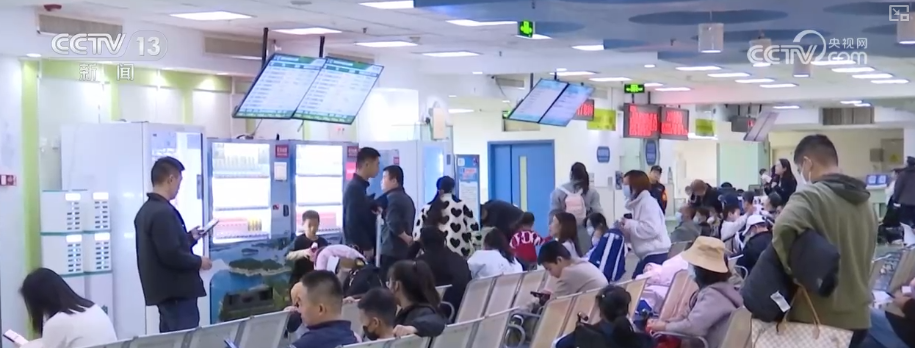
当前流感仍处于季节性流行水平
Ke Ji Ri Bao· 2025-11-24 00:56
Group 1 - The emergence of a new variant K sub-branch of the H3N2 influenza virus is leading to a more severe flu season in some countries [1] - In China, H3N2 is the dominant strain, with 3362 out of 3439 positive samples in southern provinces and 3535 out of 3563 in northern provinces being H3N2 [1] - Current flu activity is at a seasonal level, and there are no new infectious diseases caused by unknown pathogens detected [1] Group 2 - The national flu center's antigenic analysis shows that 43.6% of H3N2 strains are similar to the WHO-recommended vaccine component, indicating high vaccine match [2] - The flu vaccine covers multiple subtypes, and it is recommended to get vaccinated early to reduce the risk of infection and severe illness [2] - The flu activity in China is rising rapidly, with many provinces reaching moderate to high epidemic levels, particularly among children aged 5-14 [3] Group 3 - Misconceptions about treating flu symptoms, such as the rush to reduce fever, can hinder proper diagnosis and treatment [3] - Antibiotics like amoxicillin and cephalosporins are ineffective against viral infections, highlighting the need for targeted treatment [3]
警惕!山西流感H3N2毒株流行 学生为主要高发人群
Yang Shi Xin Wen· 2025-11-15 03:09
Core Viewpoint - The acute respiratory infectious disease epidemic in Shanxi Province is on the rise, with influenza being the predominant virus, particularly the H3N2 subtype, which accounts for 99% of cases reported, primarily among students [1][2]. Group 1: Disease Overview - The main pathogens causing acute respiratory infections during the autumn and winter seasons include influenza virus, rhinovirus, enterovirus, and respiratory syncytial virus [1]. - The H3N2 subtype of influenza is not a new strain and exhibits typical symptoms such as fever, cough, sore throat, body aches, headache, chills, and fatigue, with some patients experiencing diarrhea and vomiting [1]. Group 2: Treatment and Medical Response - Accurate differentiation of respiratory diseases is crucial for effective treatment, with antiviral medications like Oseltamivir recommended for influenza patients, ideally administered within 48 hours of symptom onset [2]. - The Shanxi Provincial Health Commission has strengthened epidemic trend analysis and risk assessment, ensuring that medical resources are allocated effectively and that emergency response mechanisms are in place [2]. - By the end of October, all secondary and tertiary public hospitals in Shanxi have achieved full coverage of pediatric outpatient services, establishing a pediatric diagnosis and treatment collaboration network across the province [2].
北方个别地区RSV感染高峰提前到来
第一财经· 2025-11-11 03:30
Core Viewpoint - The article highlights the rising stock prices of flu vaccine concept stocks, particularly Jindike (688670.SH), due to an increase in flu activity in southern China and a warning about the respiratory syncytial virus (RSV) during the flu season [3][4]. Group 1: Flu and RSV Activity - The latest flu monitoring report indicates an increase in flu activity in southern provinces and most northern provinces during the 44th week of 2025 [3]. - RSV is also a concern, with a detection rate of 8.5% among severe acute respiratory infection cases, ranking second after rhinovirus [4][5]. - In Tianjin, RSV infections have peaked earlier this year compared to last year, with a notable increase in cases during the autumn and winter seasons [5][6]. Group 2: Infection Risks and Prevention - RSV poses a significant risk, especially for children under five, with the highest risk for those under one year old [6]. - The article emphasizes the importance of preventing severe RSV and flu infections to avoid complications such as pneumonia and meningitis [6][8]. - Recommendations for prevention include vaccination for children over six months against flu, and the use of RSV monoclonal antibodies for infants under one year [6][7]. Group 3: Public Health Recommendations - Non-pharmaceutical interventions are suggested, such as maintaining social distance, frequent handwashing, wearing masks, and improving ventilation [7]. - Adults are encouraged to adopt good hygiene practices to protect children from respiratory infections during the high-risk autumn and winter seasons [7][8].
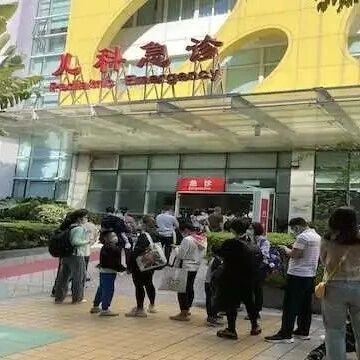
专家:流感病毒预计是今冬明春中国急性呼吸道传染病主要病原体
Zhong Guo Xin Wen Wang· 2025-11-10 09:22
Core Viewpoint - The influenza virus is expected to be the main pathogen for acute respiratory infectious diseases in China during the winter and spring seasons [1][2] Group 1: Current Situation - The overall flu activity level in China has significantly increased, with a higher prevalence in southern regions compared to northern regions [1] - Acute respiratory infectious diseases are on the rise, with influenza virus, rhinovirus, and respiratory syncytial virus identified as the main pathogens [1] Group 2: Public Health Recommendations - The winter and spring seasons are high-risk periods for acute respiratory infectious diseases, and the public is advised to maintain good hygiene practices such as wearing masks, frequent handwashing, and ensuring proper ventilation [1] - Vaccination is highlighted as the most effective and economical means of preventing infectious diseases, and individuals who have not yet received the flu vaccine are encouraged to do so promptly [2]
全国整体进入流感流行季 流感活动水平整体呈现南方高于北方态势
Zhong Guo Xin Wen Wang· 2025-11-10 08:56
Core Points - The overall flu activity level in China is rising, with southern regions experiencing higher levels than northern regions [1] - The flu virus is expected to be the main pathogen for acute respiratory infectious diseases this winter and spring [1] - Multiple acute respiratory pathogens are also at risk of spreading alongside the flu [1] Summary by Category Flu Activity - The National Health Commission announced that the flu season has officially begun across the country, with a noticeable increase in flu activity [1] - The flu virus, rhinovirus, and respiratory syncytial virus are identified as the main pathogens for acute respiratory infections [1] Public Health Recommendations - The public is advised to maintain good hygiene practices, such as wearing masks, frequent handwashing, and ensuring proper ventilation [1] - Vaccination is emphasized as the most effective and economical means of preventing infectious diseases, with a recommendation for eligible individuals to get vaccinated against the flu as activity levels rise [1]
这些人得流感后更容易发展为重症,中疾控支招
Ren Min Wang· 2025-11-04 02:19
Core Viewpoint - The article emphasizes the importance of preventive measures against influenza as the season approaches, highlighting key strategies for individuals and families to maintain health during this period [1]. Group 1: Influenza Overview - Influenza is an acute respiratory infectious disease caused by the influenza virus, which is categorized into four types: A, B, C, and D. The predominant strains currently circulating in China are the H3N2 subtype of type A, along with the Victoria lineage of type B and the H1N1 subtype of type A [2]. Group 2: Transmission and Symptoms - The primary transmission sources of seasonal influenza are infected patients and asymptomatic carriers. The virus spreads mainly through respiratory droplets produced when an infected person talks, sneezes, or coughs. It can also be transmitted through direct or indirect contact with mucous membranes [3]. - Typical symptoms of influenza include fever, headache, muscle and joint pain, with body temperature reaching 39-40°C. Other symptoms may include sore throat, dry cough, nasal congestion, and fatigue [4]. Group 3: High-Risk Groups - Certain populations are at higher risk of developing severe influenza, including infants, pregnant women, the elderly, and individuals with chronic underlying conditions such as heart and lung diseases, diabetes, and immunosuppression [5]. Group 4: Prevention Strategies - A dual prevention strategy of "vaccination + hygiene habits" is recommended. Timely vaccination is the most effective means of preventing influenza, with September to October being the optimal time for vaccination. Good hygiene practices include regular handwashing, using tissues when coughing or sneezing, and maintaining a balanced diet to enhance immunity [6]. Group 5: Safe Environment Practices - To create a safe home and office environment, it is advised to ventilate regularly by opening windows 2-3 times a day for 20-30 minutes, disinfect frequently touched surfaces, and maintain cleanliness by timely disposal of garbage [7][8][9]. Group 6: Precautions for High-Risk Individuals - High-risk individuals should minimize visits to crowded and enclosed public spaces and are advised to wear masks in such environments. It is also recommended to wear masks when visiting hospitals or using public transportation [10]. Group 7: Response to Symptoms - Influenza is generally self-limiting, with healthy individuals recovering within 1 to 2 weeks. However, early medical consultation is advised for persistent high fever, difficulty breathing, or severe symptoms. Patients should rest at home and avoid close contact with others until symptoms subside [12][13].
推荐的2025-2026年度北半球流感季节使用的流感病毒疫苗成分
WHO· 2025-03-03 01:52
Core Insights - The report recommends the composition of influenza virus vaccines for the Northern Hemisphere for the 2025-2026 season, based on the WHO's technical consultation meetings held in February and September each year [1][28] - The recommended vaccine components include strains similar to A/Victoria/4897/2022 (H1N1)pdm09, A/Croatia/10136RV/2023 (H3N2), and B/Austria/1359417/2021 (B/Victoria lineage) for trivalent vaccines [30][31] - The report highlights the ongoing global circulation of A(H1N1)pdm09 and A(H3N2) viruses, with specific genetic lineages identified, indicating the need for continuous monitoring and adaptation of vaccine formulations [25][26] Seasonal Influenza Activity - Influenza activity from September 2024 to January 2025 showed a decrease in overall activity compared to the previous season, with variations in dominant viruses across different regions [3][4] - In Africa, influenza activity peaked in December, primarily driven by A(H3N2) detections, while in Asia, A(H1N1)pdm09 was the dominant strain during the reporting period [3][6] - The Americas experienced increased influenza activity starting in November, with A(H1N1)pdm09 and A(H3N2) viruses circulating at similar levels [8] Virus Characteristics and Antigenic Properties - The A(H1N1)pdm09 virus has been identified in various regions, with genetic analysis revealing the presence of lineages 5a.2a and 5a.2a.1, which continue to diversify [14][25] - A(H3N2) viruses predominantly belong to the 2a.3a.1 lineage, with significant mutations observed, particularly in the J.2 subclade [18][26] - The report indicates that B/Victoria lineage viruses are the only circulating B viruses, with all identified strains belonging to the 3a.2 lineage [22][27] Recommendations for Vaccine Composition - For the 2025-2026 Northern Hemisphere season, the WHO recommends specific strains for both egg-based and cell culture-based vaccines, emphasizing the need to exclude B/Yamagata lineage components due to the absence of circulating strains [30][31] - The report underscores the importance of using updated vaccine strains to enhance effectiveness against circulating viruses, as evidenced by serological studies showing good recognition of recent strains by vaccine-induced antibodies [25][27]