
阿奇霉素

Search documents
深度|316种国家集采药品接续采购开标,覆盖26个治疗领域
Di Yi Cai Jing· 2026-02-13 08:55
Core Viewpoint - The recent round of national drug procurement has resulted in 4,163 products from 1,020 companies being shortlisted, covering 316 commonly used drugs across 26 therapeutic areas, with only 21 original drugs winning bids, representing less than 10% of the total [1][2]. Group 1: Procurement Details - The procurement aims to reduce drug prices and patient burdens while reallocating saved healthcare funds to innovative drugs that provide significant clinical value [2]. - The procurement process was led by the medical insurance bureaus of Jiangsu, Henan, and Guangdong provinces, with a high selection rate of 93% among participating companies [2]. - The results of this procurement are expected to be implemented by the end of March 2026, with a procurement cycle lasting until the end of 2028 [2]. Group 2: Original Drug Participation - The original drugs selected include various formulations such as Fosinopril and Acarbose, with companies like Bristol-Myers Squibb and Sanofi involved [3]. - Several original drugs that had previously won bids in earlier rounds, such as Gefitinib and Clopidogrel, did not participate in this round, allowing generic competitors to dominate [4][3]. - The absence of original drugs in the procurement reflects a trend where original drugs face significant competition from generics post-patent expiration, leading to a decline in sales and profits [6]. Group 3: Market Dynamics - The "patent cliff" phenomenon has led to original drugs experiencing substantial sales and profit declines once their patents expire, which was previously mitigated by high prices and market share [6]. - Some original drug companies have reduced or dissolved their sales teams for products affected by procurement policies, yet many still find market opportunities outside public hospital settings [7]. - Cross-national pharmaceutical companies are increasingly focusing on innovative drug development while divesting mature product lines to local firms [8][9]. Group 4: Future Outlook - The Chinese government is implementing policies to support the development of innovative drugs, which is expected to expand the overall pharmaceutical market [10].




316种国家集采药品接续采购开标,原研药中标的比例不到一成
Di Yi Cai Jing· 2026-02-12 22:50
Core Viewpoint - The recent round of national drug procurement has resulted in 4,163 products from 1,020 companies being shortlisted, covering 316 commonly used drugs across 26 therapeutic areas, with only 21 original drugs selected, representing less than 10% of the total [1][2]. Group 1: Procurement Details - The procurement aims to reduce drug prices and patient burdens while reallocating saved healthcare funds to innovative drugs [2]. - The procurement process involved 51,000 medical institutions, with a high selection rate of 93% and an average of 14 companies selected per product [2][3]. - The results of this procurement are expected to be implemented by the end of March 2026, with a procurement cycle lasting until the end of 2028 [2]. Group 2: Original Drug Participation - The selected original drugs include various formulations from companies like Bristol-Myers Squibb, Sanofi, and Bayer, with some previously shortlisted in earlier rounds [3]. - Notable original drugs that did not participate in this round include AstraZeneca's gefitinib and Sanofi's clopidogrel, which had previously been selected [4][3]. Group 3: Market Dynamics - The phenomenon known as "patent cliff" has led to significant declines in sales and profits for original drugs post-patent expiration, making it challenging for them to maintain market share without substantial price reductions [6]. - Some original drug companies have reduced or dissolved their sales teams for products affected by procurement policies, yet many still find market opportunities outside public hospital procurement [7]. - Cross-national pharmaceutical companies are increasingly focusing on innovative drug development while divesting mature product lines to local firms [8][9].


316种国家集采药品接续采购开标,原研药中标的比例不到一成
第一财经· 2026-02-12 14:56
Core Viewpoint - The recent round of national drug procurement in China has resulted in 1,020 companies winning bids for 4,163 products, covering 316 commonly used drugs across 26 therapeutic areas, with original research drugs making up less than 10% of the selected products [3][5]. Group 1: Procurement Results - The procurement process involved a high participation rate, with a selection rate of 93% and an average of 14 companies winning bids for each product [5]. - The selected original research drugs include various formulations such as oral and injectable forms, with notable companies like Merck, Sanofi, and Bayer involved [6]. - Some original research drugs that previously won bids in earlier rounds did not secure selection in this round, indicating a shift in market dynamics [6][7]. Group 2: Market Dynamics - The introduction of national drug procurement has led to significant price reductions for original research drugs, which now face competition from generics, resulting in a phenomenon known as the "patent cliff" [9]. - Despite the challenges, many original research drugs maintain a presence in the market, particularly in outpatient settings, leveraging brand strength [10]. - Some multinational pharmaceutical companies are divesting mature product lines to focus on innovative drug development, reflecting a strategic shift in response to the evolving market landscape [11][12].

深度|316种国家集采药品接续采购开标,原研药中标的比例不到一成
Di Yi Cai Jing· 2026-02-12 13:49
Core Viewpoint - The recent round of national drug procurement has resulted in 4,163 products from 1,020 companies being shortlisted, with only 21 original drugs selected, indicating a significant shift in the pharmaceutical market dynamics in China [1][2]. Group 1: Drug Procurement Overview - The new round of procurement involves 316 commonly used drugs across 26 therapeutic areas, including anti-infection, anti-tumor, and cardiovascular treatments [1]. - The procurement process has a high selection rate of 93%, with an average of 14 companies winning bids for each product [2]. - The results of this procurement are expected to be implemented by the end of March 2026, with a procurement cycle lasting until the end of 2028 [2]. Group 2: Impact on Original Drugs - Original drugs are facing challenges in maintaining high profits and market share post-patent expiration due to increased competition from generic drugs [6]. - Some original drugs, despite not being selected in the procurement, continue to find market opportunities outside public hospitals due to their brand strength [1][7]. - The absence of original drugs in the procurement does not equate to their market exit; they may still be prescribed in specific hospital settings [7]. Group 3: Market Dynamics and Strategies - The phenomenon known as "patent cliff" is causing significant declines in sales and profits for original drugs once their patents expire [6]. - Many original drug companies are reducing or dissolving their sales teams for products affected by the procurement policies [7]. - Some multinational pharmaceutical companies are divesting mature product lines to focus on innovative drug development and market entry [8][9][10].
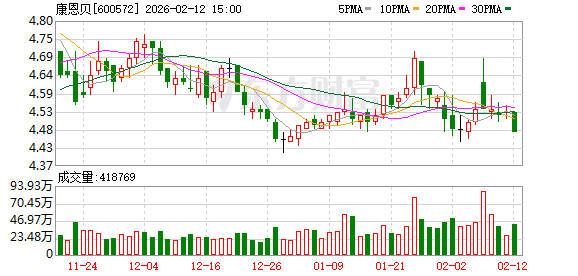
康恩贝:2024年公司出口业务整体约占公司总收入的8%
Zheng Quan Ri Bao· 2026-02-12 13:41
Core Viewpoint - The company, Kangnibei, anticipates that its export business will account for approximately 8% of total revenue in 2024, focusing on regions such as India, the Middle East, Pakistan, and Europe [2] Group 1 - The export products primarily include active pharmaceutical ingredients such as Azithromycin, Amikacin Sulfate, Dexamethasone Hydrochloride, and Clarithromycin [2]

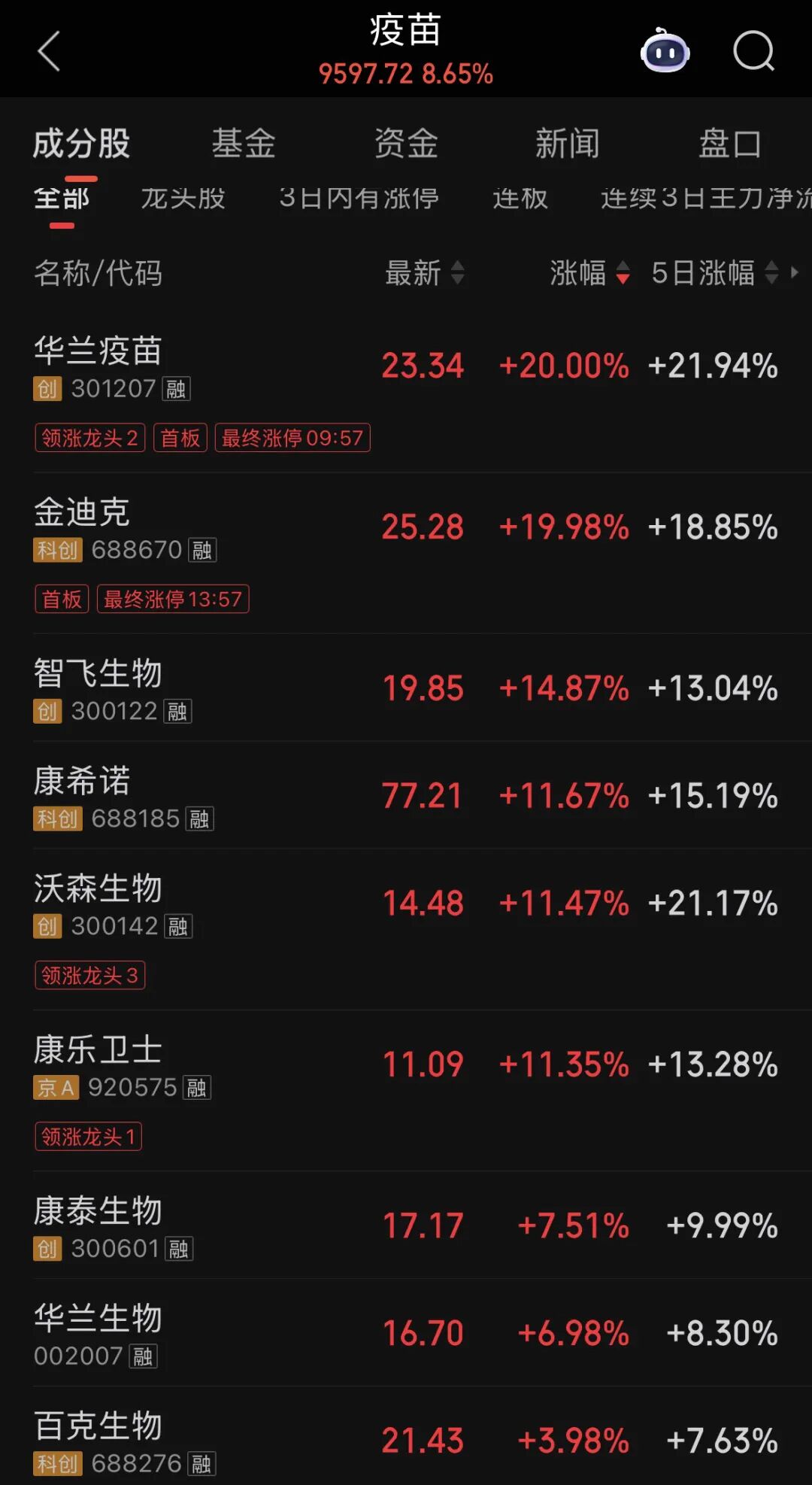
尼帕病毒印东确诊5例,A股疫苗股多只涨停
Guo Ji Jin Rong Bao· 2026-01-26 12:44
Group 1: Nipah Virus Outbreak in India - The Nipah virus infection cases have been reported in West Bengal, India, with 5 confirmed cases, including healthcare workers, and nearly 100 individuals under home quarantine [1] - One patient is in critical condition, and the infected individuals are receiving treatment in Kolkata and surrounding hospitals [1] Group 2: Market Reaction - Following the news, the A-share market saw significant movements in sectors such as flu vaccines, diagnostic reagents, and chemical pharmaceuticals, with several stocks hitting the daily limit [2] - Notable stock performances include Hualan Vaccine (20% increase), Jindike (19.98% increase), and Zhifei Biological (14.87% increase) [2][3] Group 3: Vaccine and Diagnostic Kit Development - Companies in the IVD medical device sector, including Maike Biological and Cap Biological, launched Nipah virus test kits, with prices ranging from 100 to 2899 yuan [5][6] - The development of Nipah virus vaccines is considered technically feasible, but companies face challenges due to low vaccination willingness and market conditions [5] Group 4: Regulatory and Preventive Measures - China has strengthened its legal framework for controlling infectious diseases, including the Nipah virus, with new regulations effective from January 1, 2025 [7] - Enhanced health monitoring measures have been implemented at airports in Thailand for travelers from India due to the outbreak [7]



寒潮来袭 新疆乌苏市市场监管局强化药械安全风险隐患排查 保障群众健康权益
Zhong Guo Shi Pin Wang· 2025-12-12 07:49
Core Viewpoint - The article highlights the proactive measures taken by the Urumqi Market Supervision Administration to ensure the safety and quality of medical products and services during the winter season, particularly in response to the rise in respiratory infectious diseases [1] Group 1: Regulatory Actions - The Urumqi Market Supervision Administration has intensified supervision and inspection of medical institutions, clinics, and pharmacies, focusing on drugs and medical devices related to respiratory diseases [1] - Random checks, undercover visits, and follow-up rectifications have been employed to ensure compliance with regulations regarding the procurement and storage of medications [1] Group 2: Focus Areas - The inspections specifically target commonly used medications for winter flu, particularly for vulnerable populations such as the elderly and children, including drugs like Oseltamivir, Azithromycin, and Xiao Chai Hu Granules [1] - The administration checks the legality of procurement channels, the qualifications of suppliers, and the compliance of storage management and information traceability [1] Group 3: Community Impact - Residents express confidence in the quality of medications provided by local pharmacies, appreciating the guidance from licensed pharmacists [1] - The administration emphasizes its commitment to ensuring the stability of medical supplies and maintaining a safe market environment for the community during the holiday season [1] Group 4: Inspection Results - As of the report, over 80 medical institutions, clinics, and pharmacies have been inspected, with no safety risks or hidden dangers identified in the medical products [1]
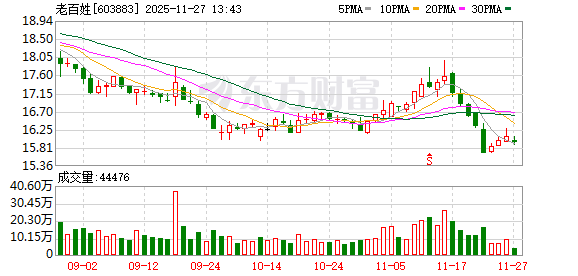
流感药品需求上升 老百姓大药房全国门店供应稳定
Zheng Quan Ri Bao· 2025-11-27 05:43
Core Viewpoint - The demand for respiratory disease-related medications and protective supplies has significantly increased as respiratory diseases like influenza and mycoplasma pneumonia enter a high incidence season in China [2][3]. Group 1: Market Demand and Supply - The China Disease Prevention and Control Center has reported an upward trend in influenza cases, with sentinel hospitals in southern provinces reporting a percentage of influenza-like cases at 6.7% and northern provinces at 7.0% during the 46th week of 2025, indicating an earlier onset of the flu season compared to previous years [2]. - The company, Lao Bai Xi Da Yao Fang, has leveraged its nationwide supply chain and store network to ensure stable supply and price stability for four categories of medications, including antiviral drugs, antipyretics, cough suppressants, and antibiotics, as well as protective supplies like masks [2][3]. Group 2: Sales Performance - Sales of antiviral medications such as Oseltamivir and Mabalaoshuai (Sufuda), as well as antibiotics like Amoxicillin and Azithromycin, have seen significant growth recently, particularly in November, with a notable increase in sales of flu medications [3]. - The company has implemented a supply guarantee plan in anticipation of seasonal demand fluctuations, which includes early forecasting, centralized procurement, and increased stock levels to ensure market supply stability [3]. Group 3: Health Recommendations - The China Disease Prevention and Control Center has noted an increase in reported influenza outbreaks, particularly among children aged 5 to 14, and has recommended health monitoring in key institutions such as schools and nursing homes [4]. - The company emphasizes the importance of following medical advice for flu prevention and treatment, including vaccination, medication adherence, mask-wearing, hand hygiene, and environmental disinfection [4].

警惕!山西流感H3N2毒株流行 学生为主要高发人群
Yang Shi Xin Wen· 2025-11-15 03:09
Core Viewpoint - The acute respiratory infectious disease epidemic in Shanxi Province is on the rise, with influenza being the predominant virus, particularly the H3N2 subtype, which accounts for 99% of cases reported, primarily among students [1][2]. Group 1: Disease Overview - The main pathogens causing acute respiratory infections during the autumn and winter seasons include influenza virus, rhinovirus, enterovirus, and respiratory syncytial virus [1]. - The H3N2 subtype of influenza is not a new strain and exhibits typical symptoms such as fever, cough, sore throat, body aches, headache, chills, and fatigue, with some patients experiencing diarrhea and vomiting [1]. Group 2: Treatment and Medical Response - Accurate differentiation of respiratory diseases is crucial for effective treatment, with antiviral medications like Oseltamivir recommended for influenza patients, ideally administered within 48 hours of symptom onset [2]. - The Shanxi Provincial Health Commission has strengthened epidemic trend analysis and risk assessment, ensuring that medical resources are allocated effectively and that emergency response mechanisms are in place [2]. - By the end of October, all secondary and tertiary public hospitals in Shanxi have achieved full coverage of pediatric outpatient services, establishing a pediatric diagnosis and treatment collaboration network across the province [2].
流感毒株已发生变化,高峰可能出现在12月中下旬和1月初
Di Yi Cai Jing· 2025-11-12 00:03
Group 1 - The peak of influenza epidemic in China is expected to occur in late December and early January [1] - Shanghai is entering the influenza epidemic season with a rising positive detection rate of influenza [1] - The dominant influenza strain has shifted from H1N1 to H3N2 in Shanghai [1] Group 2 - Current influenza strains remain highly sensitive to antiviral medications such as oseltamivir and baloxavir [1] - Hospitals in Shanghai report sufficient drug supplies to handle the upcoming respiratory infection season [1] - Azithromycin, previously in short supply, is now stable in supply for treating mycoplasma infections [1] Group 3 - Prices for antiviral drugs like baloxavir have remained stable this year, with 40mg tablets priced around 200 yuan [2] - Two domestic antiviral drugs, Isunavir and Jike Shou, have been approved, offering similar mechanisms to baloxavir [2] - The resistance mutation rates for Isunavir against H1N1 and H3N2 are low, indicating a low risk of resistance [2]